The Ocean Cleanup
  • Projects
    • Oceans
      Oceans
    • Rivers
      Rivers
    • Other

      • Impact Dashboard
      • Waste Management and Valorization
      • Environmental and Social Impact
      • Global Public Affairs
  • Knowledge
    • Research
      Research
    • Scientific Publications
      Scientific Publications
    • Topics

      • Ocean Plastic Facts
      • The Great Pacific Garbage Patch
      • Top 1000 Polluting Rivers
      • The Price Tag of Plastic Pollution
  • Updates
    • Updates
      Updates
    • Improving lives
      Improving lives
    • Featured updates and podcasts

      • Joining forces for cleaner oceans and sustainable tourism
      • How Collaborations lead to Long-Term Impact
      • 2026 Pacific Data Expedition
  • Help Clean
    • Donate now
      Donate now
    • Become a Partner
      Become a Partner
    • Other ways to help

      • Fundraise
      • Join the Crew
      • Become a Citizen Scientist
      • Get Merch
  • Careers
    • About us
    • FAQ
    • Contact
    • Press kit
    • Media Gallery
  • Donate now
Donate now

Search results

  • All
  • General
  • FAQs
  • Job Openings
  • Media Galleries
  • Milestones
  • Press Releases
  • Scientific Publications
  • Updates

232 results for “AI”

  • Press Release

    First Estimate to Quantify Global Plastic Input from Rivers into Oceans

    7 June 2017

    Additionally, knowledge about the sources of plastic pollution can aid prevention efforts. It is commonly accepted that most plastic found in the oceans originates from land-based sources.
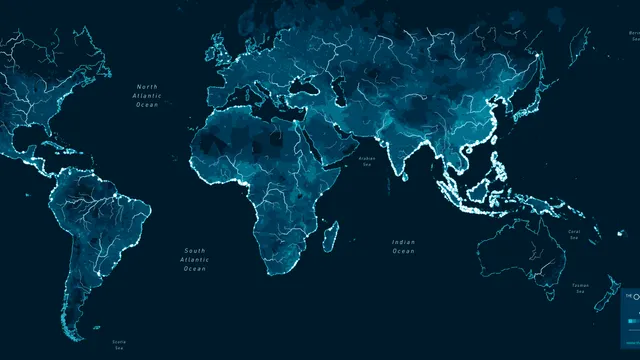
    First Estimate to Quantify Global Plastic Input from Rivers into Oceans
  • FAQ

    What types of plastic do you find in the middle of the ocean vs closer to shore?

    Examples of these plastic types are: Plastic bags Cigarette filters PET bottles (note: the cap does float) Styrofoam food- and beverage containers Straws Textiles made of plastic With our Interceptor solutions, we aim to catch plastics before it beaches

  • FAQ

    What will you do with the plastic once it's extracted from the oceans?

    By recycling the collected ocean plastic into useful products that are made with certified plastic from the Great Pacific Garbage Patch, we aim to make the cleanup operational costs, to a large extent, financially self-sustainable.

  • Update

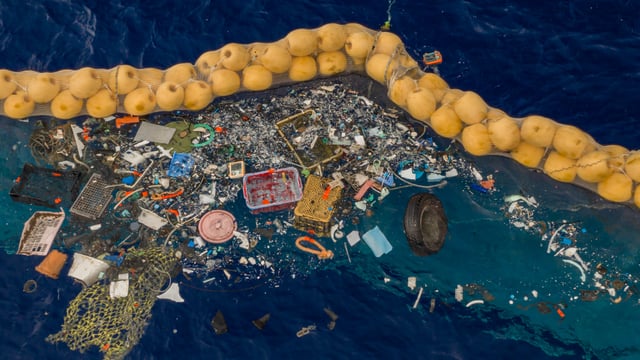
    The Ocean Cleanup Successfully Catches Plastic in the Great Pacific Garbage Patch

    2 October 2019

    NEW DESIGN LEADS TO IMPROVED PERFORMANCE The aim of System 001/B was to trial modifications, which addressed known complications, primarily aimed at correcting the inconsistent speed difference between the system and the plastic.

    The Ocean Cleanup Successfully Catches Plastic in the Great Pacific Garbage Patch
  • Update

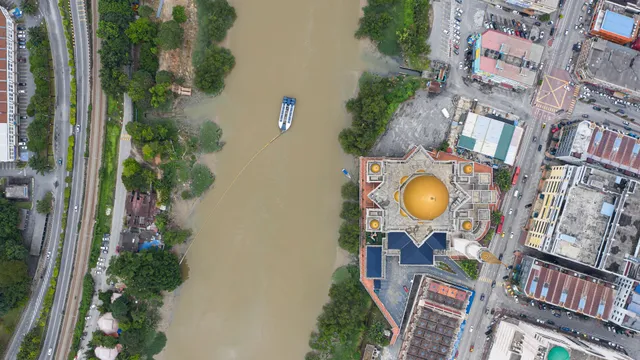
    The Ocean Cleanup opens regional office in Kuala Lumpur, Malaysia

    3 April 2023

    “It will bring The Ocean Cleanup closer to our partners and policymakers in various focus countries, each aiming to realize their ambitions in the coming years.” Kuala Lumpur Crew Want to join our recently opened office in Kuala Lumpur, Malaysia?

    The Ocean Cleanup opens regional office in Kuala Lumpur, Malaysia
  • FAQ

    What are the economical costs of plastic pollution?

    The aim of the study was to confirm the idea that it’s cheaper to actually do something rather than let the plastic continue to flow into and from rivers.

  • Update

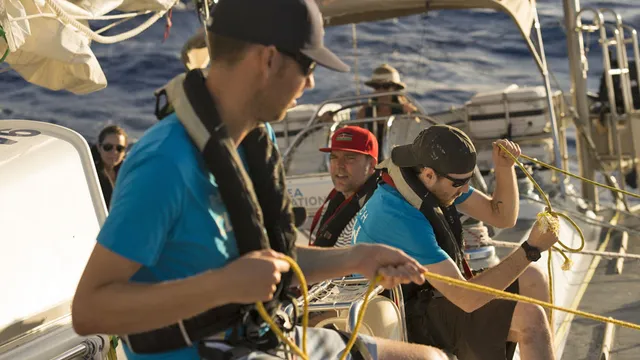
    Announcing The Ocean Cleanup Gyre Research Expedition # 3

    5 March 2014

    On this 8-day voyage, the crew aims to take 12 more vertical distribution measurements, necessary to determine the depth profile of plastic pollution. We are looking for 10 enthusiastic participants to join us on this special expedition.

    Announcing The Ocean Cleanup Gyre Research Expedition # 3
  • FAQ

    Can I raise funds to help clean the oceans?

    Thank you for wanting to get hands-on and involve your network in shedding light on the plastic pollution issue and the solutions we aim to bring!

  • Scientific Publication

    Seasonality of Riverine Macroplastic Transport

    19.09.2019 Collaborators: Stichting The Ocean Cleanup (NL), Hydrology and Quantitative Water Management Group, Wageningen University (NL), CARE, Ho Chi Minh City University of Technology (VN), University of Grenoble Alpes (FR), Aix-Marseille

  • Scientific Publication

    Quantification of Medium and Large Debris in the Great Pacific Garbage Patch Using Visual Observations from Aerial Surveys

    Collaborators: Centre for Marine Science and Technology, Curtin University (Australia), The Ocean Cleanup (The Netherlands), University of New Castle (Australia) Support provided from: Teledyne Optech, International Air

  1. 1
  2. 2
  3. 3
  4. 4
  5. 5
  6. 6
  7. 7
  8. 8
  9. 9
  10. 10
  11. 11
  12. 12
  13. 13
  14. 14
  15. 15
  16. 16
  17. 17
  18. 18
  19. 19
  20. 20
  21. 21
  22. 22
  23. 23
  24. 24

Follow us

  • Follow us on Instagram
  • Follow us on Facebook
  • Follow us on Twitter
  • Follow us on Youtube
  • Follow us on Linkedin
  • Follow us on Tiktok

Newsletter

Join our 80,000+ strong community and get updates straight to your inbox.

Projects and Updates
  • Oceans
  • Rivers
  • Impact Dashboard
  • Waste Management
  • Global Public Affairs
  • Research
  • Milestones
  • Updates
About us
  • About
  • Careers
  • Press kit
  • Media gallery
  • Become a partner
  • Suppliers
  • Community Corner
Help
  • Donate now
  • Fundraise
  • Become a partner
  • Merchandise
  • Citizen Science
  • FAQ
  • Contact
  • Volunteering locally
Legal
  • Privacy and Cookie Notice
  • Disclaimer
  • Donation Terms & Conditions
  • Third Party Code of Conduct
  • Foundation Details
  • American Friends of The Ocean Cleanup

© 2026 The Ocean Cleanup. All rights reserved. THE OCEAN CLEANUP trademarks are registered trademarks, pending registration, or protected under common law, and owned by The Ocean Cleanup Technologies B.V. This site is protected by reCAPTCHA and the Google Privacy Policy and Terms of Service apply.