How Collaborations and Agreements Lead to Long-Term Impact
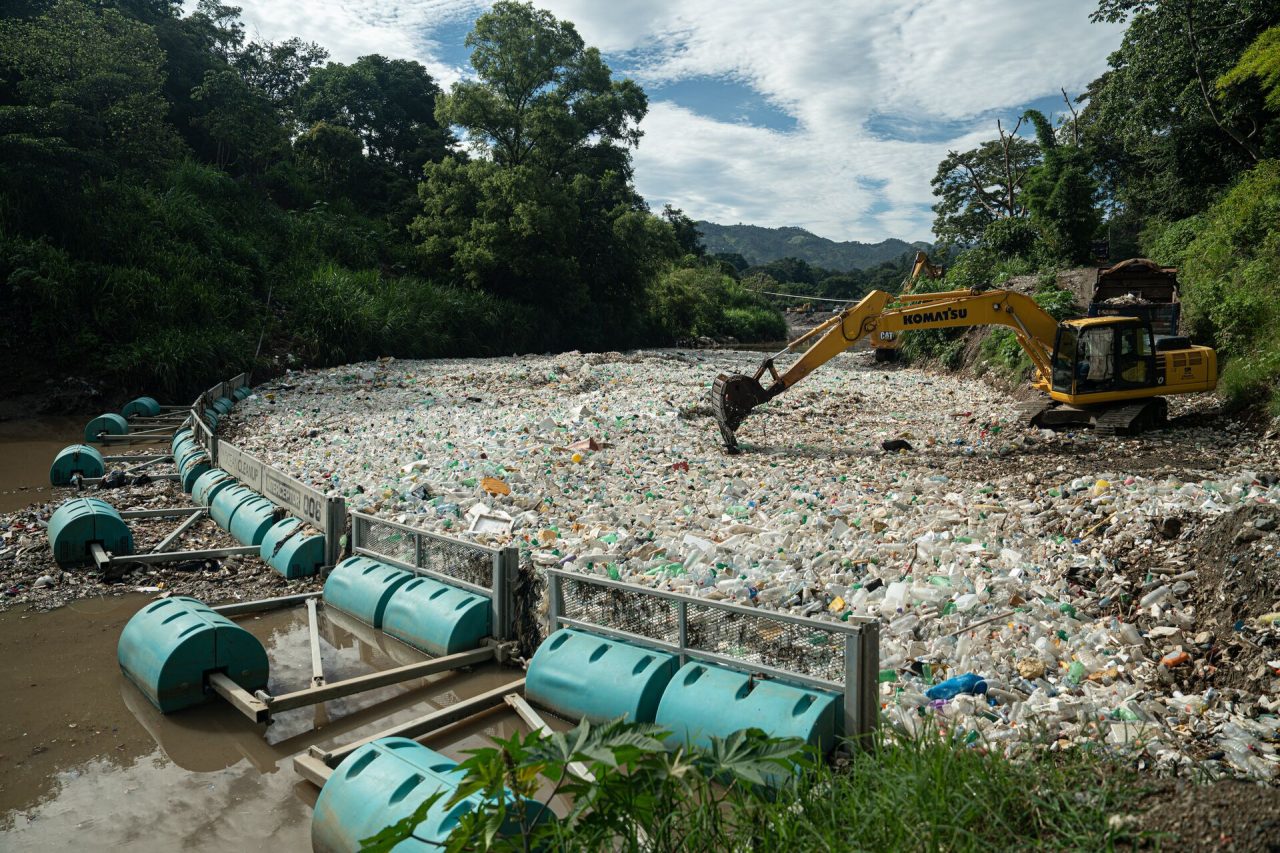
Back to updatesDeveloping responsible long-term solutions to the plastic pollution problem requires a vast amount of collaboration across different jurisdictions and industries. This is why we work with a range of stakeholders from academia, civil society, government, and the private sector to further our mission. Formalizing collaborations and entering into agreements with local stakeholders kicks off our end-to-end process and creates a platform for us to build on. As our operations scale up to meet the goals of our 30 Cities Program, we have been growing and consolidating our network – but what does that look like?
The increase of our scope in Asia over the past year provides insight into how collaborations are built for long-term impact.
Building Bridges
Asia sits at the heart of the global ocean plastics challenge, the region accounts for over one-third of global plastic leakage, making it a hotspot for plastic pollution. We have been present in the region since 2019, it is home to our first river Interceptor (001, Indonesia), and six deployments so far in Indonesia, Malaysia, Thailand, and Vietnam.
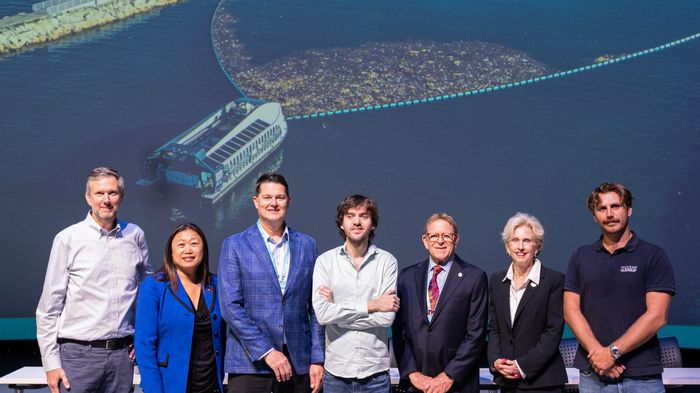
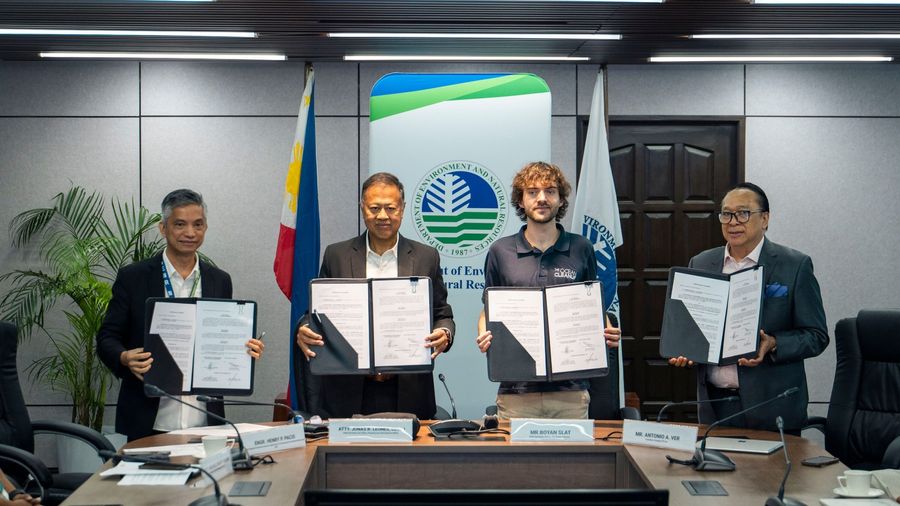
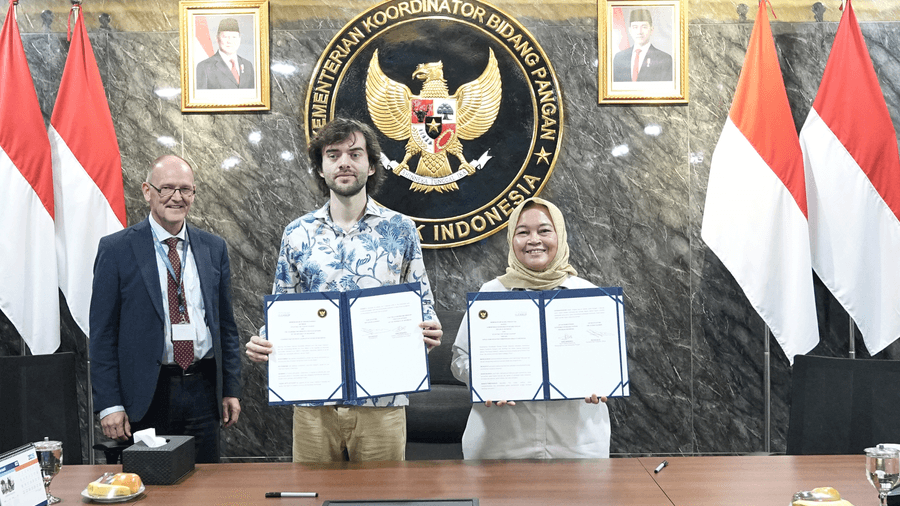
Ahead of the announcement of the 30 Cities Program in 2025, discussions were well underway with existing contacts and new connections. This led to new agreements with local authorities to facilitate deployment across India, Indonesia, and the Philippines, as well as entities with complementary expertise and similar goals – like the National University of Singapore’s Tropical Marine Science Institute (NUS TMSI).
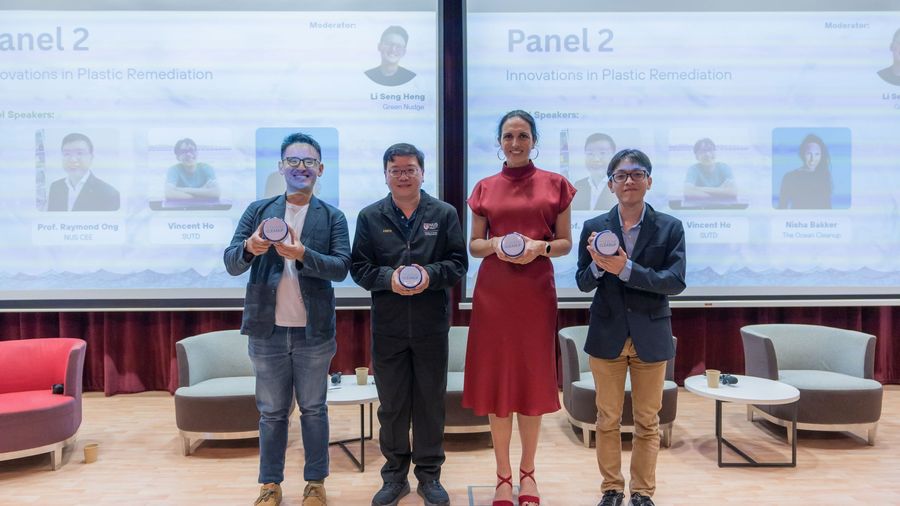
A leading academic institution in Asia, our collaboration with NUS TMSI will center on research, innovation, education, and public engagement on plastic pollution and how to solve it. This follows similar agreements signed earlier this year with ICLEI Asia Pacific, a non-governmental organization that provides technical advice and support for governments, and The Coral Triangle Initiative on Coral Reefs, Fisheries, and Food Security (CTI-CFF), a multilateral partnership uniting six nations (Indonesia, Malaysia, Papua New Guinea, the Philippines, the Solomon Islands, and Timor-Leste) to promote sustainable ocean management and the protection of local marine biodiversity.
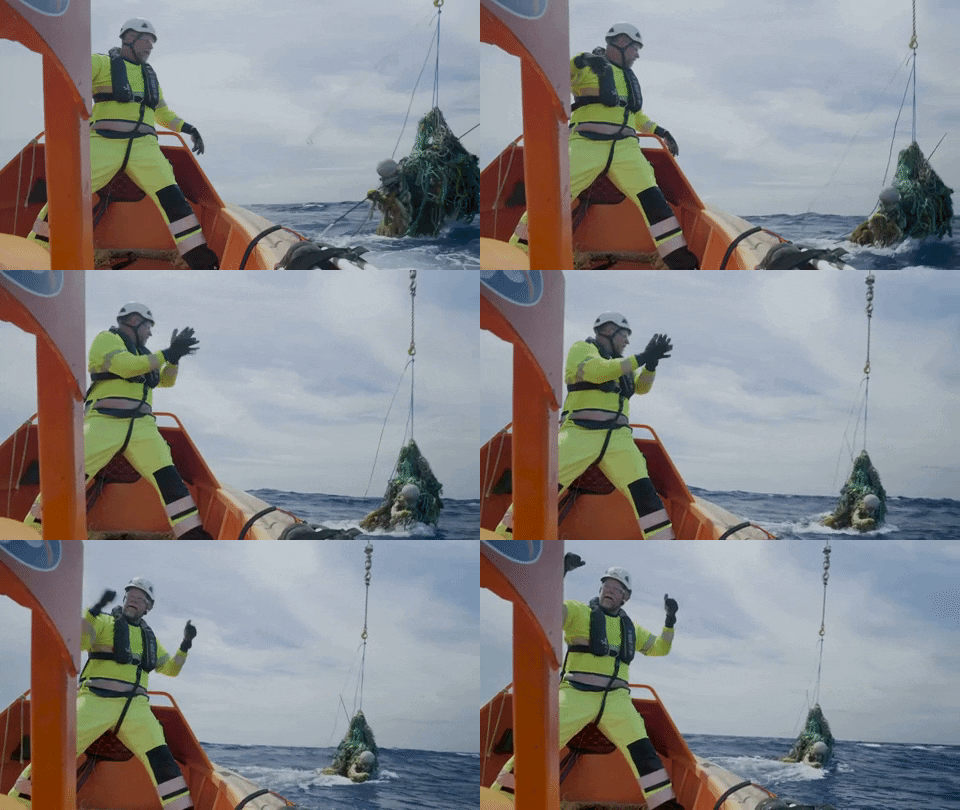
By formalizing partnerships with regional experts like NUS TMSI, ICLEI, and CTI-CFF, it enables us to build capacity and cooperate towards our shared goal of cleaner oceans, leveraging our respective research, resources, and networks. In some cases, these agreements can also help to support complementary action areas to our operations like reducing discarded fishing waste with the Global Ghost Gear Initiative (GGGI), as well as open pathways to be part of larger, global environmental projects through the United Nations Development Programme (UNDP).
From Agreements to Action
The results of these agreements aren’t always immediate – they help to open doors, start conversations with relevant stakeholders, build credibility for our work, and enable our mission to progress directly, through physical deployments, and indirectly by using our research and operational data.
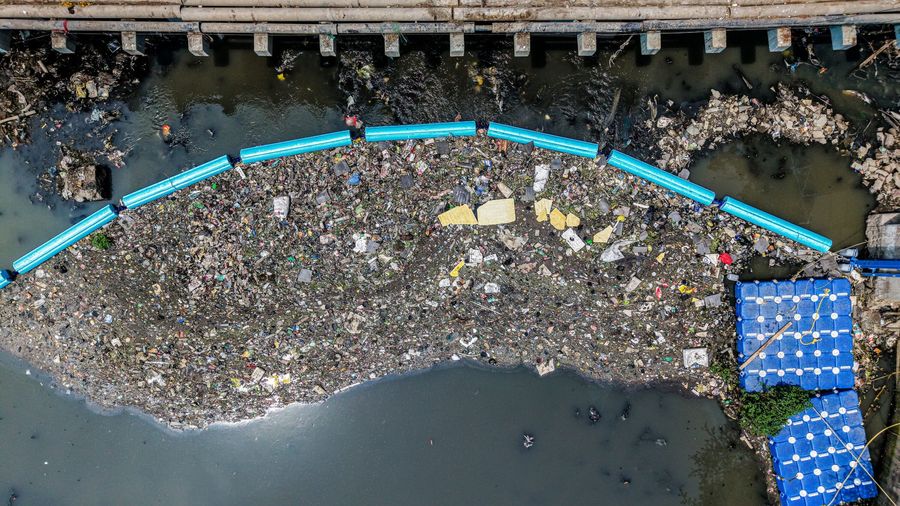
Our network of collaborators has supported our global scale up, and in Asia specifically, this has led to several developments: In Indonesia, new sites have been identified for potential new Interceptor deployments in Jakarta, Denpasar, and Tasikmalaya. In India, we deployed our first two Interceptors in Mumbai ahead of the monsoon season for pilot testing. Likewise, in the Philippines, the Manila Bay Region’s first Interceptor was deployed in the Meycauayan River and we are working with the Department for the Environment and Natural Resources (DENR) to identify the next set of locations across the iconic Pasig River System.
Earlier this year in Vietnam, the UNDP published a report on Interceptor 003’s performance in Can Tho that quantified the costs, benefits, and opportunities for river clean ups – a unique resource that can be used as a starting point for other projects. Our research is also contributing to GGGI’s efforts to pursue policy changes across the fishing industry.
Collaborative Leadership
Plastic pollution is a transboundary problem which requires a transboundary solution, one that brings together like-minded partners and supporters in various sectors, industries, and countries. The road to cleaning our oceans – and keeping them clean – needs collaborative leadership. As highlighted by our 30 Cities scale up and entities like NUS TMSI, ICLEI, and CTI-CFF formally joining the fold, we are well on the way to delivering long-term impact for the region and the rest of the world.