What is our strategy to tackle ghost gear?
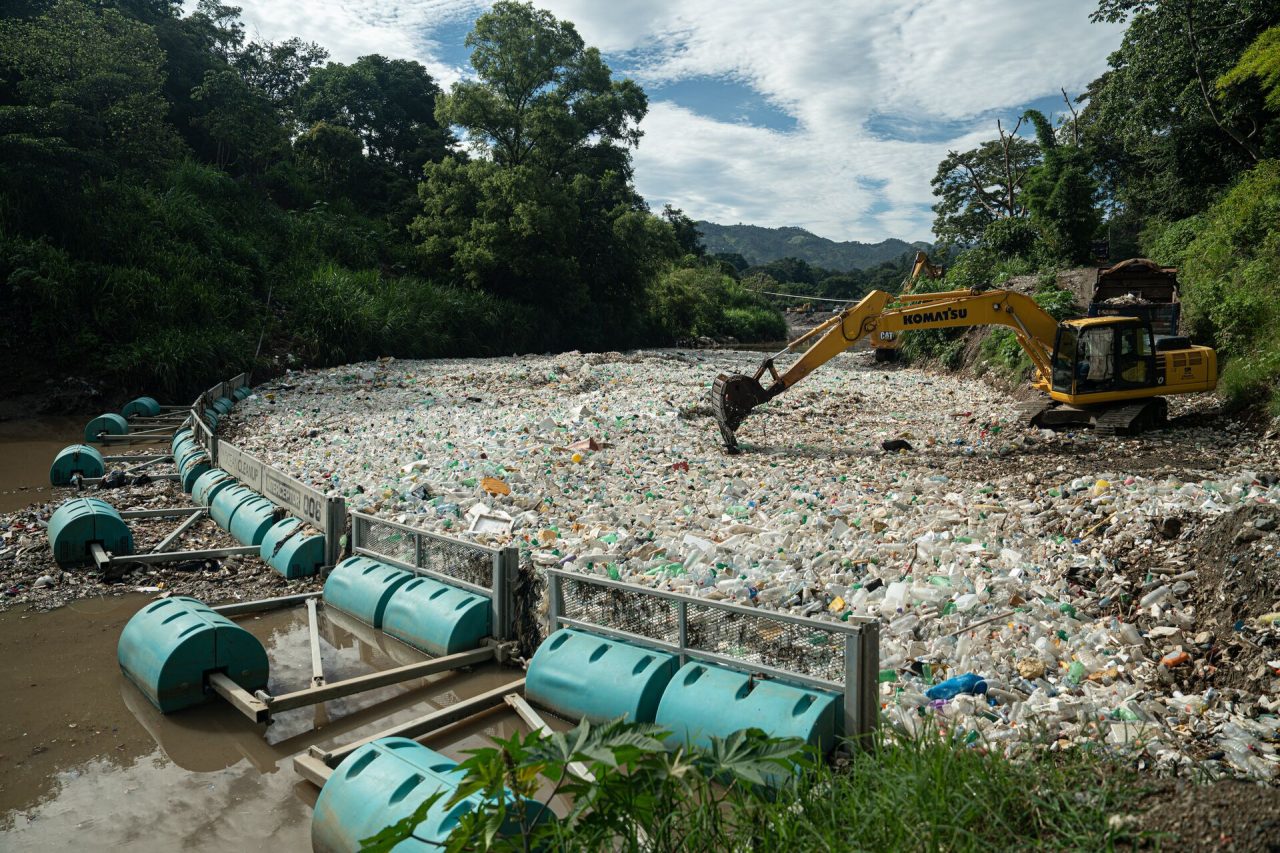
Back to updatesThe Ocean Cleanup’s comprehensive strategy towards ridding the ocean of plastic includes several parallel activities: extracting legacy plastic from the ocean, intercepting waste flowing in rivers, removing trash trapped along coasts and near-shore environments, and using our research to advocate for stronger regulations to curb plastic pollution. Data informs every decision taken in each of these complementary actions.
The ongoing data collection in the Great Pacific Garbage Patch (GPGP) is shaping the next generation of technology and strategies to clean the oceans while our research identifying the 1,000 most polluting rivers has underpinned our 30 Cities Program. With over 100 published peer-reviewed research papers, our scientific team has furthered the global understanding of ocean plastic pollution, its impacts, its drivers, and the potential solutions available to turn the tide on it.
Our latest research contribution, a collaboration between several institutions and organizations to analyze over 20,000 eel traps retrieved from the Hawaiian Archipelago, has once again shone a light on one of the major inflows for ocean plastic pollution: the fishing industry.
To tackle this inflow, The Ocean Cleanup has recently joined the Global Ghost Gear Initiative (GGGI), an alliance of organizations dedicated to solving the issue of abandoned, lost, and discarded fishing gear in the ocean. Founded in 2015 by the Ocean Conservancy, the GGGI brings together governments, industry, and NGOs to prevent, mitigate, and remove ghost gear through practical solutions and data collection. Our research will contribute to the GGGI’s shaping of policies and initiatives in specific countries and at an international scale.
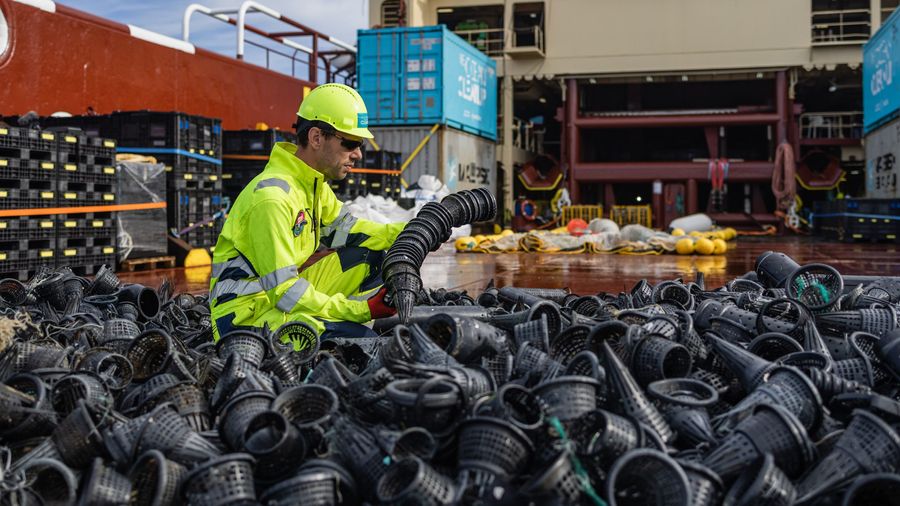
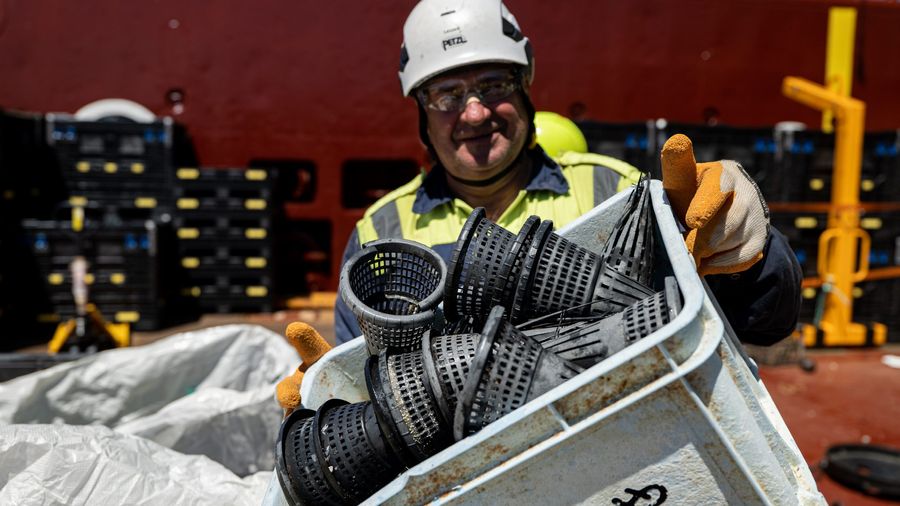
Quantifying Impact
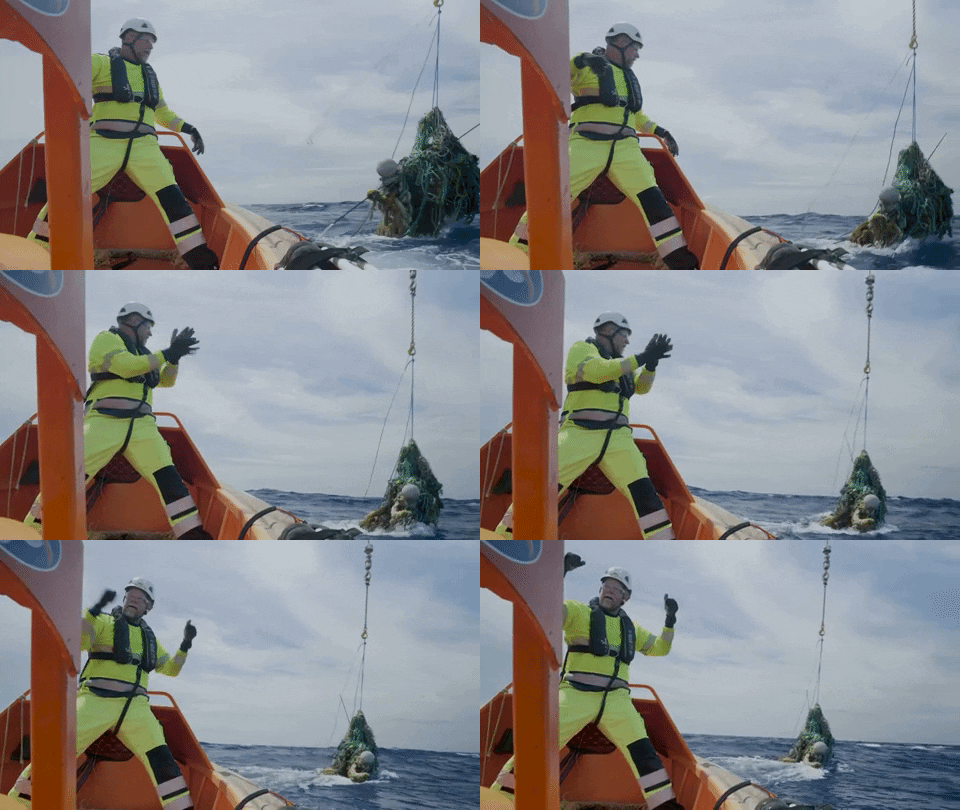
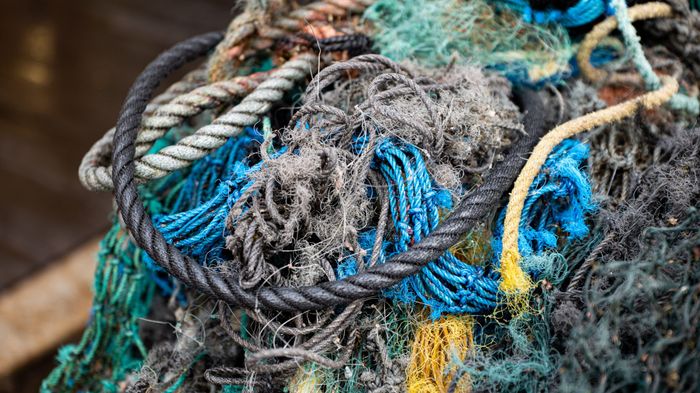
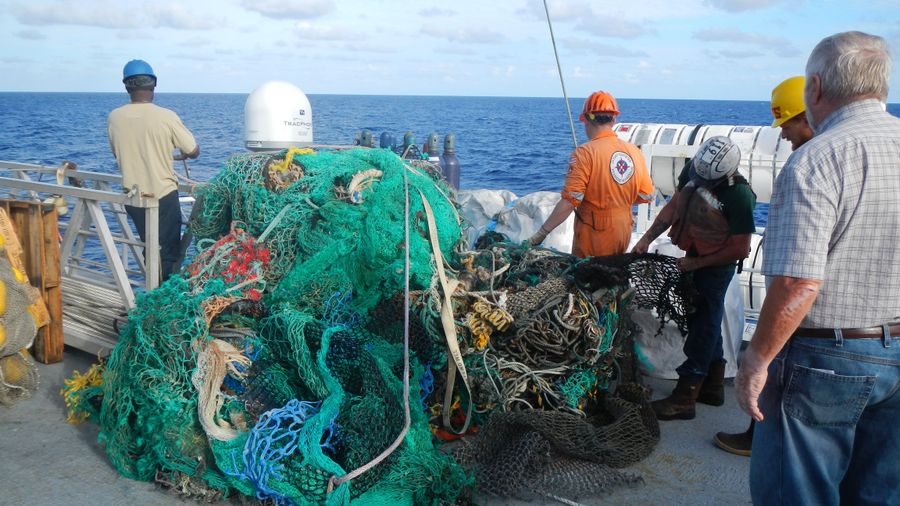
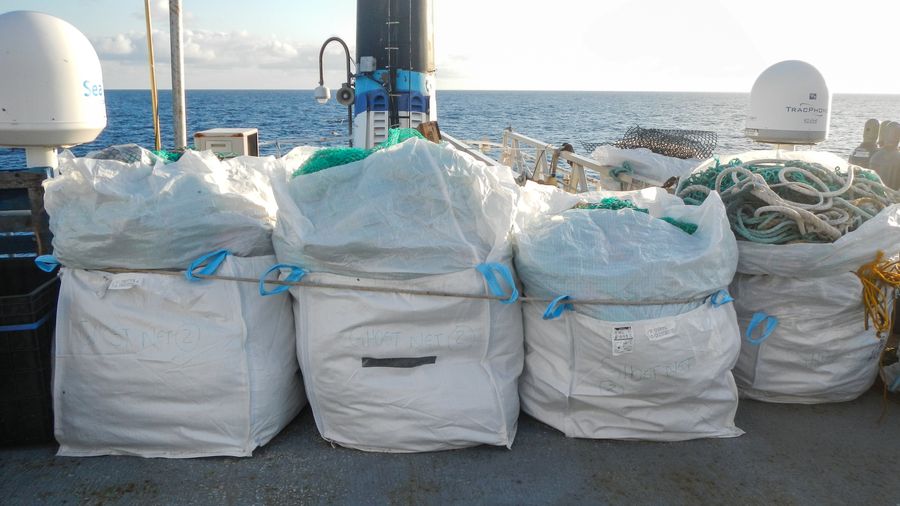
A majority of the plastic flowing from rivers into the ocean does not make it all the way to gyres, but remains in coastal areas, where it actively degrades and affects ecosystems critical to local biodiversity and livelihoods. Commercial products and waste account for roughly a quarter of all plastic we extract from the GPGP. The remaining 75% of plastic collected is abandoned, lost, or otherwise discarded fishing gear (ALDFG), consisting of nets, buoys, traps, rope, and other fisheries-related equipment. ALDFG is one of the deadliest forms of marine pollution, as it continues to float and drift through the ocean long after it has been lost, trapping and harming marine life in the process.
While this derelict fishing gear, or ghost gear, is a major source of ocean plastic pollution in, it is estimated that there is an outsized amount within the GPGP compared to other oceanic gyres, owing to the size of the Pacific Ocean and the amount of fisheries that operate within it.
So, while a vast majority of the plastic flowing into the ocean can be effectively stopped by deploying Interceptor solutions in the world’s most polluting rivers, to reduce ghost gear and clean up the GPGP, we need a different approach. The first step to identifying a solution is having a complete understanding of what drives the inflow of ghost gear.
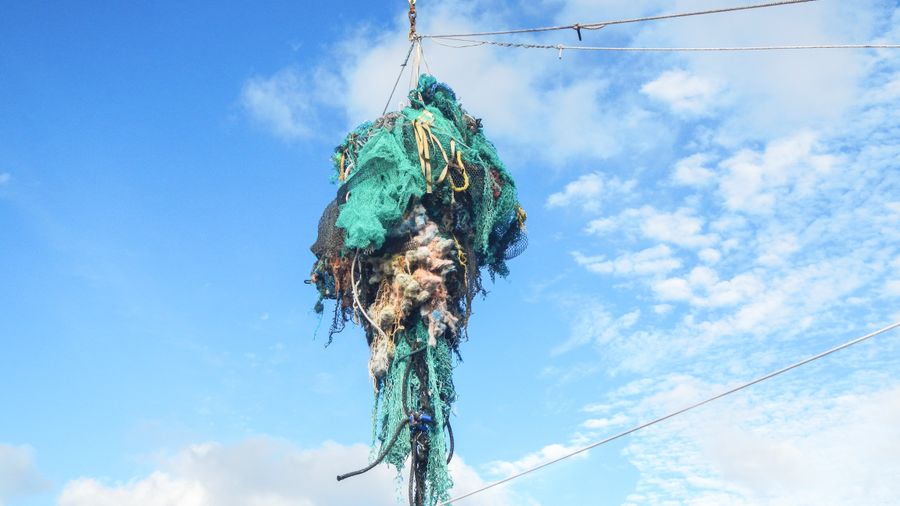
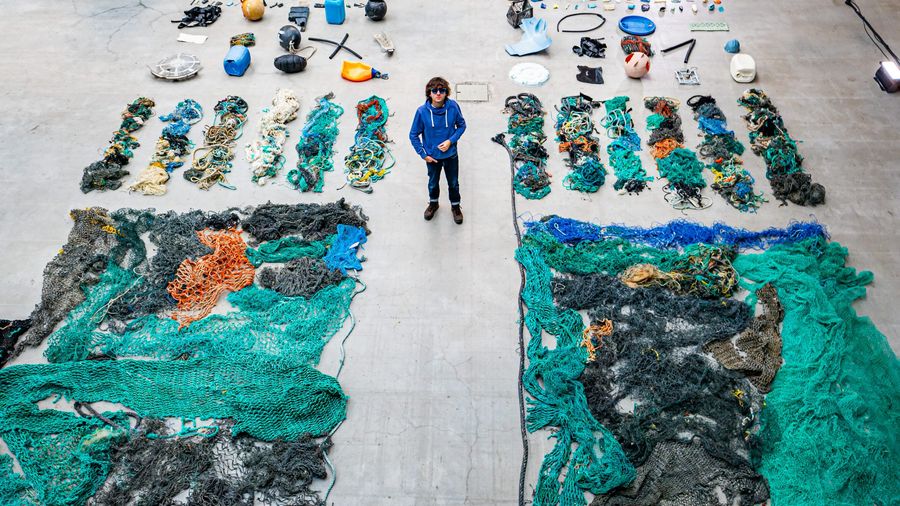
Where is ghost gear coming from?
A 2022 report from the Commonwealth Scientific and Industrial Research Organisation (CSIRO) estimated that 2% of all commercial fishing equipment is lost every year due to operations, inclement weather, or handling accidents. This estimate included numbers for the amount of lost longlines, which uses weighted hooks on long, buoyed lines to fish for species like tuna and swordfish, as well as purse seine nets, one of the largest types of fishing nets available which can stretch to 2,000 meters in length and 200 meters in depth to catch vast amounts of schooling fish.
The data collected from fishermen helped the CSIRO estimate the yearly loss of longlines to roughly 750,000 kilometers of longlines, enough to stretch to and from the moon, and 75,000 square kilometers of purse seine nets – an area larger than the state of West Virginia, or almost twice the size of the Netherlands.
Standards can vary across countries and the industry itself, but as shown by the CSIRO, we can estimate total loss for registered fishers. However, a blind spot is how much gear is lost through Illegal, Unreported, and Unregulated (IUU) fishing activities happening globally, where ships operate outside of established frameworks, fishing with no oversight over their activities. IUU fishing is a major threat to marine biodiversity and the sovereignty of nations unable to patrol and enforce their territorial waters.
Joining global efforts
Policymaking helps to set standards for industries, which can in turn create a demand for solutions – like recycling nets and other gear. This is followed by adoption and enforcement of standards. These processes have shaped industries globally, but as the scale of lost fishing gear and IUU activities effectively highlight, the sheer size of our oceans make them difficult to effectively legislate and police.
At The Ocean Cleanup we routinely say that plastic pollution does not respect borders, so our solutions cannot be limited to a single action area. These solutions need to be as complex as the issue it seeks to solve, and like most large-scale problems, one organization or entity cannot fix it alone. This is why across all our operations our work is carried out collaboratively alongside local communities, authorities, and governments to ensure positive long-term impact for people and the planet. On a parallel track, we leverage our extensive research at major policymaking events like the Global Plastics Treaty discussions to advocate for stronger regulations.
Solving the inflow of fishing gear is no different. We look forward to our collaboration with GGGI, and how our research can help shape policies aimed at reducing the inflow of ghost gear in our oceans and the impact it has on marine life.