Beyond Plastic: Intercepting Biological Waste in Rivers
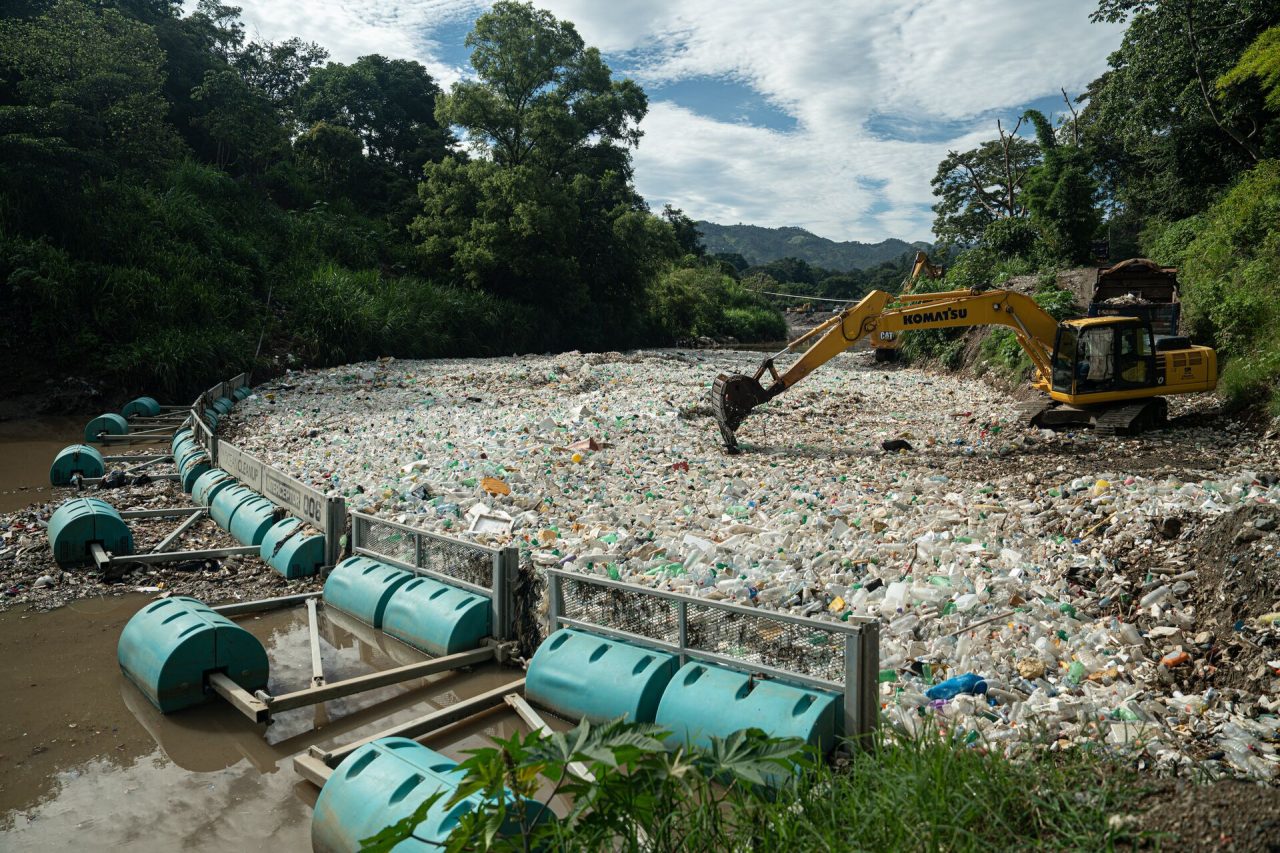
Back to updatesEach country, city, and river is different – and so is the waste that flows through their waterways. Recognizable trash types such as plastic bottles, textiles, polystyrene packaging, and household appliances, make regular appearances across our operations. The ratios differ from location to location, but one waste type is found ubiquitously across every Interceptor site: biological waste.
What is biological waste?
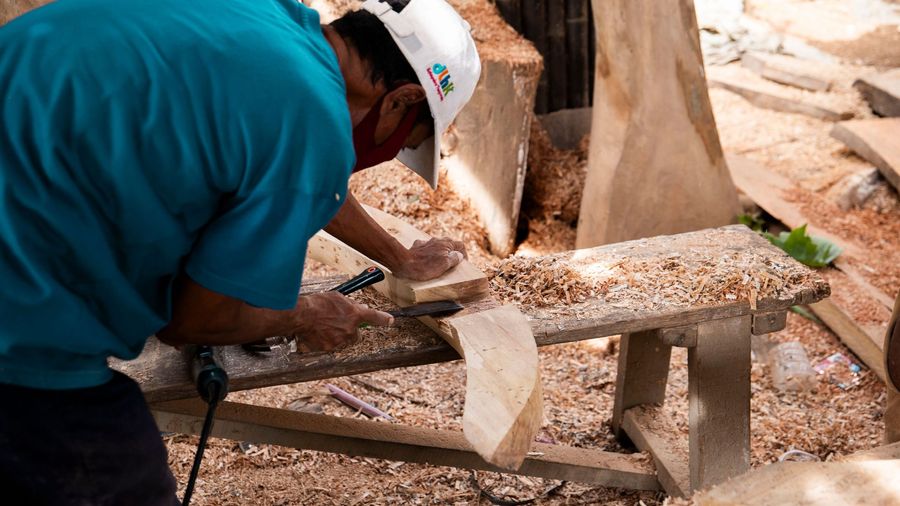
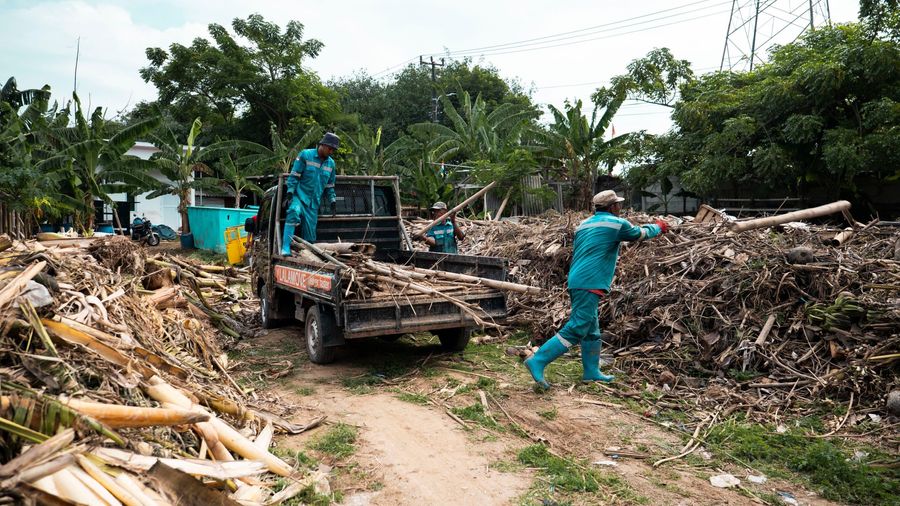
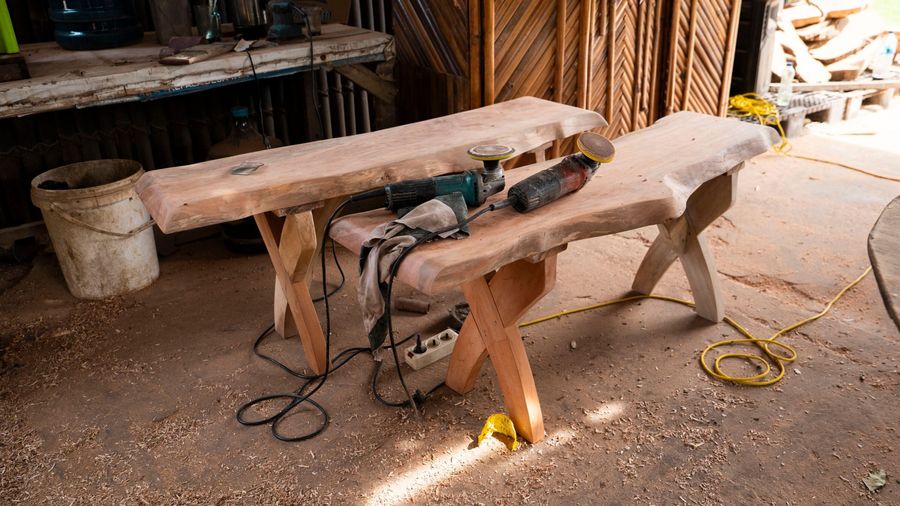
Biological waste includes everything from food scraps to animal by-products, as well as plants and other natural materials. A large majority of this waste type can be recovered and reused for composting or as reclaimed materials. For example, driftwood recovered from Interceptor 020 in Cisadane, Indonesia, is repurposed to build furniture, while wood intercepted by Interceptor 021 in El Quetzalito, Guatemala is provided to a local indigenous community as firewood for cooking.
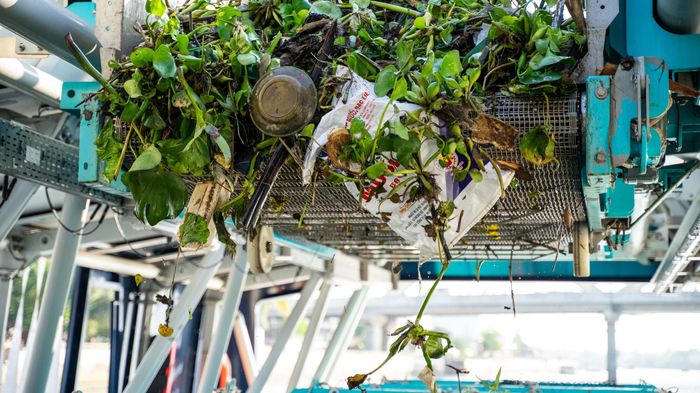
One of the most persistent biological waste our Interceptors must deal with is water hyacinth, an invasive freshwater plant originally from South America which has found itself proliferating across river systems globally. Whether choking the Ozama river in the Dominican Republic, flowing down Vietnam’s Can Tho river, or taking over the water networks which feed into Manila Bay, this invasive species thrives in tropical environments and actively harms them.
Dealing with water hyacinth
A United Nations Development Programme (UNDP) report on the activities of Interceptor 003 in Can Tho, Vietnam, highlights that organic waste including hyacinth makes up to 60% of all waste recovered in the river, making their presence a major operational concern.
Their thick, seasonal blooms can take over rivers, turning the watercourse into an unrecognizable green corridor. Outside of the impact these have on local biodiversity – like depleting oxygen from the river, creating nutrient imbalances, killing fish, and outcompeting native plants – interlocked mats of water hyacinth can make rivers difficult to navigate for fishermen and jam machinery.
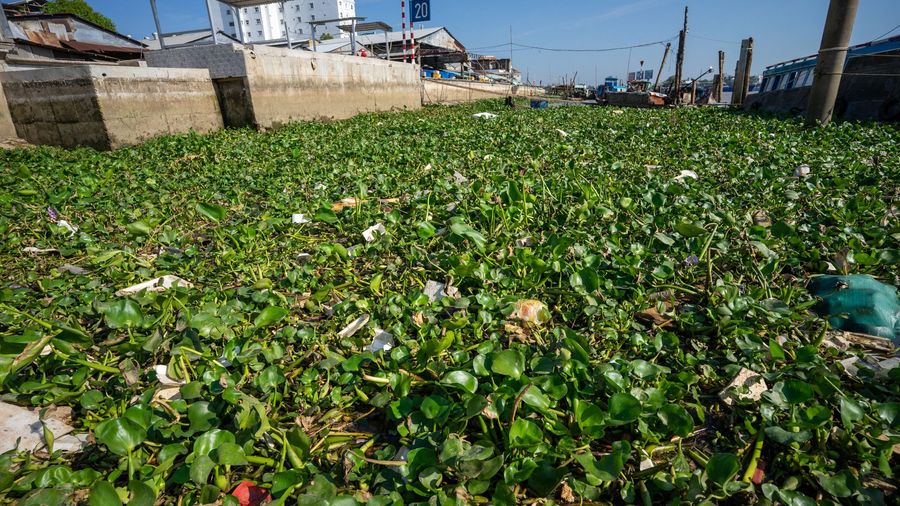
As Interceptors 003 and 004 can attest to, water hyacinth blooms can impede water flow and the ability of Interceptor Originals to transfer trash into its conveyor belts, reducing the efficiency of our Interceptors. Likewise, plastic and other waste in the river tend to get tangled in the hyacinths’ underwater roots. This can complicate trash removal and compound pollution issues as these hyacinth mats transport waste further downstream before washing ashore together and decomposing in a foul-smelling heap. As such, in areas with high biological loads, our Interceptors are tackling two pollution issues with one barrier.
Developing responsible solutions
Biological waste is an underappreciated dimension of river pollution. Plastic, styrofoam, and household trash easily come to mind when thinking of unwanted pollutants in our waterways – but so should invasive species like water hyacinth. Biological waste can be a challenge, but also an opportunity for material recovery. From repurposing driftwood and wood fuel to composting green waste and food scraps, as well as managing invasive water hyacinth, our Interceptors are addressing not just plastic pollution, but the full complexity of what flows through the world’s waterways.