The Ocean Cleanup join forces for cleaner oceans and sustainable tourism
Back to updatesFor millions of people around the world, oceans are closely connected to a healthy local economy. Coastal environments support livelihoods, communities, biodiversity and industries such as tourism, yet many of these same places are on the front line of plastic pollution.
Addressing that challenge requires more than cleanup alone. It also means preventing waste from reaching the environment, improving how waste is managed, and bringing different sectors together to turn awareness into action.
That is why The Ocean Cleanup has joined forces with the Global Sustainable Tourism Council (GSTC) to explore how the tourism sector can play its part.
The two organizations have signed a Memorandum of Understanding (MOU) to share knowledge, raise awareness of plastic pollution, and promote responsible plastic and waste management among tourism stakeholders.
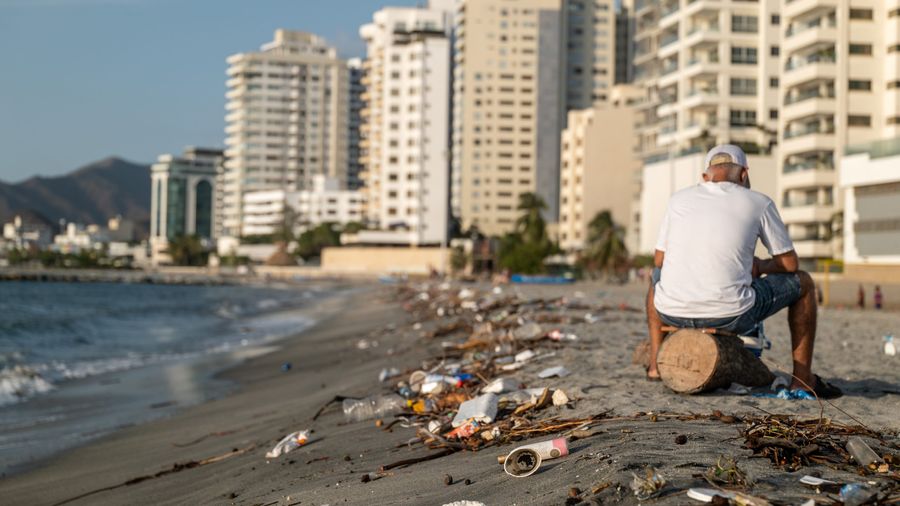
Why tourism has a stake in cleaner oceans
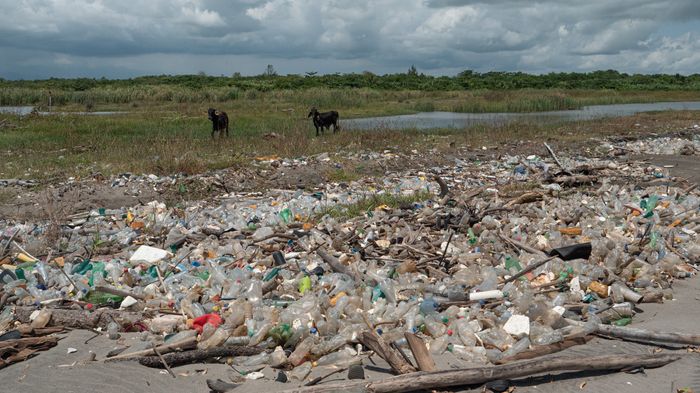
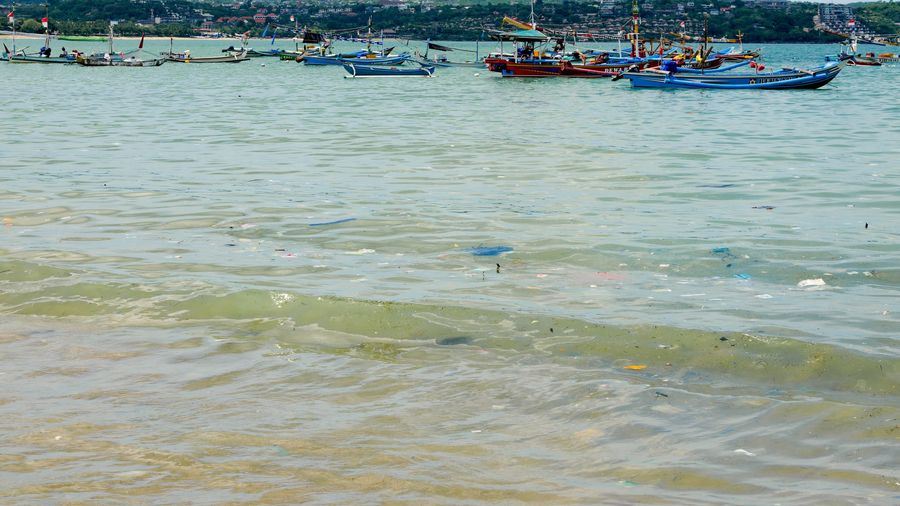
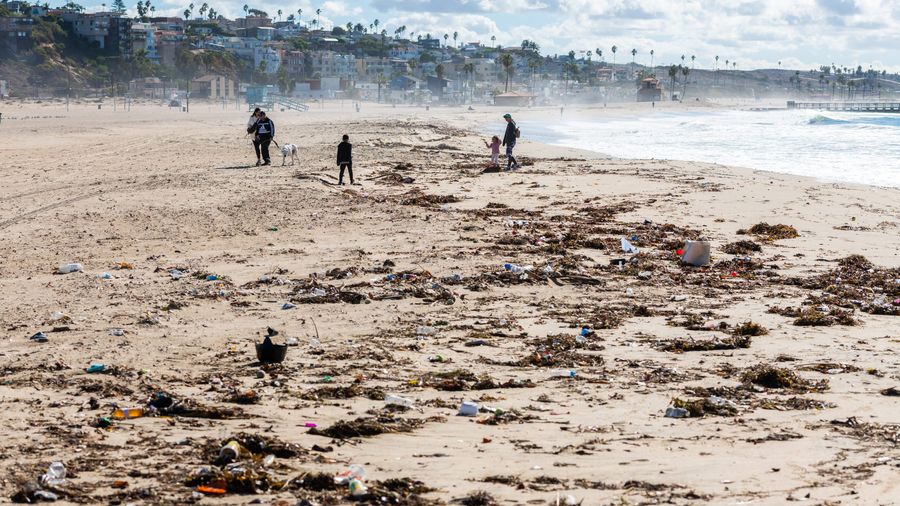
Plastic pollution can travel through rivers, accumulate along coastlines or remain in the ocean for decades. In coastal destinations, its consequences can extend beyond the natural environment to the communities and economies that depend on healthy marine ecosystems for their livelihoods.
Our oceans generate trillions of dollars annually through tourism, fisheries, and other economic activities. Coastal ecosystems also provide important benefits for local communities and biodiversity. This makes the tourism sector a natural partner in efforts to protect these environments.
Sharing what we learn
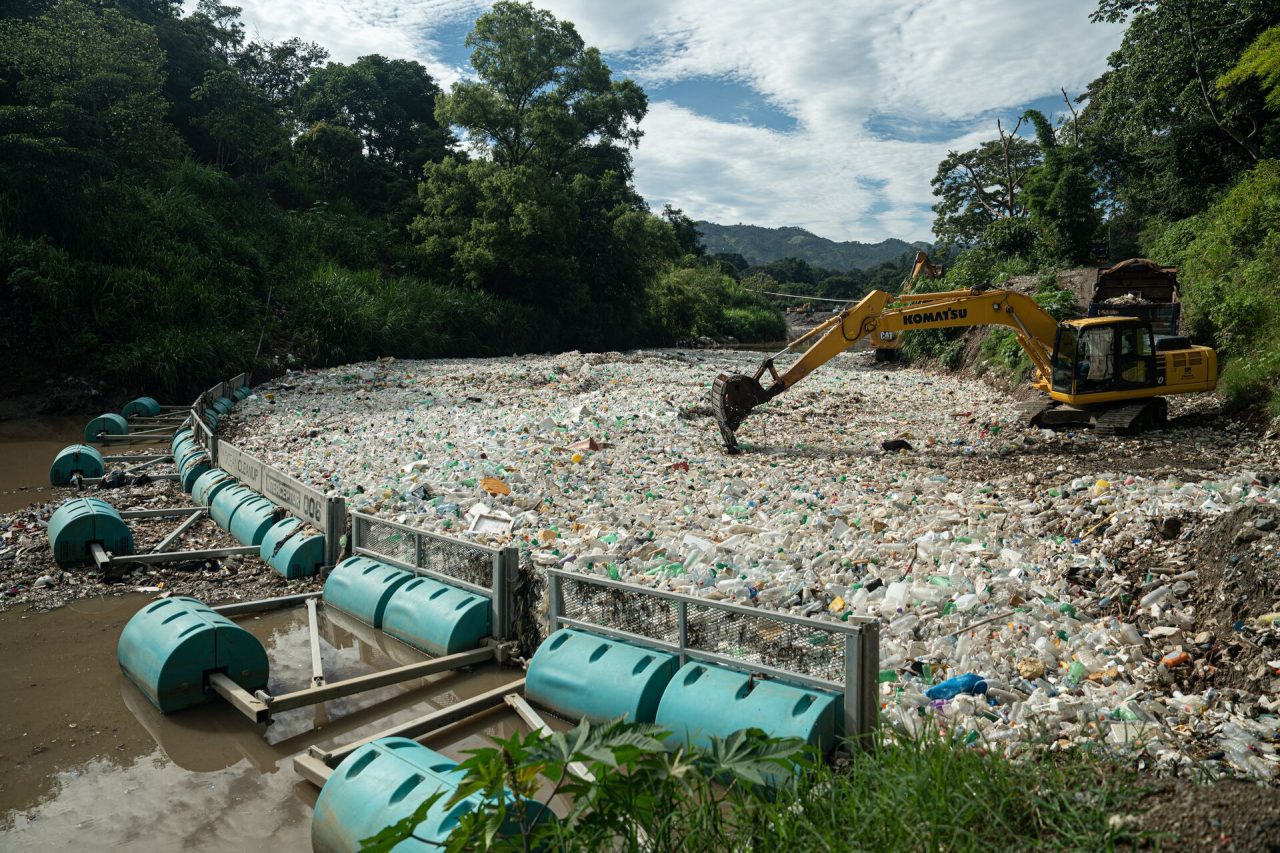
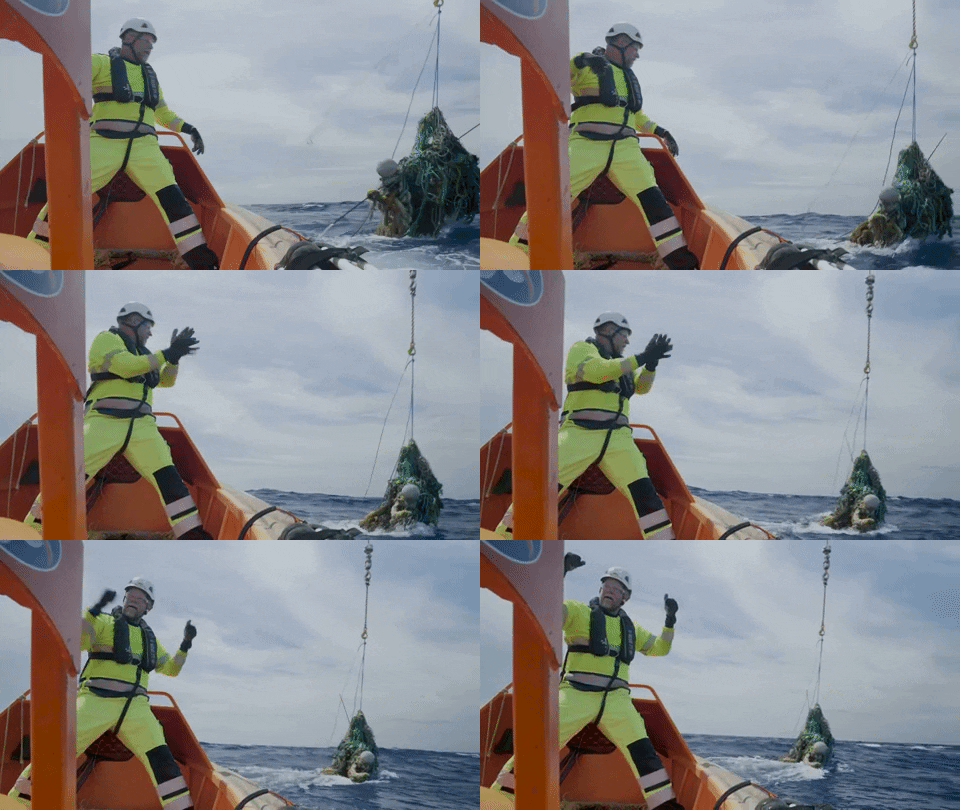
The Ocean Cleanup develops and scales solutions to tackle plastic pollution in oceans and rivers. Through that work, we are continually learning more about where pollution comes from, how it reaches the ocean and what is required to tackle it effectively.
Yet there is no one-dimensional solution to plastic pollution. Alongside removing legacy pollution and intercepting plastic before it reaches the ocean, lasting progress requires better waste management and cooperation between governments, communities, businesses and organizations across different industries.
The new collaboration with GSTC creates an opportunity to bring some of these insights to the global tourism community. As part of the agreement, The Ocean Cleanup will become a GSTC member. Together, we will explore opportunities to share knowledge and expertise through webinars, workshops, training activities, events, and other educational initiatives.
Creating partnerships with tourism industry
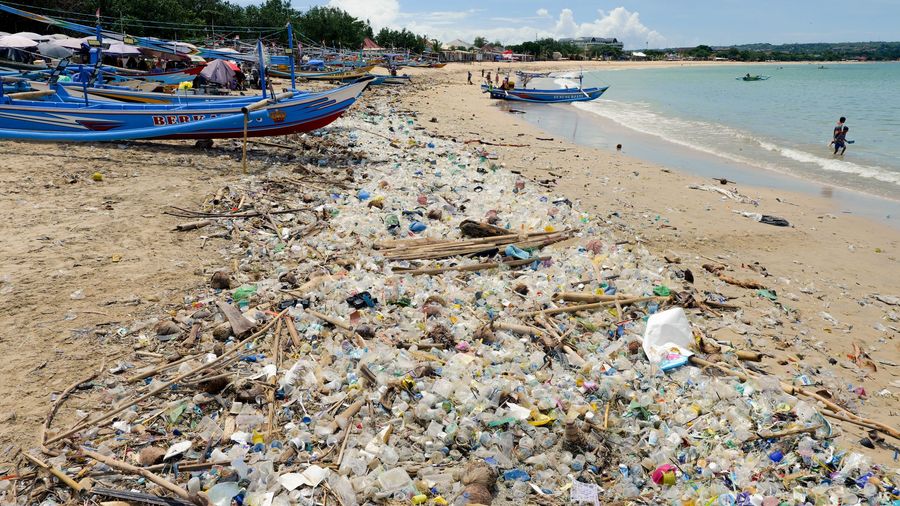
Our work around the world shows why local and cross-sector partnerships matter. Plastic pollution crosses boundaries between cities, rivers, coastlines, and oceans, and addressing it requires collaboration across jurisdictions and industries. And some of the countries in which we operate, including Indonesia, Jamaica and The Dominican Republic, are heavily reliant upon the tourist industry for income. Partnerships with key tourism industry players will also help us tackle this global issue.
Through this new relationship, GSTC and The Ocean Cleanup aim to increase understanding of plastic pollution across the public and private sectors and encourage practices that reduce its impact.
For tourism destinations in particular, the opportunity is clear. Protecting the environments that attract visitors can also support the people who call those places home. Cleaner oceans are not only an environmental goal, but they are also part of protecting healthy, resilient coastal communities for generations to come.