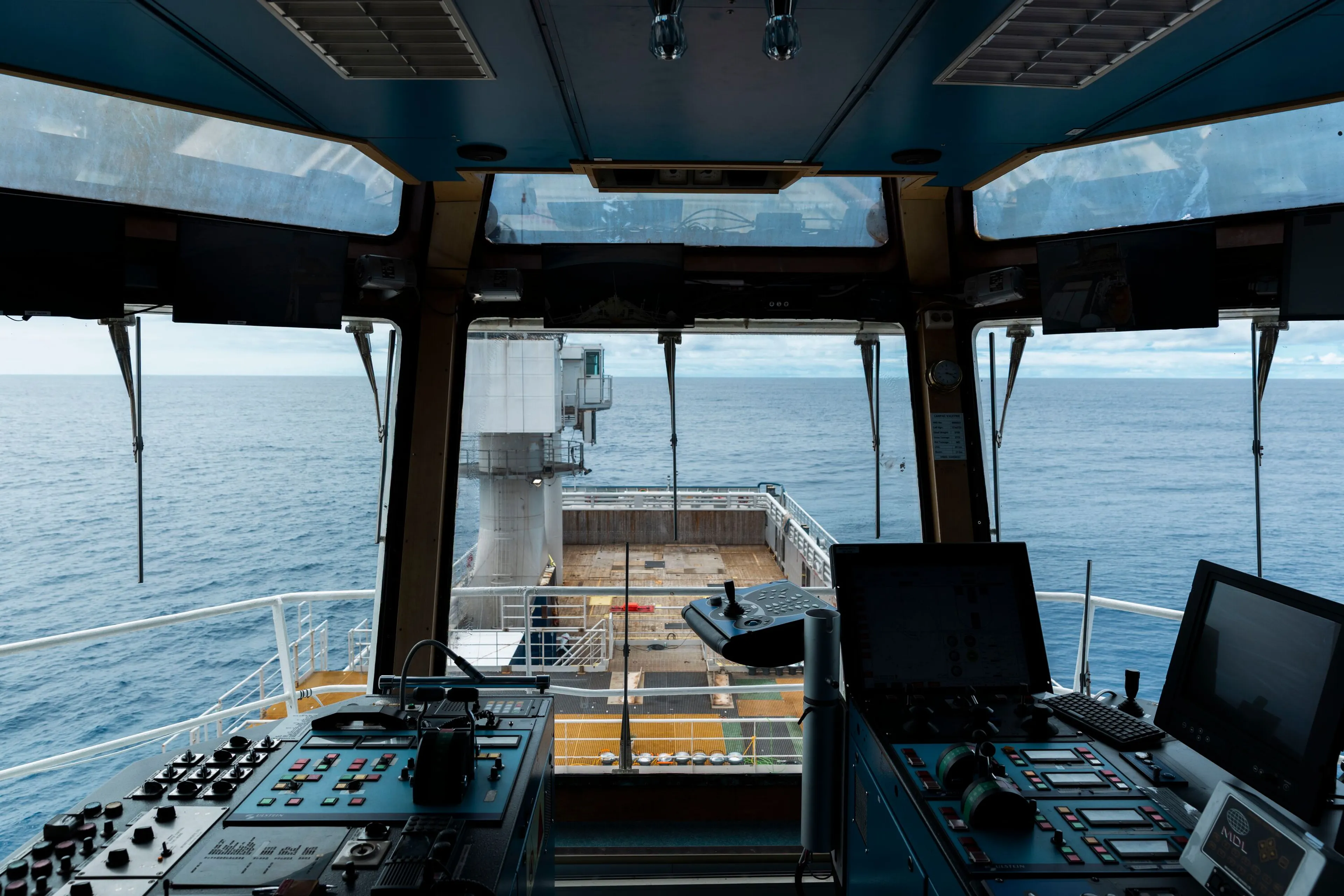
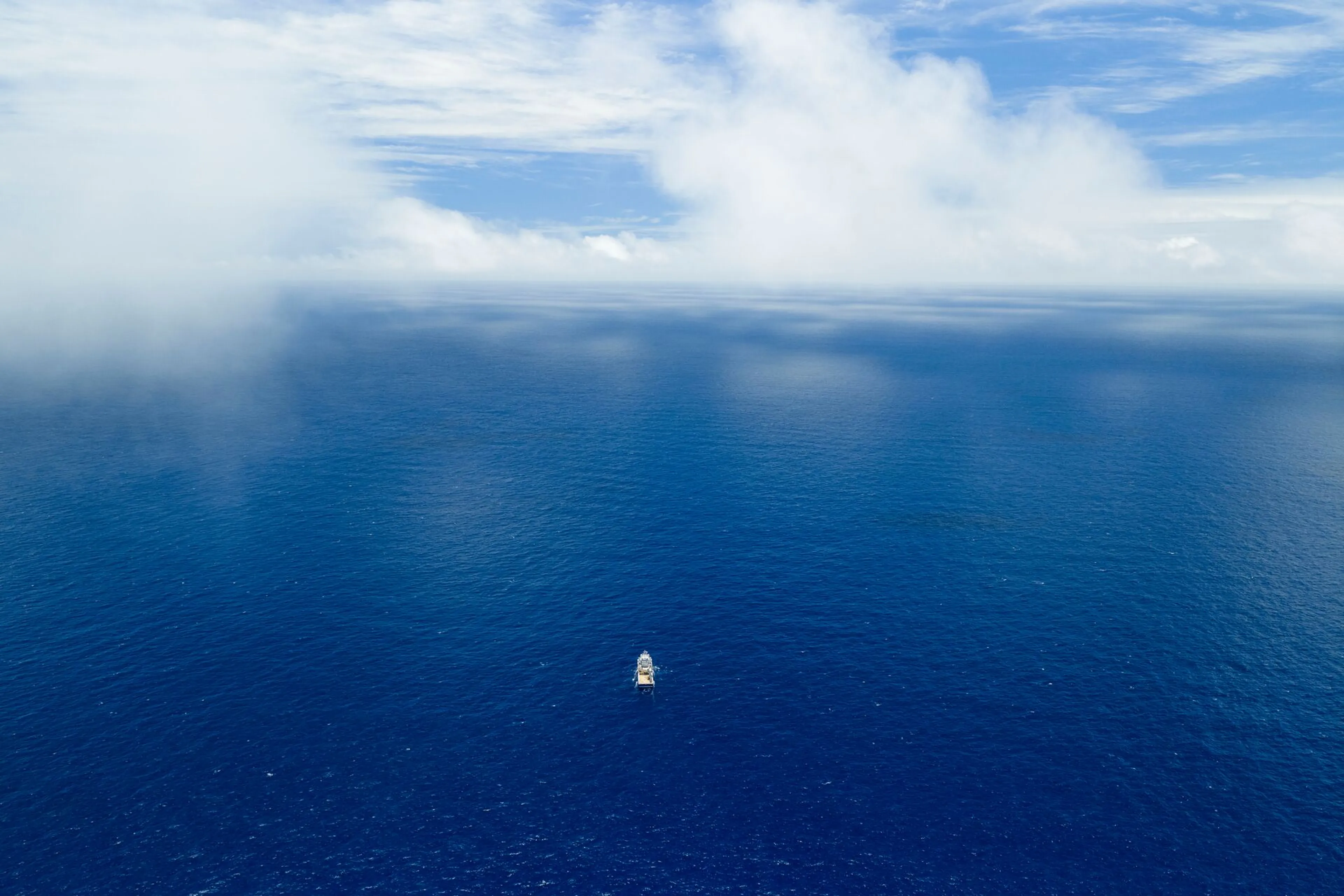
When the Canpac Valkyrie sailed out of Port Alberni, British Colombia bound for the Great Pacific Garbage Patch (GPGP), the mood onboard was a mix of excitement and apprehension.
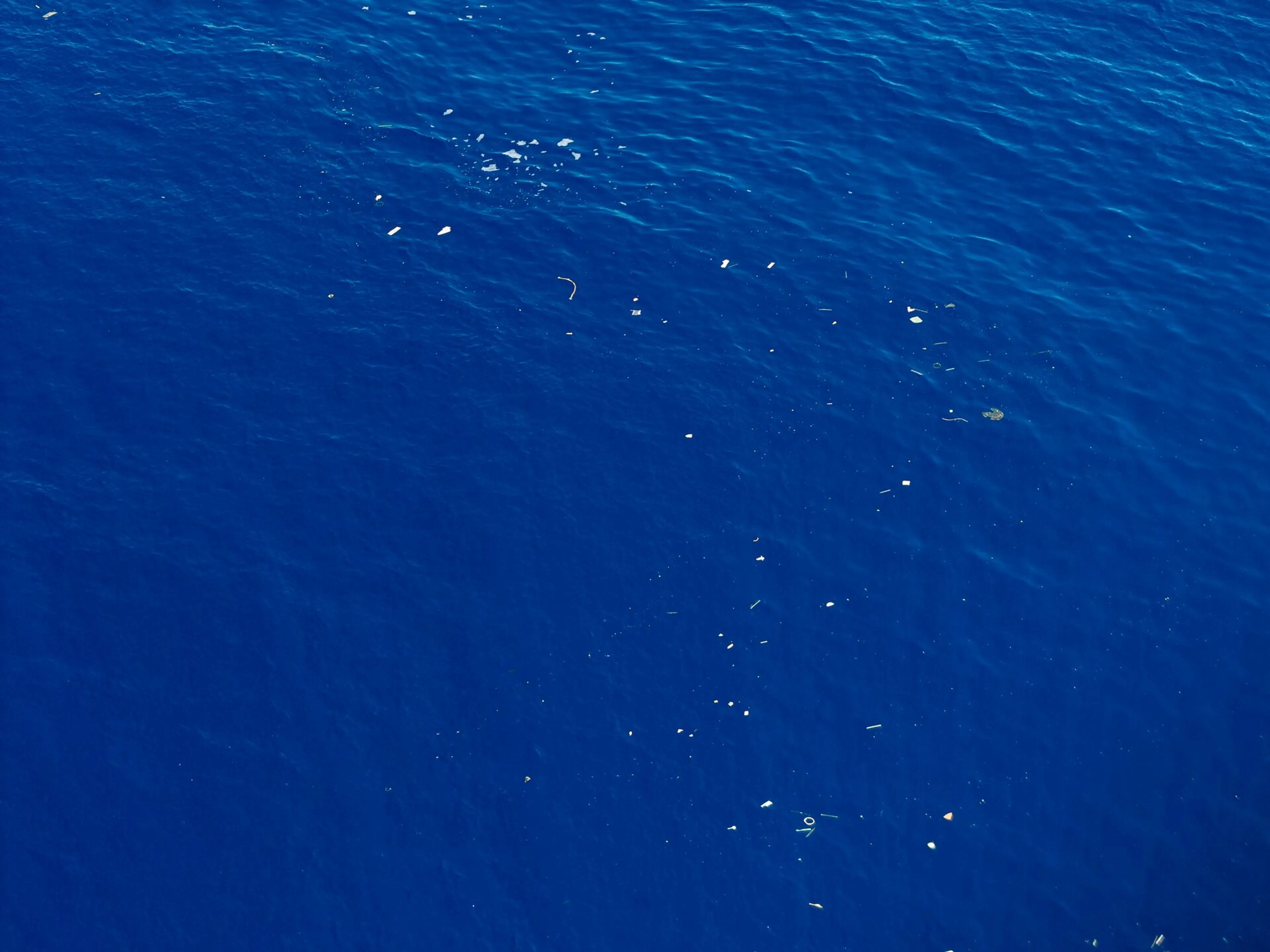
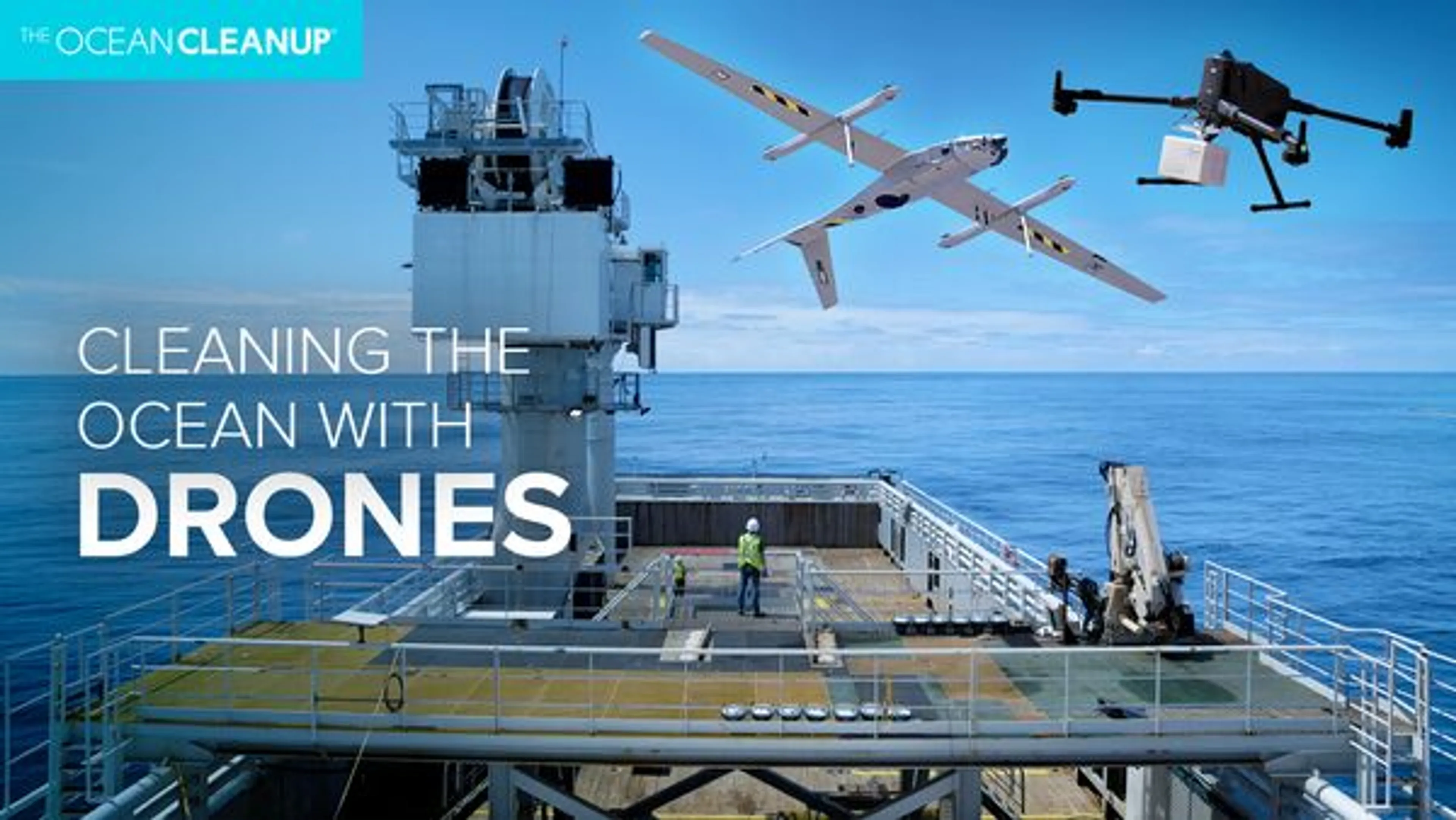
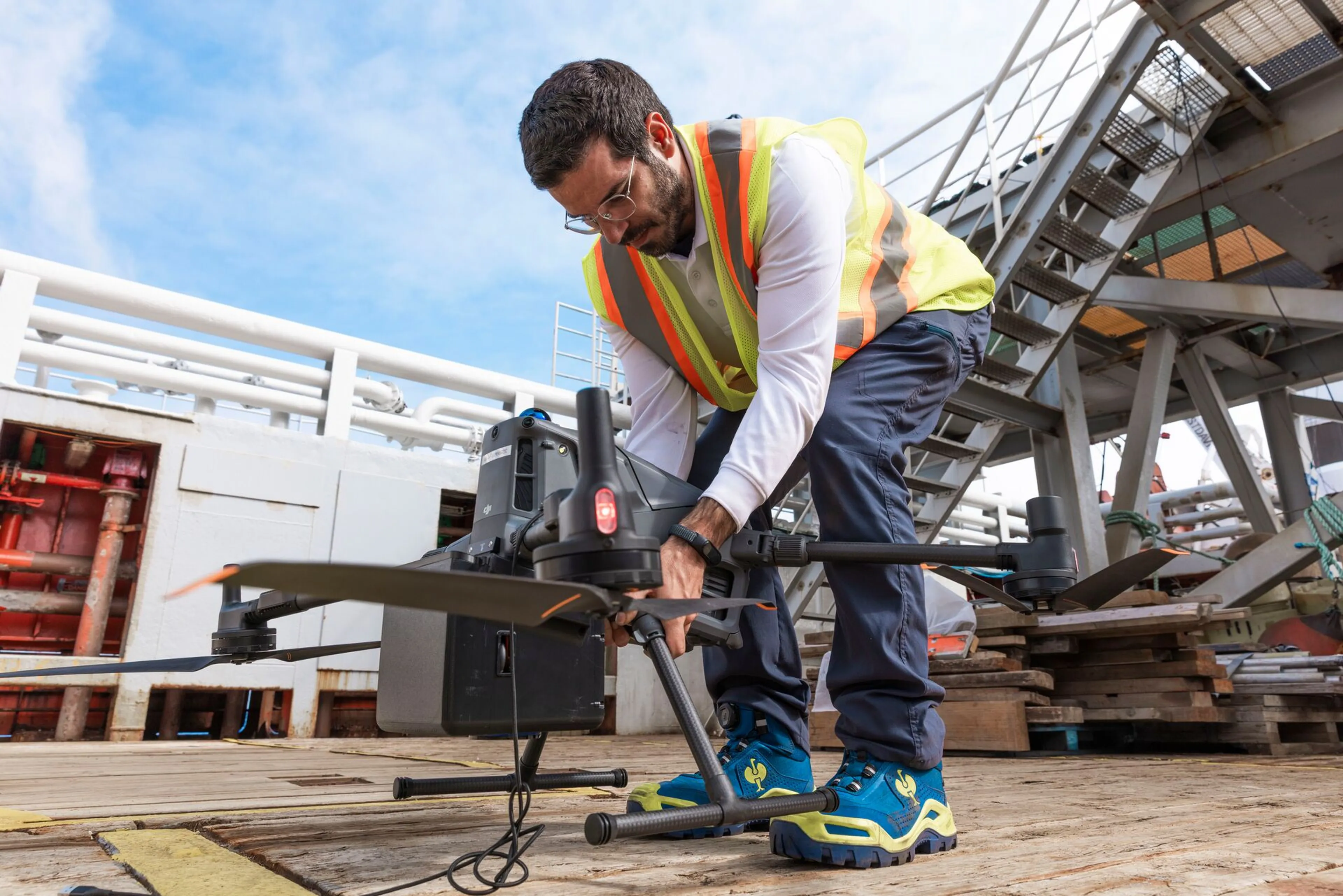
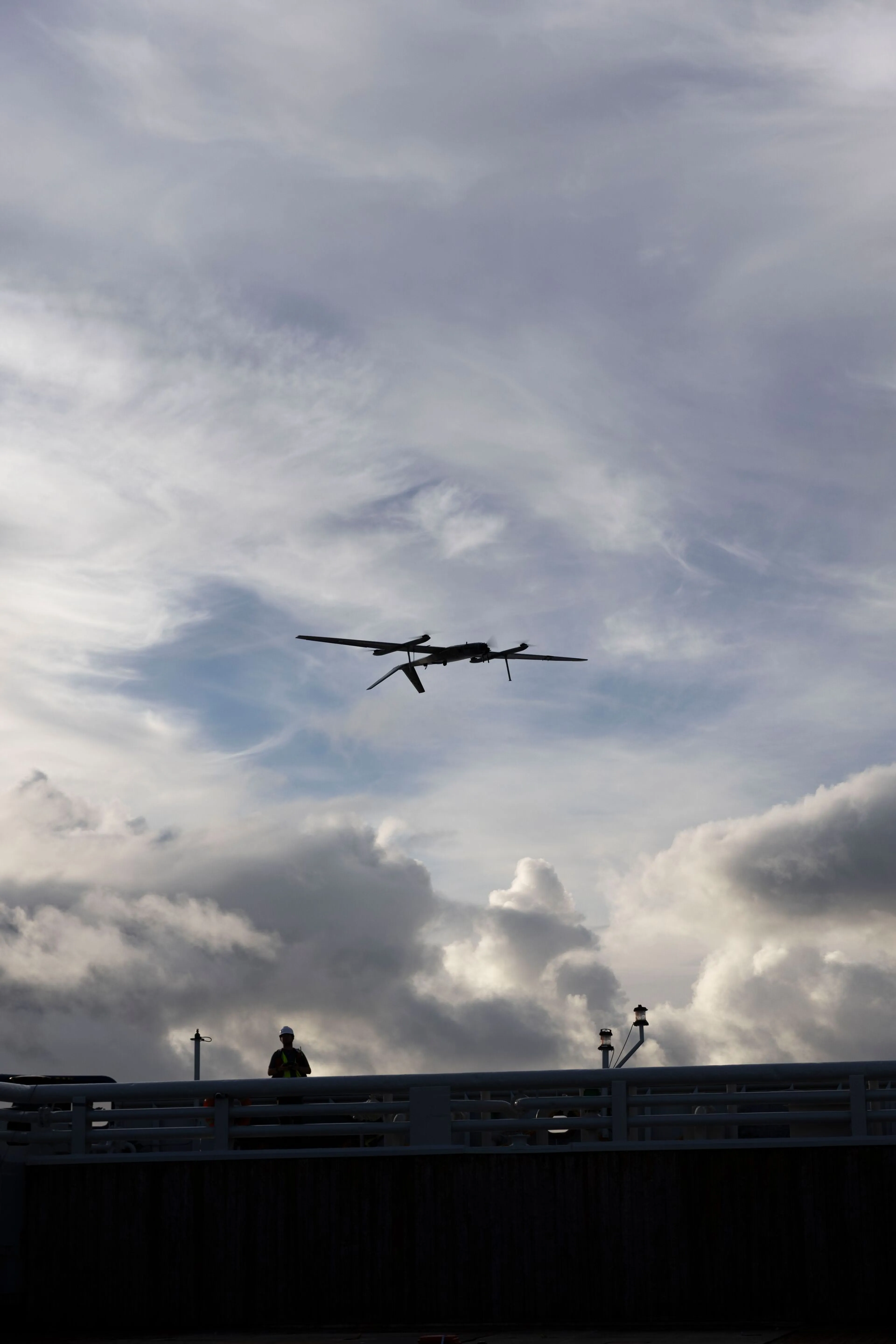
The crew, compromised of the Valkyrie’s usual complement, as well as scientists and engineers from The Ocean Cleanup, and external technicians, were embarking on a mission to do something that had never been done before: identify plastic hotspots in real time using a combination of ship-launched drones, AI, and modelling. Altogether, this data would create a weather forecast for plastic, highlighting where hotspots may form, and help plot a route that takes the ship through areas of high plastic density.
Hunting these hotspots will increase the speed at which cleanup can occur, reducing overall cost of operations and the amount of time needed to rid the oceans of plastic. Simulations show the potential for ‘drone-assisted navigation’ to multiply the impact of our cleaning systems by a factor of two or more.
Research and Development
The development of the strategy has been years in the making. Following the end of System 03’s 2024 season and the validation of our extraction approach, we sharpened our focus on developing a more streamlined steering strategy that would make the cleanup faster and more targeted. The different technologies that make up the Smart Steering Strategy have been fine-tuned and tested independently over the past couple of years and have performed well – but this would be first time they would be combined with real-life conditions within the GPGP.
Successful Sea Trials
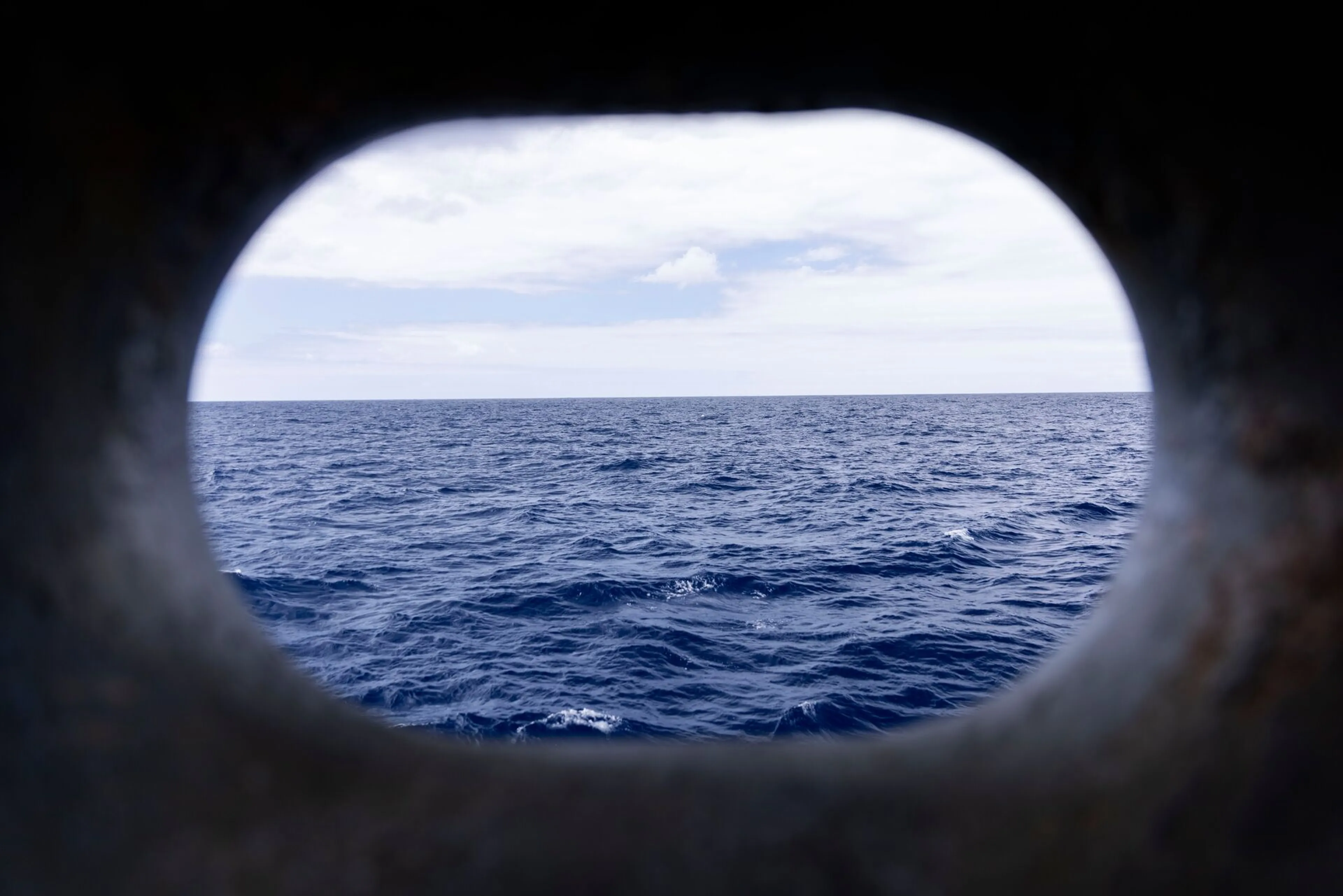
After overcoming some teething issues and bouts of inclement weather, the six-week expedition yielded very positive and encouraging results. 172 successful drone flights, 3352km2 of ocean mapped, and countless hours spent analyzing data later, a clear picture began to emerge.
“What we’ve managed to prove is that we can detect plastic in the ocean, we can forecast its position in real time, and we can then intercept it, which is huge for our steering strategy going forward. It unlocks a key door for us,” commented Thomas Ferguson, The Ocean Cleanup’s Sr. Operation Manager while onboard the Valkyrie, “All in all, a very large number of firsts and all vital steps forward for us as an organization.”
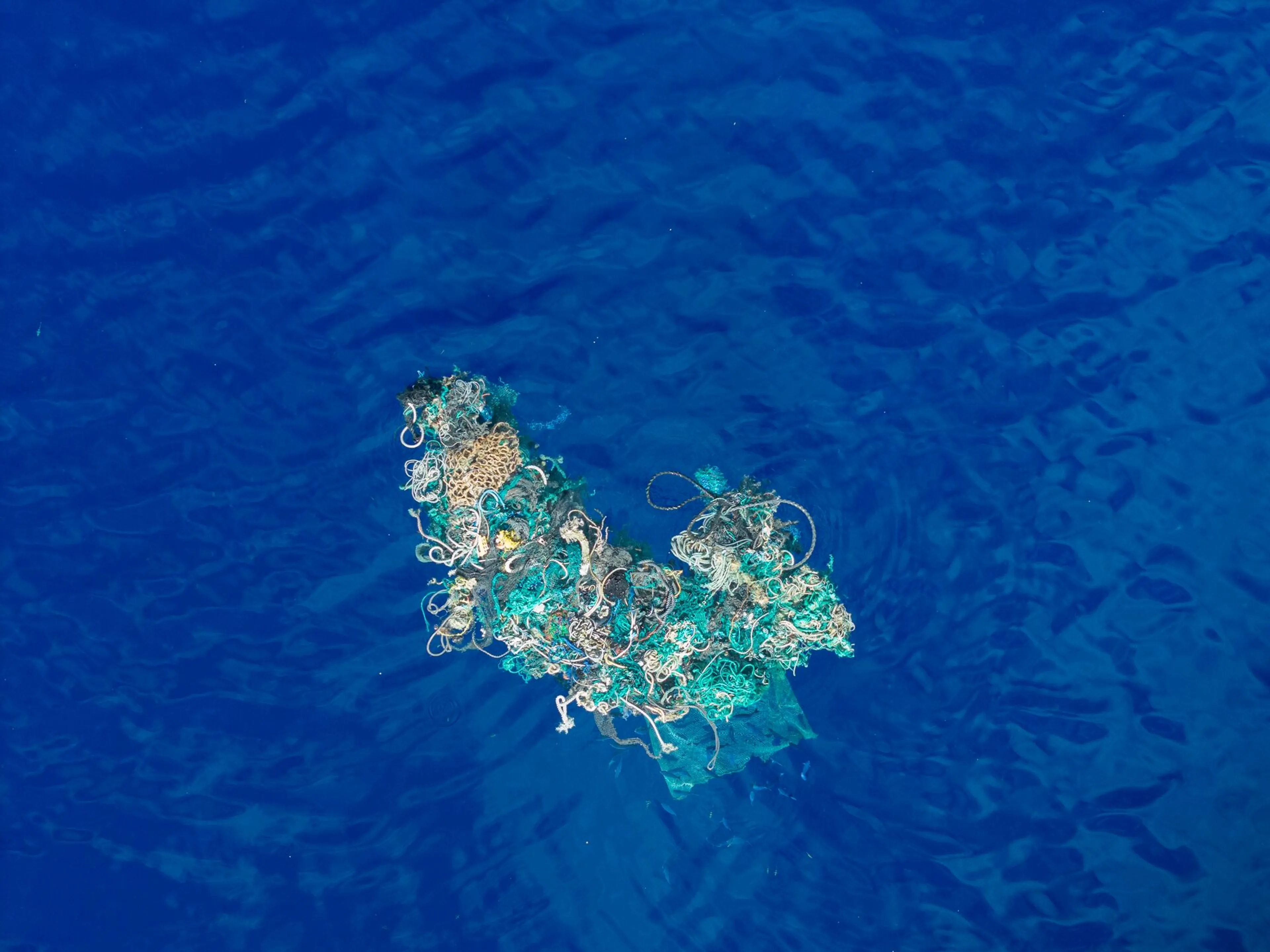
More work and data expeditions will be needed to further improve and consolidate the technology, but these first sea trials identified several pathways for development as well as some unexpected leaps forward – like the AI model’s stronger than expected ability to correctly identify ghost nets.
Funding the Next Steps
These learnings and additional data are critical to the future of our ocean operations, and the success of this first stage of testing has been bolstered by continued support from The Leona M. and Harry B. Helmsley Charitable Trust for our ocean operations. Helmsley has awarded a US $15 million grant spread over the next three years, which will be dedicated to supporting the next stages of the development of our Smart Steering Strategy. This sum represents half of the total budget for ocean operations through 2029.
“What the Ocean Cleanup is developing—a strategy for mapping and forecasting plastic hotspots in the ocean in real time—will be a game changer,” said Walter Panzirer, a Trustee at the Helmsley Charitable Trust. “As healthcare funders, we invest in this work because we recognize the threats that microplastics pose to human health and to entire ecosystems. Intercepting and removing macroplastics from our oceans prevents the breakdown that results in microplastics entering the food chain. Addressing a challenge at this scale requires all of us; we must keep pressing forward.”
The Helmsley Charitable Trust has been contributing funding to our ocean operations since 2023 and their commitment to this next phase of operations provides us with some security and flexibility to plan our development schedule.
“The results of the Pacific Data Expedition are very encouraging,” said Boyan Slat, The Ocean Cleanup Founder and Chief Executive Officer , “The success of the hotspot hunting and steering strategy will help us to scale up our ocean operations and mitigate the impact of plastic pollution on the marine environment and the billions of people who rely on it. We are very grateful for having Helmsley’s support in this next phase of research and development for our ocean operations.”
A Trove of Data
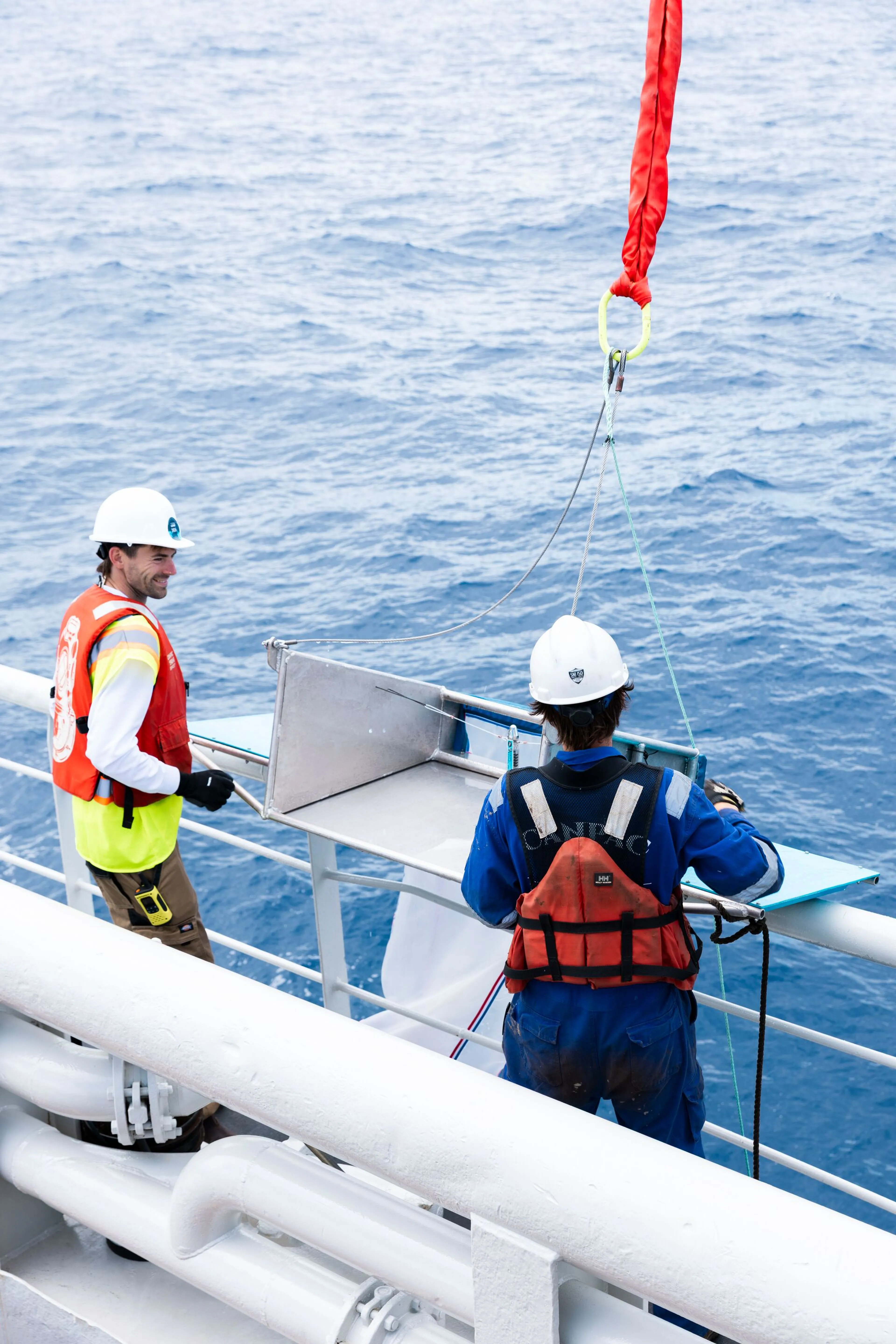
In addition to testing the Smart Steering Strategy, the team onboard the Valkyrie collected scientific data as part of long-term research into the Great Pacific Garbage Patch, plastic pollution, and its impact on marine organisms. As part of that, trawl nets were deployed and visual surveys carried out, findings from which will be included in upcoming research papers.
For its journey to the GPGP, the Valkyrie was also equipped with Automated Debris Imaging System (ADIS) cameras, helping to both map the patch and train the AI model that is being used in tandem with the drones. Extra ADIS data was also generated by several sailors participating in the Pacific Cup, a sailing race between San Francisco, California and Kaneohe, Hawai’i that took teams through the GPGP. Altogether, this data will be crucial to informing not only The Ocean Cleanup’s work, but also furthering the global understanding of marine plastic pollution.
Sign up for mission updates
Subscribe to our newsletter to follow the journey to come!