The Ocean Cleanup Prepares for Series Production of Interceptor - Partners with Konecranes
They aim to achieve this goal by taking a two-pronged approach: stemming the inflow via rivers and cleaning up what has already accumulated in the ocean.
232 results for “AI”
They aim to achieve this goal by taking a two-pronged approach: stemming the inflow via rivers and cleaning up what has already accumulated in the ocean.
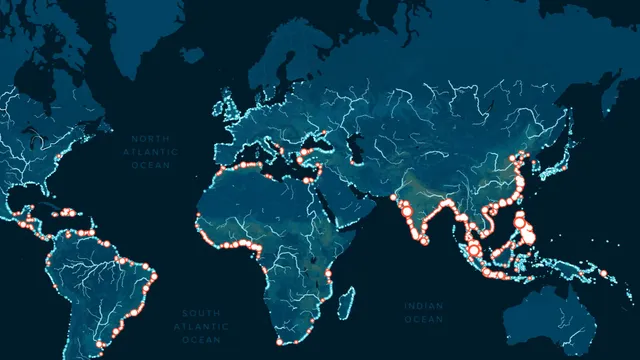
Press release 26 October 2019 The Ocean Cleanup aims to tackle the 1,000 most polluting rivers, responsible for about 80% of ocean plastic pollution, before the end of 2025.

The organization aims to achieve this goal by taking a two-pronged approach: stemming the inflow via rivers and cleaning up what has already accumulated in the ocean.
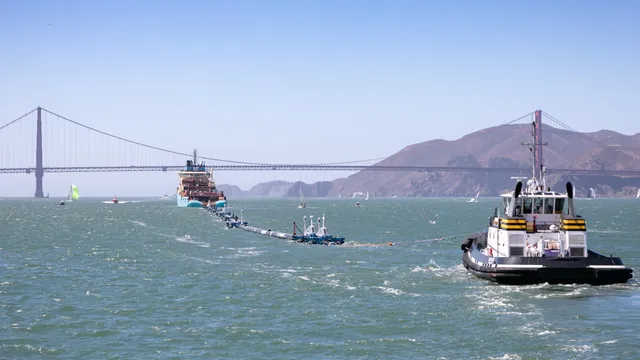
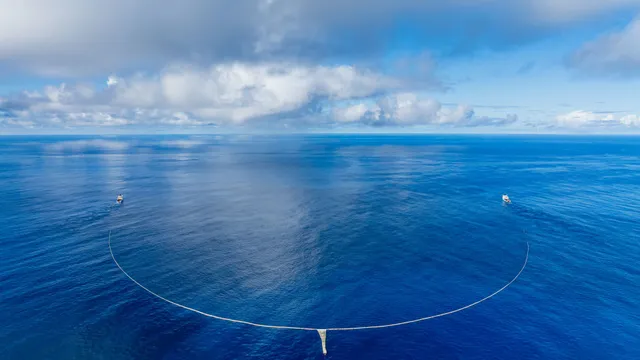
Once successful, and if the funding is available, The Ocean Cleanup aims to scale up to a fleet of approximately 60 systems focused on the Great Pacific Garbage Patch over the next two years.

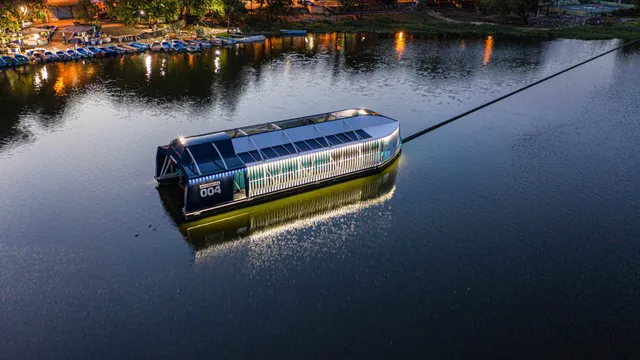
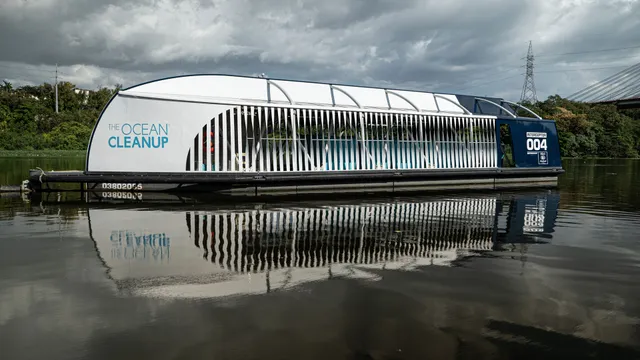
VALIDATION PHASE AND LEARNINGS FROM SETBACKS Interceptor 004, the third deployment in what we expect to become a very long list, is part of the Validation Phase of our river project – the period in which we aim to verify the efficacy of our technology

We aim to deploy our first pilot system in 2016 and hope to be able to start cleaning the North Pacific by 2020. Yet a common argument against our efforts is that focus should instead be on preventing more plastic from entering the oceans.

They aim to achieve this goal through a dual strategy: intercepting in rivers to stop the flow and cleaning up what has already accumulated in the ocean.
The new North Sea tests are aimed at assessing two variations of floater-screen connections as well as the application of antifouling on the screen.

Nonetheless, having these requirements will aid the future design of a satellite mission for plastic litter detection. The study also focused on the spectral reflectance of several types of ocean plastics.

We look forward to our collaboration with GGGI, and how our research can help shape policies aimed at reducing the inflow of ghost gear in our oceans and the impact it has on marine life.