Press Release
Pacific Cup to increase scientific understanding of plastic pollution
We’re excited to engage this year’s class in The Ocean Cleanup’s AI-based ocean monitoring efforts.”
232 results for “AI”
We’re excited to engage this year’s class in The Ocean Cleanup’s AI-based ocean monitoring efforts.”
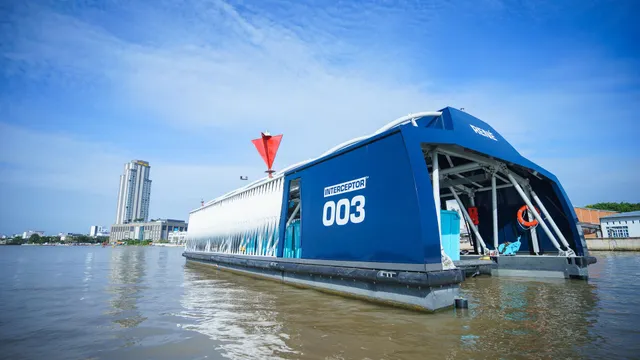
AI cameras categorize river debris to study what are the most pollutant components in each river Why the Timing Is Different Now Three forces are converging.
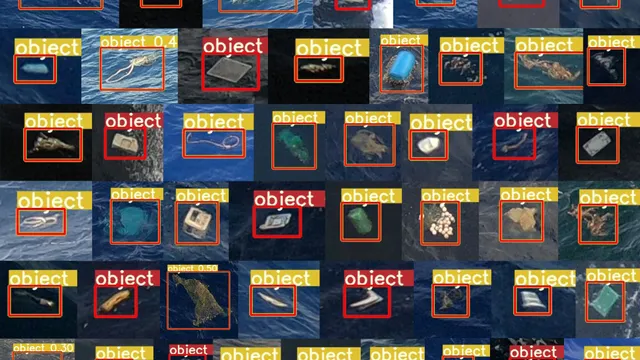
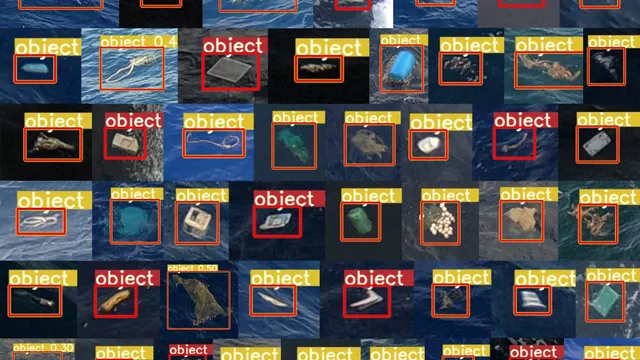
The team has worked on AI object detection software for more than two years.
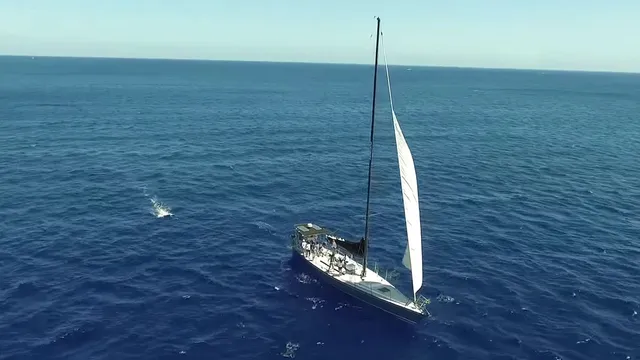
Sailors willing to fit the AI cameras and use GPS trackers on their leisure trips or during regattas can advance understanding of the patch’s composition to help future cleanup efforts.
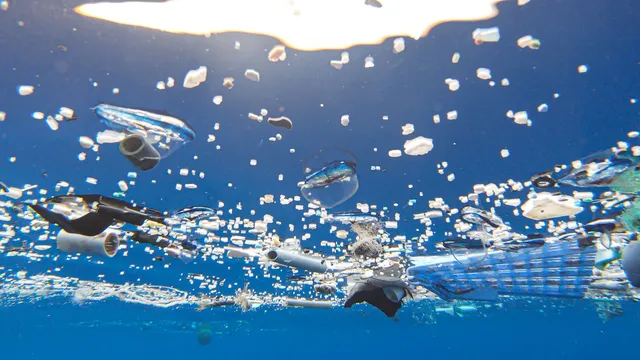
We use a range of technologies including drones, AI-enhanced remote-sensing cameras, GPS drifters, and global data registries.
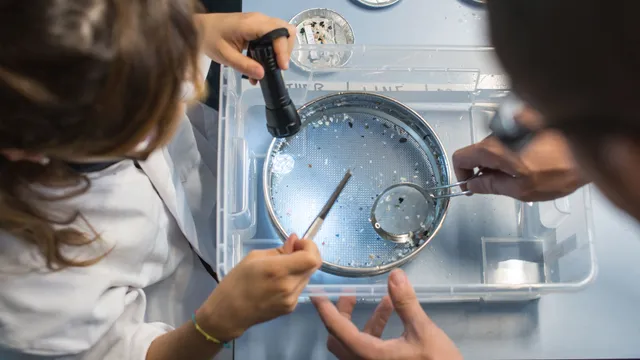
Here's how we rid the world’s oceans of plastic AI as a Force Multiplier The Ocean Cleanup has embraced artificial intelligence (AI) as a game-changer and for Japanese municipalities and volunteer groups, currently spending billions of yen annually on
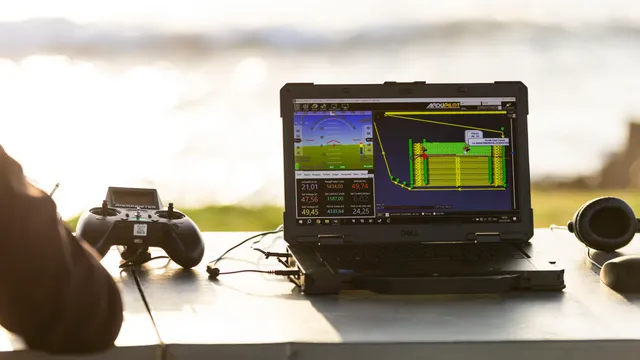
AWS’s AI-powered detection systems and comprehensive cloud infrastructure will accelerate and scale this effort by enabling precise tracking of plastic accumulation and predictive modeling of debris movement.

Photos from our drone testing in South Africa: AI-powered cameras are mounted on drones flying over the ocean, tracking and localizing plastic hotspots.
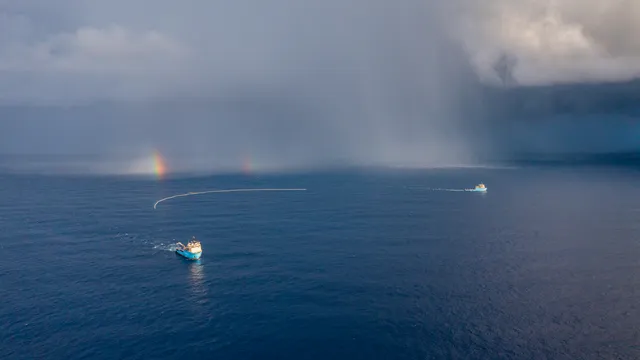
These include the E&I pods, that are equipped with the navigation lights, GPS, satellite communication equipment, cameras, and AIS tracking devices.
Sailing boats taking part are being fitted with AI cameras called Automatic Debris Imaging Systems (ADIS), to monitor and map the distribution of plastic debris.