Press Release
New study highlights environmental harm of not cleaning GPGP
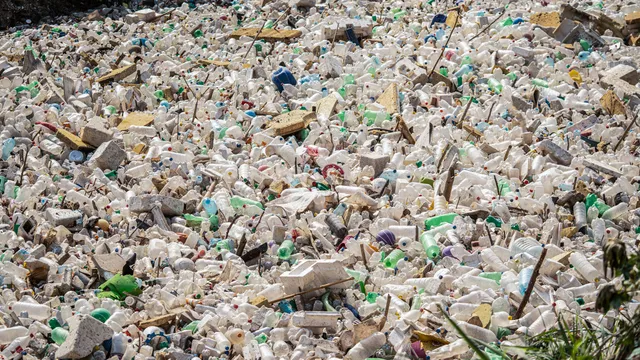
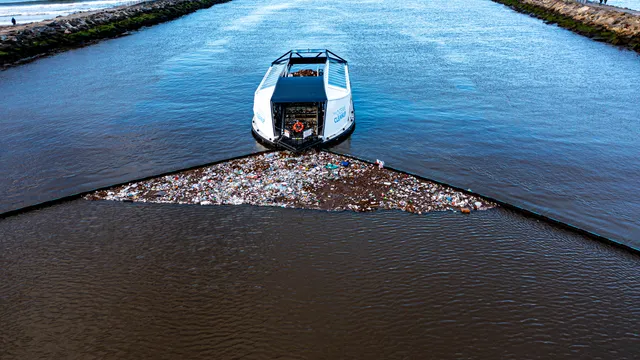
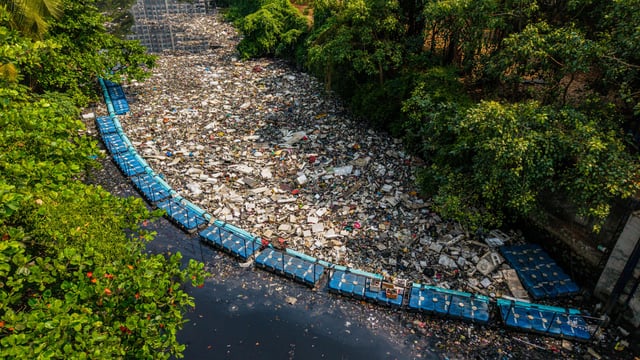
They aim to achieve this goal through a dual strategy: intercepting in rivers to stop the flow and cleaning up what has already accumulated in the ocean.
232 results for “AI”
They aim to achieve this goal through a dual strategy: intercepting in rivers to stop the flow and cleaning up what has already accumulated in the ocean.
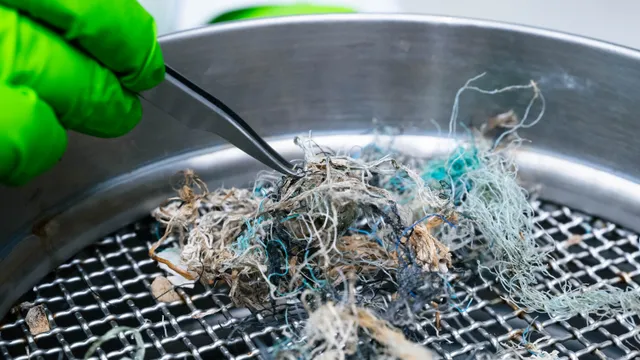
Aerial drones, AI-powered image analysis, and GPS-tagged “dummy” plastics are used to chart every visible waterway and track how waste moves from streets to sea.
Images recorded by our bridge-mounted cameras are analyzed using AI to quantify the amount and seasonality of plastic in rivers. PROVEN SOLUTIONS FOR A WORLDWIDE CHALLENGE Plastic pollution is no longer an inevitable, unsolvable problem.
Mathis Germany Si même je n'ai pas commencé à polluer les océan, malheureusement j’y ai contribué ! Donc si je peux participer un peu à son nettoyage, d’ailleurs bravo et merci à toute l’équipe !!
They aim to achieve this goal through a dual strategy: intercepting in rivers to stop the flow and cleaning up what has already accumulated in the ocean.
aim our cleanup operations towards it.
The Ocean Cleanup carried out a scientific and data driven ‘Smart Rivers Survey’, using a range of technologies including drones, AI-enhanced remote-sensing cameras and GPS drifters, to build a comprehensive overview of river pollution within the city
beds Communities 1.9 million livelihoods and 107 vulnerable species impacted Turning research into action From 2024 to 2025, we partnered with TERI to study plastic pollution across the Mumbai Metropolitan Region using advanced technologies such as AI
the Ocean 26 January 2026 The Ocean Cleanup to deploy plastic waste Interceptors in Manila Bay Region in 2026 15 July 2025 Hawaiian sailors hunting plastic 15 July 2025 The Ocean Cleanup and AWS Join Forces to Accelerate Ocean Plastic Removal using AI
Linking science, partnership, and finance: cross-sector collaboration is key Discussions at Towards Healthy Oceans were organised around three core themes: Science and technical solutions – demonstrating how new data, modelling and AI-enabled monitoring