30 Cities Program: Mumbai, India
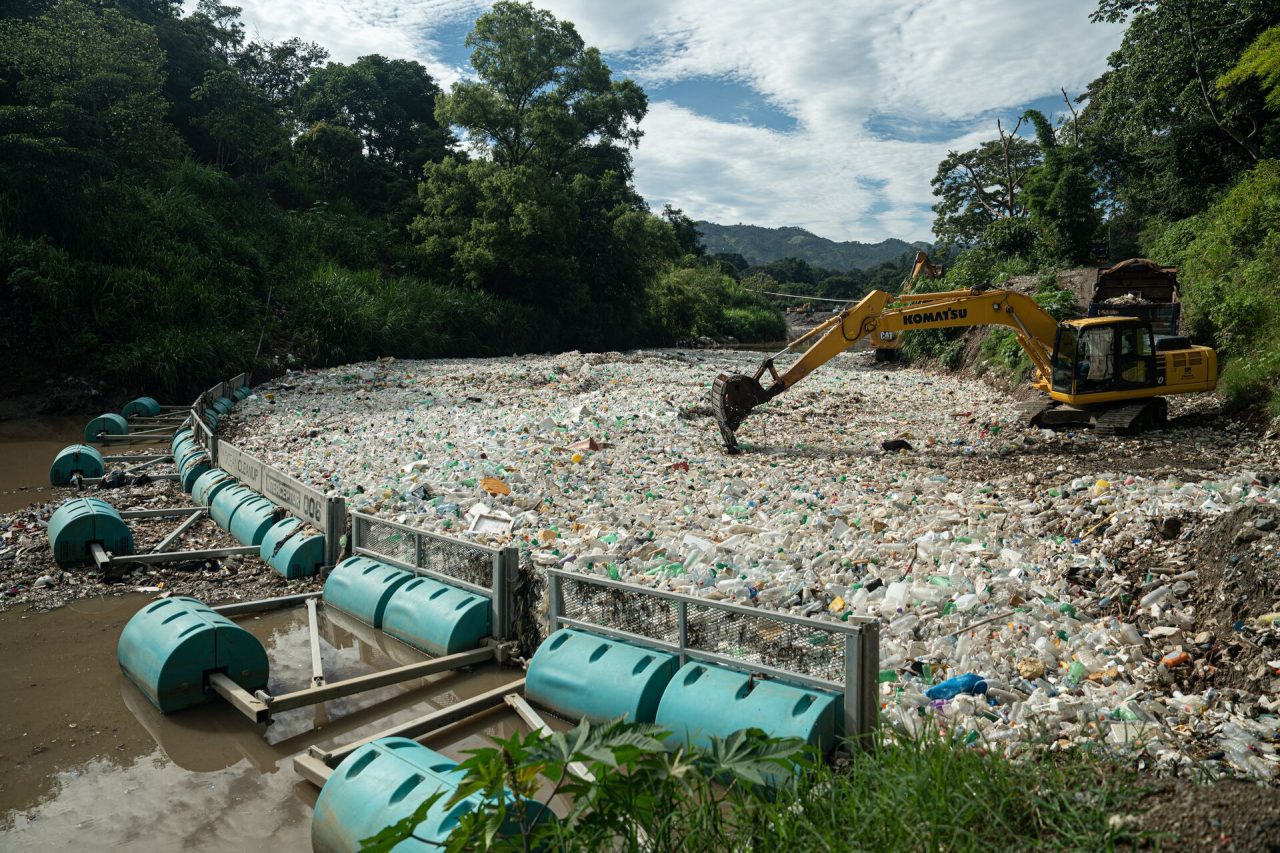
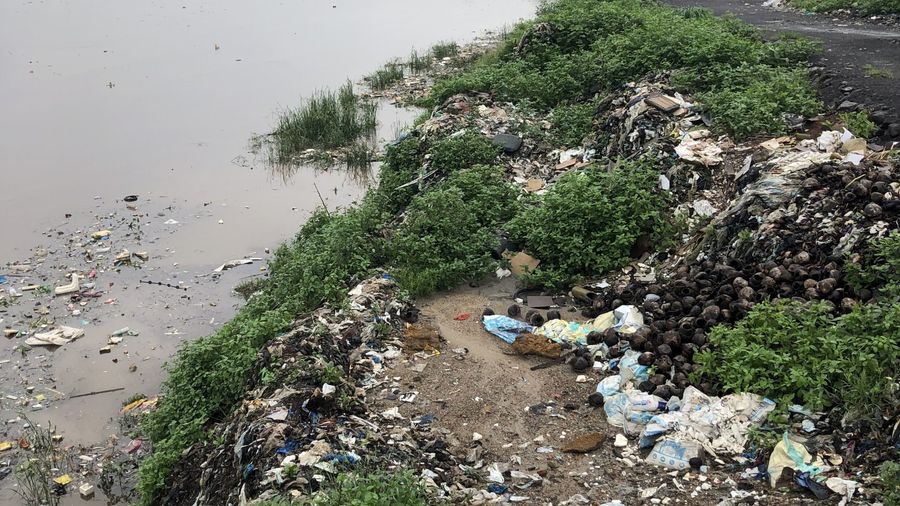
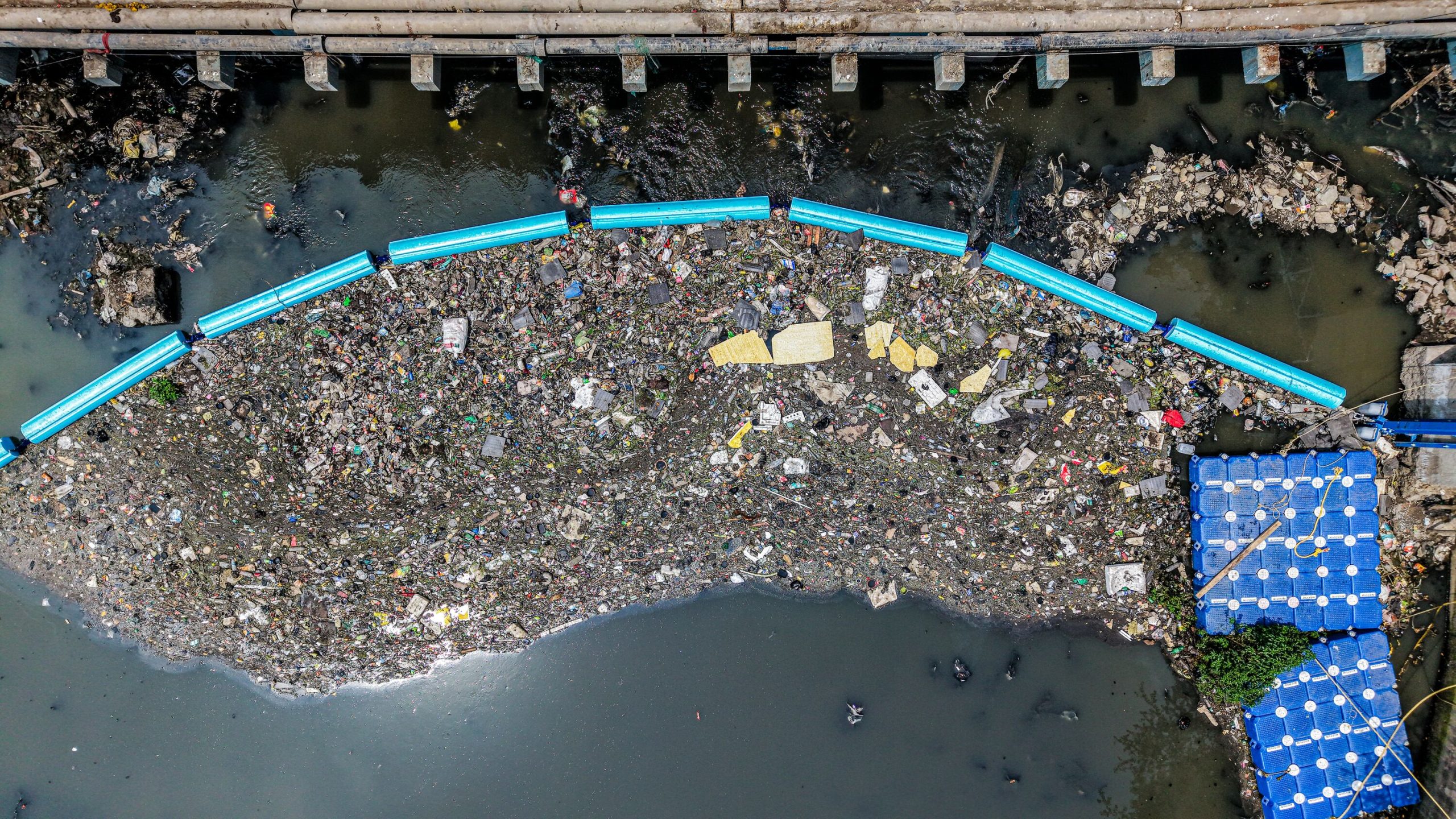
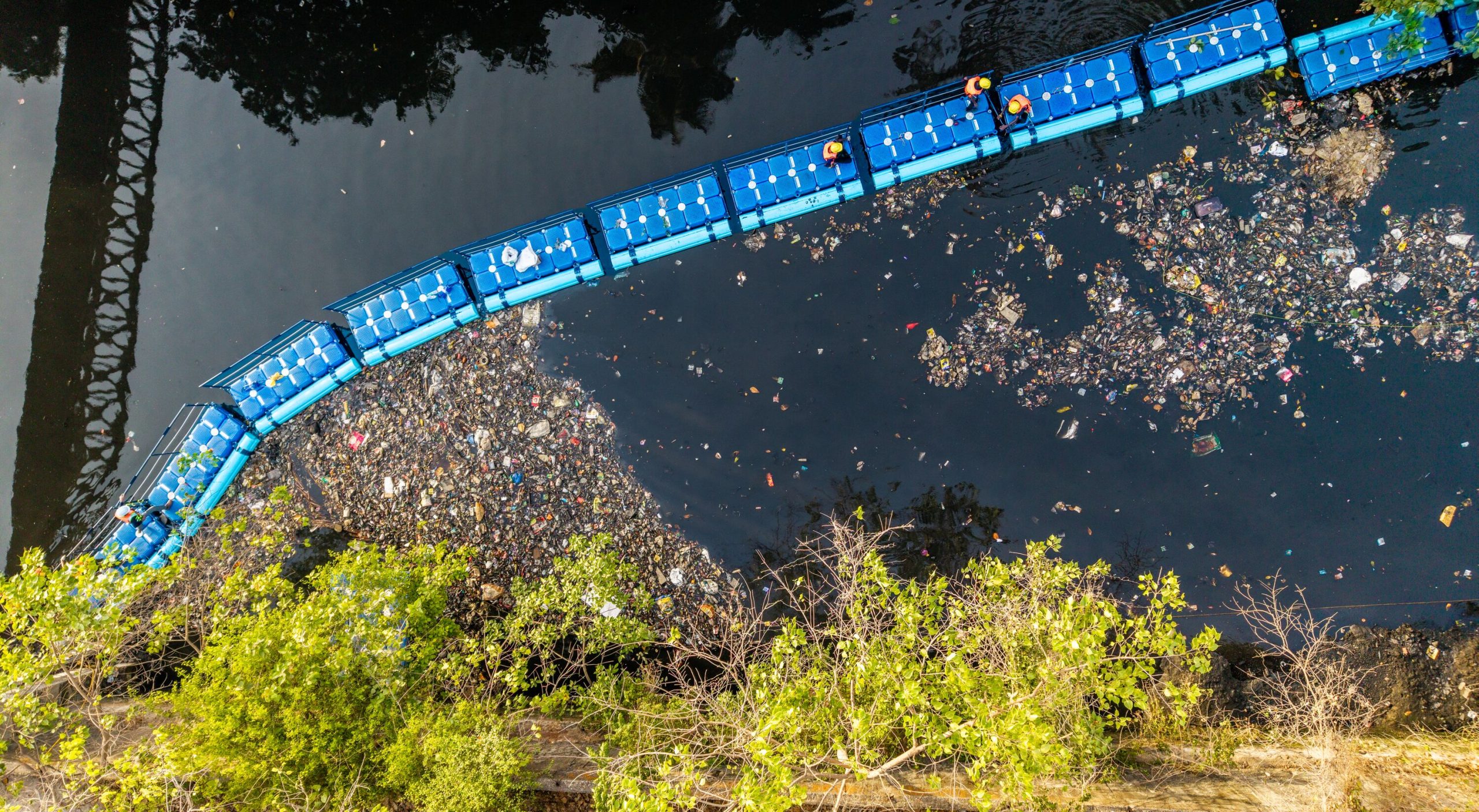
In 2025, The Ocean Cleanup unveiled the 30 Cities Program: a global initiative which aims to stop up to a third of plastic pollution entering the ocean by the end of the decade by deploying Interceptor solutions across some of the world’s most polluting urban waterways. This made Mumbai and the nearly 5 million kilograms of plastic flowing through its’ waterways into the Arabian Sea annually a key deployment location for the The Ocean Cleanup.
A city with global impact
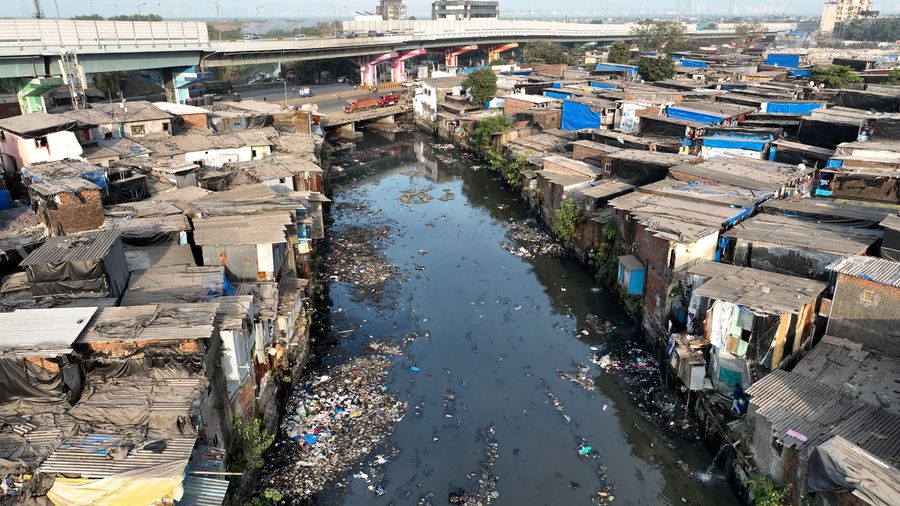
Research by The Ocean Cleanup found that Mumbai’s waterways contribute an estimated 3% of global land-based ocean plastic pollution. This makes the city one of the most impactful places in which to deploy preventative measures to stop plastic from reaching the ocean.
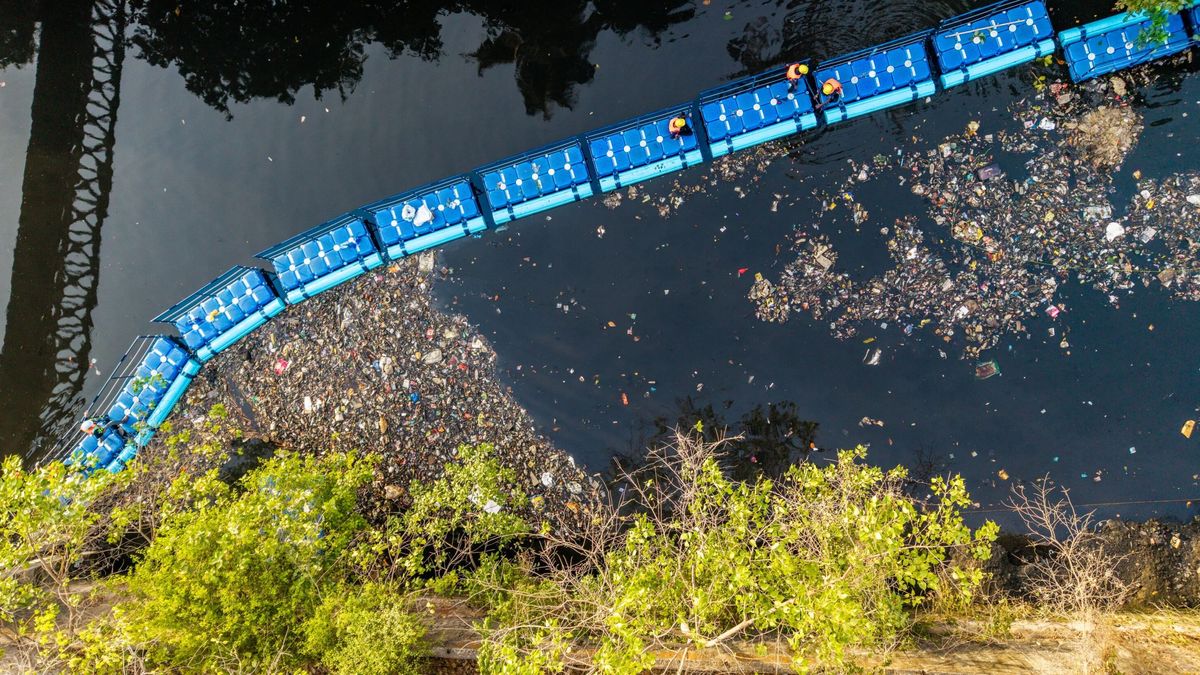
In early 2026, in close collaboration with the Brihanmumbai Municipal Corporation, The Ocean Cleanup was granted permits for the first two Interceptors to be deployed in Mumbai. After successful results during the monsoon season proved that our solutions could withstand severe conditions, new permits were granted for additional deployment sites across Mumbai in collaboration with our local implementation partner Plastic Fischer.
To fast-track our scale up in the city, The Ocean Cleanup has signed a Memorandum of Understanding (MoU) with the Maharashtra Pollution Control Board (MPCB) to formalise a collaborative framework to increase the interception of plastic waste in Mumbai’s waterways before it reaches the ocean.
-
Oceans
5 million kg plastic entering the Arabian Sea every year; roughly 3% of global land-based ocean plastic pollution linked to Mumbai waterways
-
Coastline
220 km of coastline affected by plastic pollution, with 152 km² of mangroves impacted by plastic leakage
-
Communities
1.9 million livelihoods and 107 vulnerable species impacted
Turning research into action
From 2024 to 2025, we partnered with TERI to study plastic pollution across the Mumbai Metropolitan Region using advanced technologies such as AI, remote sensing, GPS trackers, water level sensors, drones, and on-the-ground surveys. The findings revealed that 80% of this pollution comes from just 30% of its waterways.
Most of the waste is carried during the monsoon season, while tidal flows move plastic both downstream and upstream, making the challenge even more complex. These insights have given us a clear roadmap for action, showing that more than 50 strategically placed deployment sites are needed to effectively “close the tap” on plastic pollution across the region.
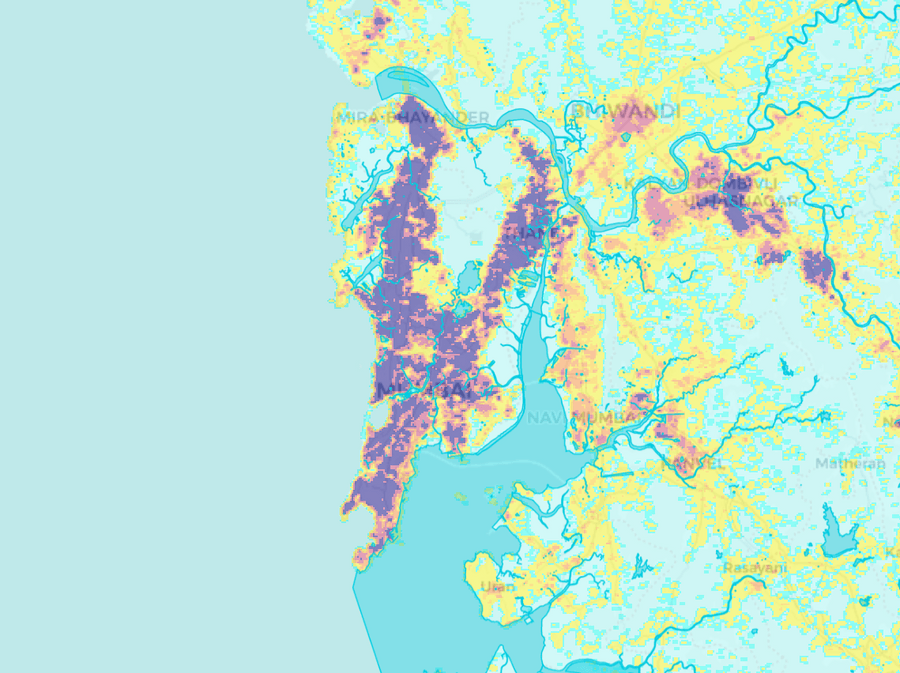
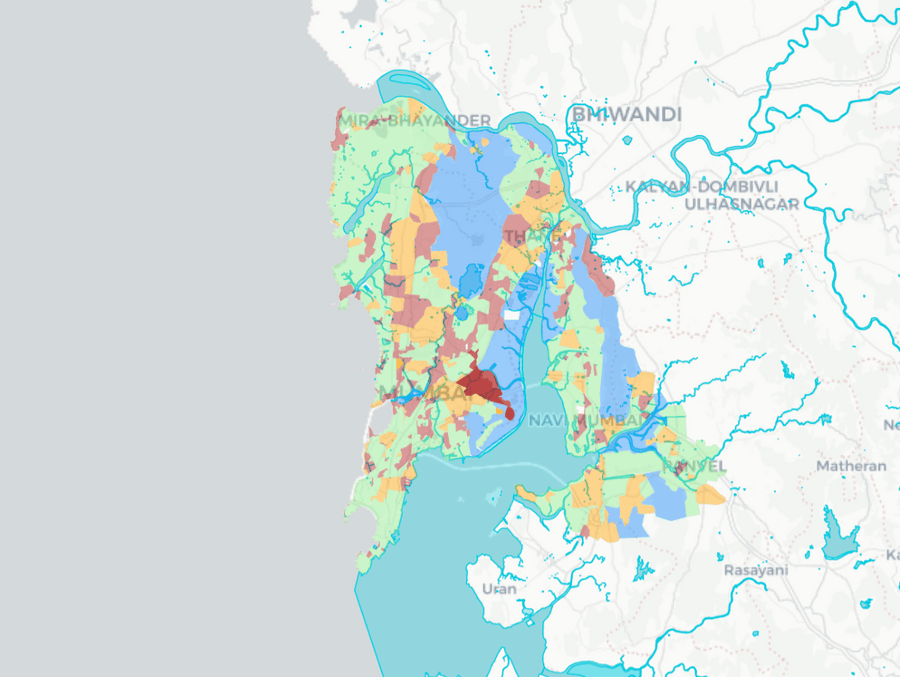
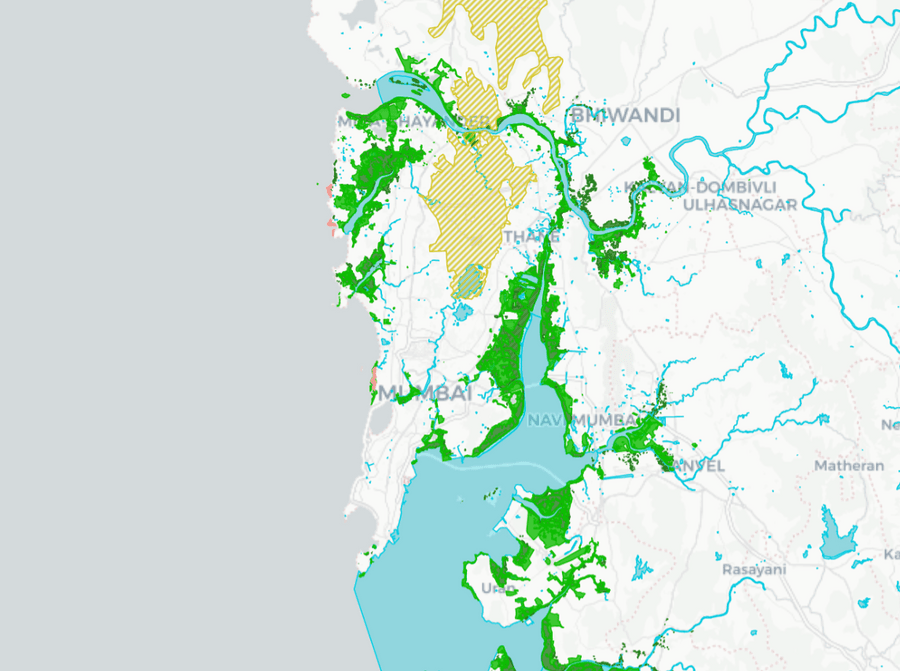
deployments
Mumbai consortium
We work closely with our valued local partners to ensure long term impact. The partnerships provide direct funding, local expertise and network to optimize our operations while ensuring that community needs are taken into consideration.



Why Mumbai?
-

Boyan Slat Founder and CEO at The Ocean Cleanup "Mumbai, being a dense, complex urban ecosystem, represents both a challenge and an opportunity where strategic river interception can deliver meaningful environmental and social impact. The collaborations with the Maharashtra Pollution Control Board and Municipal Corporation of Greater Mumbai provide the institutional framework needed to deploy our technology effectively."
-
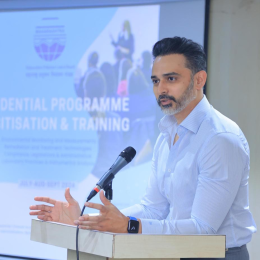
Mr. Siddhesh R. Kadam Chairman of the Maharashtra Pollution Control Board "By intercepting plastic waste at its source through science‑based solutions and strong regulatory oversight, this collaboration demonstrates how innovation and governance can together protect Maharashtra’s waterways and coastal ecosystems."
-
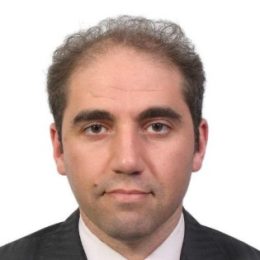
Mr. Nabil Taouati Consul General of the Kingdom of the Netherlands in Mumbai "The Netherlands, as a global leader in water management is delighted to see this Dutch technology contributing to this important initiative. This initiative also builds on ongoing Dutch engagement in India in sustainable waste management, combining social impact with technological innovation."
-
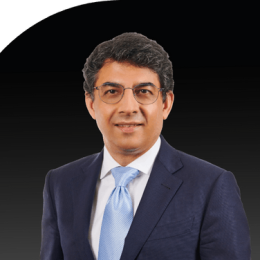
Arvind Tiku Founder and Chairman of the AT Capital Group Singapore "We are thrilled to be part of this long-term conservation project to revitalise Mumbai’s waterways. Our sponsorship forms part of AT Capital’s ongoing commitment to supporting environmental, health and education programmes worldwide. This project is a crucial step towards safeguarding Mumbai’s natural beauty and biodiversity."
-
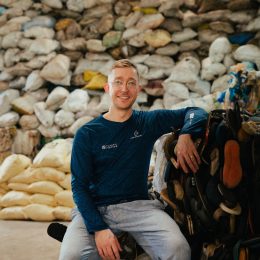
Karsten Hirsch Founder and CEO at Plastic Fischer "We are proud to partner with The Ocean Cleanup to create significant impact in Mumbai. After years of working across India, we know that ocean plastic can only be solved at its source, with strong partners and technology that works at scale."
Community outreach
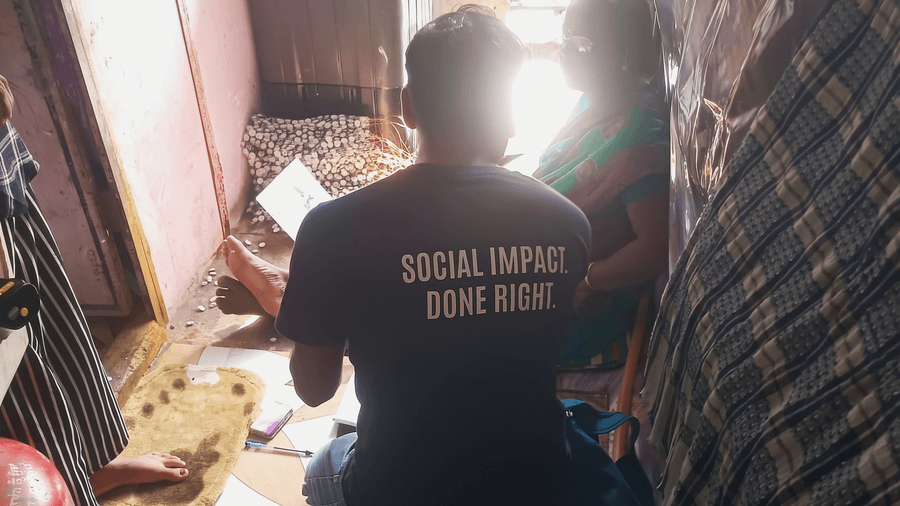
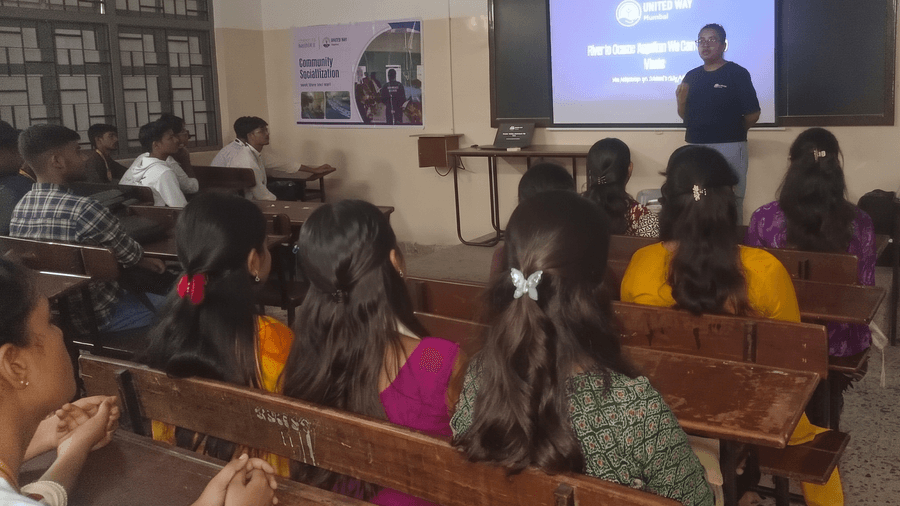
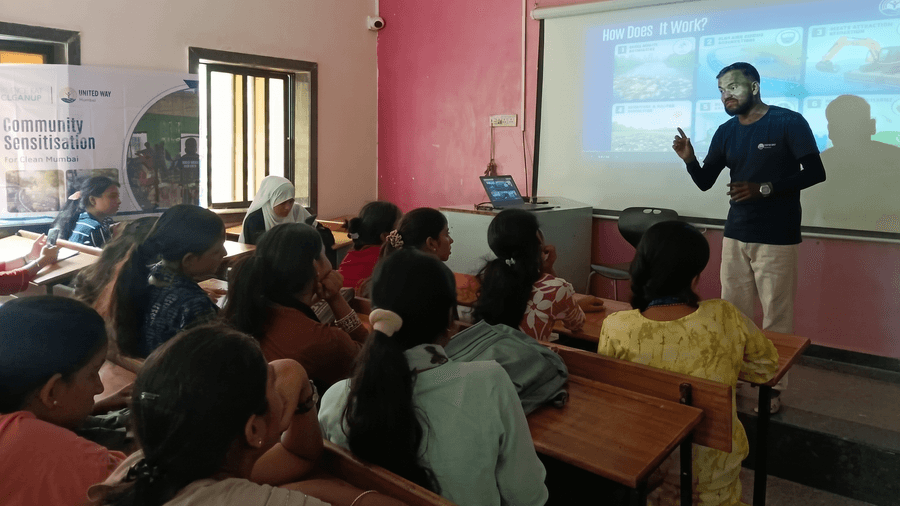
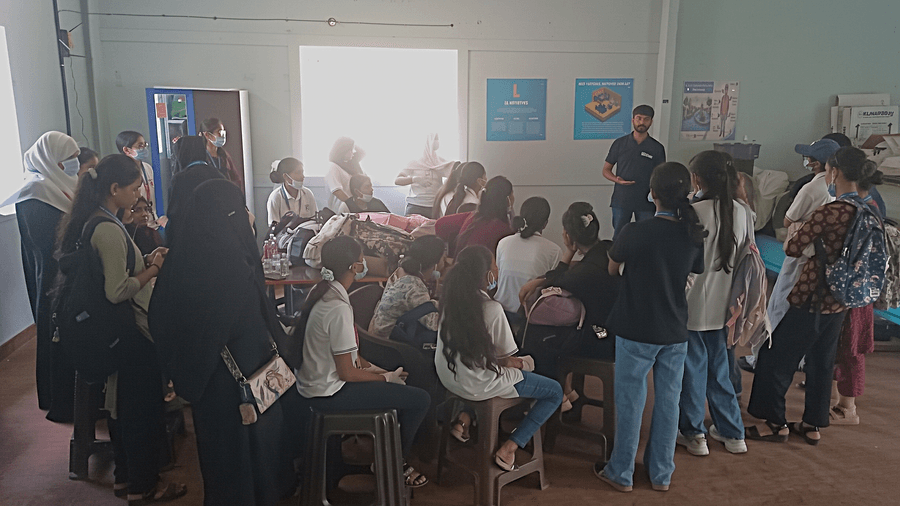
Expanding into a new country takes more than research, partnerships, and permits. It also means becoming a trusted part of the communities where we operate. That’s why we work closely with local partners who know these communities well and help us engage openly.
Lasting impact comes from reducing pollution at its source. Through education and community engagement, we work alongside residents, businesses and youth groups to encourage better waste management practices and long-term change. Alongside our local partner United Way Mumbai, we are engaging with communities along the Malad and Trombay waterways. From neighborhood outreach and educational programs to stakeholder meetings and youth-led initiatives, community members are becoming active participants in our operations.
Support Mumbai
Help keep plastic out of the Arabian Sea – the work in Mumbai is only just beginning.
You support helps expand cleanup operations, scale deployments, and enables our work and that of our local partners to stop plastic before it reaches the ocean.
-
Donate to The Ocean Cleanup
if you want to donate to our mission, and help us rid the worlds oceans of plastic, please visit out donate page
-
Donate your CSR funds
Indian organizations looking to donate their CSR funding, can do so by donating directly to United Way Mumbai, an Indian established non-profit with over 25 years of activity.
-
Volunteer to sweep the coasts
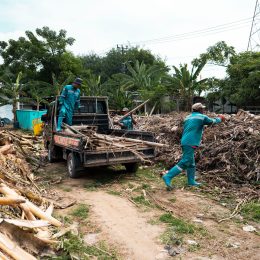
Do you want to join the community and help clean the trash accumulated along the coast? Sign up to our volunteer database and participate at our coastal sweeps.
Featured news
- 10 May 2026 The Indian Express Mumbai’s new ‘trash catchers’ stop tonnes of garbage before it reaches sea
- 12 April 2026 The Free Press Journal Mumbai Joins Global Fight Against Ocean Plastic As The Ocean Cleanup Launches Major Initiative Across The City
- 10 April 2026 Mumbai News How 50 Lakh Kg Of Plastic Moves From Mumbai Homes To Arabian Sea, Indian Ocean
- 11 February 2026 The Tribune Barriers to be installed in Mumbai to stop flow of plastic waste into Arabian Sea, Indian Ocean