Update
Year in Review: The Ocean Cleanup Continues to Break Records
The partnership aims to target seven basins inside the city to stop trash getting into the Gulf of Panama.
232 results for “AI”
The partnership aims to target seven basins inside the city to stop trash getting into the Gulf of Panama.
EXPANDING INTERCEPTOR DEPLOYMENTS IN 18 MONTHS Connecting Coca-Cola’s scale and global network with The Ocean Cleanup’s technology and data solutions, this partnership aims to expedite the deployment of Interceptors across fifteen rivers worldwide by
Our aim is to put ourselves out of business once the oceans are clean.
Through their ambitious 30 Cities Program, the global non-profit now aims to reduce up to one-third of all plastic flowing from the world’s rivers into the ocean by 2030.
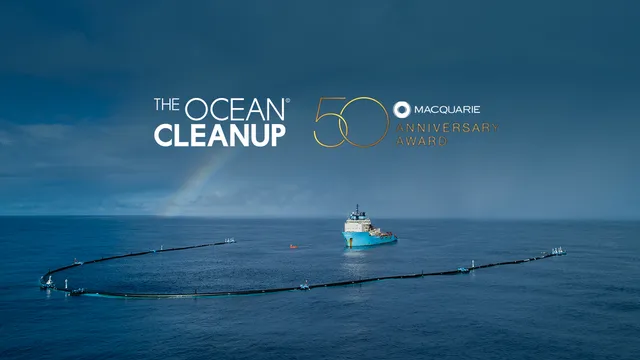
In 2019, The Ocean Cleanup aims to reach proof of technology with its cleanup system that is currently deployed in the Great Pacific Garbage Patch. Once this is achieved, The Ocean Cleanup will begin to design, procure, and assemble our next system.
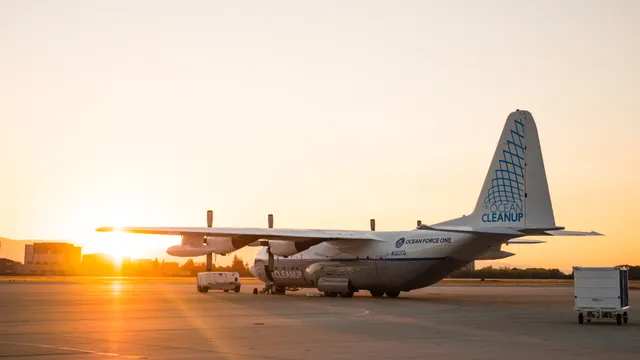
Using a modified C-130 Hercules aircraft, expert spotters, and an experimental array of plastic scanning equipment, the expedition aims to accurately measure the biggest and most harmful debris in the ocean.
Therefore, we decided to embark on a Mega Expedition, aiming to produce the first high-resolution map of the area. Next to scale, it was also the first time large debris (in the decimeter – meter range) had been measured.
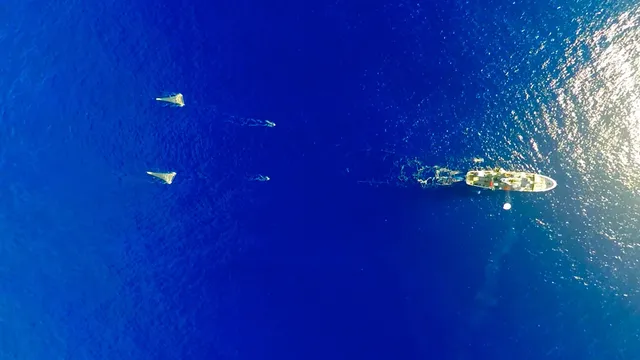
Plastic in the GPGP is widely dispersed, but there are ever-moving hotspots that we aim to target for the most efficient cleanup So why clean it up?
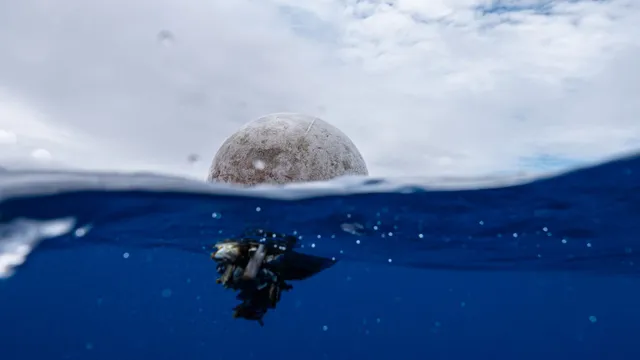
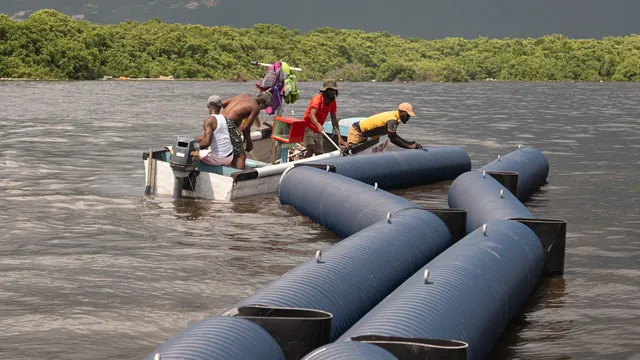
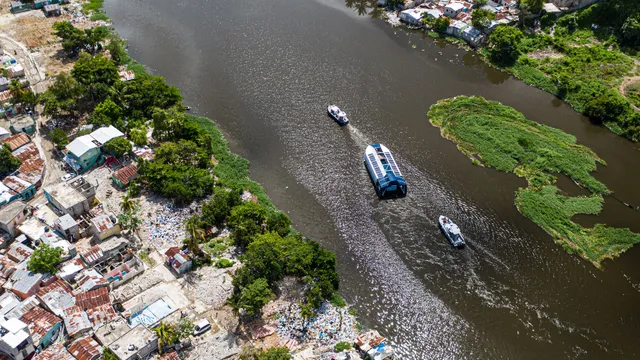
We have consciously aimed to make the Interceptor suitable for a wide array of rivers.
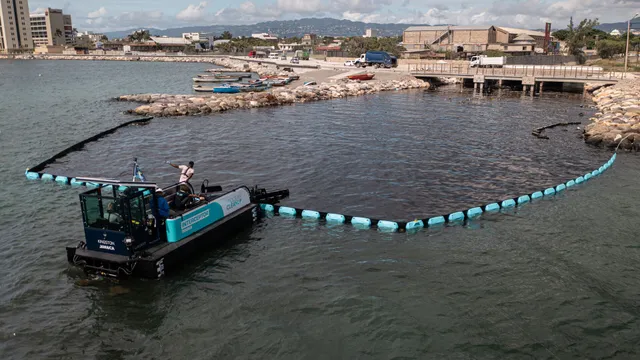
With Kingston as our rivers blueprint, we aim to apply this approach to other cities around the world to stem the inflow of waste into our oceans.