On World Ocean Day, ocean protection is entering its implementation era
Back to updatesEvery World Oceans Day, attention returns to the scale of plastic pollution entering the ocean.
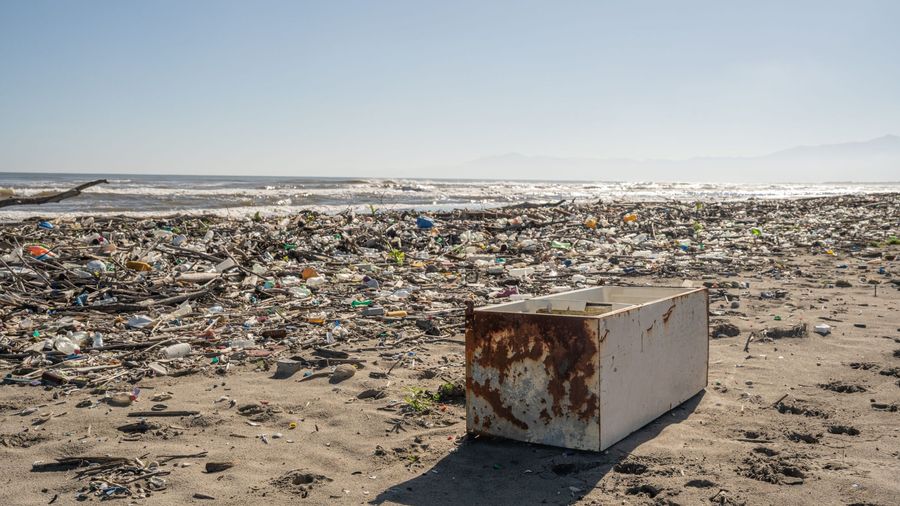
The images remain powerful. Beaches littered with waste, rivers carrying plastic downstream, and growing evidence of environmental and economic impacts continue to remind us why the issue matters.
But after decades of awareness campaigns, scientific studies, documentaries, and international commitments, a different question is beginning to emerge: what comes next?
Scientists have mapped the problem. Governments have acknowledged it. Companies have pledged action. Citizens understand it. Yet millions of tonnes of plastic continue to enter rivers and oceans every year.
The issue today is no longer awareness. It is implementation.
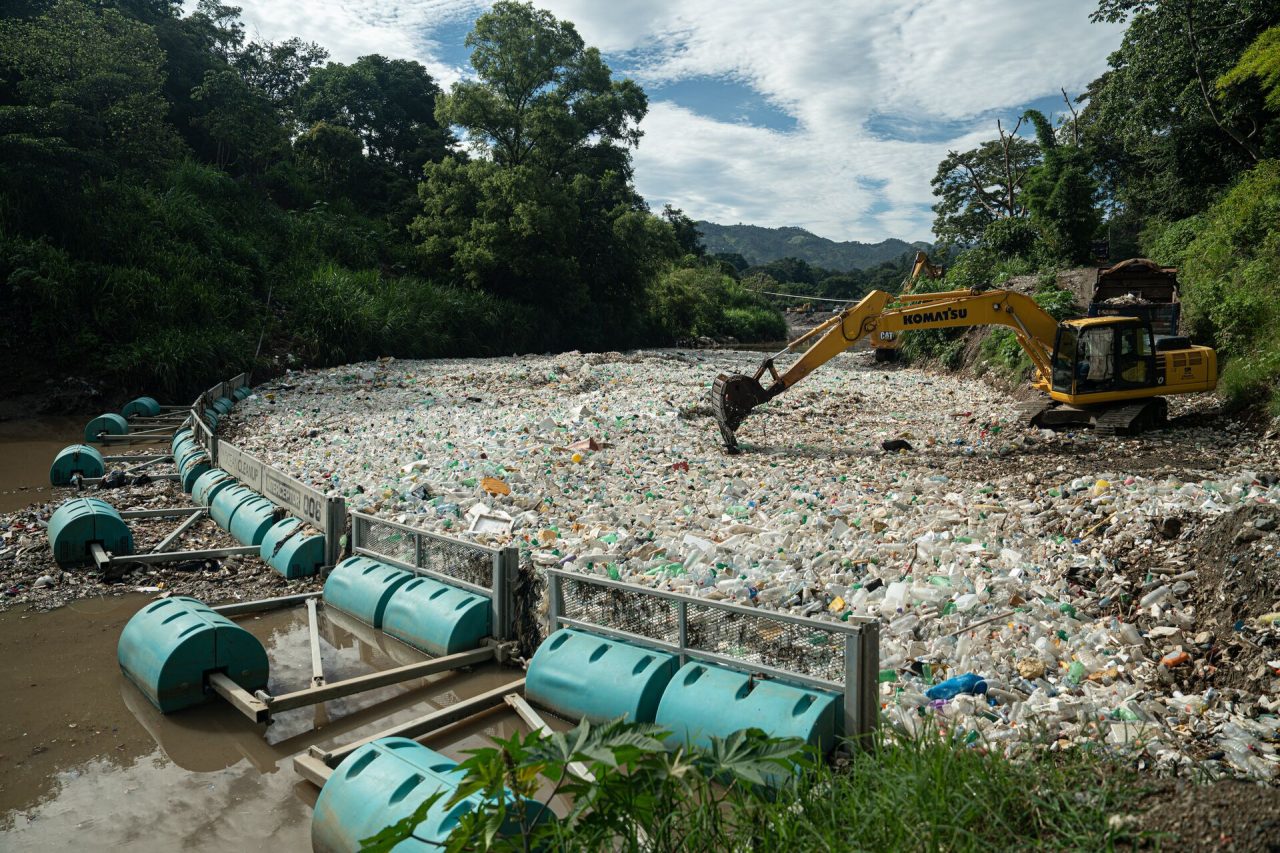
That shift is already visible in parts of Asia and Latin America, where river interception systems operate every day to prevent plastic from reaching coastal environments. In Jakarta, for example, The Ocean Cleanup’s river systems are already collecting thousands of tonnes of plastic annually before it reaches the open ocean and coastlines.
The debate is no longer whether plastic interception works. In some places, it already does.
The bottleneck is now institutional: how quickly proven systems can be deployed elsewhere and at scale.
These systems generate operational data, measure outcomes, and provide insight into how plastic moves through waterways and where interventions can be most effective. Through its growing network of river projects, The Ocean Cleanup is helping demonstrate what implementation looks like in practice: continuous operations, measurable performance, and prevention systems designed to stop plastic before it reaches the ocean.
History suggests that environmental problems become manageable only after they become measurable. Wastewater treatment did not scale because people became aware of contaminated water. It scaled because cities built treatment systems. Air quality improved not simply because pollution was documented, but because monitoring, regulation, and infrastructure evolved together.
Ocean recovery will require a similar transition.
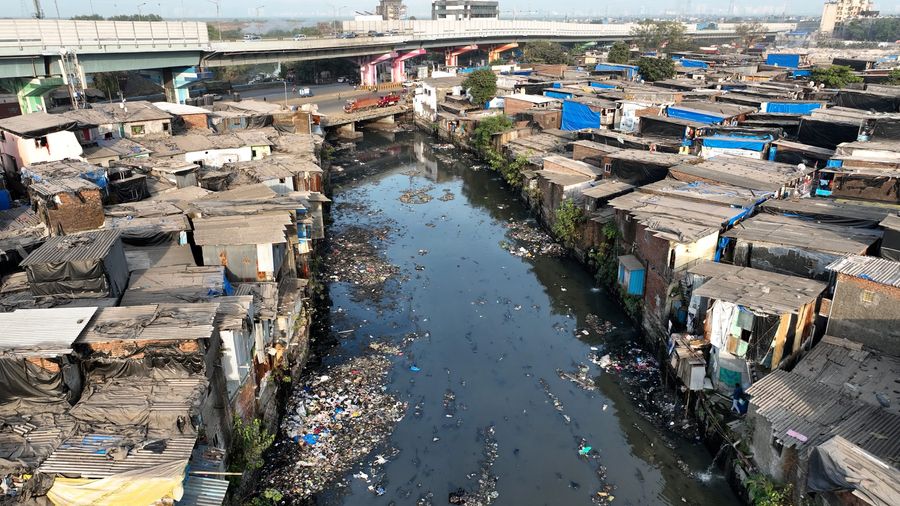
The technology to intercept plastic before it reaches the ocean already exists and, in several locations, is operating at meaningful scale. What remains is the work of deployment: moving from successful projects to systems capable of operating across hundreds of rivers and cities.
Plastic pollution is often framed solely as an environmental issue. Increasingly, however, it is becoming clear that it is also a challenge for urban systems. Plastic-clogged waterways can worsen flooding, increase municipal management costs, affect tourism and fisheries, and undermine the resilience of rapidly growing cities.
Viewed through that lens, river interception begins to look less like a cleanup activity and more like infrastructure.
Whether we call them that yet or not, river interception systems are increasingly performing infrastructure functions. They reduce risk, support urban resilience, protect economic activity, and generate measurable public benefits. For that reason, development banks and city governments may increasingly begin viewing them as blue infrastructure assets rather than standalone environmental projects.
Infrastructure is planned, maintained, measured, and financed over decades rather than annual funding cycles. Most importantly, infrastructure creates the conditions for scale.
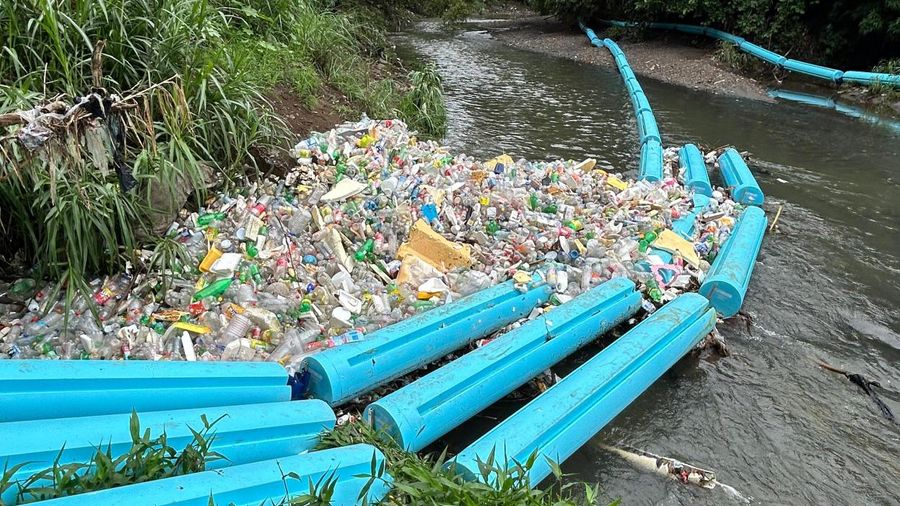
The future of ocean protection may depend less on new technologies than on our ability to deploy existing ones at scale.
The debate is no longer about whether prevention systems are possible. It is about whether governments, development finance institutions, philanthropies, and private actors can build the frameworks needed to deploy them at the scale the problem demands.
There are signs that those building blocks are beginning to emerge. Cities are collecting better data. Extended producer responsibility systems are expanding in several markets. Development finance institutions are increasingly exploring resilience-focused investments. River systems are becoming more measurable, and outcomes more verifiable.
None of this guarantees success. But it does suggest that the conversation is evolving.
For years, the primary goal was to make plastic pollution visible. Today, the task is turning visibility into implementation.
Awareness made ocean plastic visible. Infrastructure is what will make it manageable.
For decades, the goal was to make ocean plastic impossible to ignore. The next step is building the systems capable of preventing it.