Halting marine plastic inputs by 2050 is necessary but not sufficient to avoid microplastic accumulation
September 2026, article in a peer-reviewed journal,
Communications Earth & Environment
Abstract
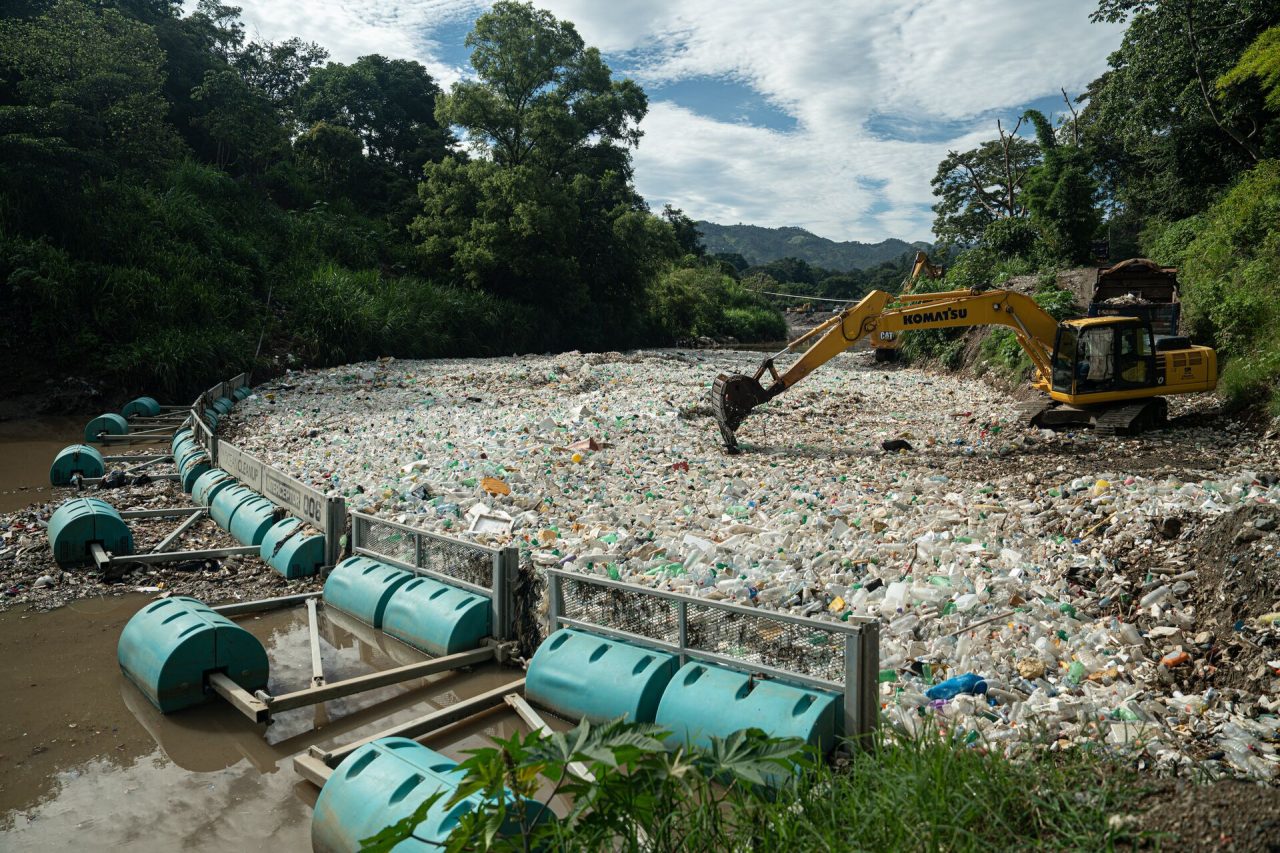
Marine plastic pollution threatens ecosystems, economies, and human health, yet economic literature overlooks the transport of plastic debris across marine ecosystem compartments and its natural breakdown. Here we show, using a system dynamics model, the global physical and economic efforts required to remove buoyant marine plastic debris by 2050. The model simulates the degradation, transport, and cleanup of macroplastics and their breakdown into microplastics across shoreline, coastal, and offshore zones. Scenario analyses explore varying rates of waste input reduction and cleanup intensity. Results indicate that halting new marine plastic inputs by 2050, as outlined in the G20 Implementation Framework for Actions on Marine Plastic Litter, and removing existing buoyant macroplastics may be insufficient to prevent substantial microplastic accumulation. Accelerating cleanup efforts can reduce microplastic generation, albeit at a higher cost. Estimated annual cleanup expenses range from €0.1–5.6 billion, representing 0.3–15.7% of national pollution abatement budgets and 0.0001–0.0052% of global GDP.