Aussie beaches to double overseas plastic pollution by 2050 without action now: The Ocean Cleanup modelling
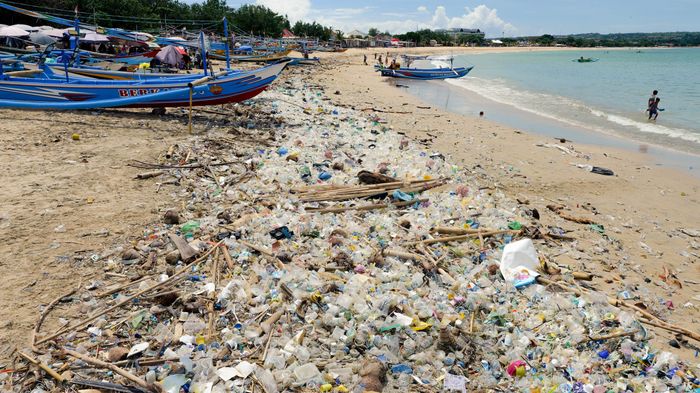
Back to pressNew modelling by global non-profit The Ocean Cleanup has revealed that overseas plastic pollution on Australian beaches is set to double from 440 tonnes in 2020 to over 850 tonnes per year by 2050, unless action is taken now.
The Global River Model research estimates plastic emissions from over 200,000 watersheds worldwide and connects to an ocean dispersal model that tracks where that plastic ends up, using ocean circulation and wind data.
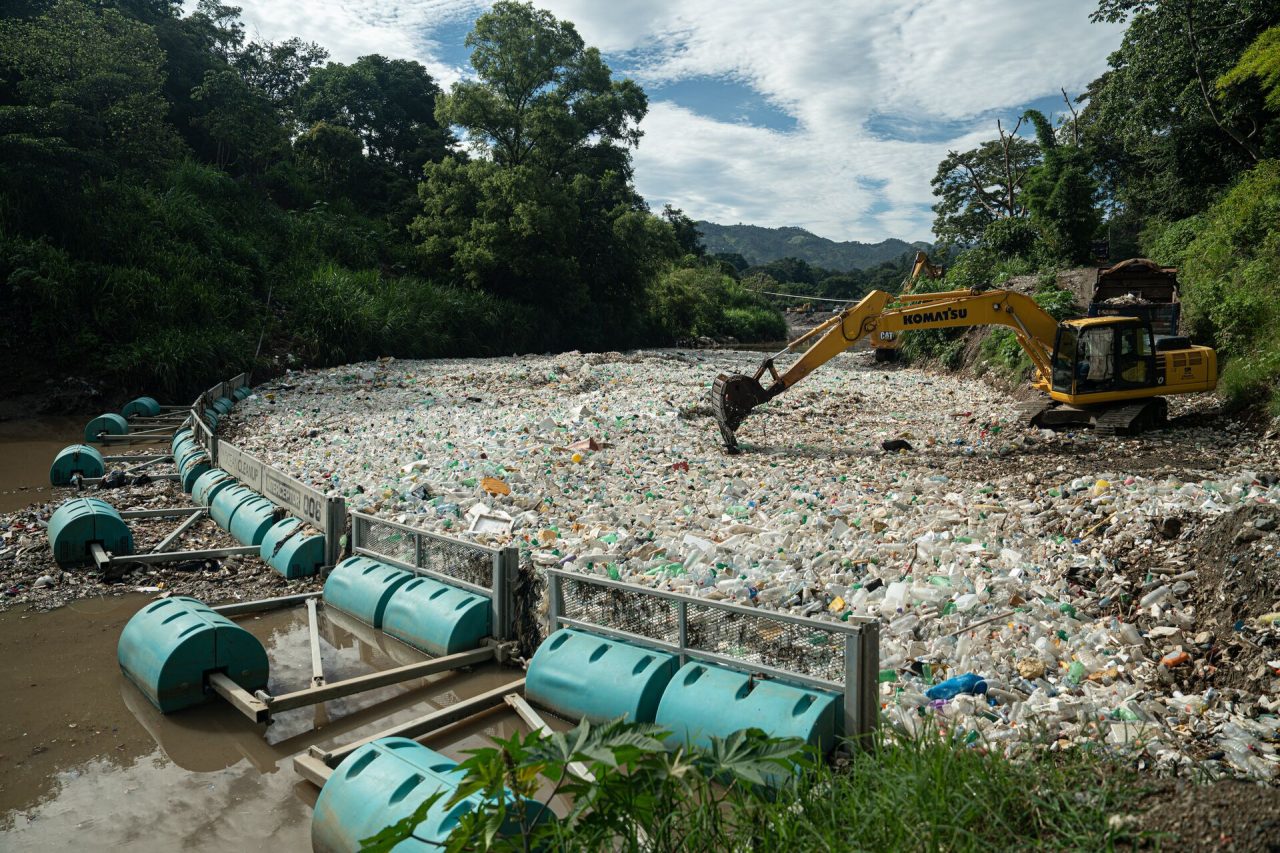
This preliminary data is evaluated against over 440 field observations from over 40 rivers worldwide, including plastic flux measurements reported in scientific literature, data from AI-powered river monitoring cameras, and measurements from its own Interceptor barriers (plastic removal) systems.
The analysis found Southeast Asia to be the dominant plastic source for overseas plastic reaching Australia at 170 tonnes, with Indonesia estimated to be the largest single contributor at over 110 tonnes.
Several island nations also contribute 140 tonnes, as a result of limited waste-management capacity allowing plastic entering the ocean to travel long distances on prevailing trade winds to the eastern Australian coast, including Queensland, New South Wales, and Victoria.
Plastic also arrives from South America and Africa at 90 tonnes and 40 tonnes respectively, carried across the Southern Ocean and neighbouring basins.
The analysis follows previous research co-authored by The Ocean Cleanup, University of Western Australia, and Minderoo Foundation, which found concentrations of plastic pieces per square kilometre comparable to those in the Great Pacific Garbage Patch in Australia’s Ashmore Reef Marine Park in the Timor Sea.
Given the enormity of the issue, The Ocean Cleanup modelled three policy scenarios consistent with the OECD Global Plastics Outlook, to trace foreign river plastic reaching Australia’s shoreline each year by 2050:
- Business as Usual: By continuing on the current trajectory, overseas plastic would reach around 850 tonnes.
- Regional Ambition: If wealthier countries were to act fast and implement strong policies, it would reach over 570 tonnes.
- Global Ambition: Under rapid and globally coordinated action, it would reverse and fall to around 300 tonnes.
CSIRO research shows Australia’s local coastal plastic is falling even as foreign-born ocean plastic rises, with a 39 percent drop in national coastal debris density over the decade to 2023, and a 16 percent increase in surveyed areas with no debris at all.
Plastic from Australia’s own rivers contributes just 7 tonnes a year as a result.
The rise in foreign plastic arriving on Australian shores while domestic coastal litter falls shows that regional leadership, expertise and funding are the next frontiers for Australia’s clean-up efforts, according to The Ocean Cleanup.
Boyan Slat, founder & CEO of The Ocean Cleanup, said: “Australians are doing a great job of cleaning up their own coastline, but none of that local effort can prevent the arrival of plastic from rivers in other countries. This is the share of plastic pollution that is growing the fastest, and so it is the share that makes the most sense to target.
“This problem is solvable and with ambitious public and private partnerships we can accelerate action in Southeast Asia. This includes leveraging Australian and Pacific expertise in science, technology, and the circular economy, alongside funding streams, to accelerate action in Southeast Asia – where much of the region’s plastic emissions originate.”
Laurent Lebreton, Head of Research at The Ocean Cleanup, and author of the latest research, said: “We’ve known for years that plastic crosses borders; what this model adds is the arithmetic. We can now estimate how much less plastic lands on an Australian beach if a particular country upstream improves its waste collection, which means funding decisions can be argued on numbers.
“The future state of Australian beaches in 2050 can be determined now. Through collective national and regional action across Asia and the Pacific we can all have clean beaches and safeguard our marine environments for people to enjoy in the future .”
# # #
Please contact Priyanka Dogra for any interview requests: +61 410 593 587
About The Ocean Cleanup
is a global nonprofit that develops and scales solutions to rid the world’s oceans of plastic. By conducting extensive research, engineering scalable solutions, and partnering with governments, industry, and like-minded organizations, The Ocean Cleanup is working to stop plastic inflow via rivers and remove legacy plastic already polluting the oceans. As of September 2026, the non-profit has collected over 62 million kilograms (136.7 million pounds) of trash from aquatic ecosystems around the world. Founded in 2013 by Boyan Slat, The Ocean Cleanup now employs a multi-disciplined team of approximately 200 people. The organization is headquartered in Rotterdam, the Netherlands, with international operations in 13 countries.