Taking the next step in our ocean operations
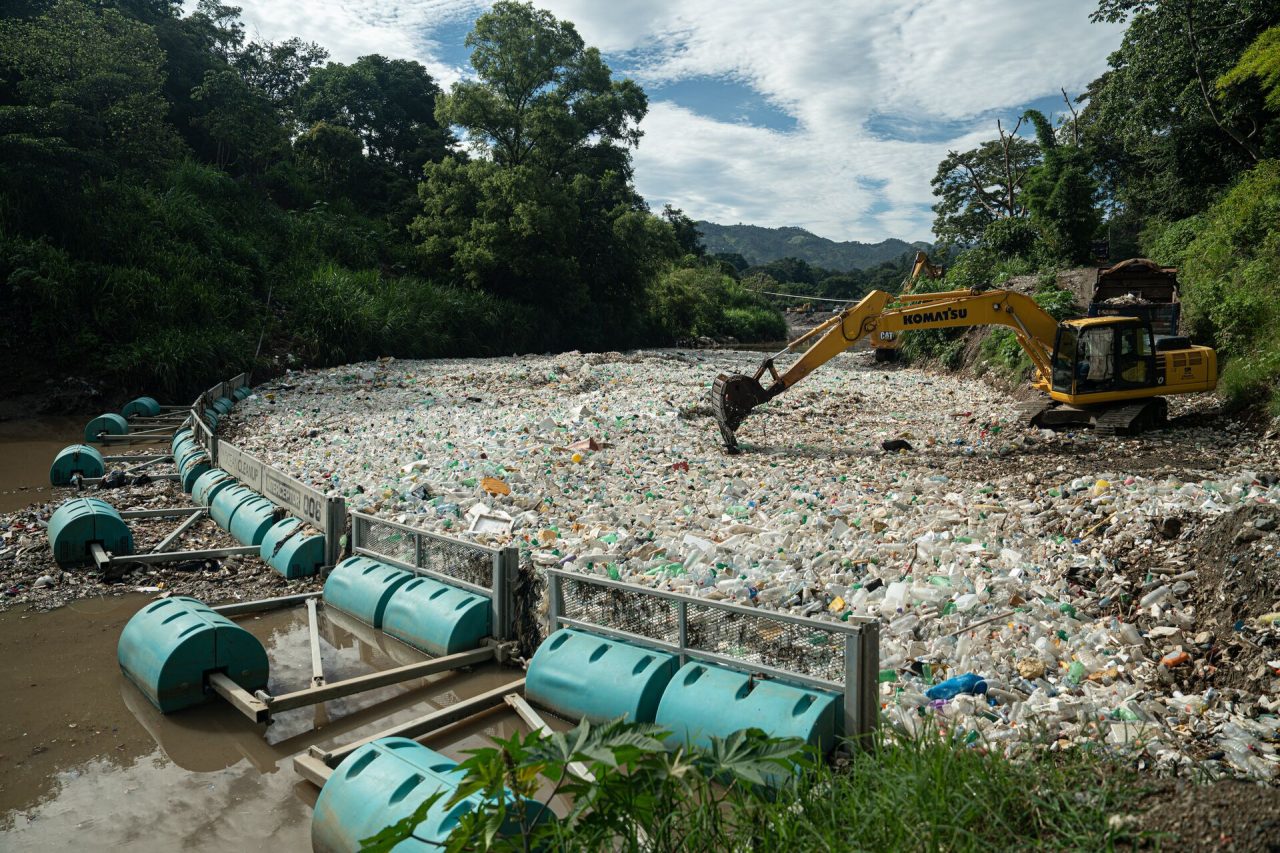
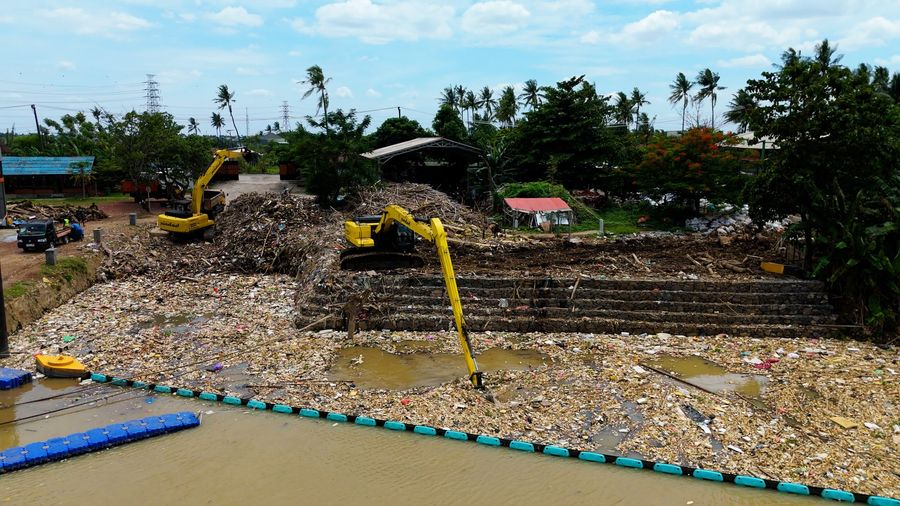
Back to updatesAt the moment, we are moving full speed ahead with our 30 Cities Program, tackling up to one third of all plastic emissions from the identified cities by the end of this decade. With so many recent updates on our Interceptor rollout, we wanted to highlight the other side of the problem we are working on in parallel: the legacy pollution that has already accumulated in the world’s oceans. Our ultimate mission has not changed: we intend to rid the world’s oceans of plastic by 2040. And to be successful with that, we need both interception of inflow and cleanup of legacy pollution.
Improving our strategy
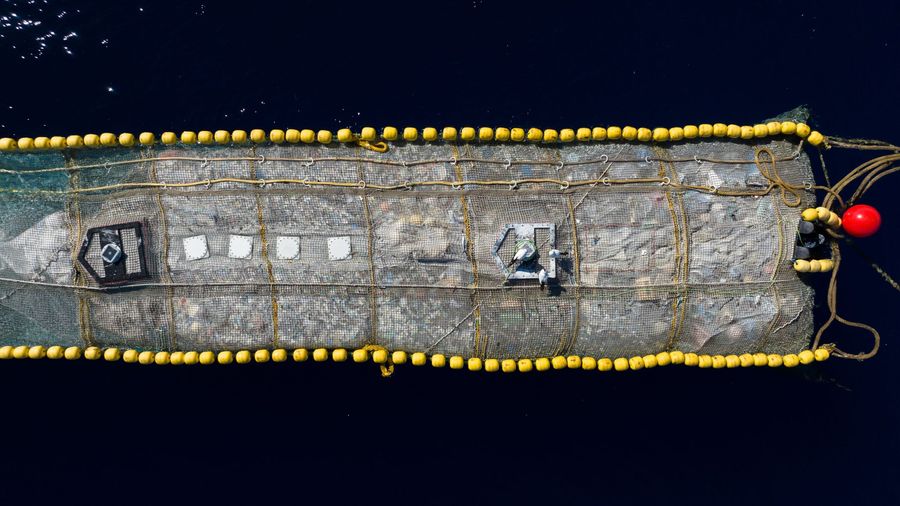
In principle our solution is proven to be ready to clean the Great Pacific Garbage Patch (GPGP) today, however, we have identified room to further improve its overall performance and efficiency, and as an organization committed to responsible long-term impact, we want to ensure that this solution is the best one to deploy.
Our steering strategy, within the GPGP, was one of the central points identified as a key development point. To clean the GPGP efficiently and economically, we need to maximize the amount of time that we are harvesting plastics in the densest areas of the patch, but where should we start, and what path should we take to ensure this? To answer this question, we have been actively developing internally, as well as in labs, in the field, at sea, and very soon even the GPGP, a smart steering strategy.
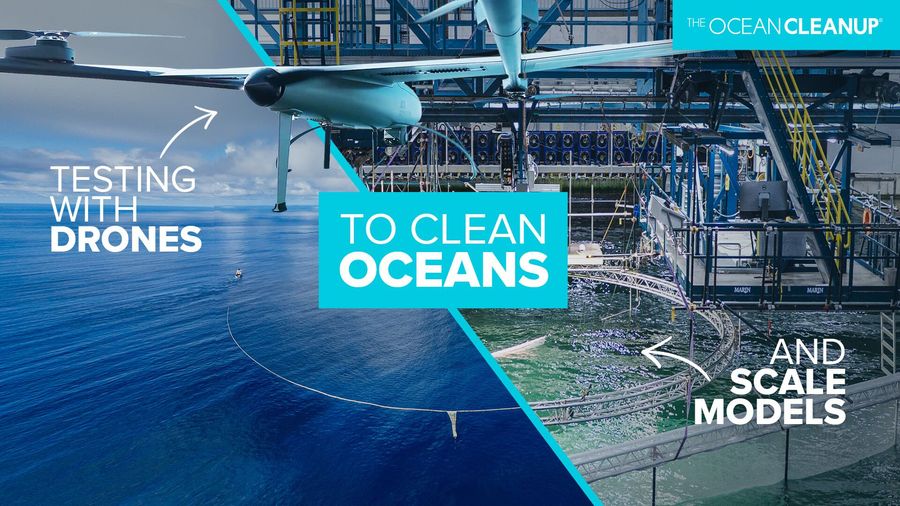
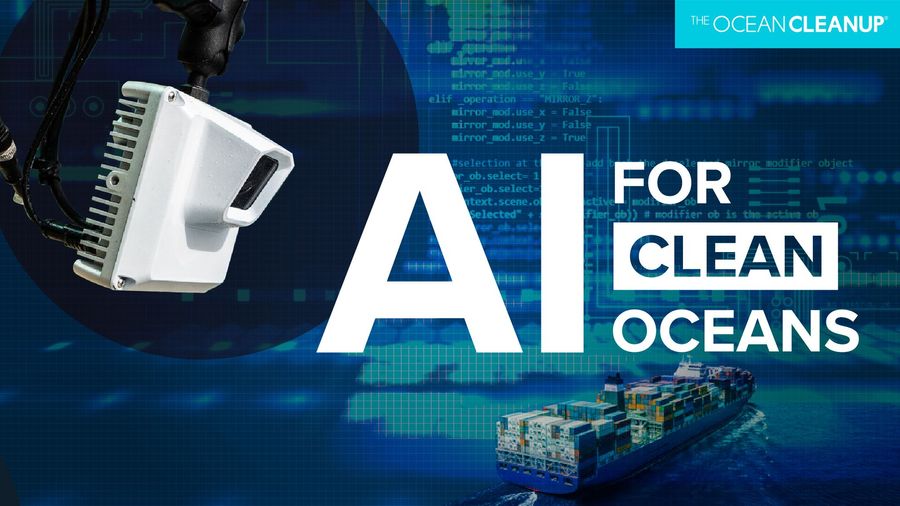
The smart steering strategy is straightforward: by using our plastic dispersal models, plastic sensing tooling, and AI algorithms to create a map identifying where plastic hotspots are in real time, we can steer our systems towards them and more effectively extract plastic from the ocean. Thanks to our own research data and the information from our Automated Debris Imaging Systems (ADIS), we have developed a map of plastic distribution in the Pacific. These models, fed by field data and AI modelling, provide a starting point for our solution, and once there, we will deploy drones from the ship to accurately define the most effective path to hunt and extract plastic from these hotspots.
Hunting plastic hotspots
Last year, we successfully tested drone detection from land and are now ready to test the operational configuration within the GPGP. This will be a key validation point of the strategy and will provide a range of valuable insights, including the optimal design of the cleanup system by providing us a better understanding of how ‘patchy’ the patch is – which will help us identify what the optimum fleet size would be to tackle the issue as efficiently as possible. So just as there are weather forecasts for conditions at sea, we will be able to use a plastic forecast for maximum impact.
We are set to trial the first iteration of our strategy later this year in the GPGP during a six-week expedition in summer. We expect that this strategy will make our ocean operations a lot more cost, time, and resource efficient.