
Year in Review: The Ocean Cleanup Continues to Break Records
Back to updatesAnother year, another record trash haul.
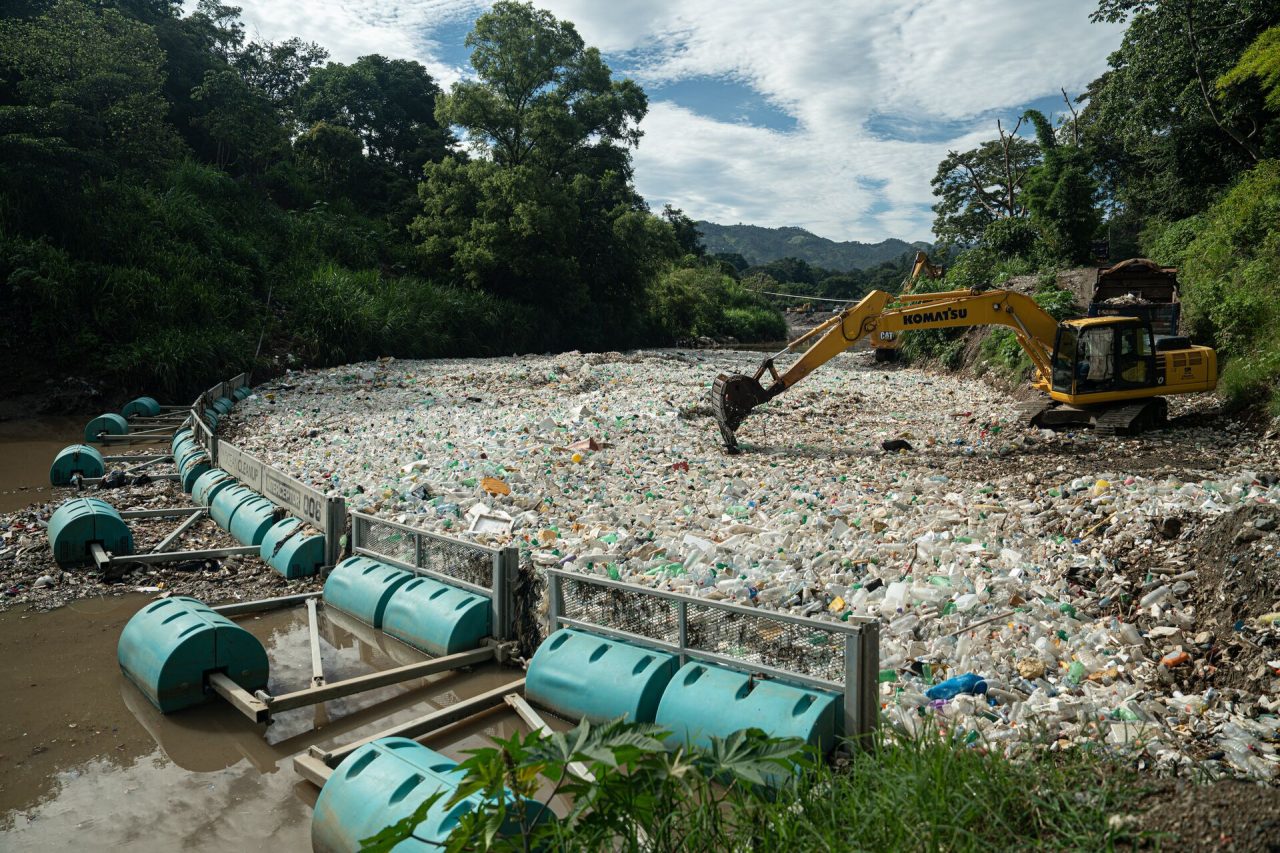
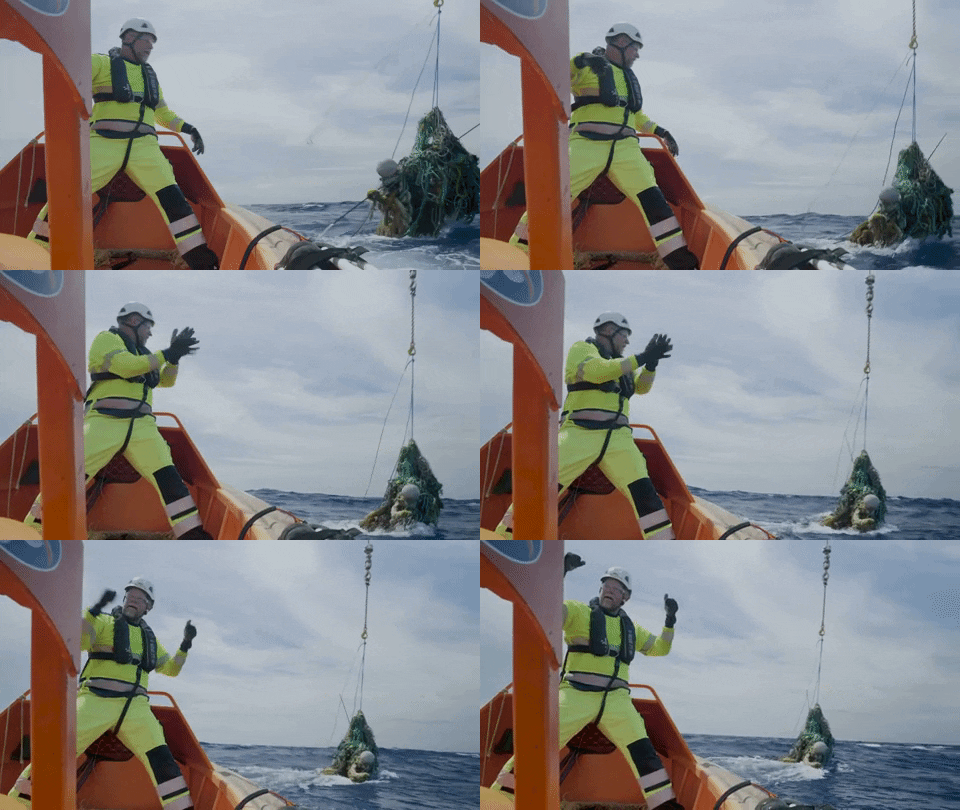
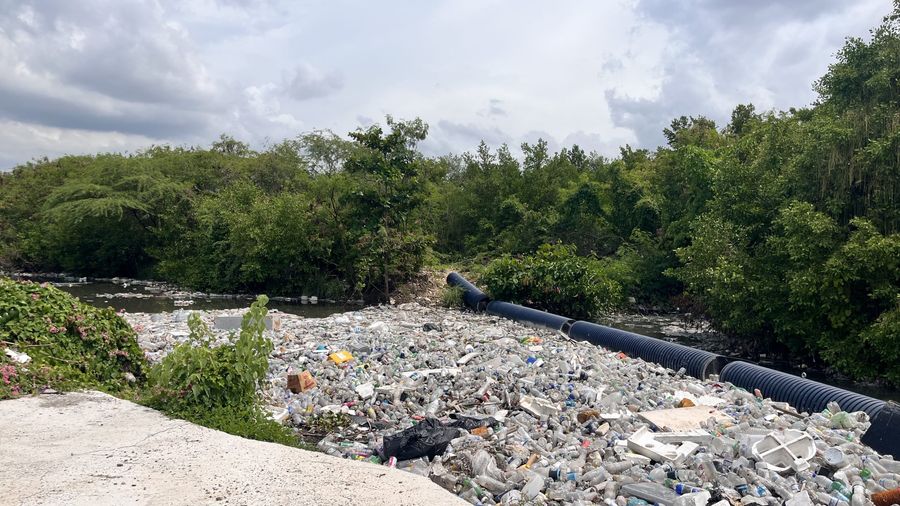
In 2025 we removed over 25 million kilograms of trash from aquatic environments, bringing our total overall catch to over 45 million kilograms. This massive haul is the result of years of research, data-driven decision-making, and commitment to implementing responsible solutions adapted to local contexts.
This year, a major focus behind the scenes has been to ensure all our processes are optimized and our ocean and river technologies operate as efficiently as possible. But what did that look like?
2025 in Brief
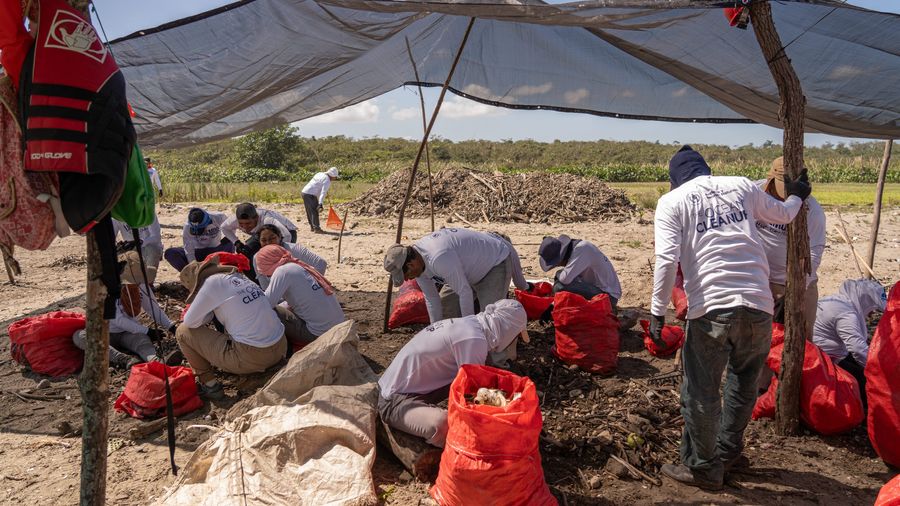
Reaching our goal of removing 90% of all floating plastic from the ocean by 2040 requires a comprehensive solution. One that includes not only extraction of legacy plastic from the ocean, and the interception of plastic waste in rivers, but also the targeted removal of the pollution already present in near-shore environments through coastal sweeps, as well as leveraging our research in marine pollution to inform international policy.
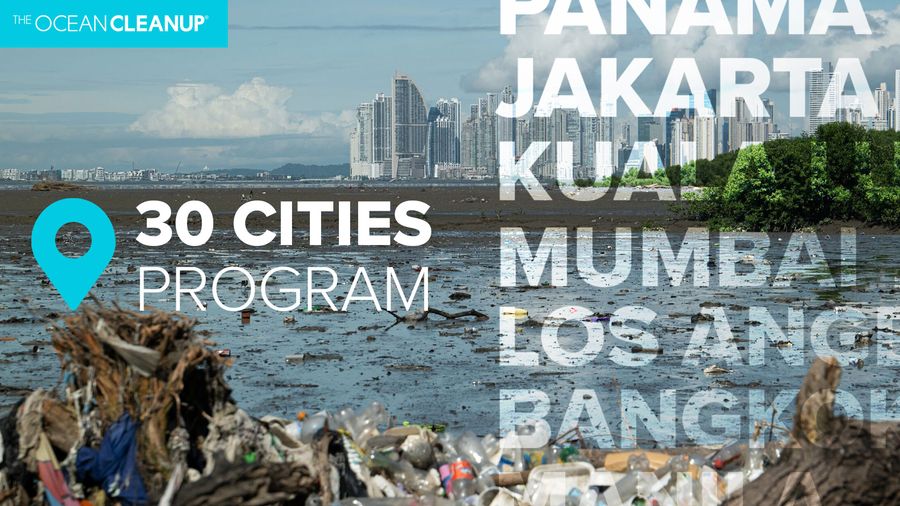
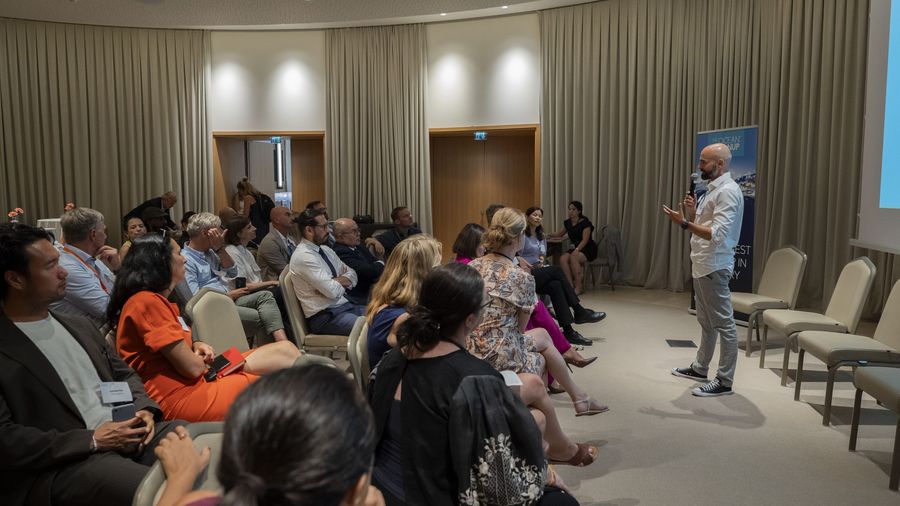
Research which continues to set new standards, as well as involve citizen scientists keen to participate in the world’s largest cleanup – a cleanup that is growing in scale. At the United Nations Oceans Conference in Nice this year, we announced the next step towards reaching our goal: the 30 Cities Program, which will tackle up to a third of all plastic pollution entering the ocean from some of the world’s most polluting urban areas.
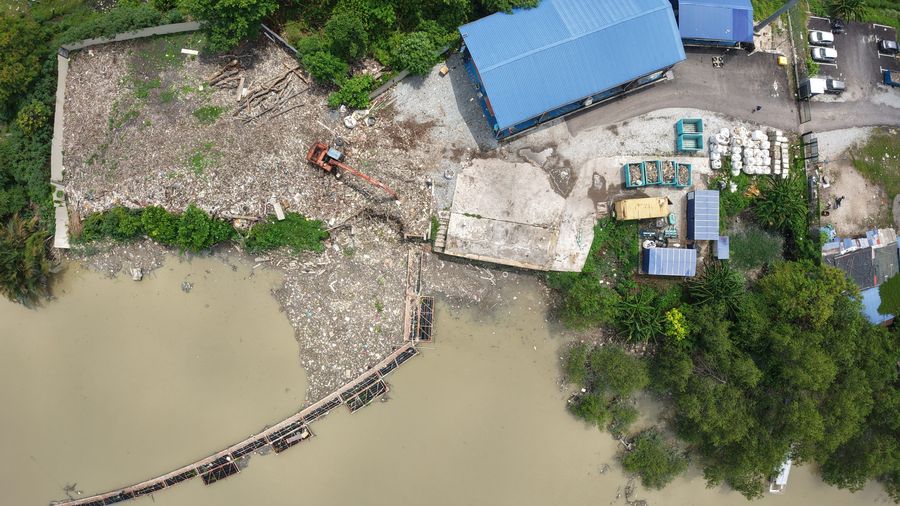
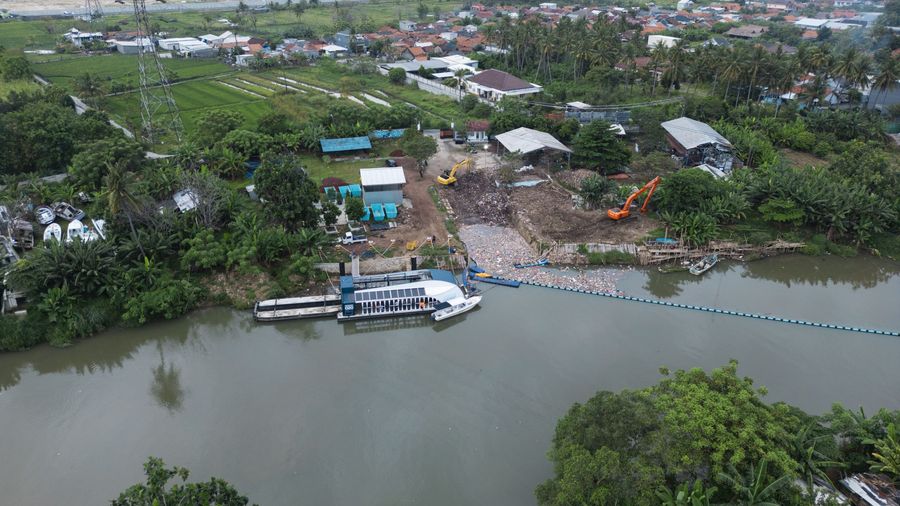
Our focus on efficiency and responsible solutions also extends to waste management. We continued to work closely with local authorities, partners, and communities in the countries we are deployed to create long-lasting impact.
2025 in pictures
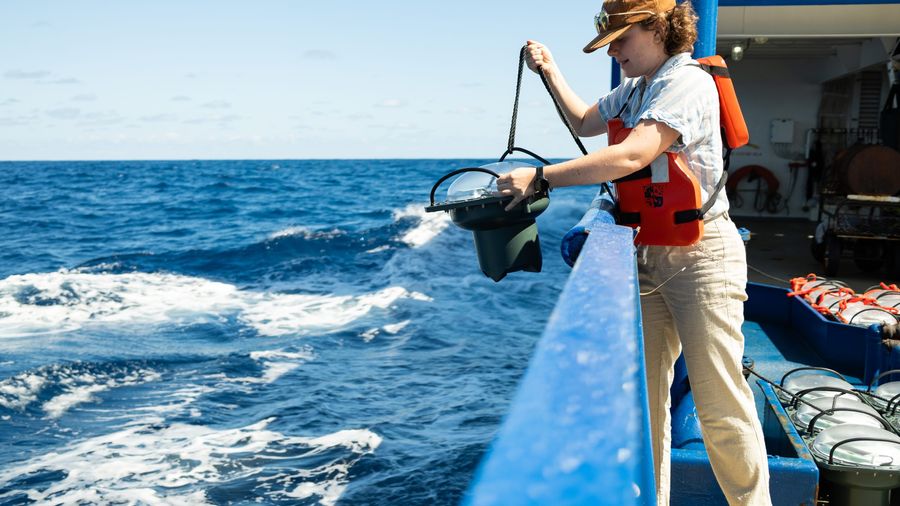
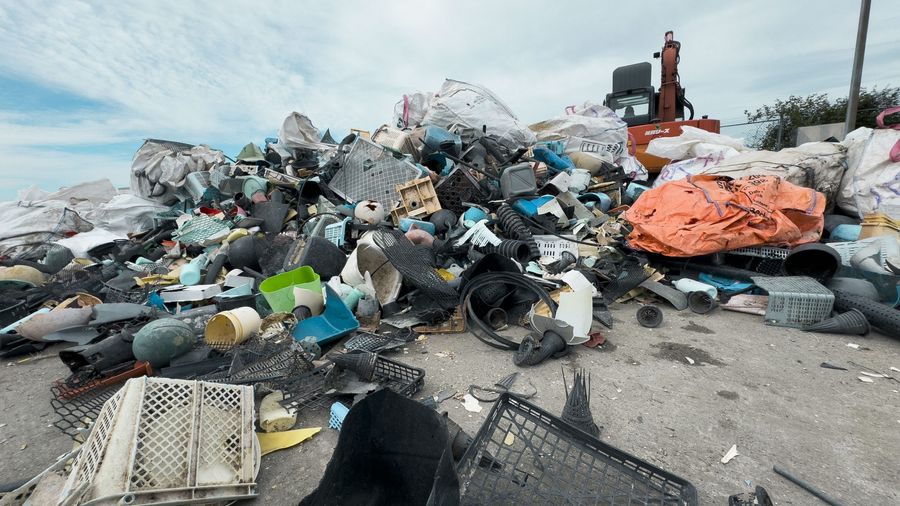
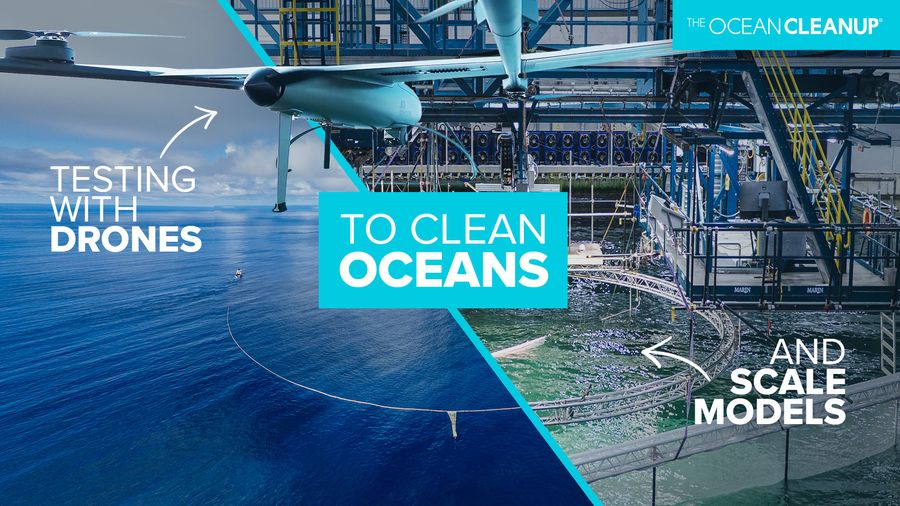
And if you’d rather not read through everything, we’ve put together the highlights of our 2025 in pictures – a little trip down memory lane.

New Year, Same Mission
The records we have set throughout 2025 were made possible thanks to the continued support of our followers and partners. Together, we are turning the tide on plastic pollution. Our collective attention is now on 2026, a year that promises to deliver even more deployments, trash removed, and positive impact – so make sure to stay updated on our progress!