High quality
photos & videos
The material on this page is available for editorial use. When using these files, please credit with “The Ocean Cleanup” unless instructed otherwise in the caption. For high-resolution files, click the corresponding download button.
For video, please first check our YouTube channel for publicly available edits, which can be linked or embedded in your posts. For editing needs, we prefer you use raw footage available below and avoid re-uploads of our content. When uploading a video using our footage, please make sure to credit The Ocean Cleanup in the title or description of the video and include a link to our website. Please note that if the content is not credited correctly, a copyright claim may be filed via YouTube.
Visit our Updates section for the latest news from The Ocean Cleanup.
The Ocean Cleanup
The Ocean Cleanup media galleryImages (9)
-
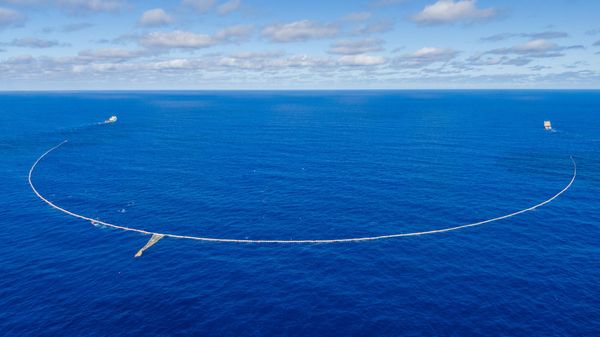
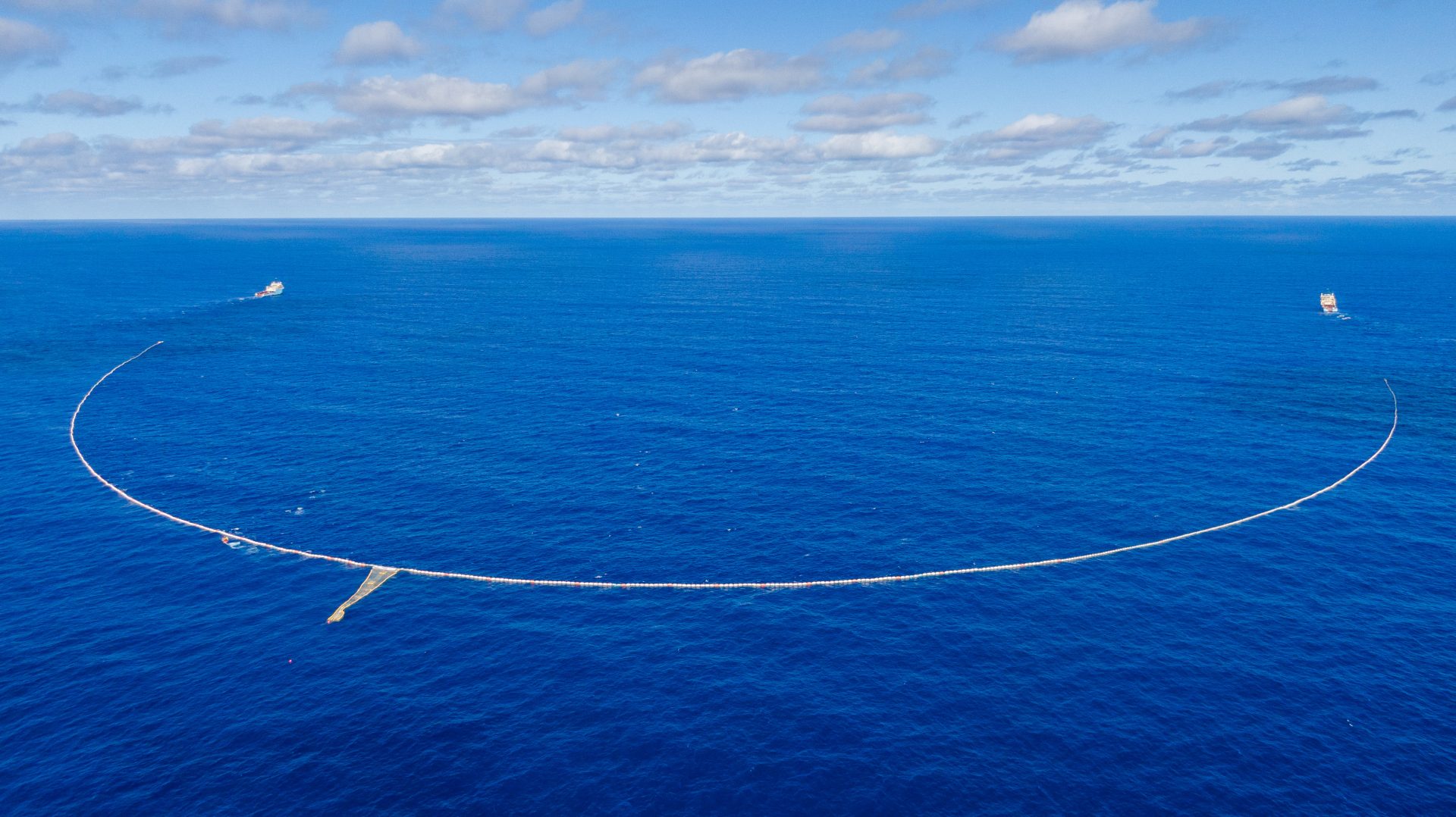
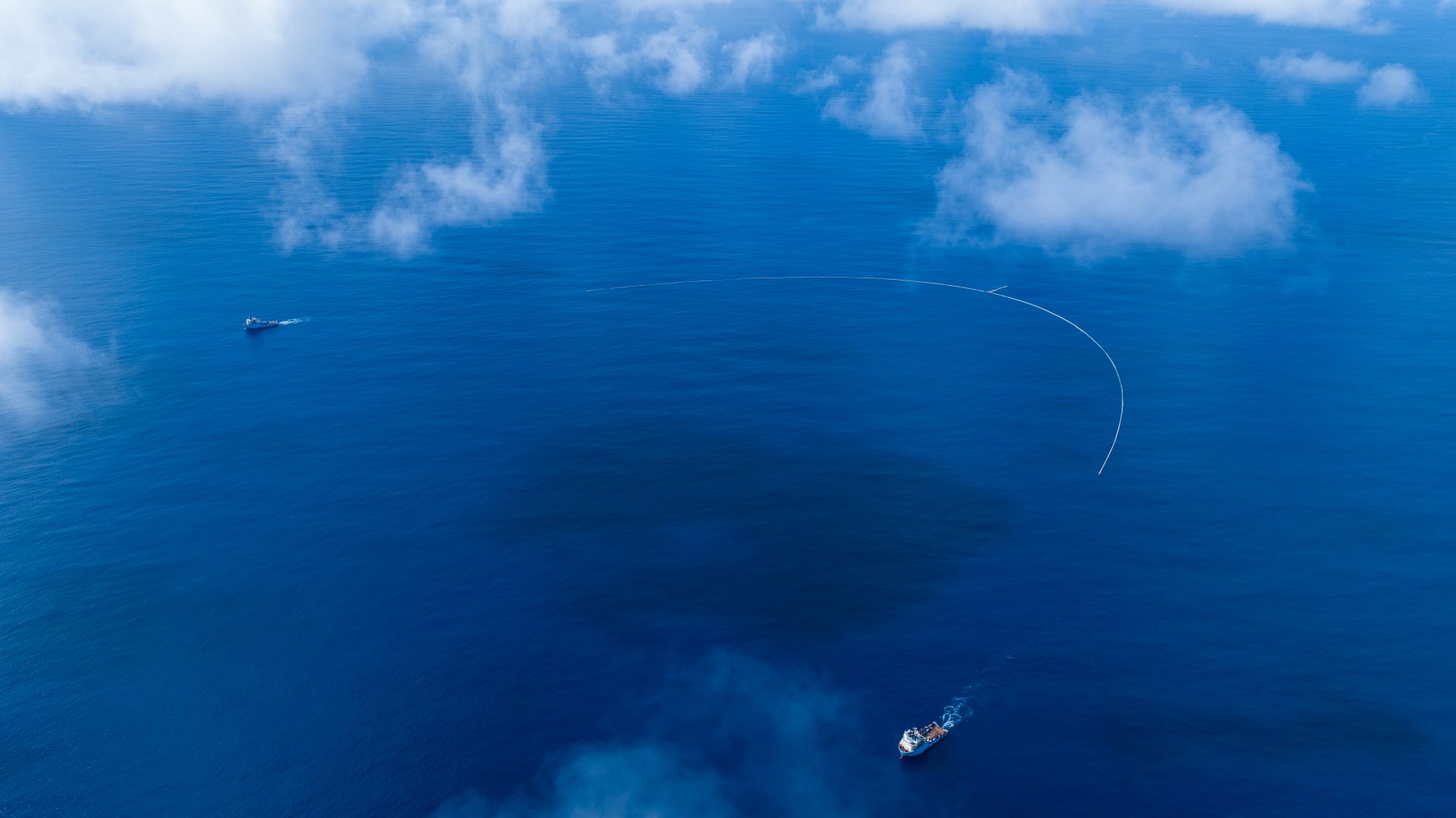
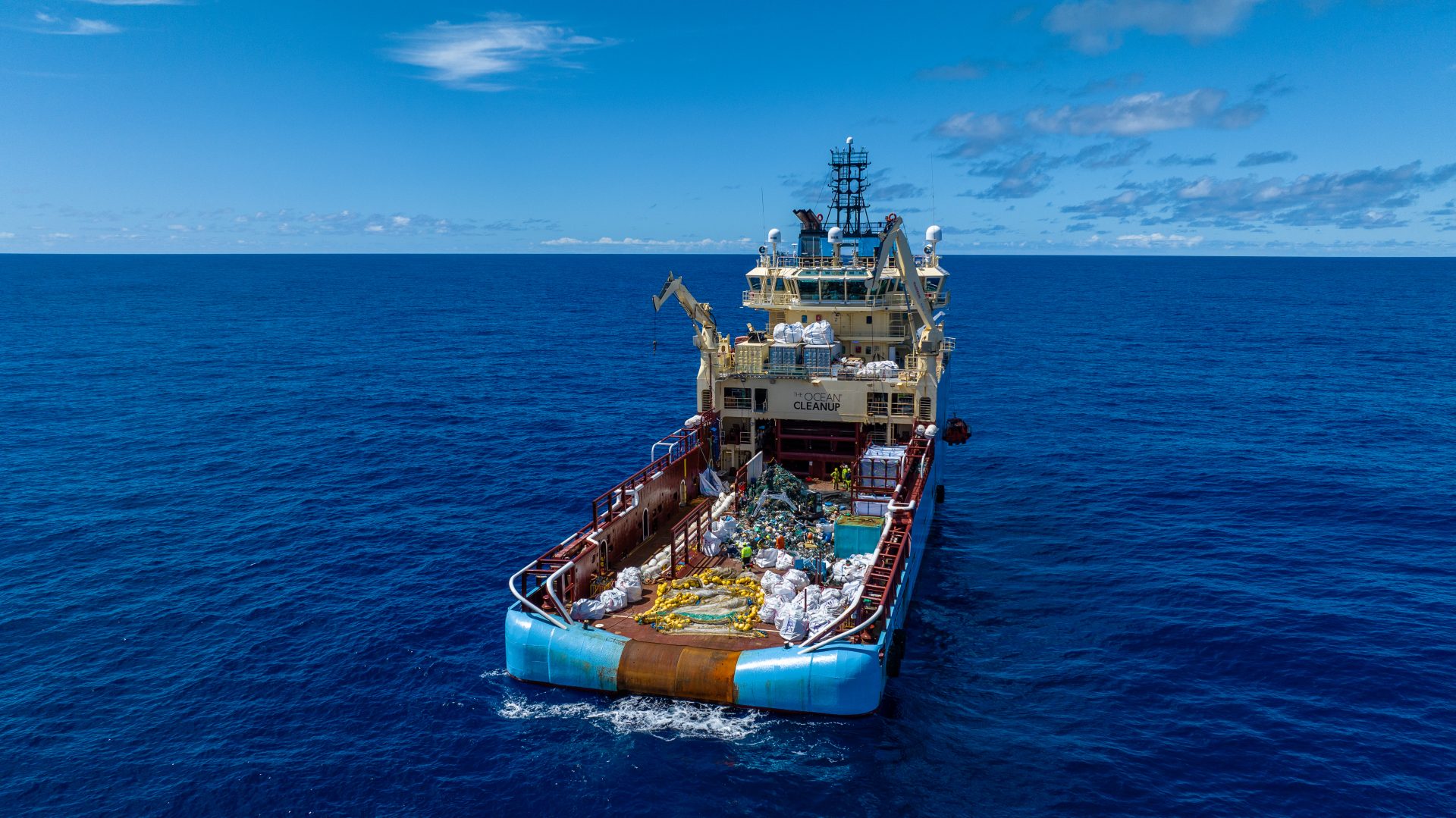
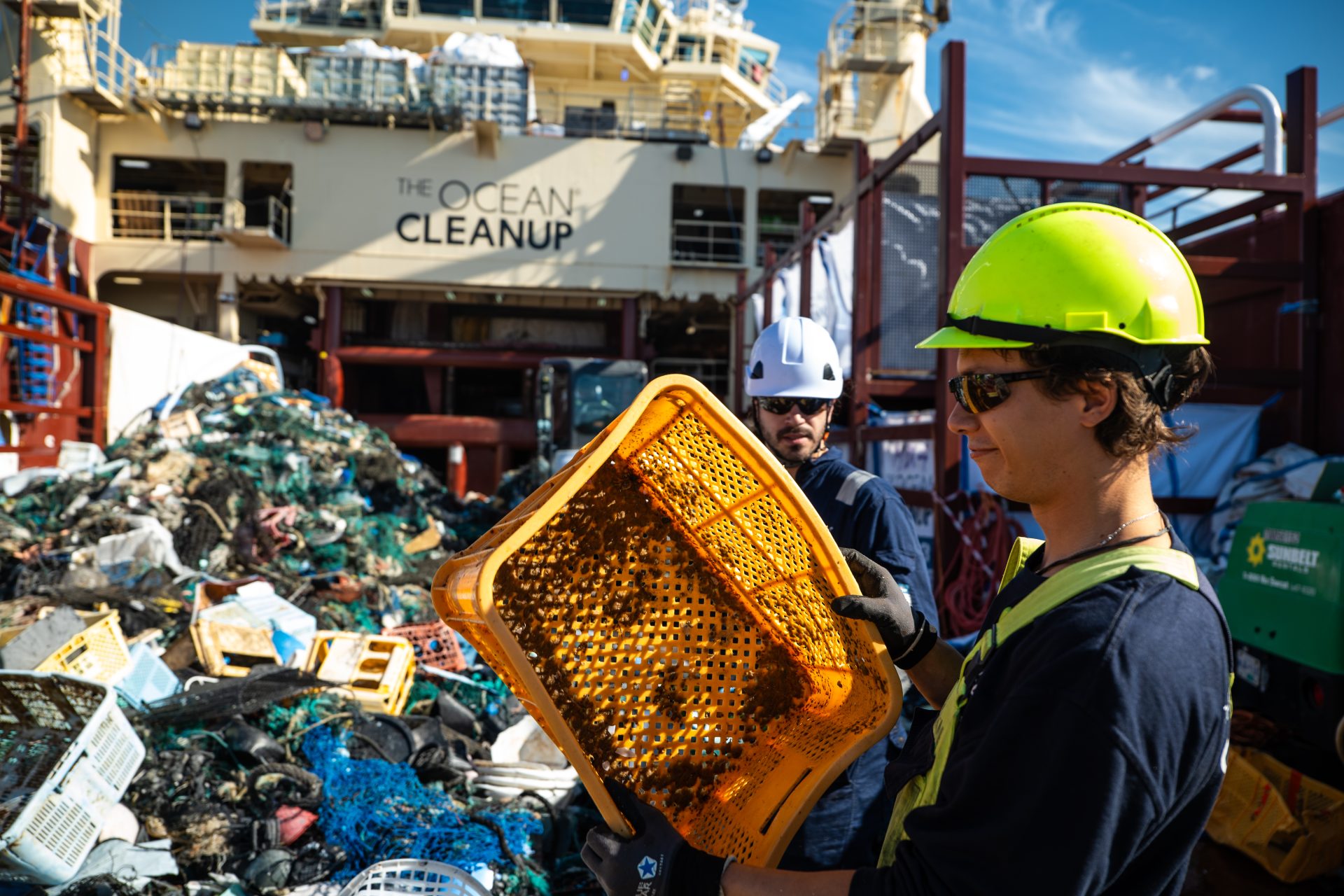
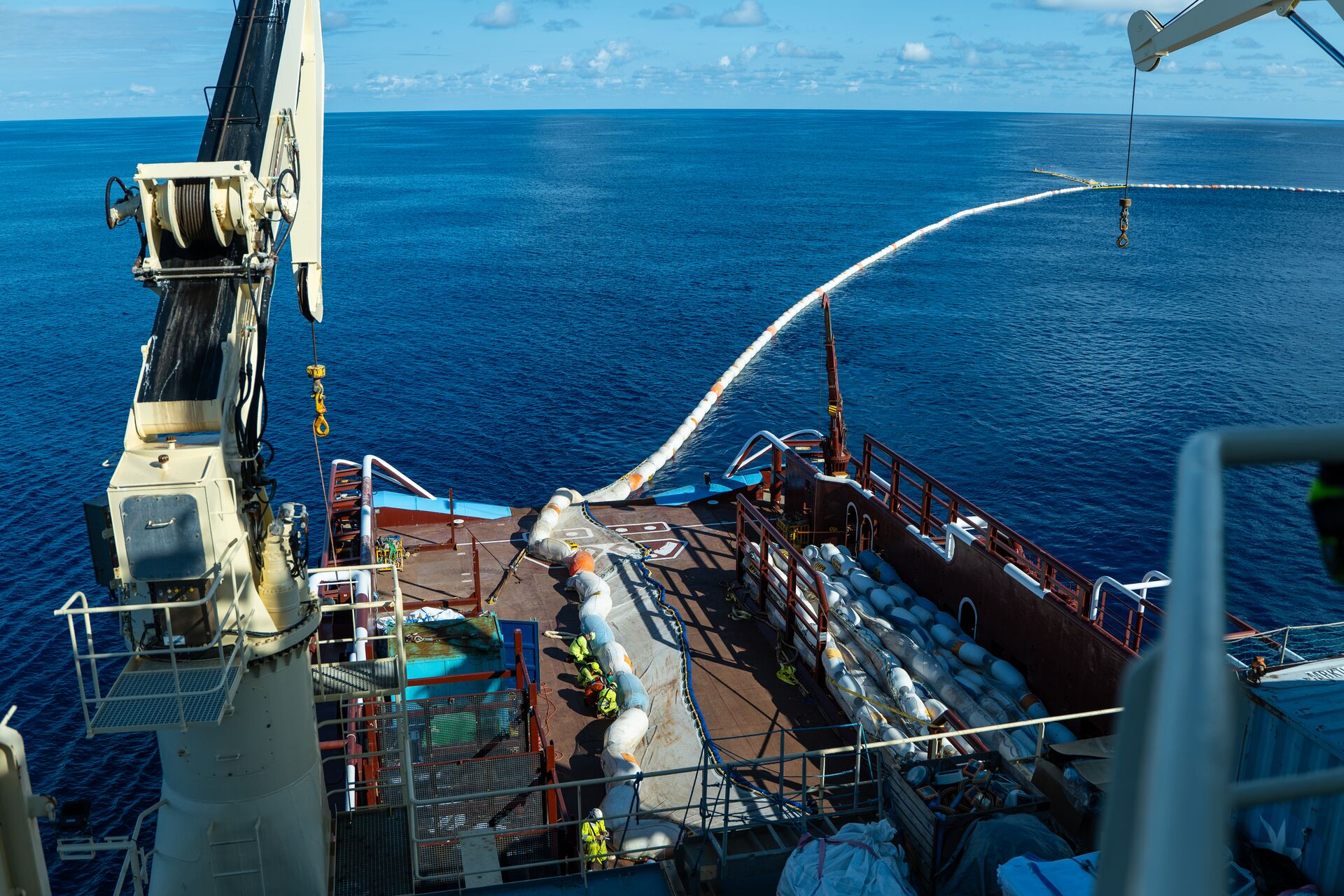
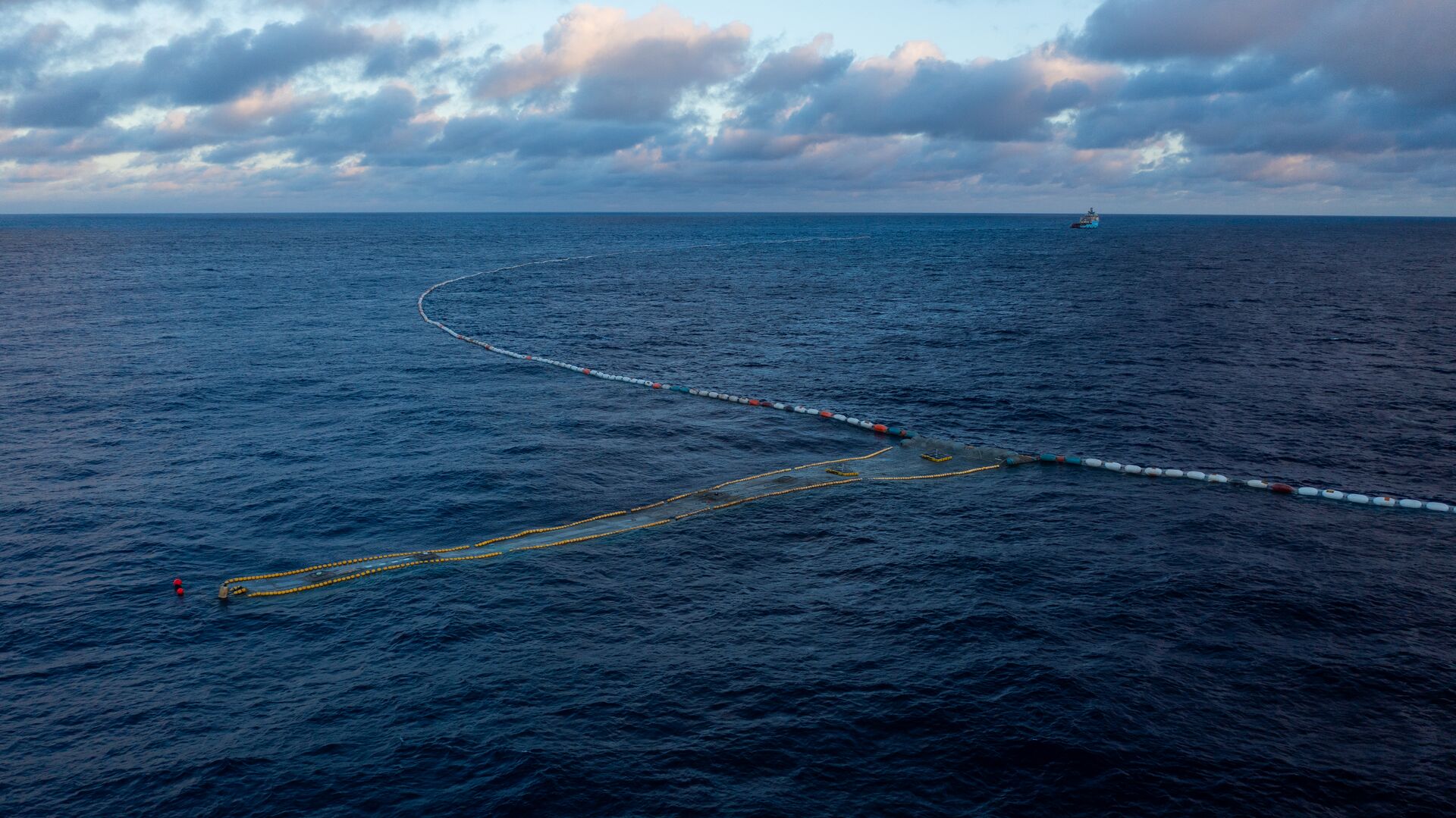
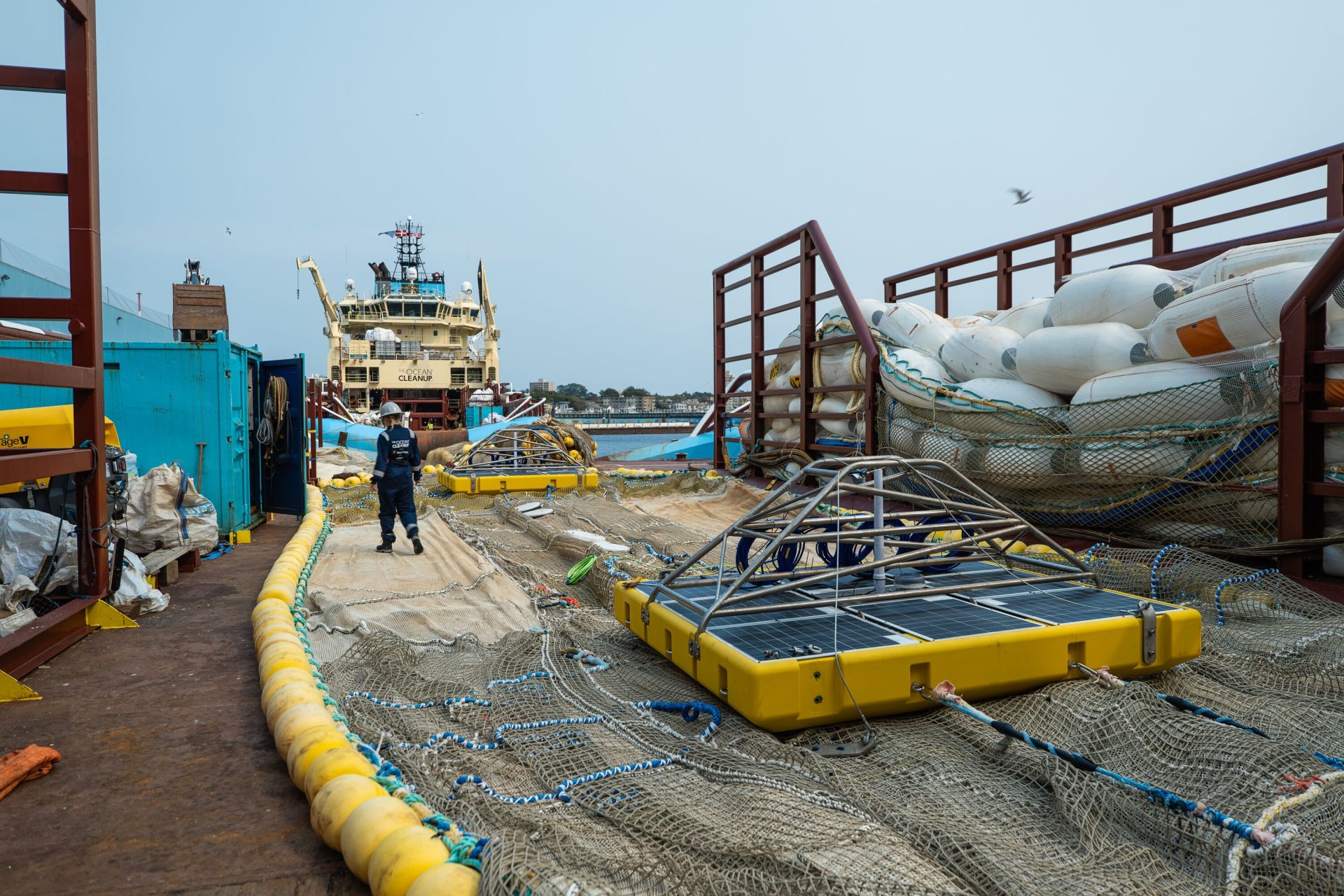
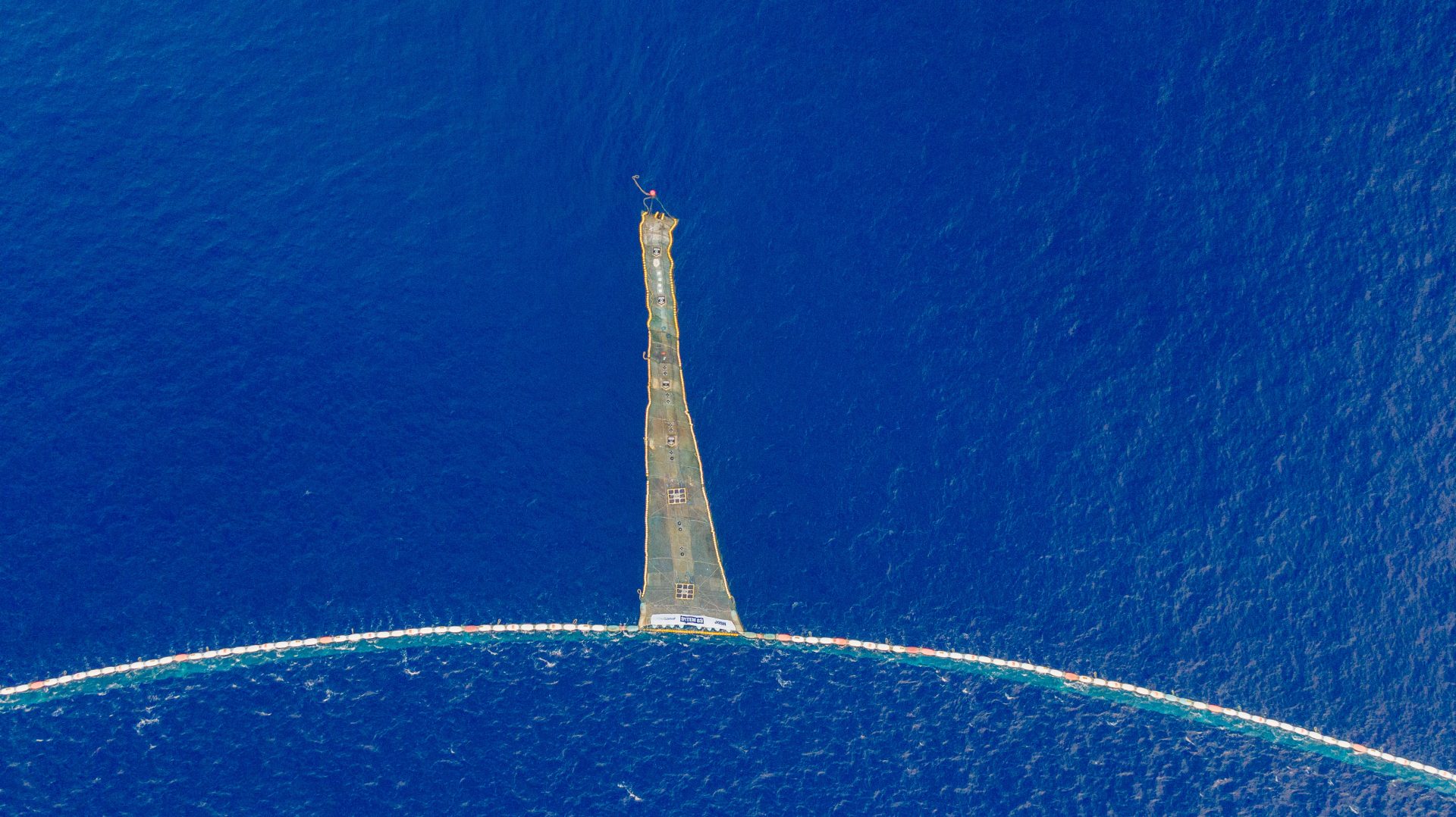
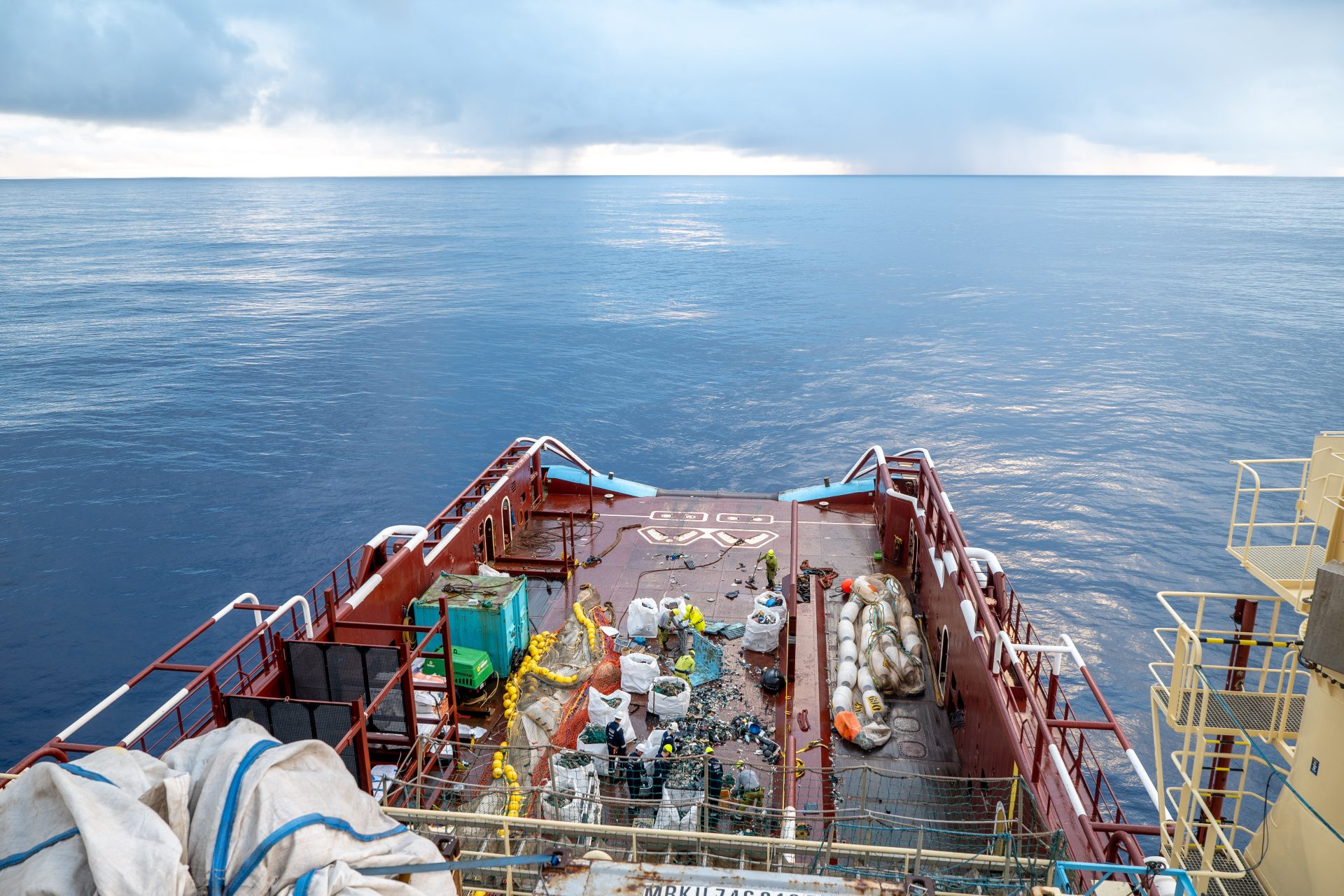
The Ocean Cleanup is cleaning up plastic in the Great Pacific Garbage Patch, the largest known accumulation zone of plastic. This patch is halfway between Hawaii and California **Pictured: System 03. The Ocean Cleanup plans to scale up to a total of 10 systems in order to effectively clean up this garbage patch** -
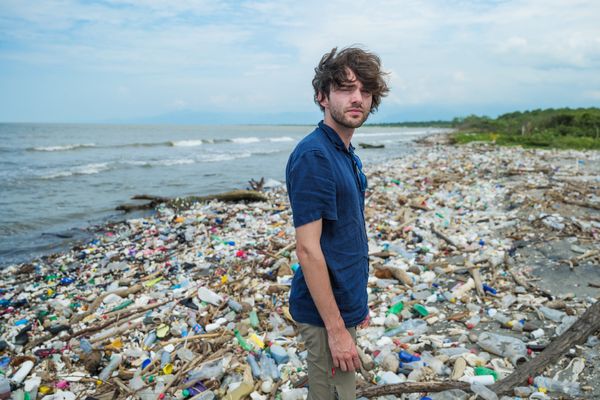
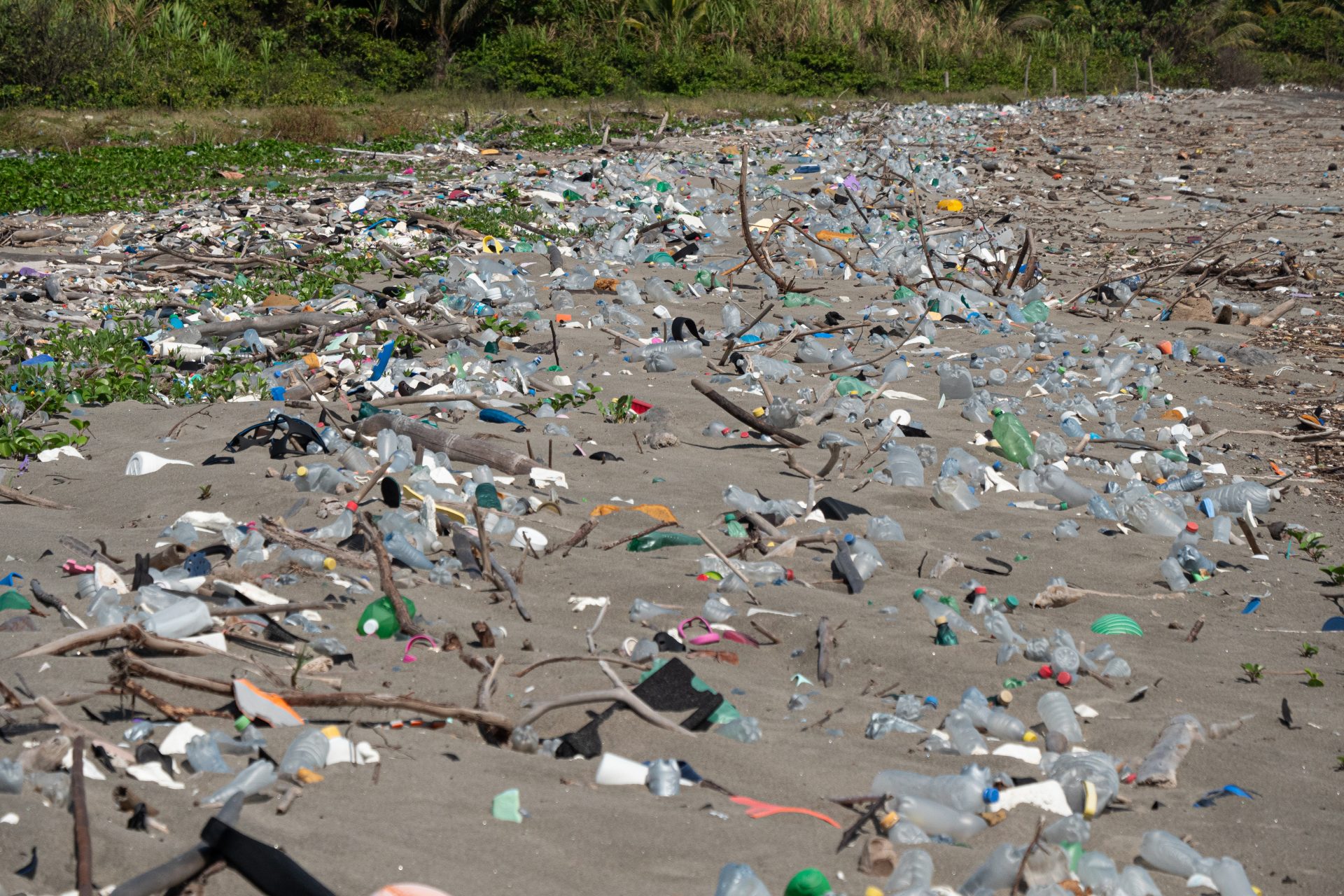
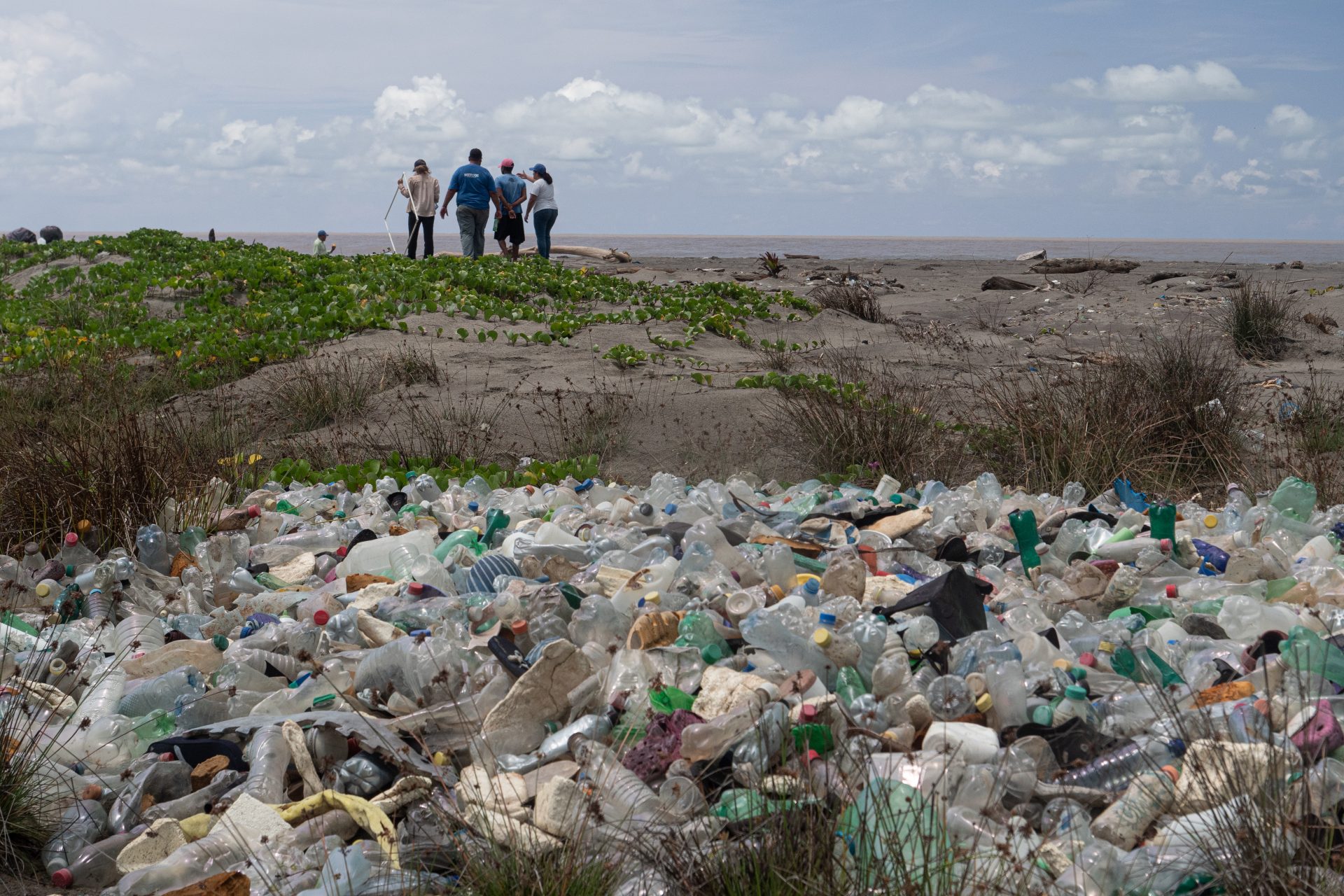
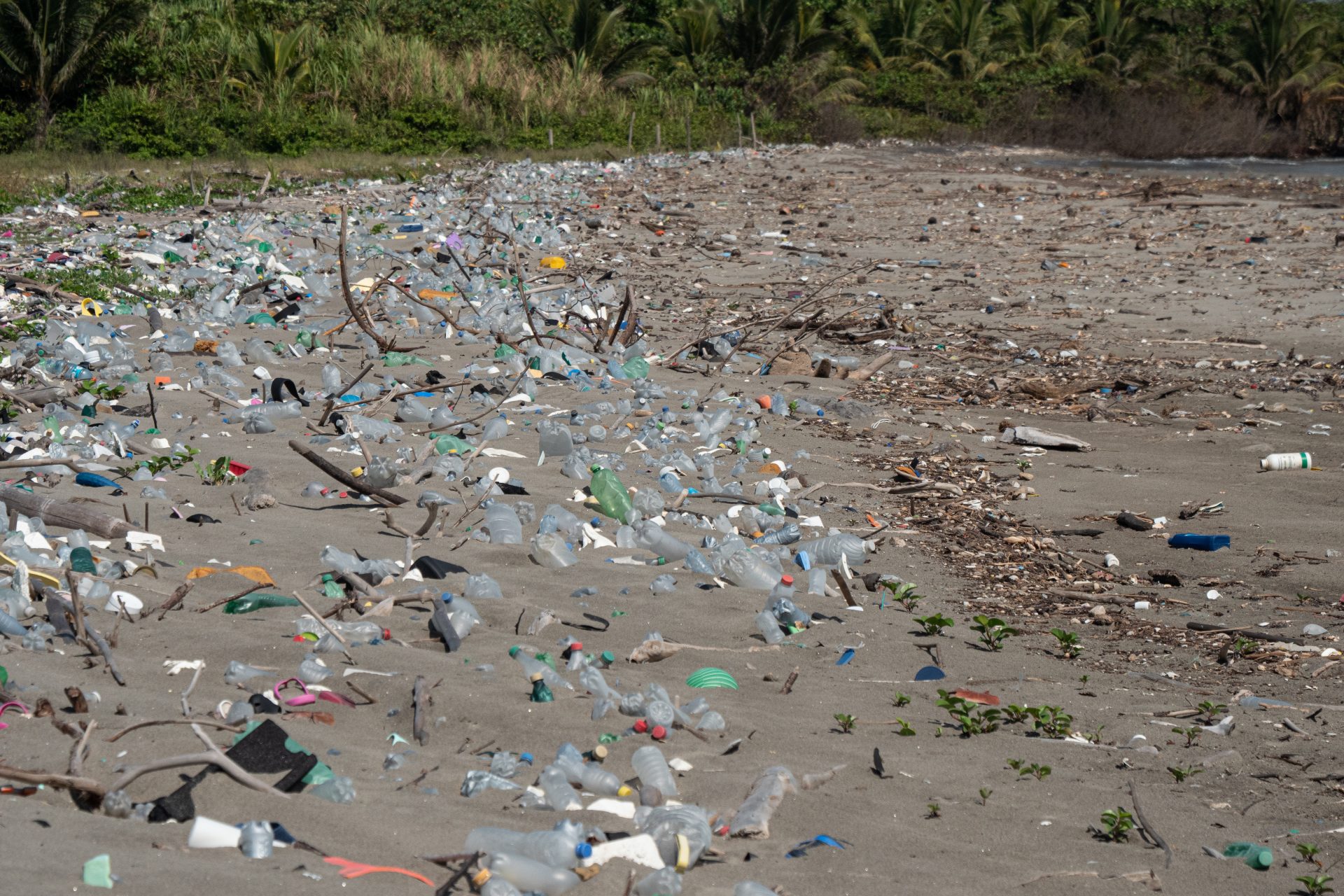
Boyan Slat, Founder and CEO, on a beach in Honduras. Rio Motagua basin has its estuary close to this beach. The Rio Las Vacas in Guatemala, in which The Ocean Cleanup is trialing an Interceptor Trashfence, is leading into Rio Motagua. The plastic pollution on the beach is estimated to come from this source. -
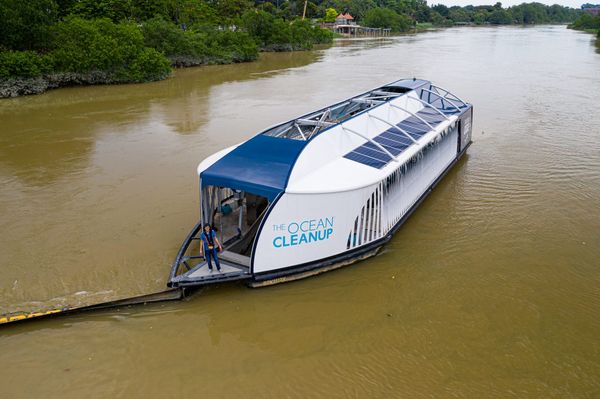
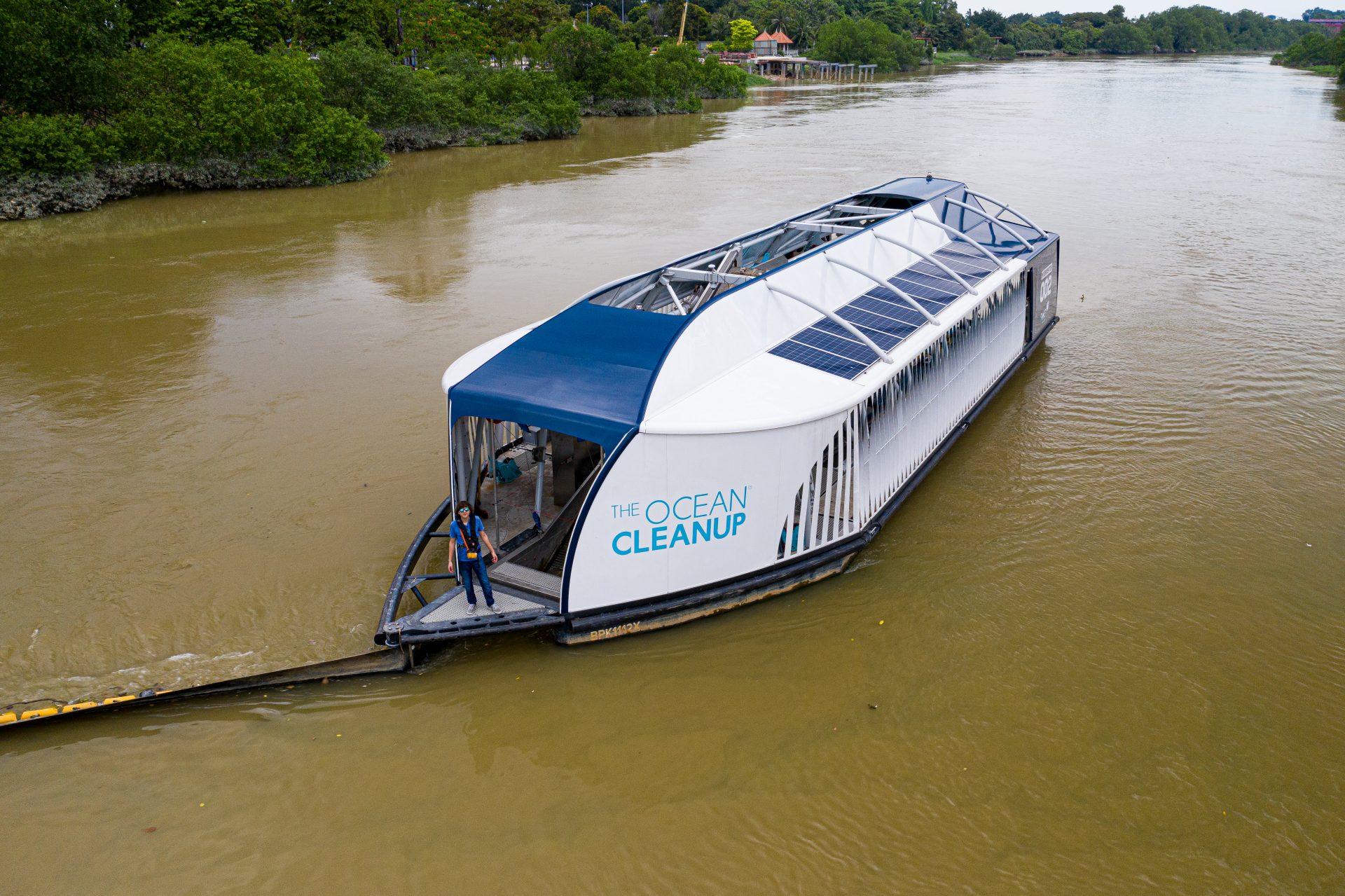
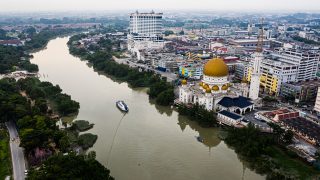
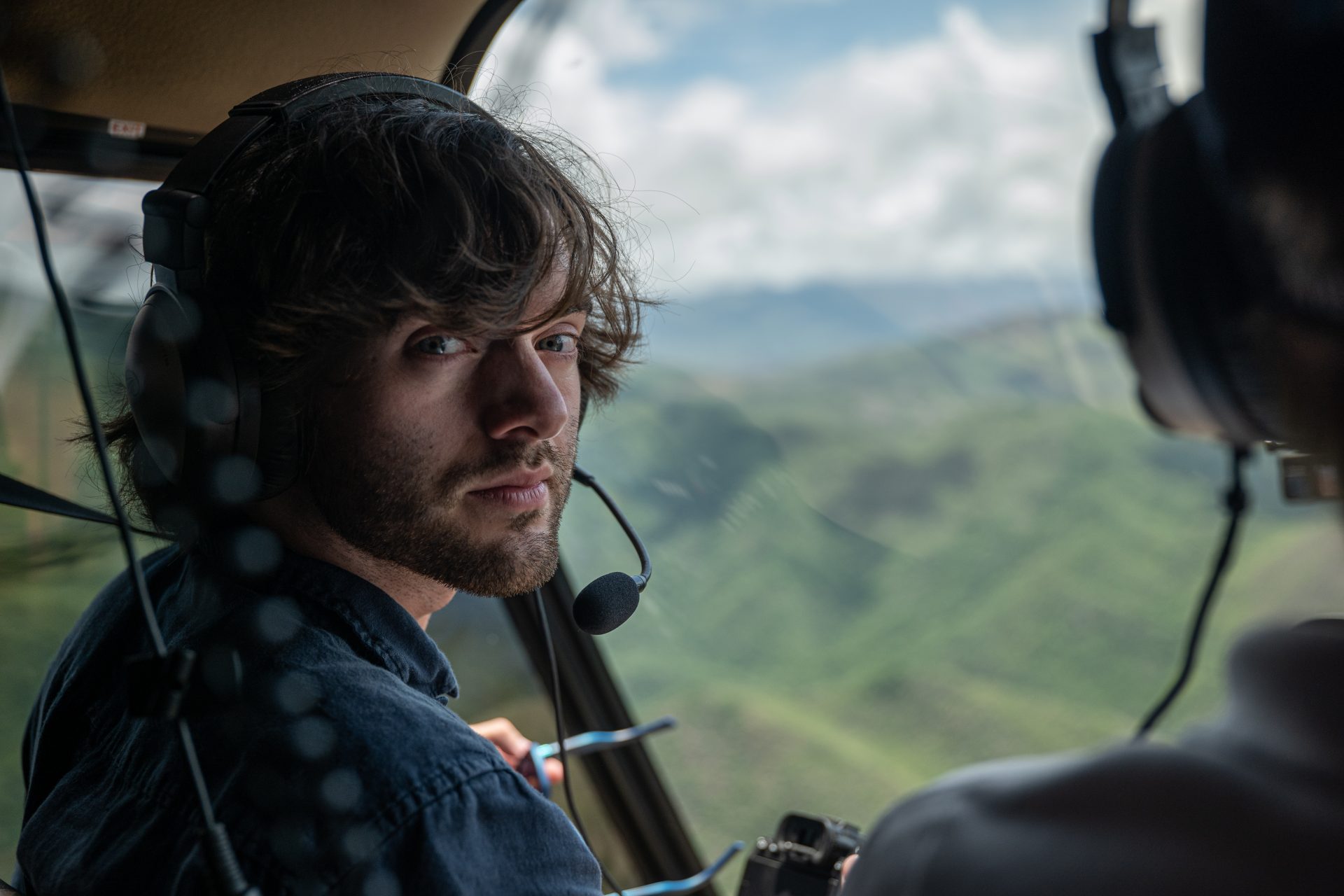
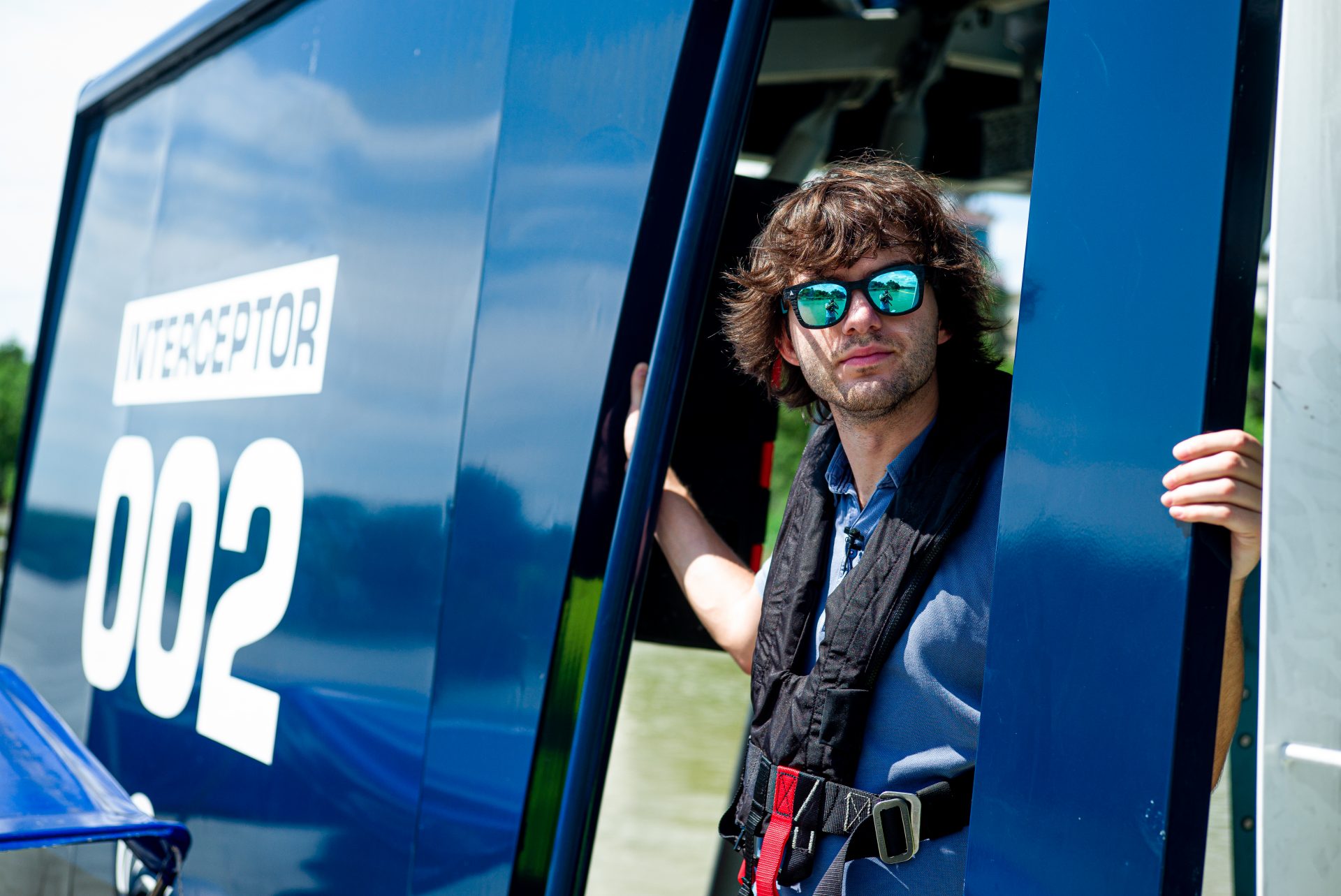
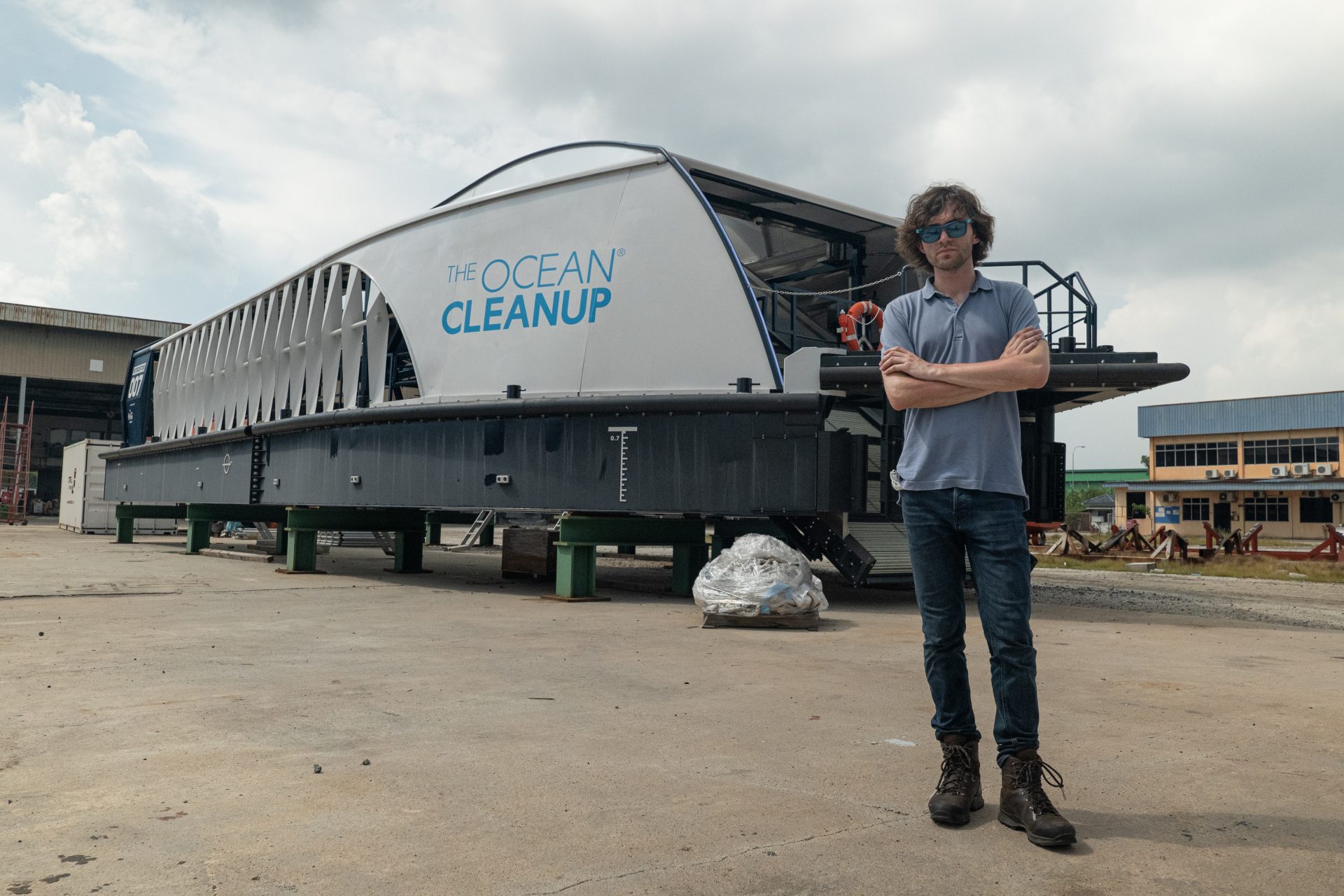
Boyan Slat on board Interceptor 002 in Klang River, Malaysia -
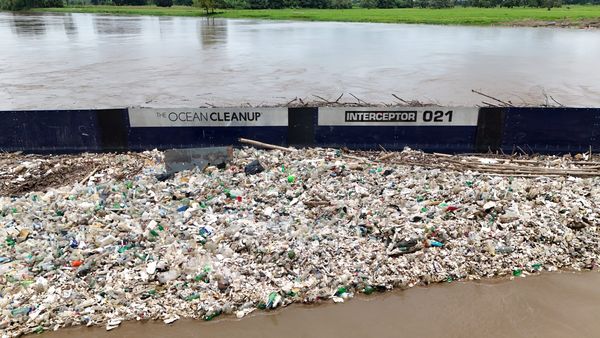
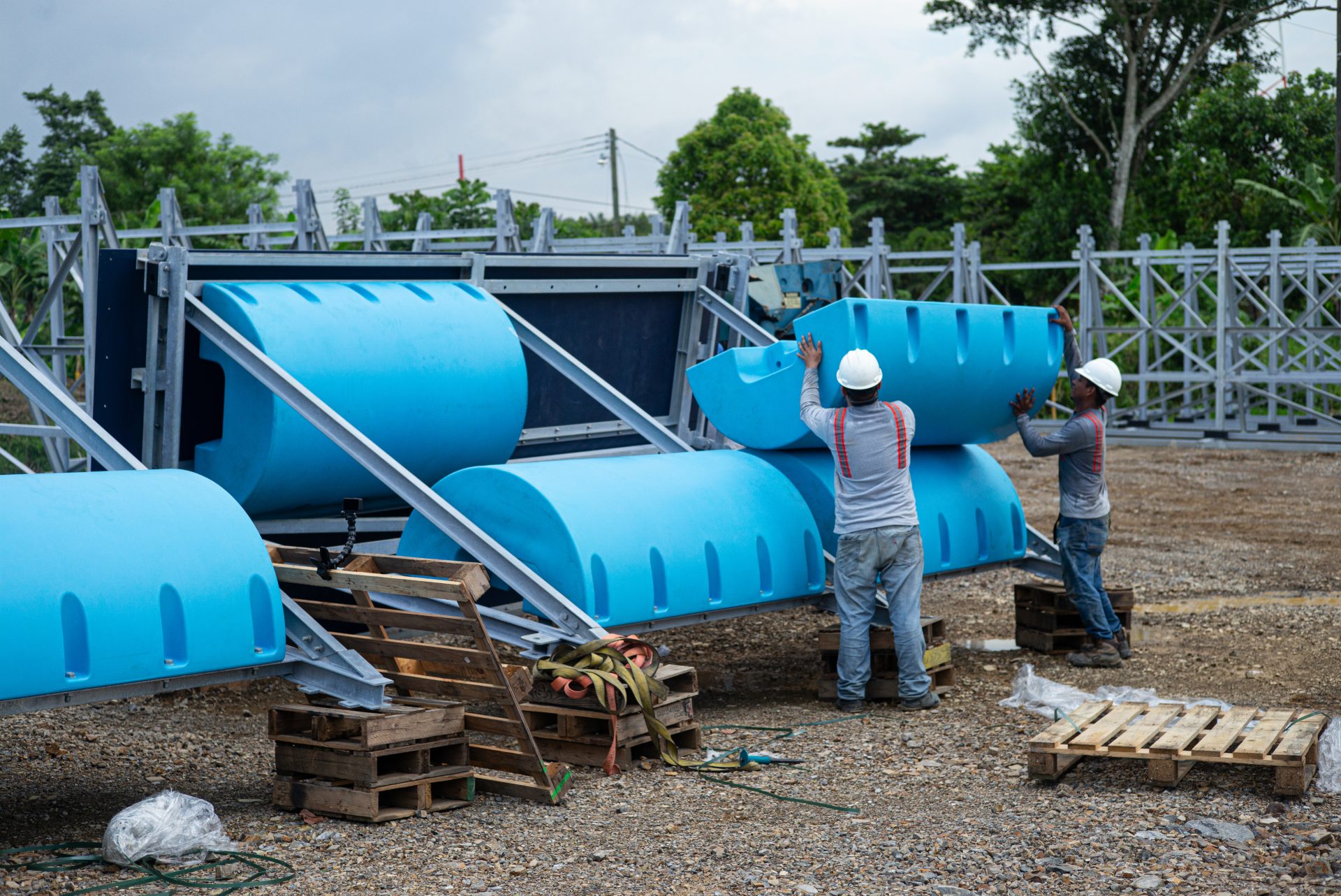
2024, the deployment of our largest Interceptor to date - the Barricade XL. At the mouth of the Rio Morague it is the last line of defense to keep the Gulf of Honduras cleaned. -
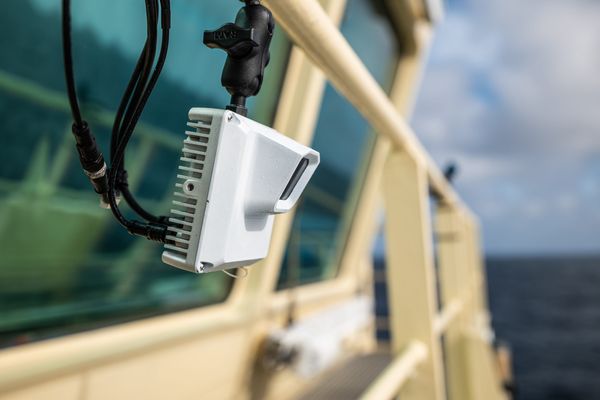
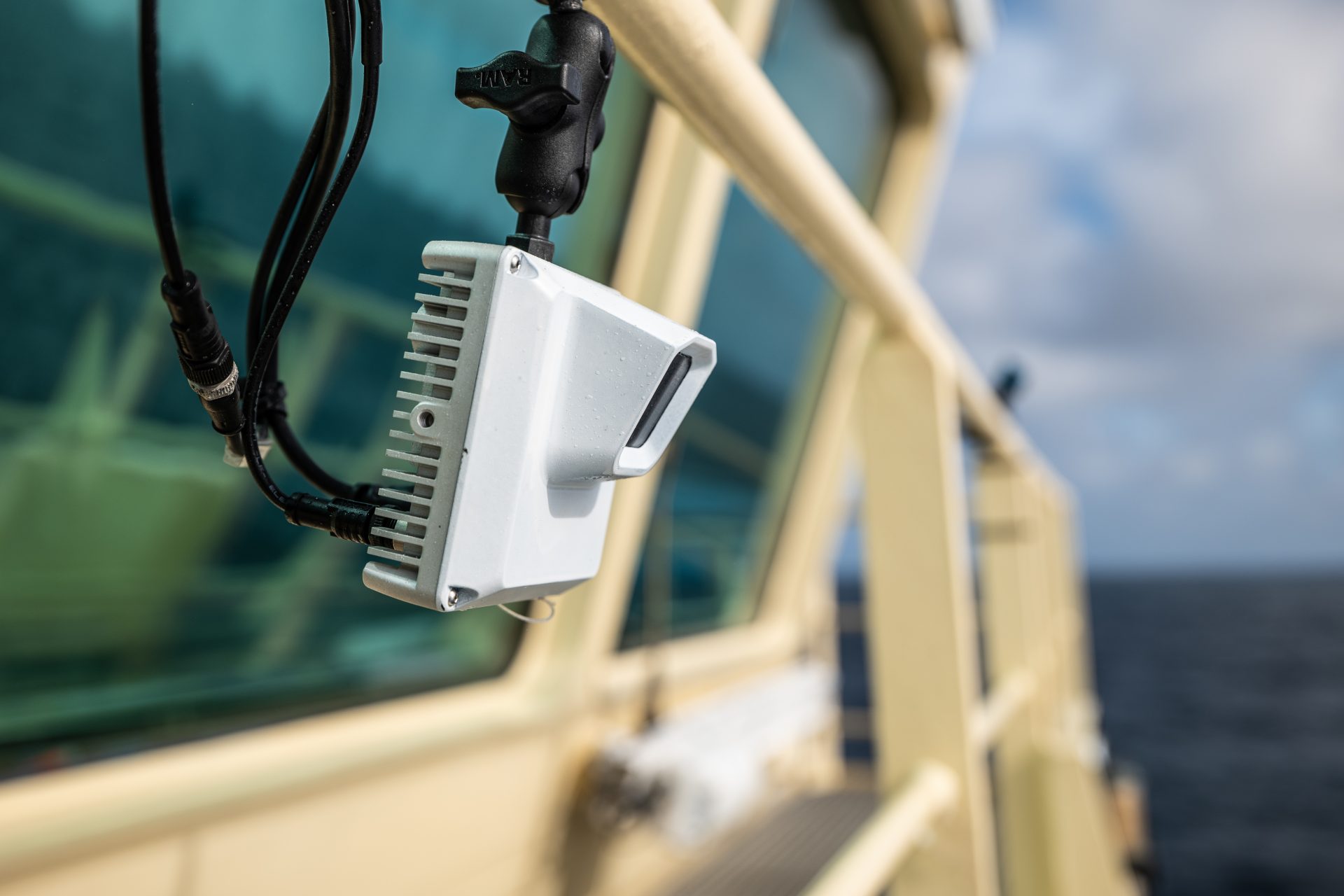
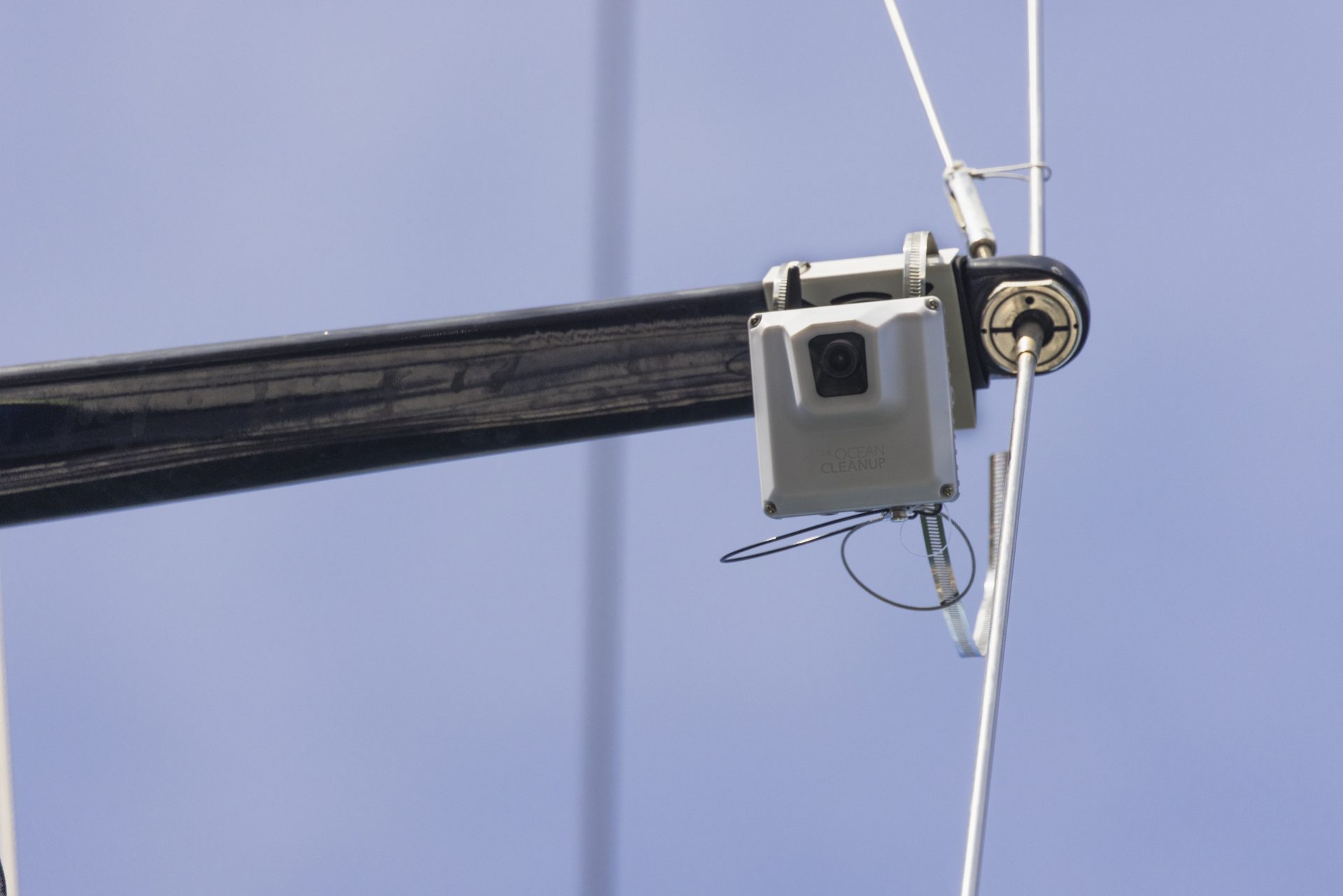
Adis mounted on deck

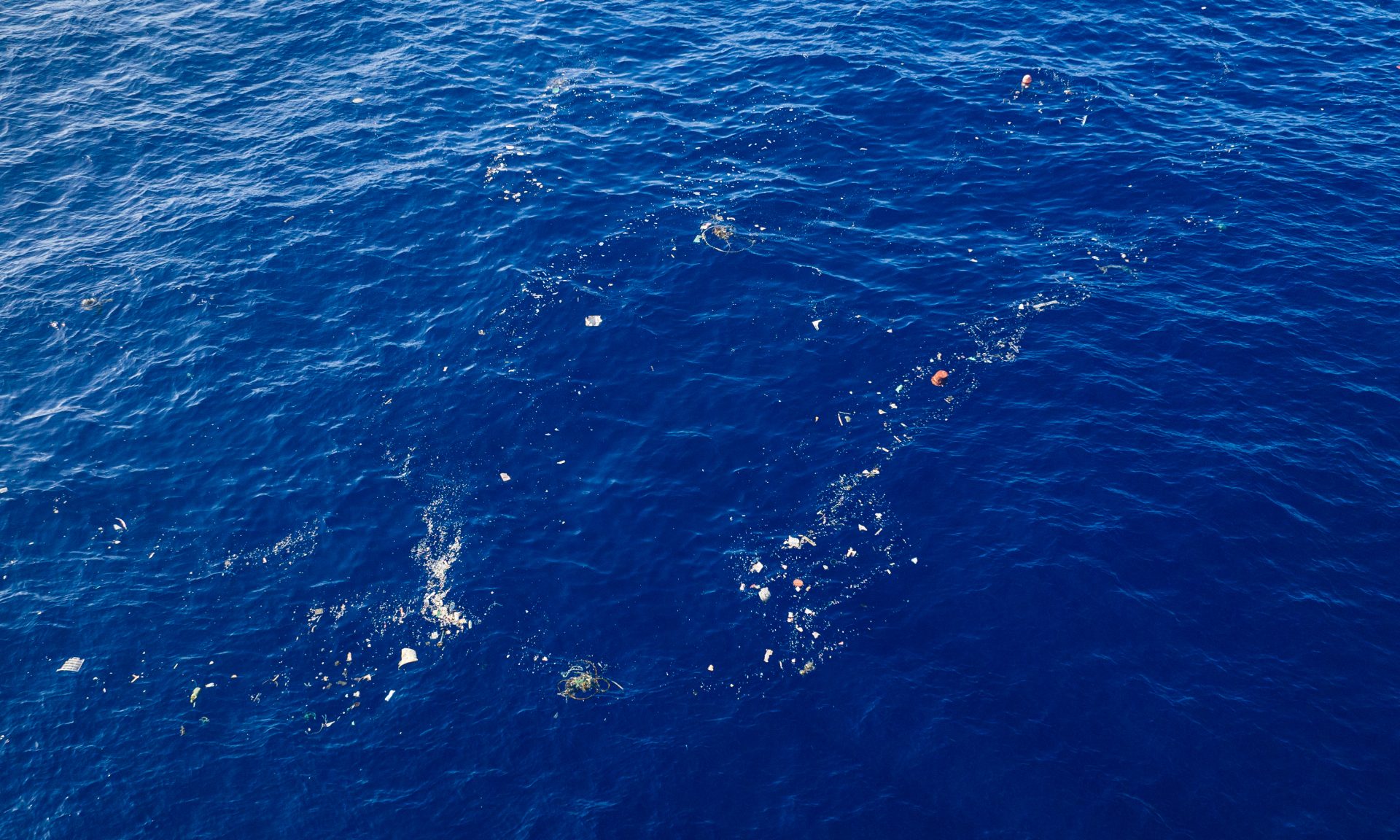
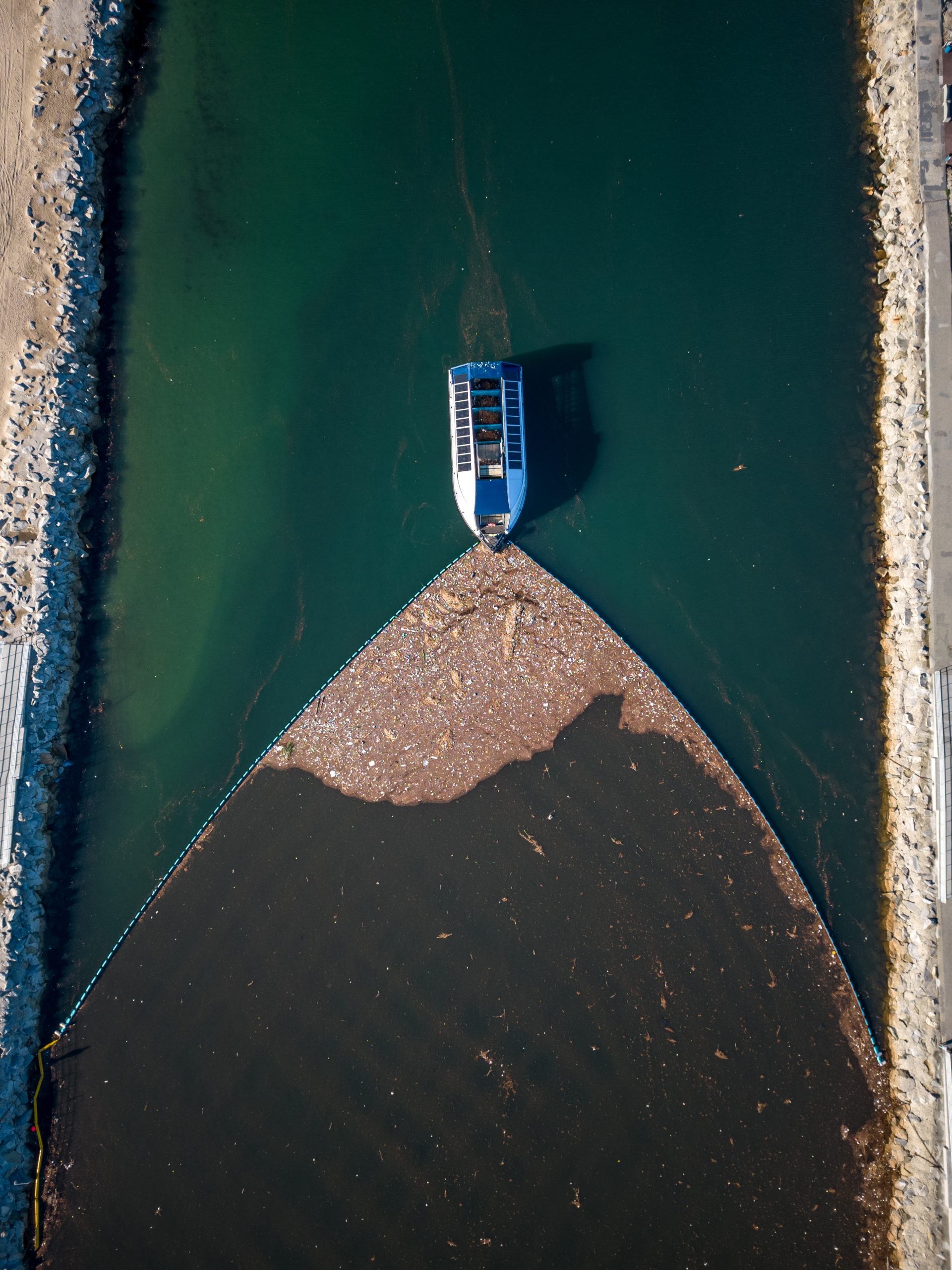
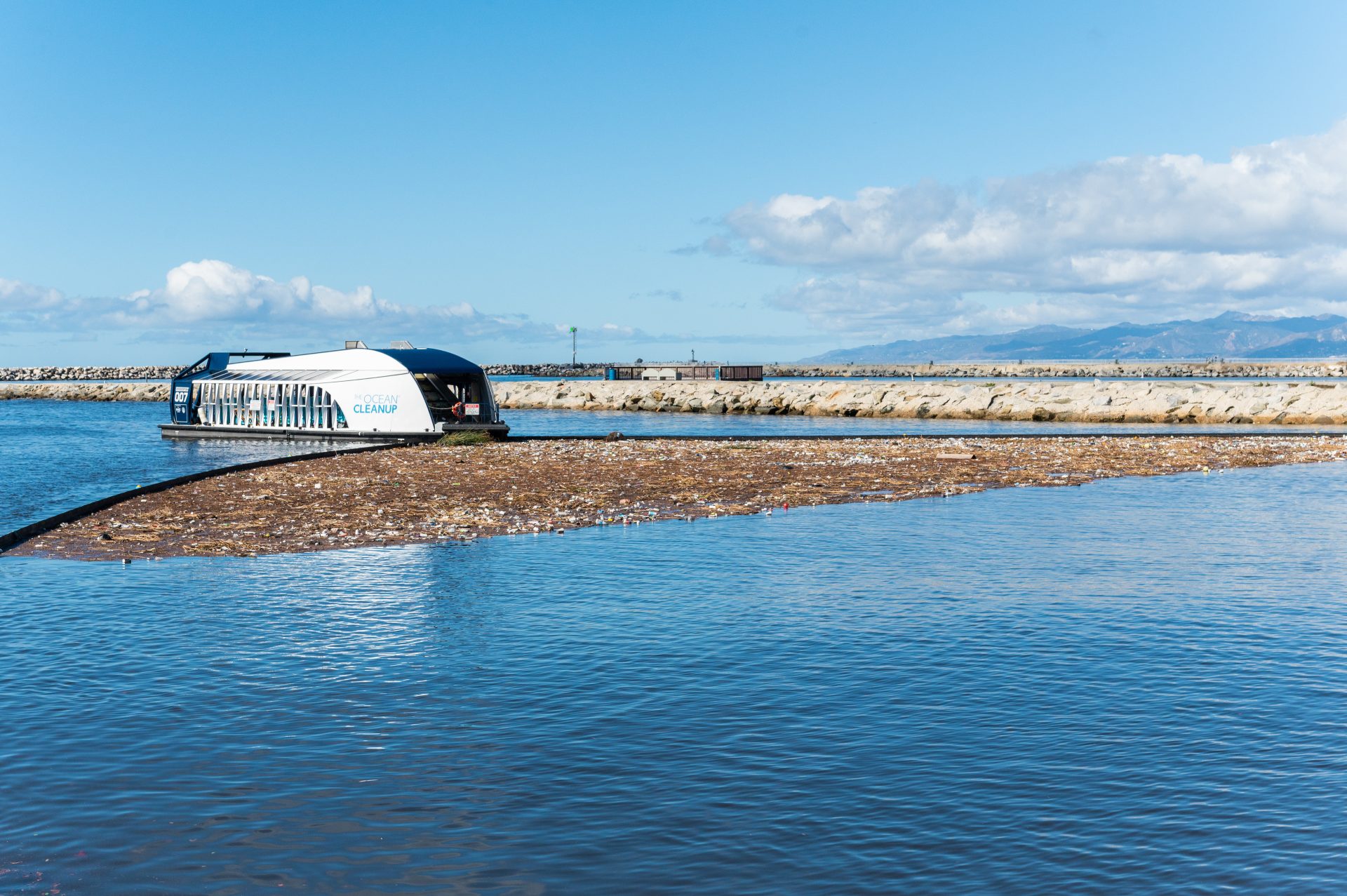
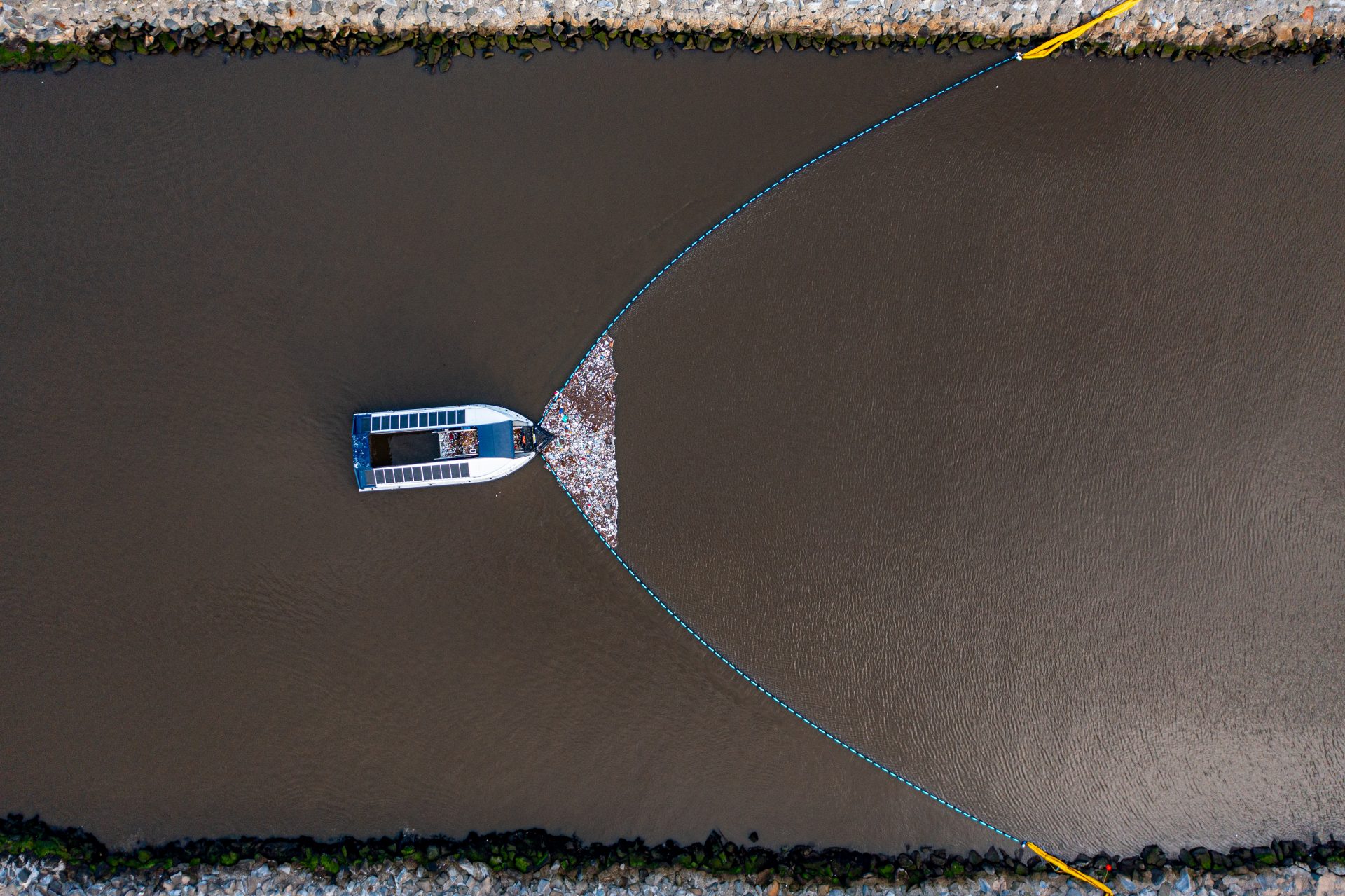
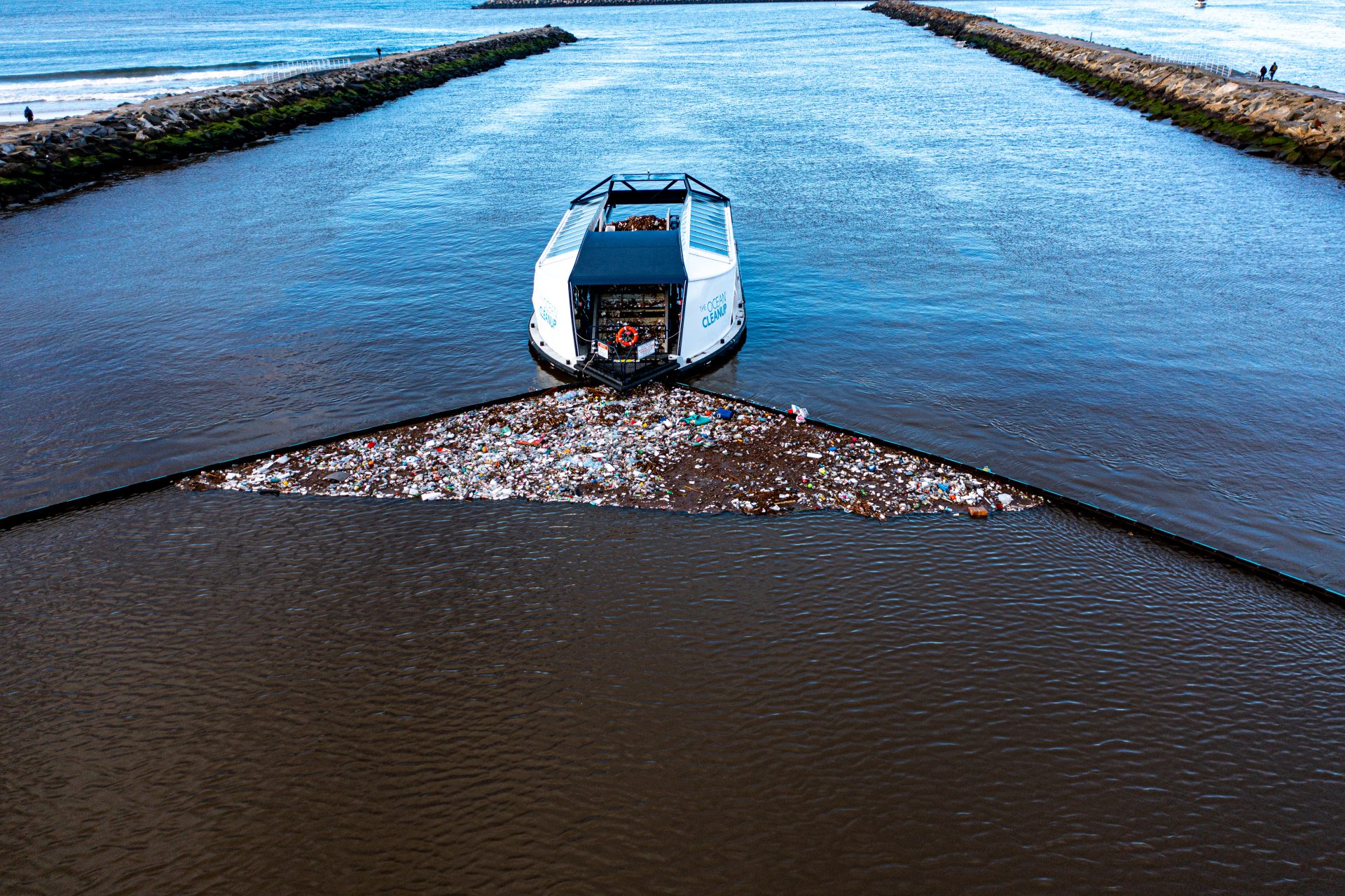
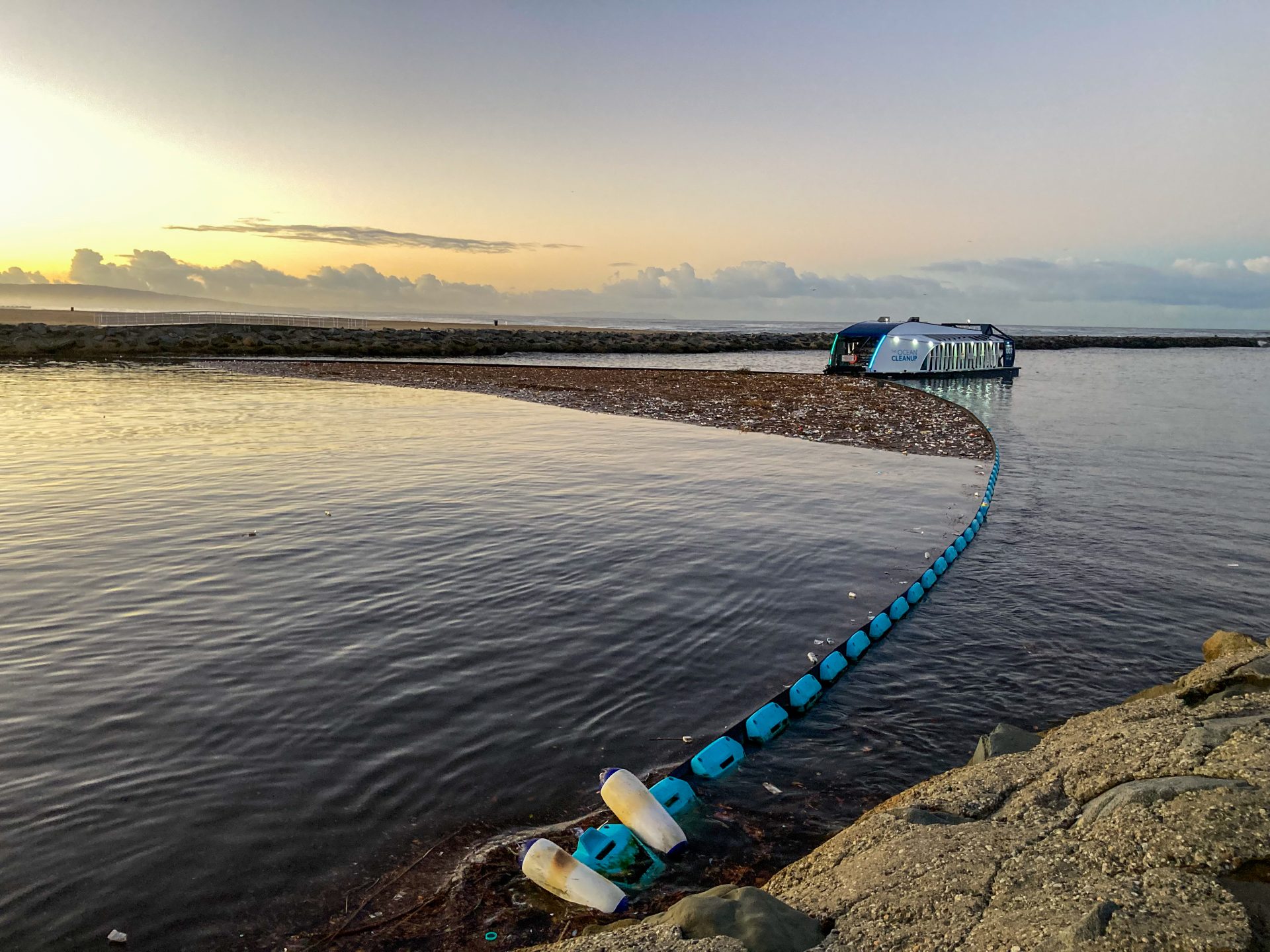
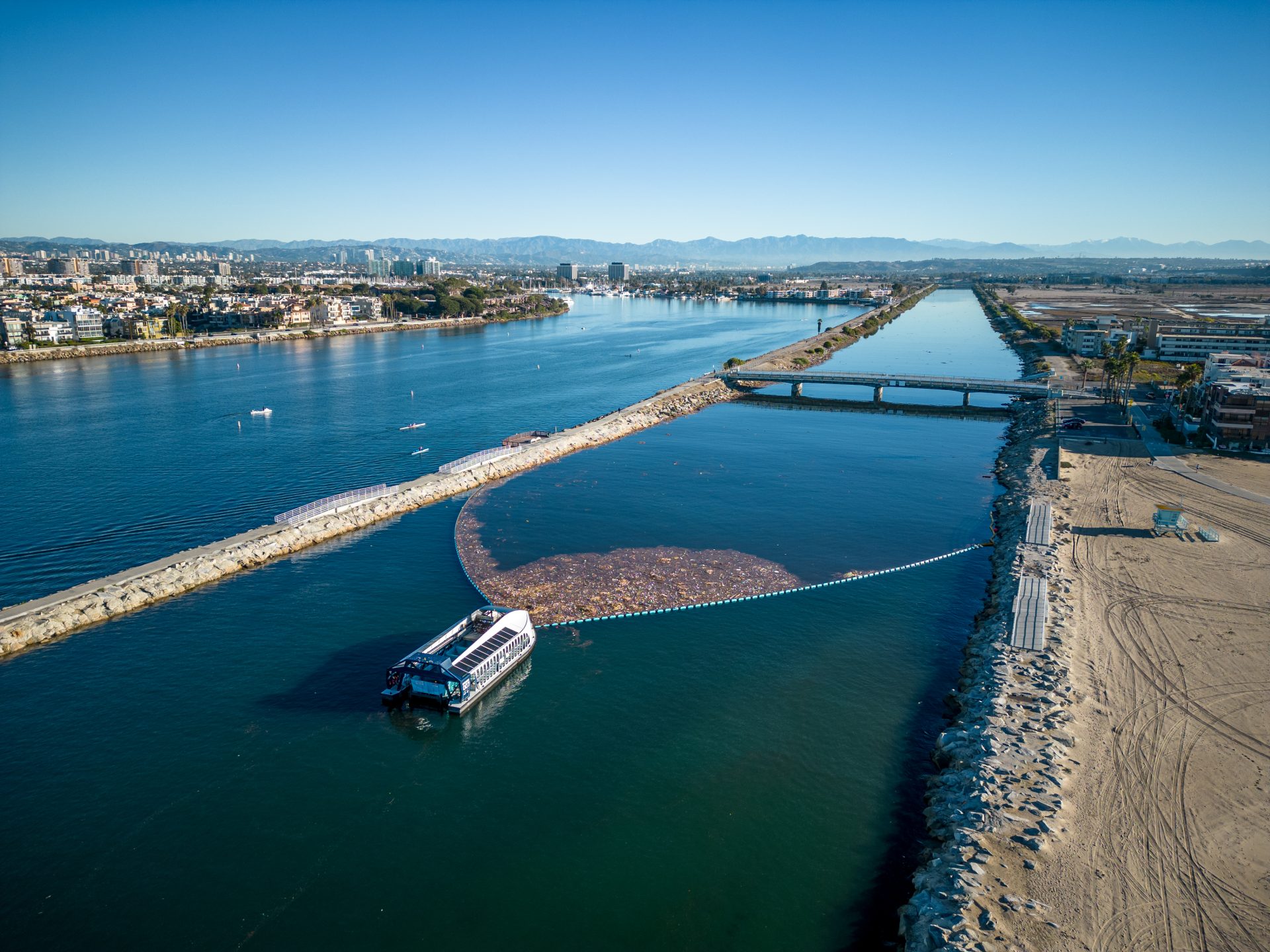
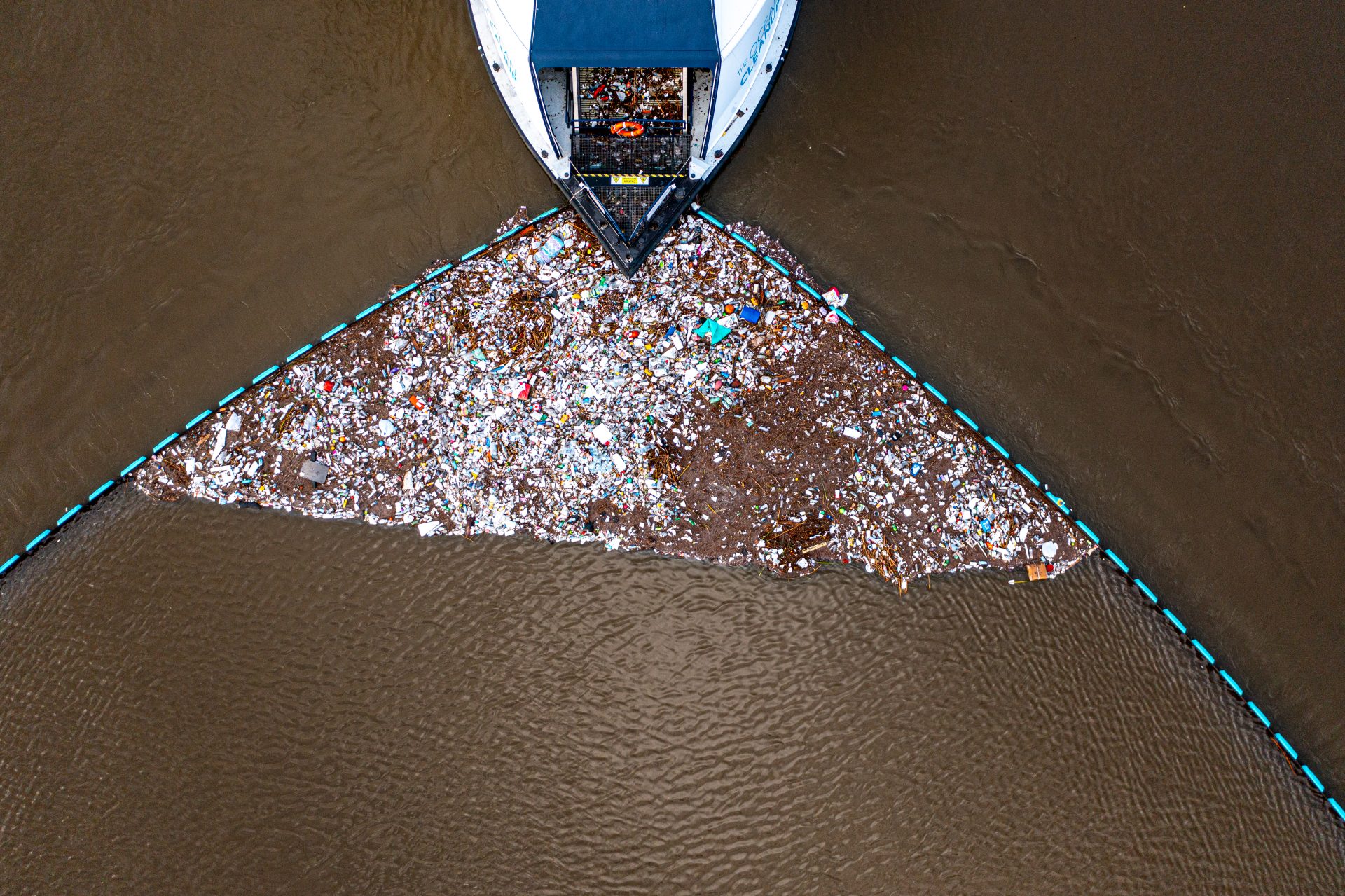
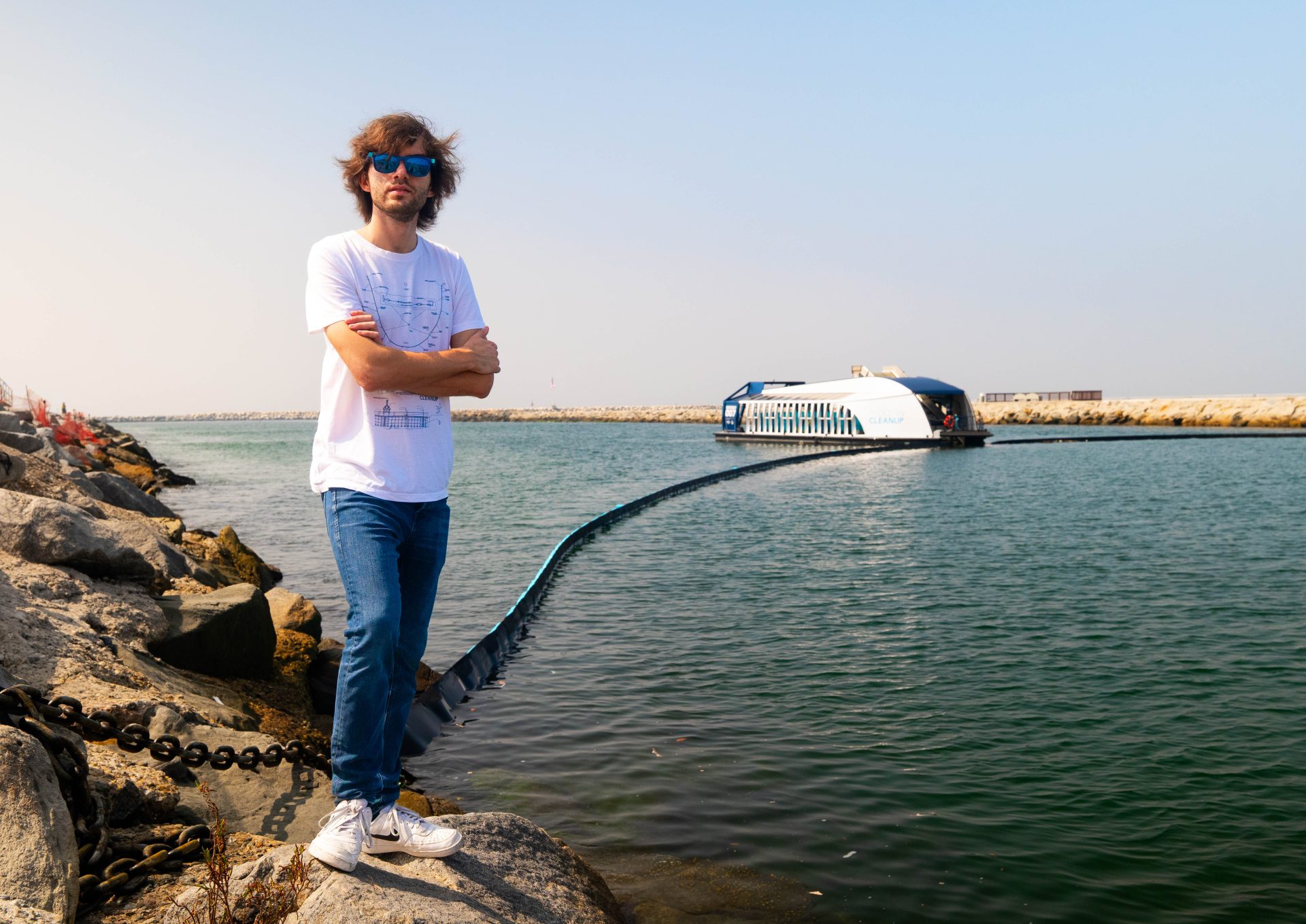
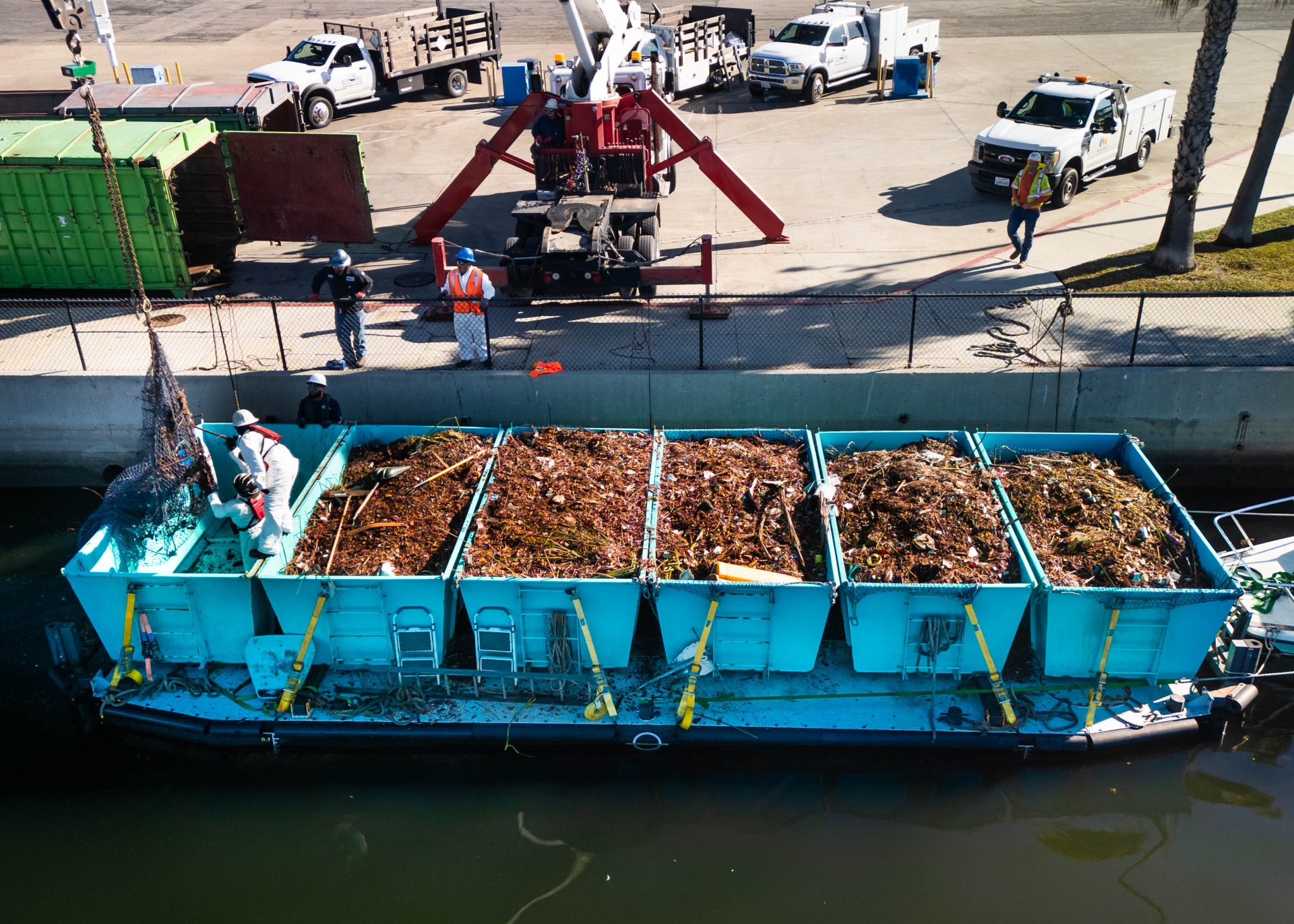
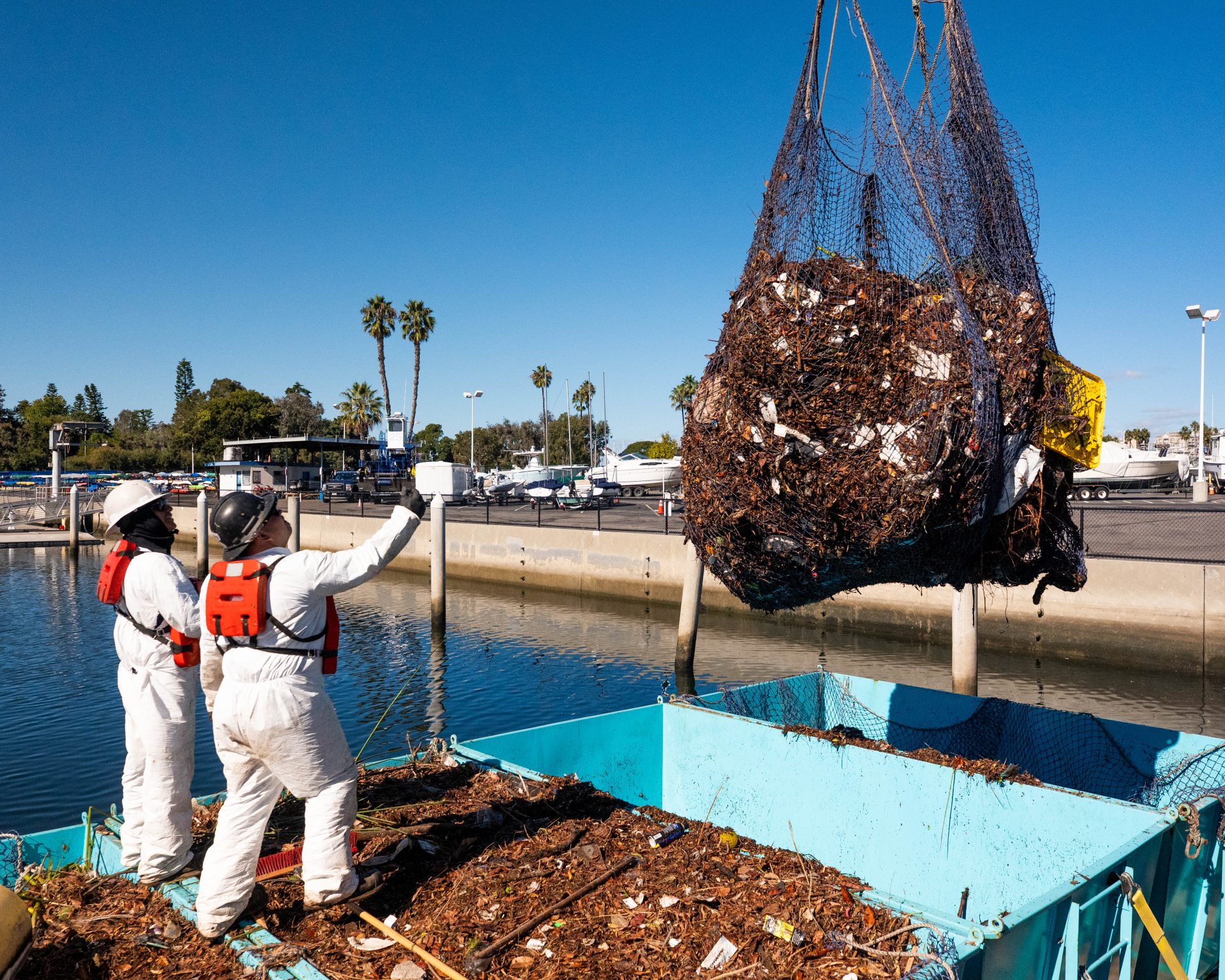
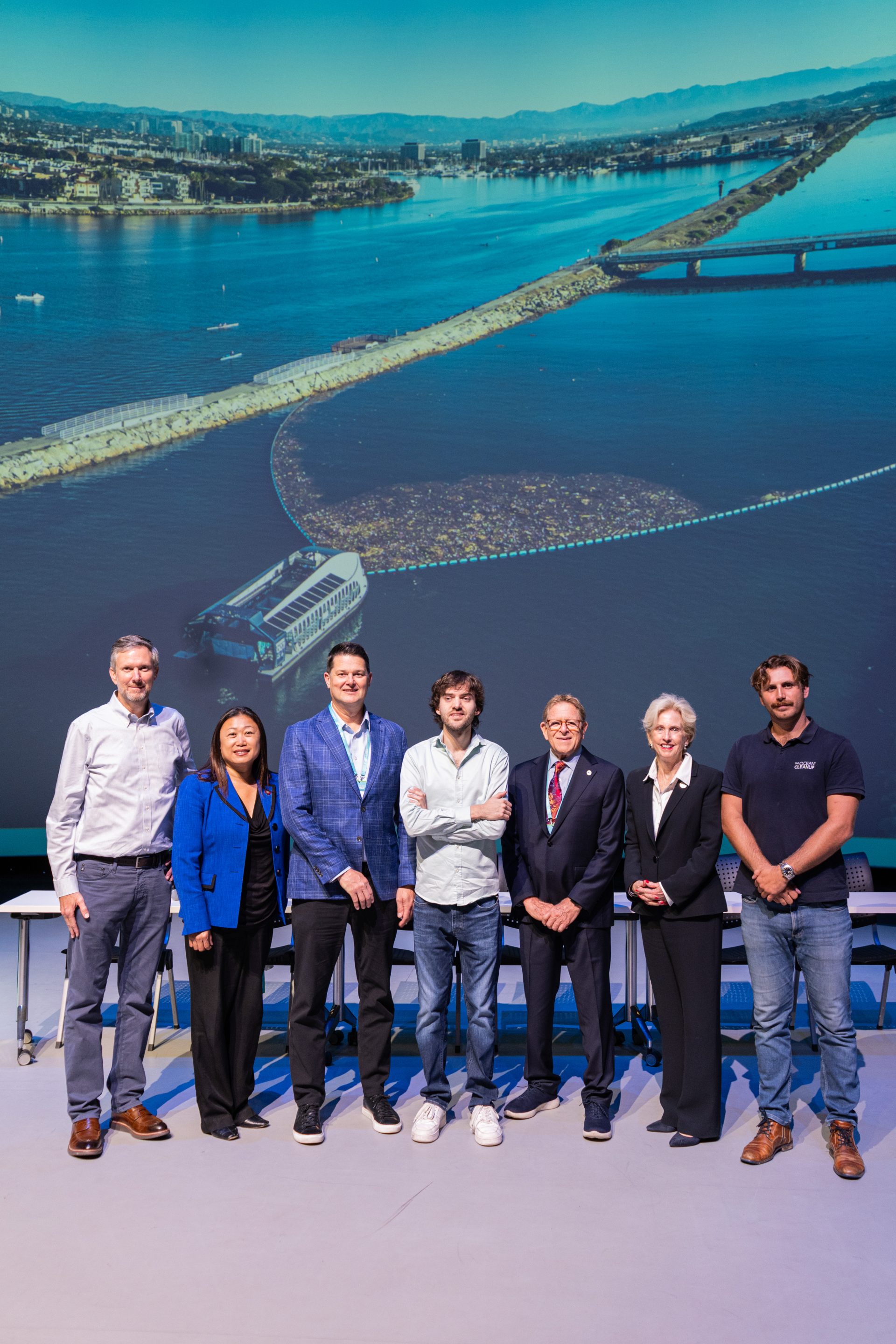
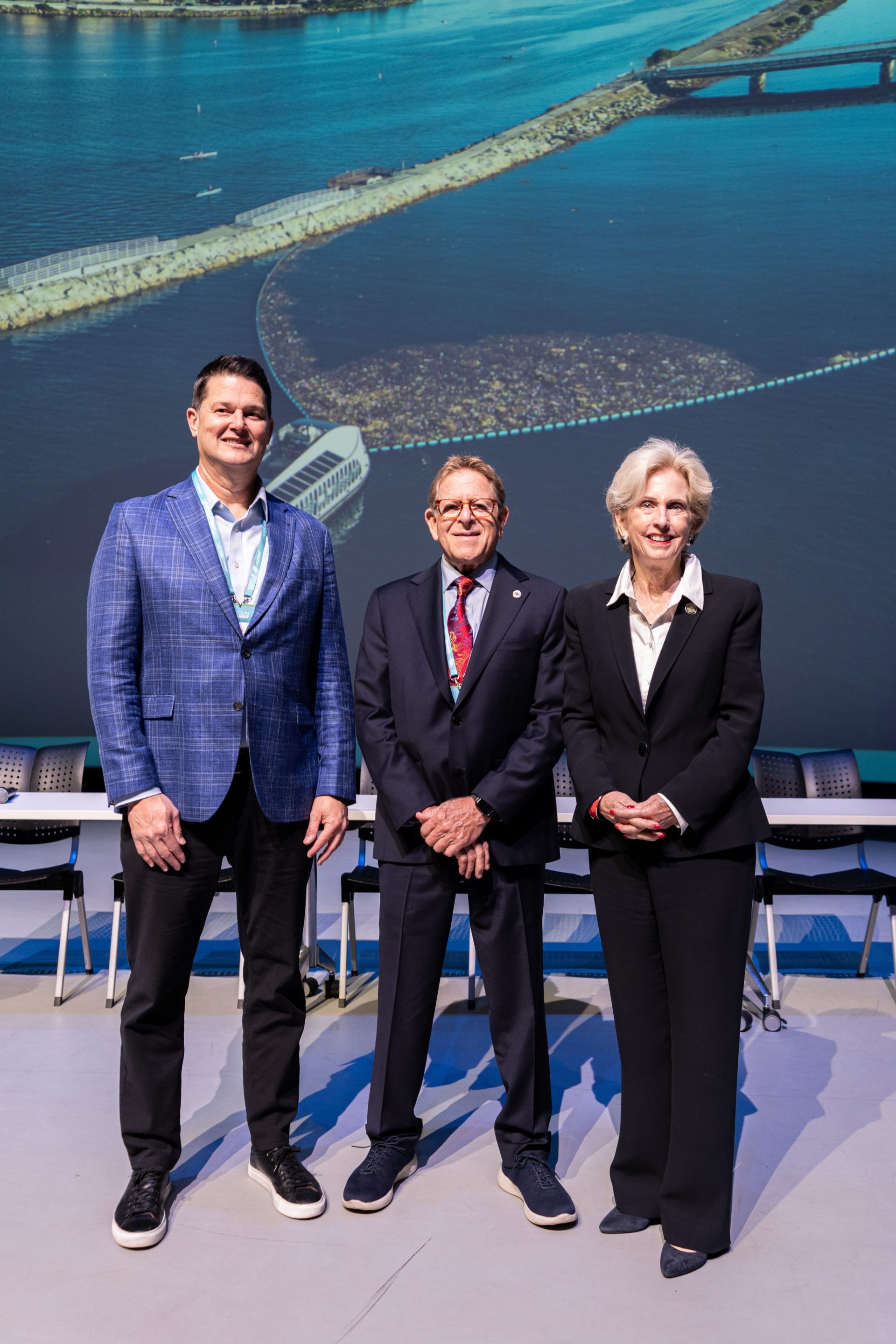
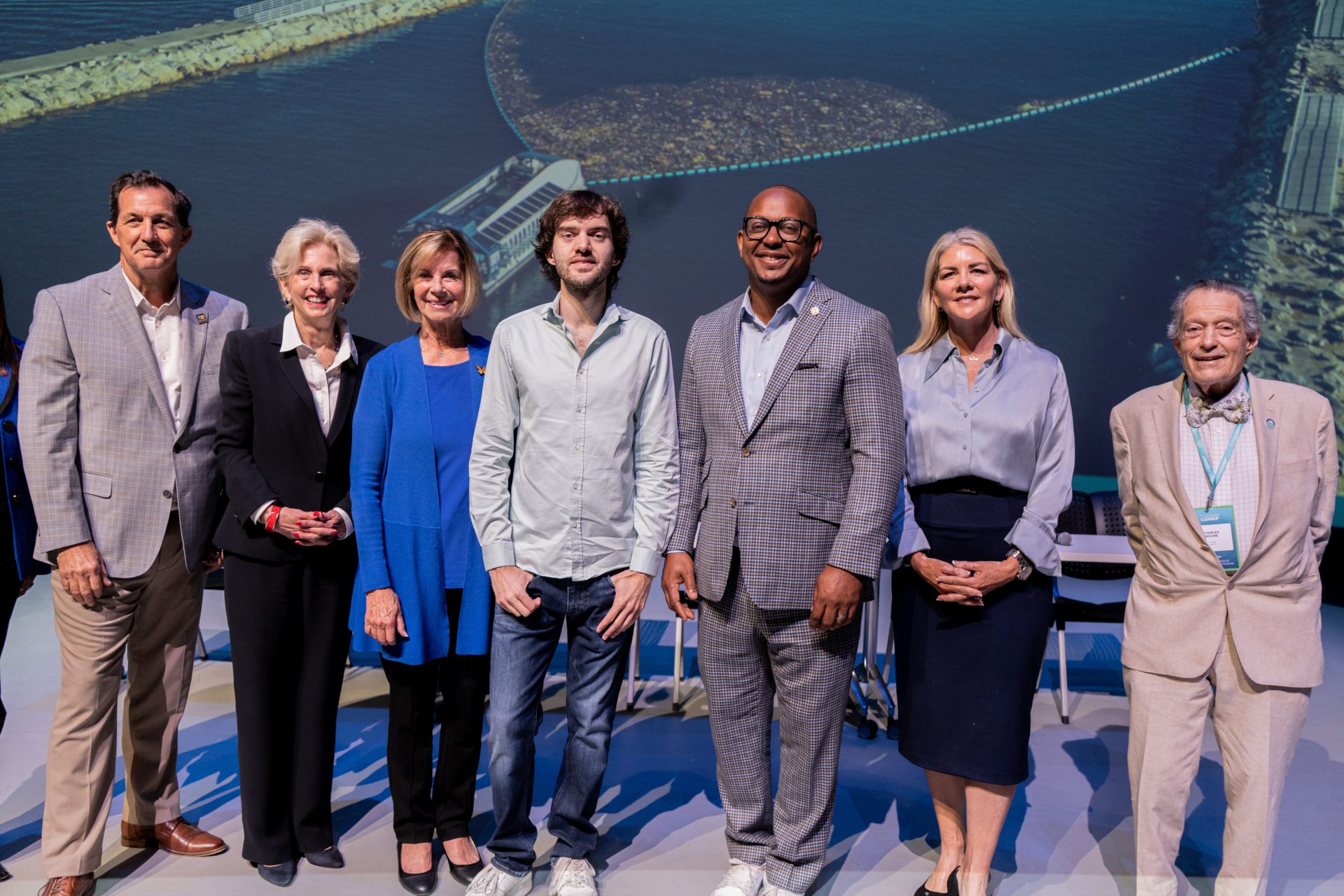
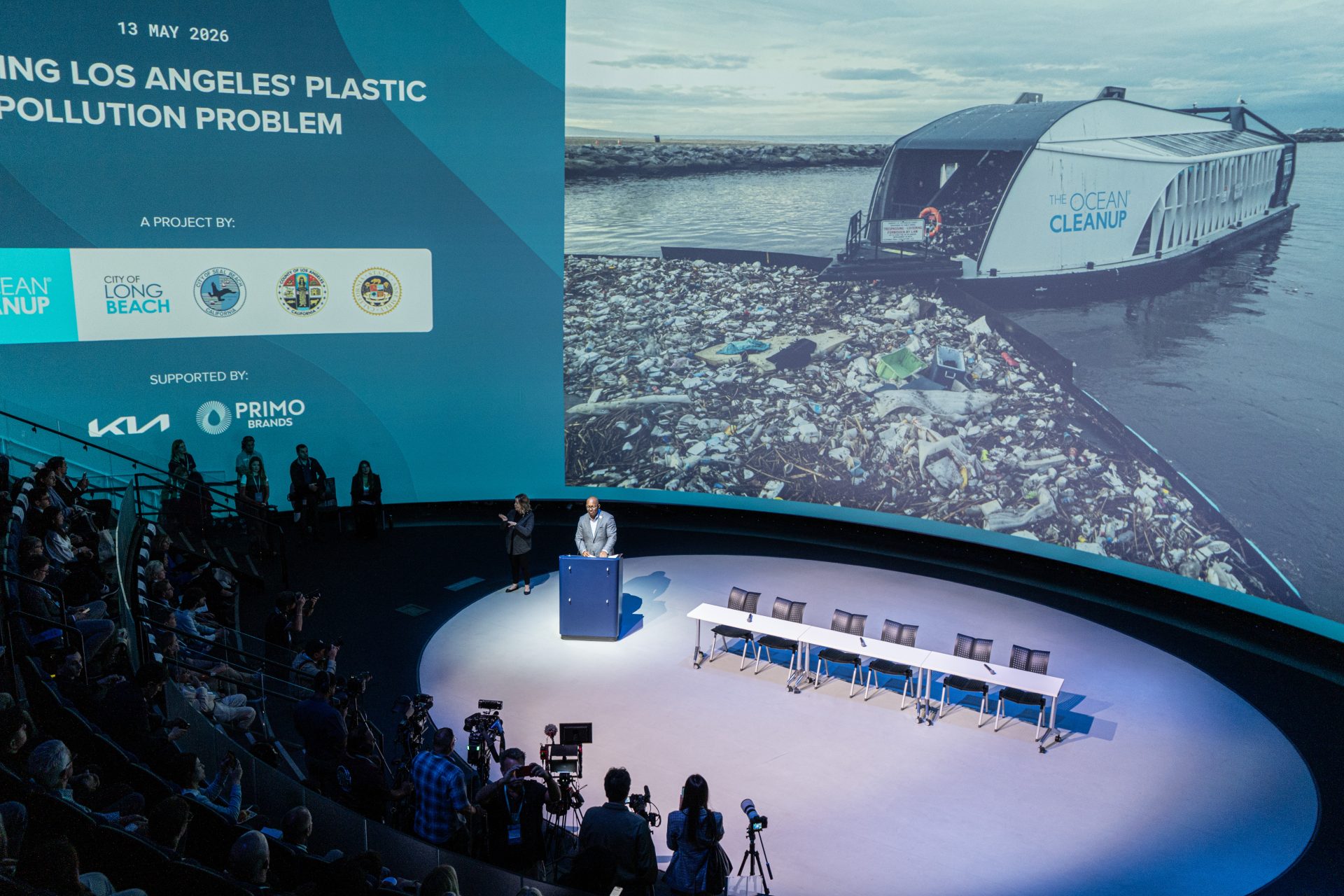
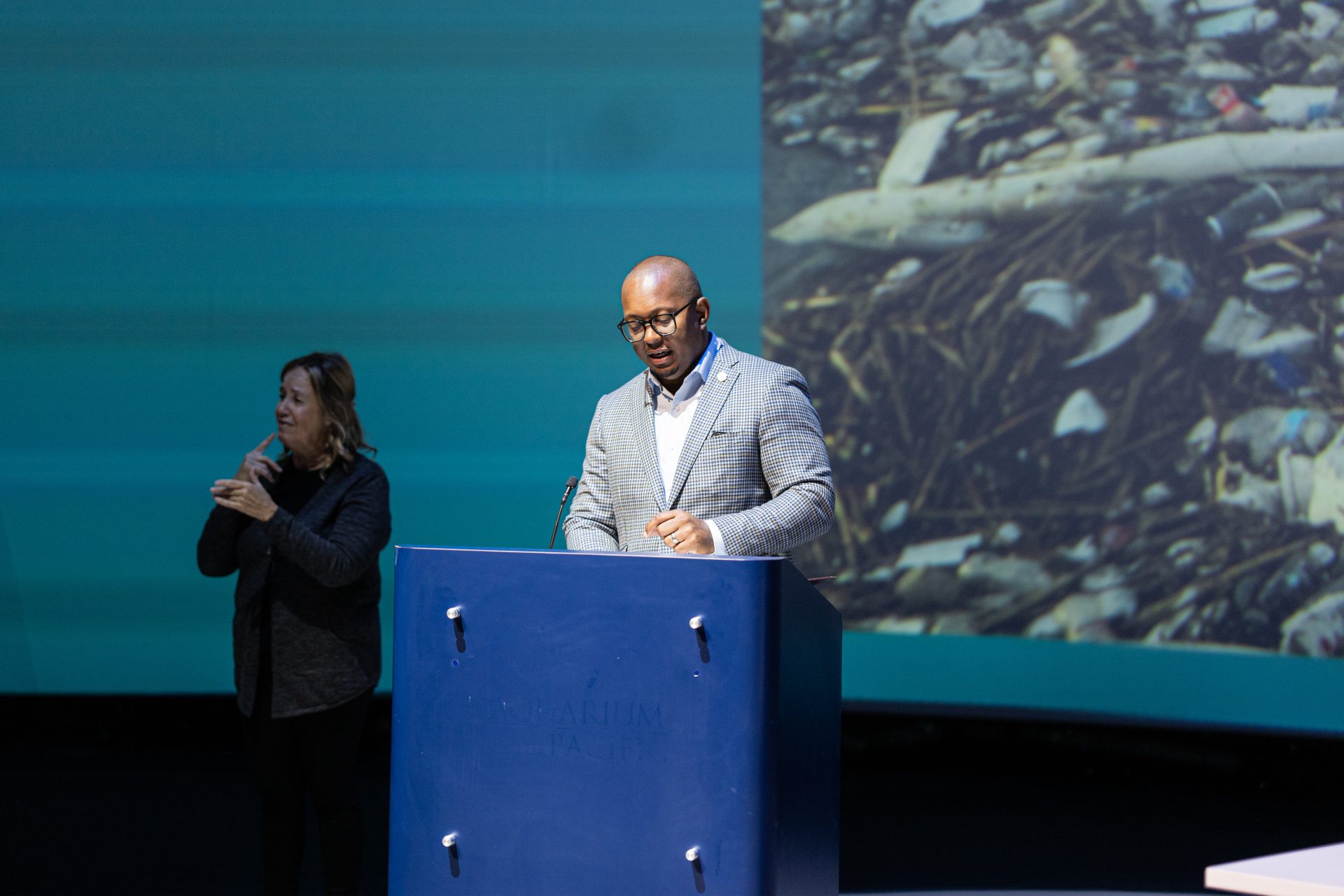
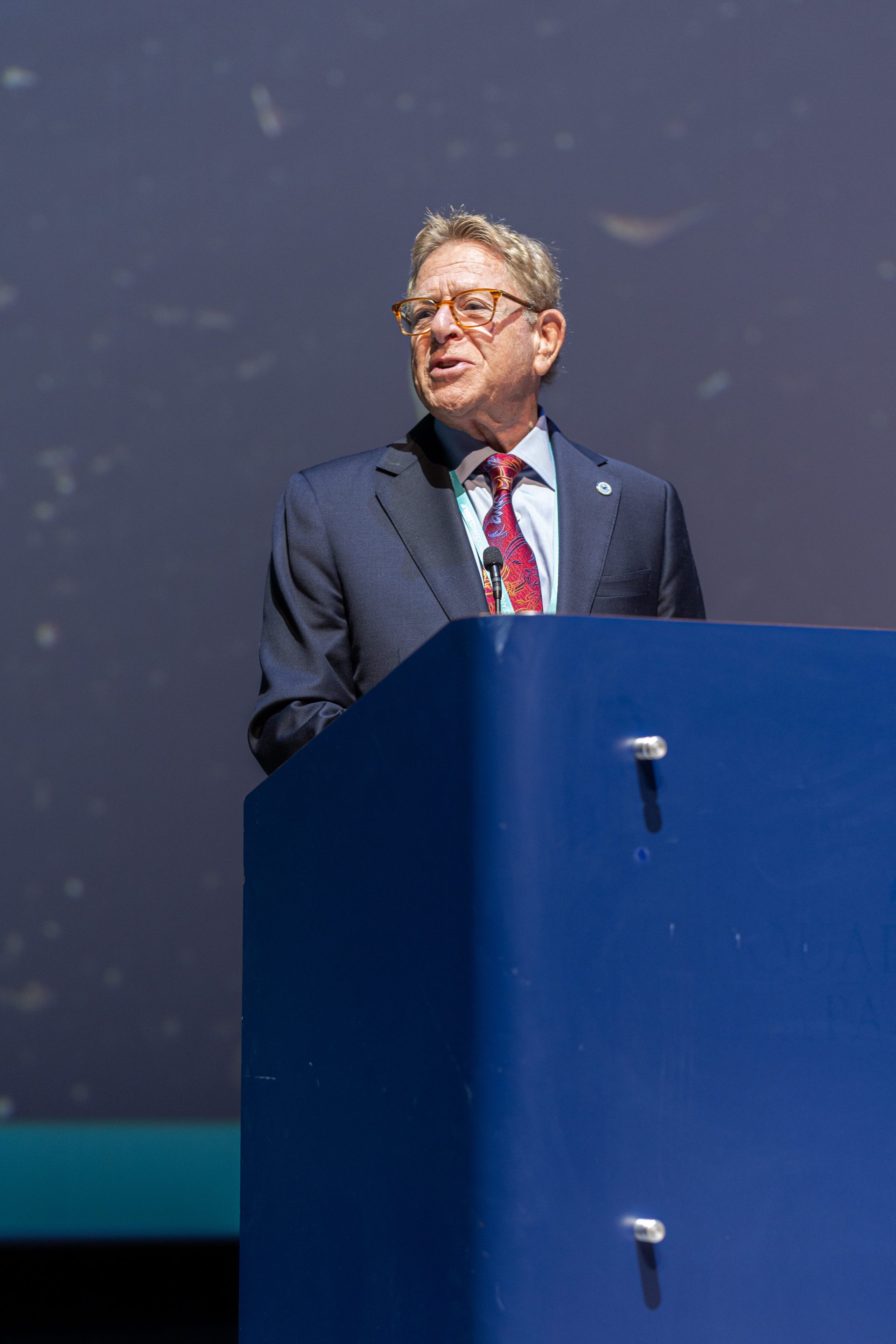
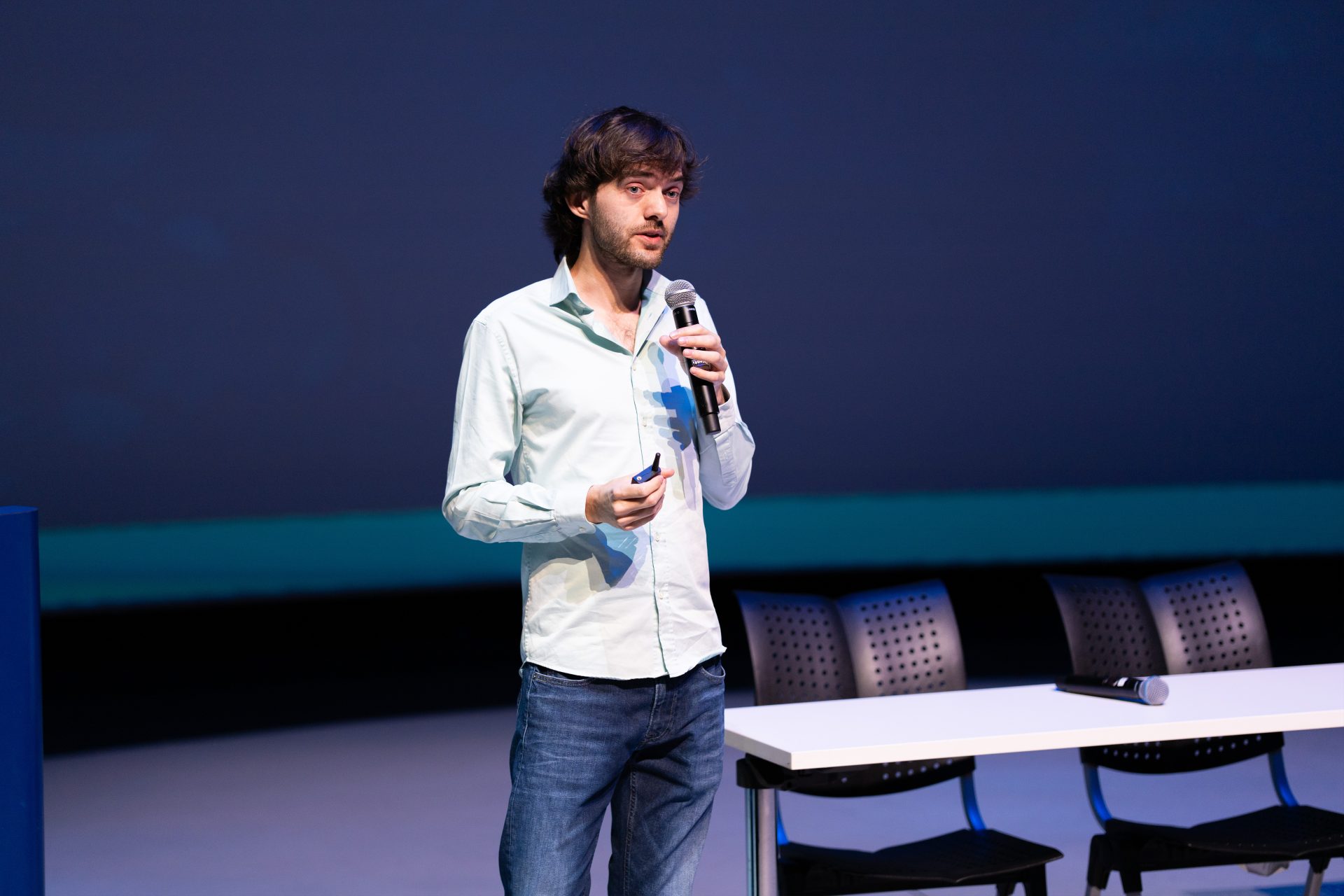
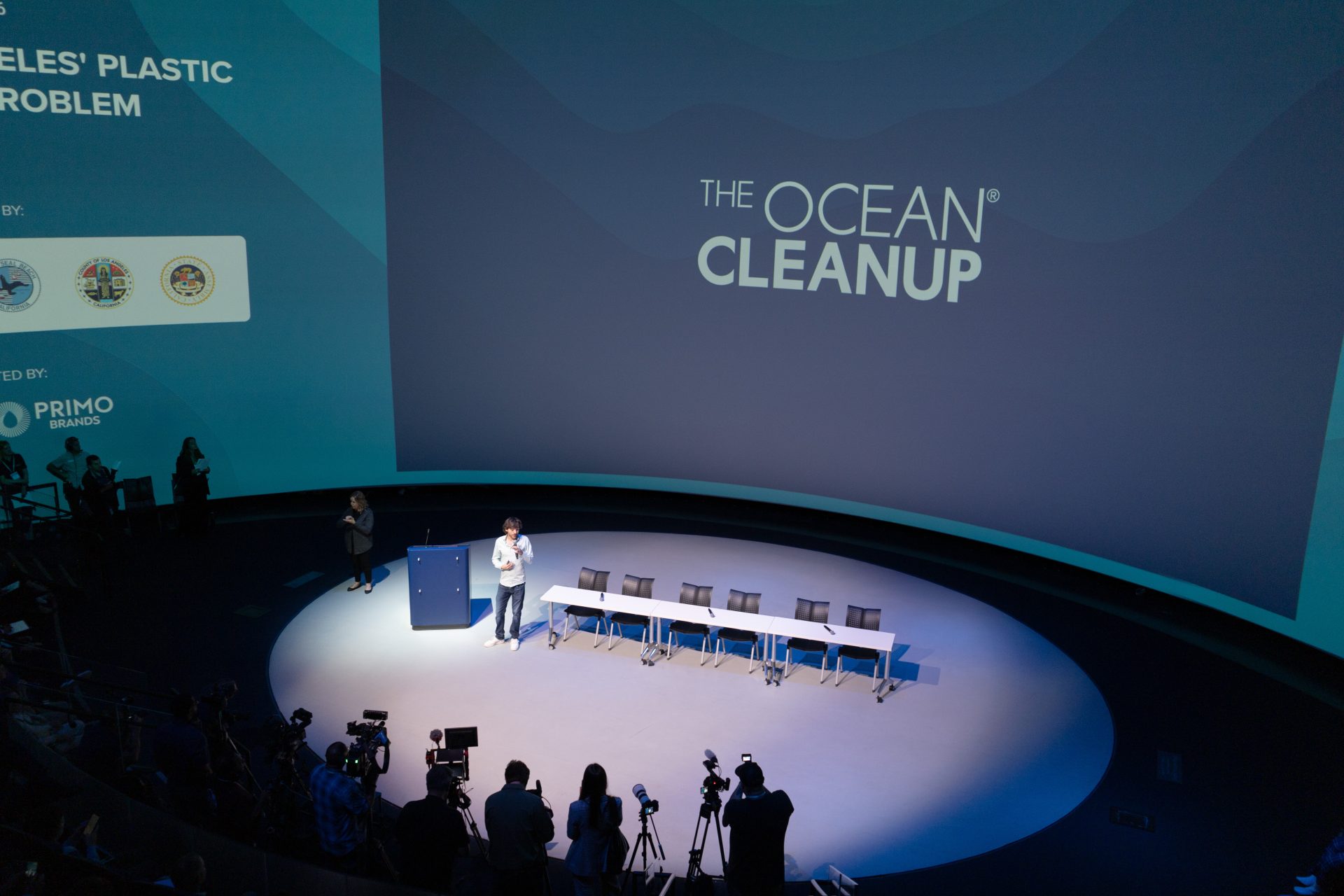
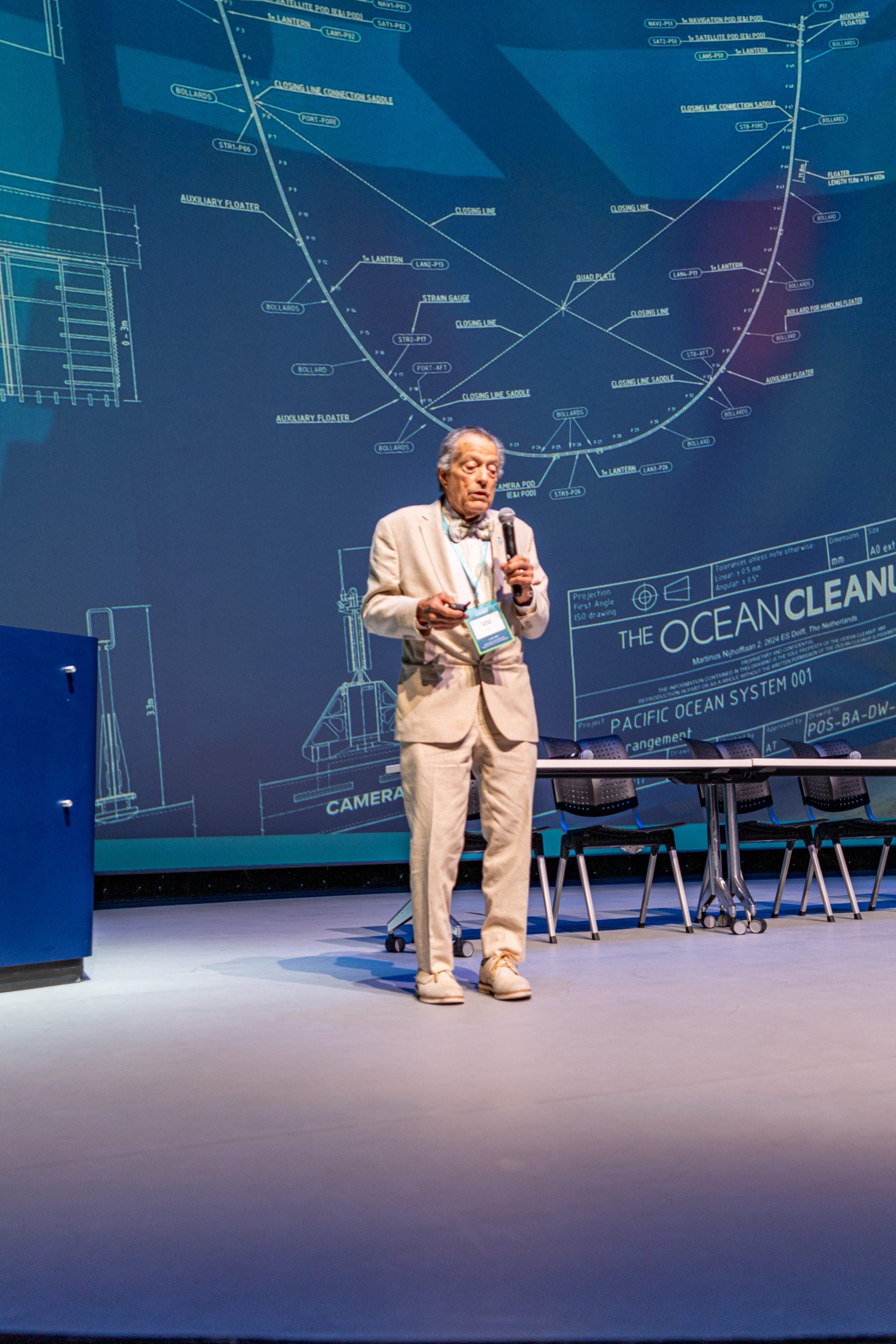
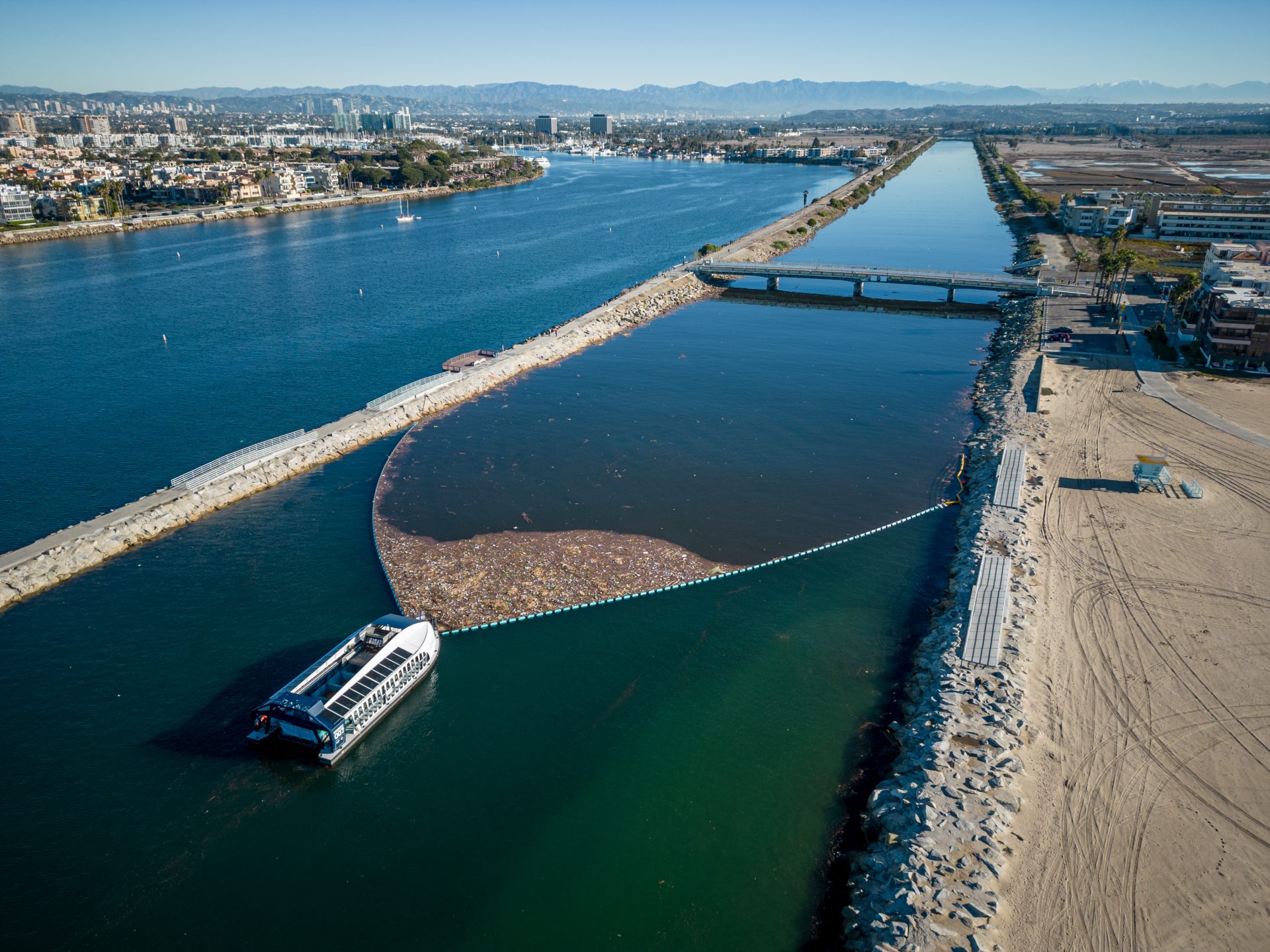
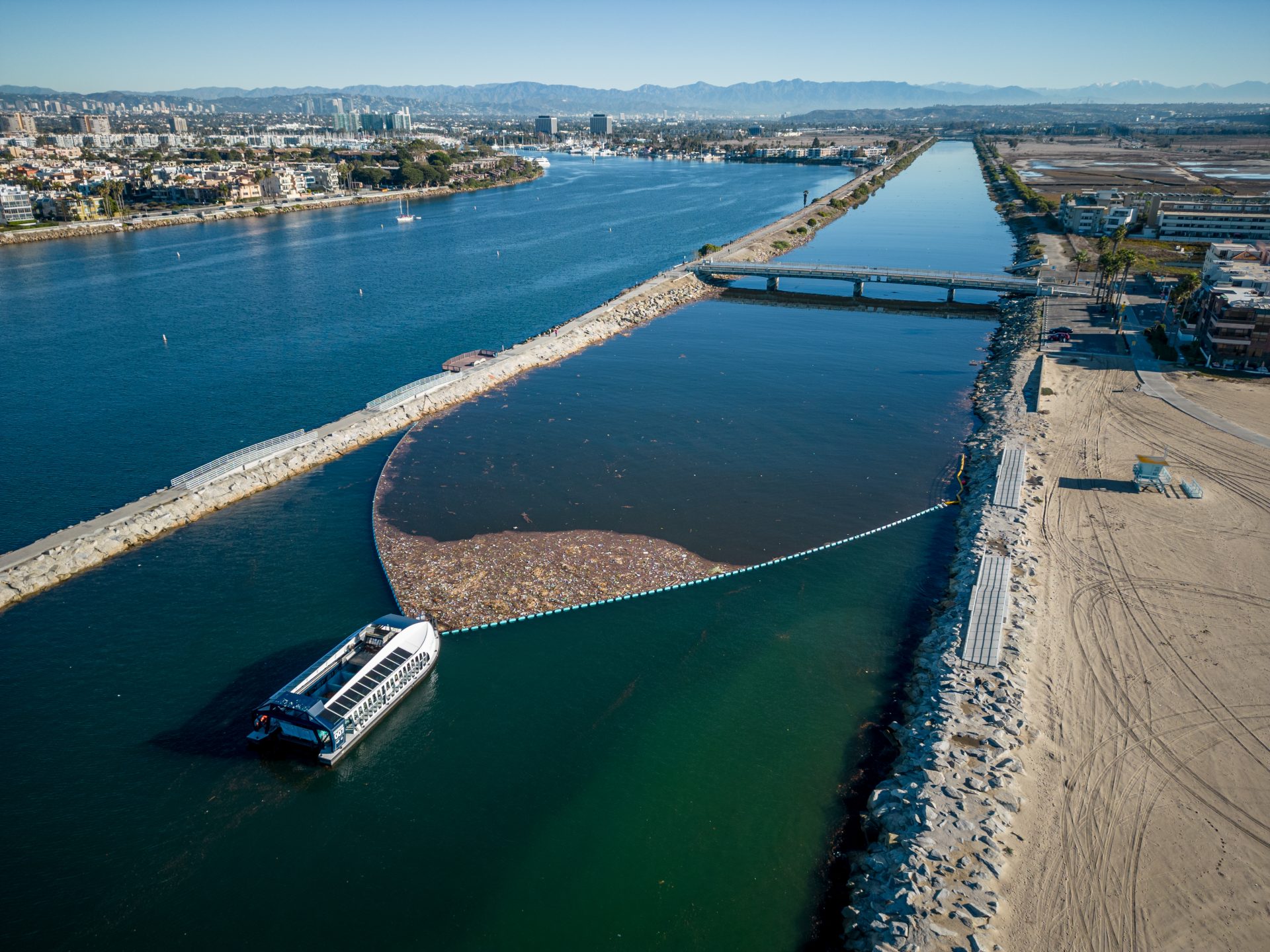
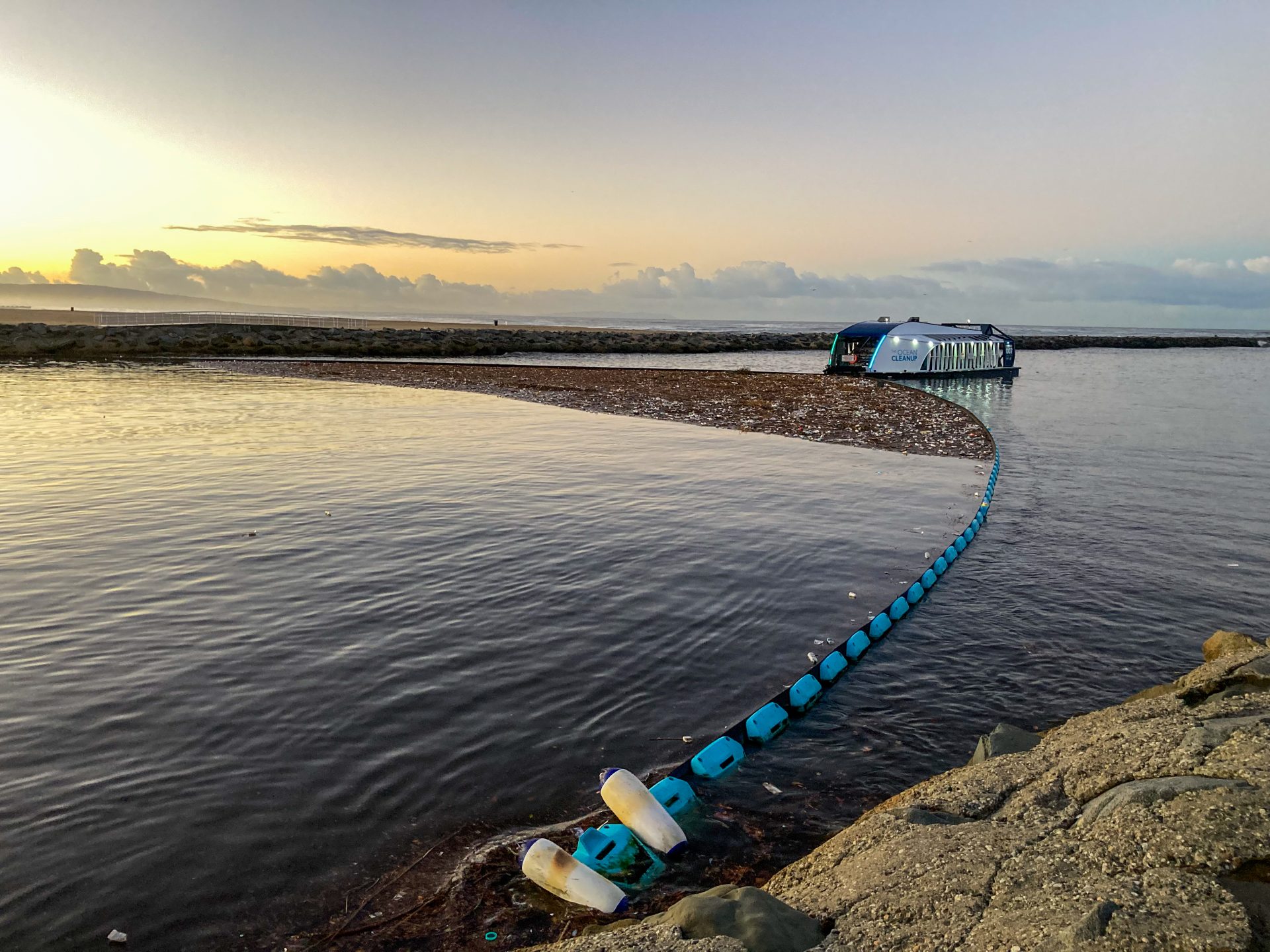
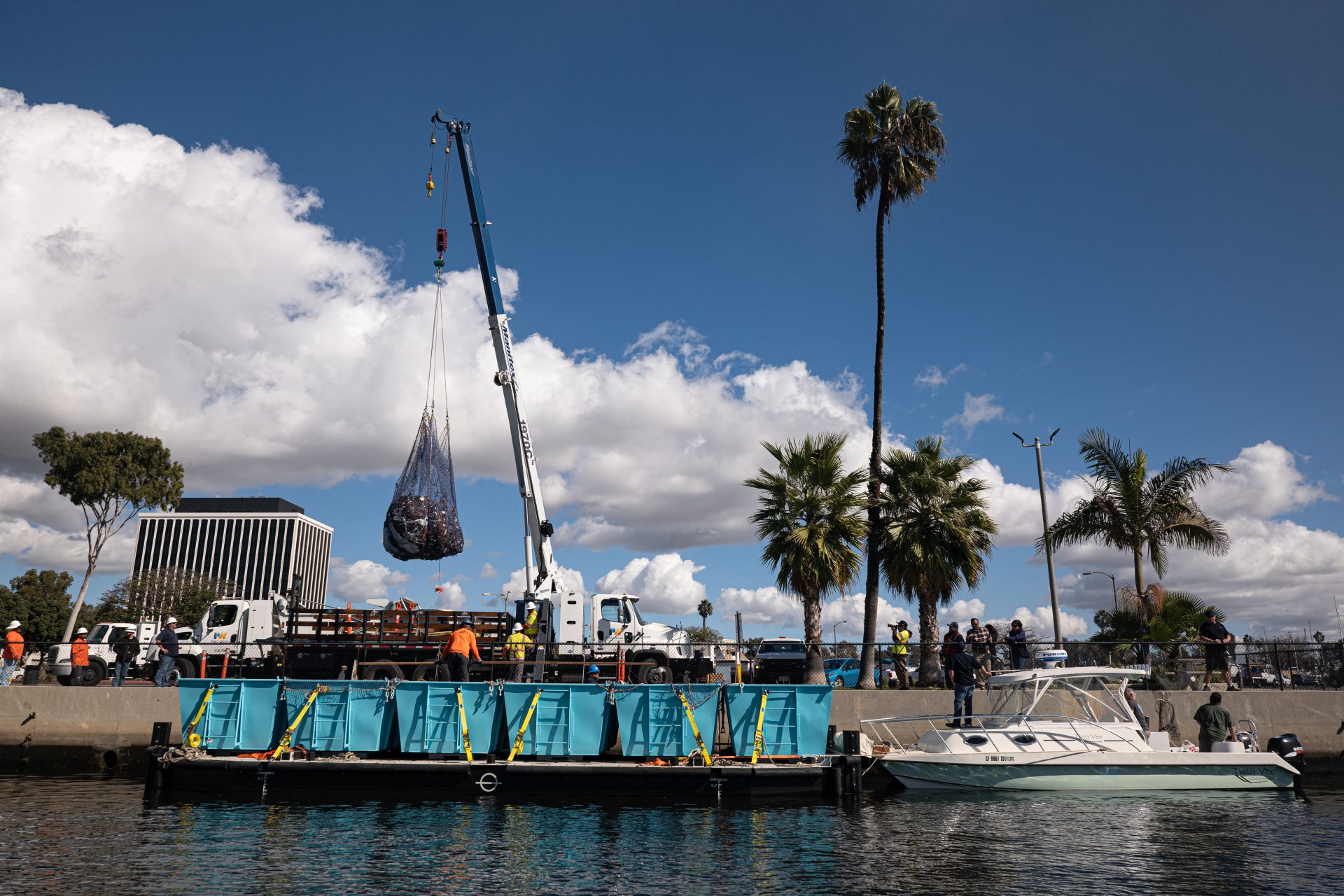
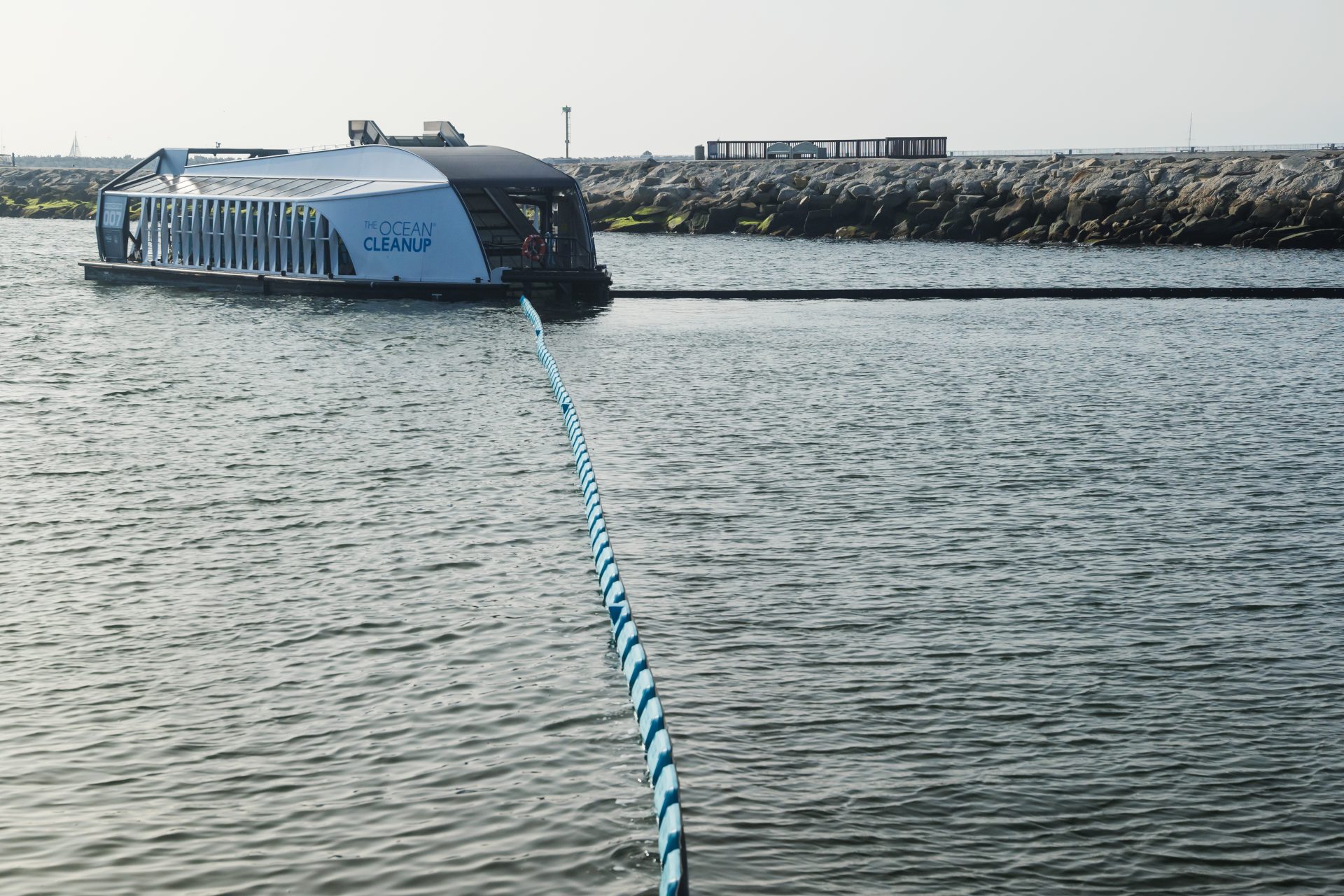
Tackling Los Angeles Plastic Problem
Media Gallery for our city wide approach in LAImages (30)
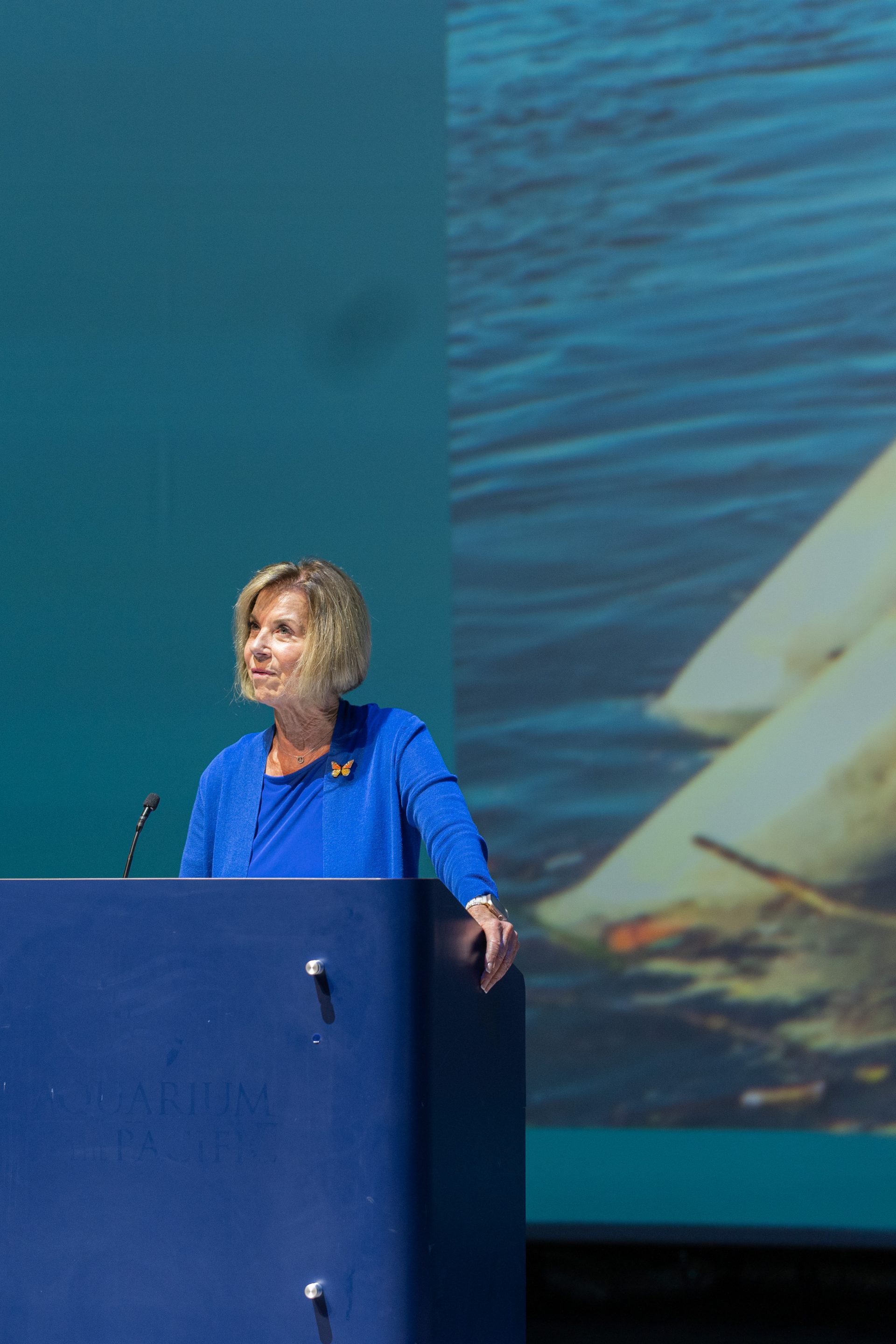
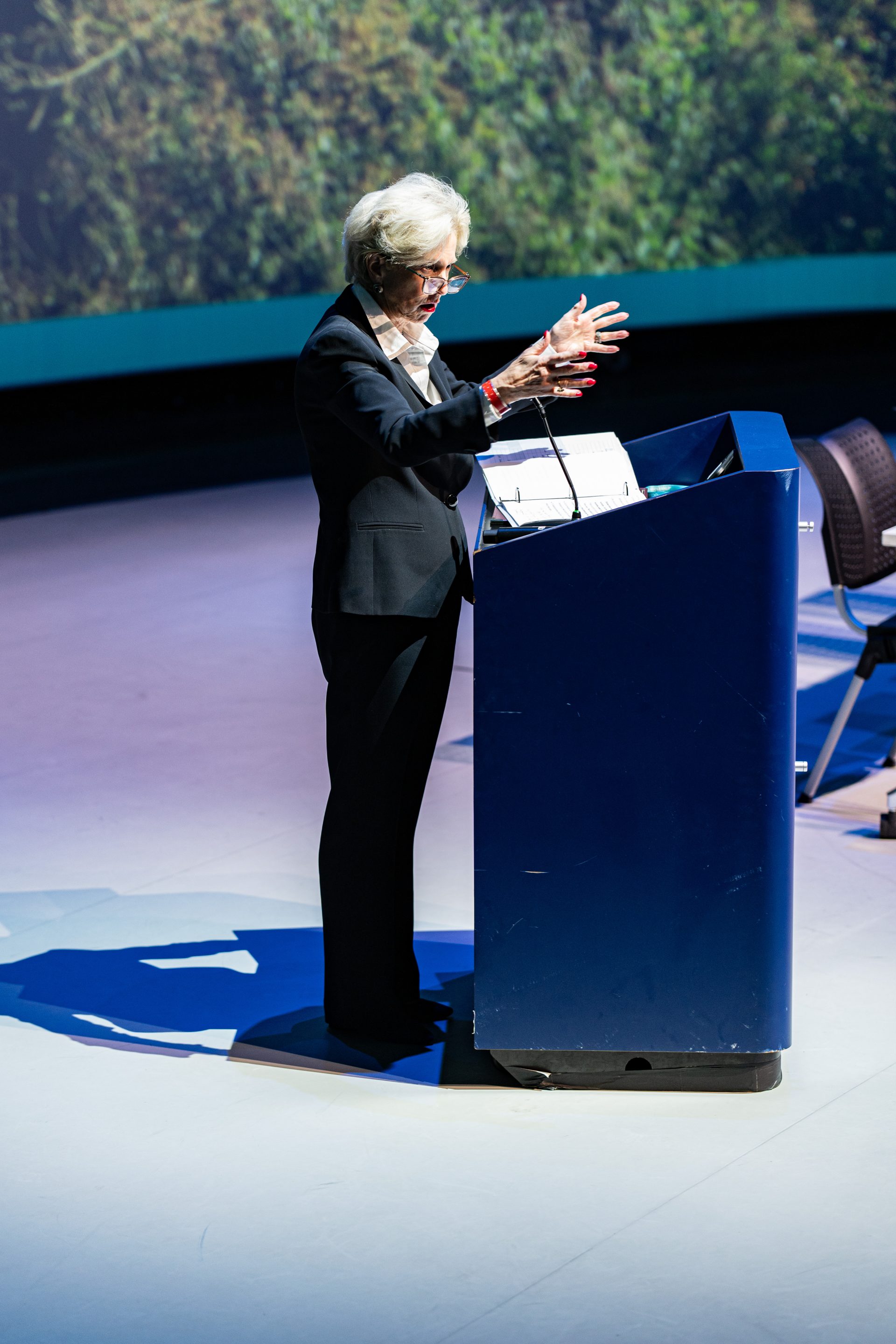
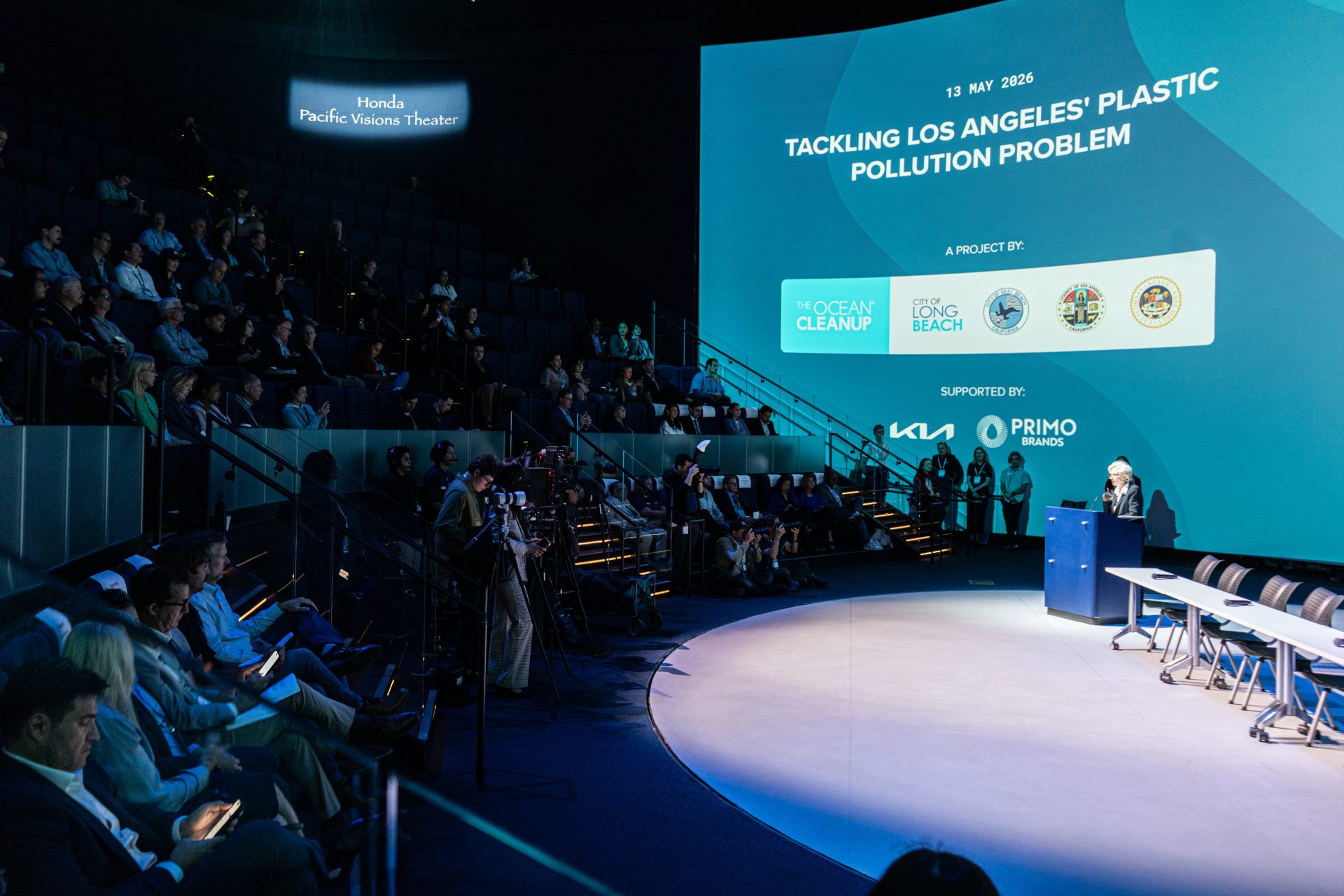
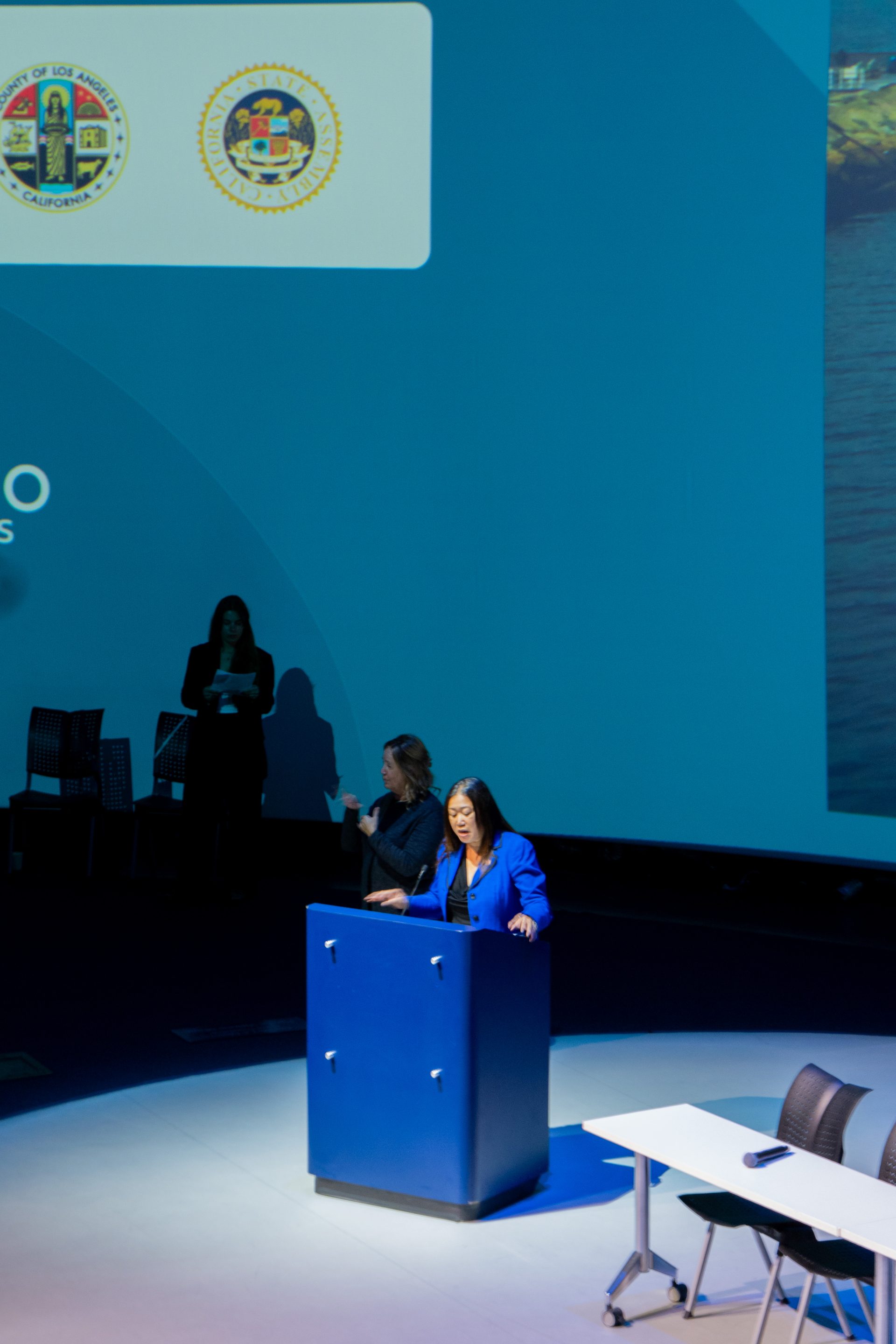
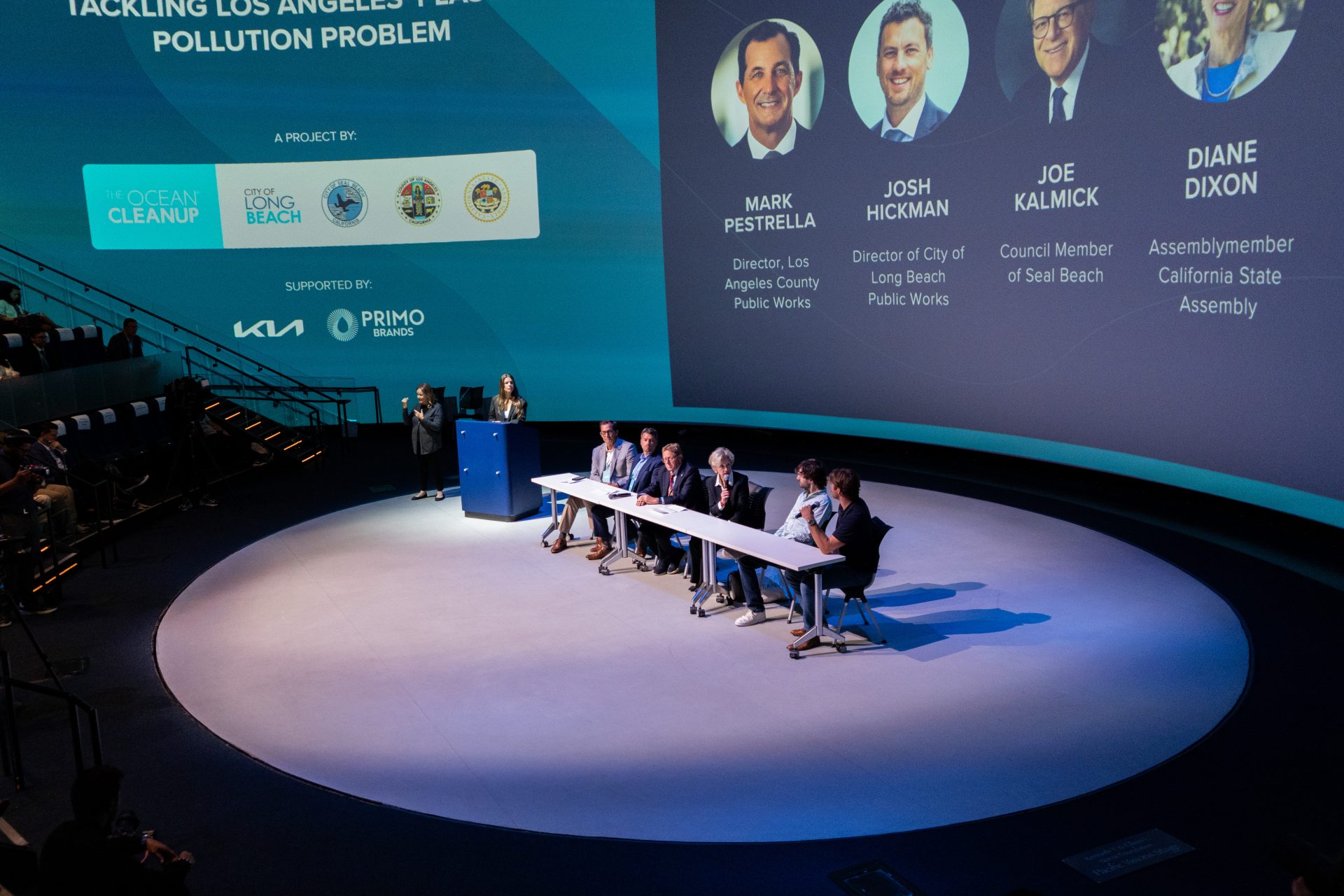
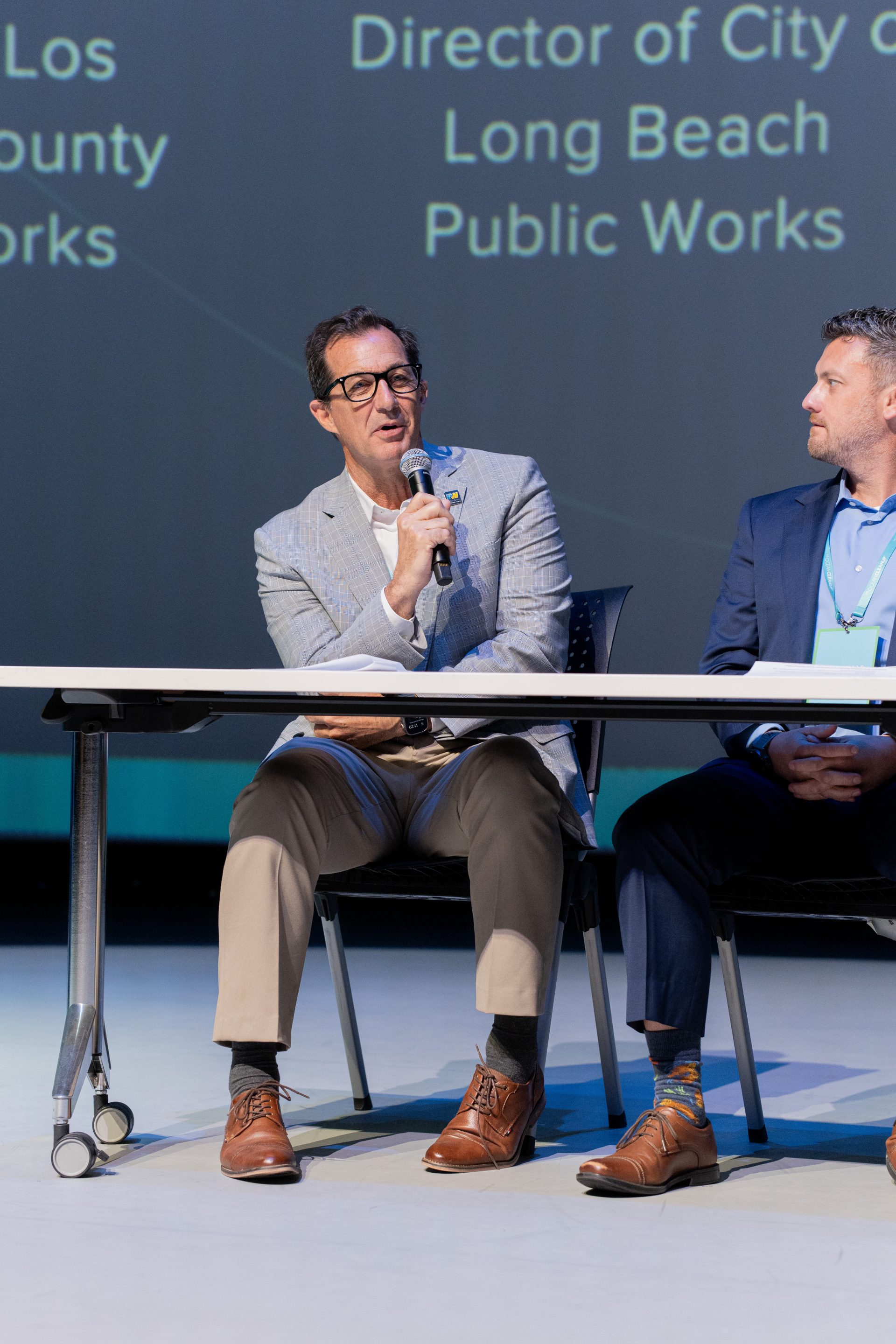
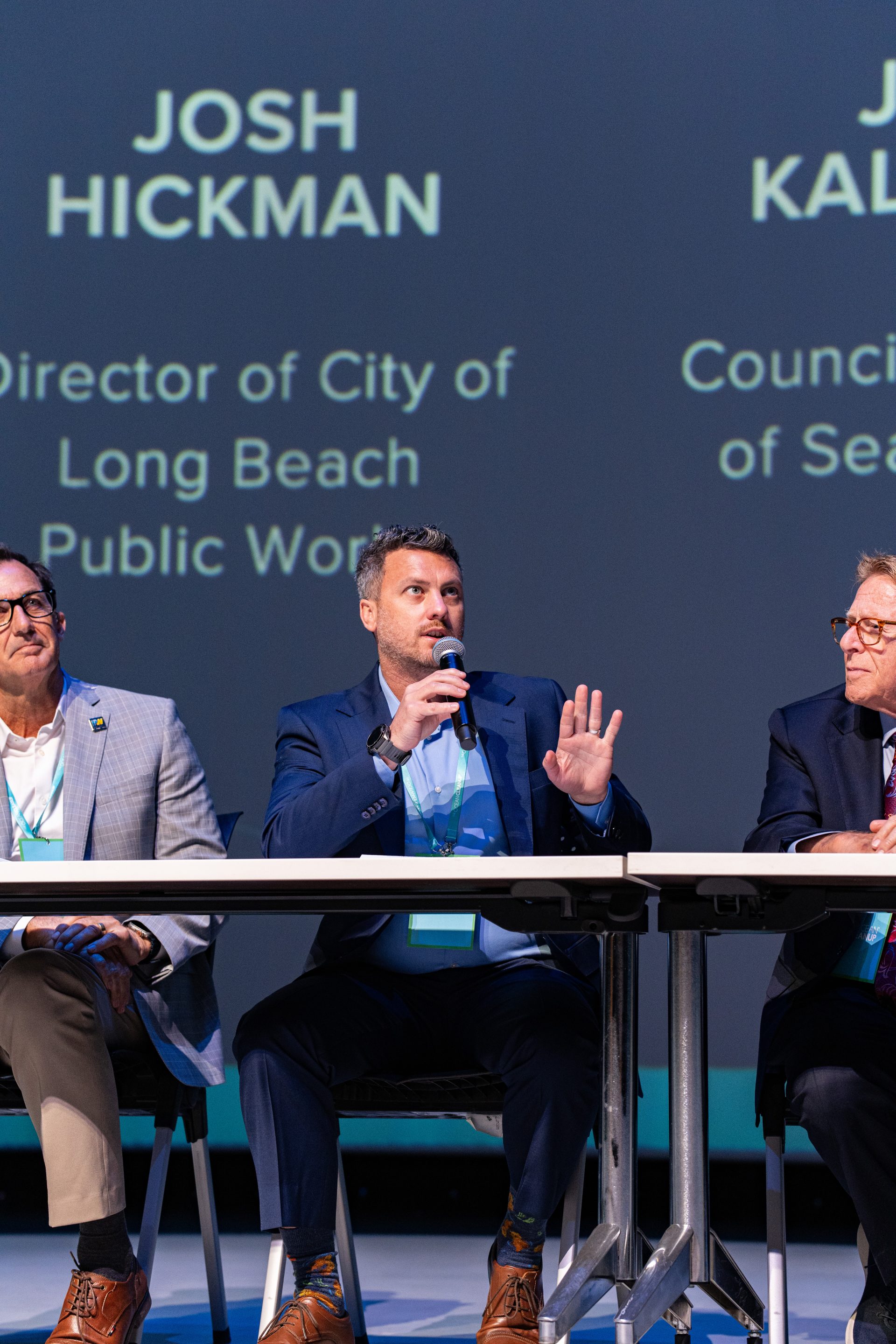
Video footage (4)
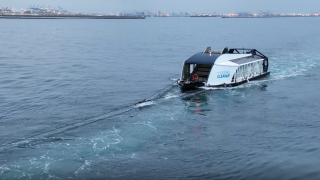
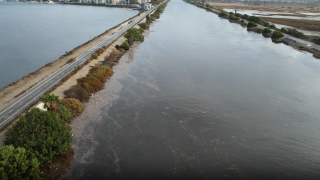
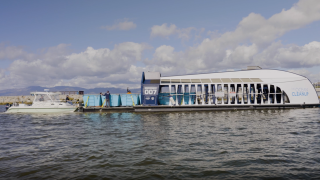
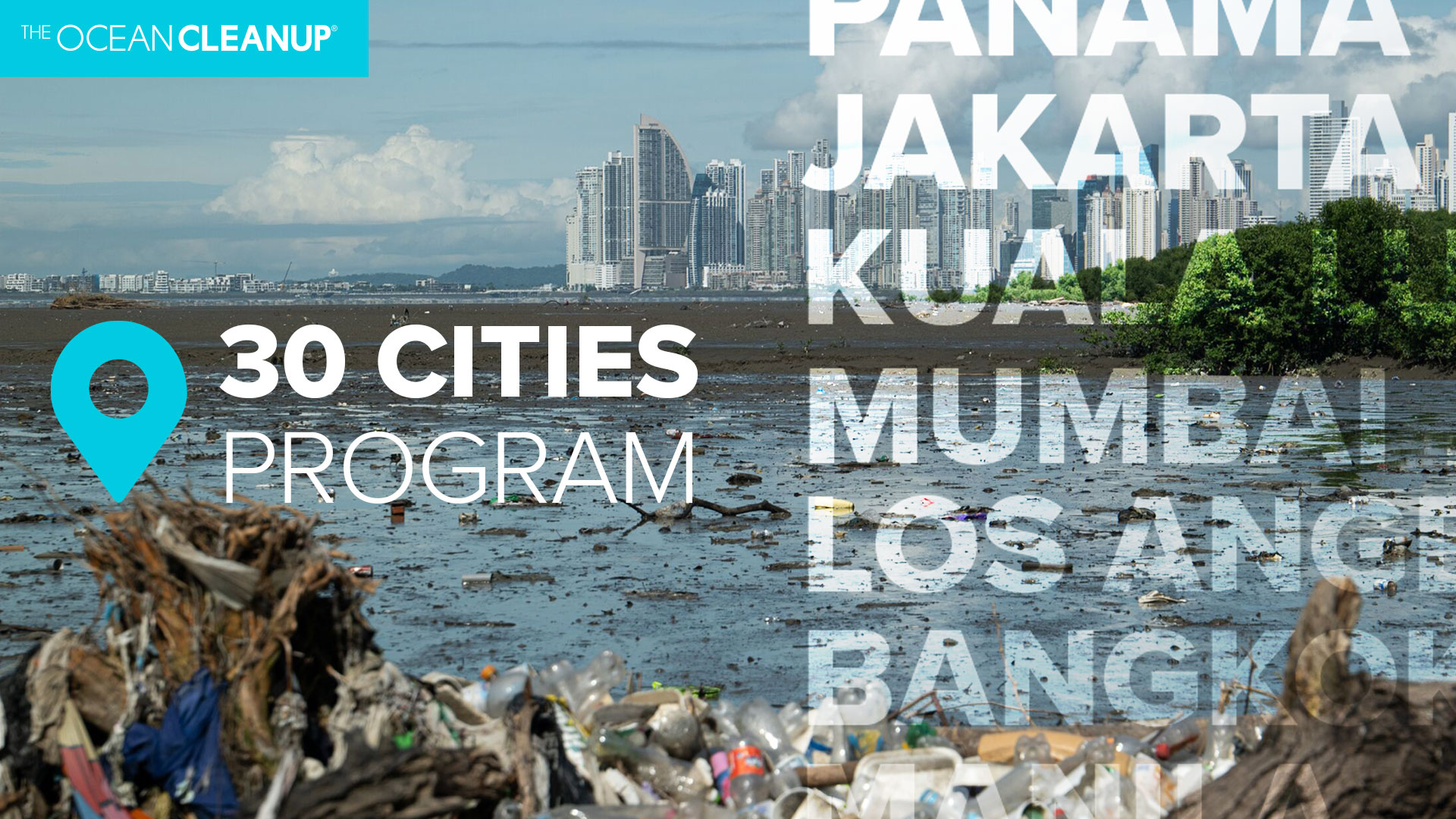
The 30 Cities Program
Media Gallery for The Ocean Cleanup 30 Cities ProgramImages (11)
The Ocean Cleanup X AWS – AI to accelerate ocean plastic removal
Images (11)
-
Adis mounted on deck -
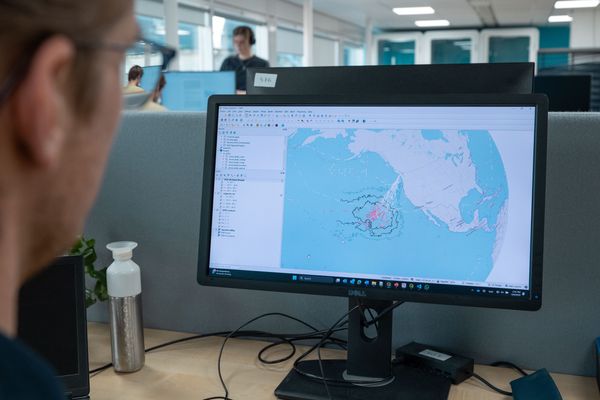
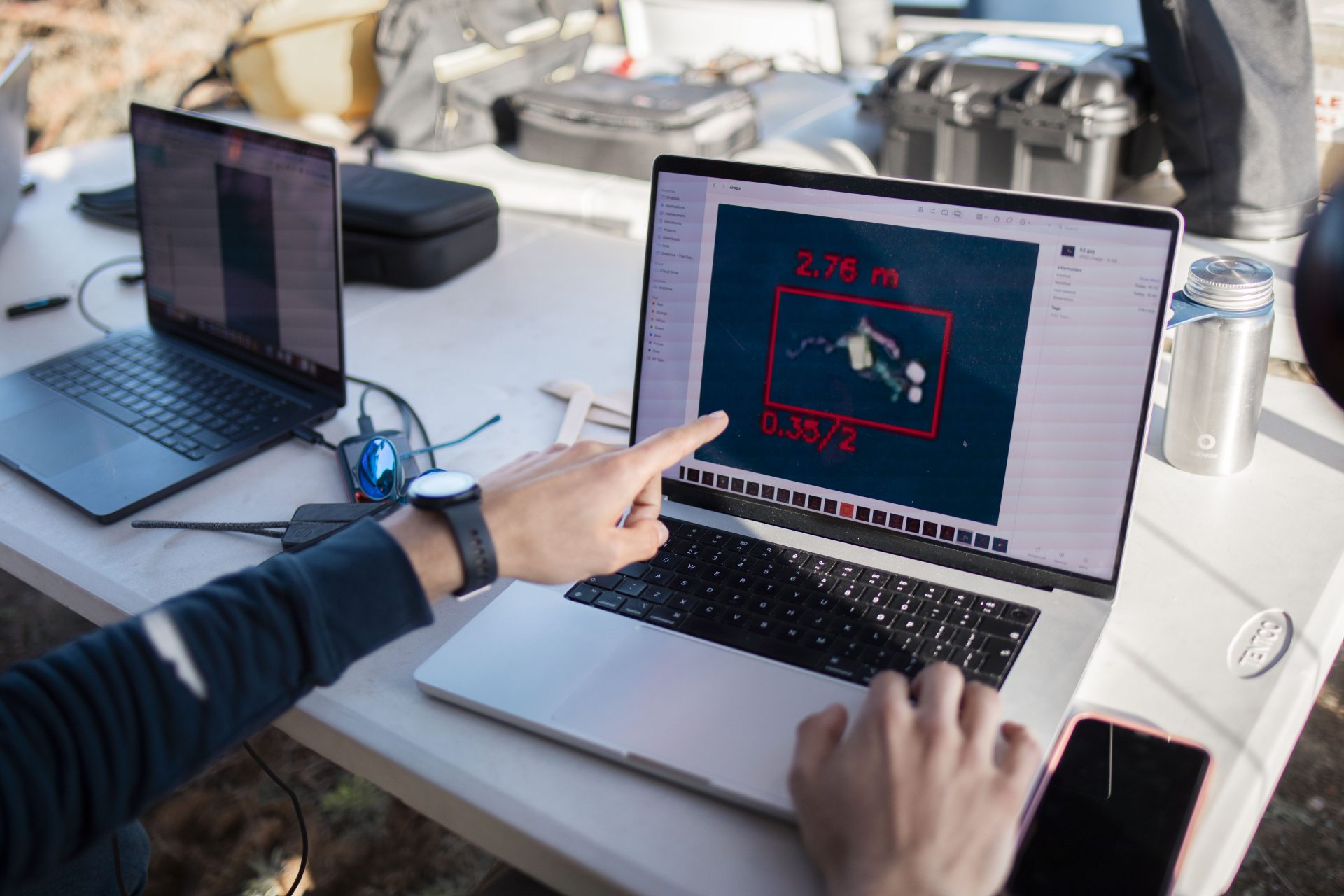
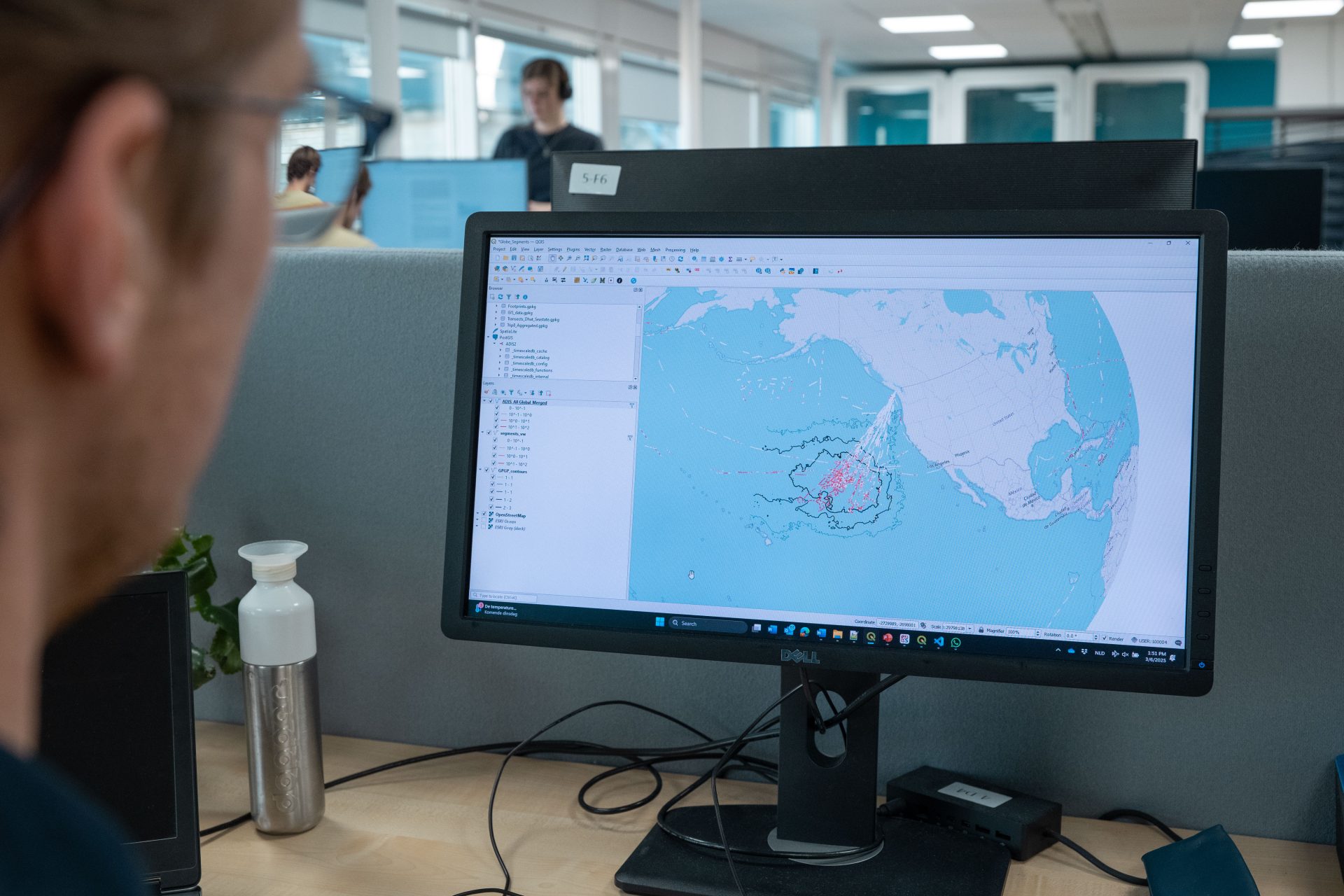
Data from ADIS -
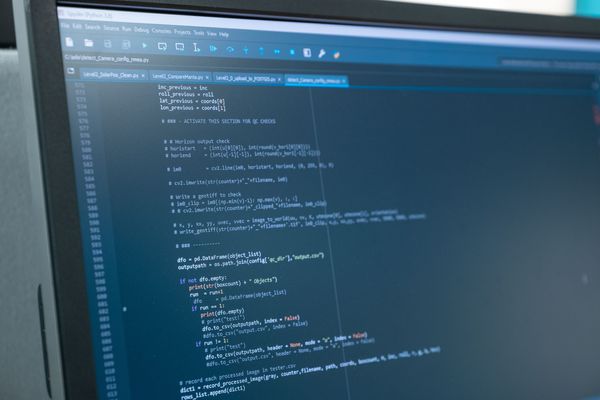
Data from ADIS -
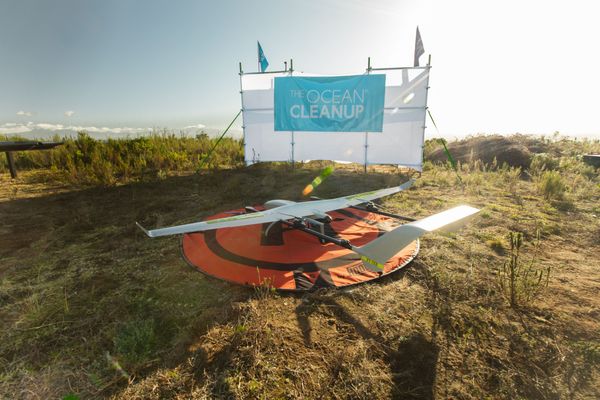
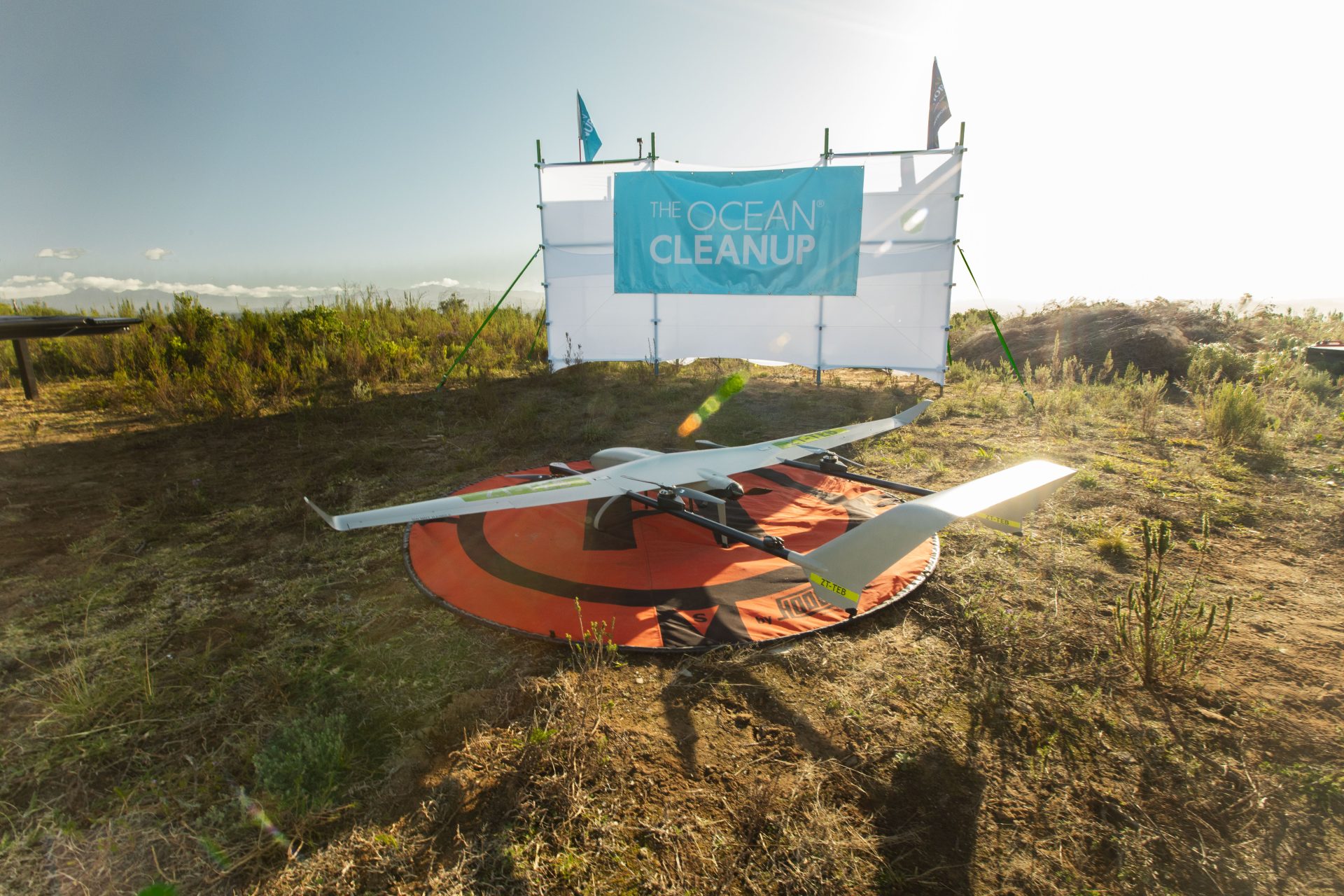
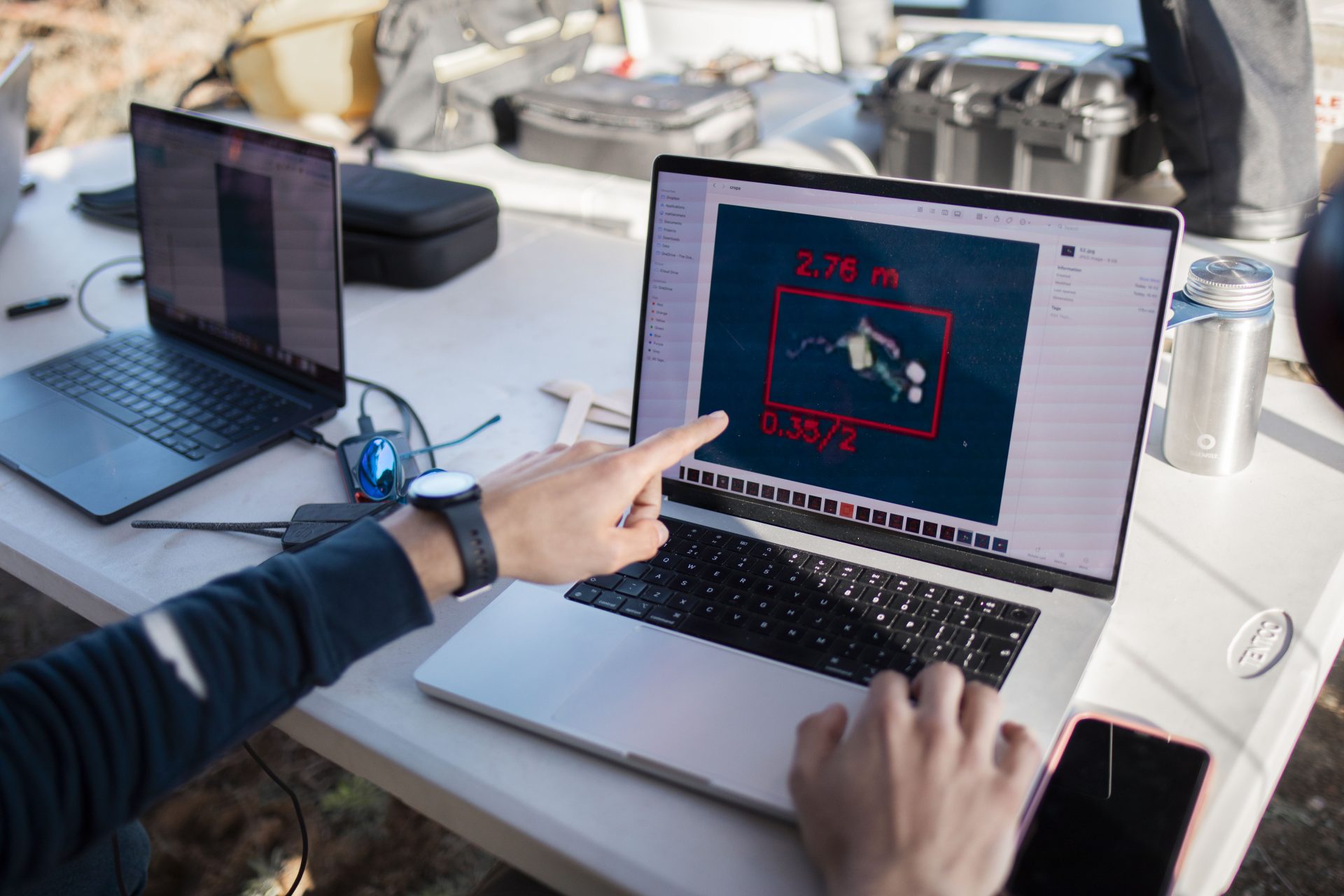
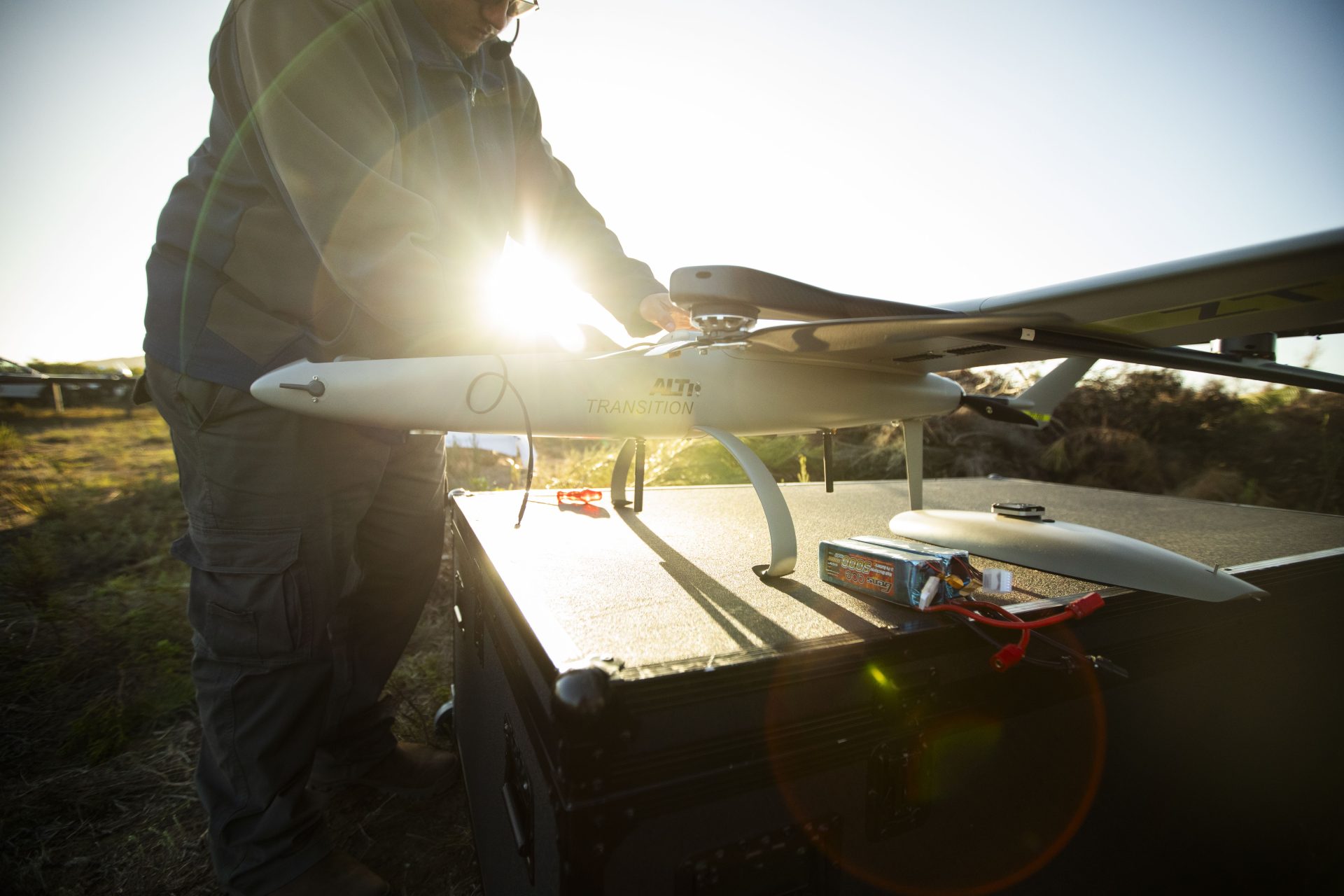
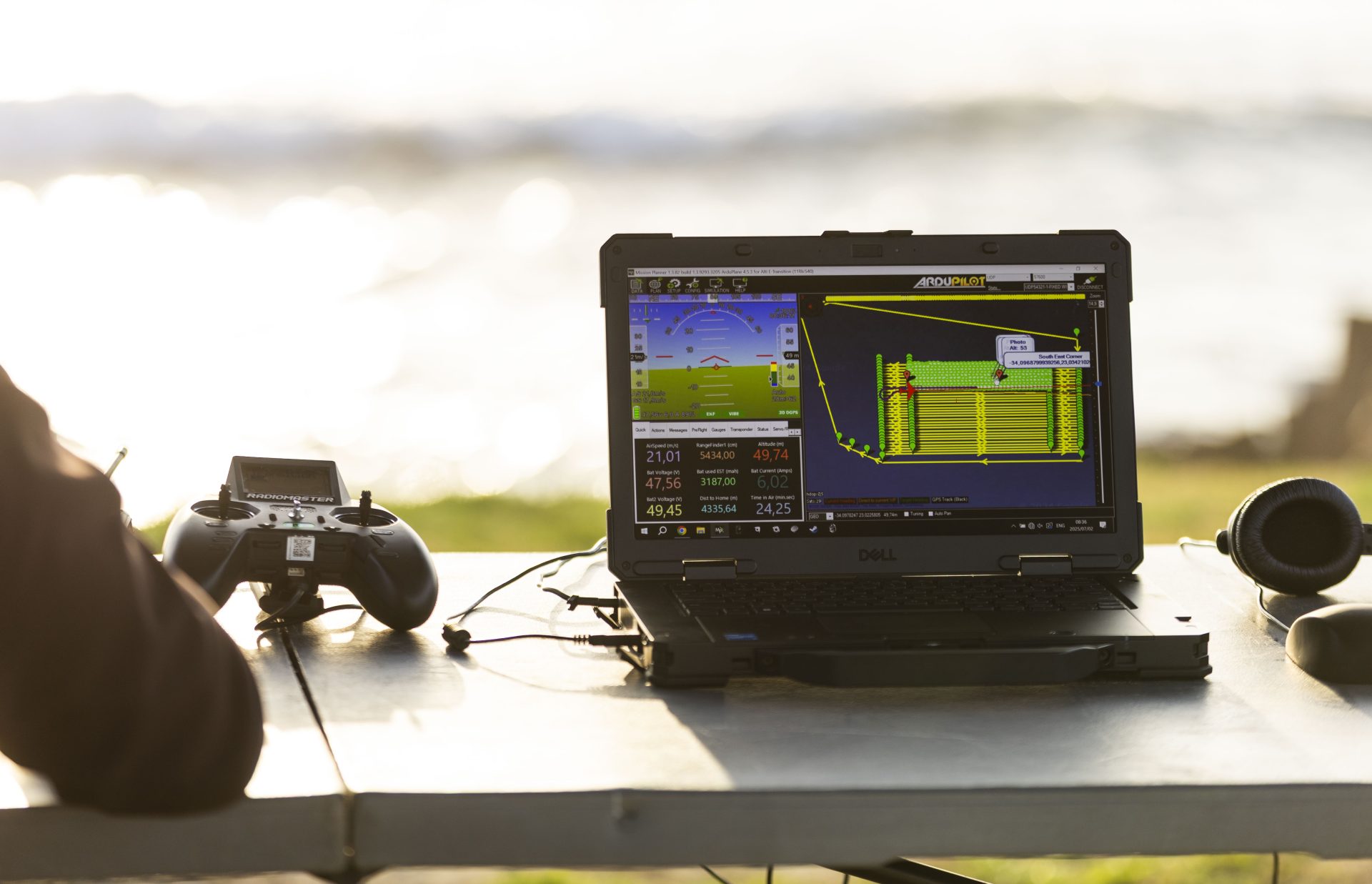
Photos from our drone testing in South Africa: AI-powered cameras are mounted on drones flying over the ocean, tracking and localizing plastic hotspots. -
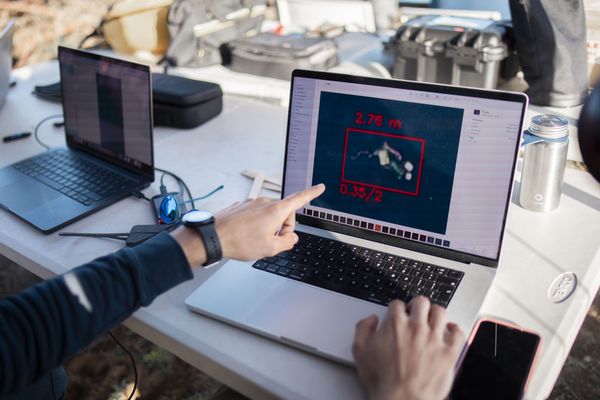
Photos from our drone testing in South Africa: AI-powered cameras are mounted on drones flying over the ocean, tracking and localizing plastic hotspots.

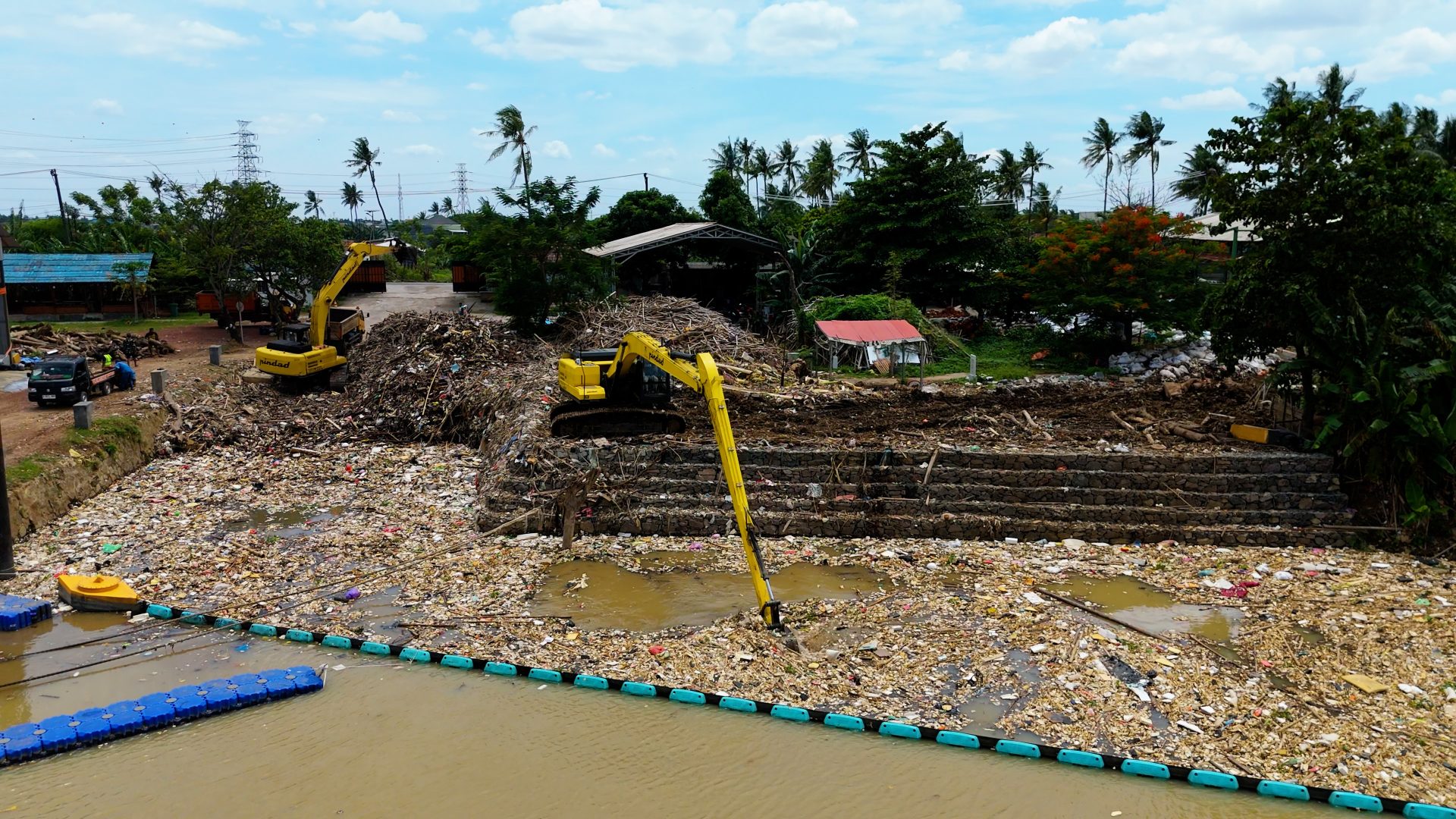
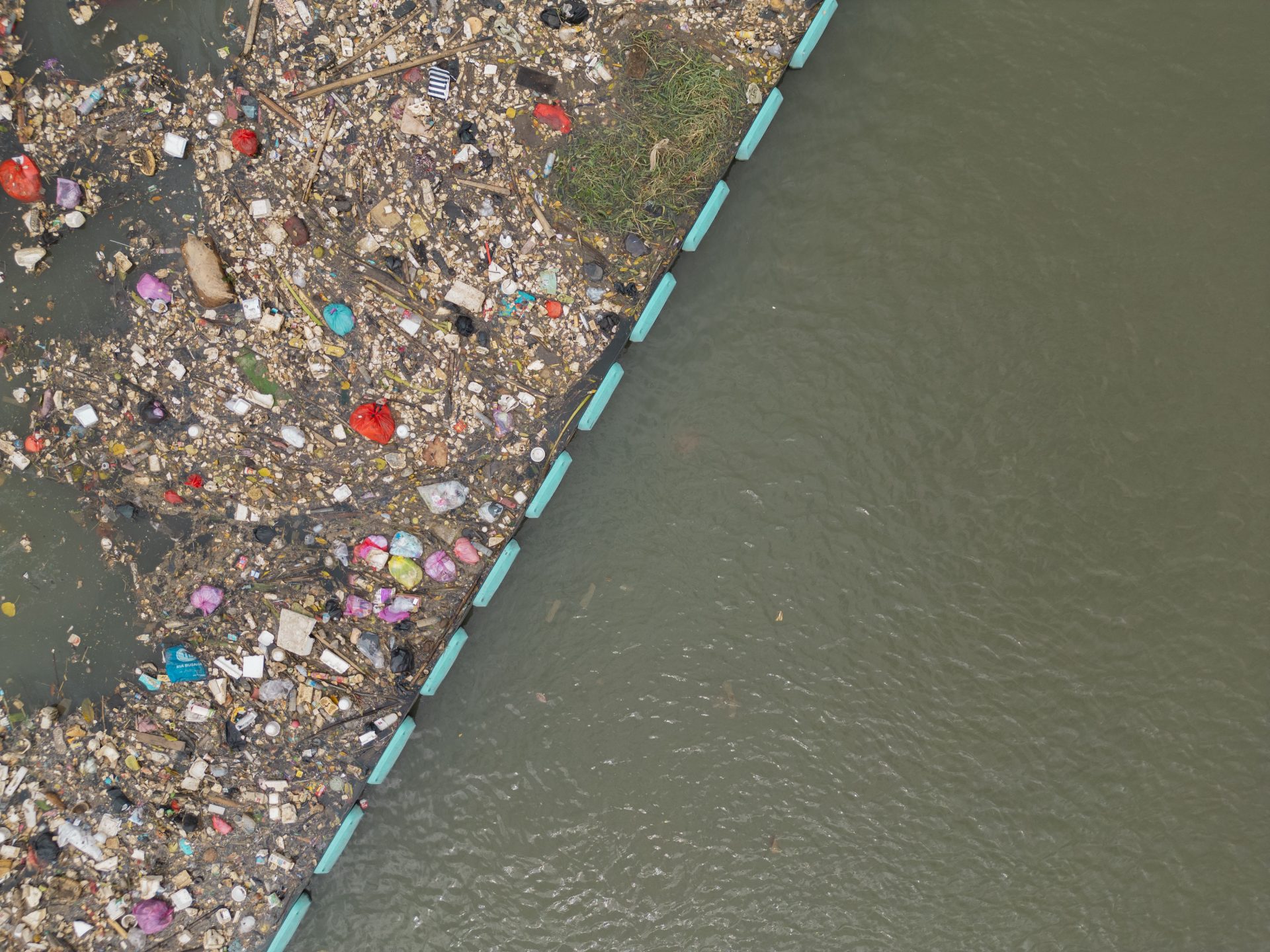
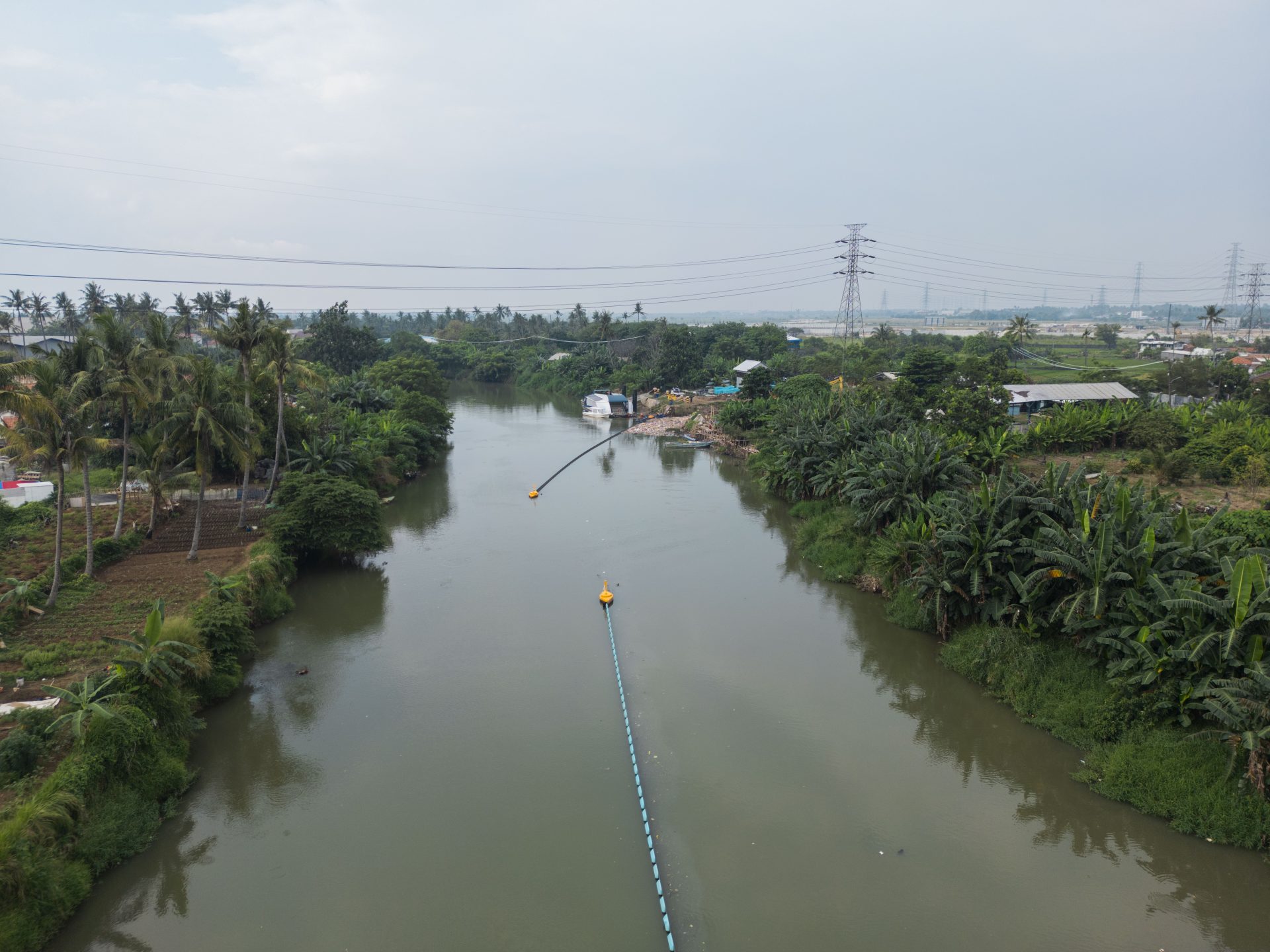
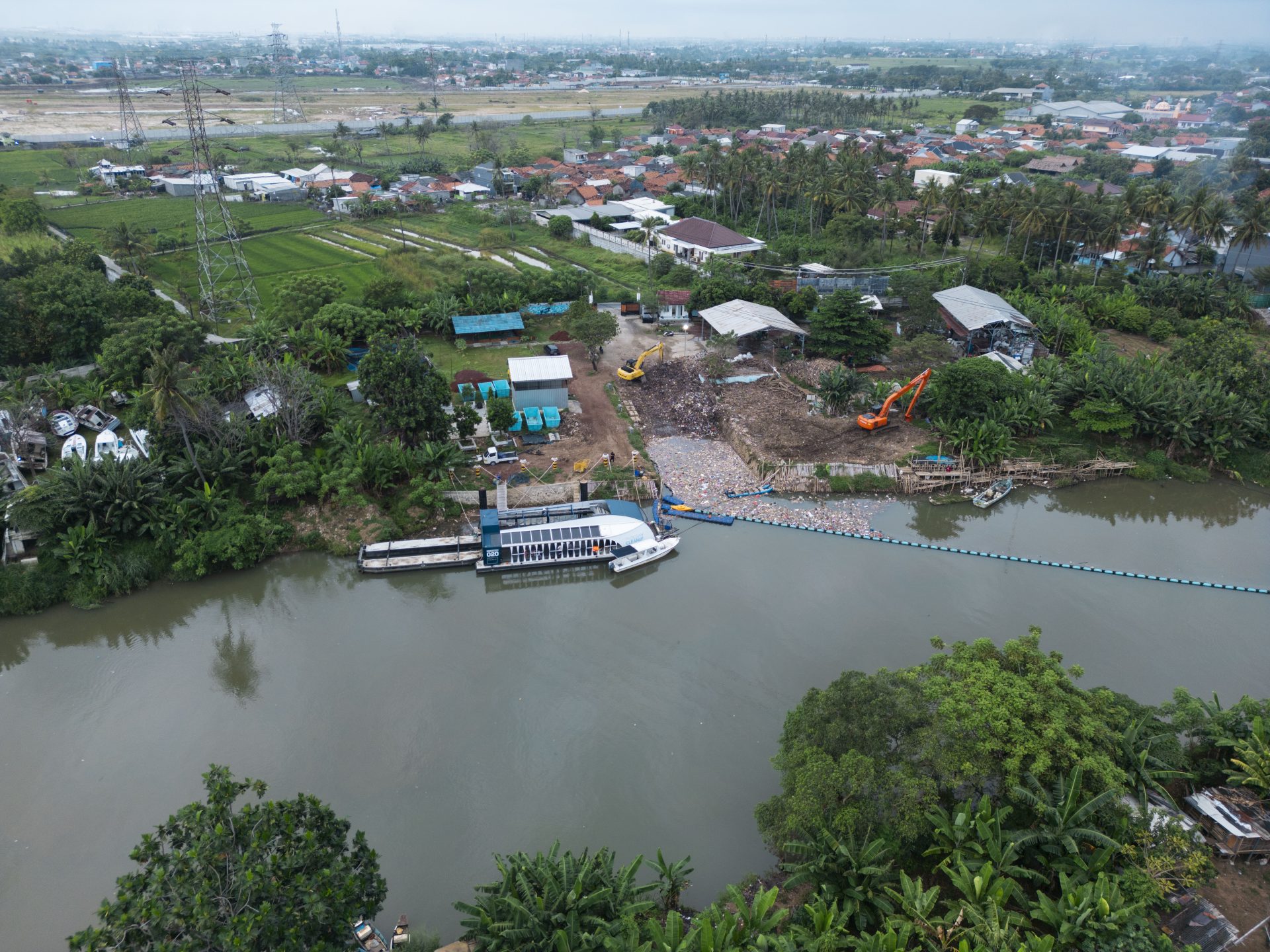
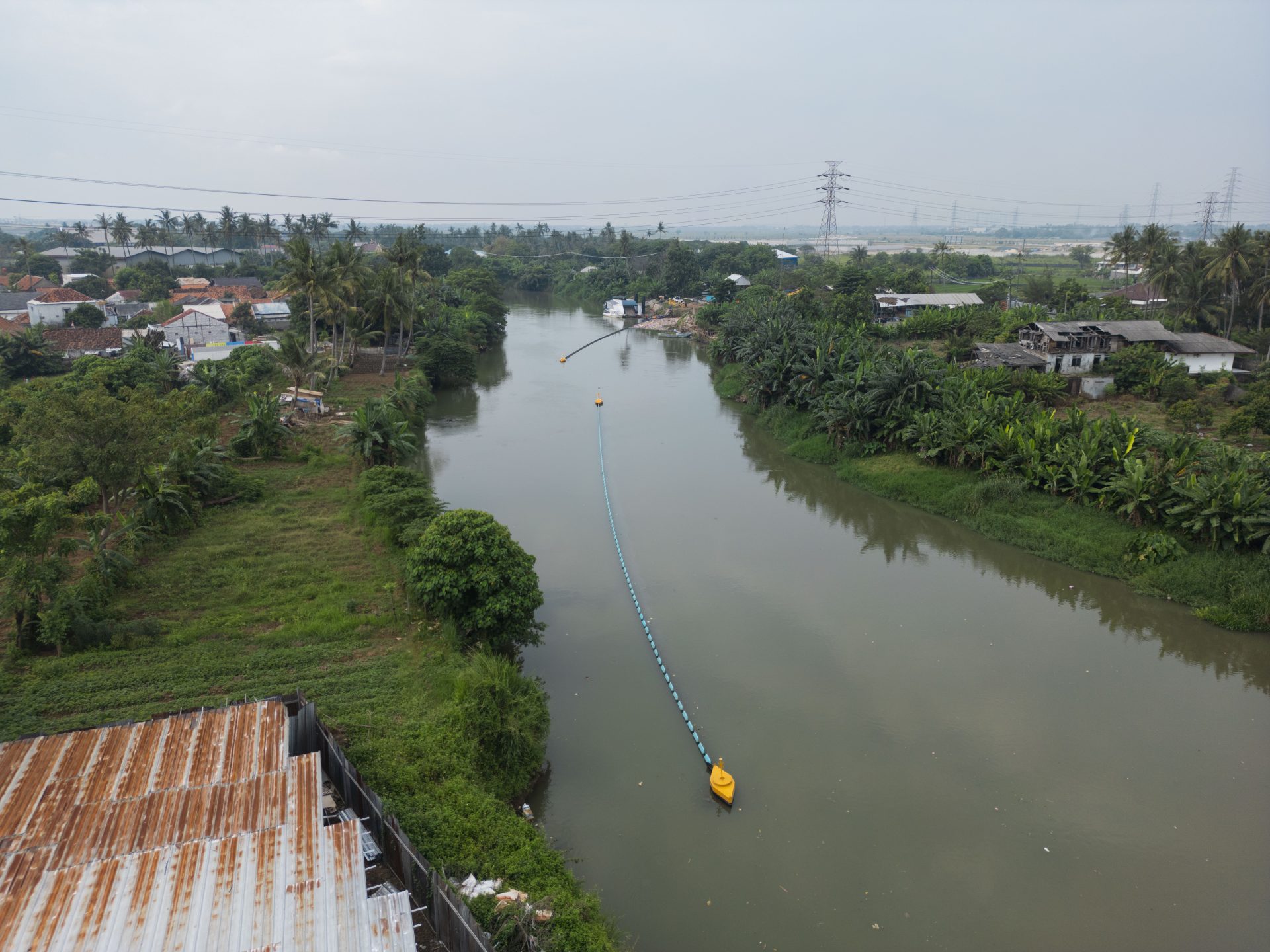
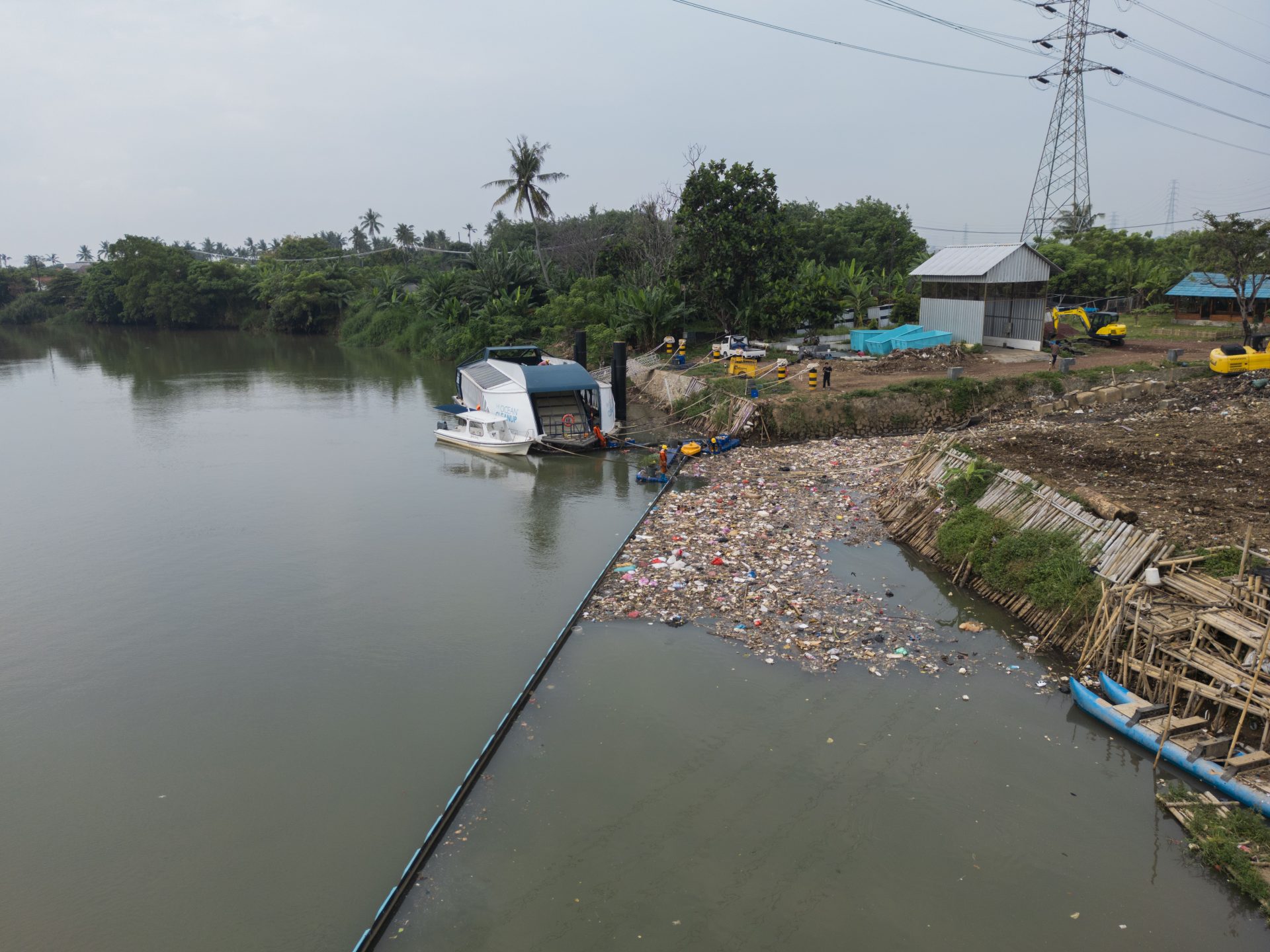
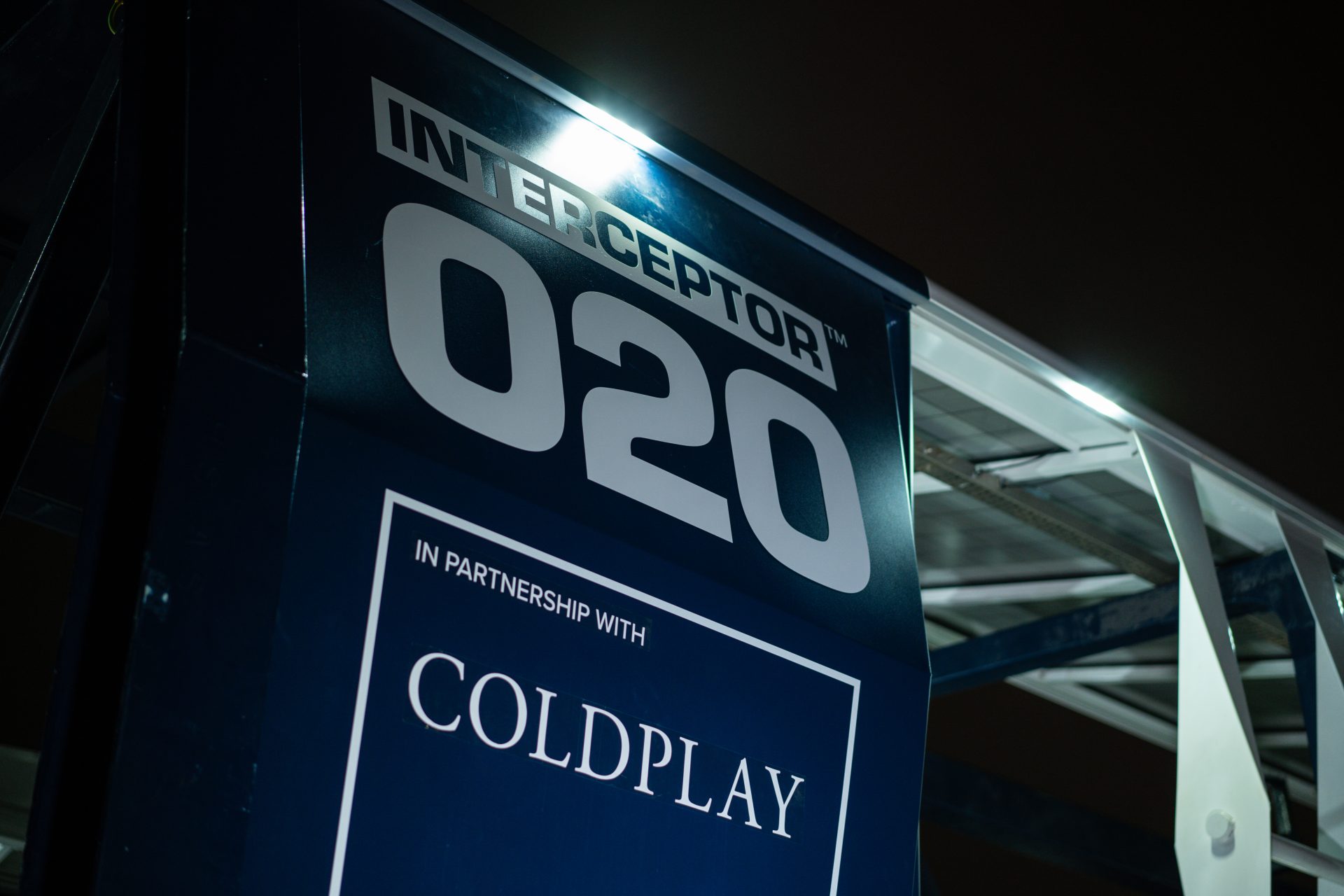
Interceptor 020 – Cisadane River
Images (6)
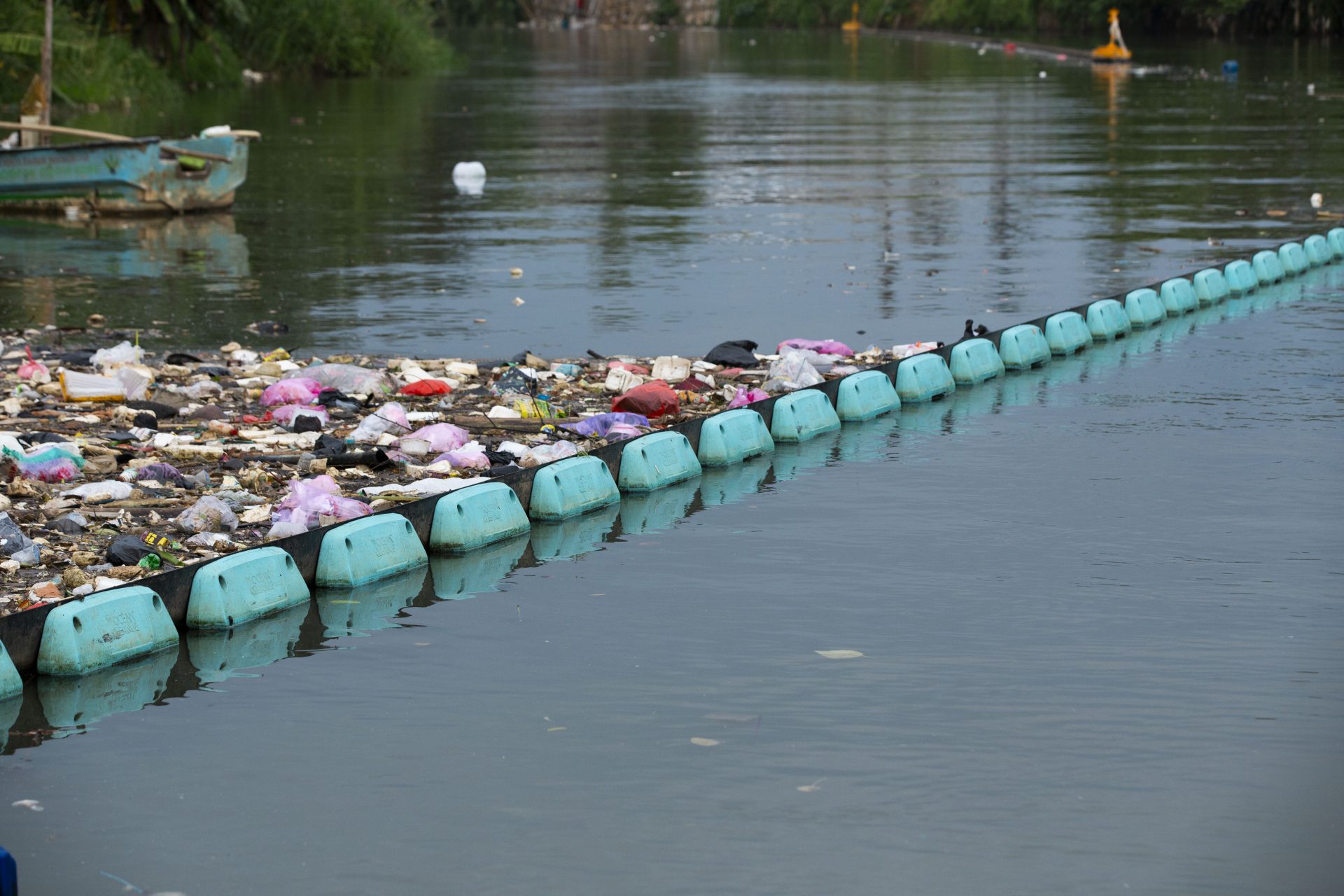
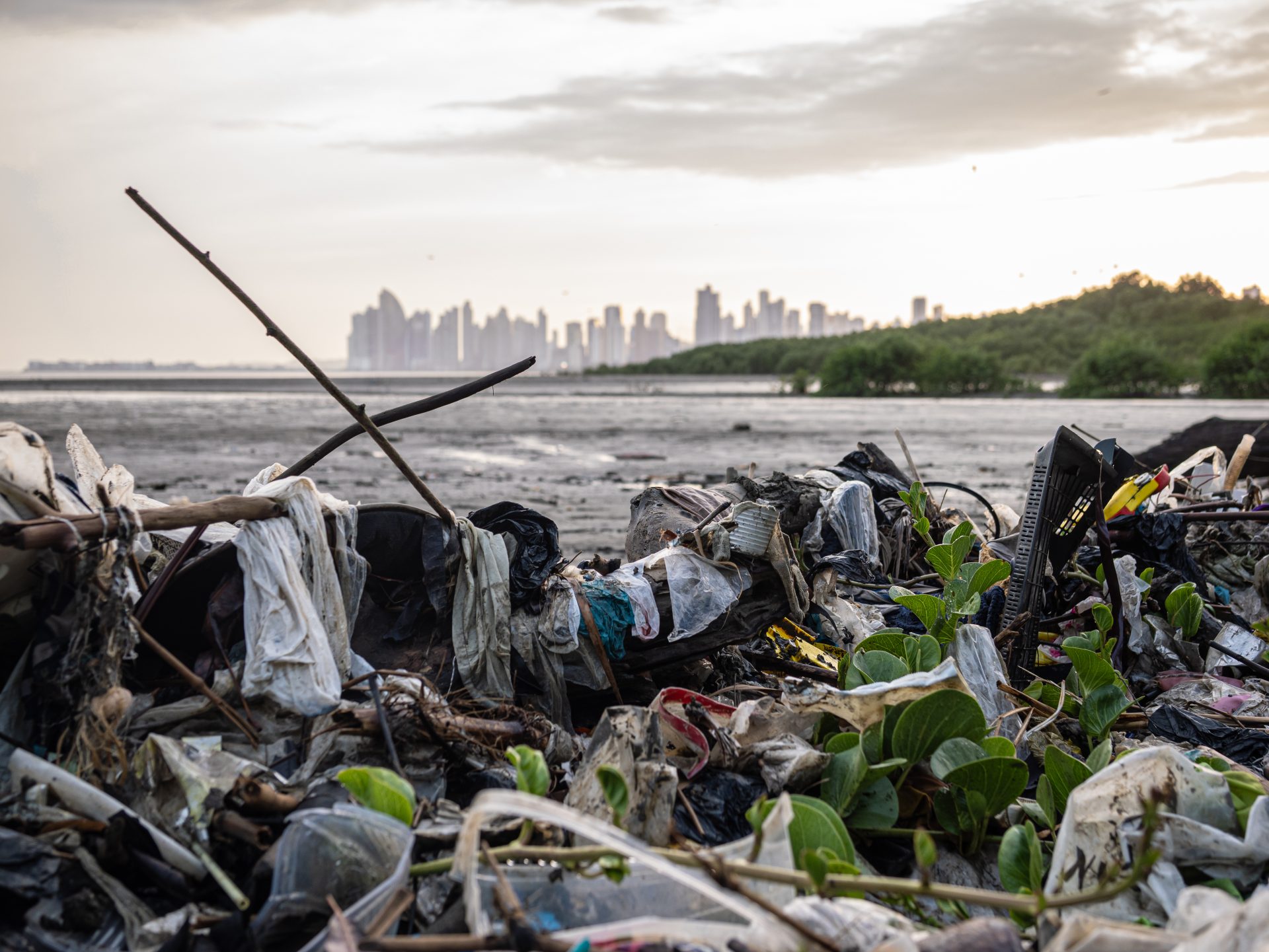
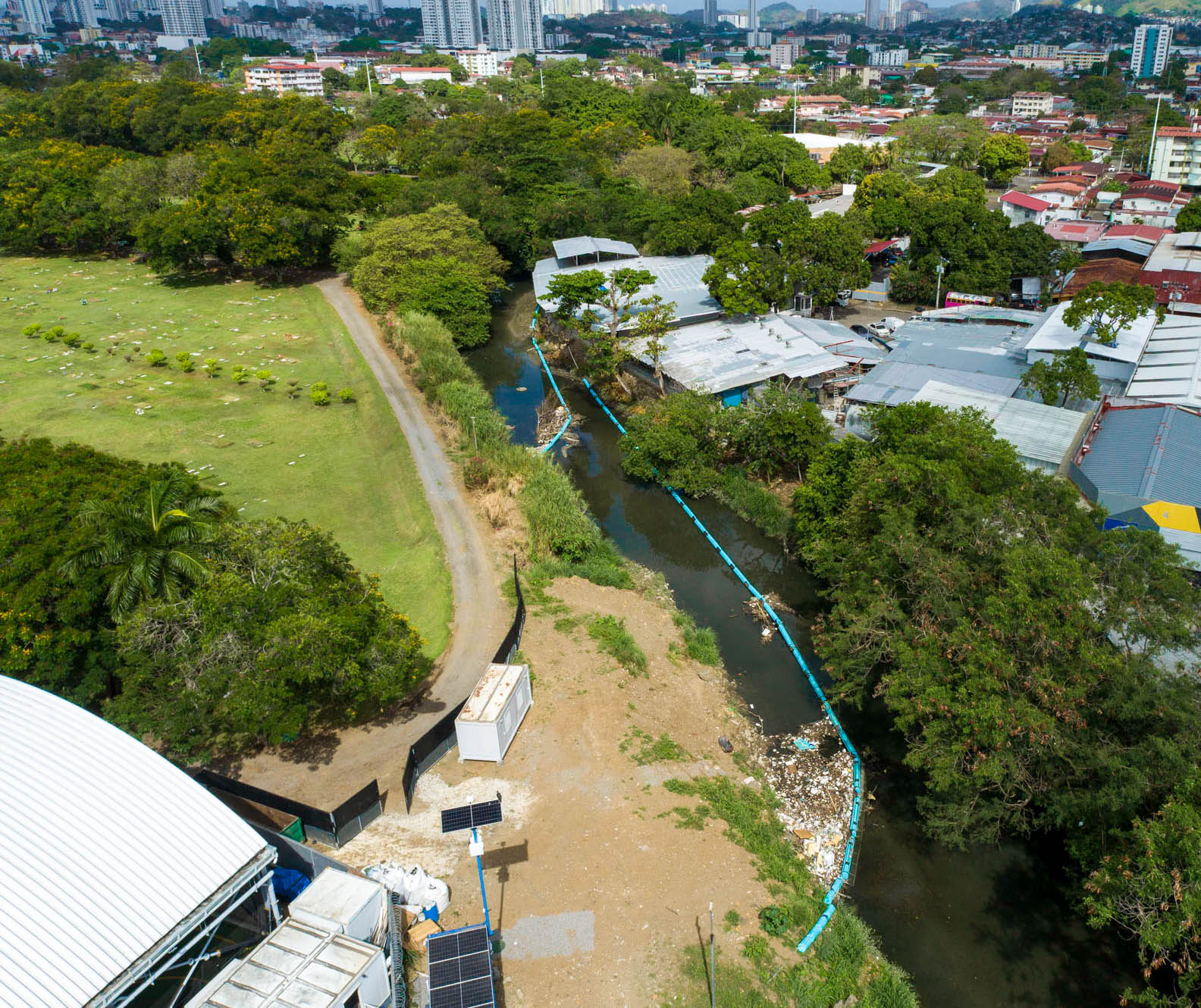
The Ocean Cleanup & Marea Verde, Panama Bay
Images (10)
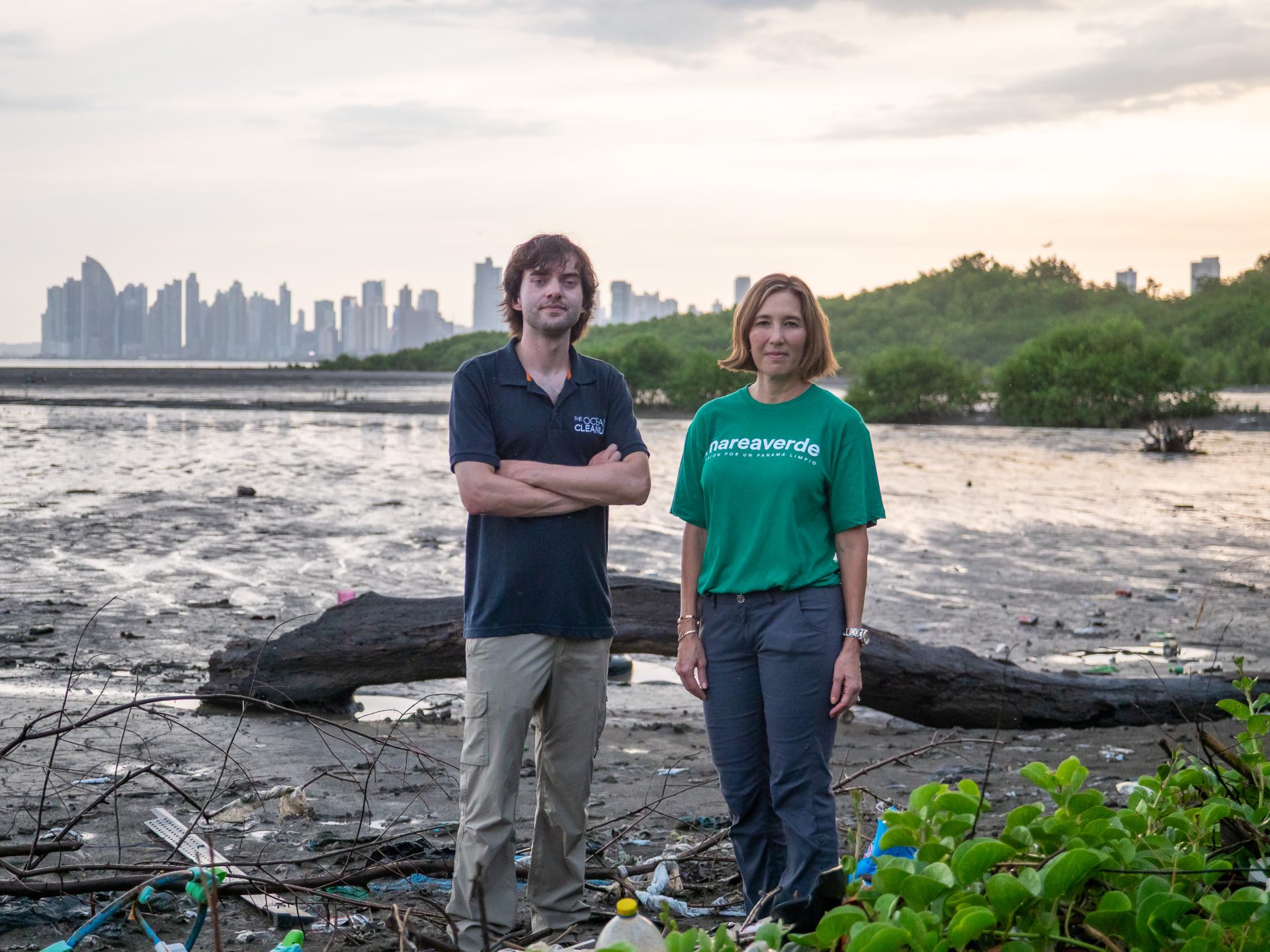
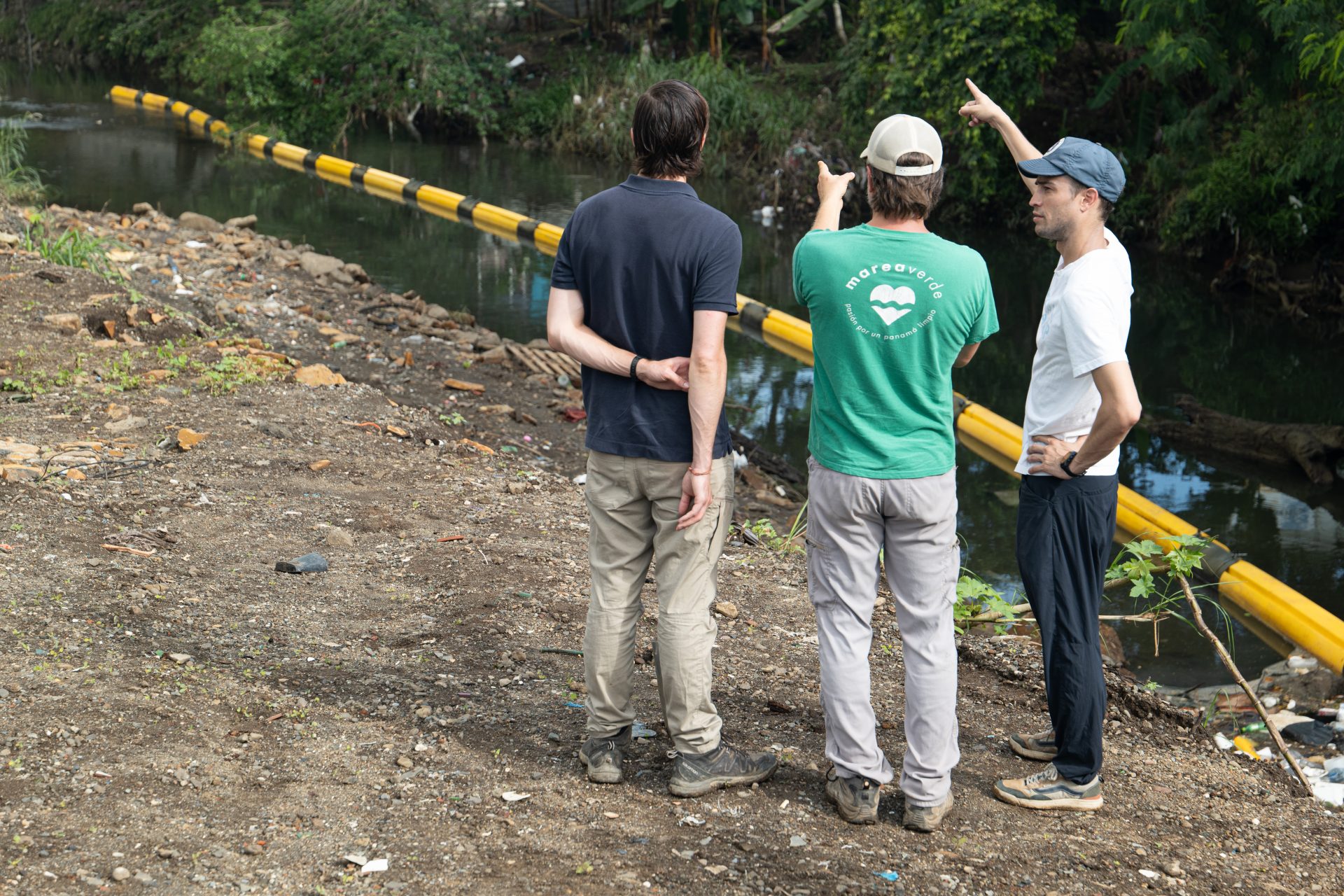
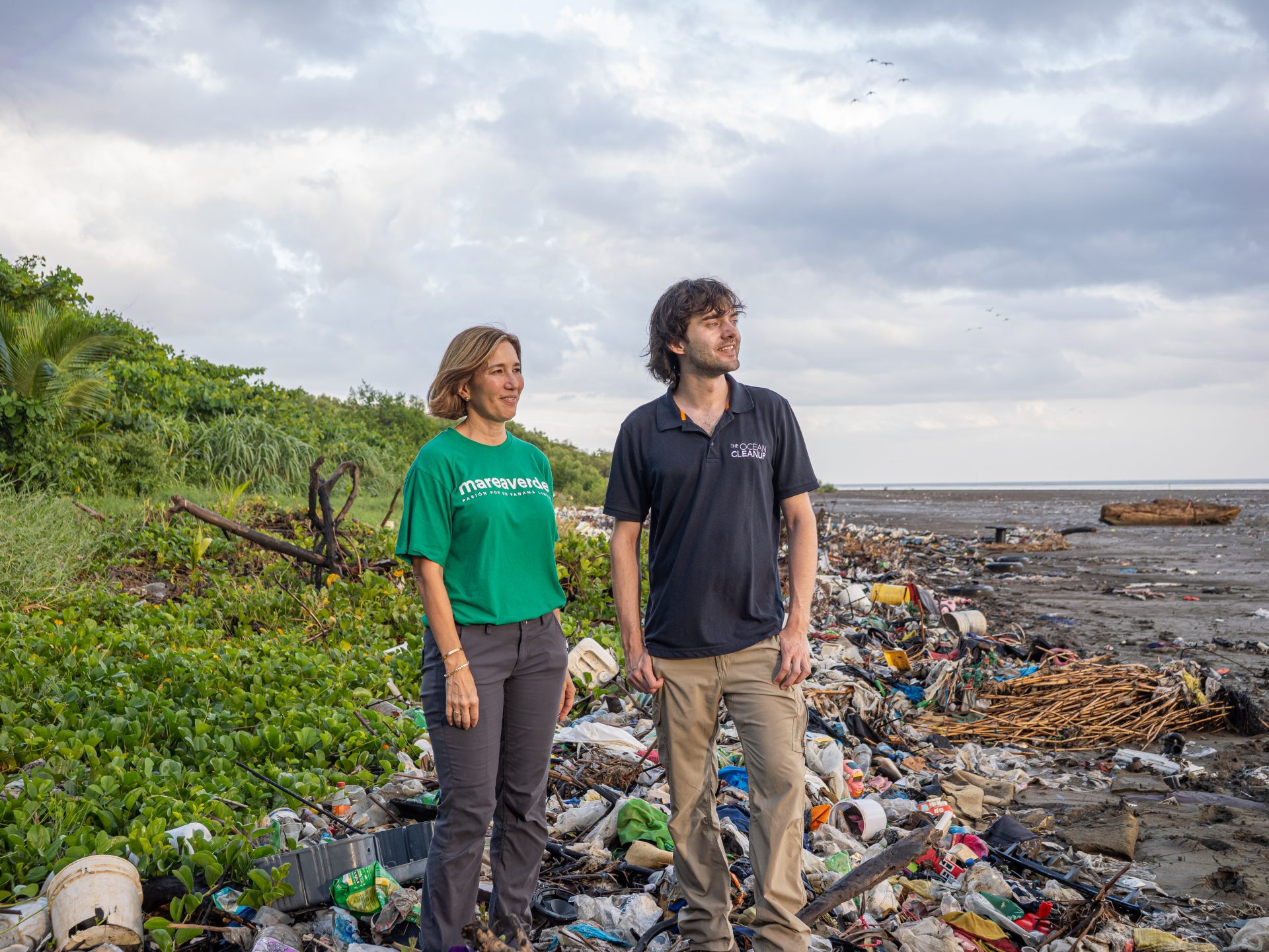
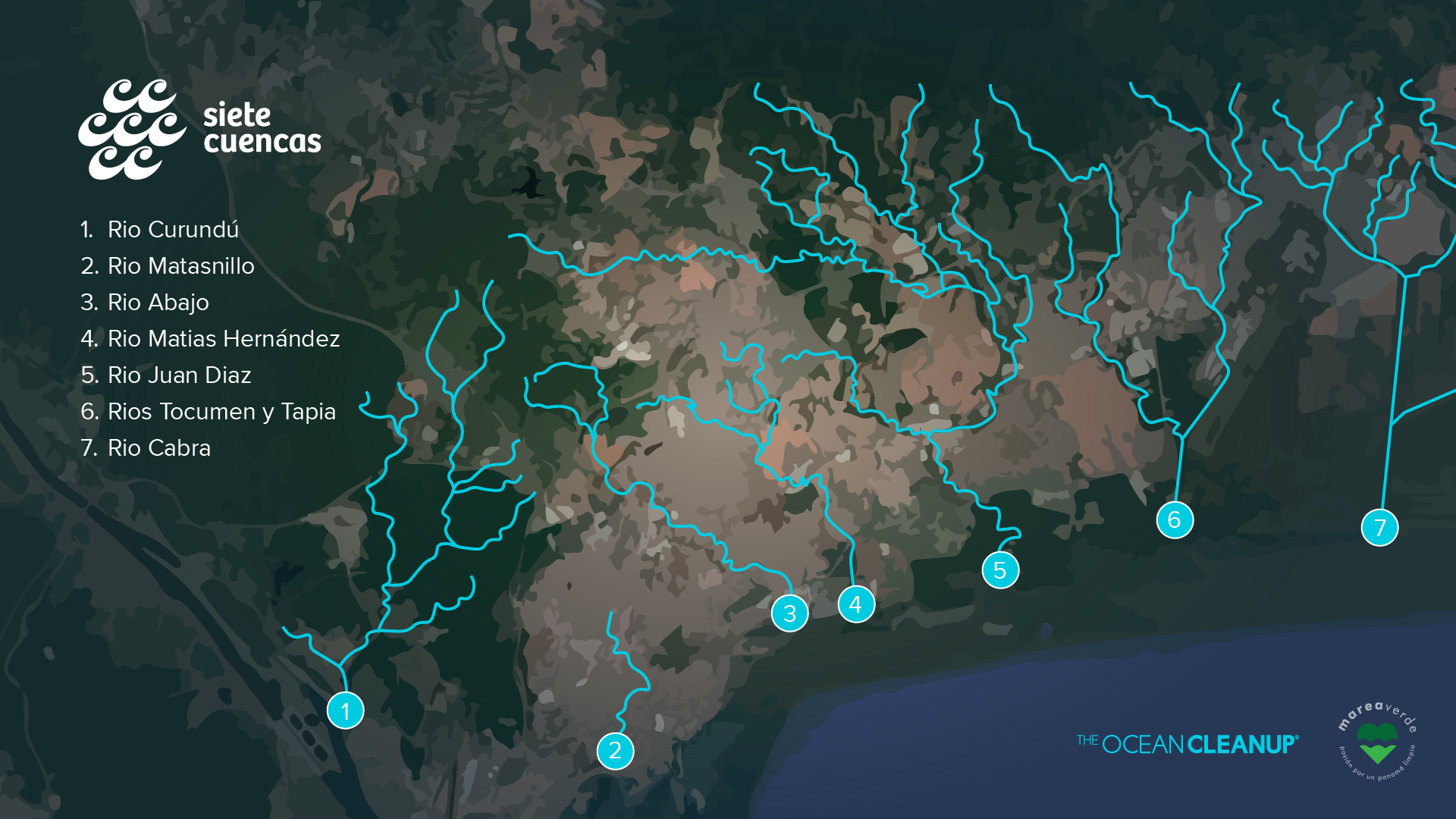
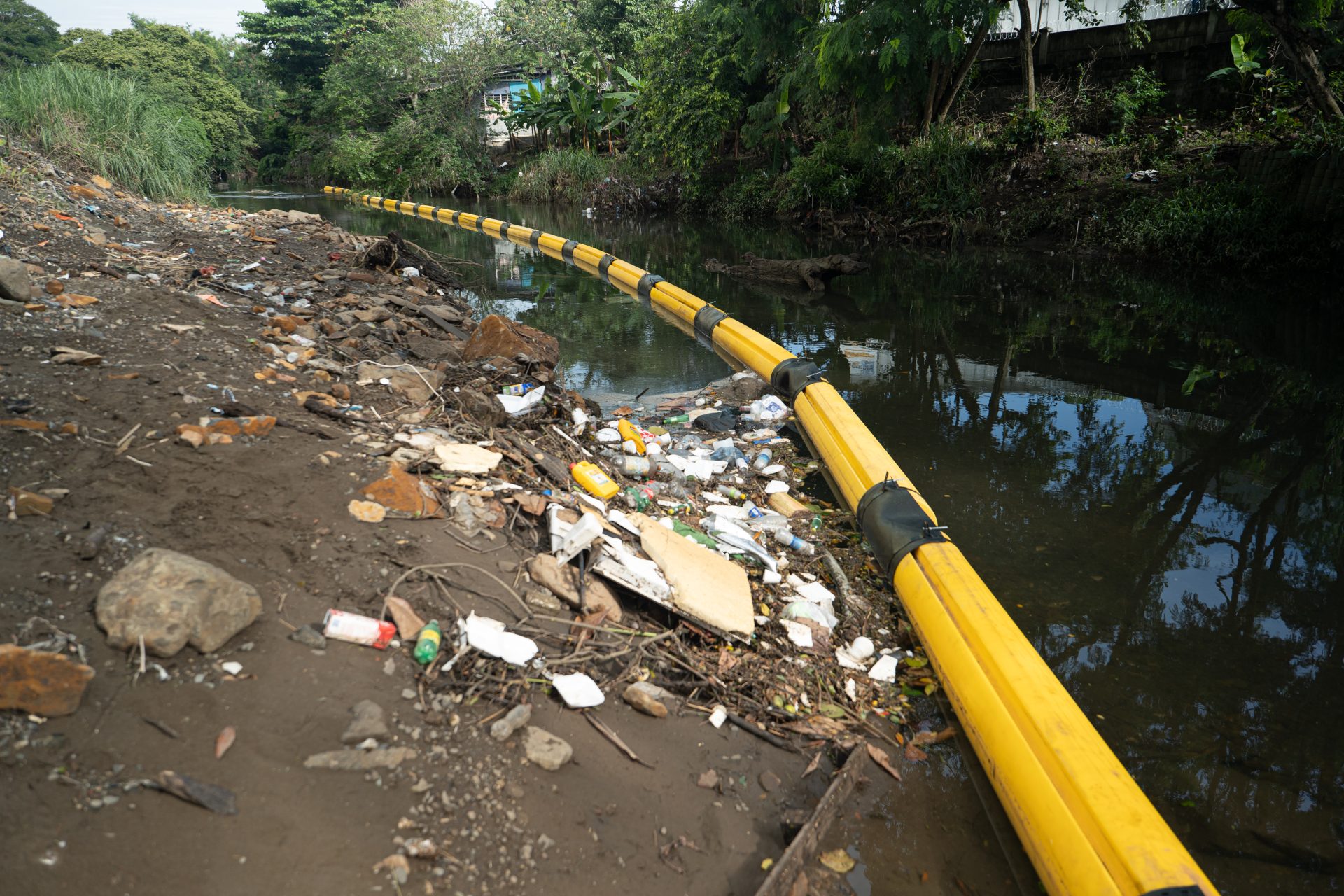
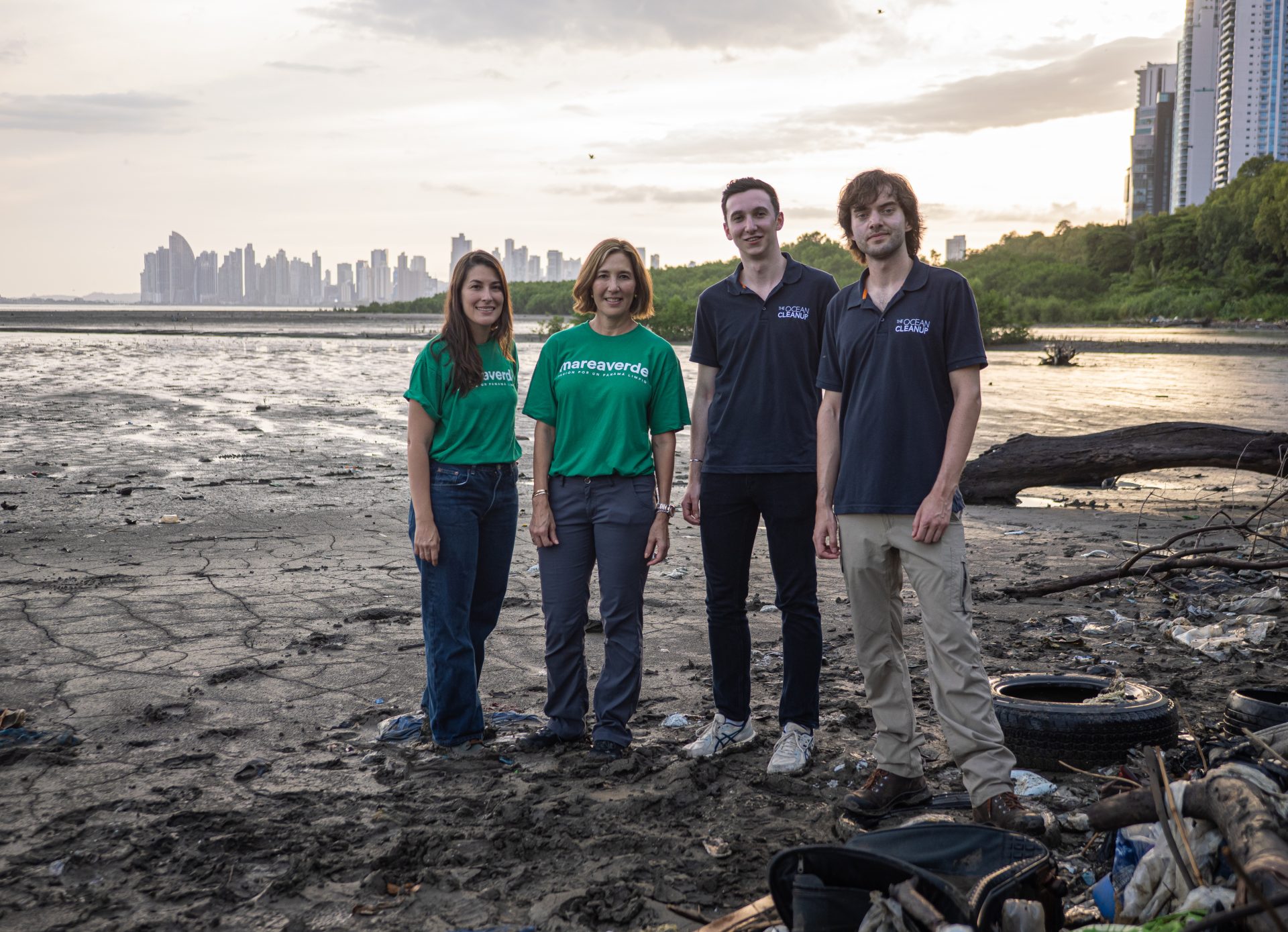
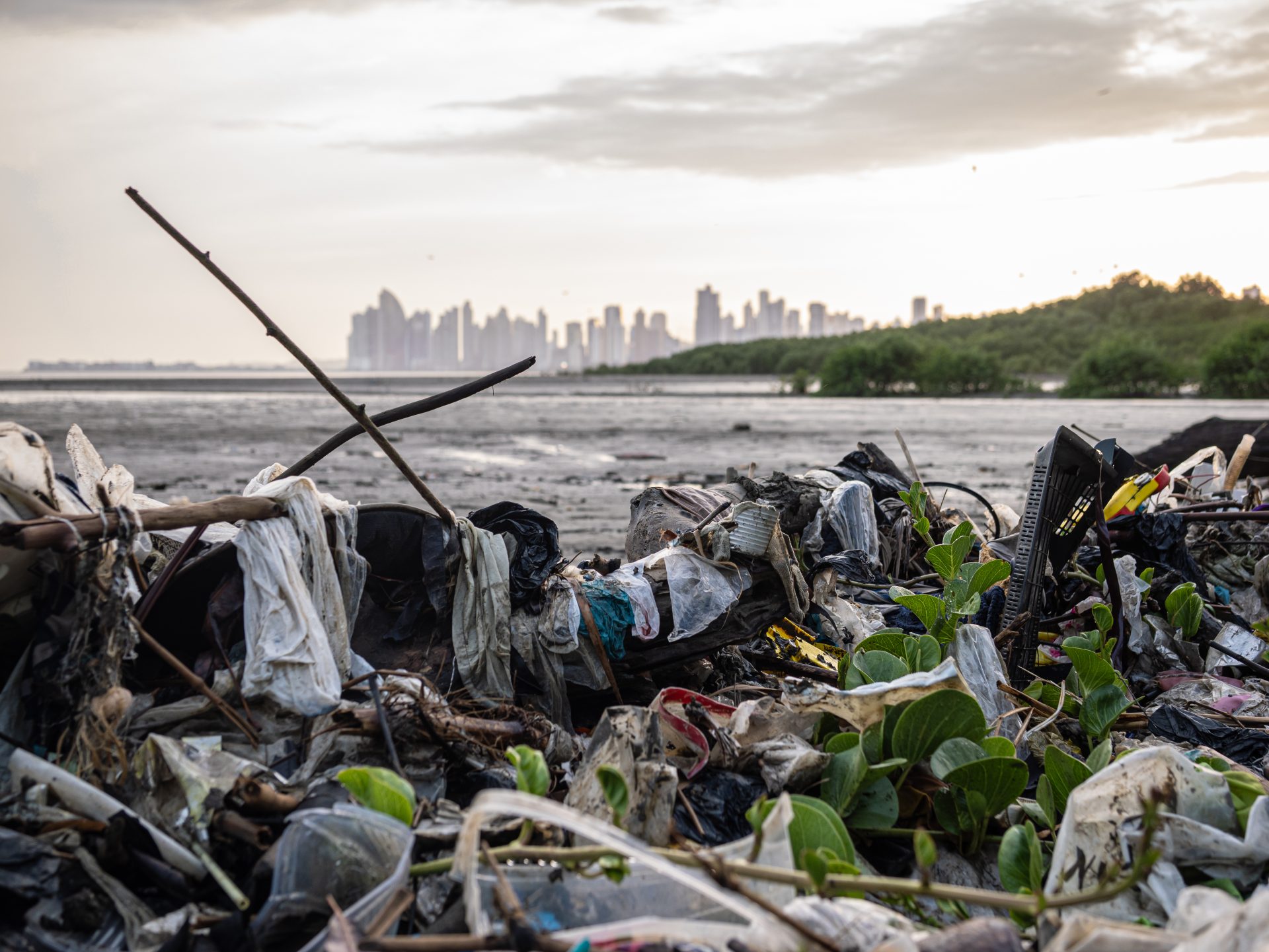
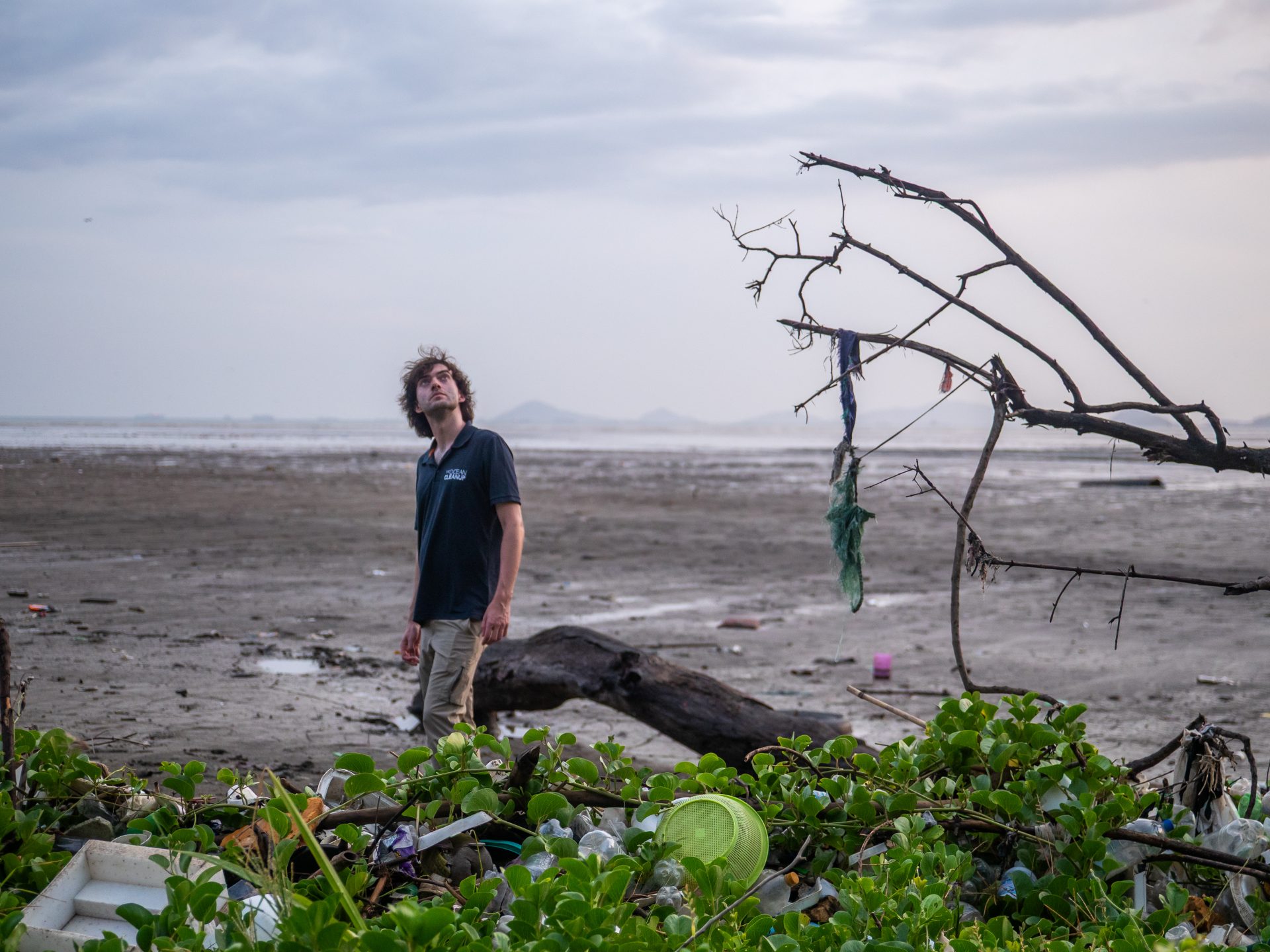
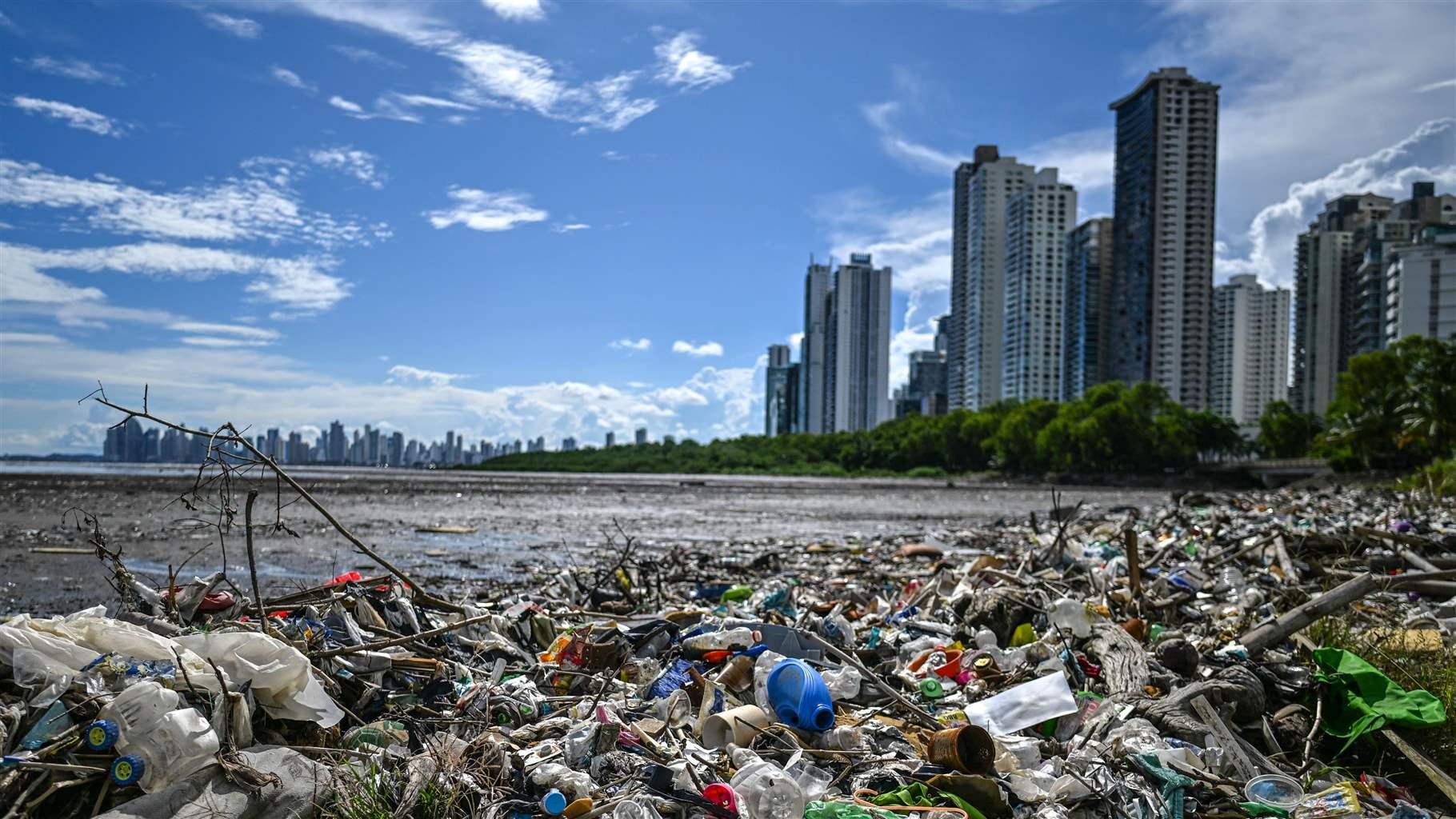
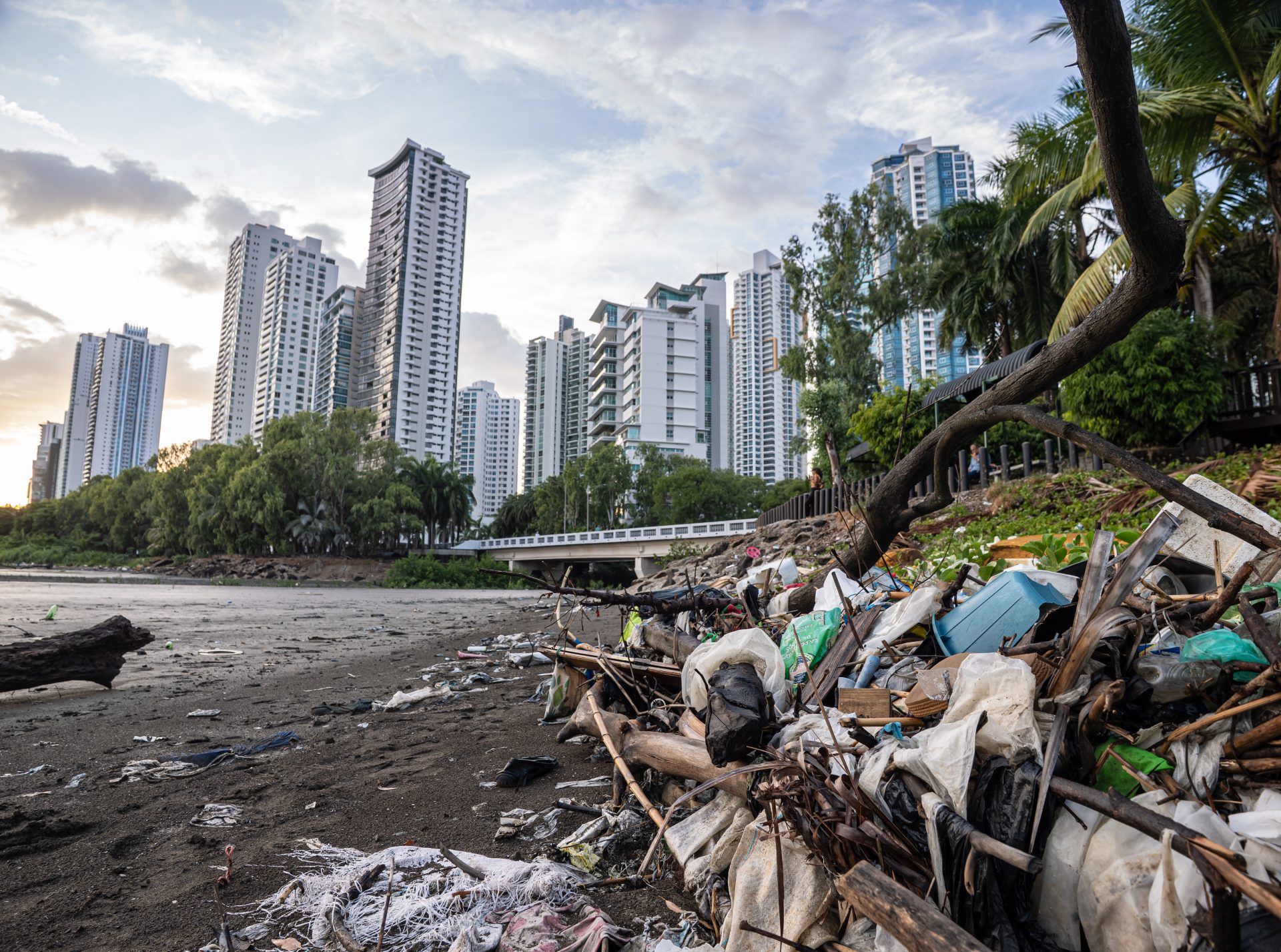
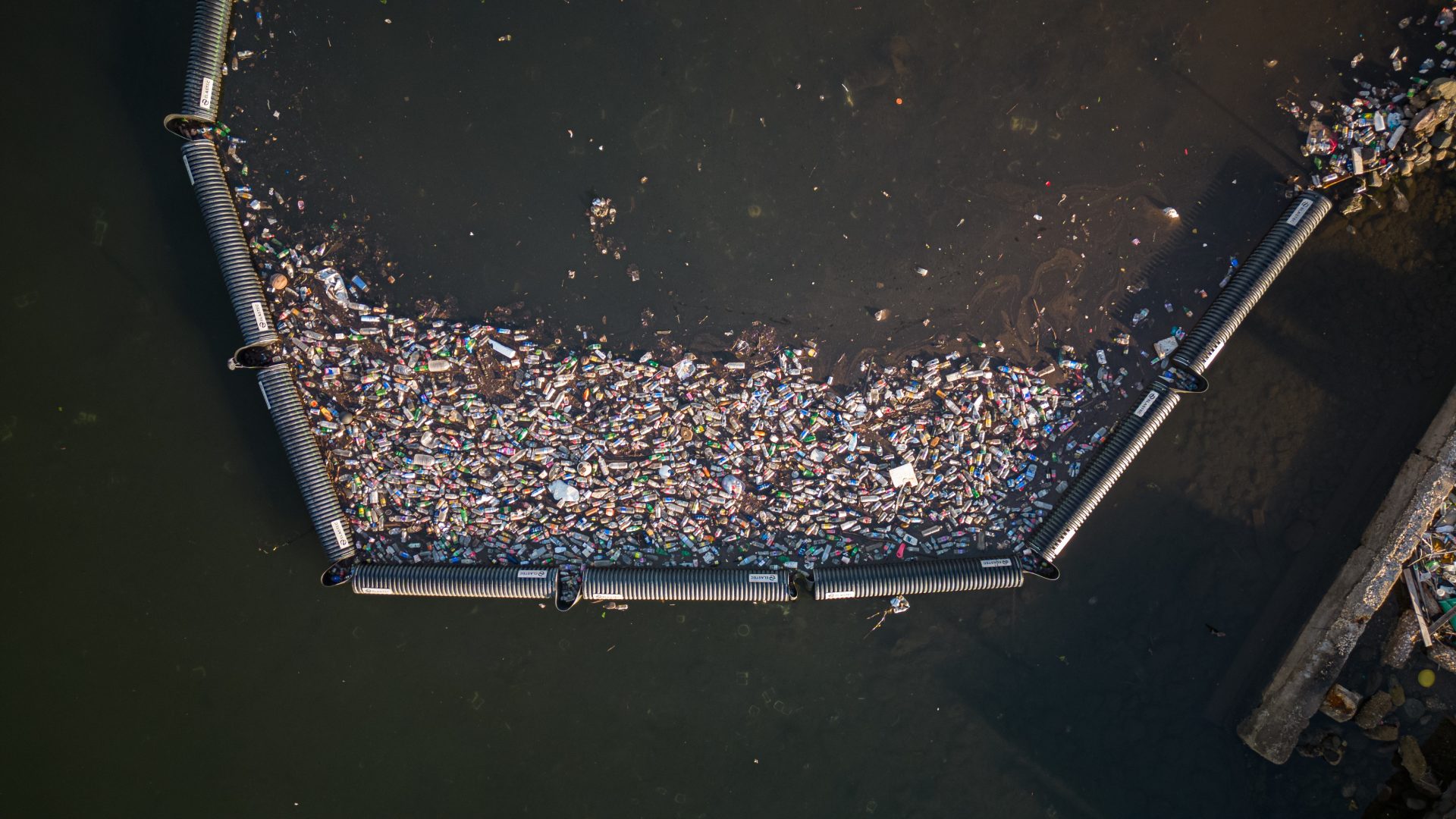
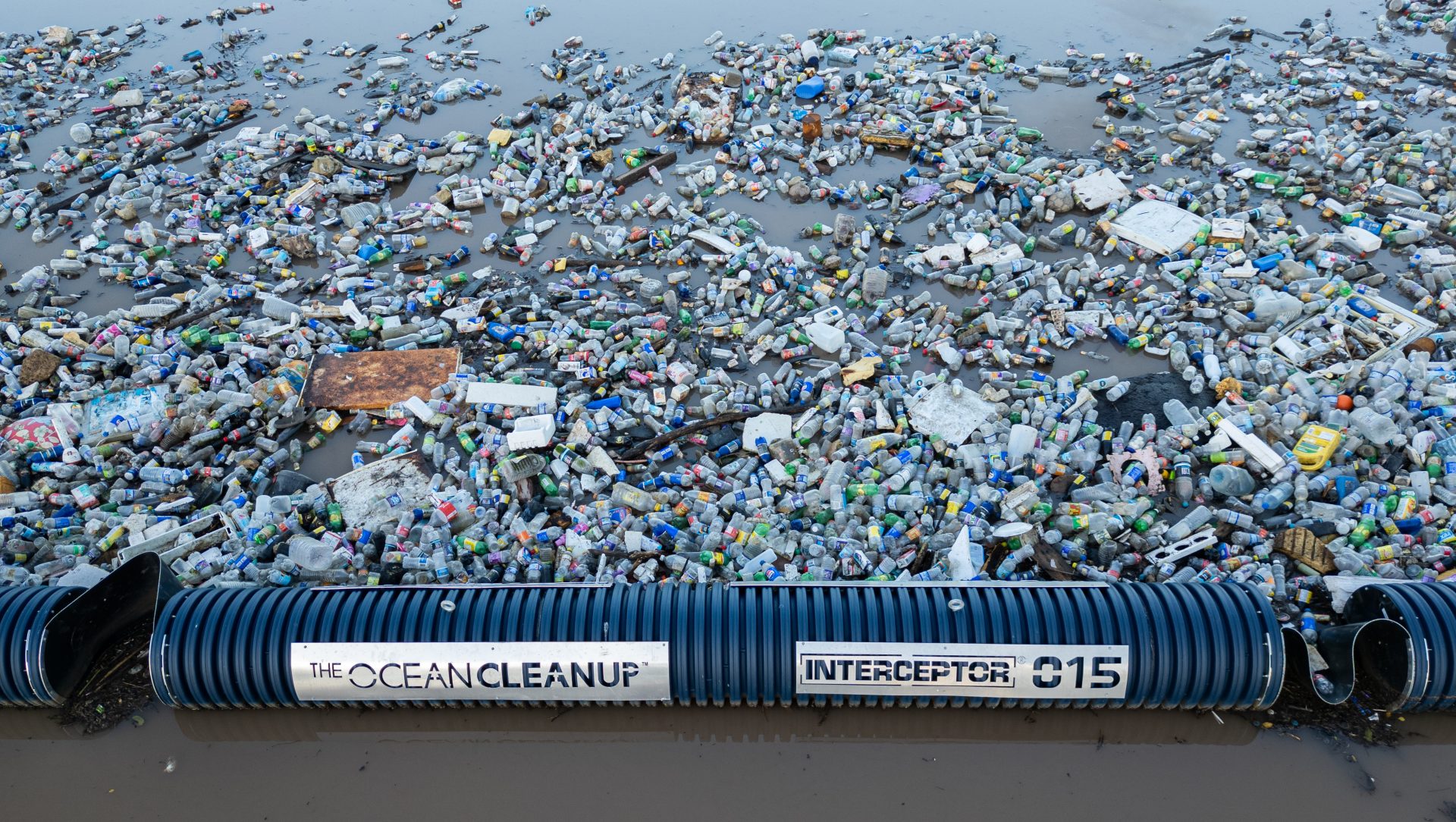
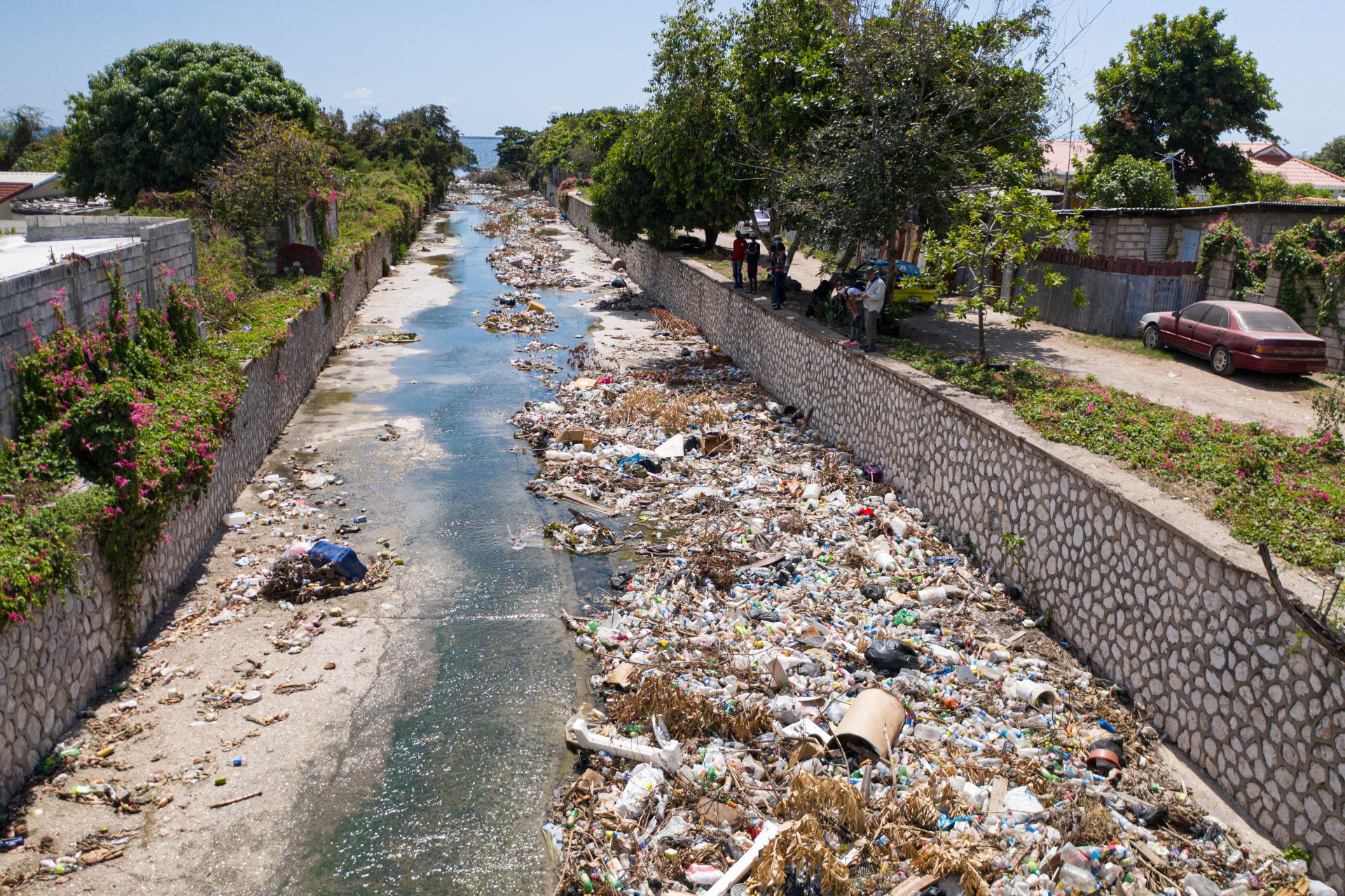
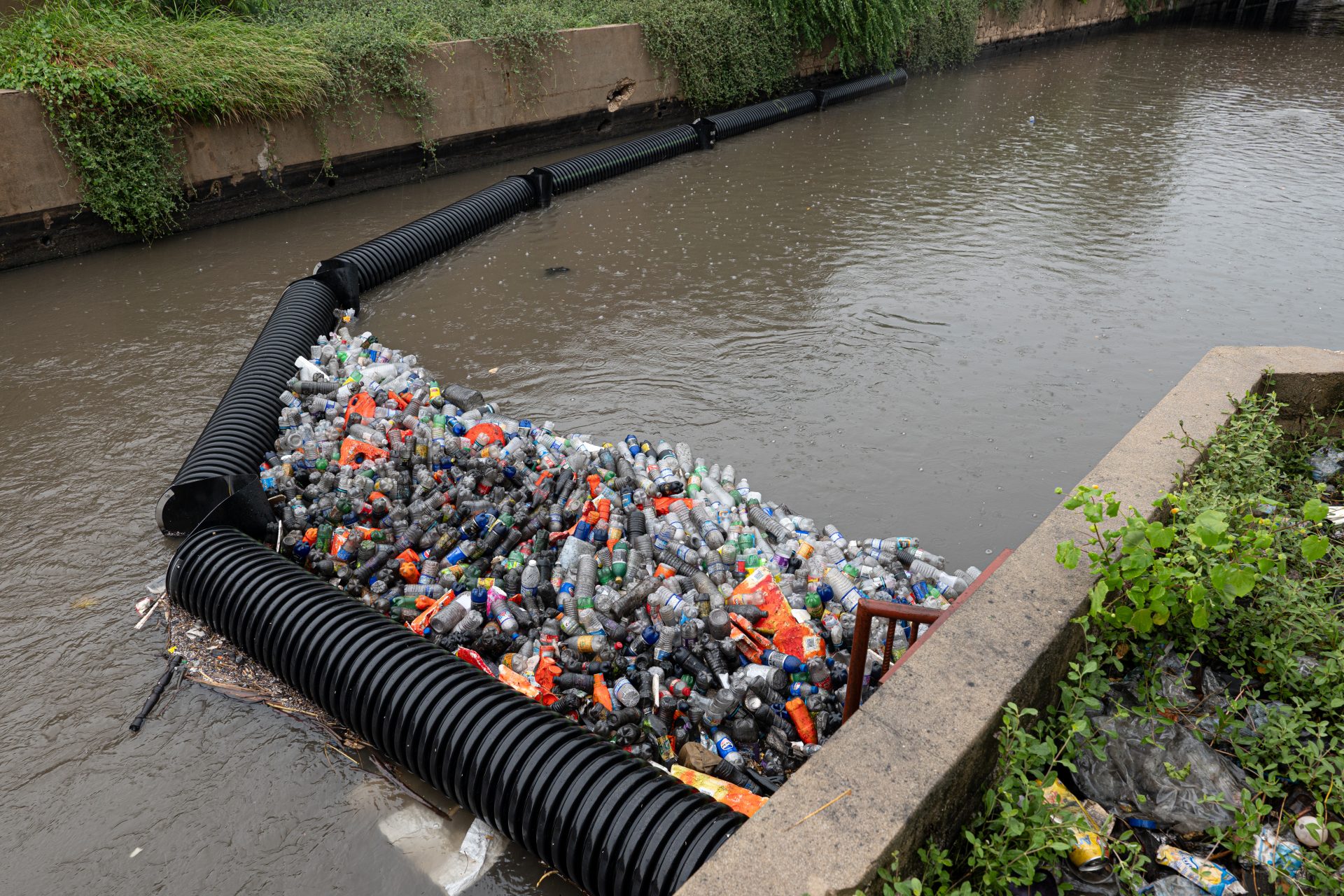
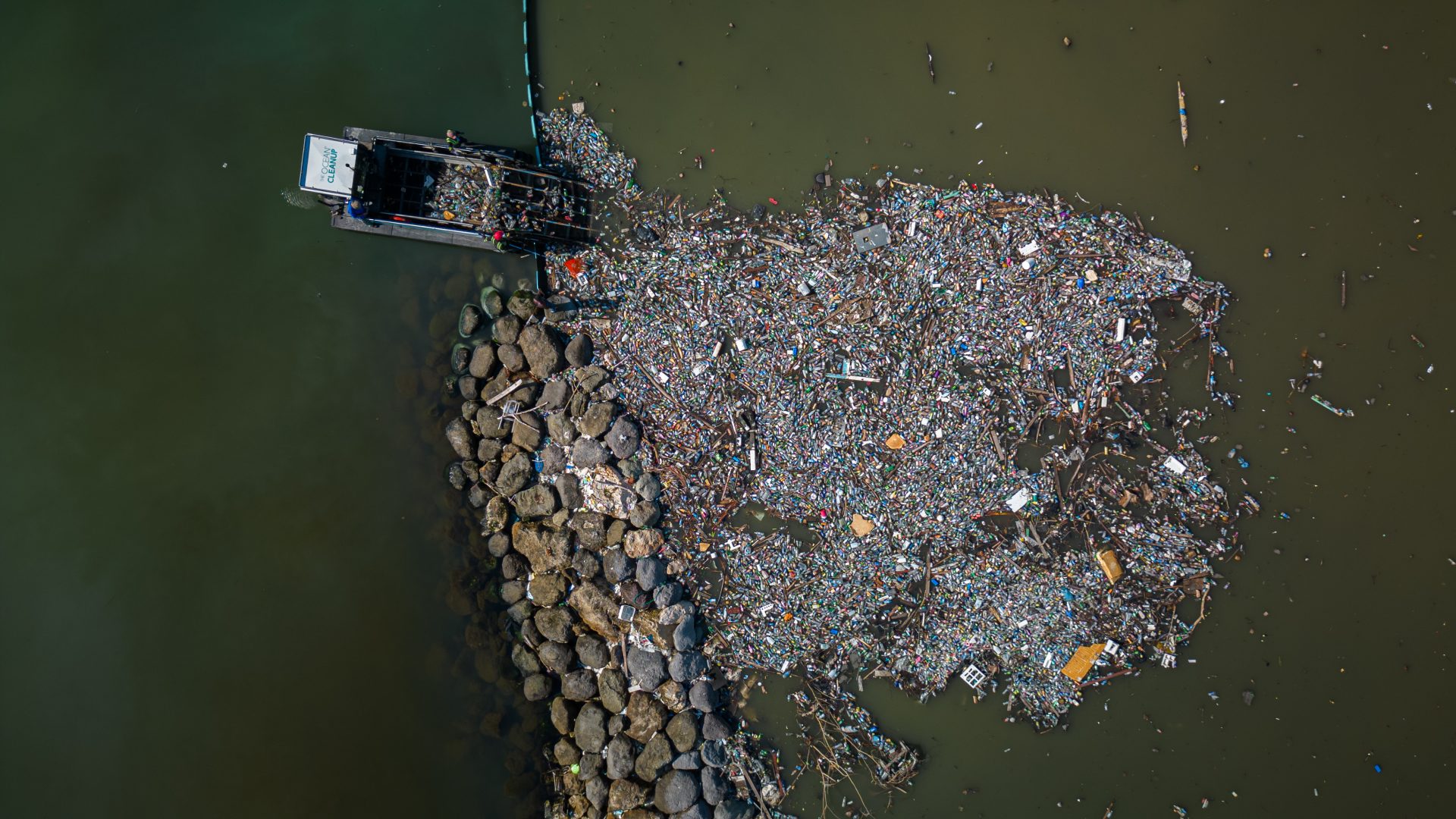
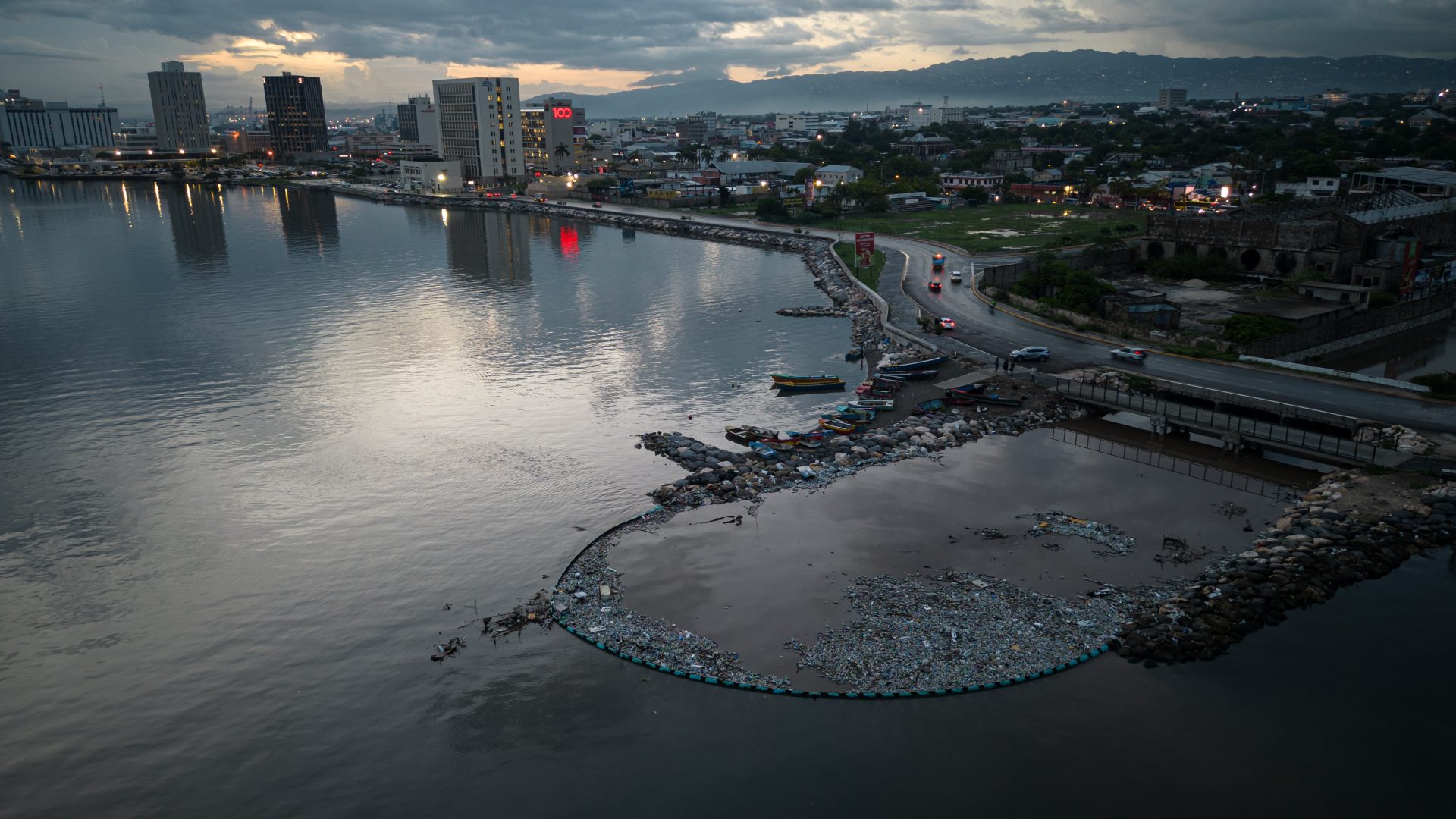
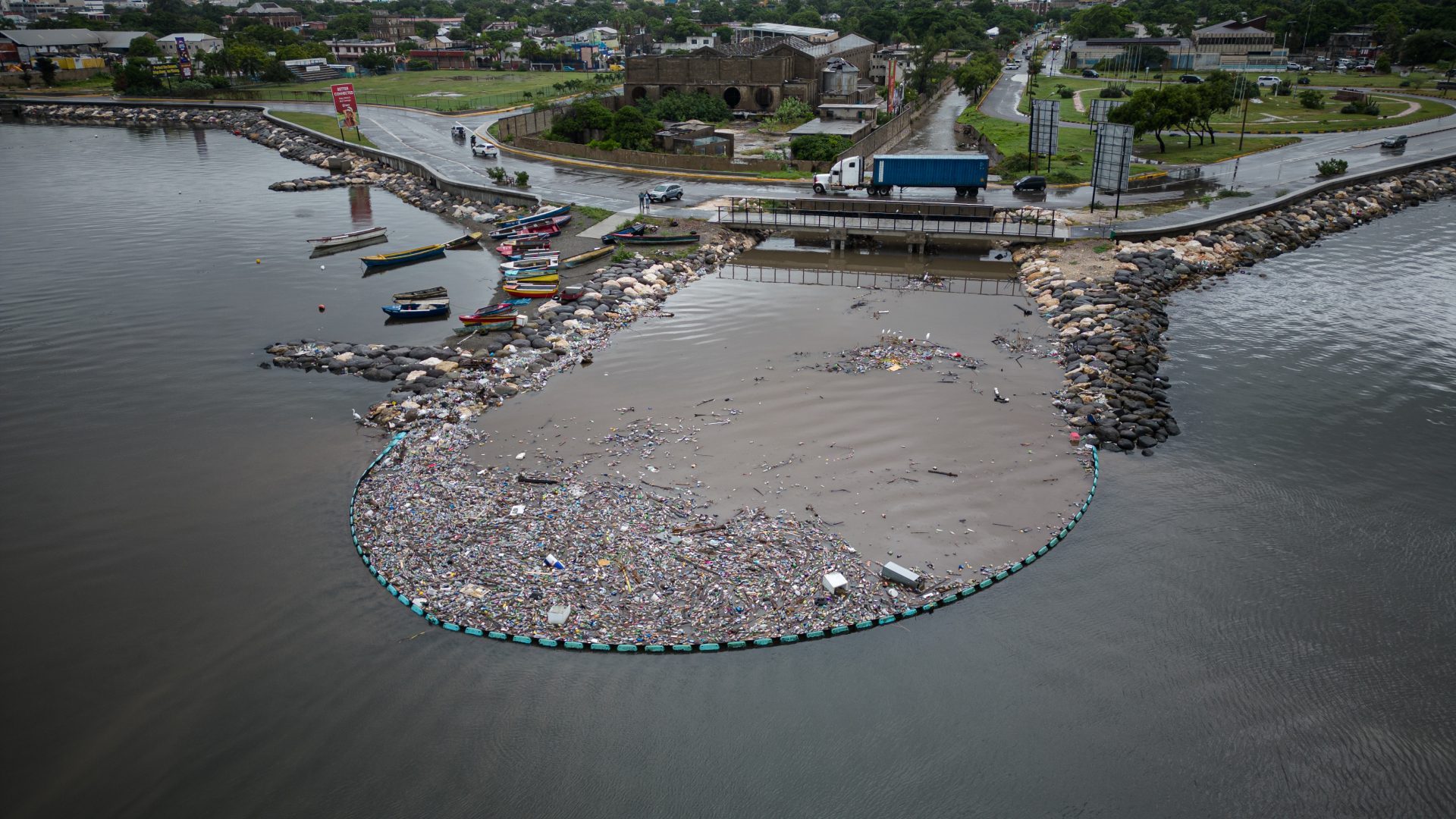
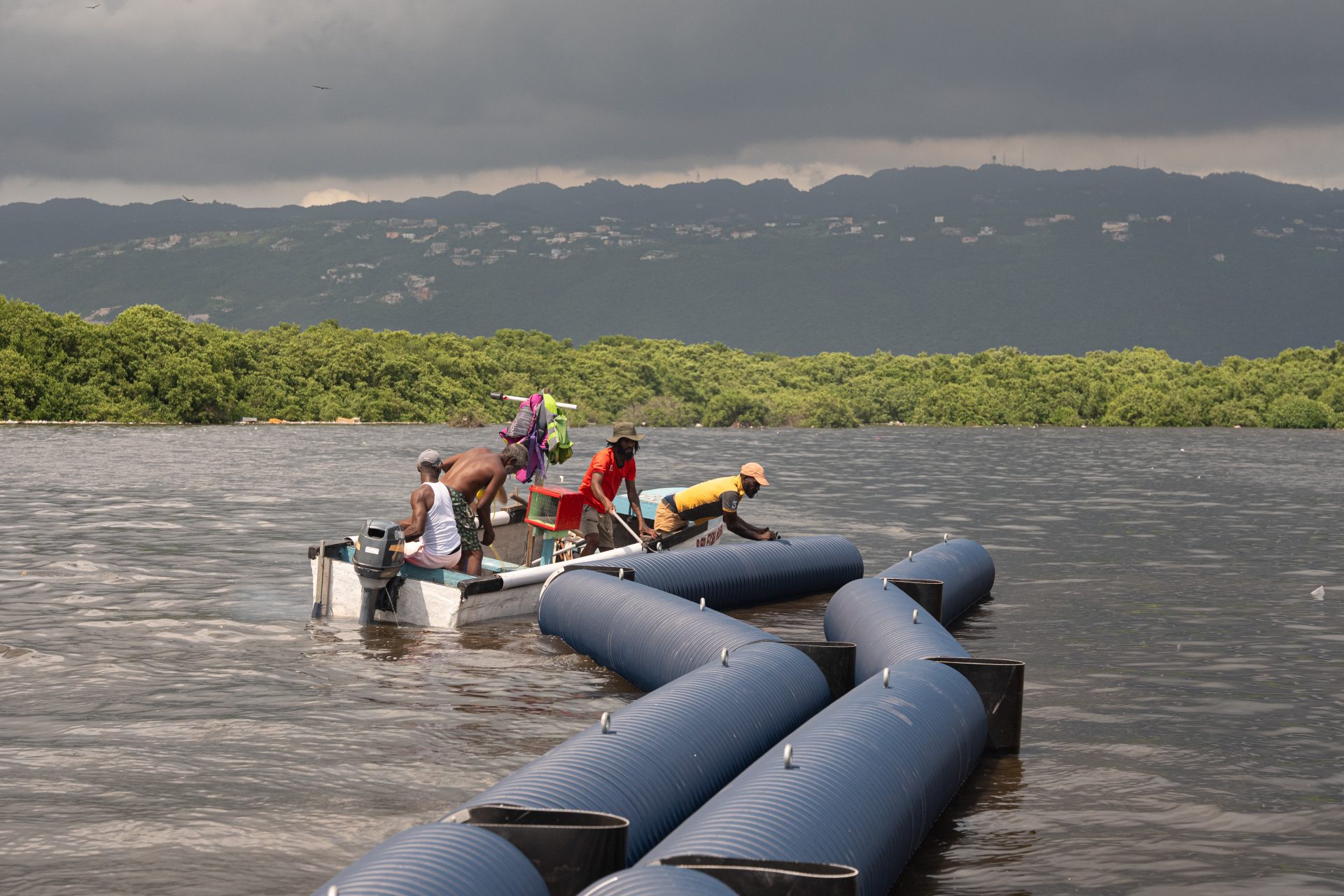
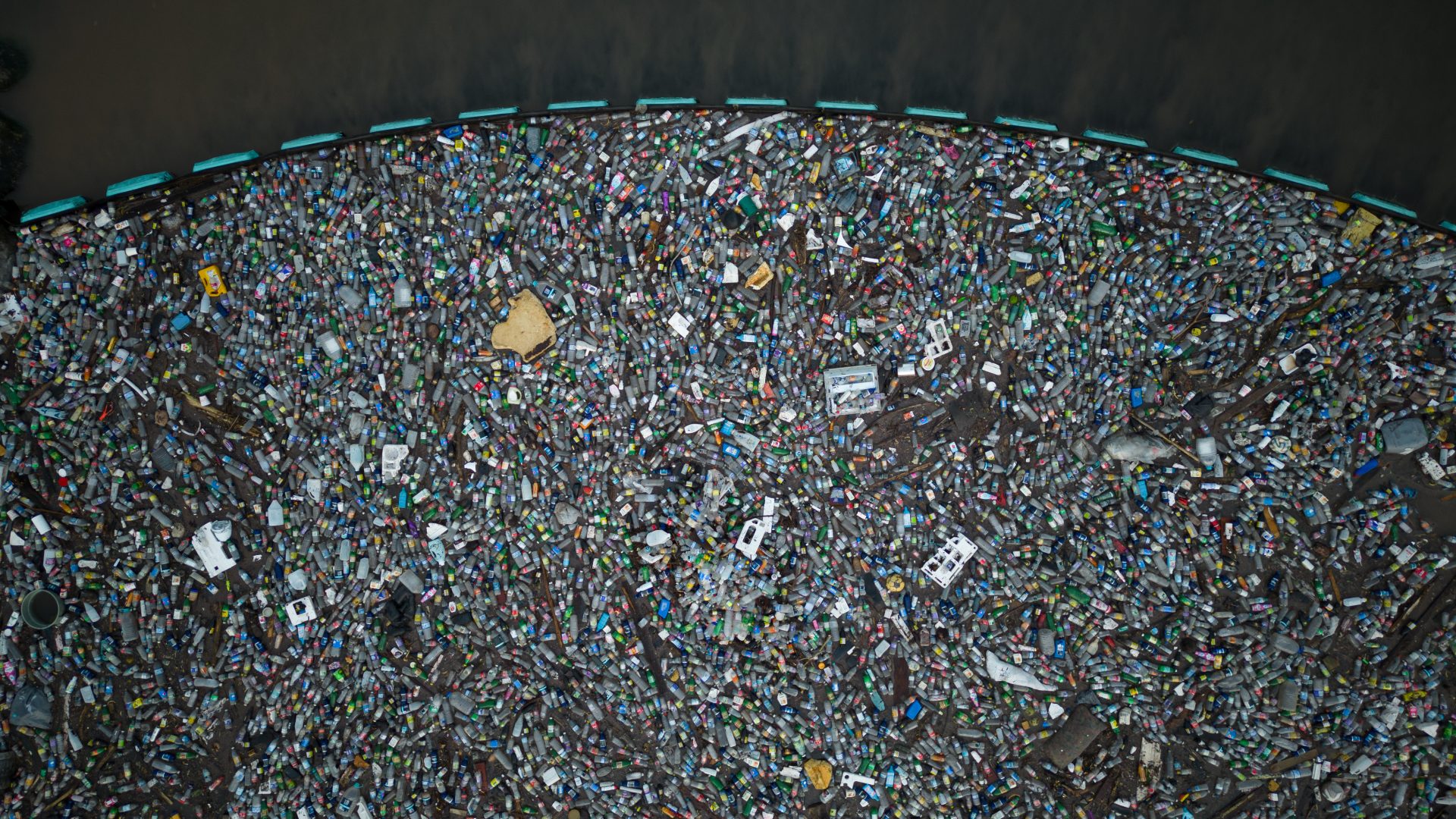
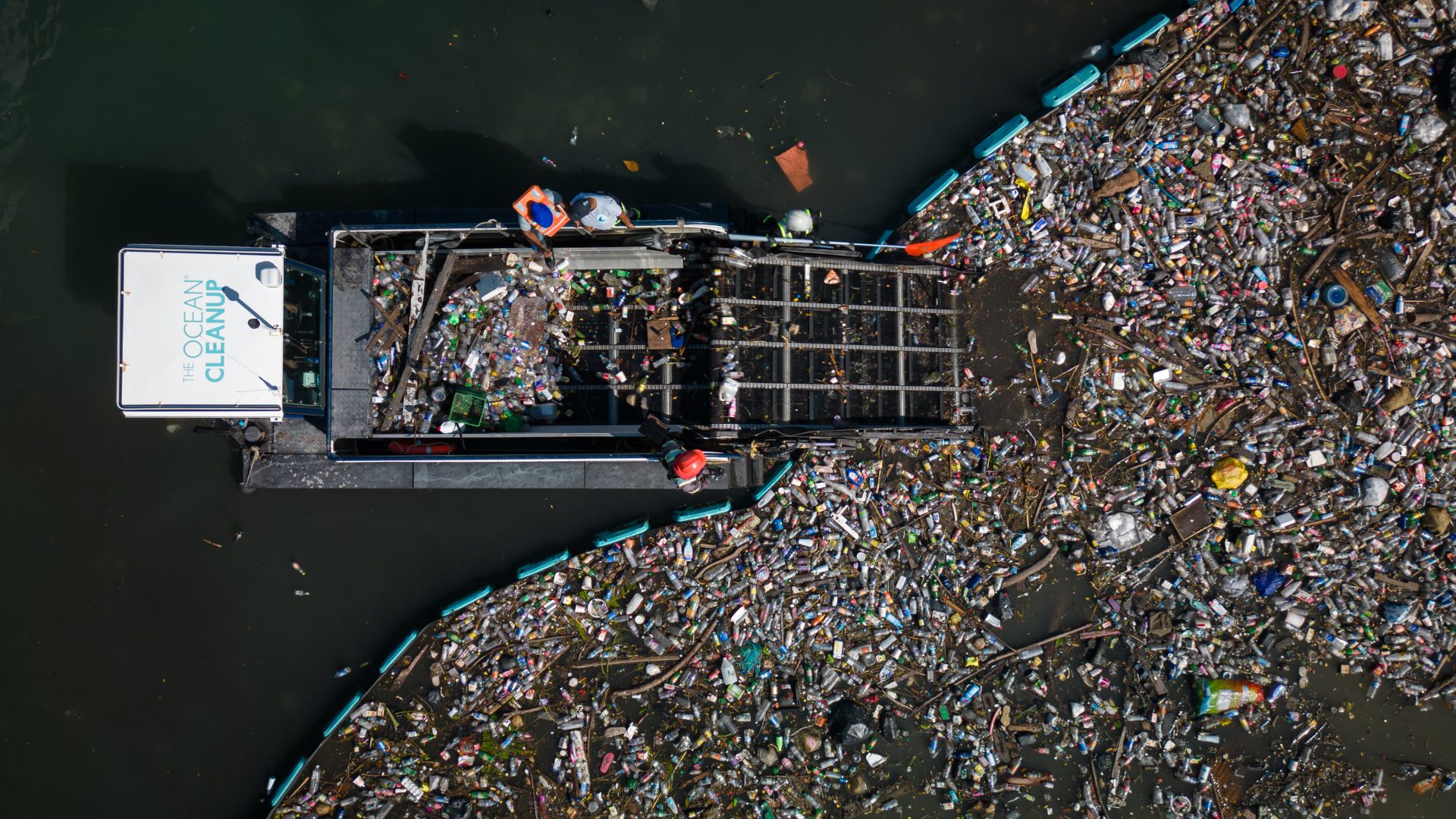
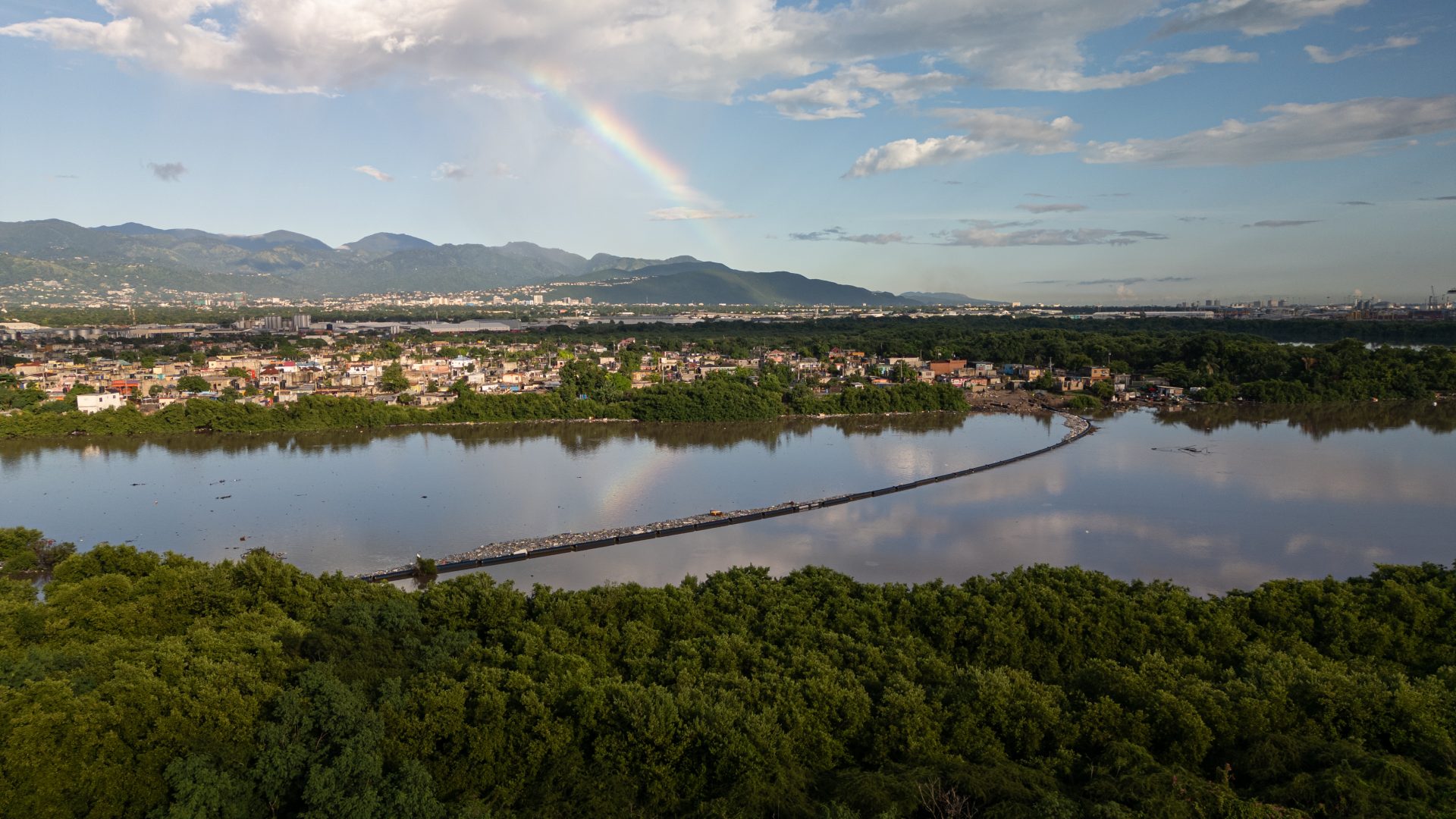
Jamaica, Kingston Harbour
Images (12)
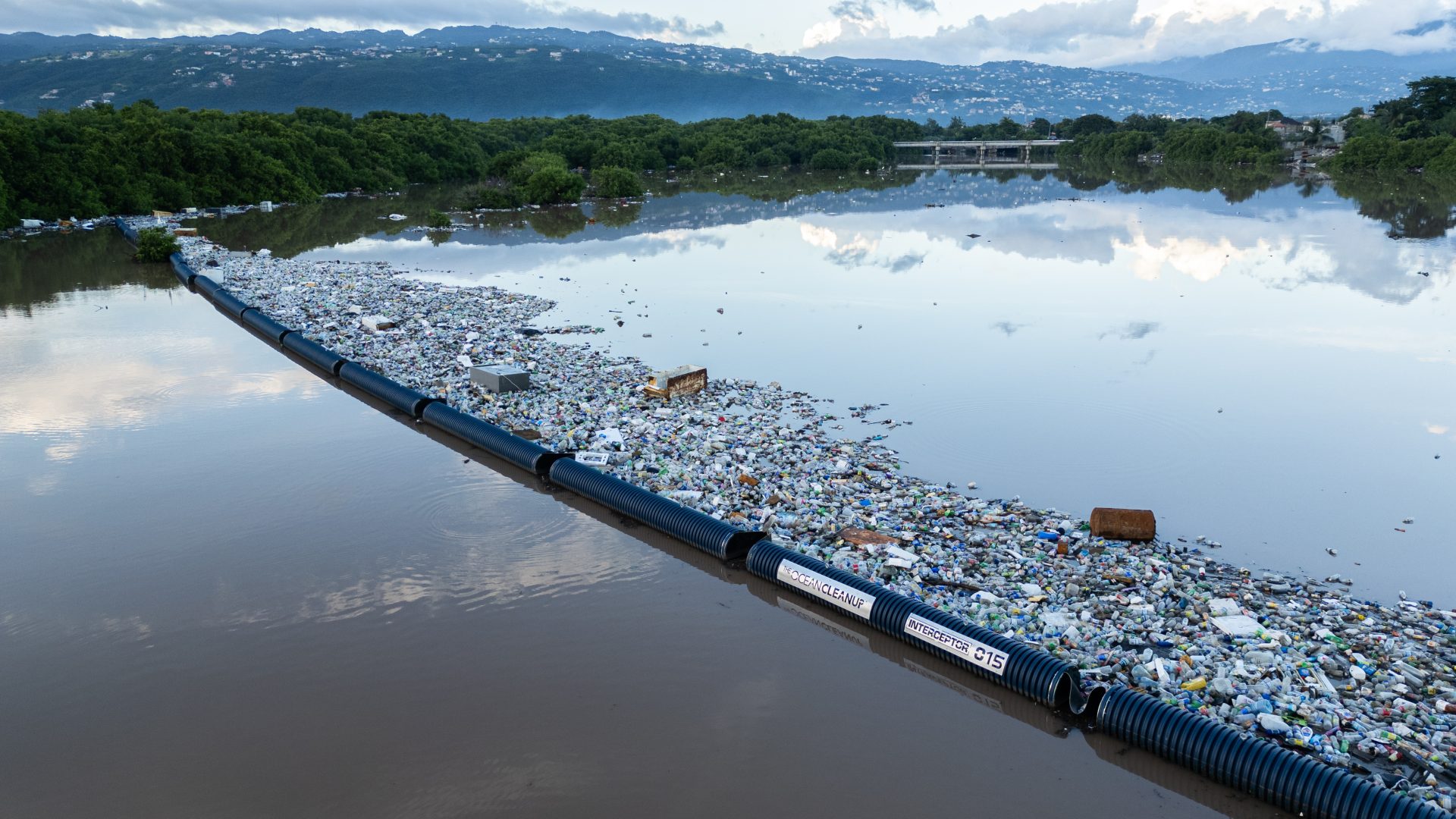
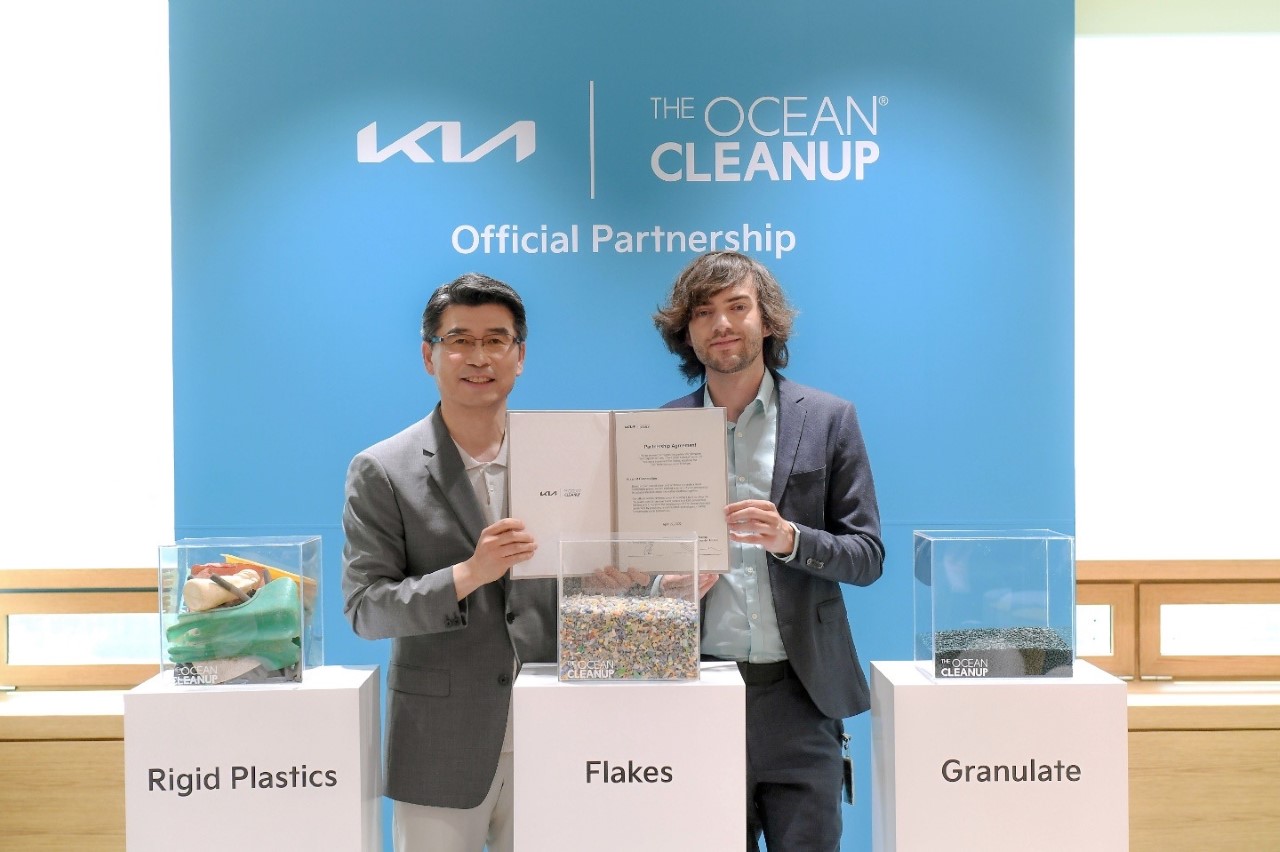
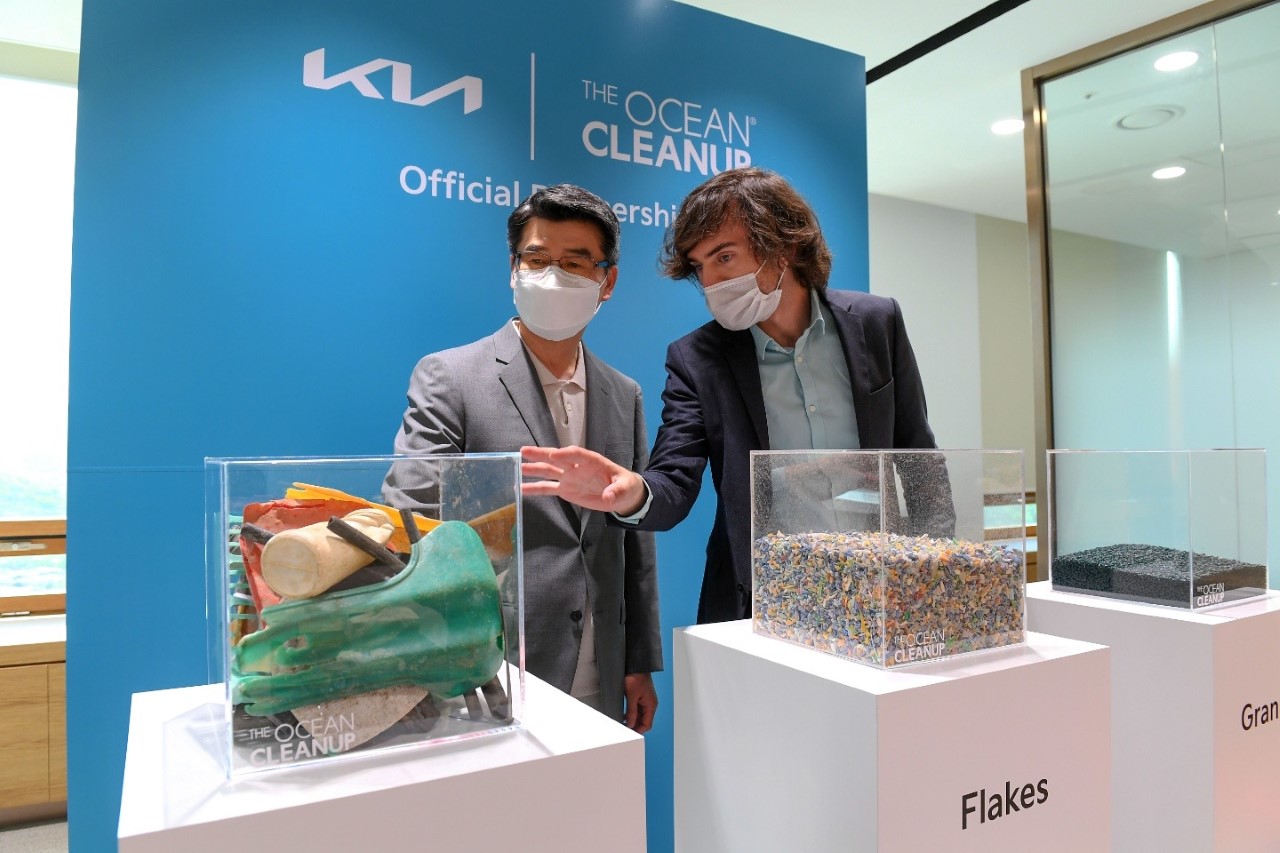
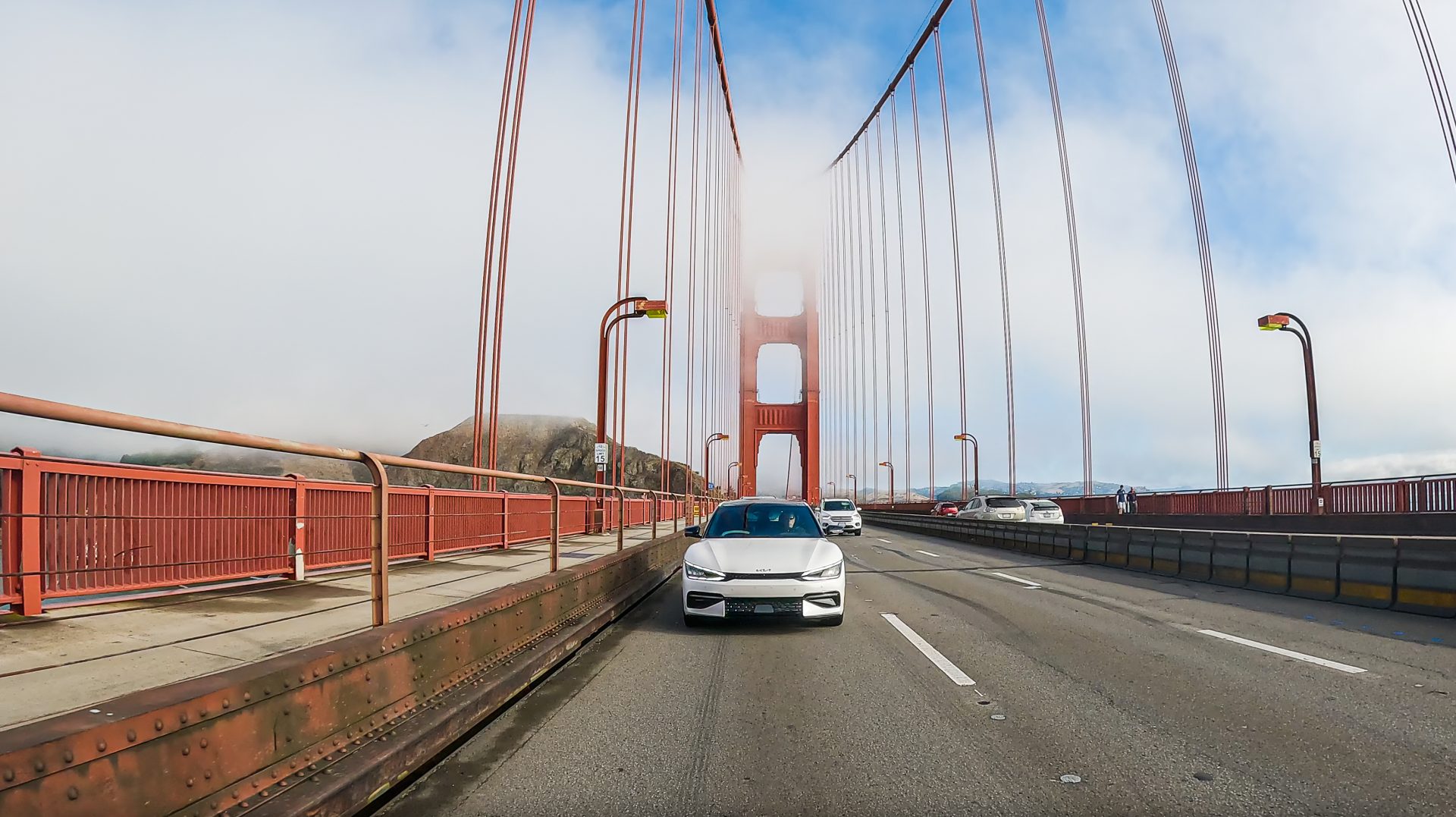
Kia x The Ocean Cleanup
Kia launches car accessory made with plastic from The Ocean Cleanup's ocean plasticImages (11)
-
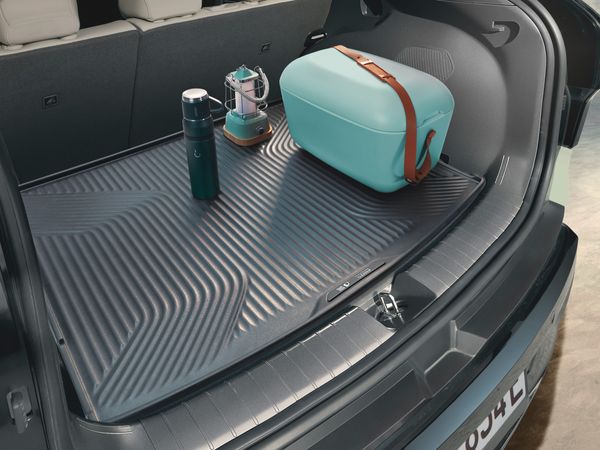
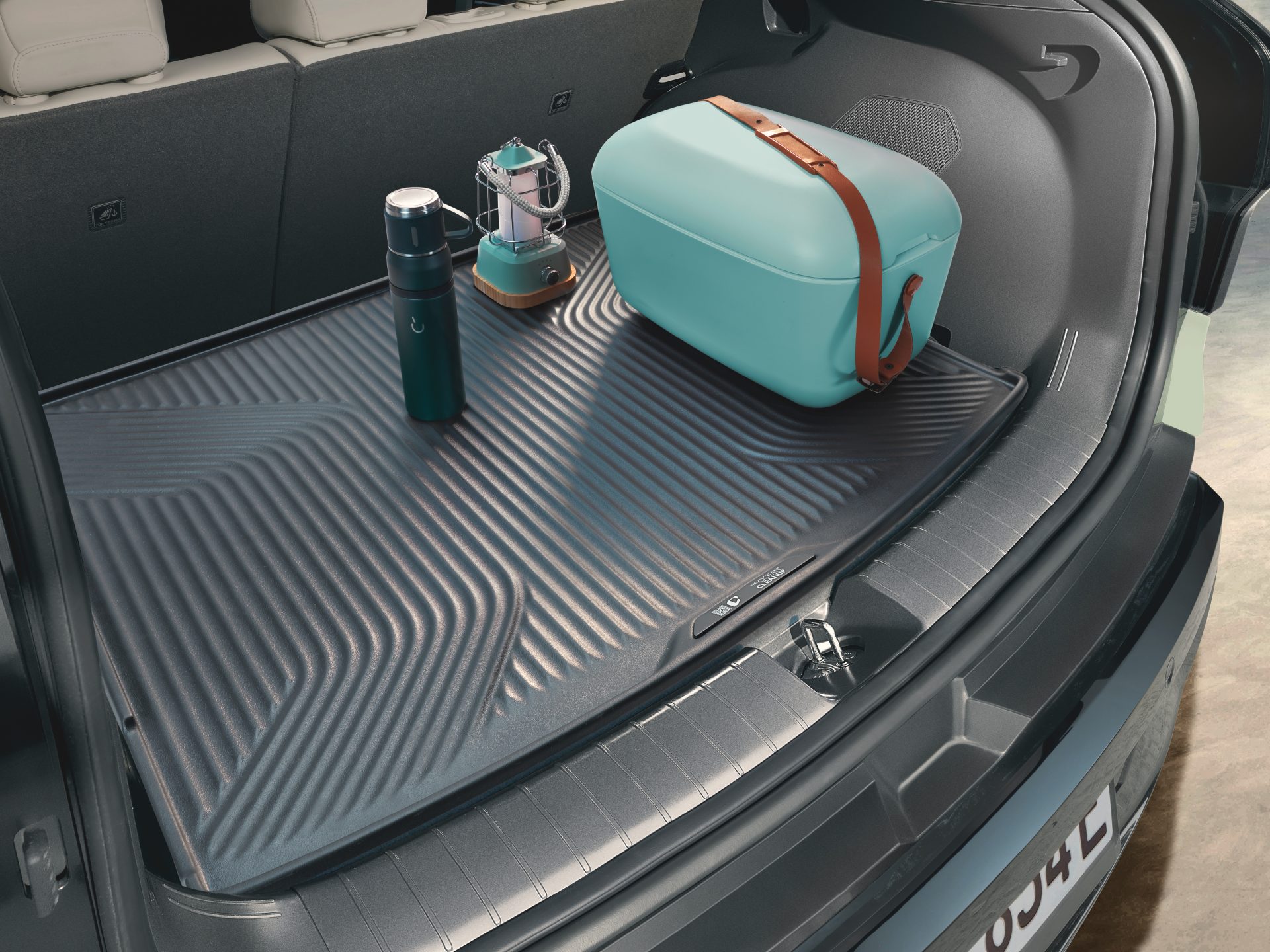
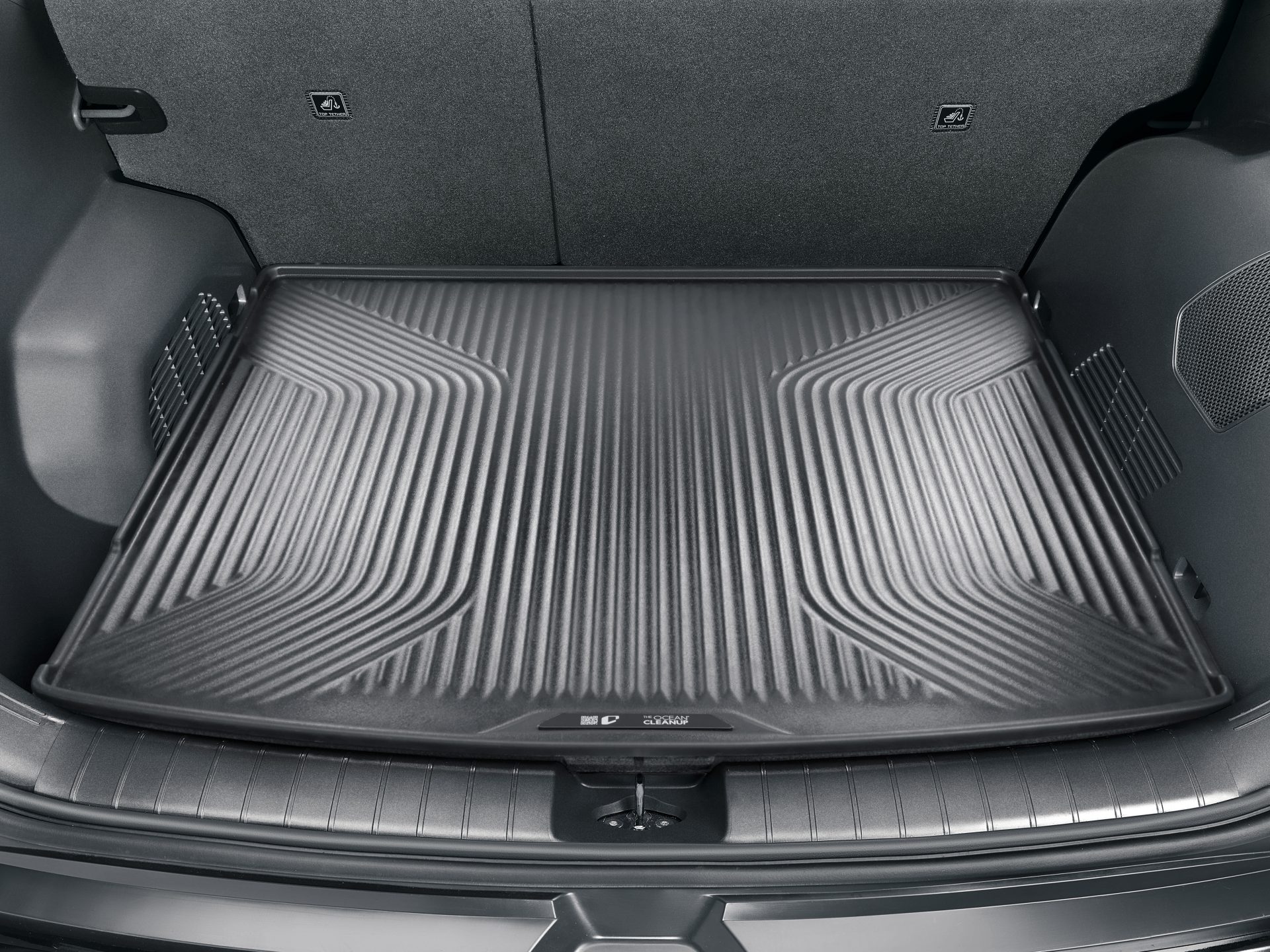
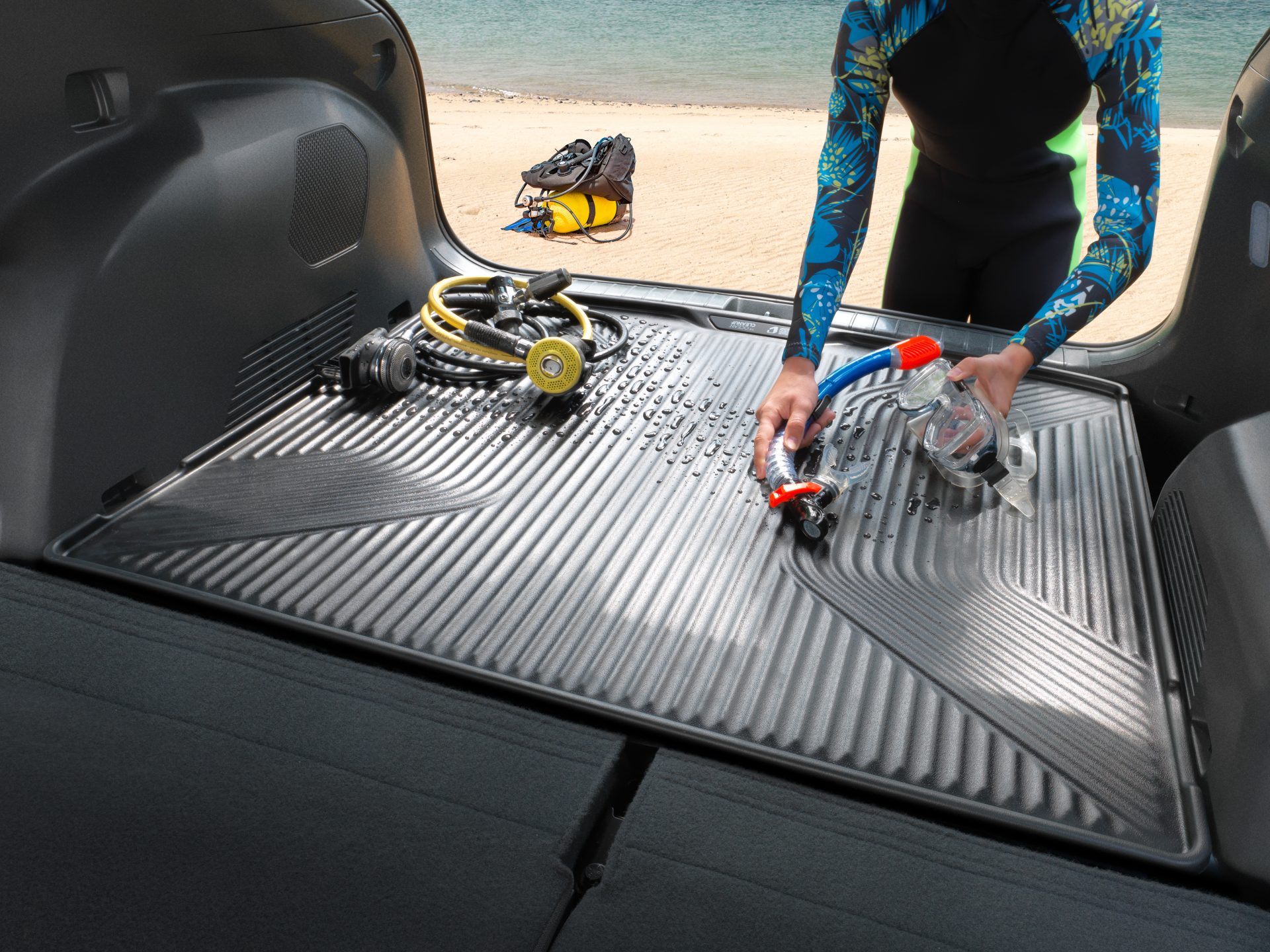
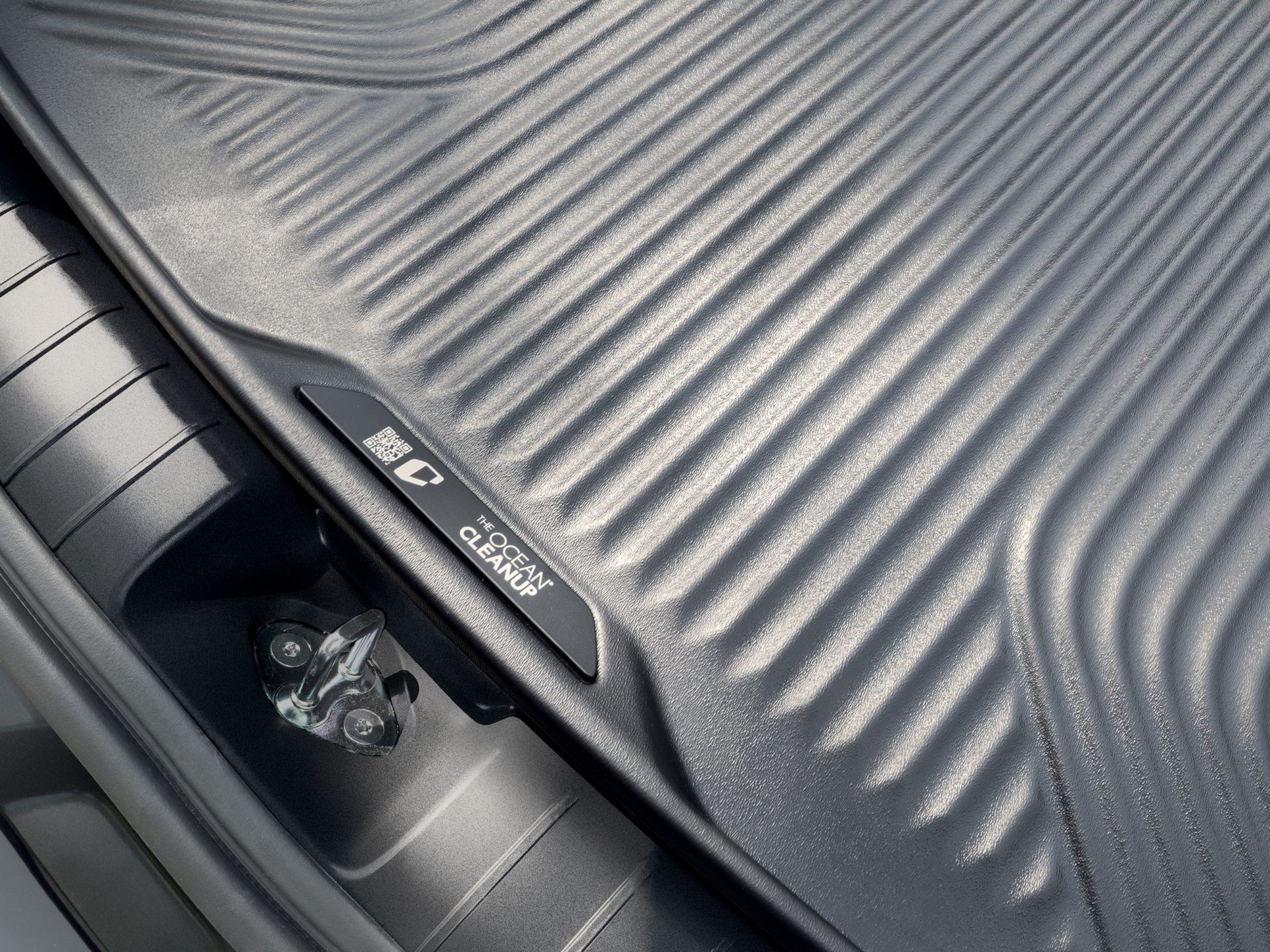
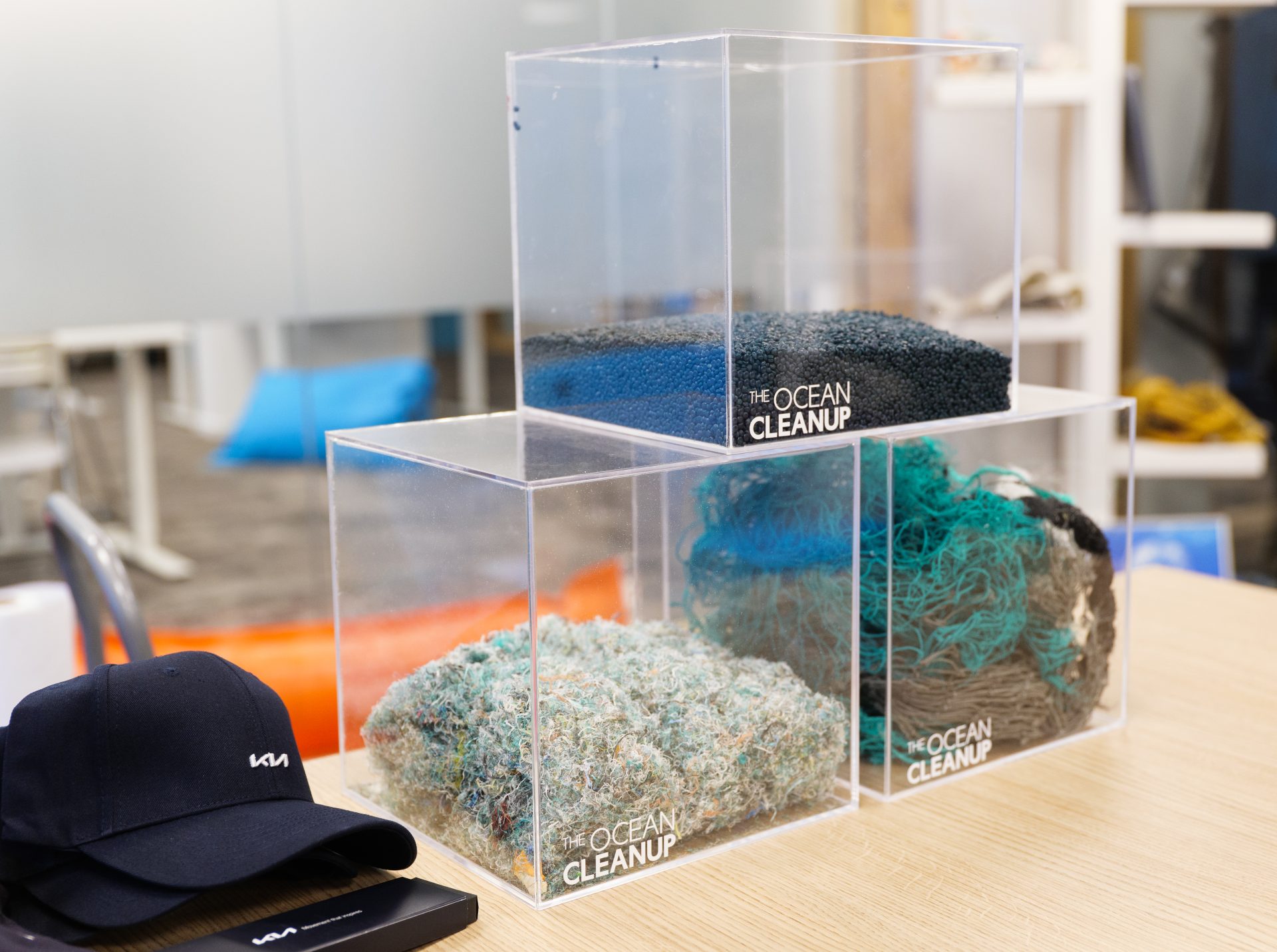
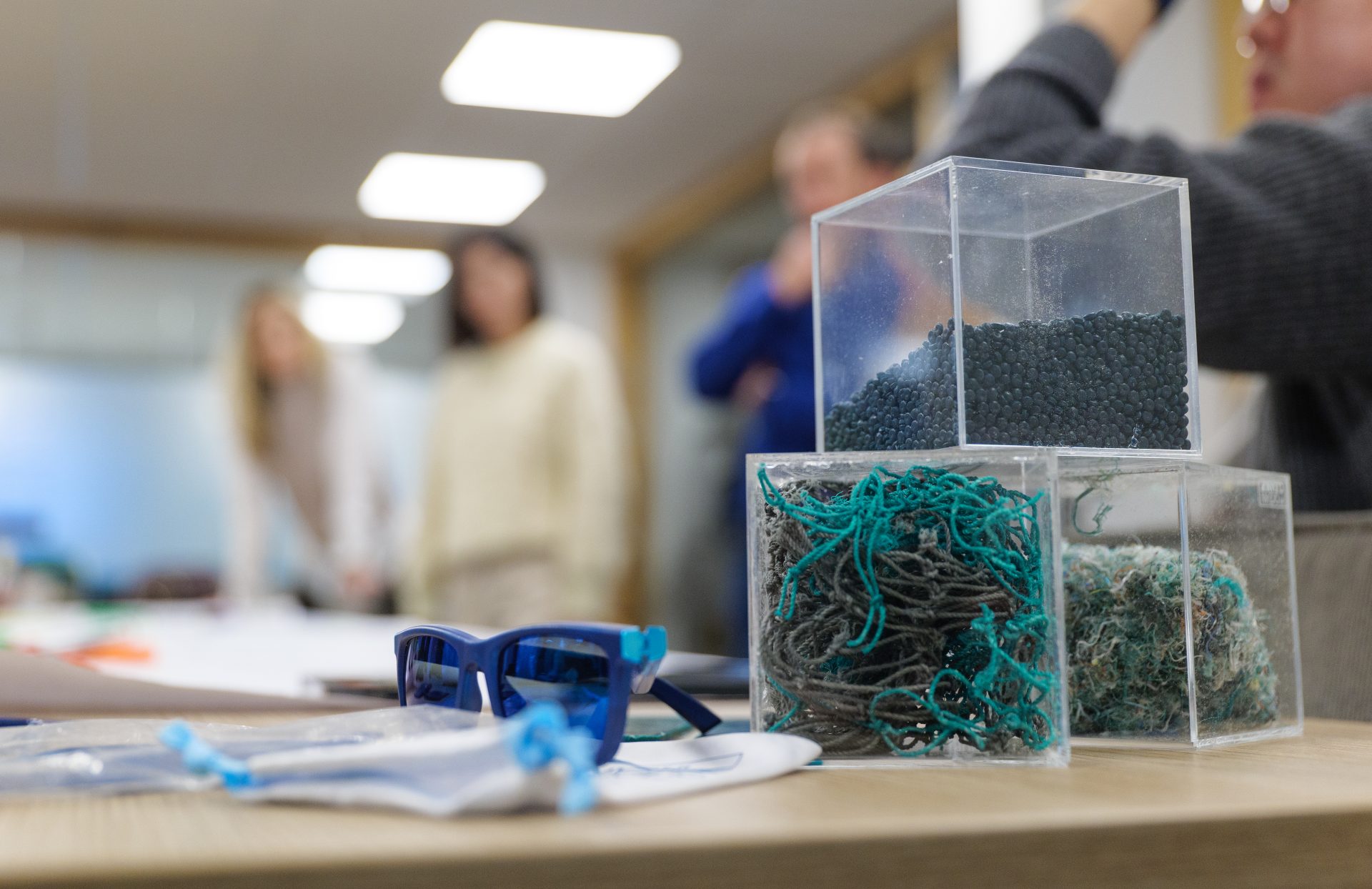
Kia EV3 trunk liner made using ocean plastic extracted from the Great Pacific Garbage Patch by The Ocean Cleanup -
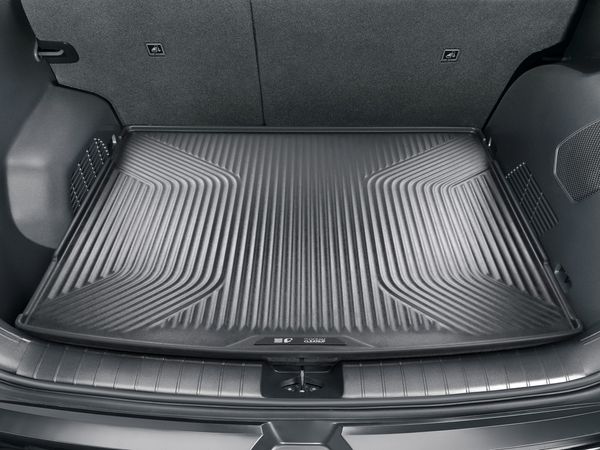
Kia EV3 trunk liner made using ocean plastic extracted from the Great Pacific Garbage Patch by The Ocean Cleanup -
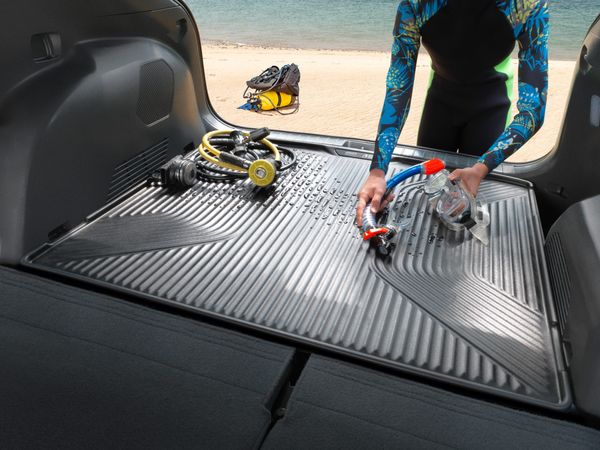
Kia EV3 trunk liner made using ocean plastic extracted from the Great Pacific Garbage Patch by The Ocean Cleanup -
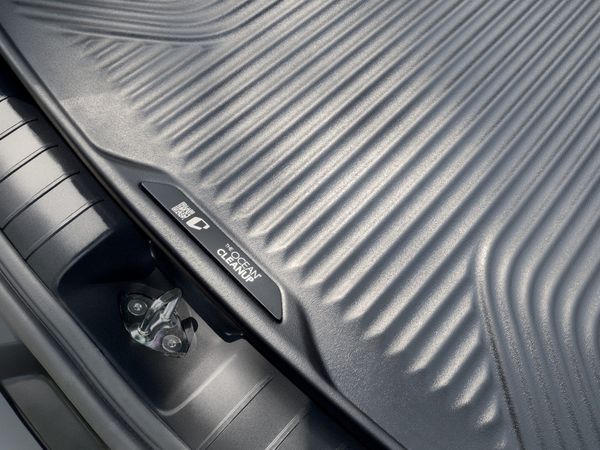
Kia EV3 trunk liner made using ocean plastic extracted from the Great Pacific Garbage Patch by The Ocean Cleanup -
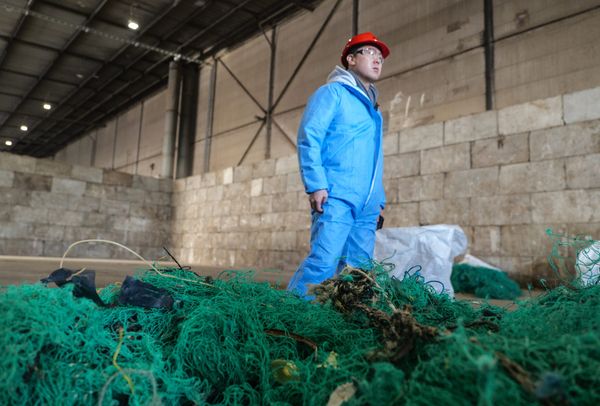
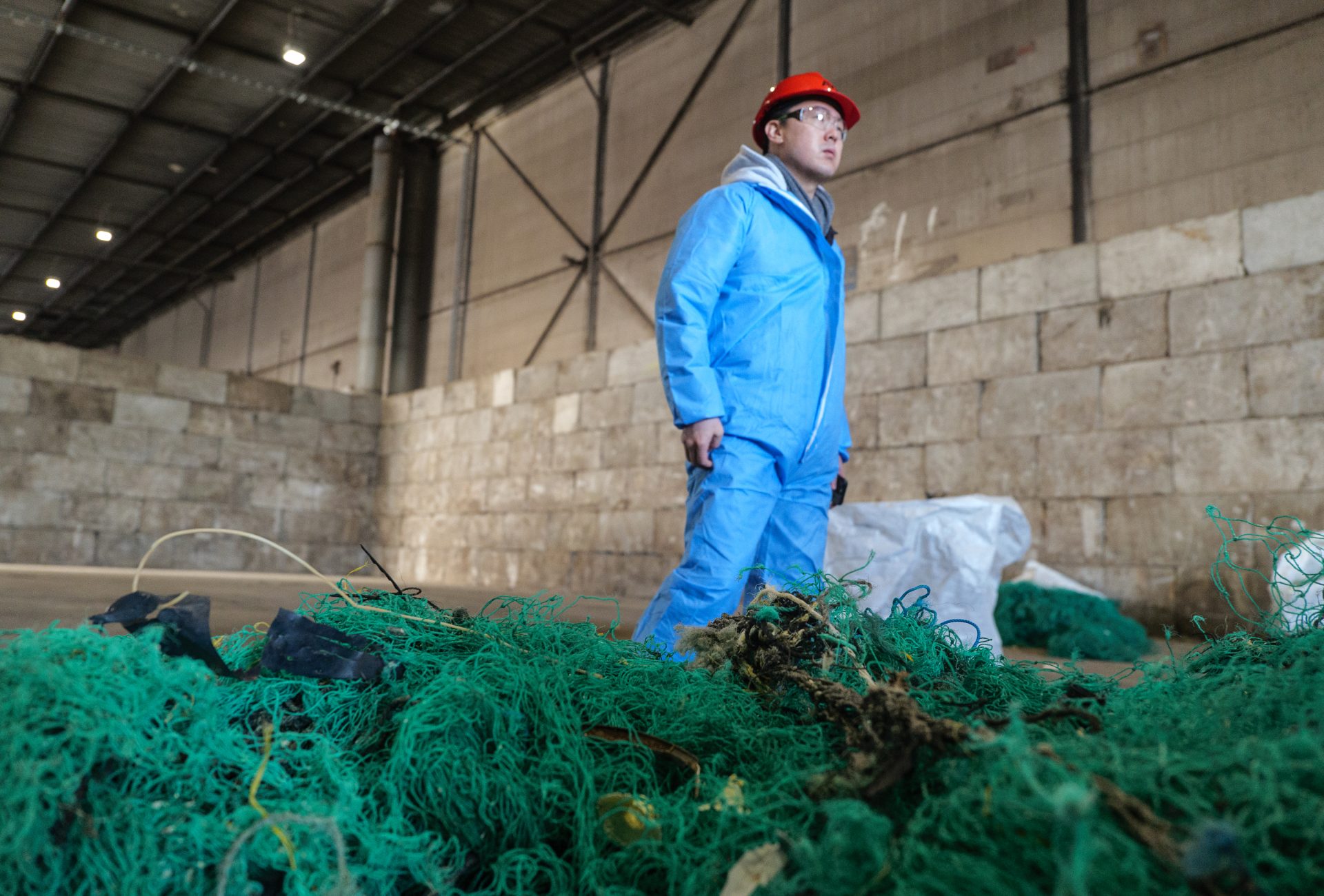
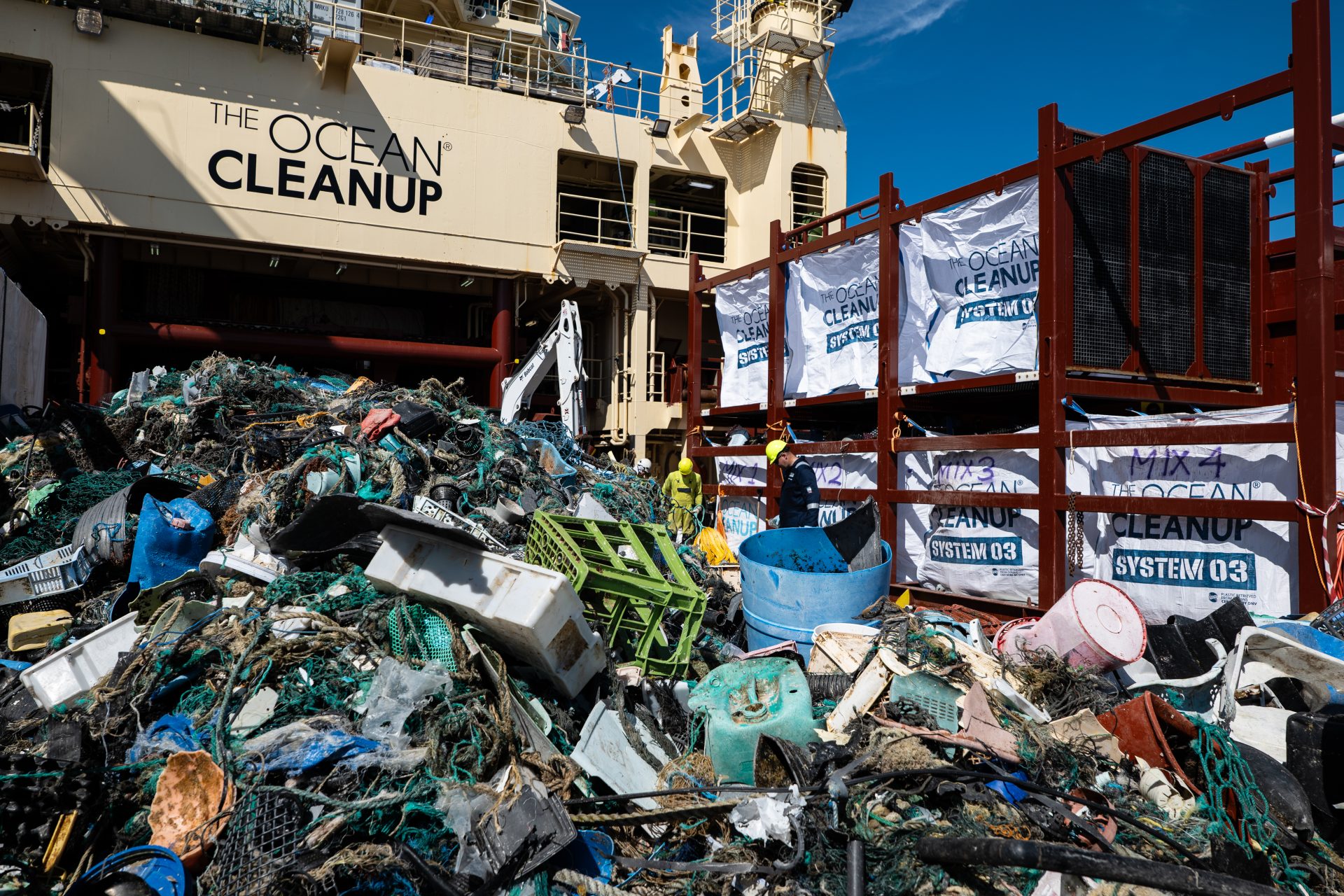
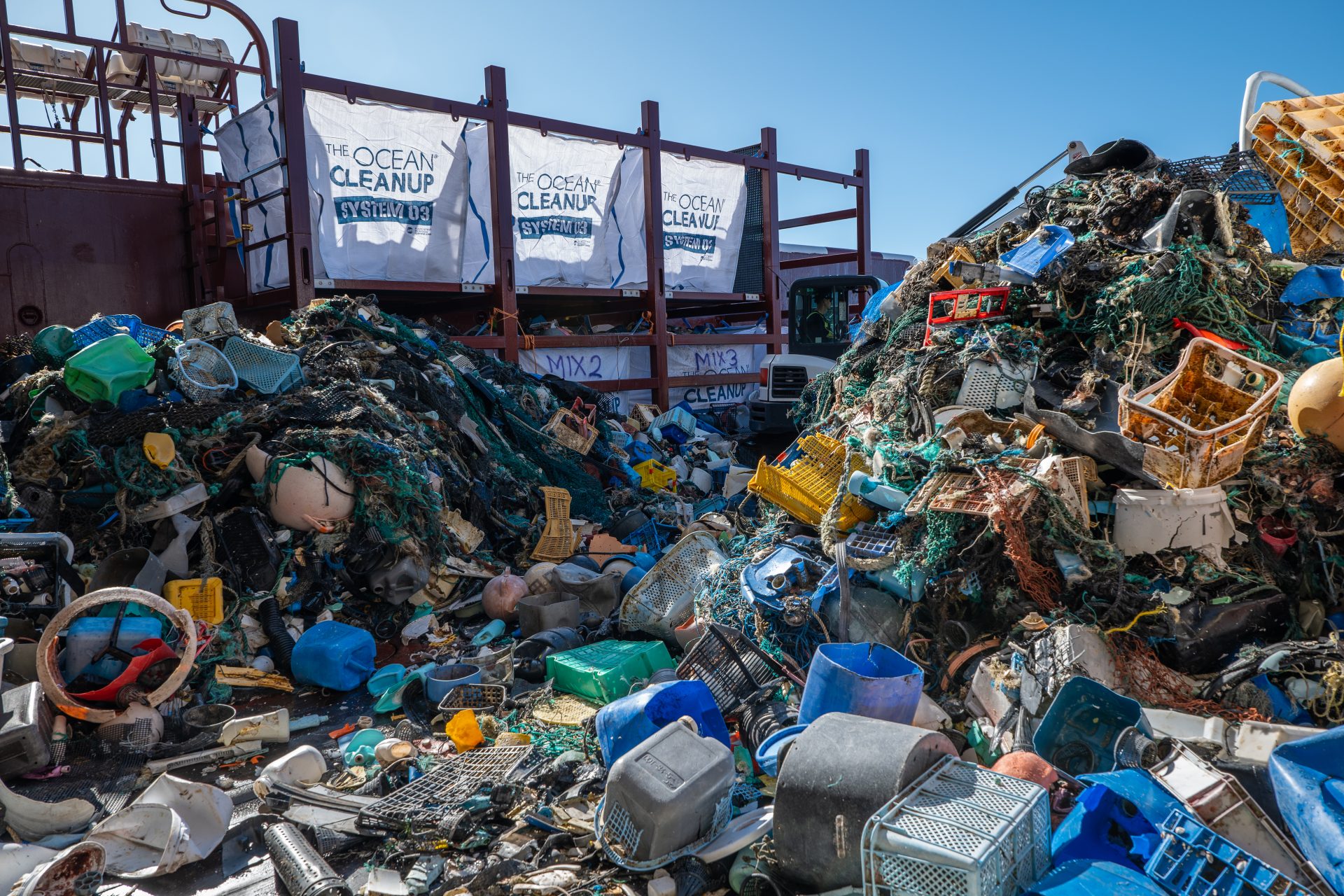
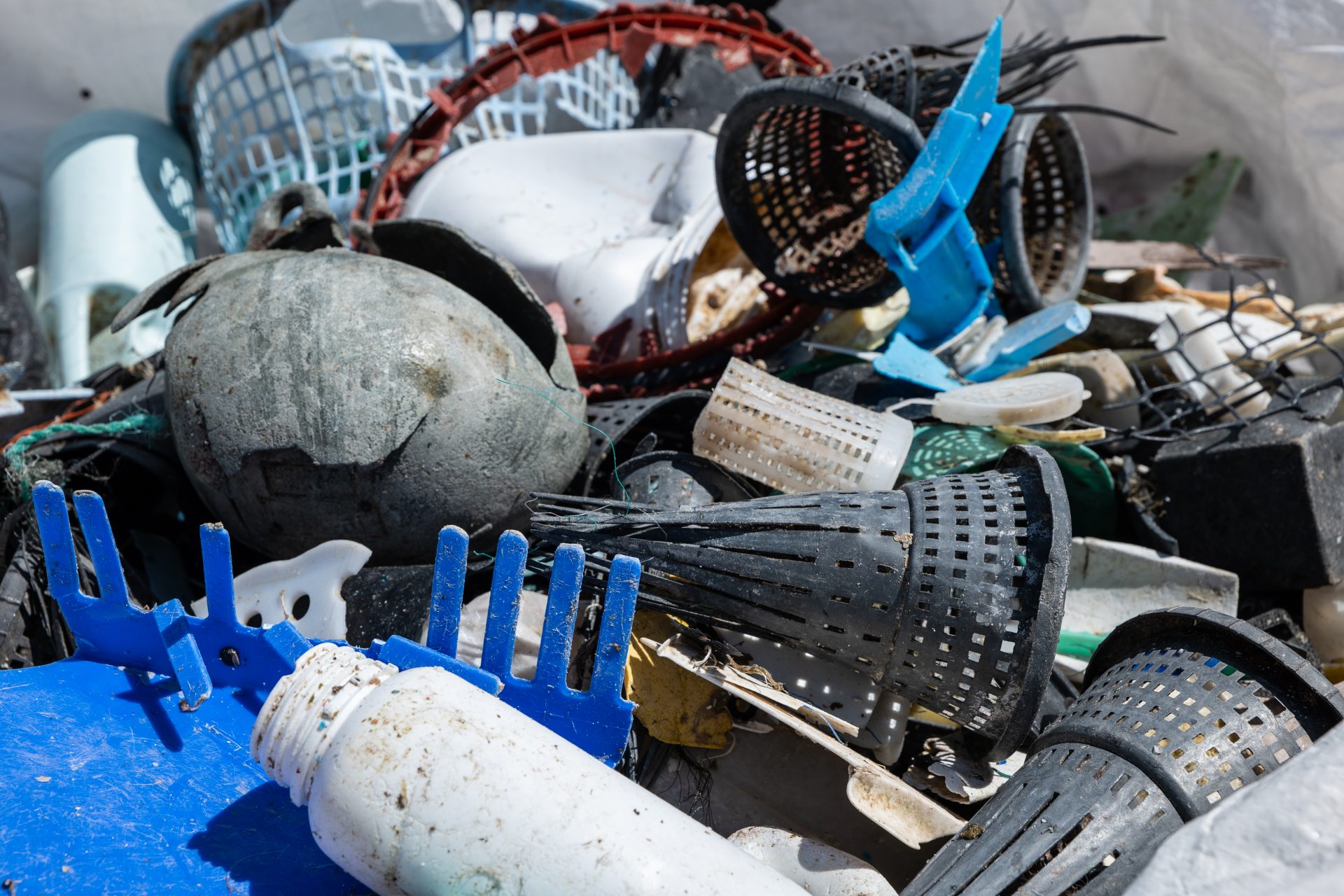
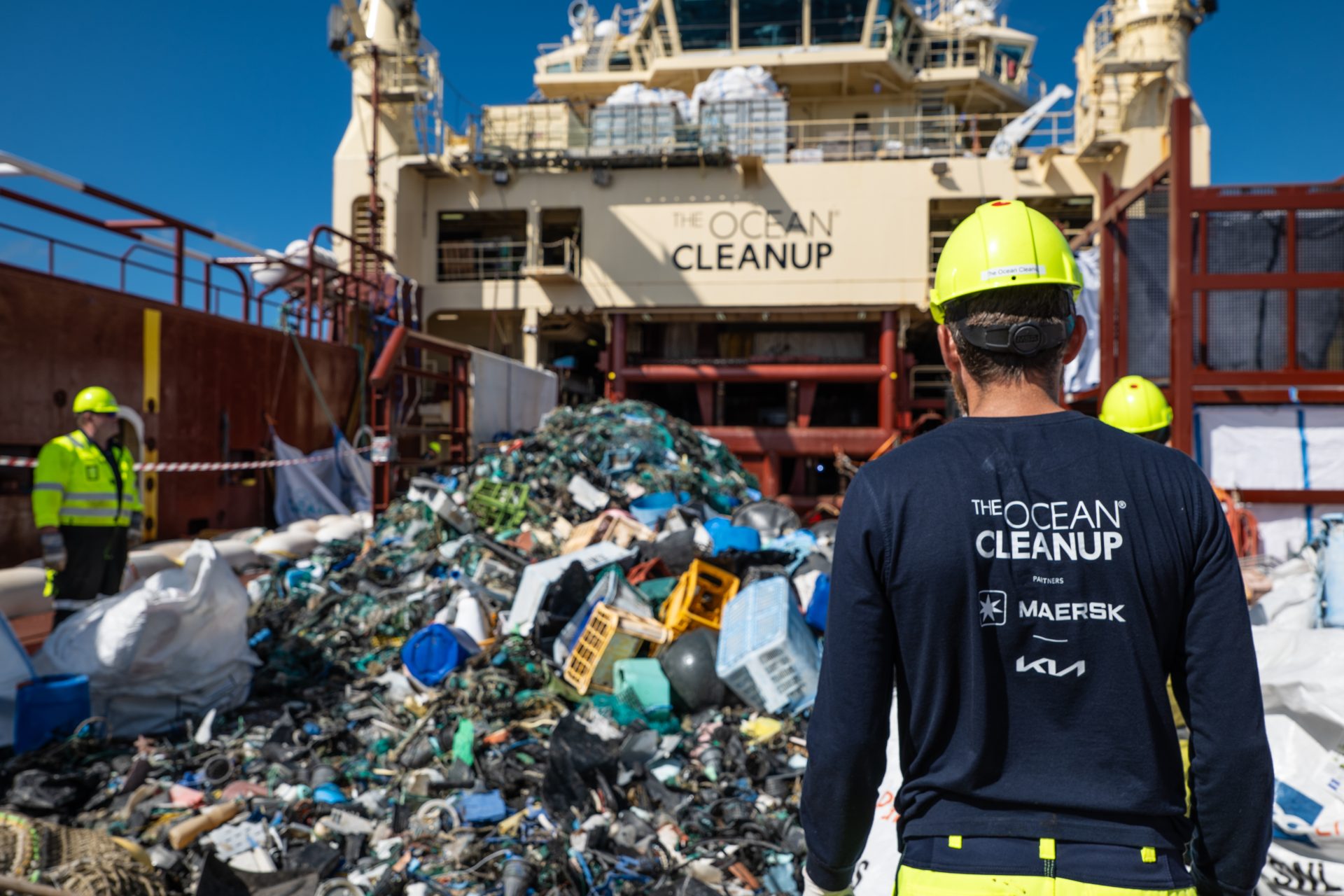
Ocean plastic being sorted
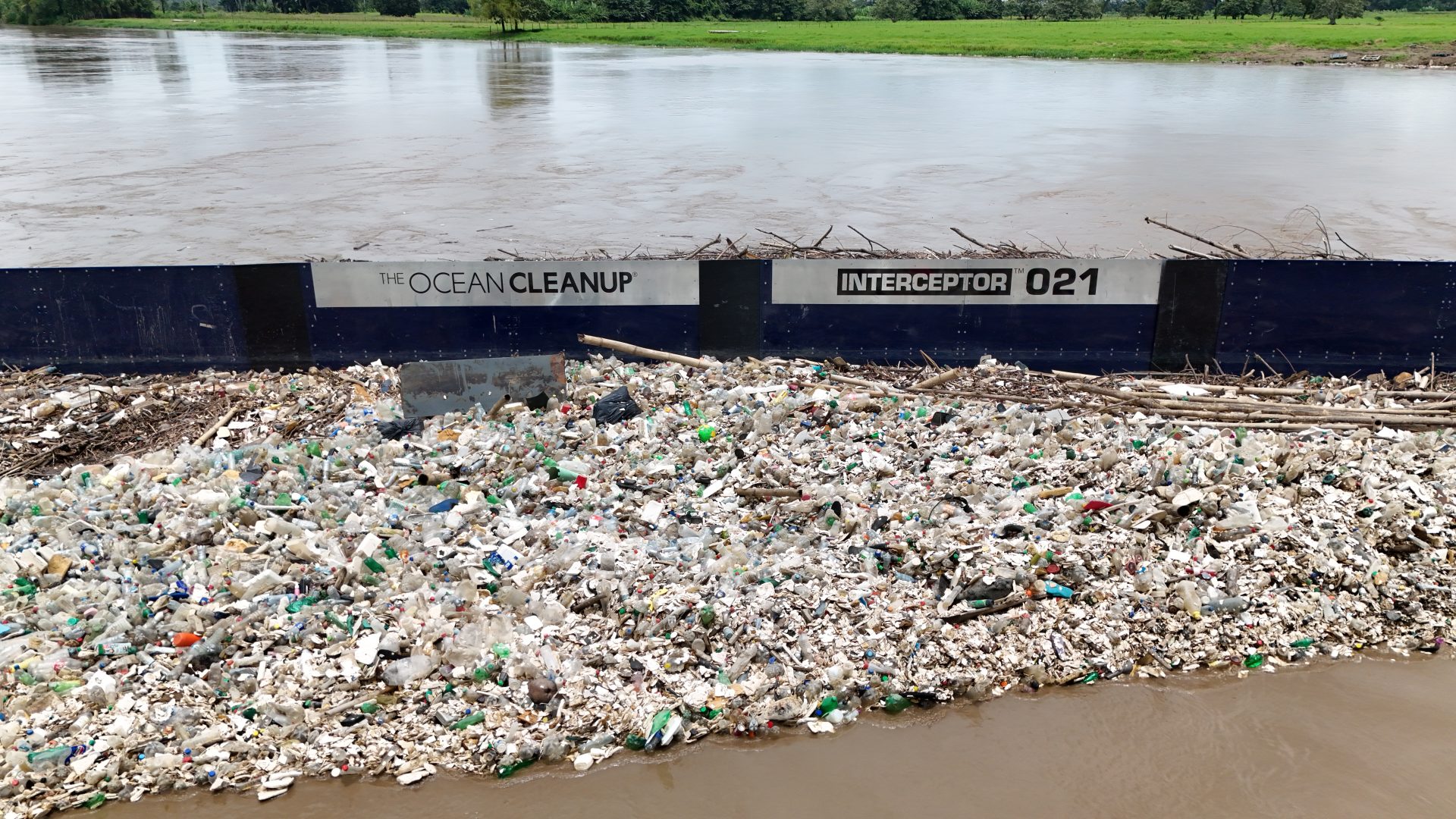
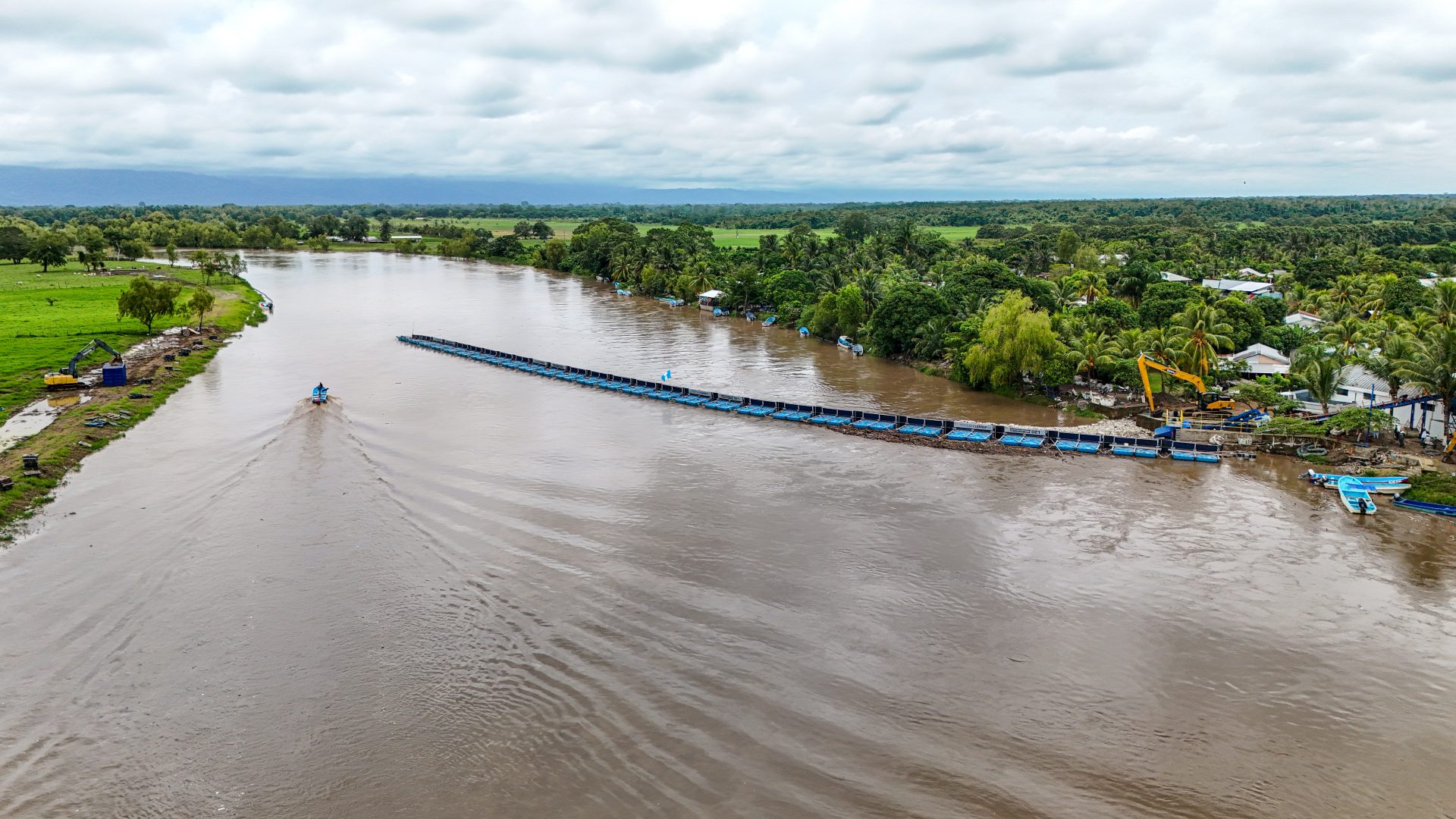
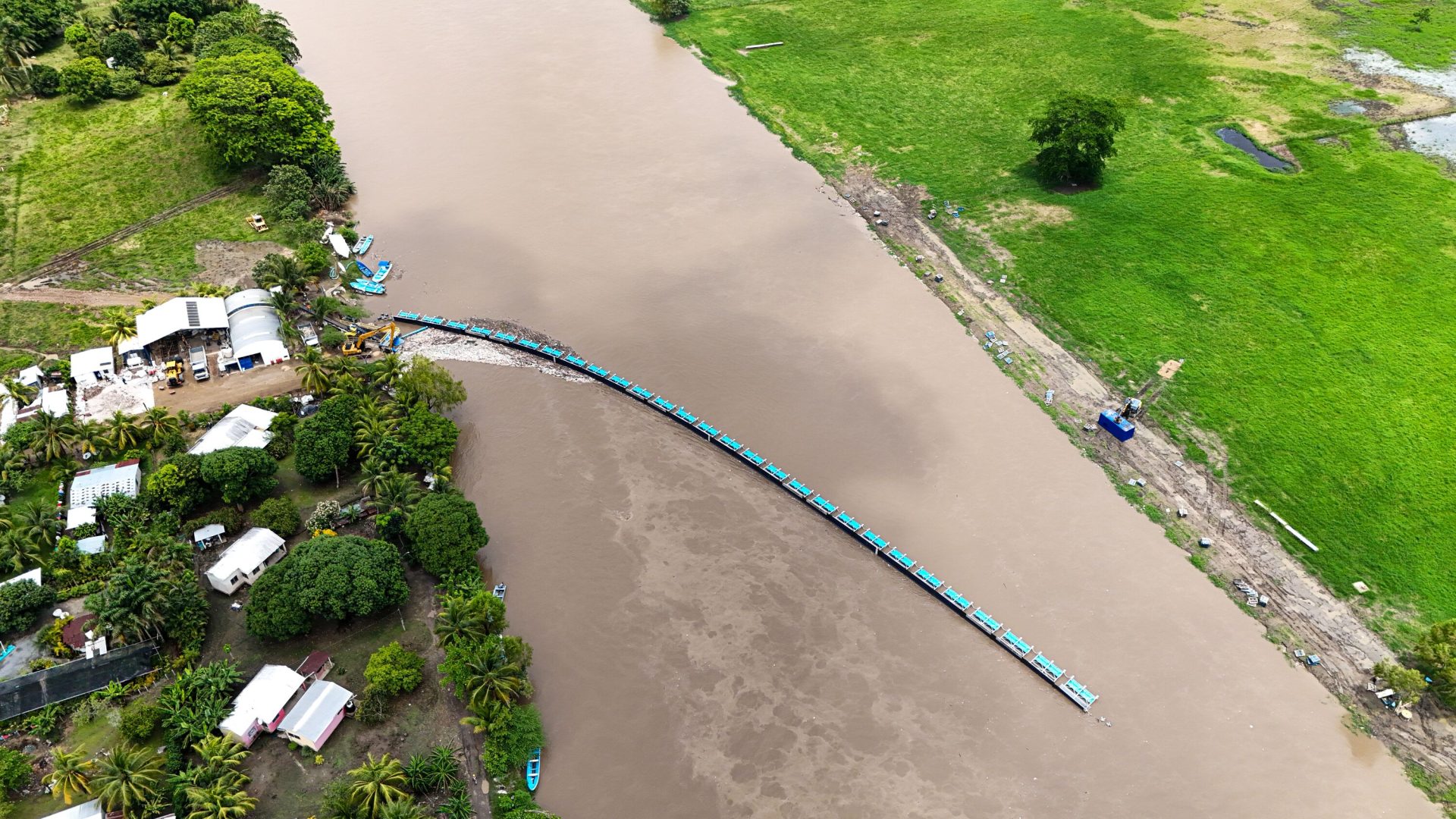
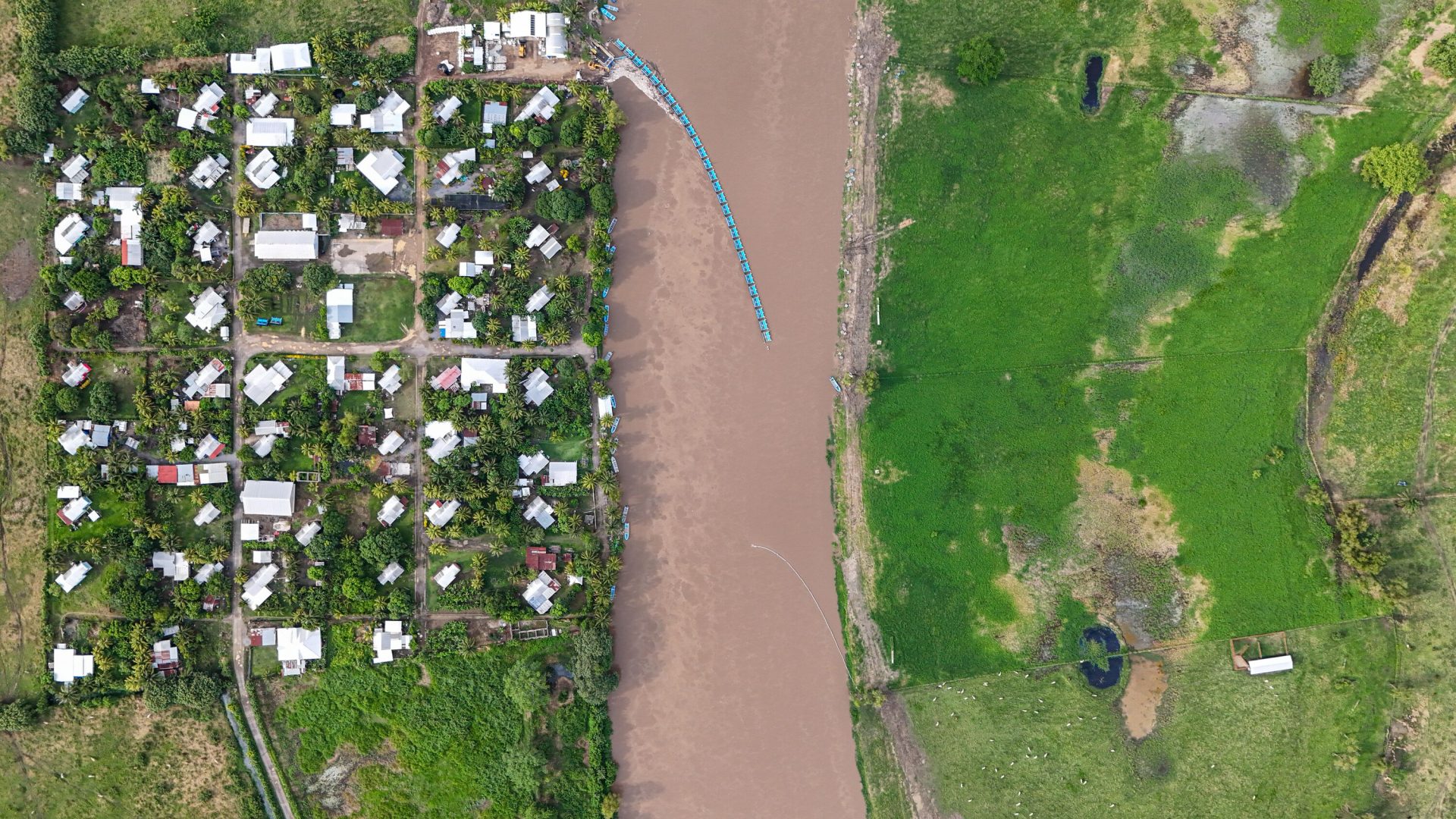
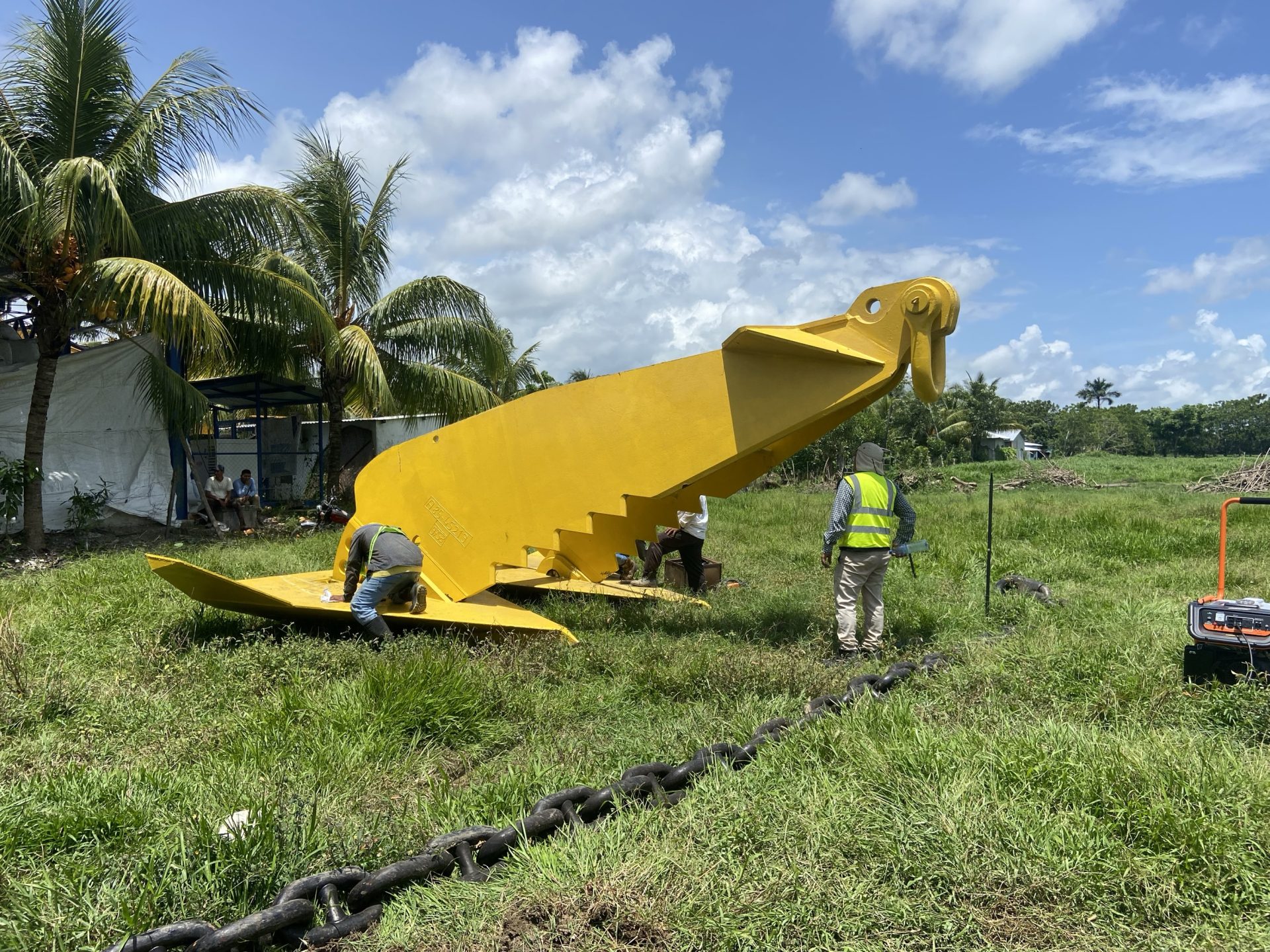
Interceptor 021 in Guatemala
Rio Motagua Basin, El Quetzalito, GuatemalaImages (8)
-
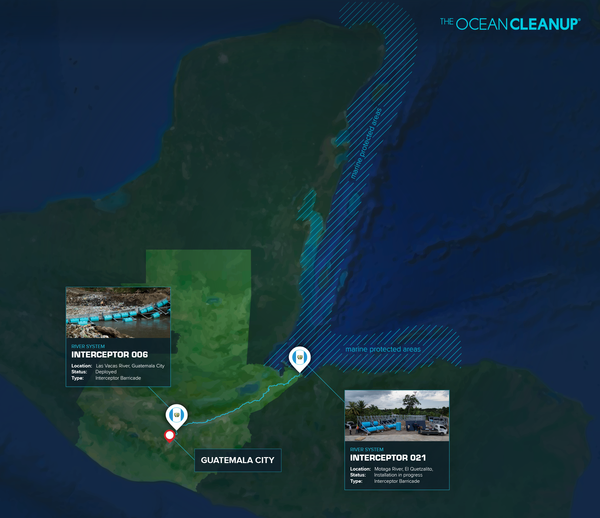
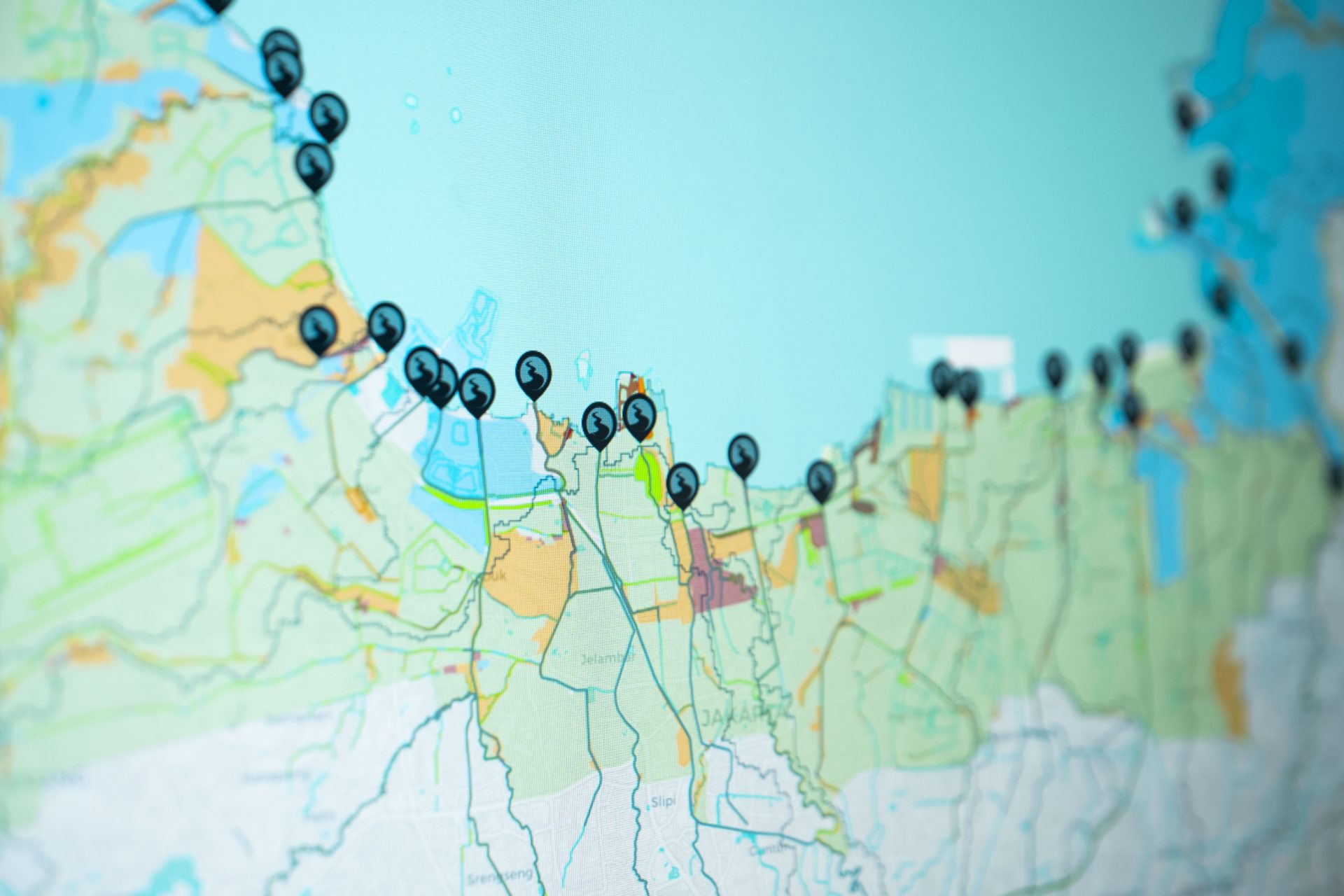
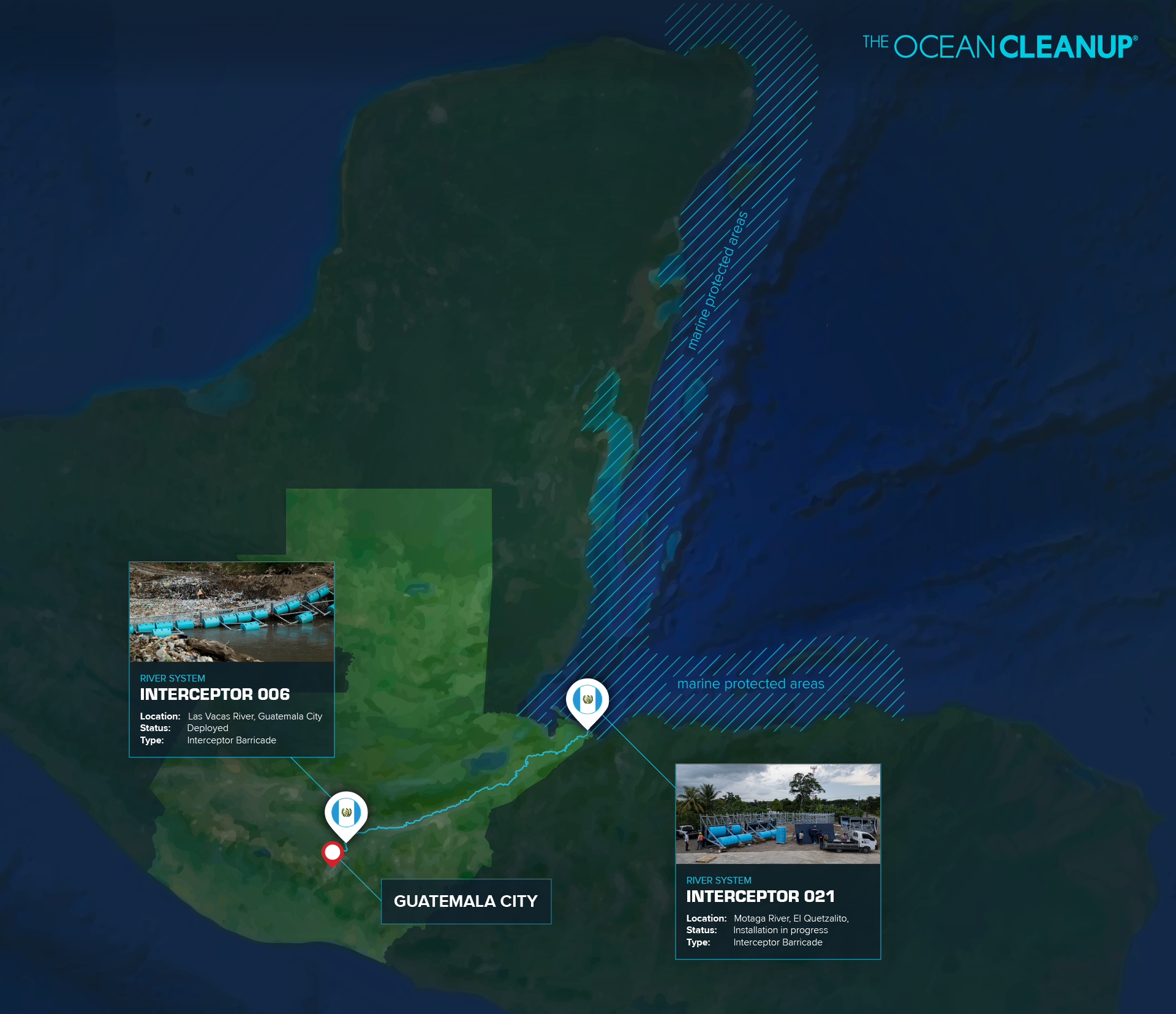
In this map, you can see our two Interceptor projects in Guatemala -
2024, the deployment of our largest Interceptor to date - the Barricade XL. At the mouth of the Rio Morague it is the last line of defense to keep the Gulf of Honduras cleaned. -
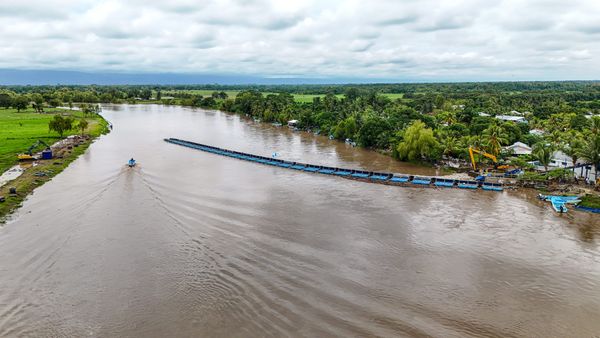
Interceptor 021 deployed for testing (September 2024) -
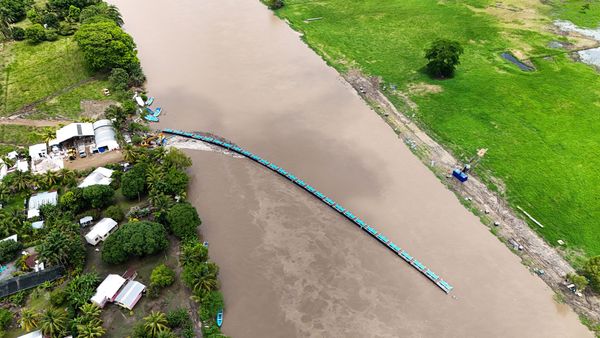
Interceptor 021 deployed for testing (September 2024) -
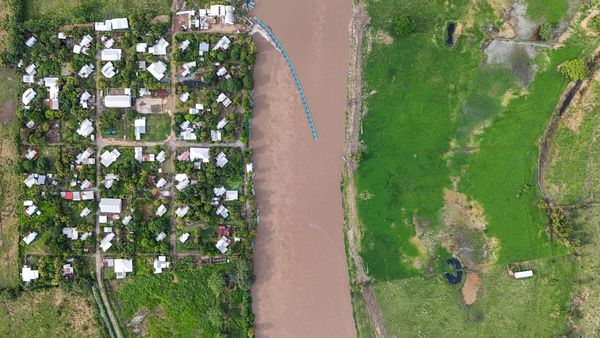
Interceptor 021 deployed in EL Quatzelito, at the mouth of Rio Motagua
Coldplay x The Ocean Cleanup
Coldplay makes limited edition LP with The Ocean Cleanup's river plasticImages (12)
-
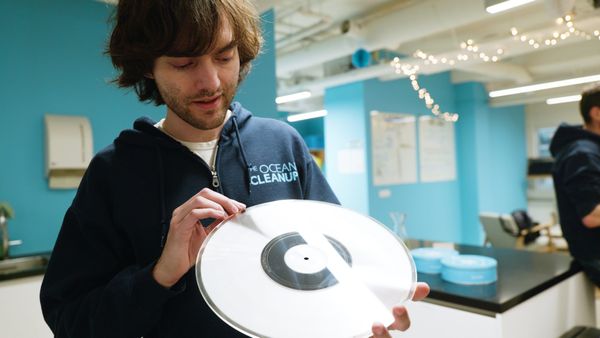
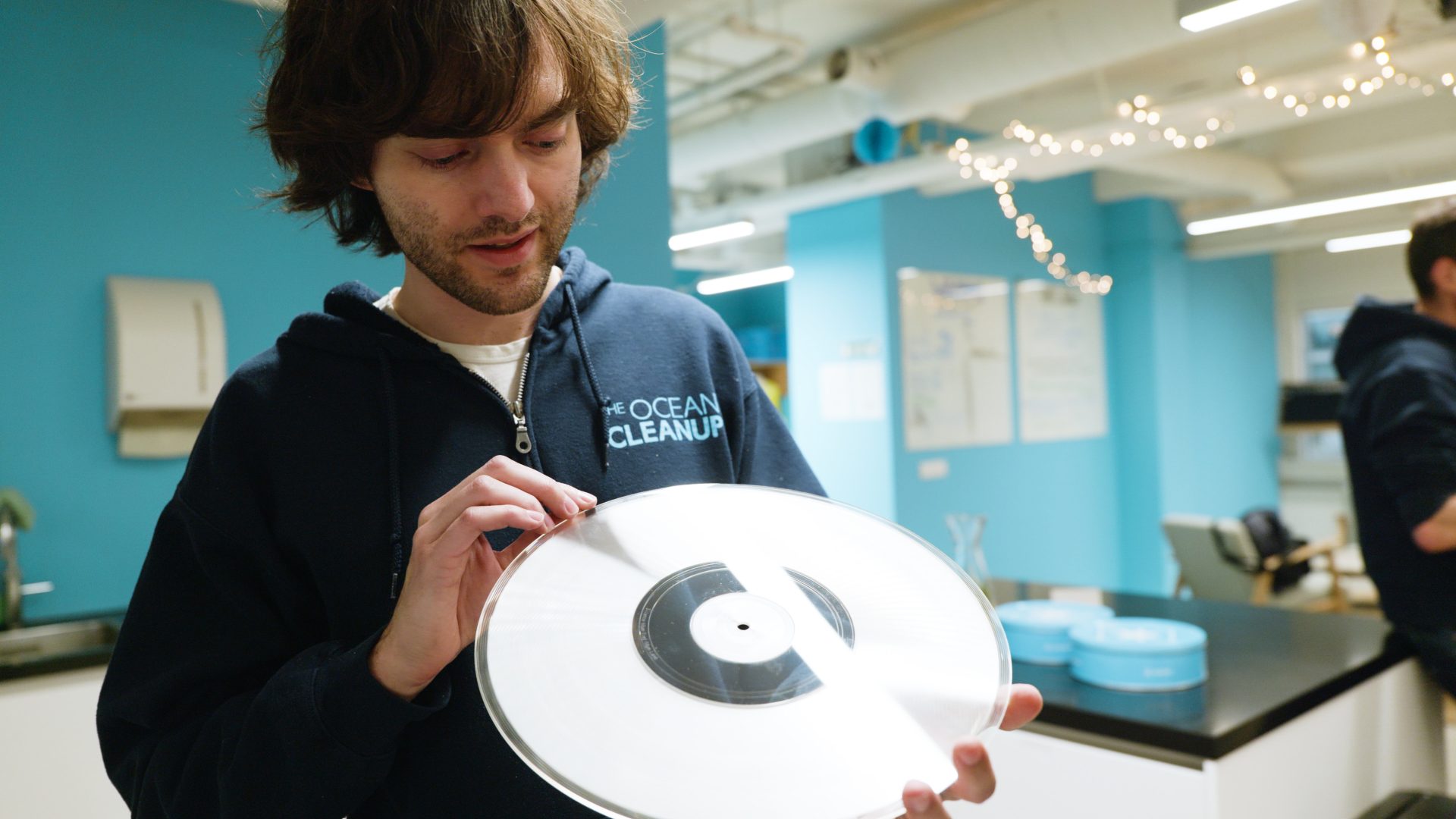
Boyan Slat, founder and CEO of The Ocean Cleanup, holding a sample LP -
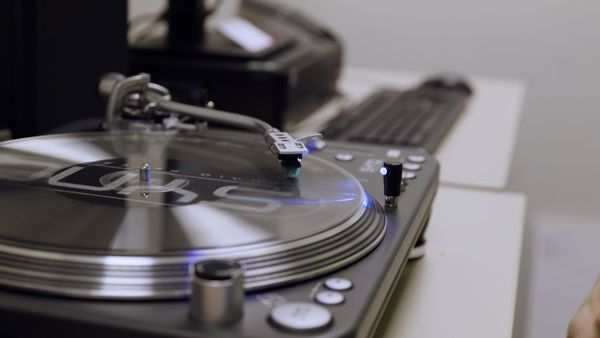
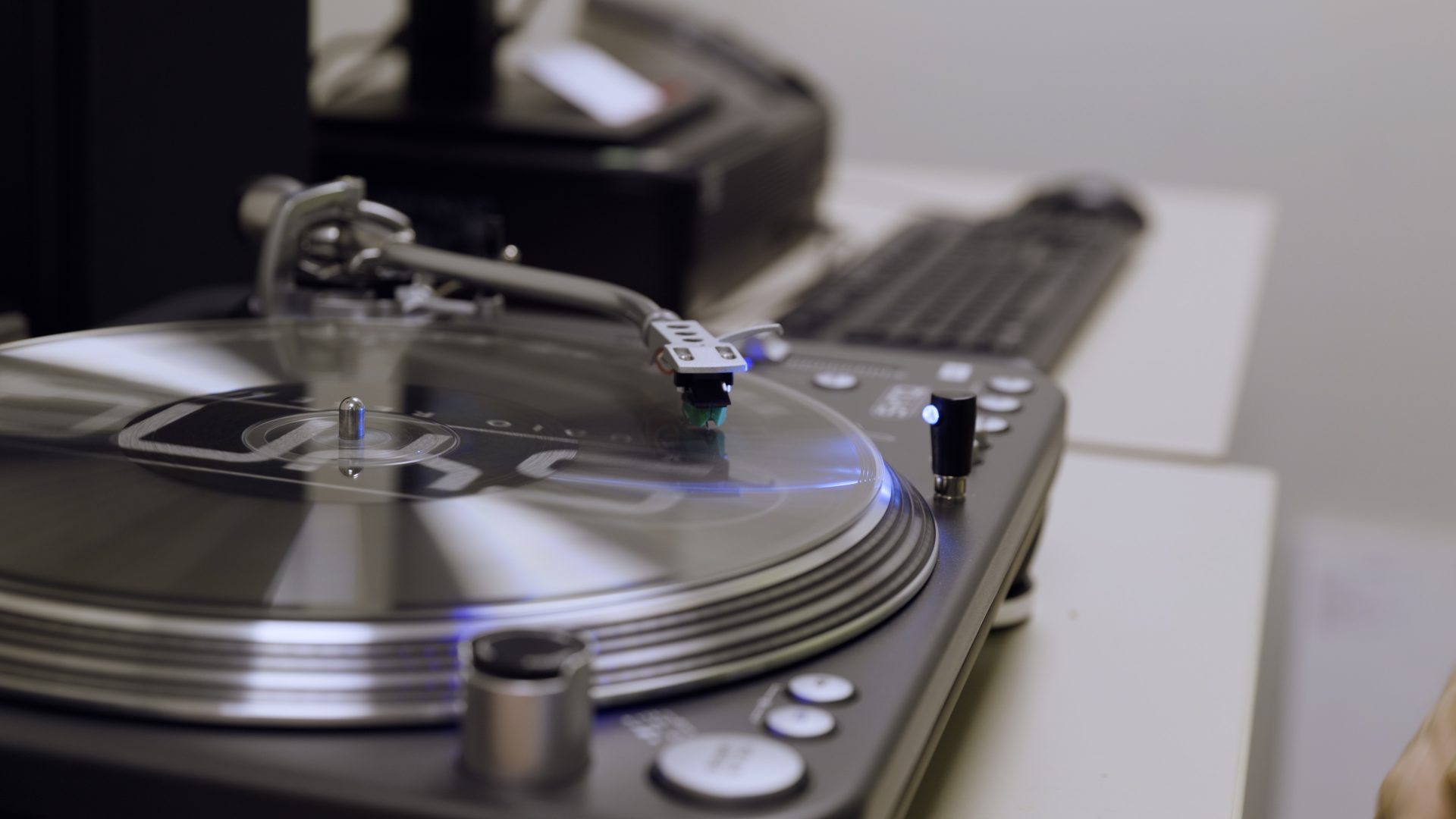
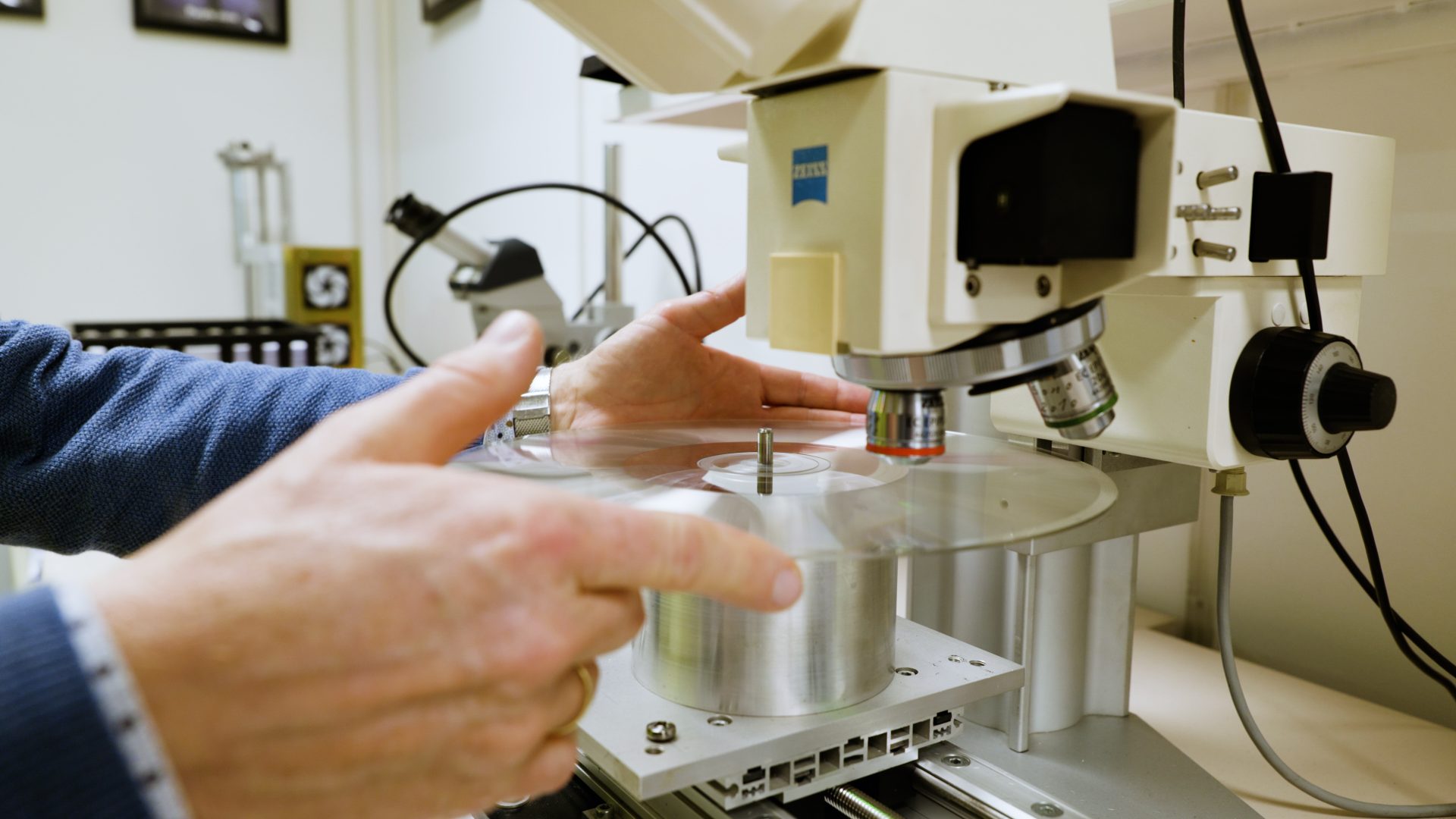
Sample LP tested at Sonopress (Eco LP producer) of Coldplay's new limited edition album made with recycled river plastic. The Ocean Cleanup has provided PET caught by Interceptor 006 in Guatemala. -
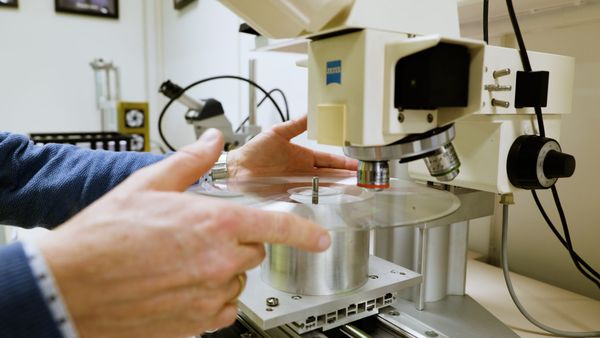
Sample LP at Sonopress (Eco LP producer) of Coldplay's new limited edition album made with recycled river plastic. The Ocean Cleanup has provided PET caught by Interceptor 006 in Guatemala. -
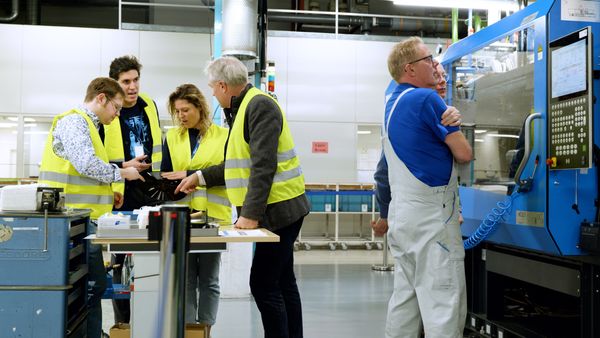
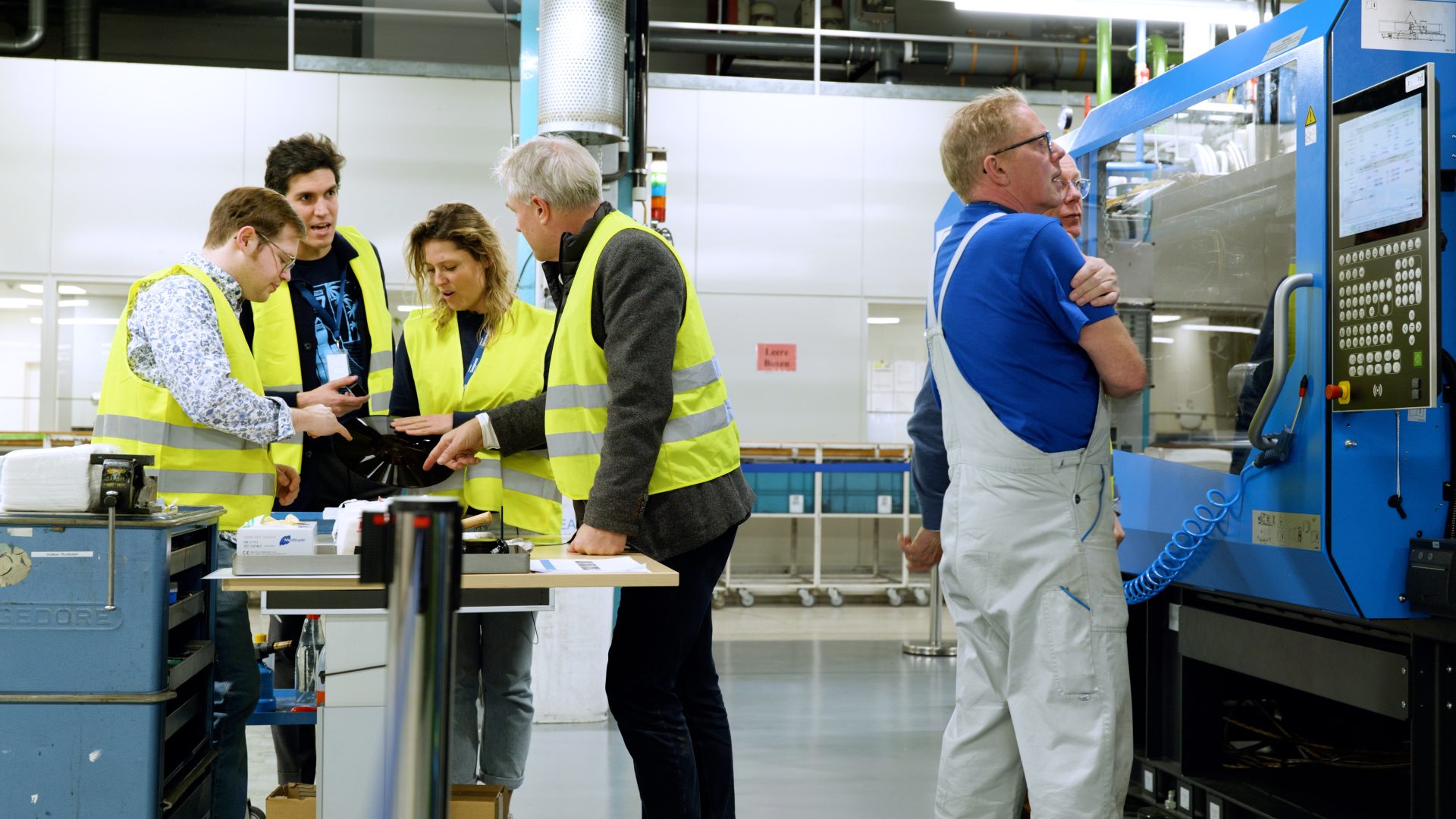
The Ocean Cleanup crew visiting Sonopress (Eco LP producer) to follow the production process of Coldplay's latest limited edition LP -
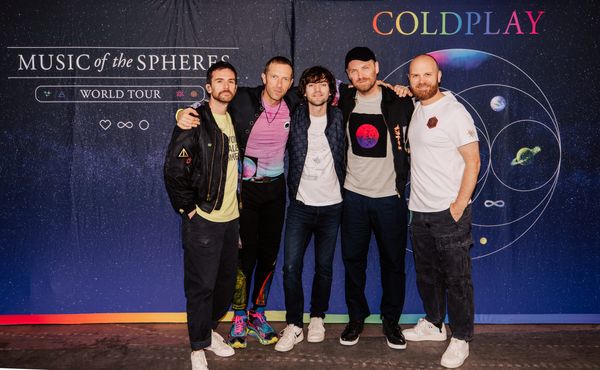
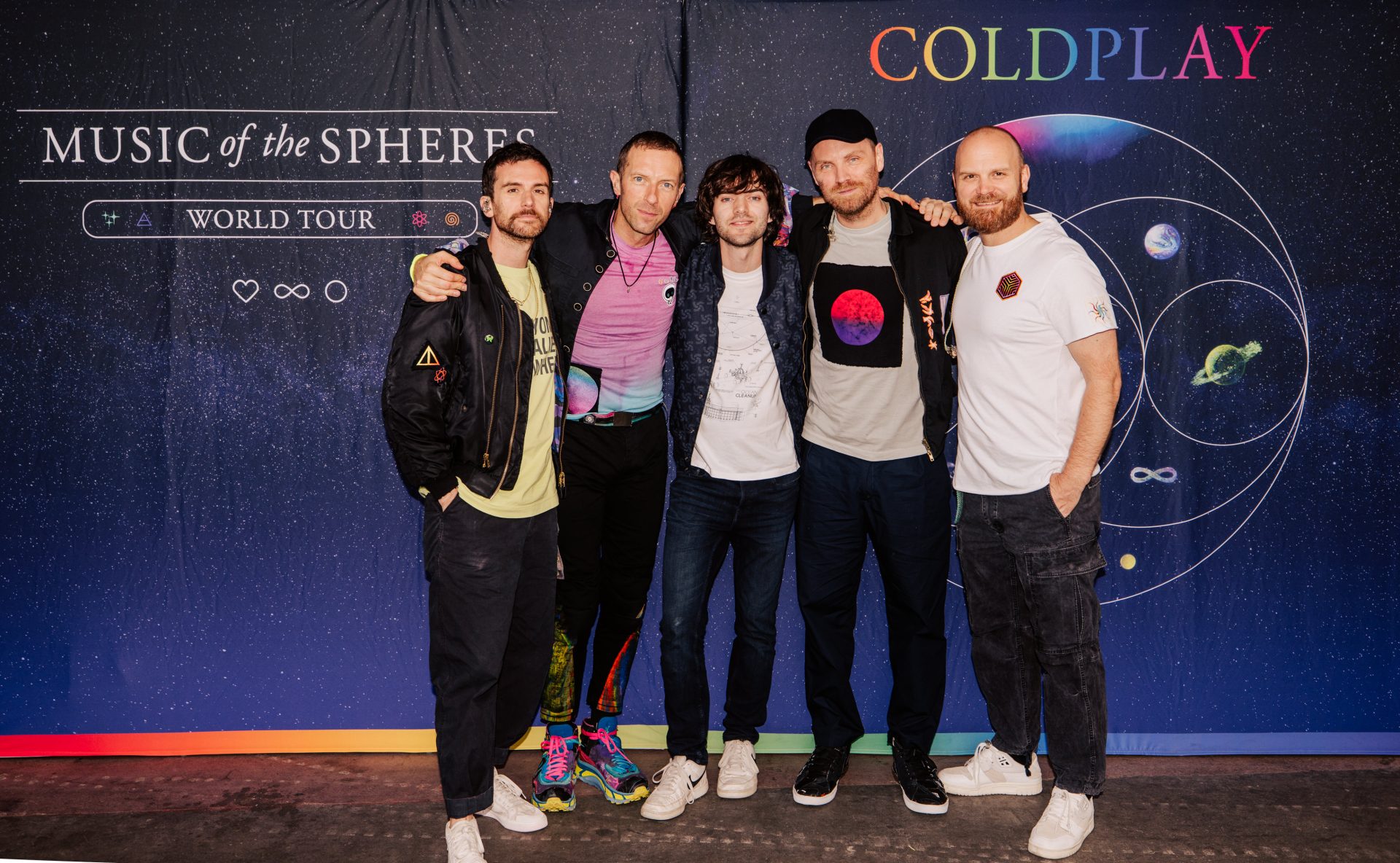
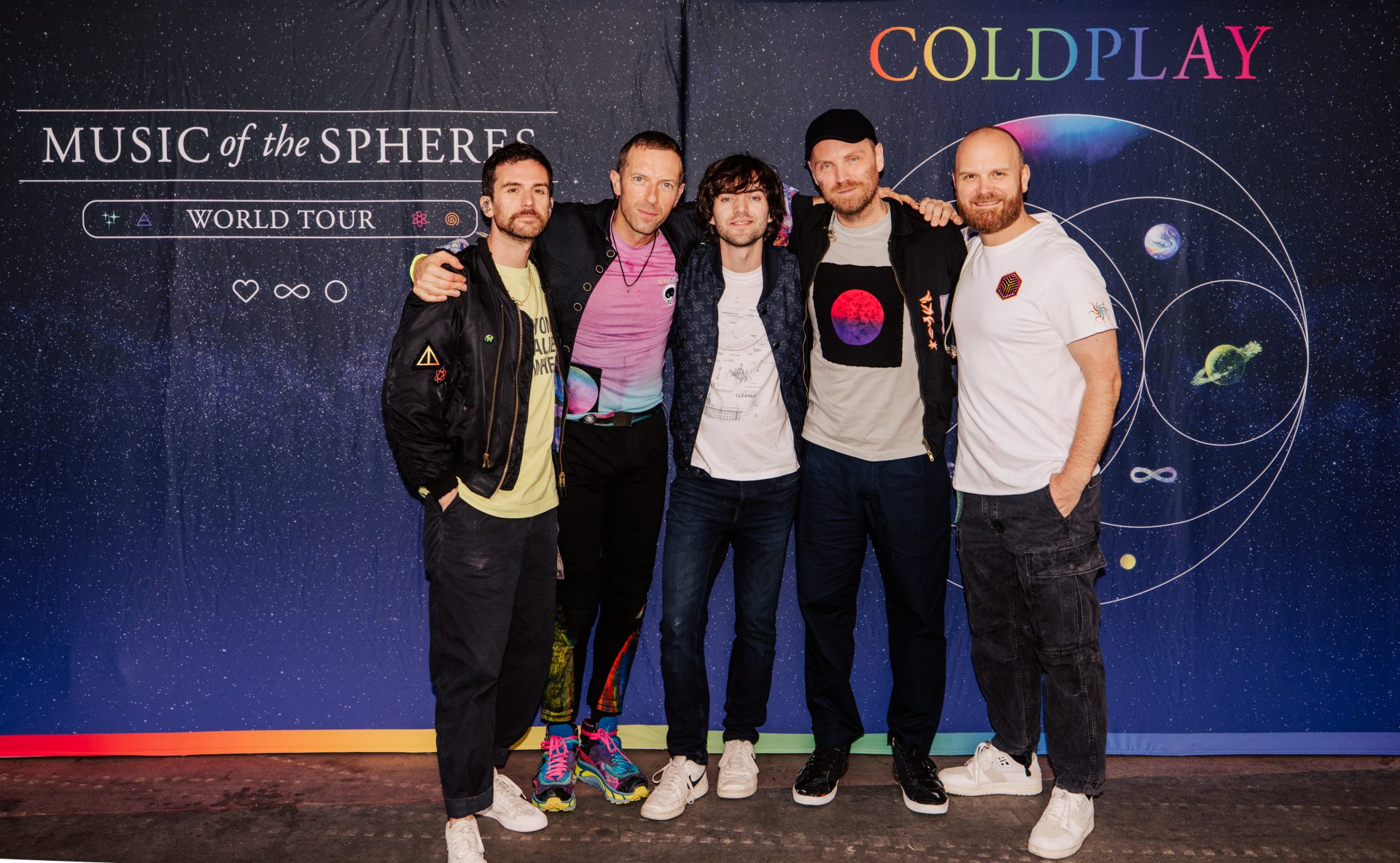
Boyan Slat (Founder and CEO of The Ocean Cleanup) with Coldplay. Credits: Anna Lee Media
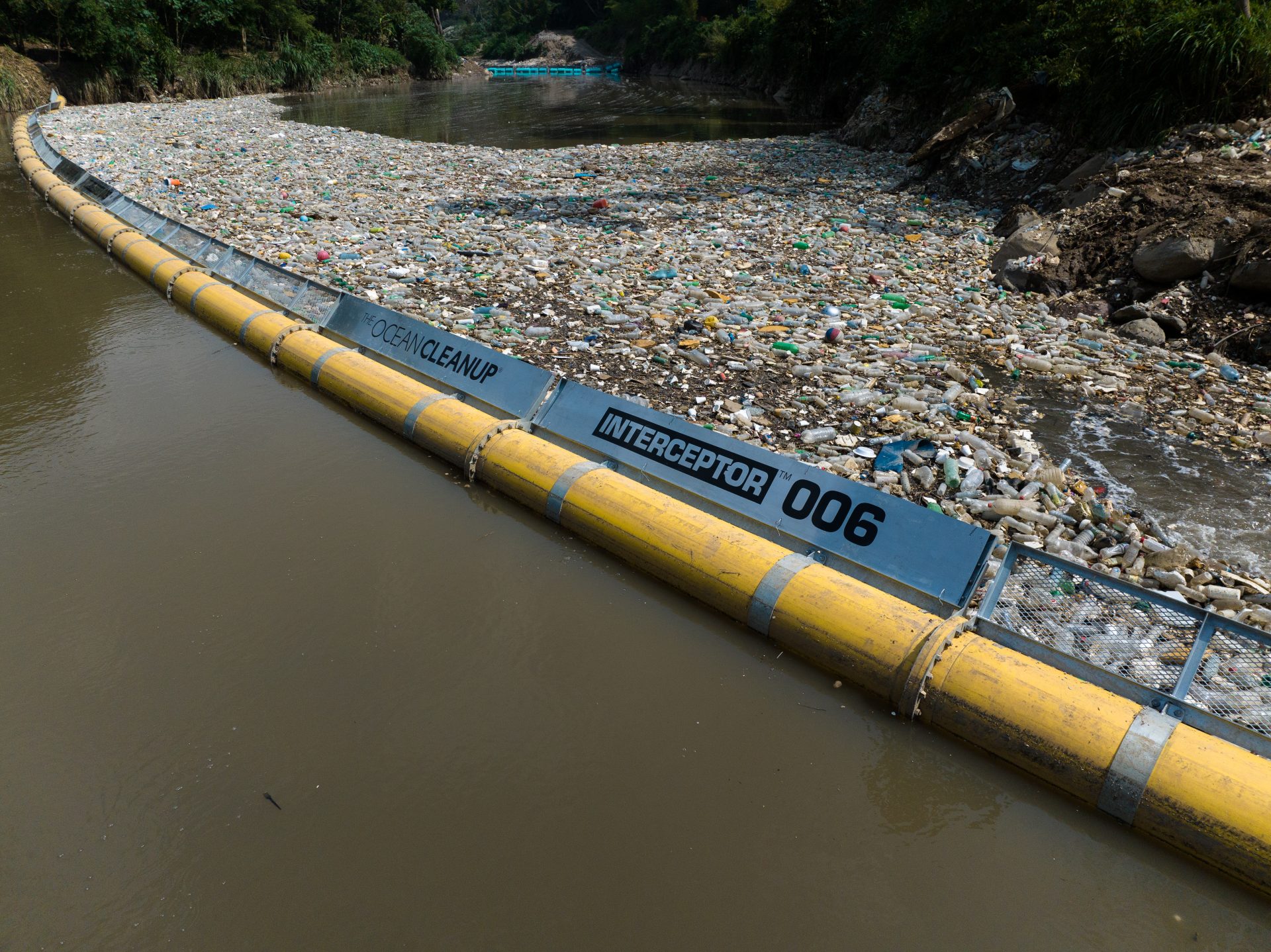
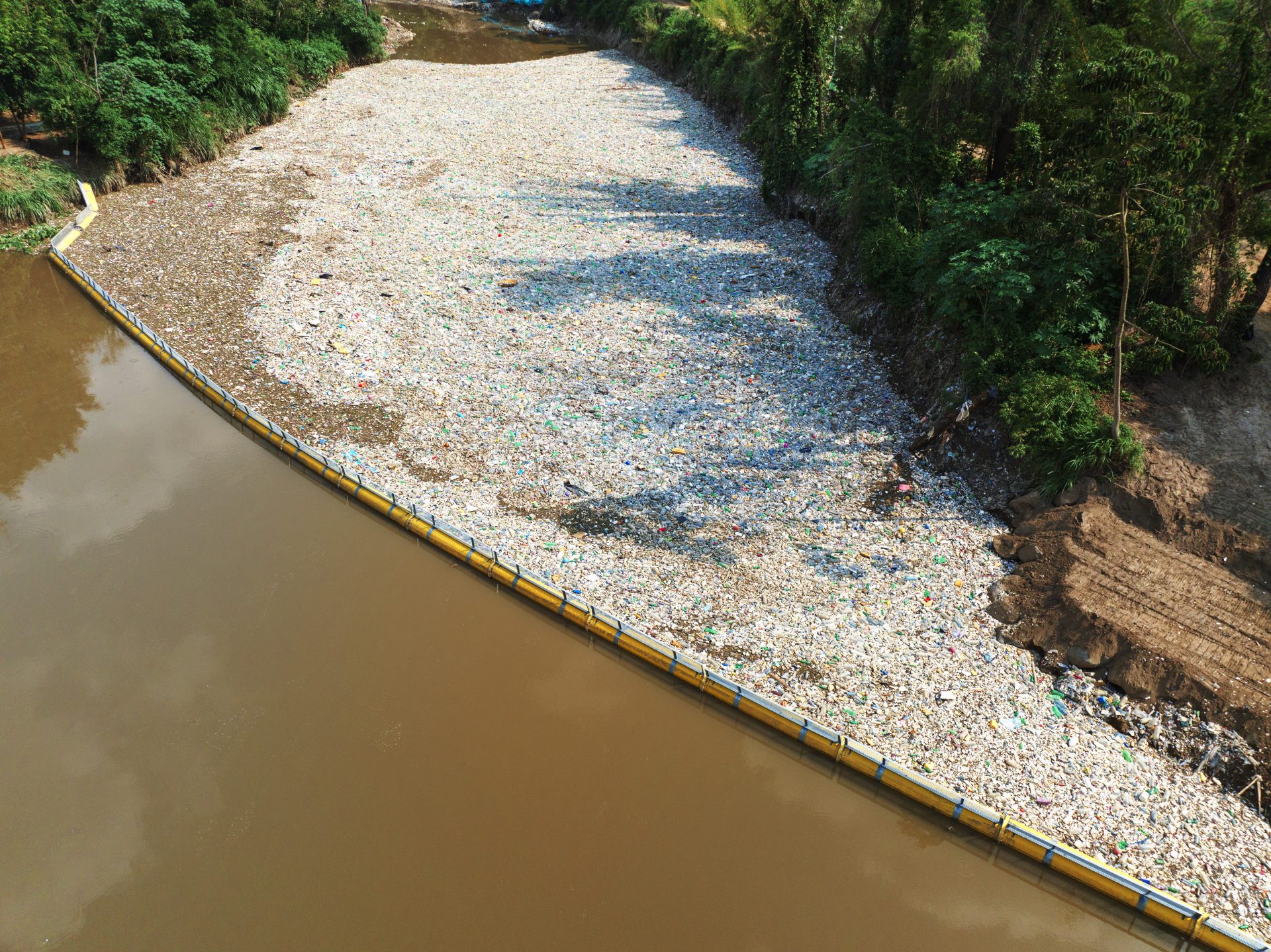
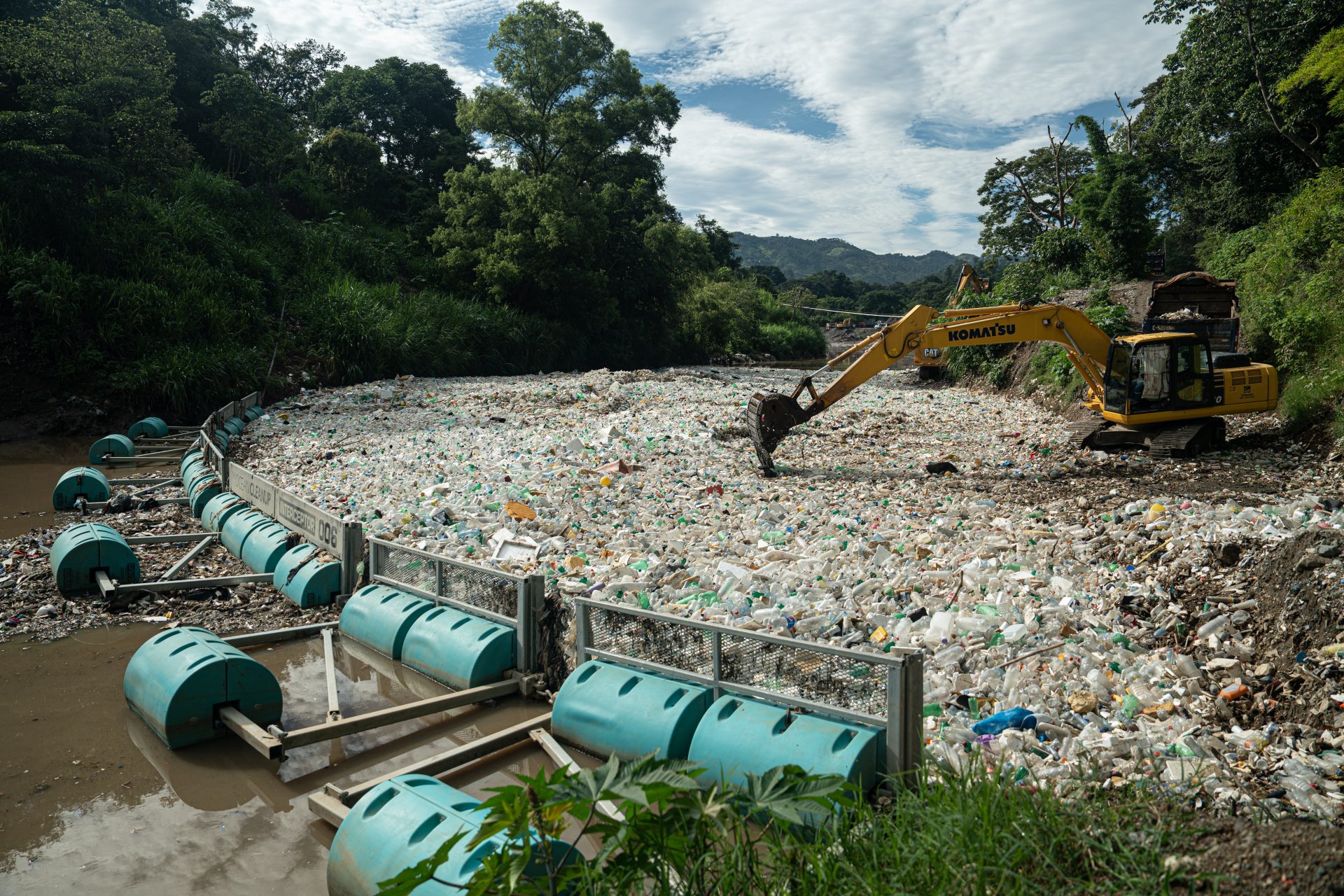
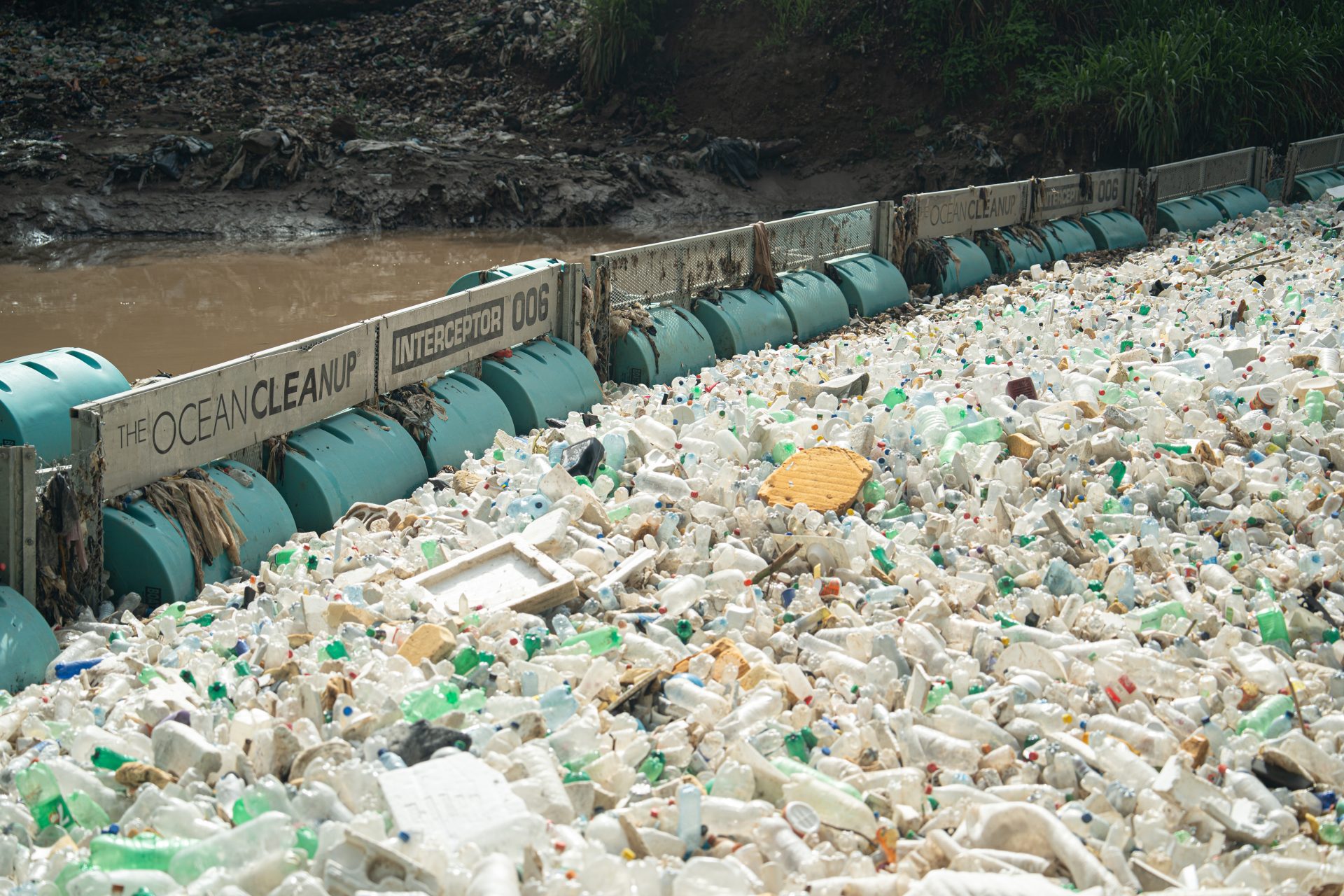
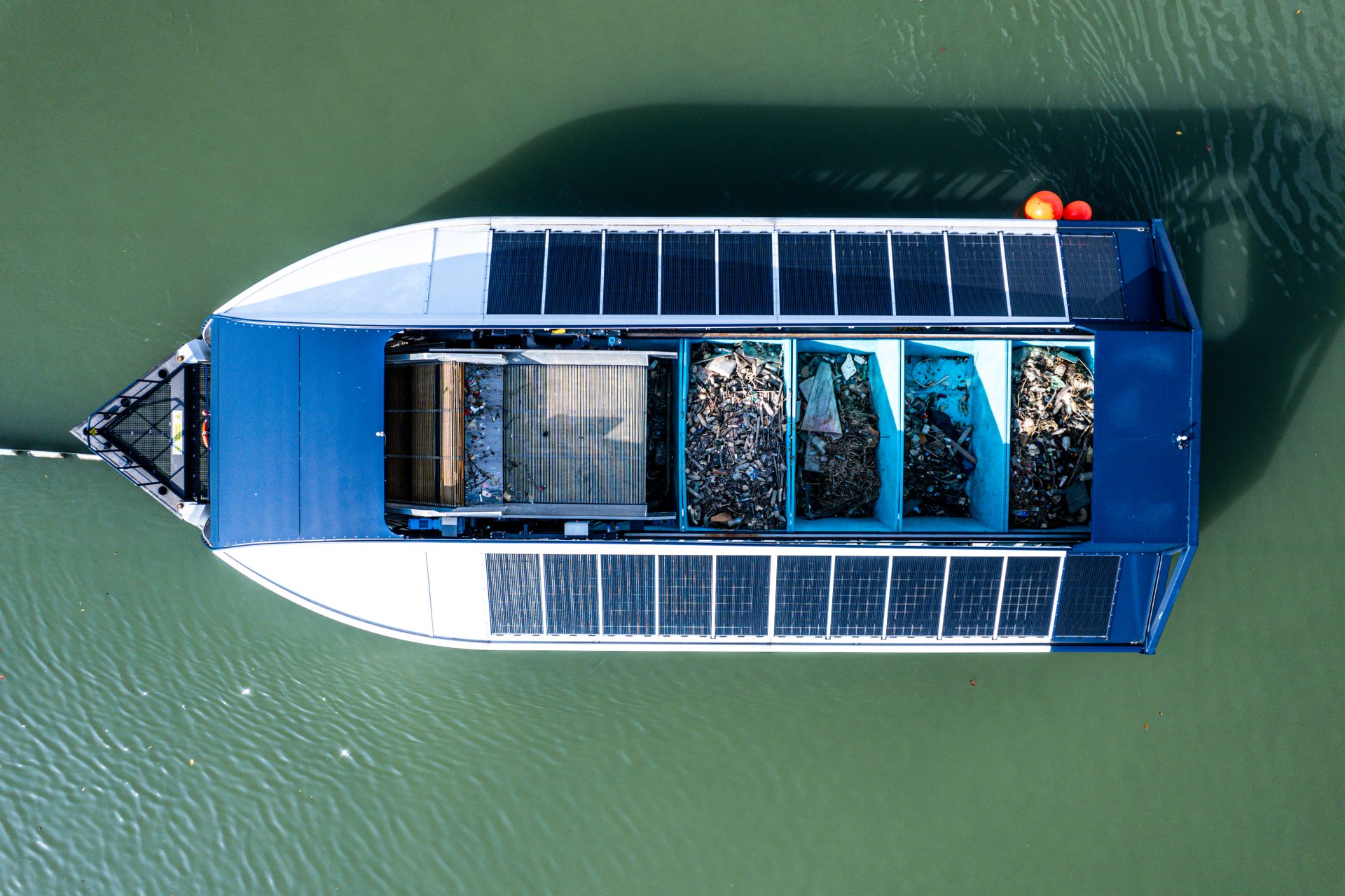
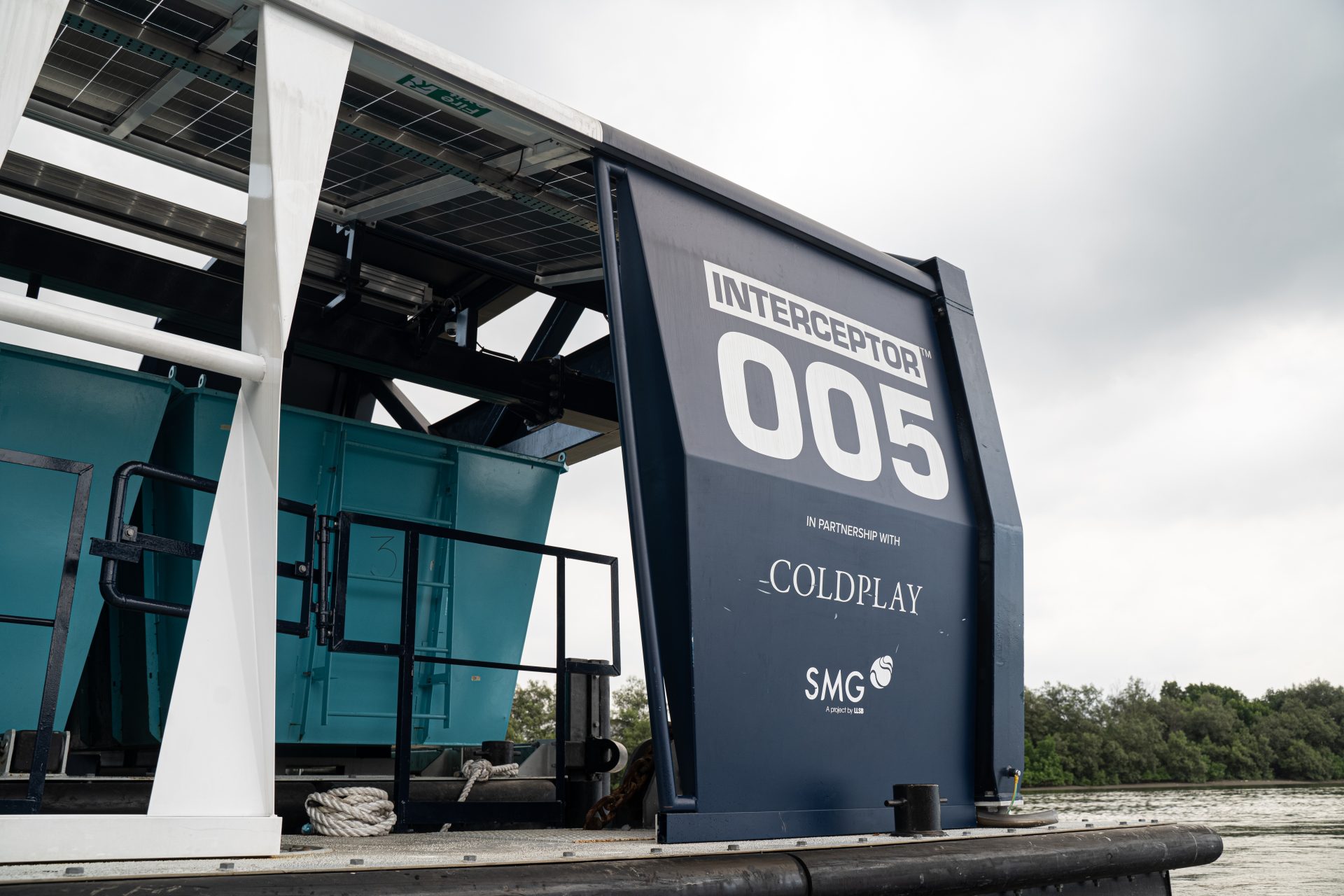
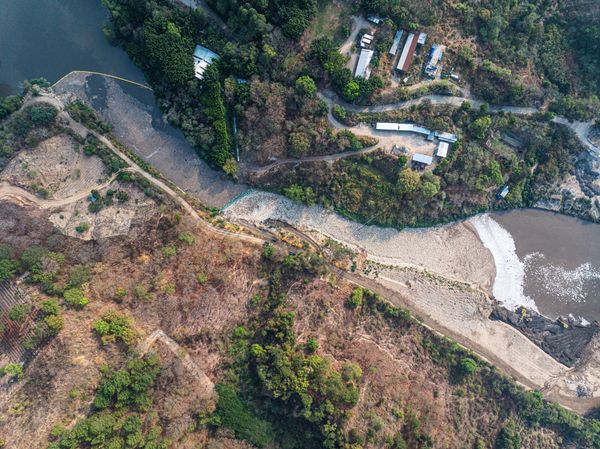
Interceptor Barricade in Guatemala
Las Vacas River, Interceptor 006Images (10)
-
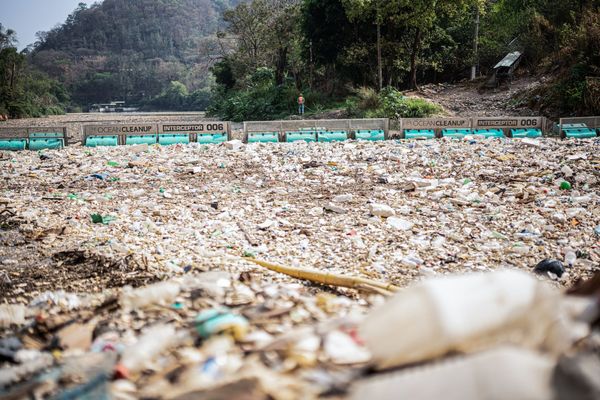
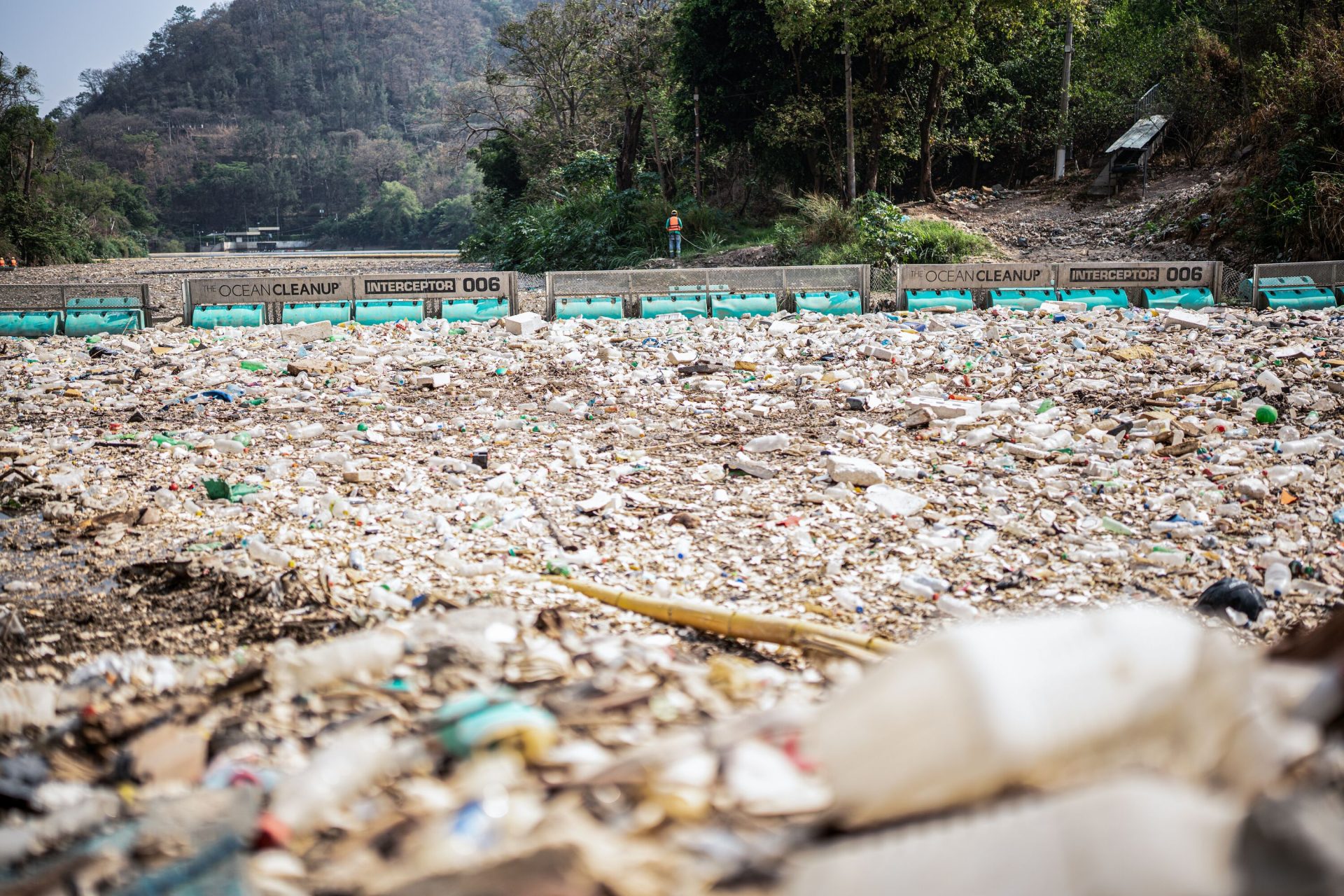
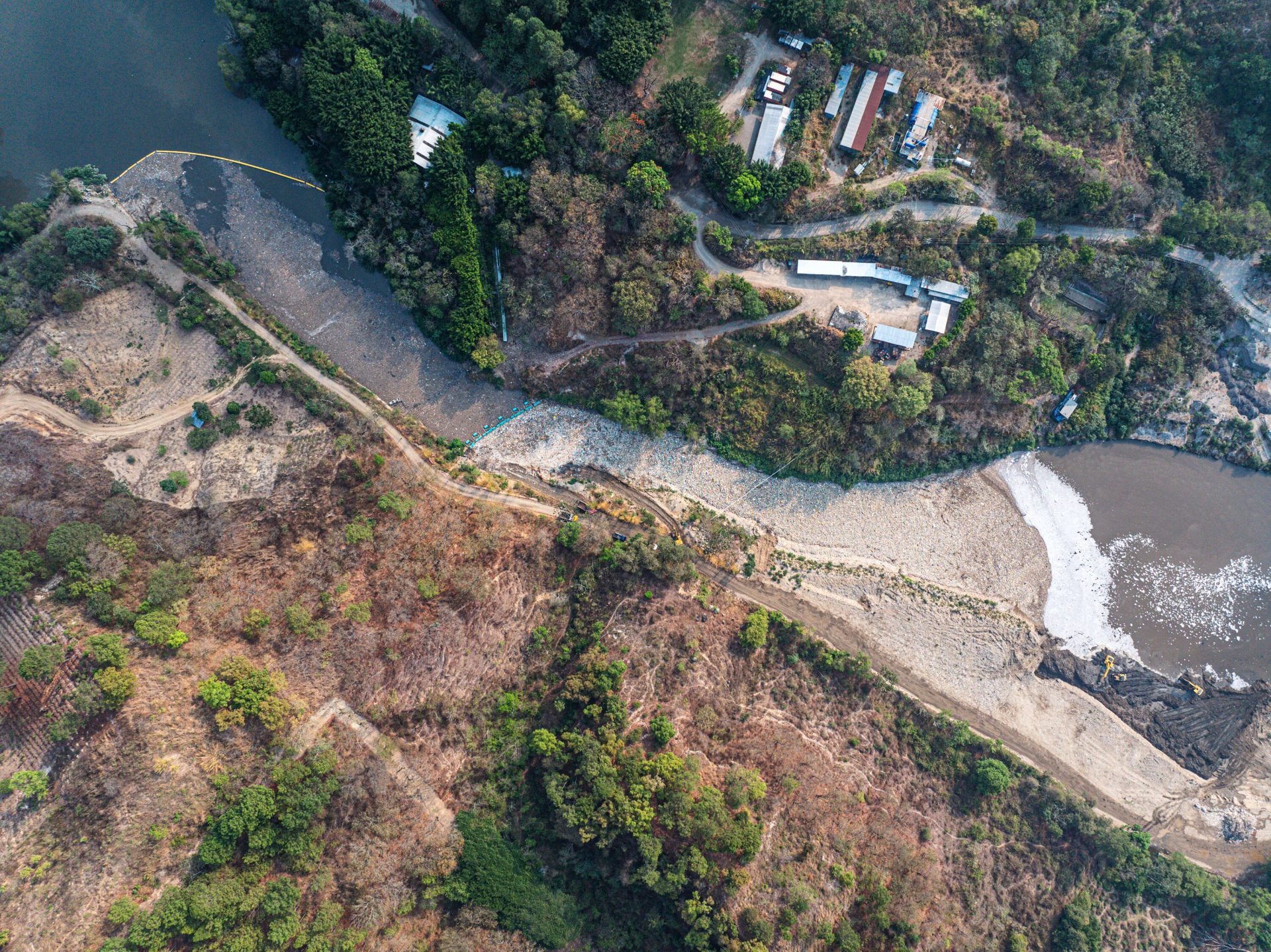
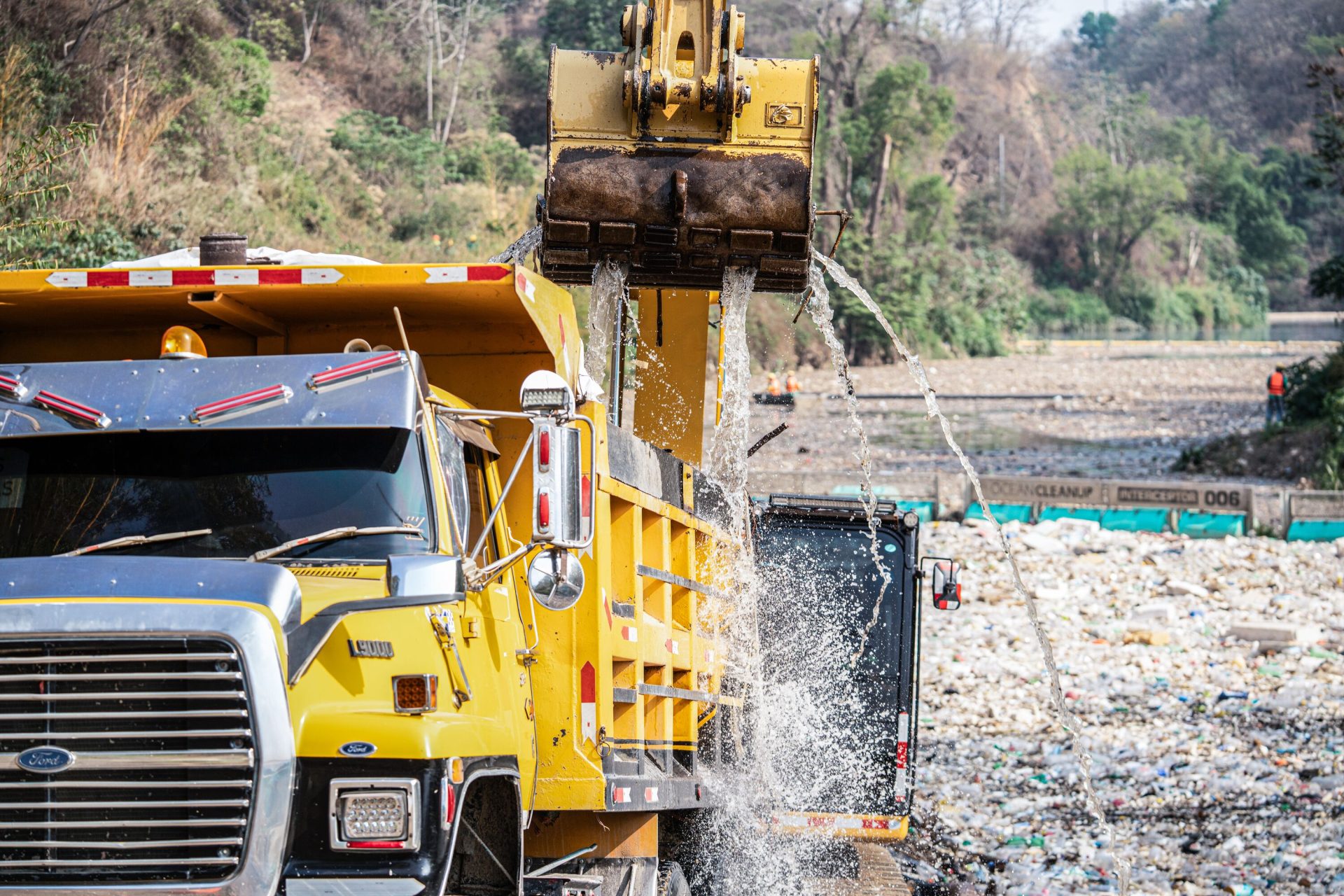
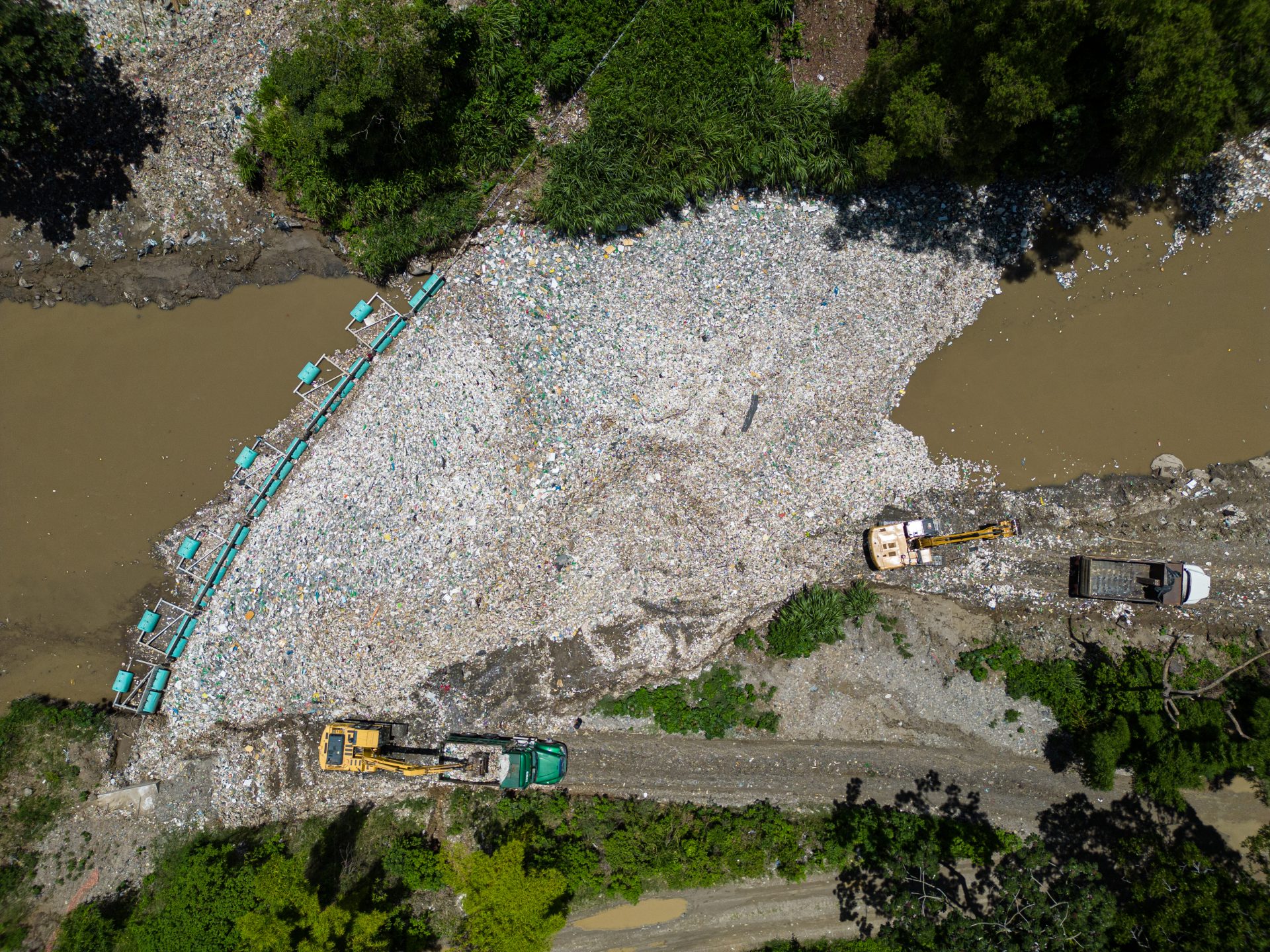
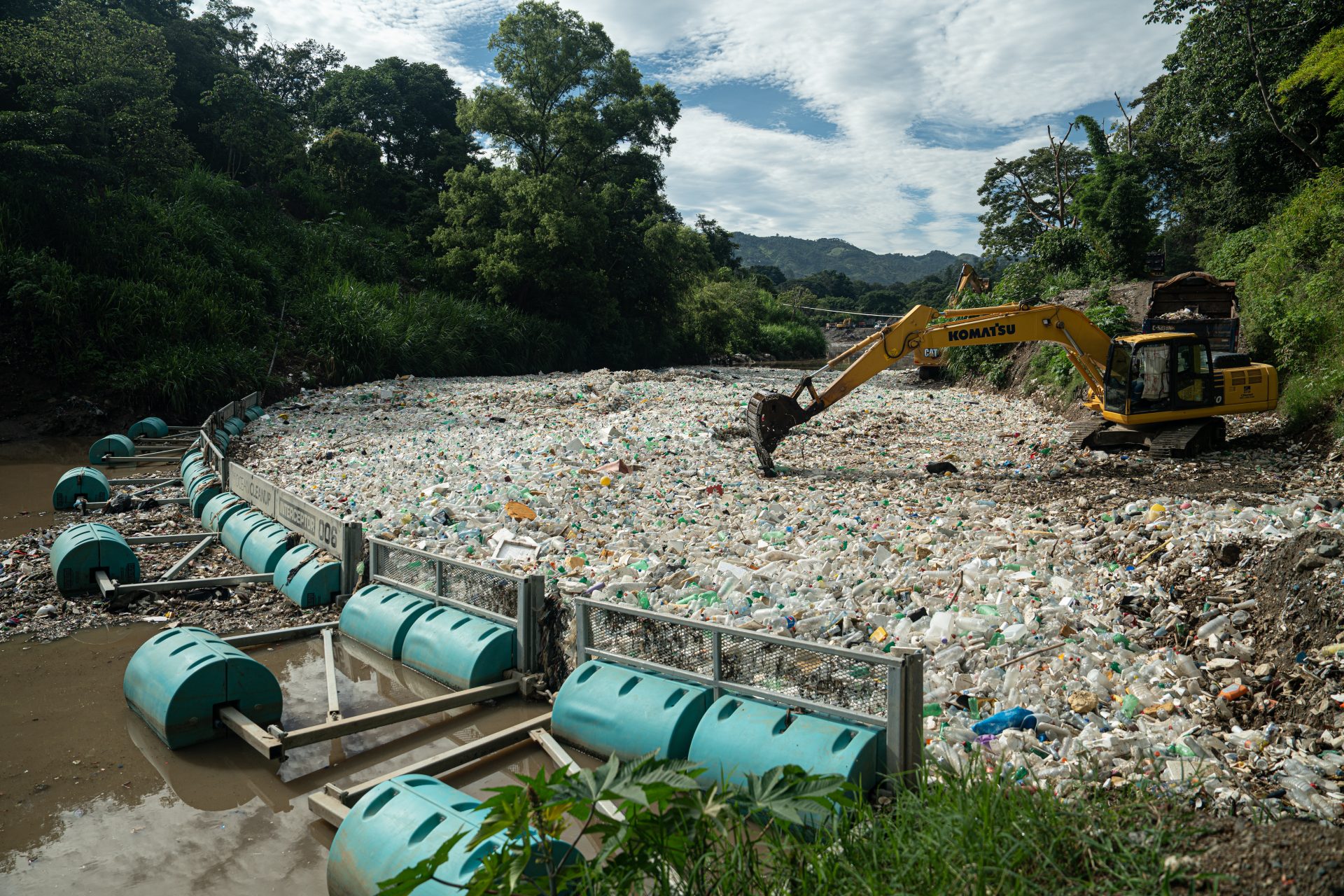
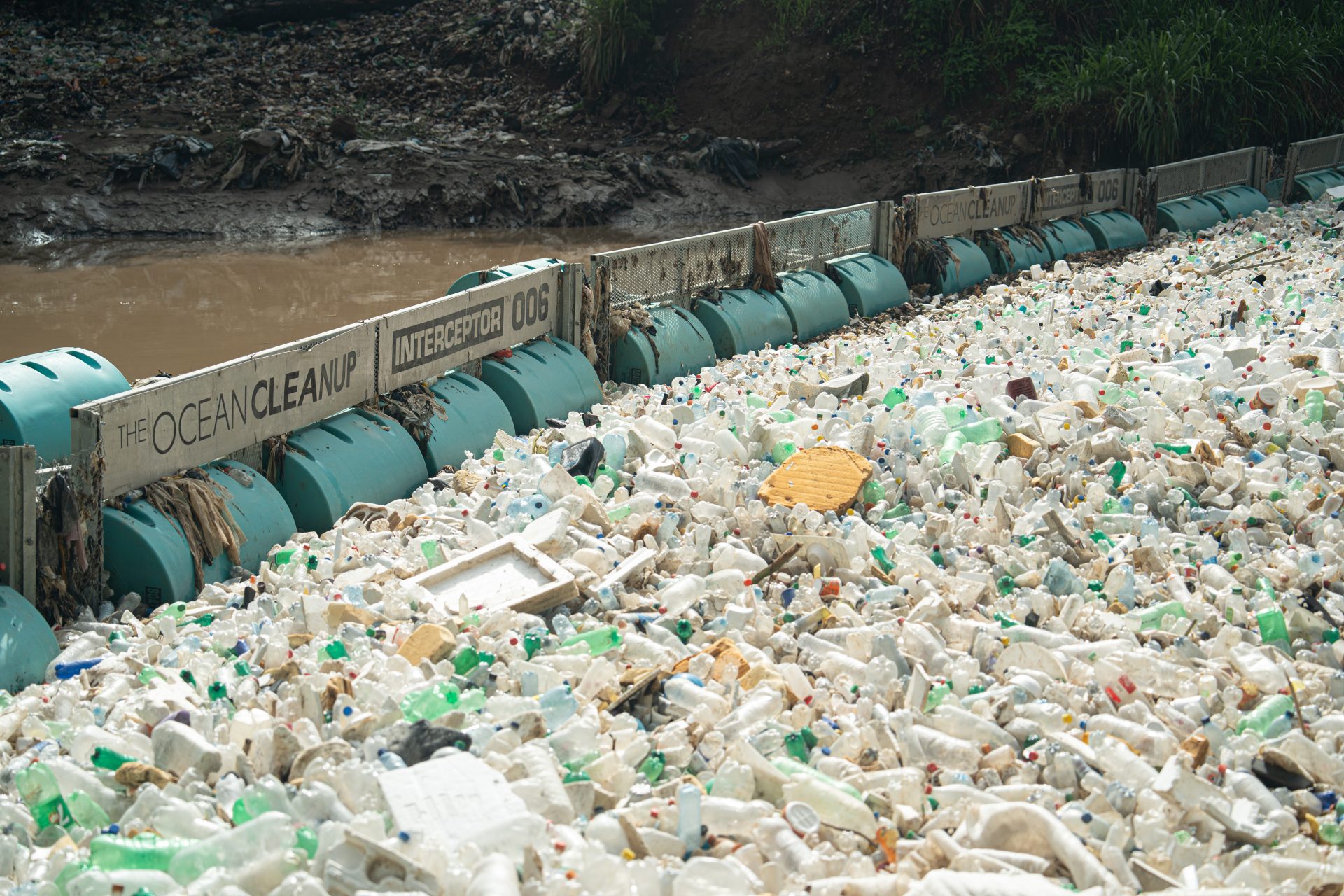
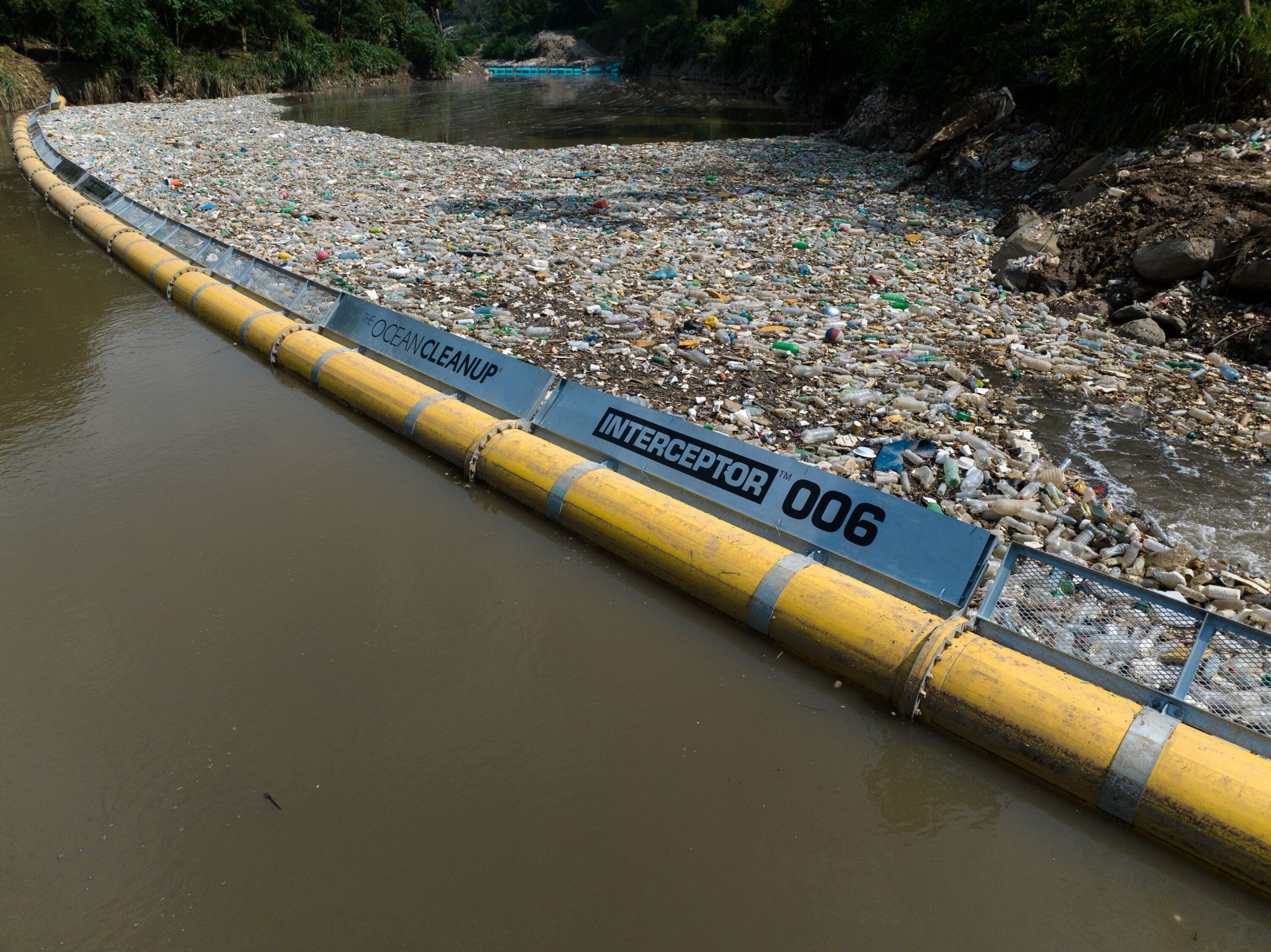
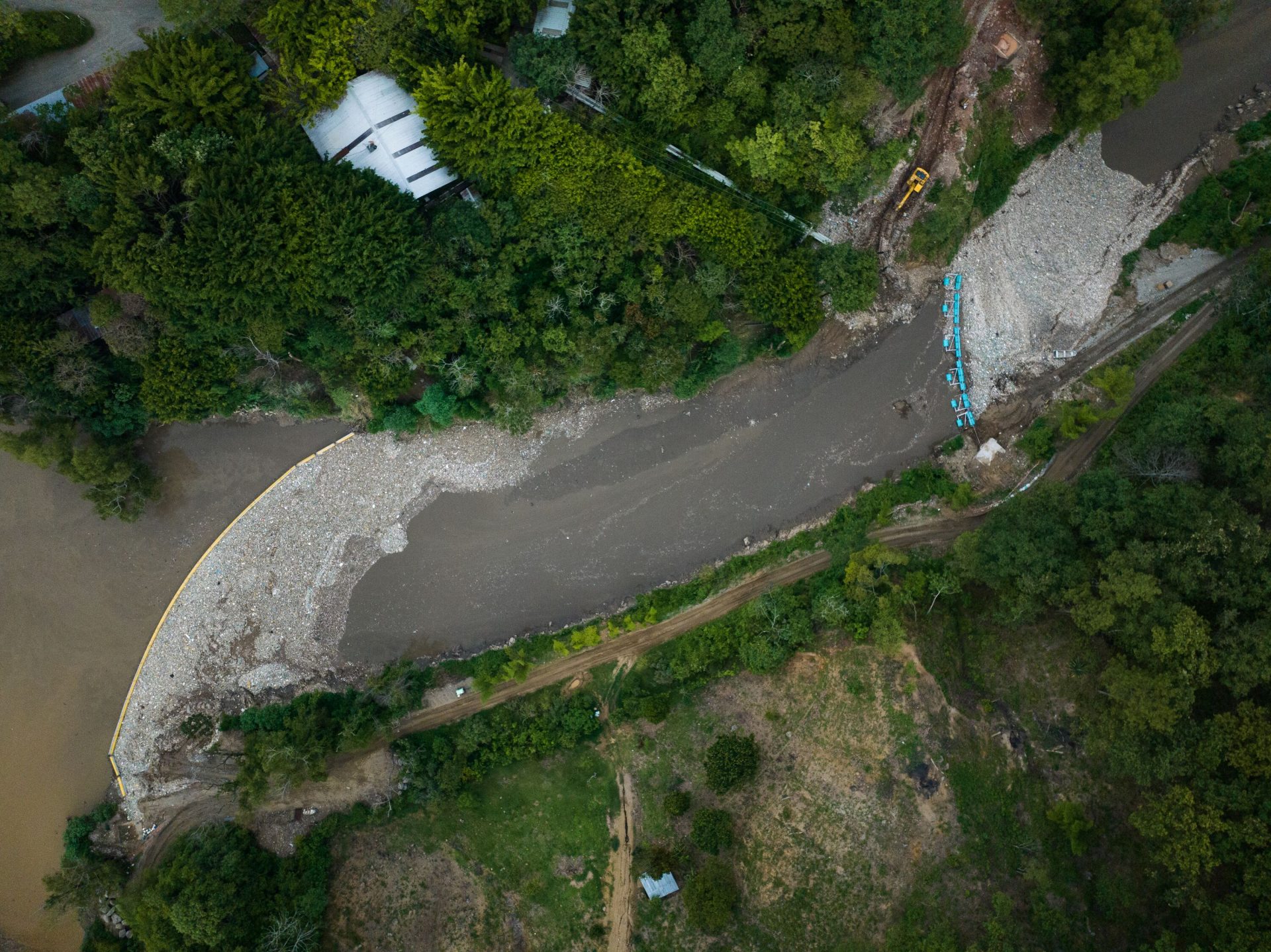
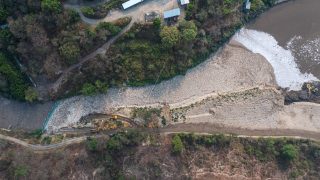
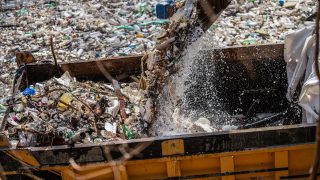
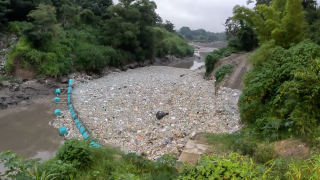
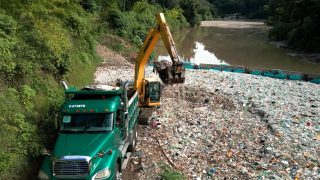
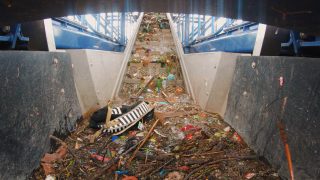
Trash accumulated against the Interceptor Barricade in Guatemala during the first flood of 2024 -
Interceptor Barricade catching a trash flood in the Rio Las Vacas in April 2024, Guatemala -
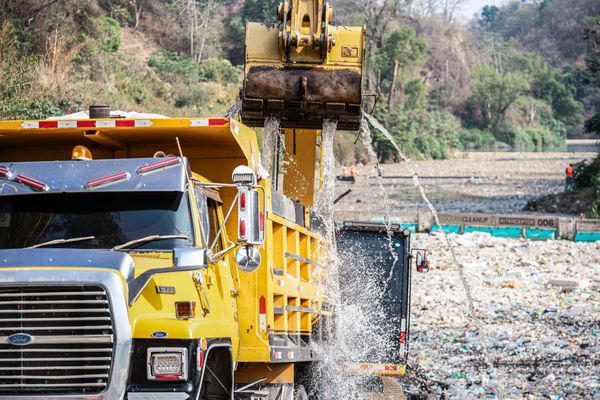
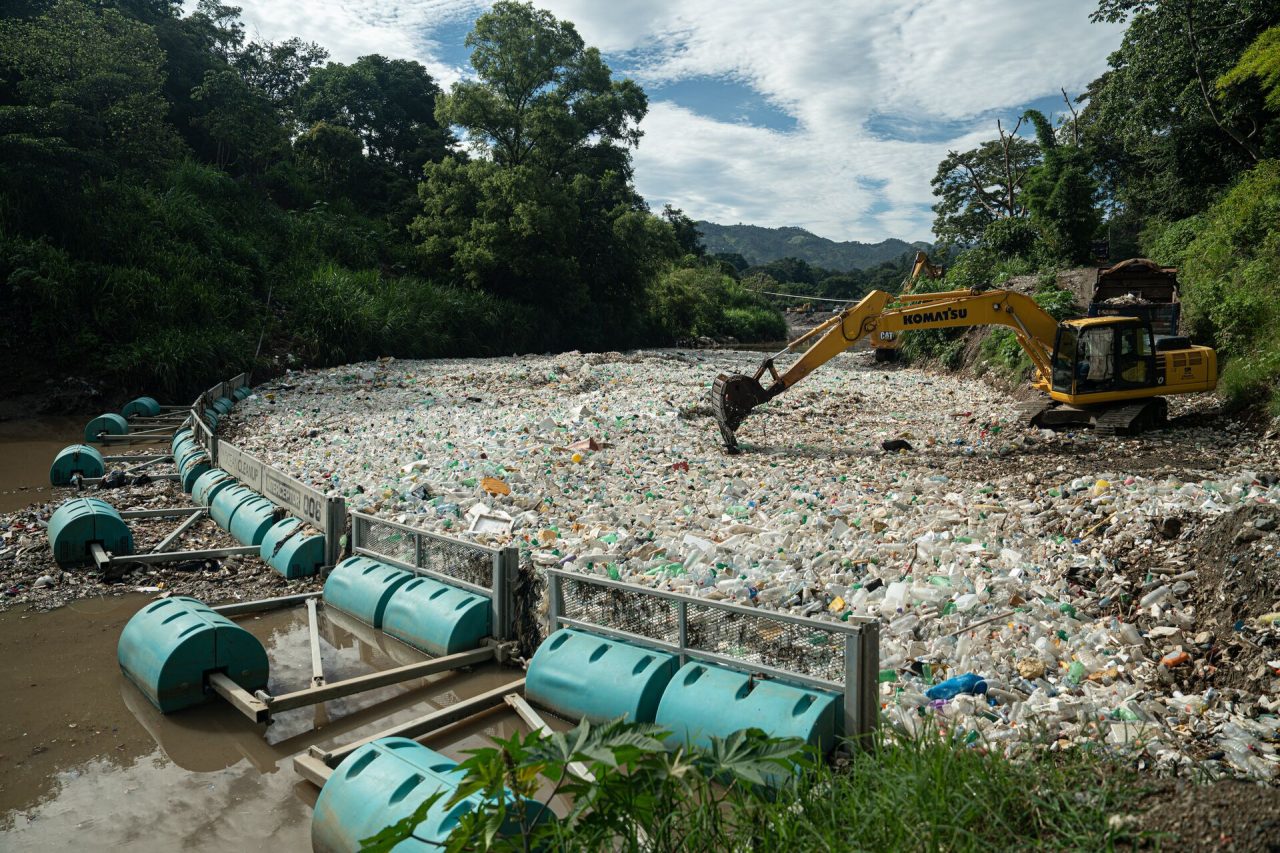
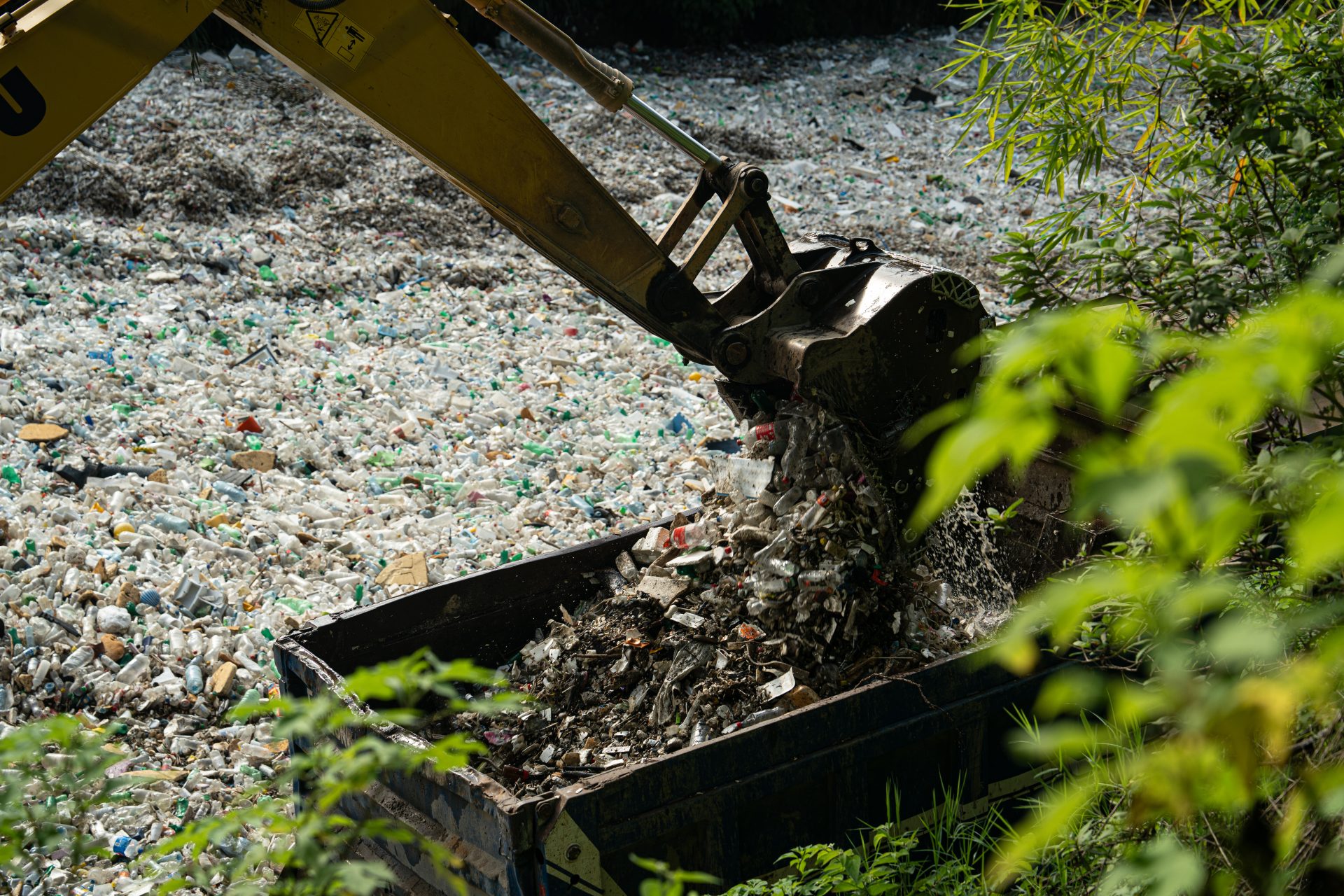
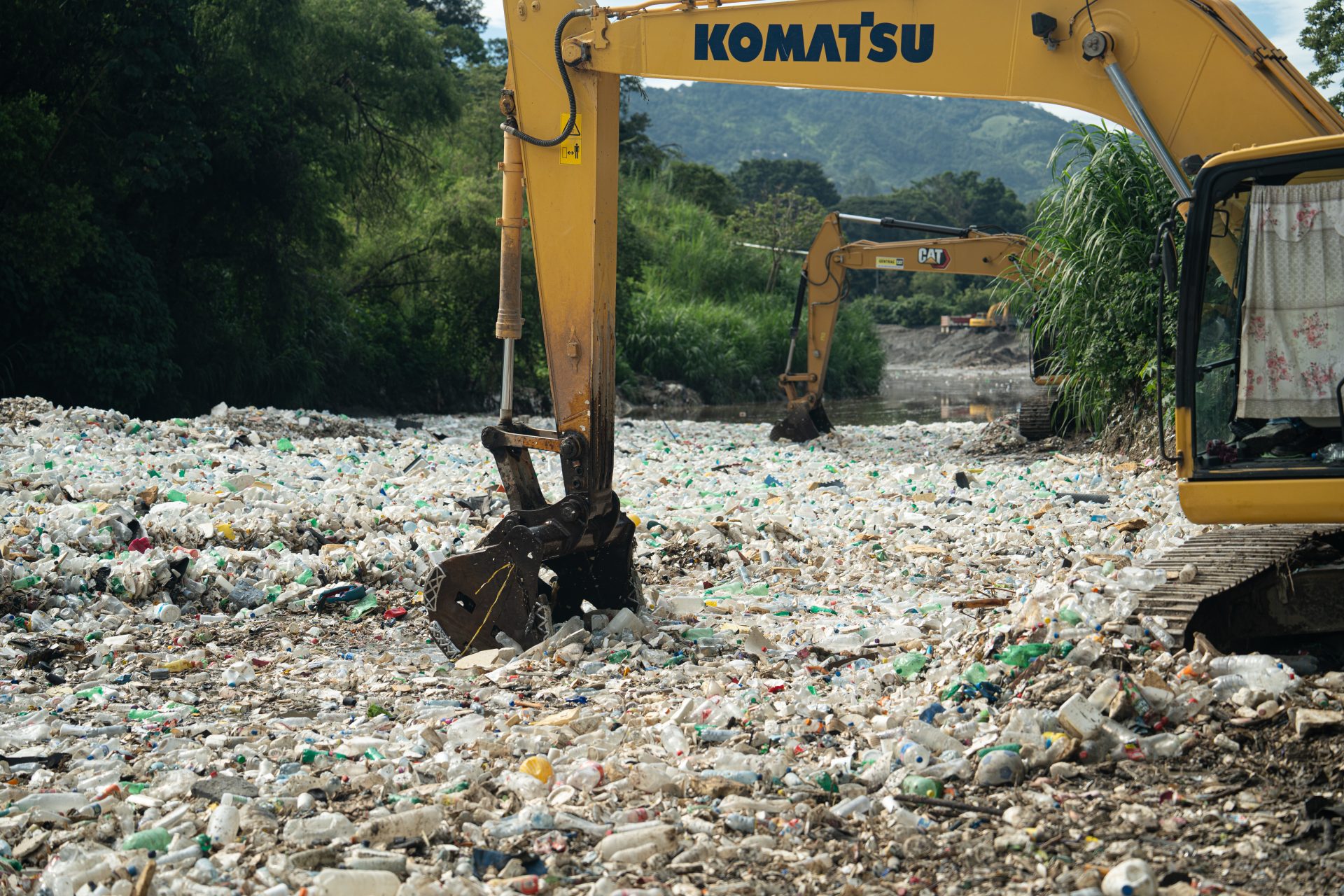
Excavators removing the trash captured by Interceptor 006 in Guatemala (April 2024) -
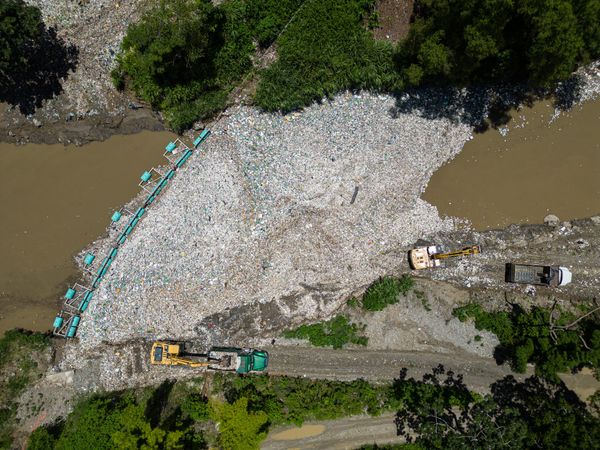
Excavators removing trash from the Interceptor Barricade in Guatemala, Rio Las Vacas (July 2023) -
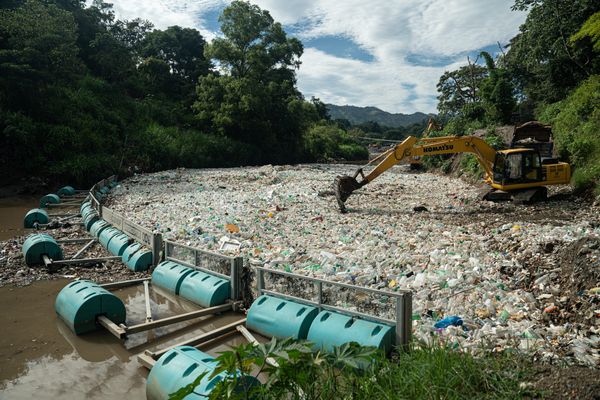
Excavators removing trash from the Interceptor Barricade in Guatemala, Rio Las Vacas (July 2023)
Video footage (6)
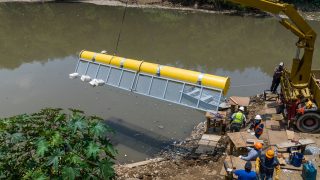
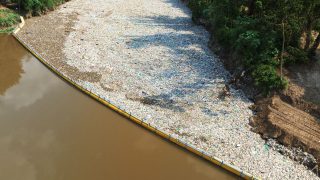
Interceptors in Operation
Images (28)
-
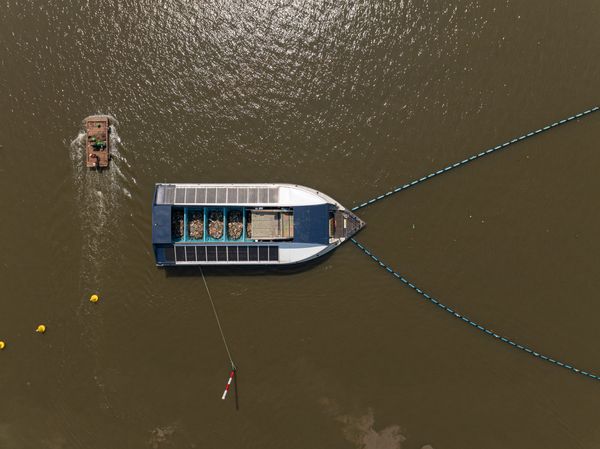
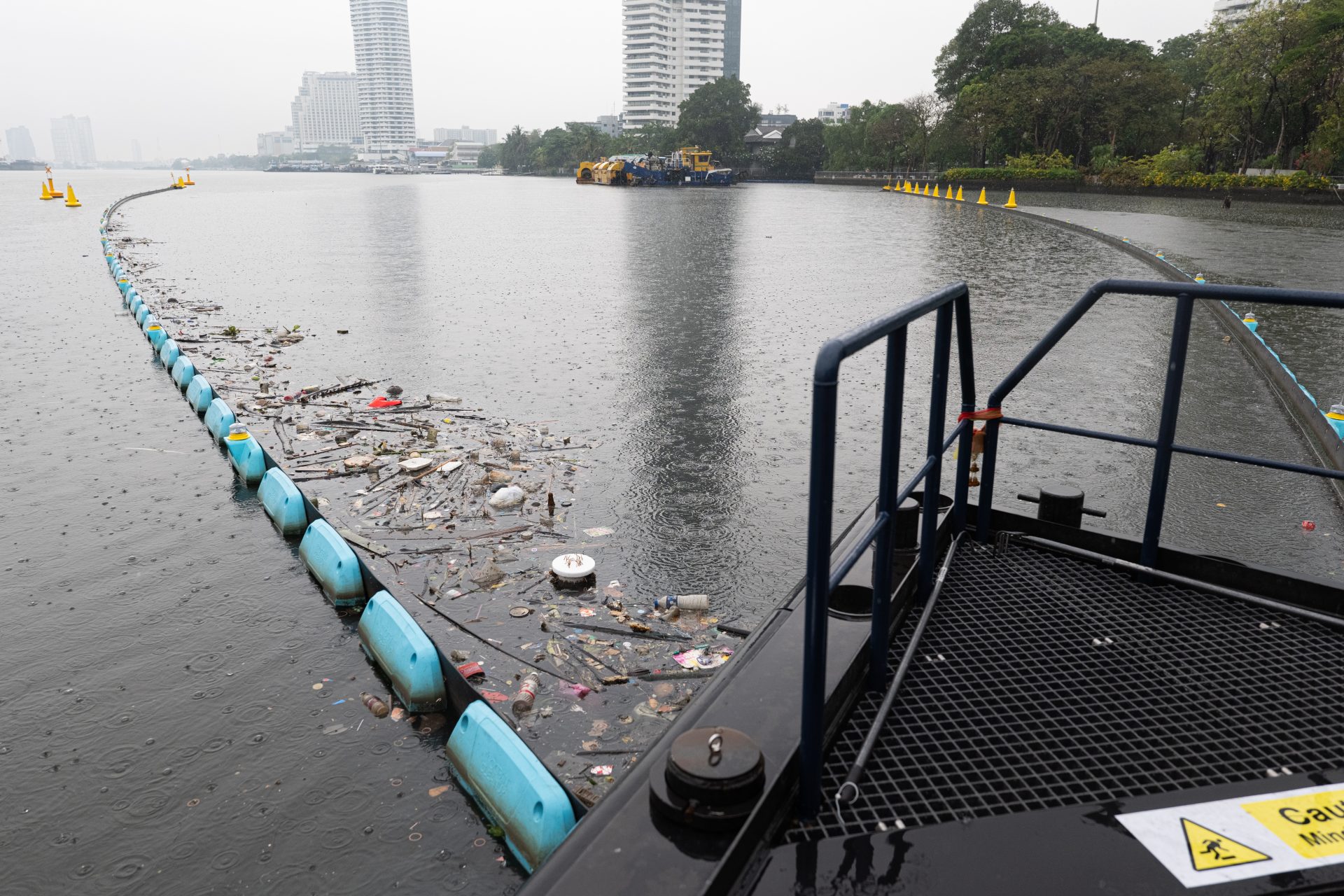
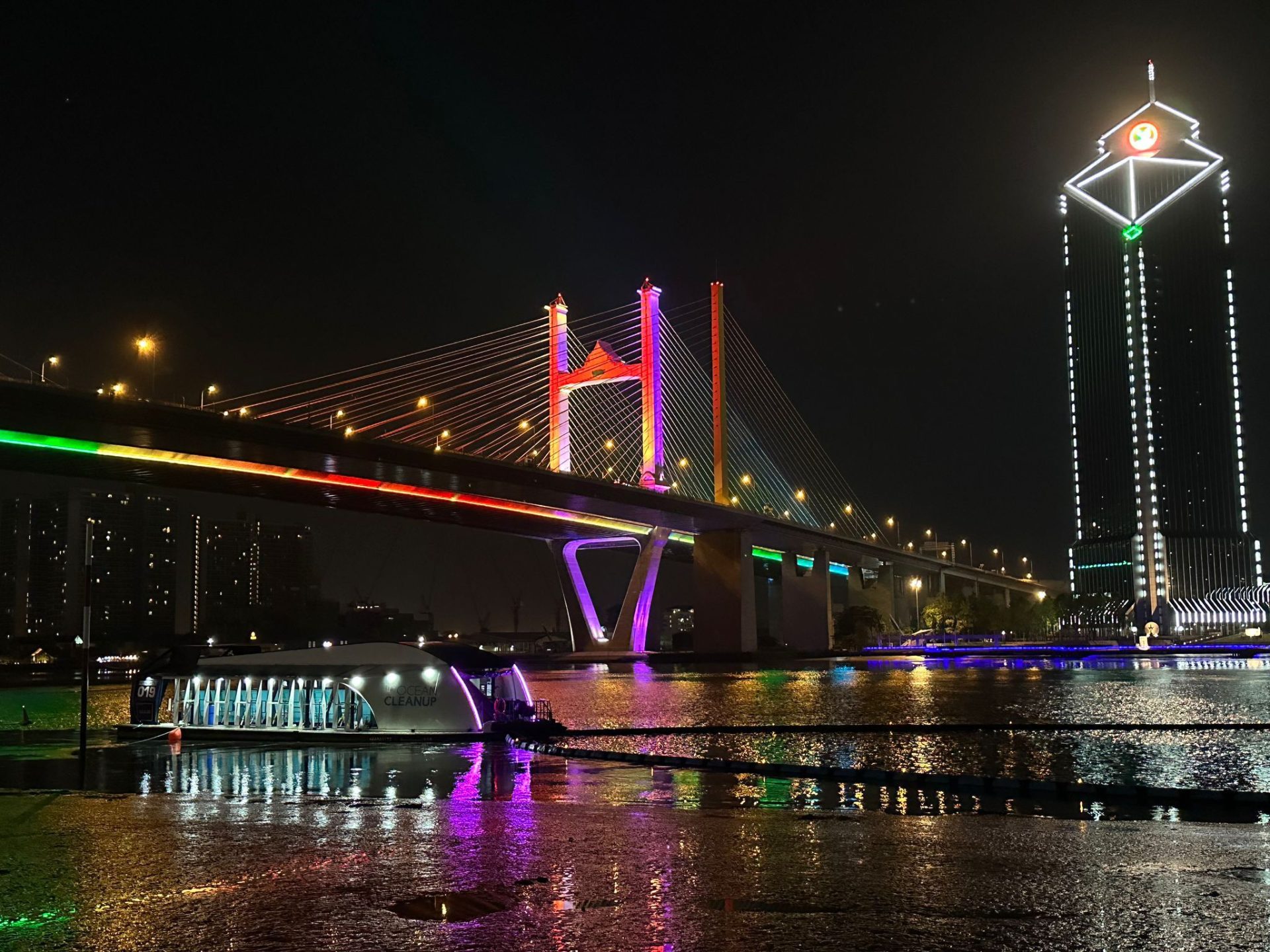
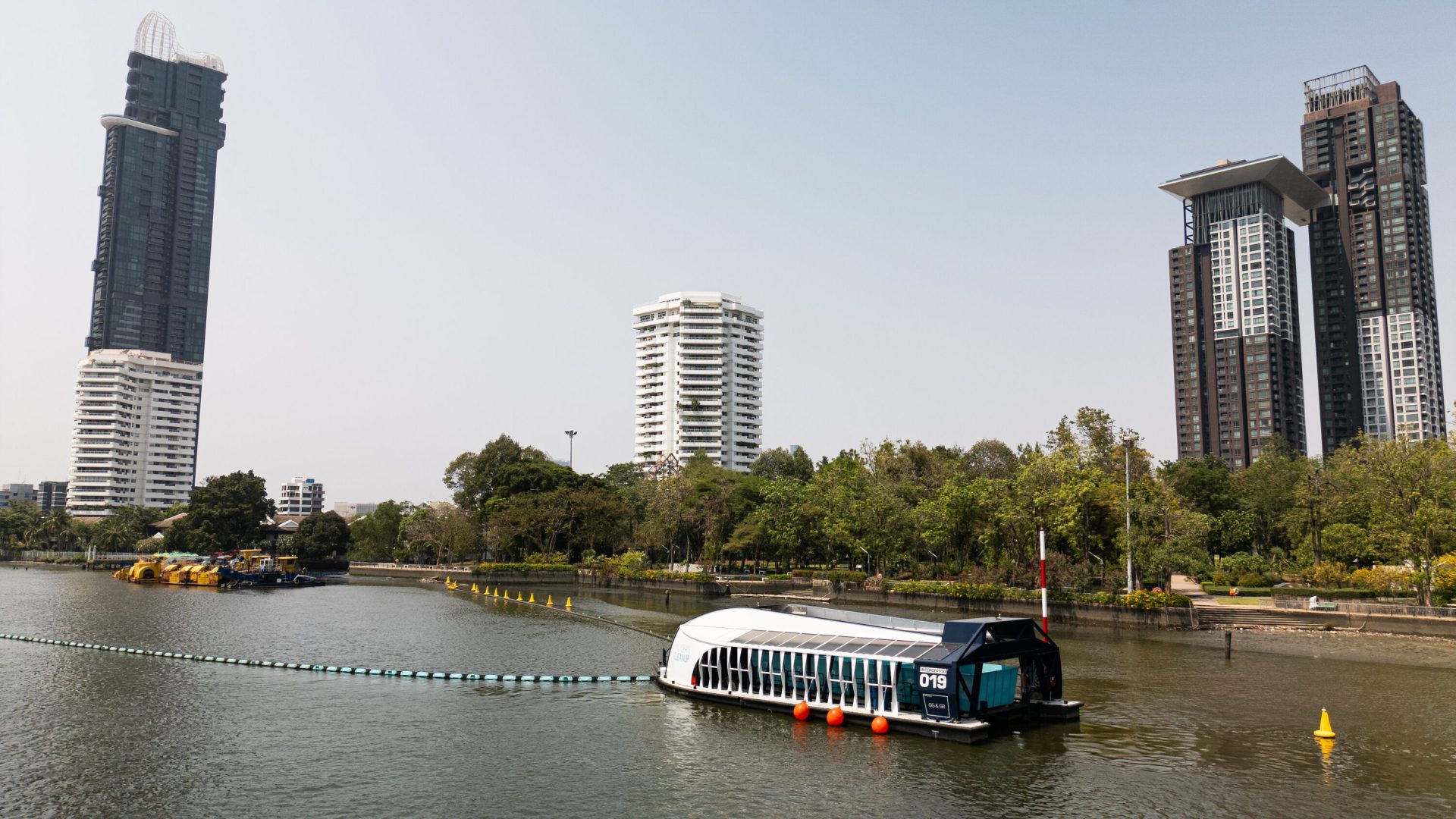
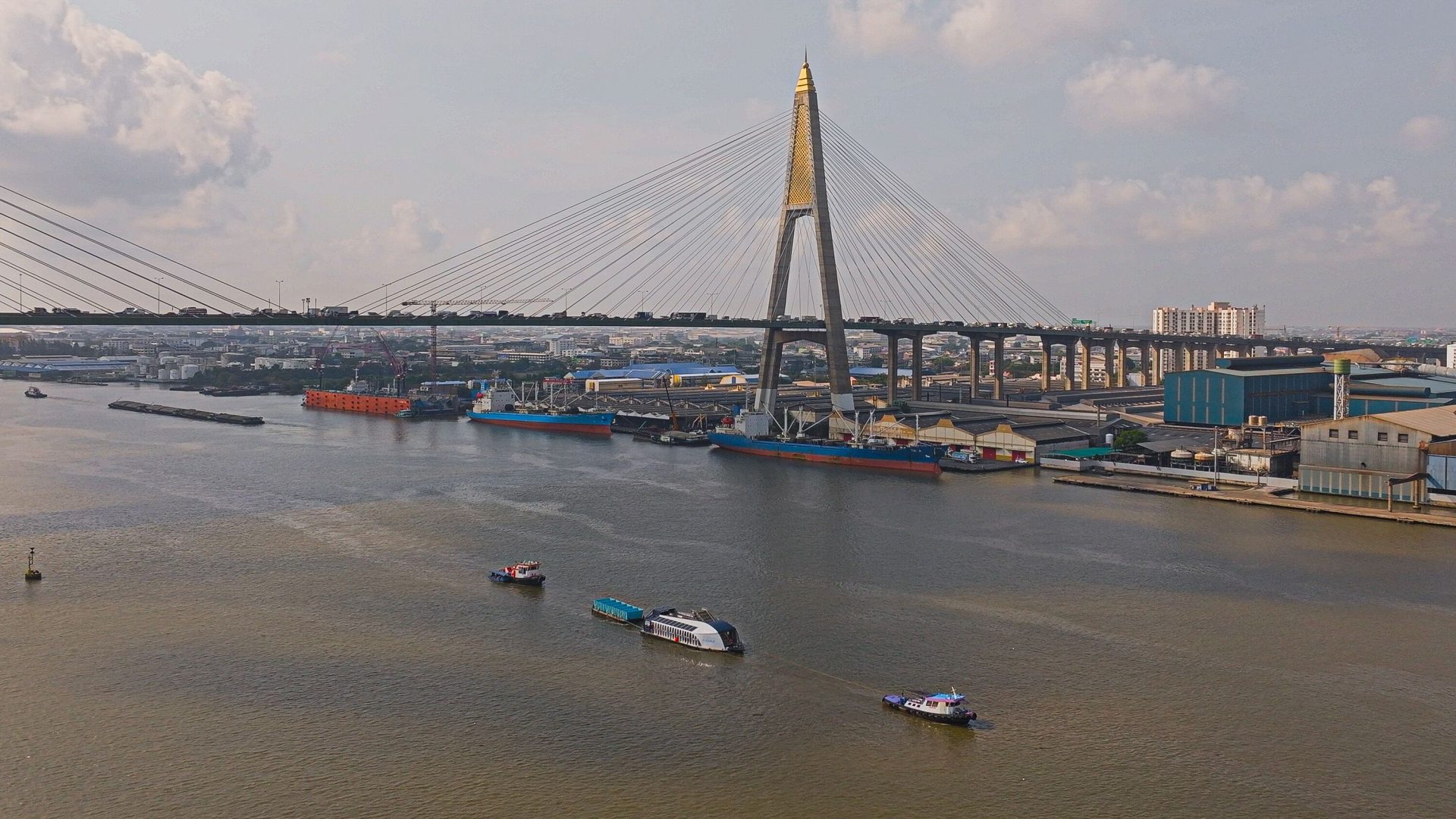
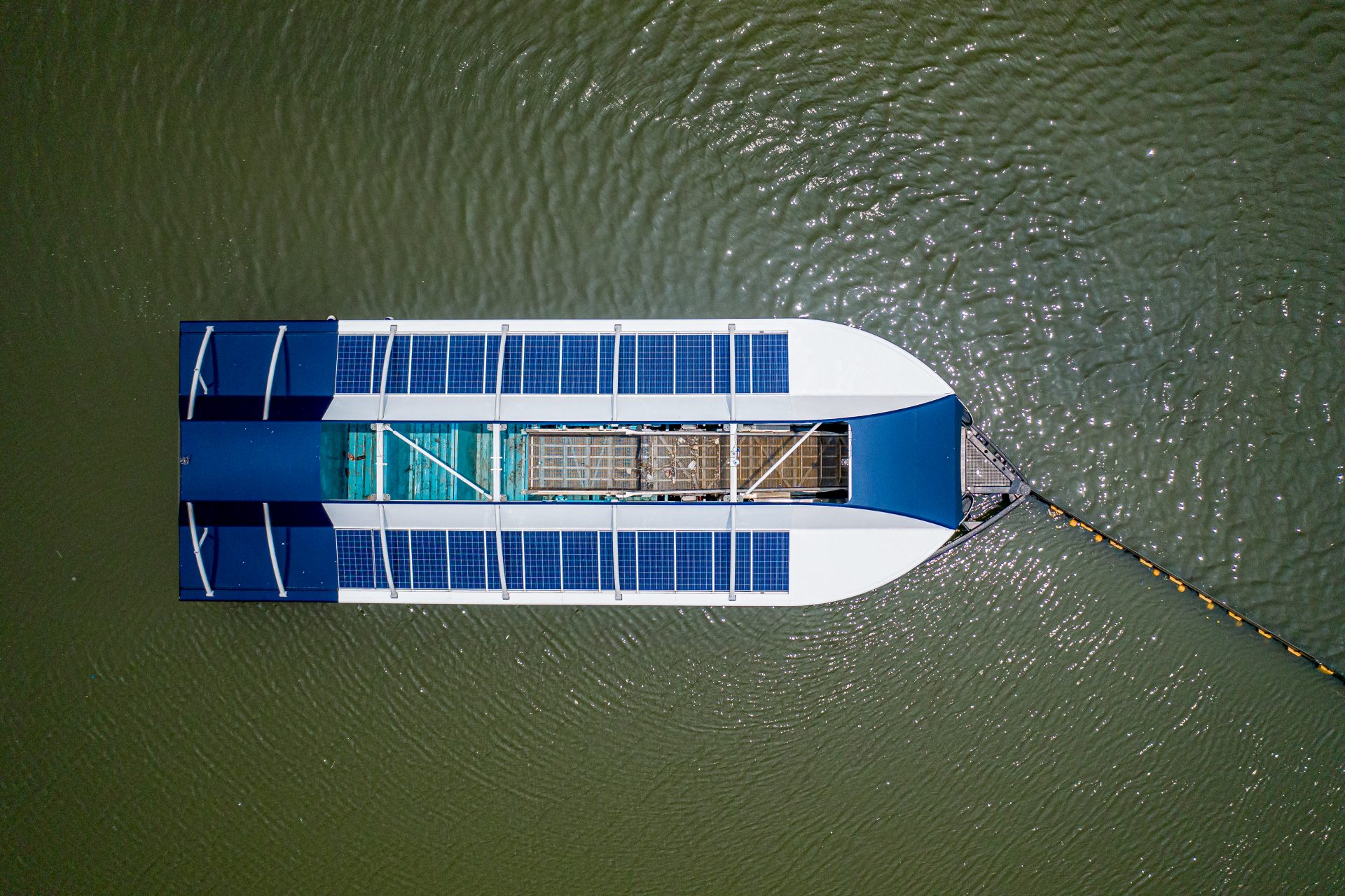
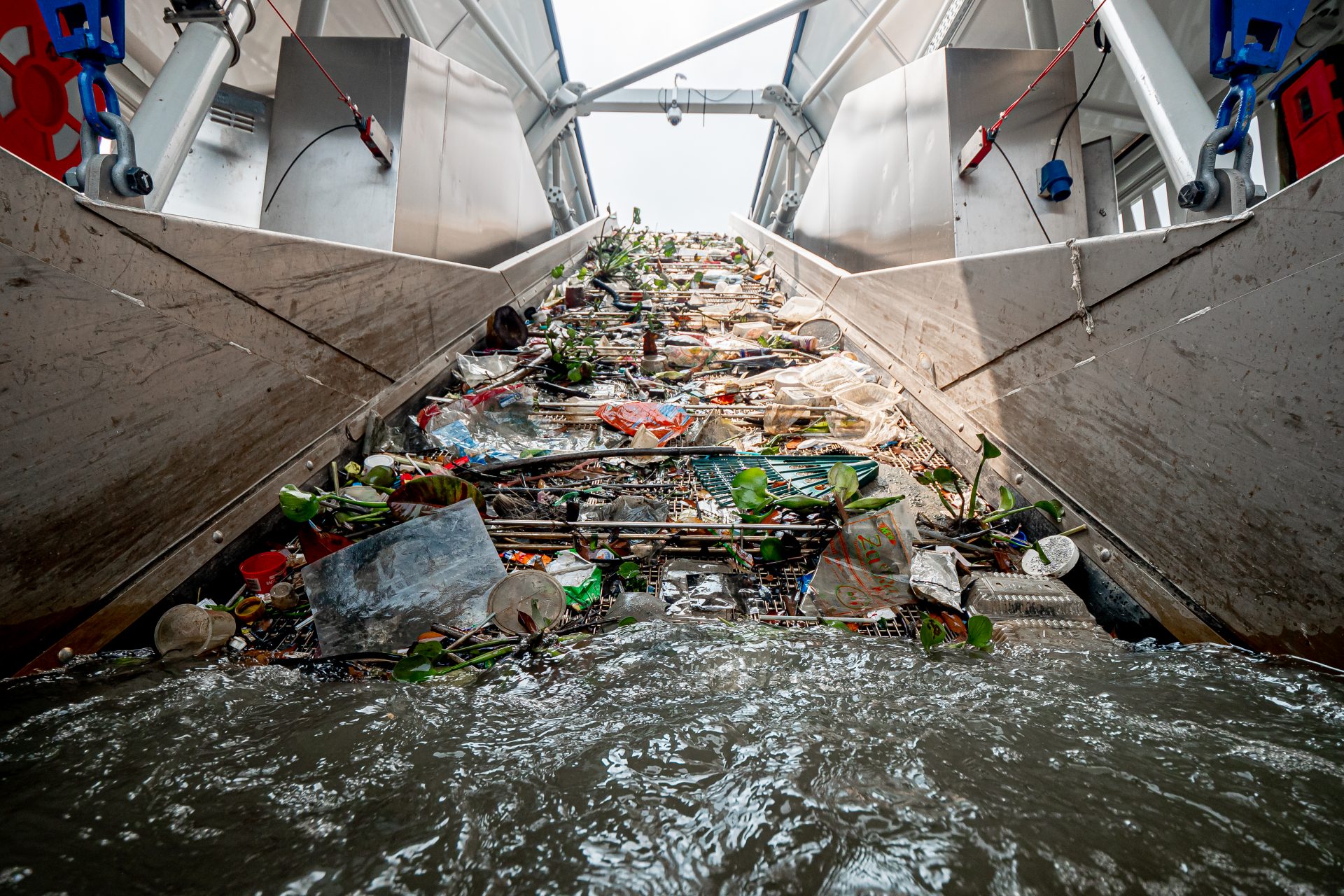
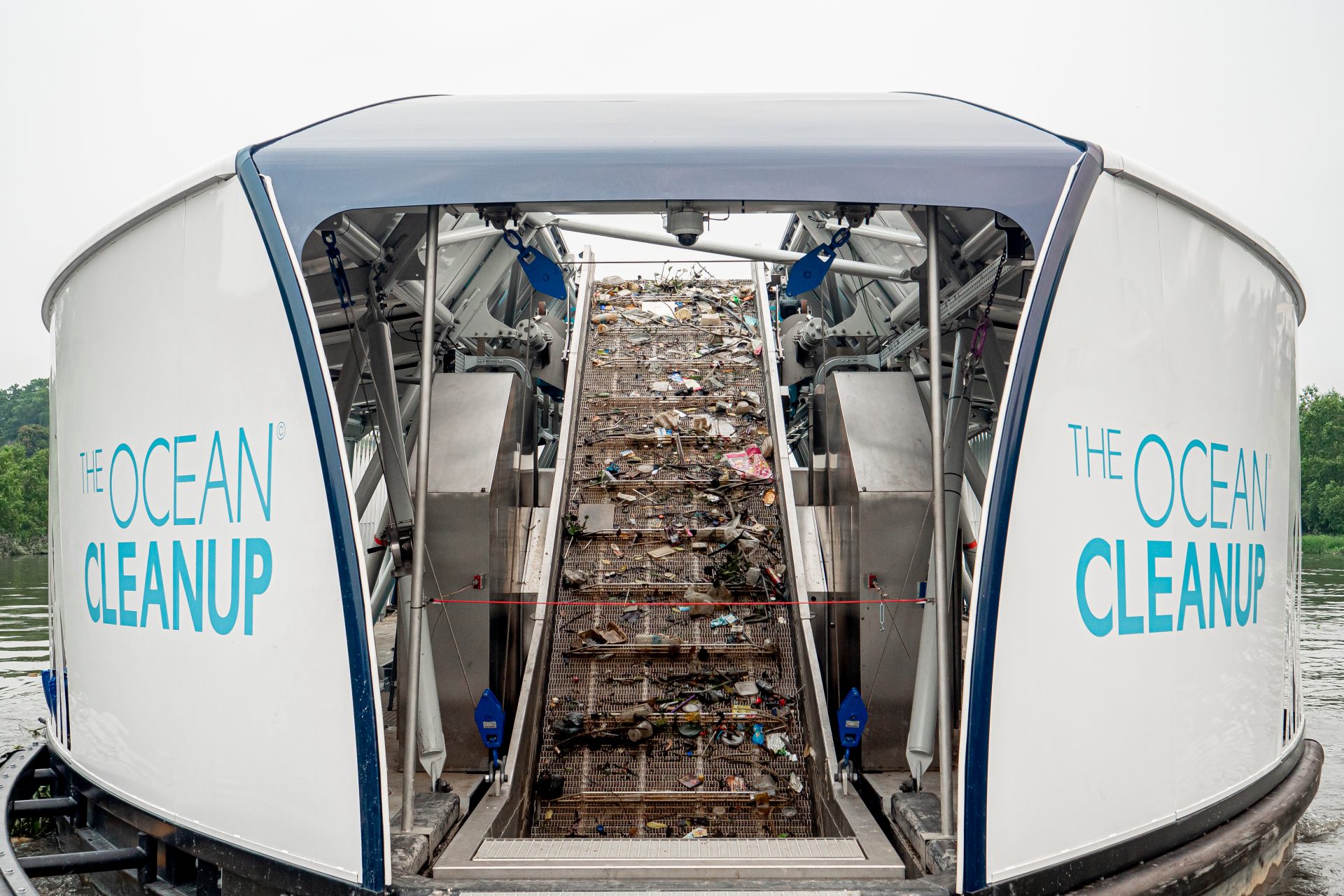
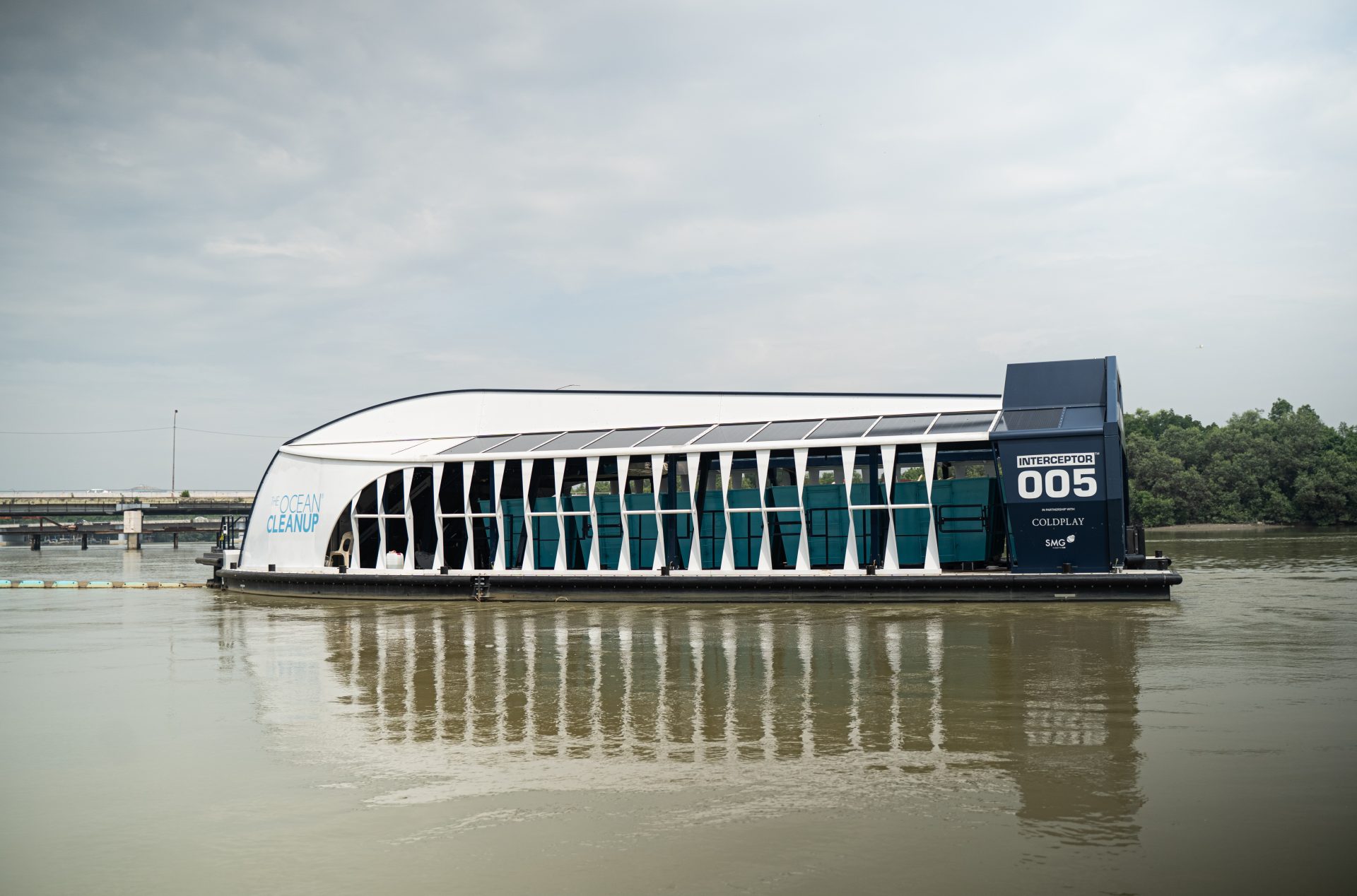
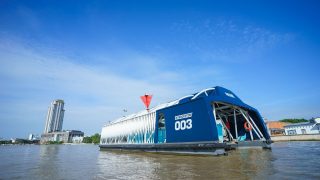
Interceptor 019 in Chao Phraya River, Bangkok, Thailand (February 2024) -
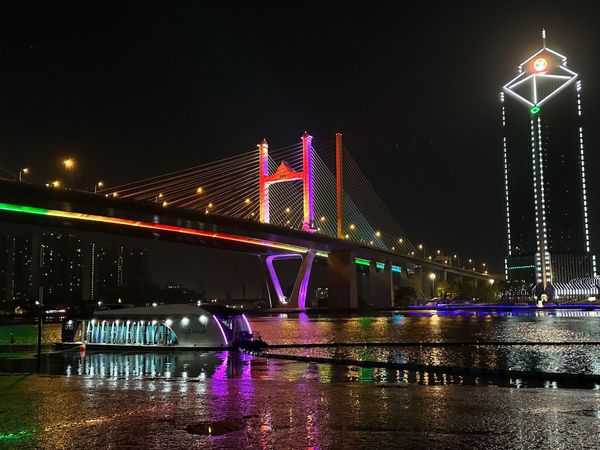
Interceptor 019 in Chao Phraya River, Bangkok, Thailand (February 2024) -
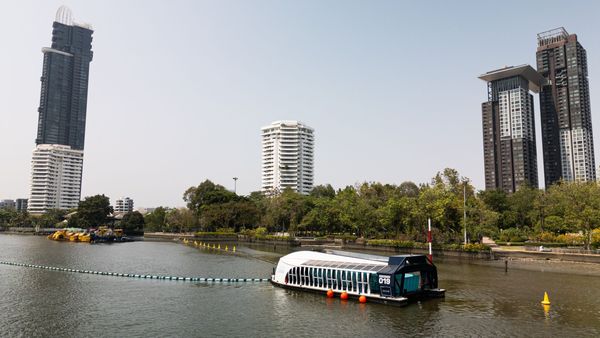
Interceptor 019 in Chao Phraya River in Bangkok, Thailand. -
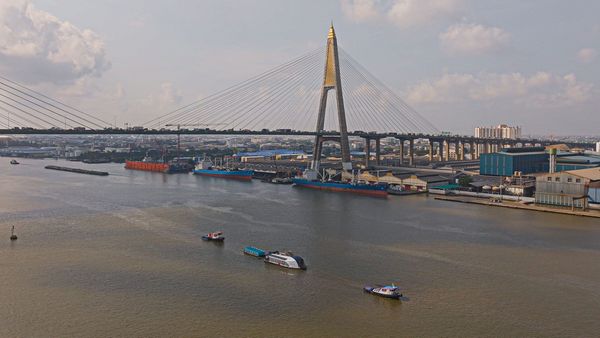
Deployment of Interceptor 019 in Bangkok, Thailand -
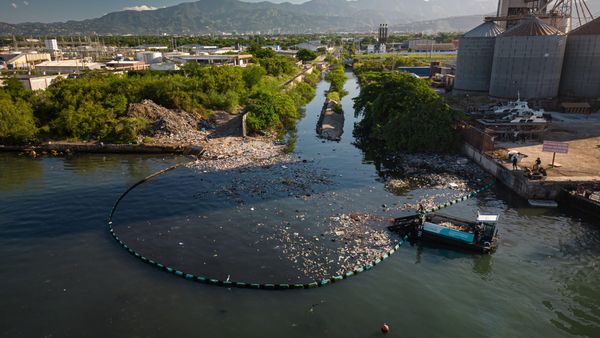
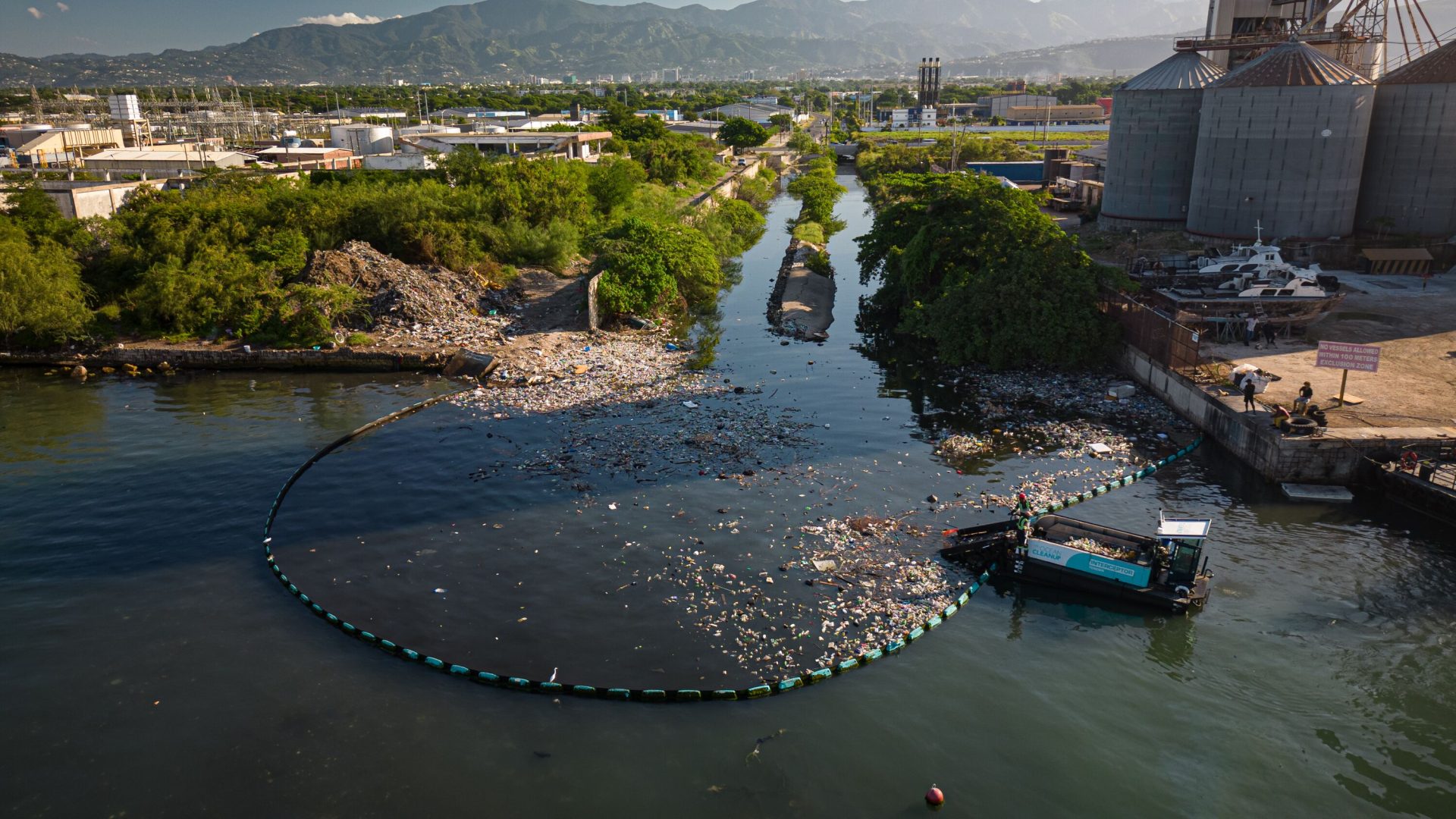
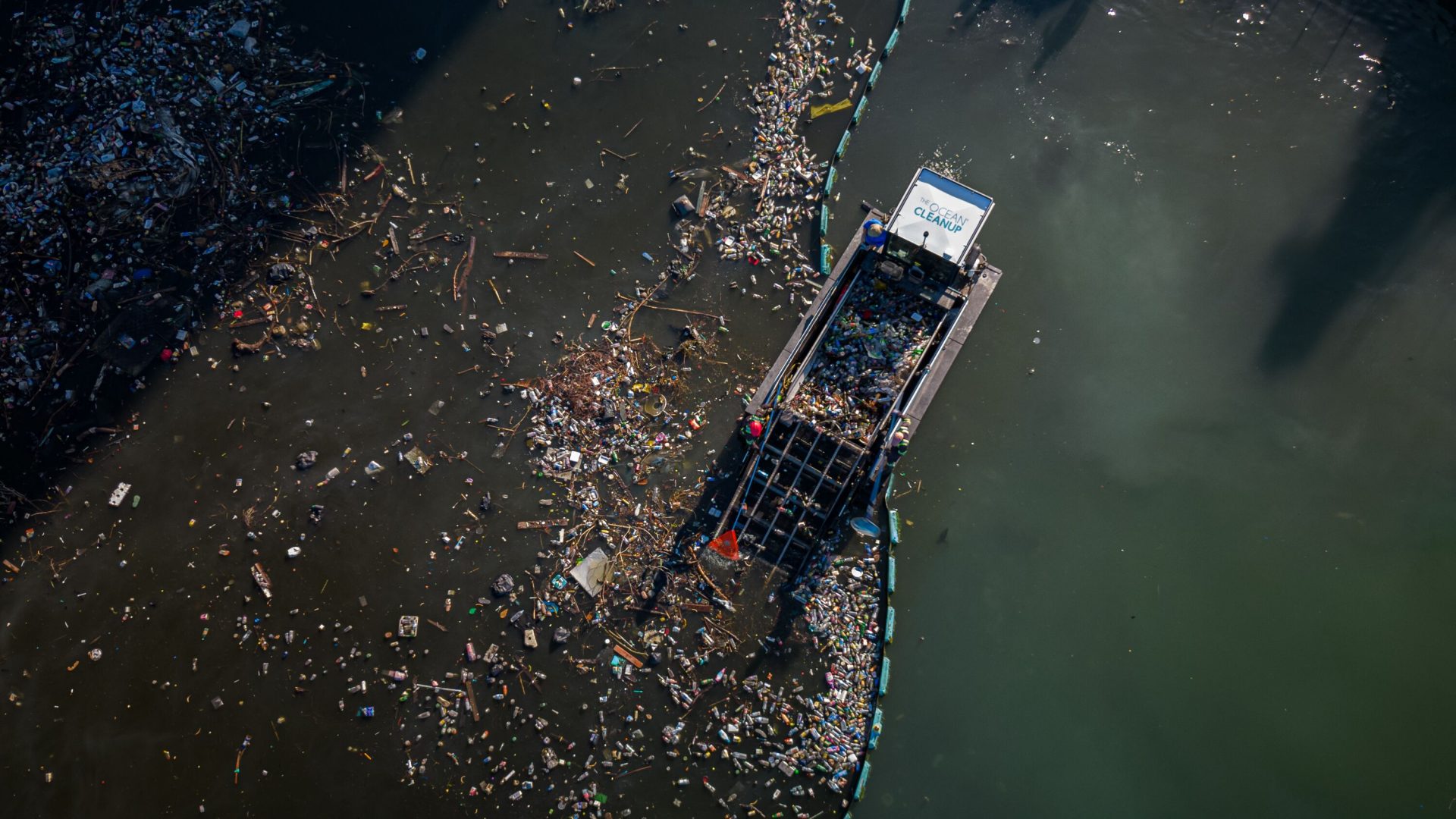
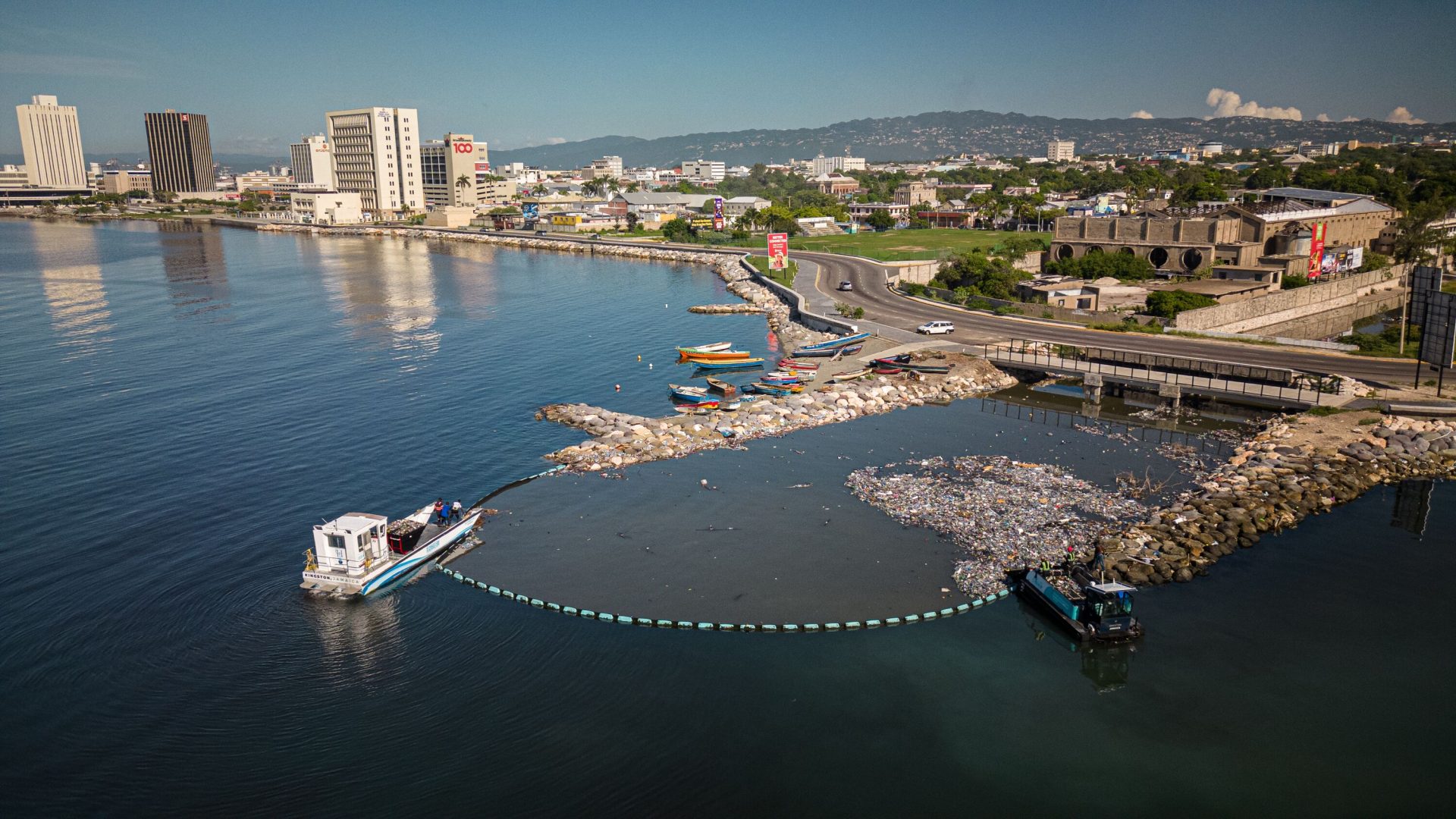
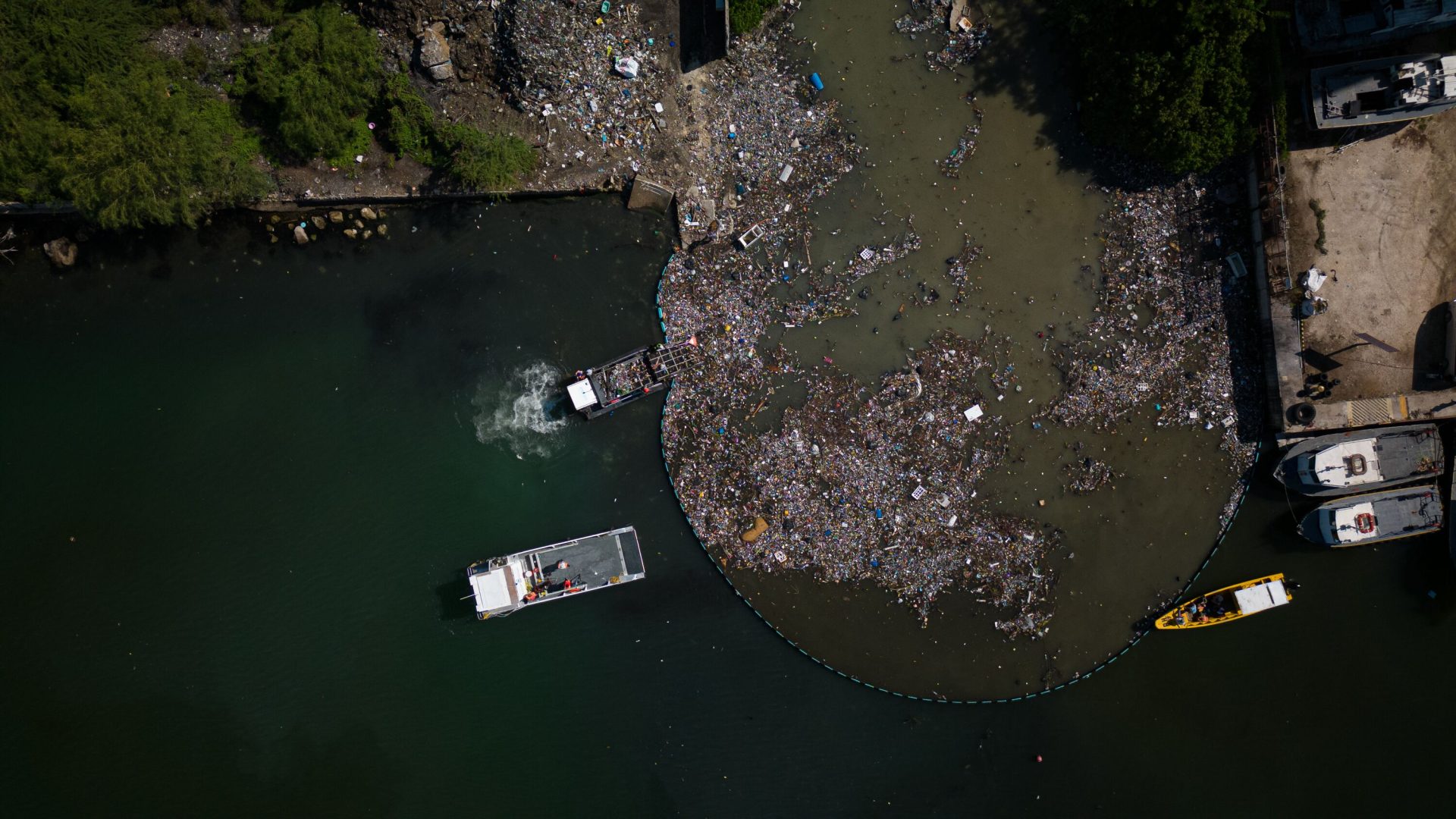
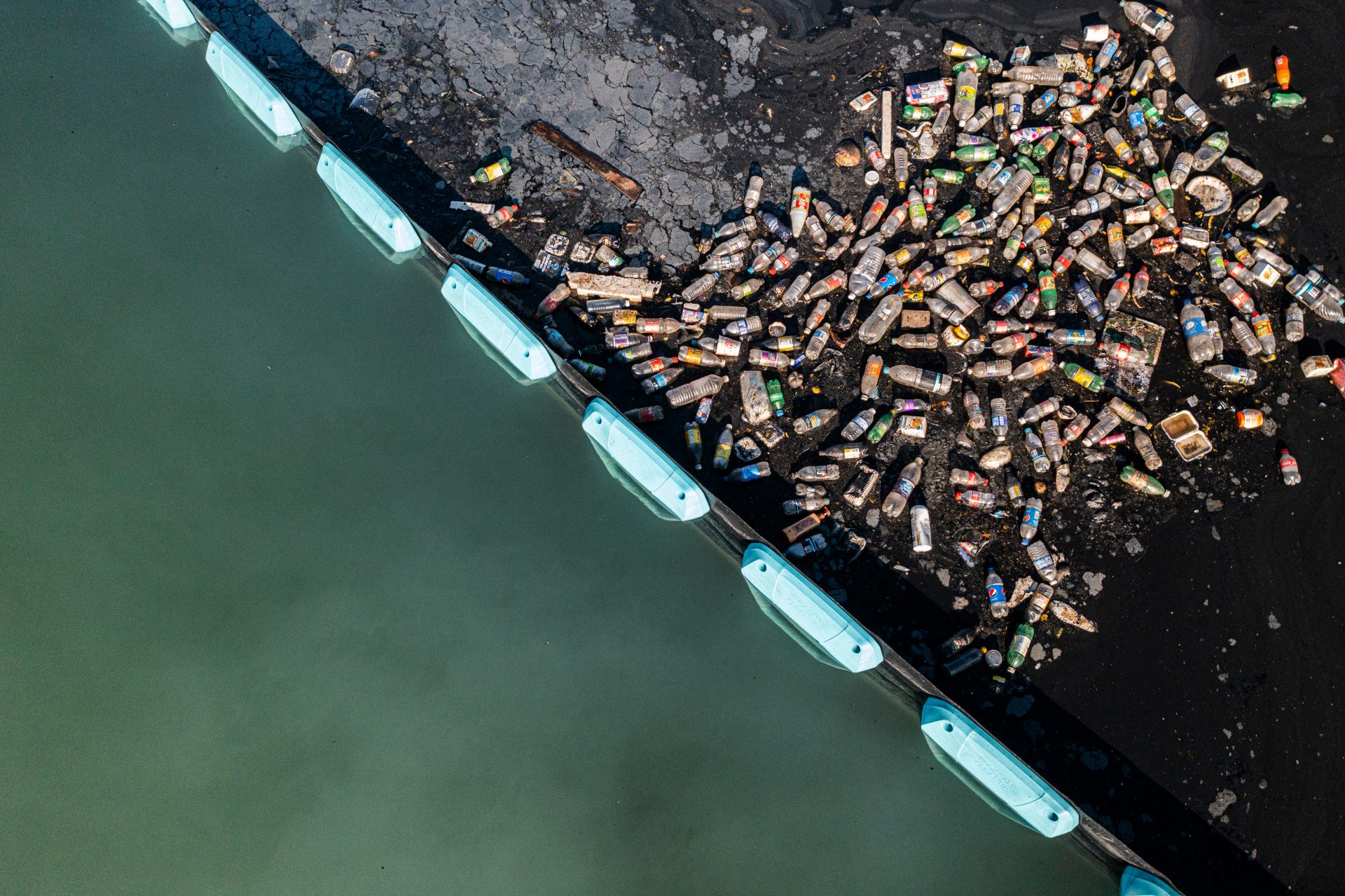
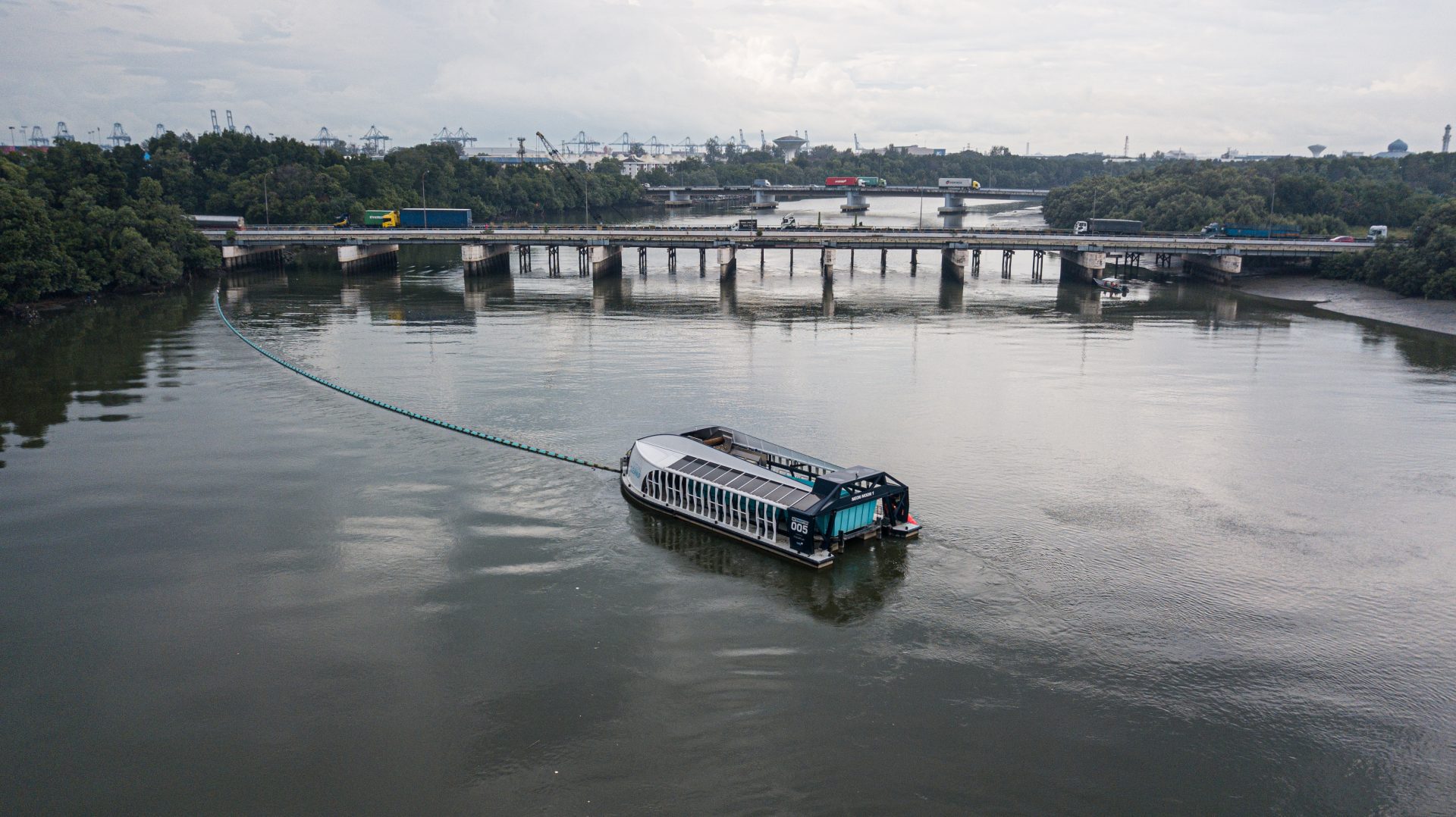
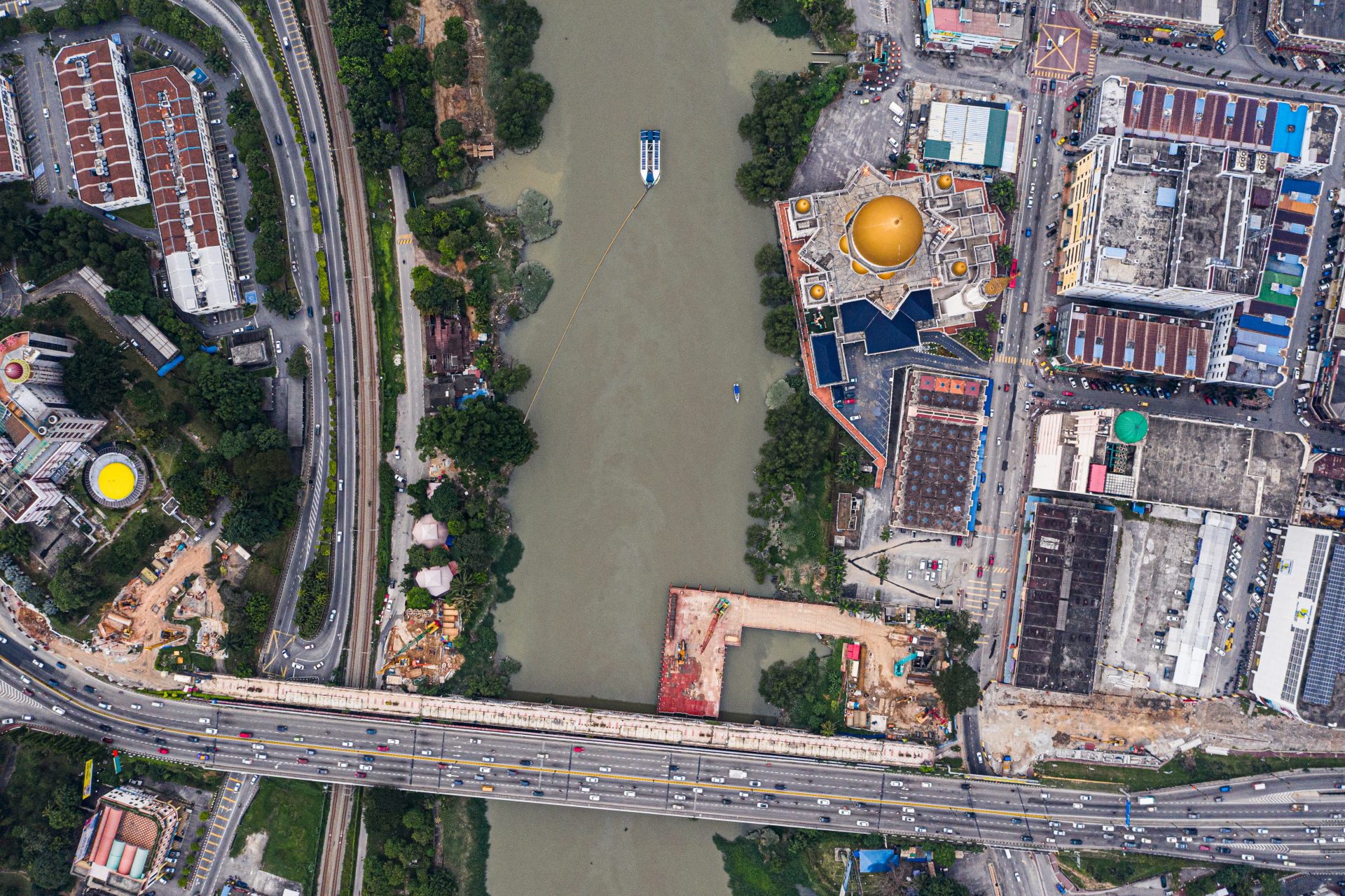
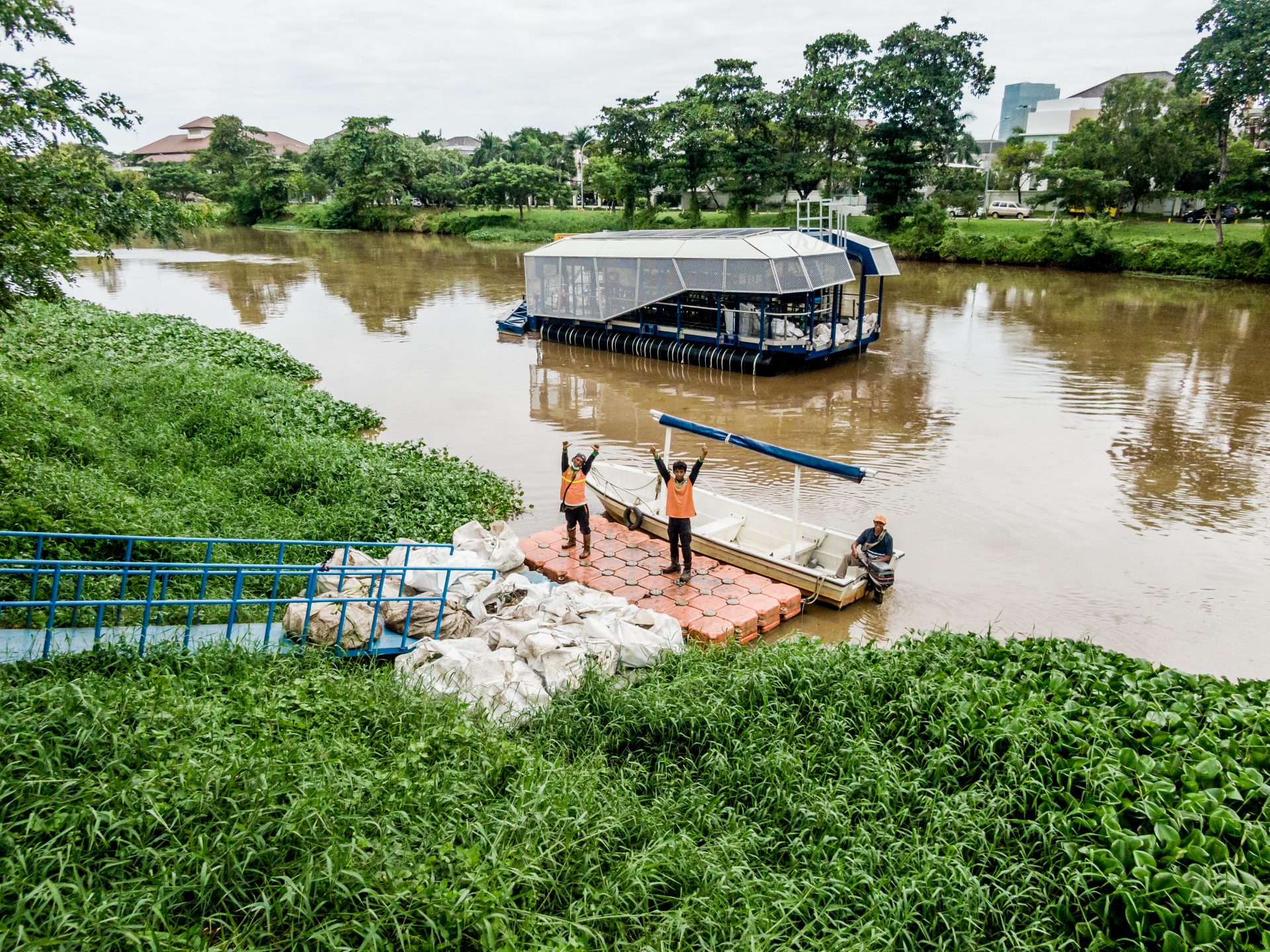
Interceptor Barrier (011) in Tivoli Gully, Kingston Harbour, Jamaica
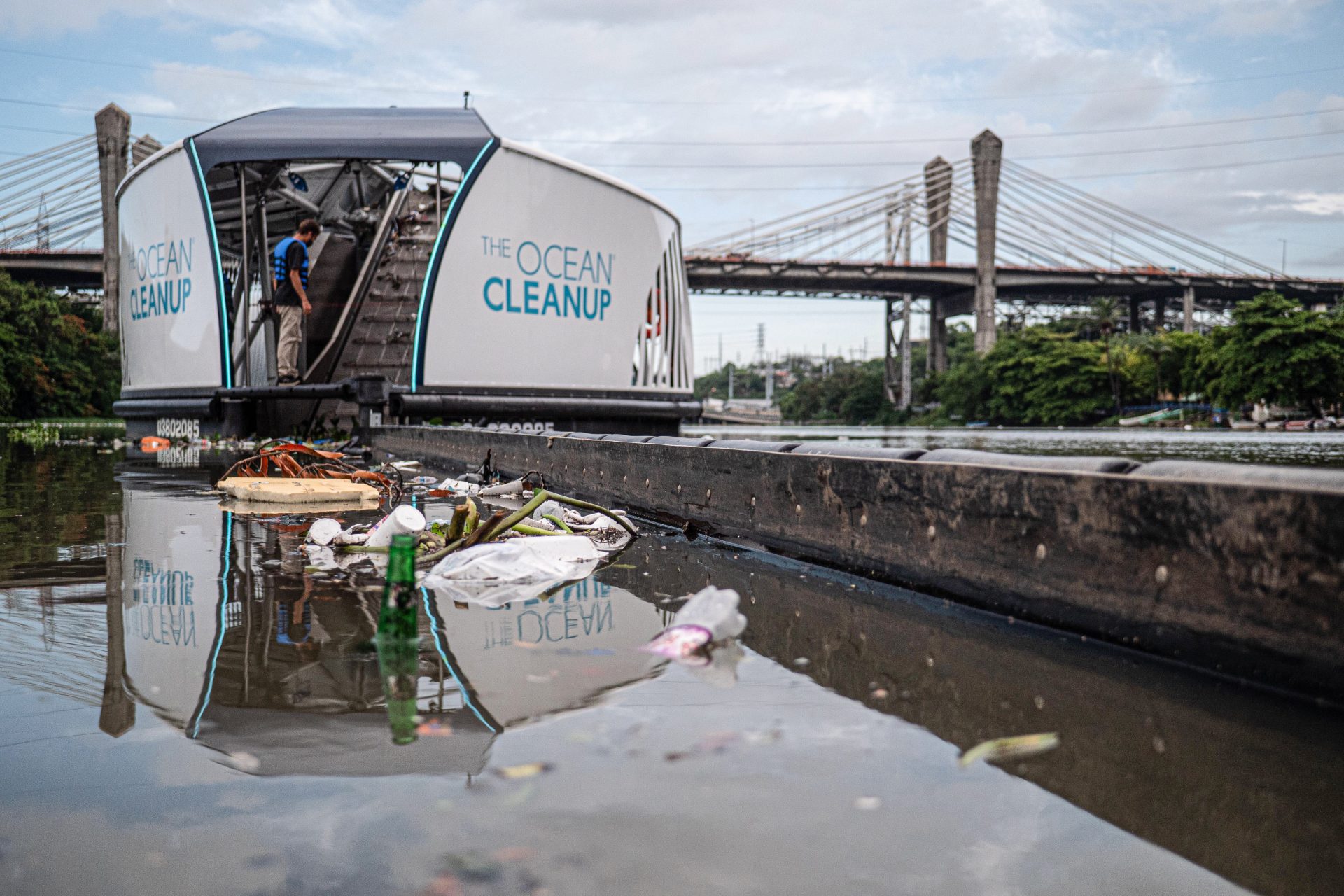
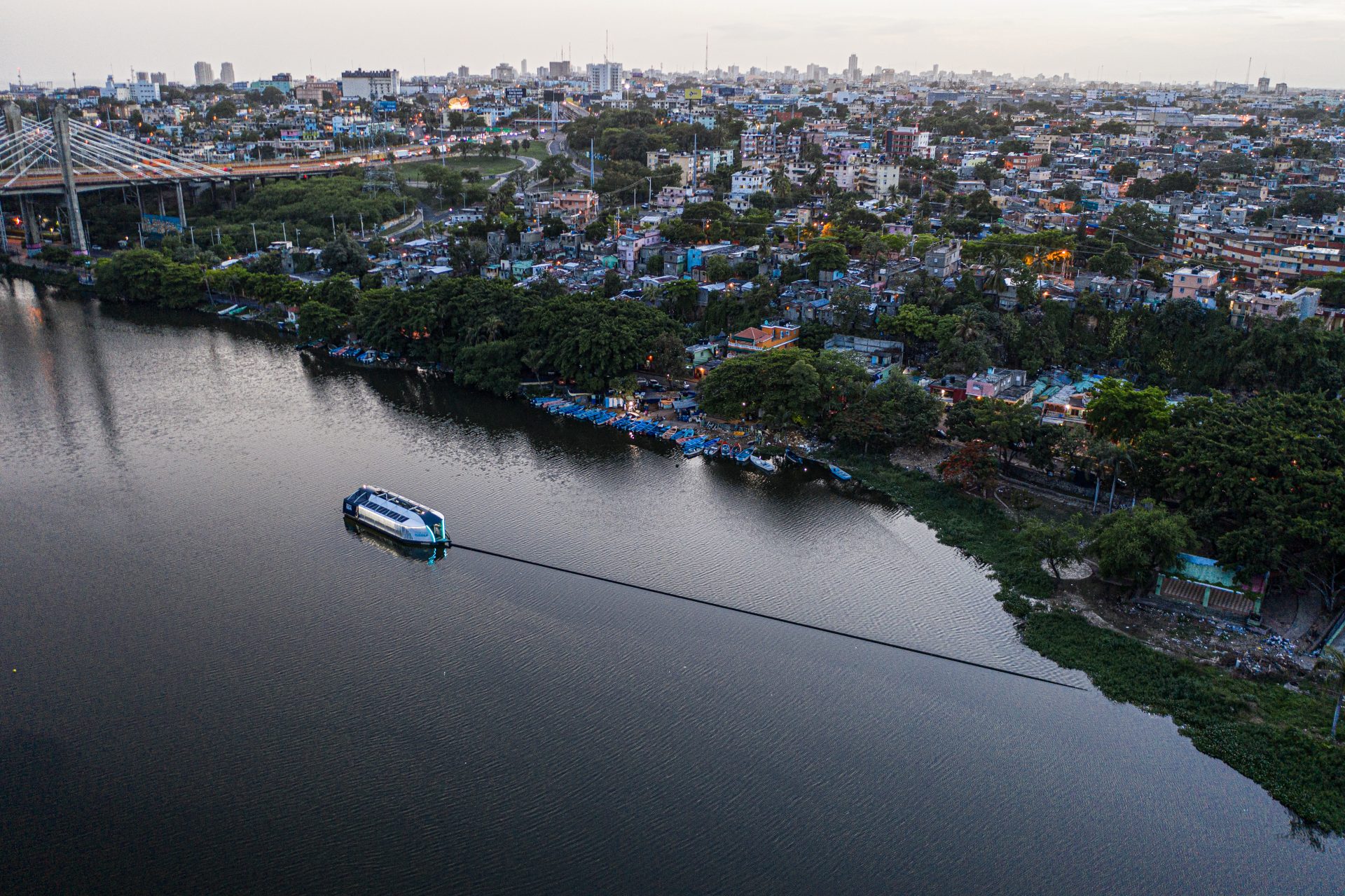
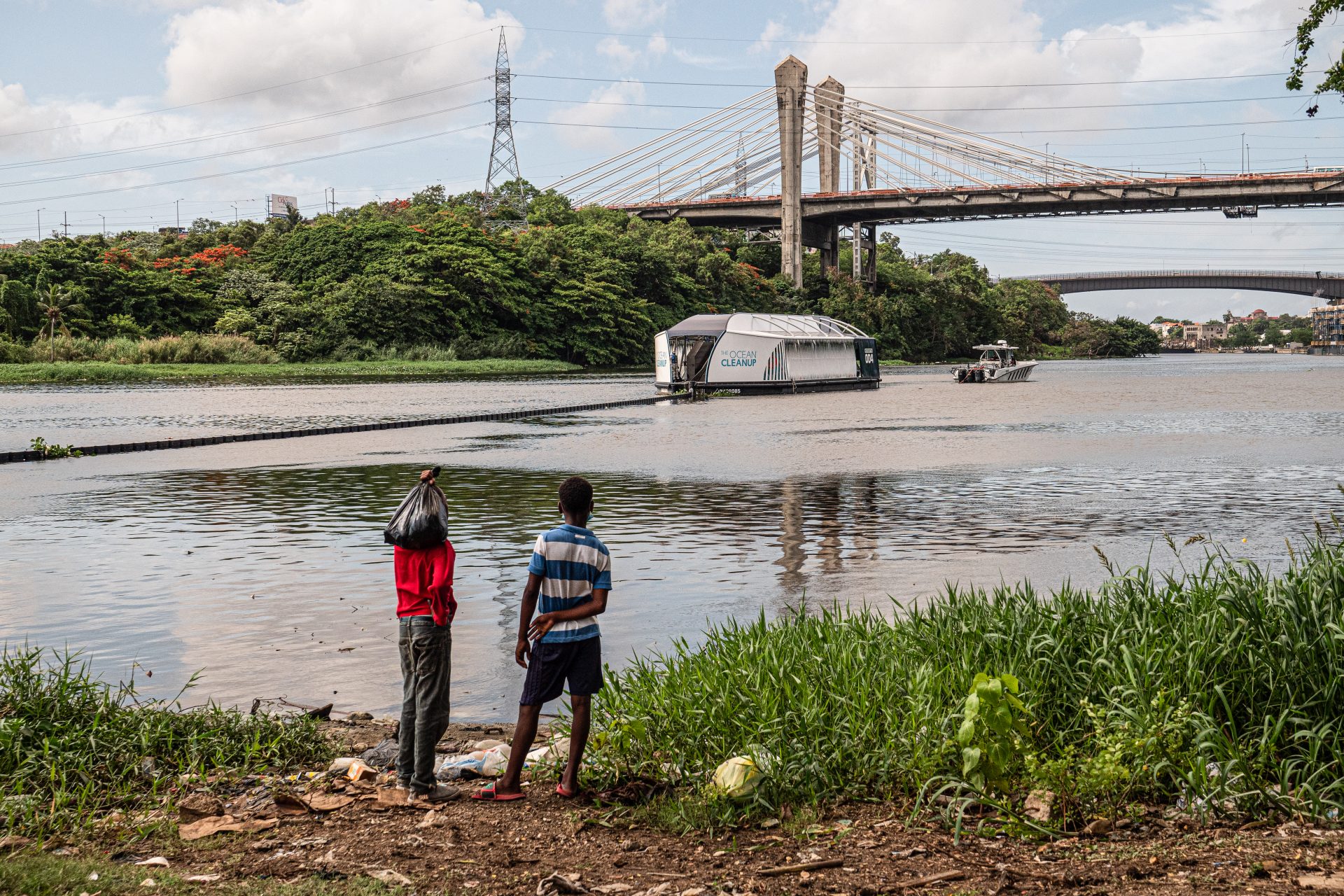
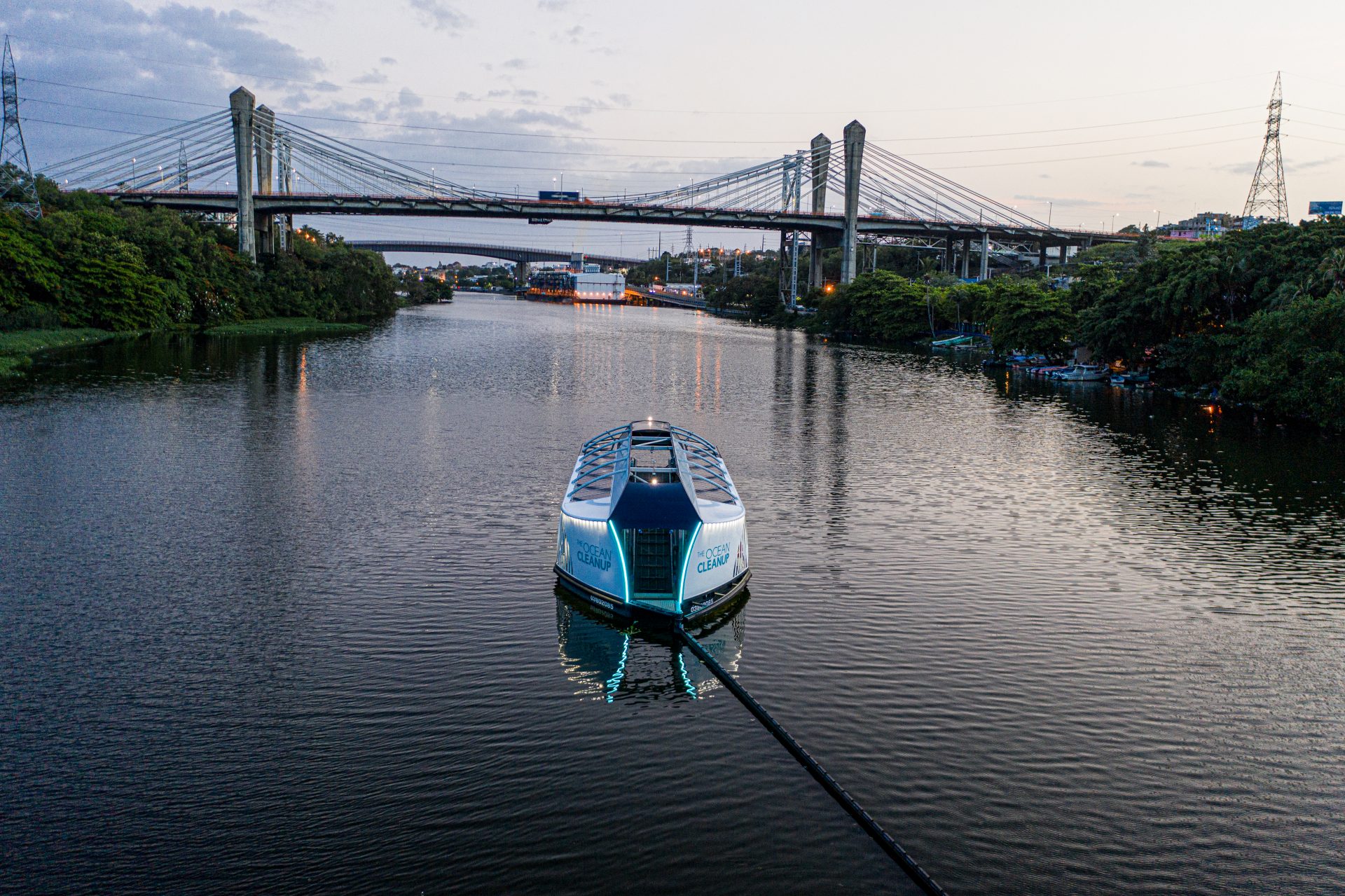

Video footage (8)
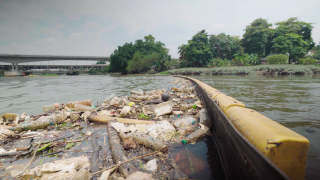
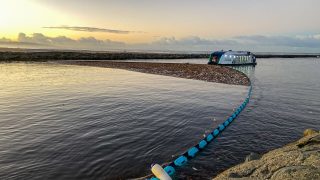
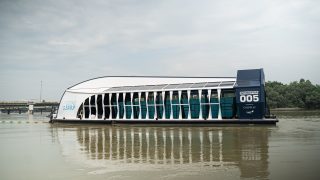
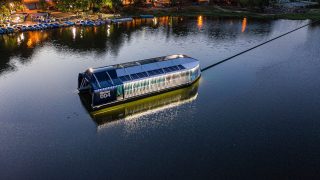
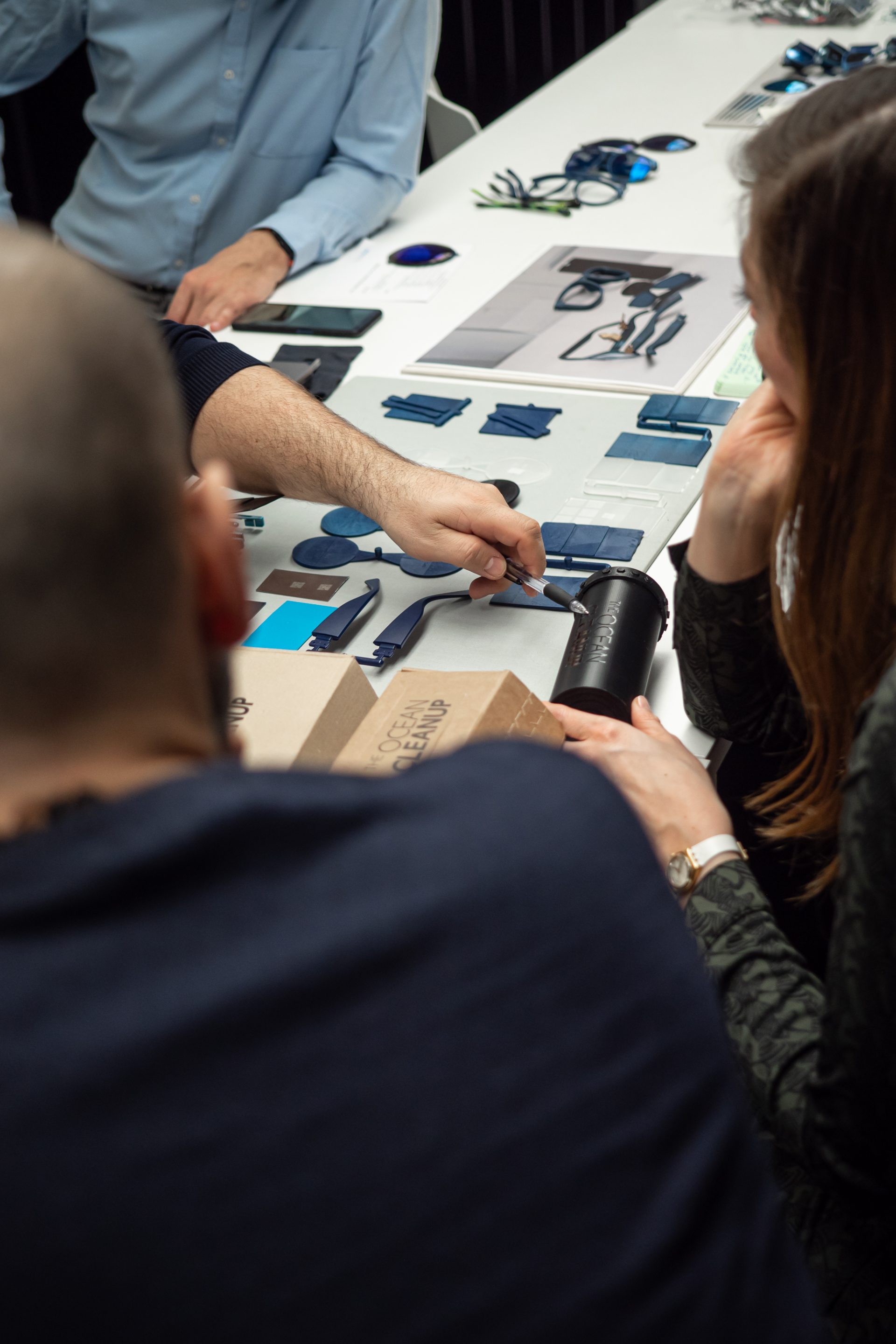
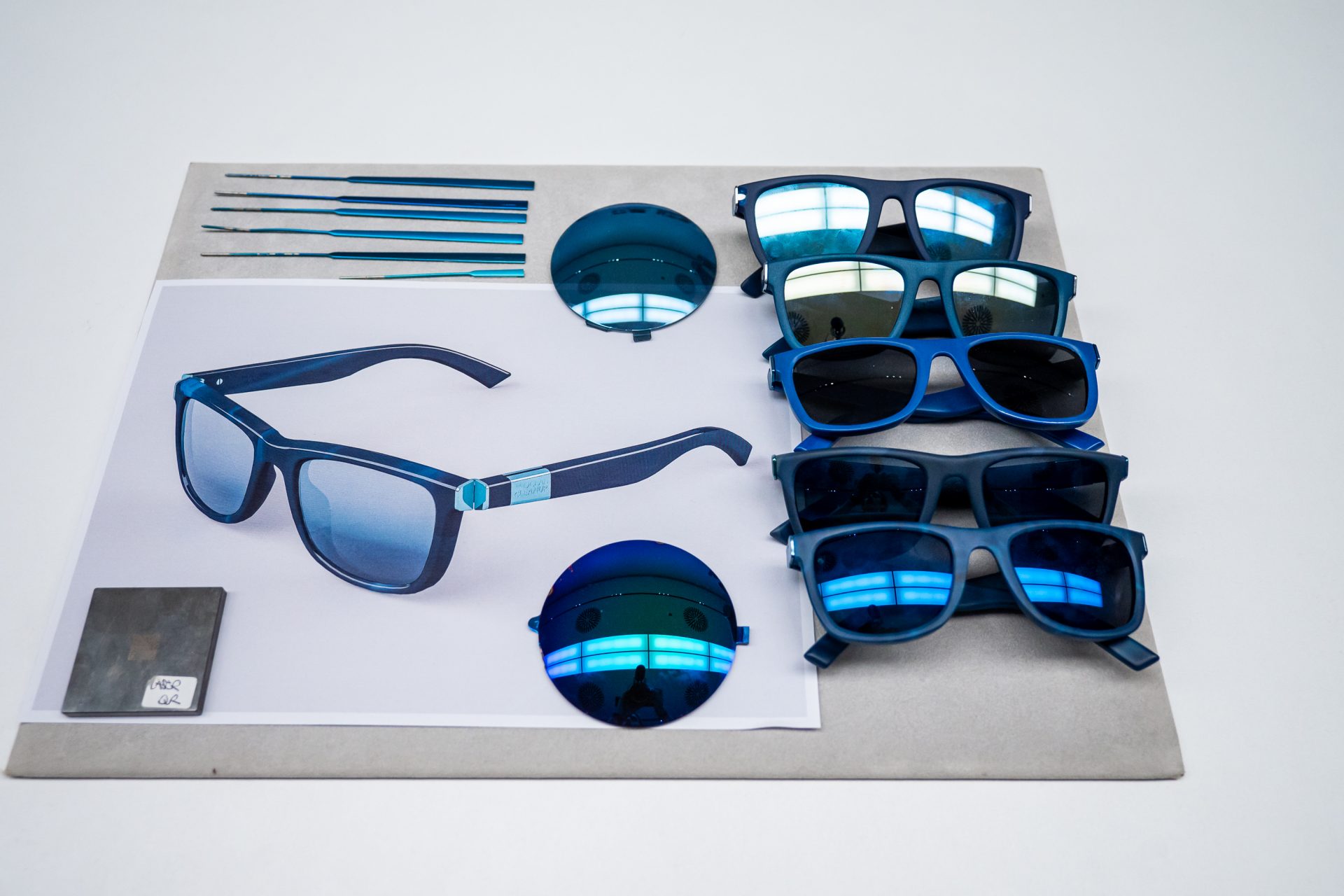
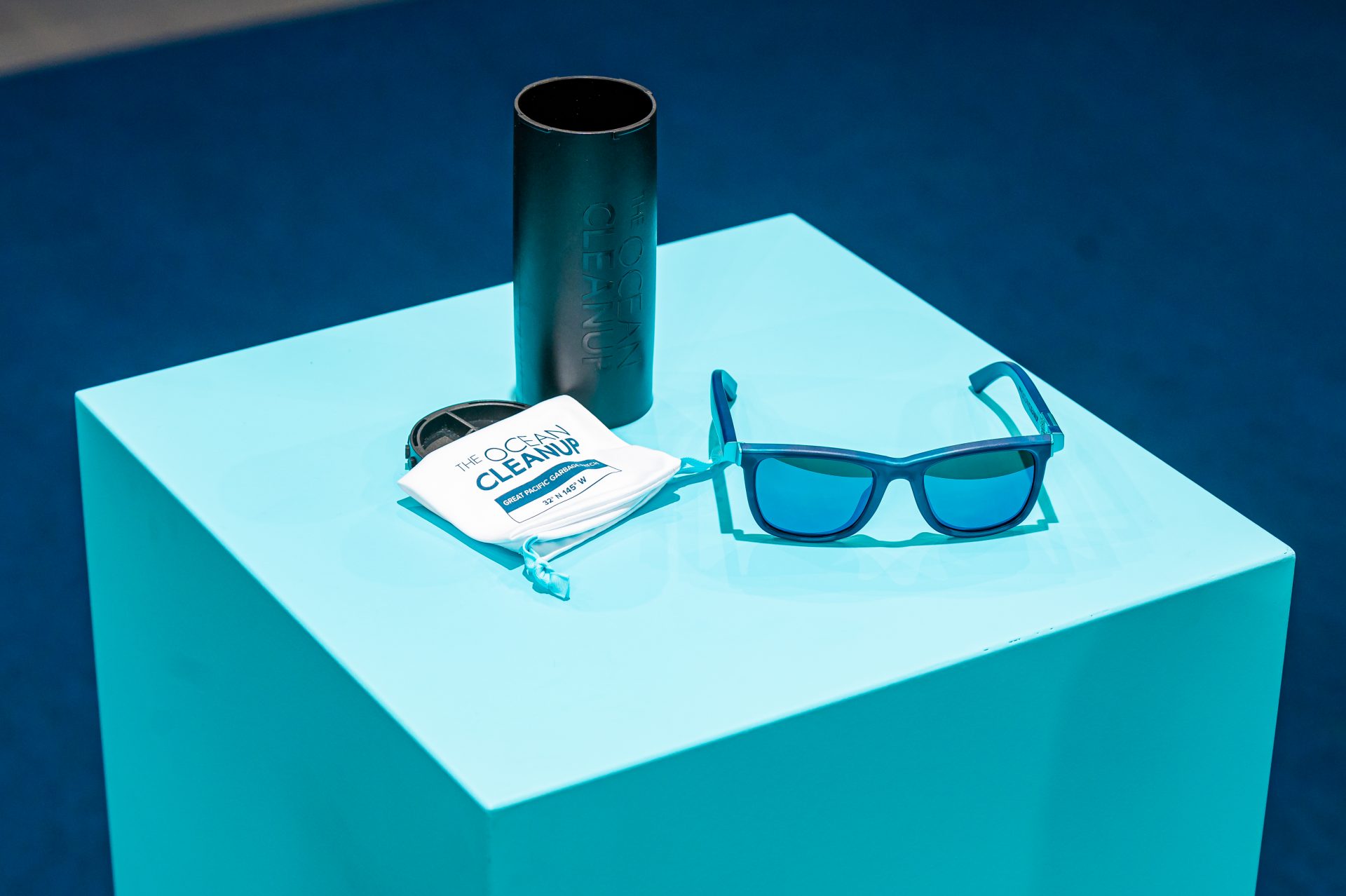
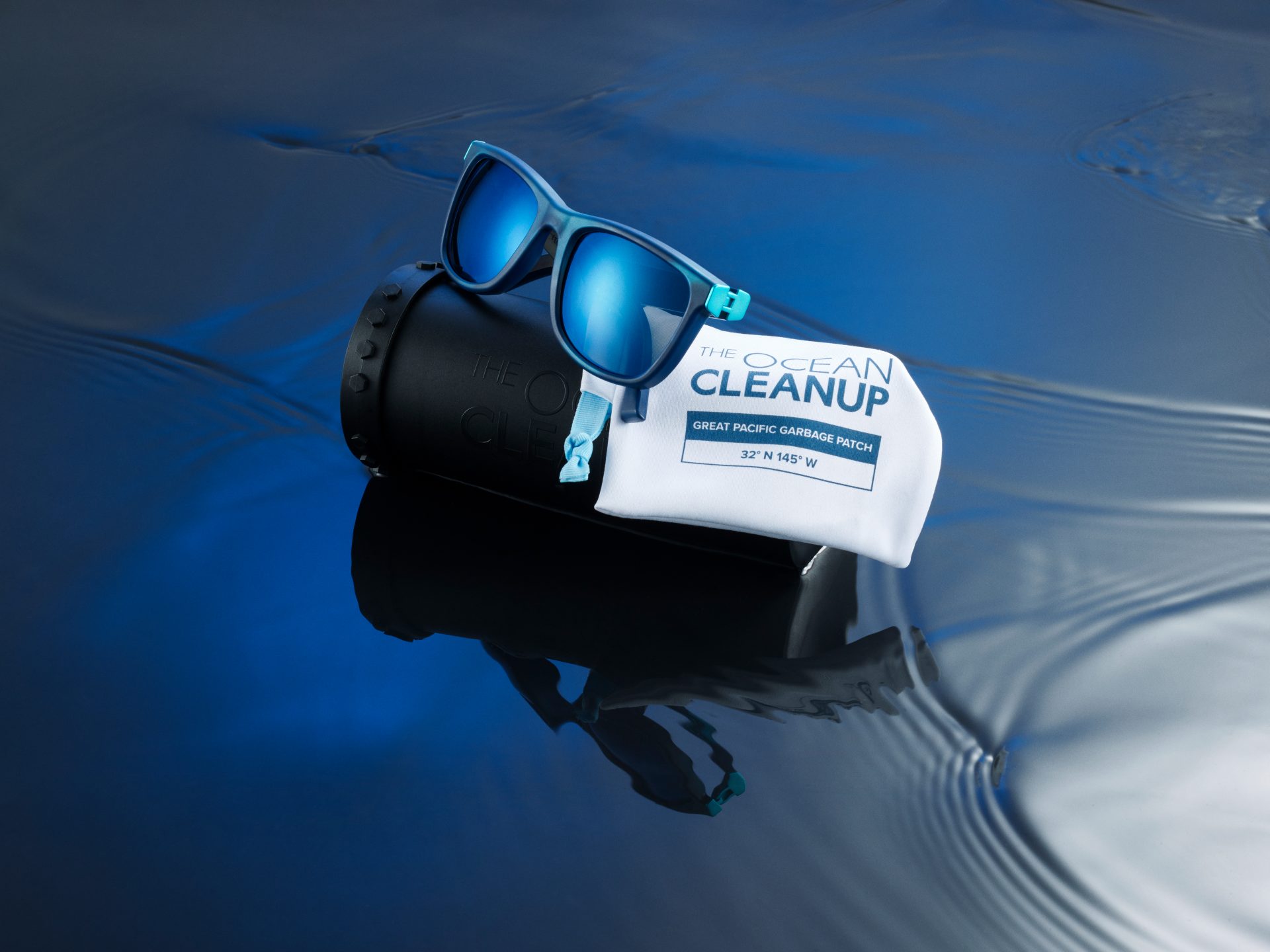
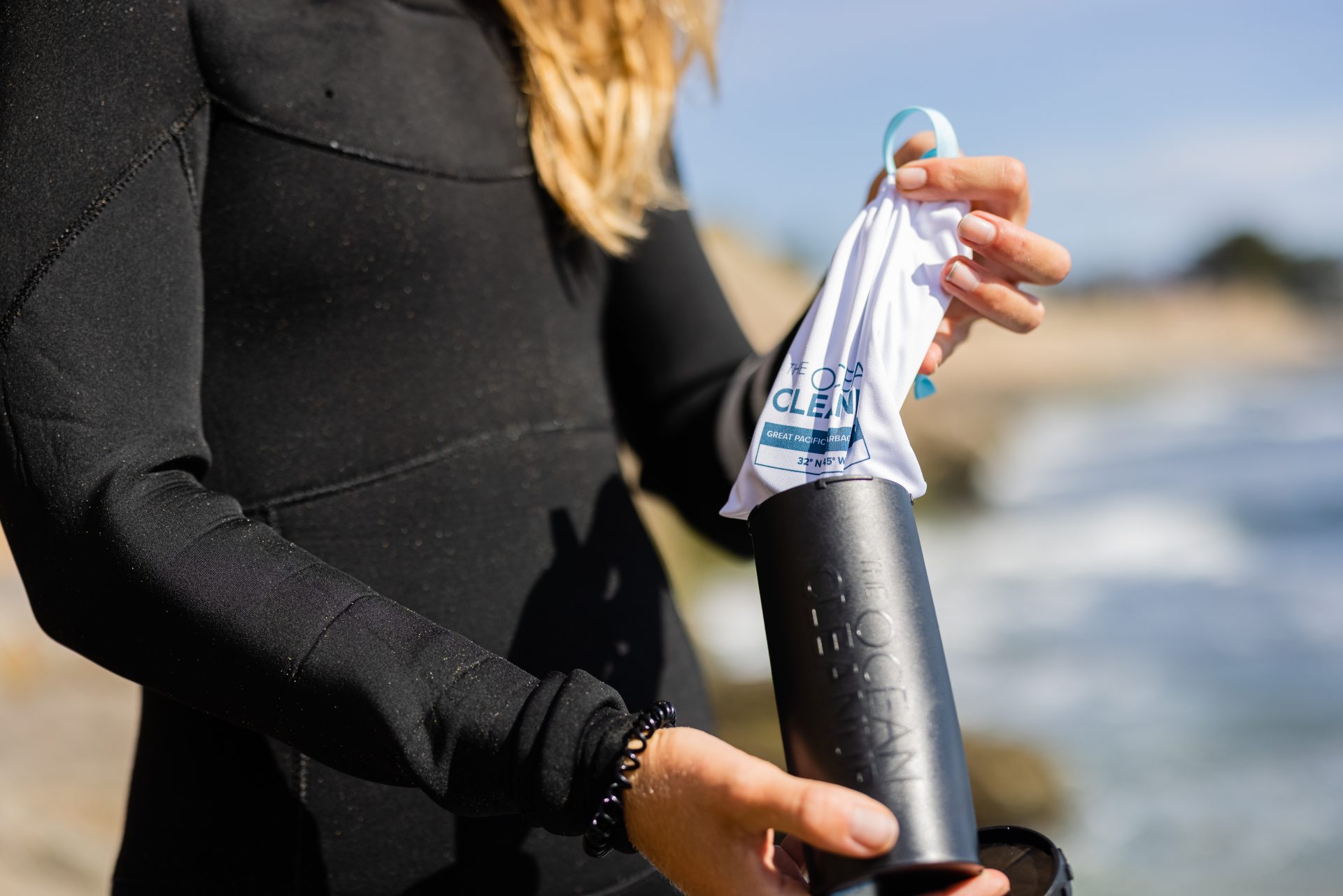
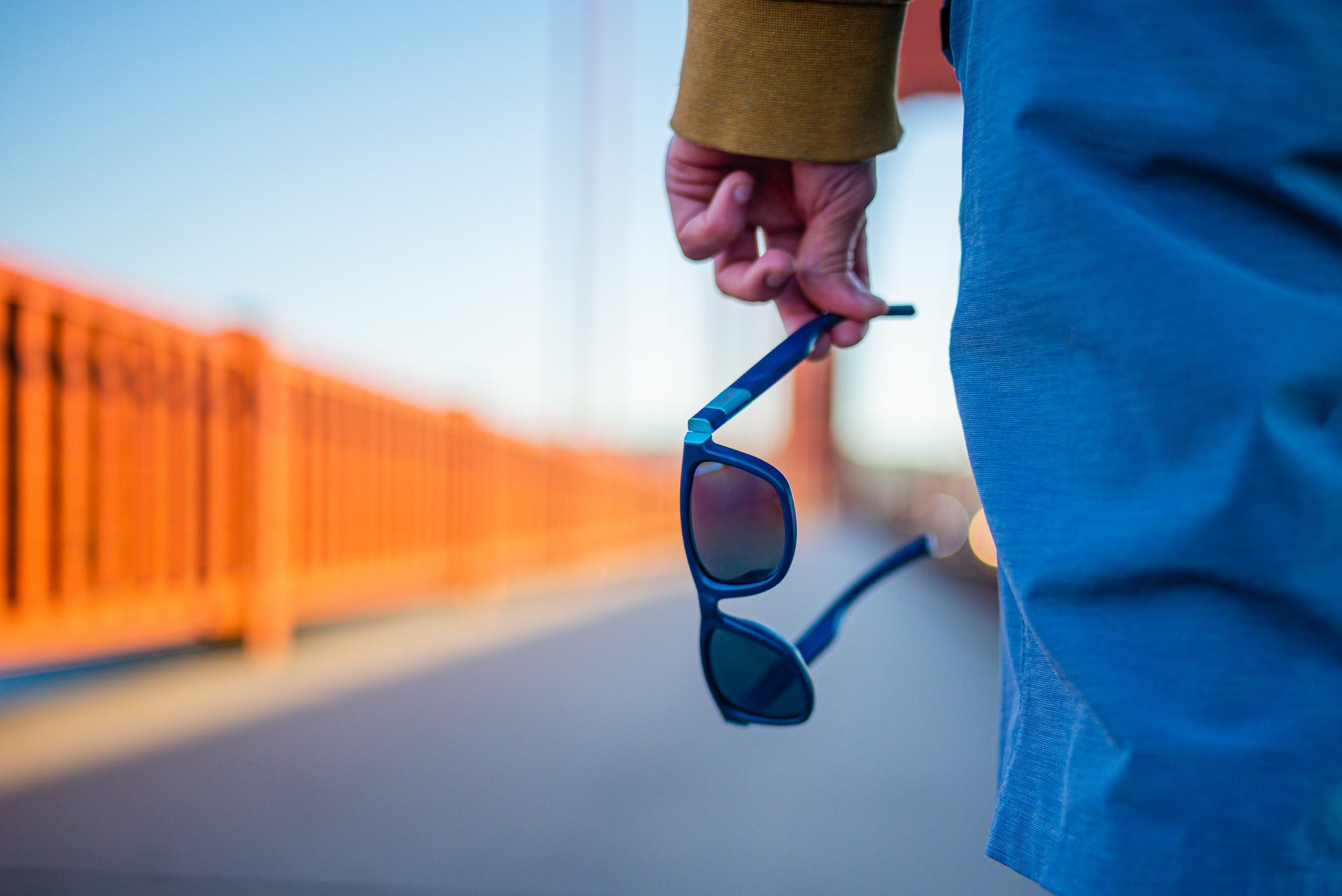
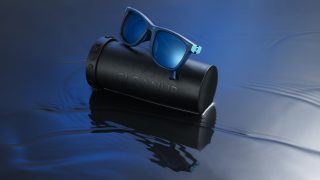
Recycling Ocean Plastic: The Ocean Cleanup Sunglasses (2020)
From trash to treasure (2019-2020)Images (19)
-
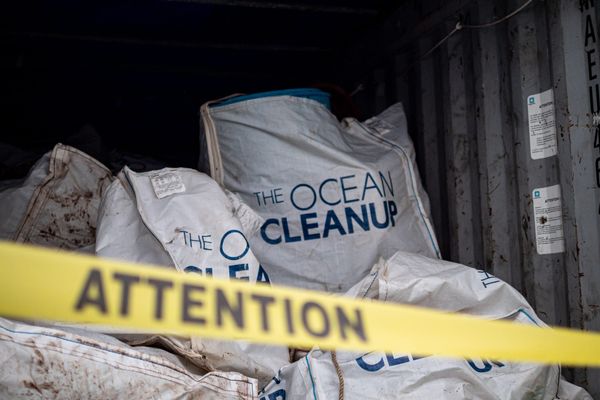
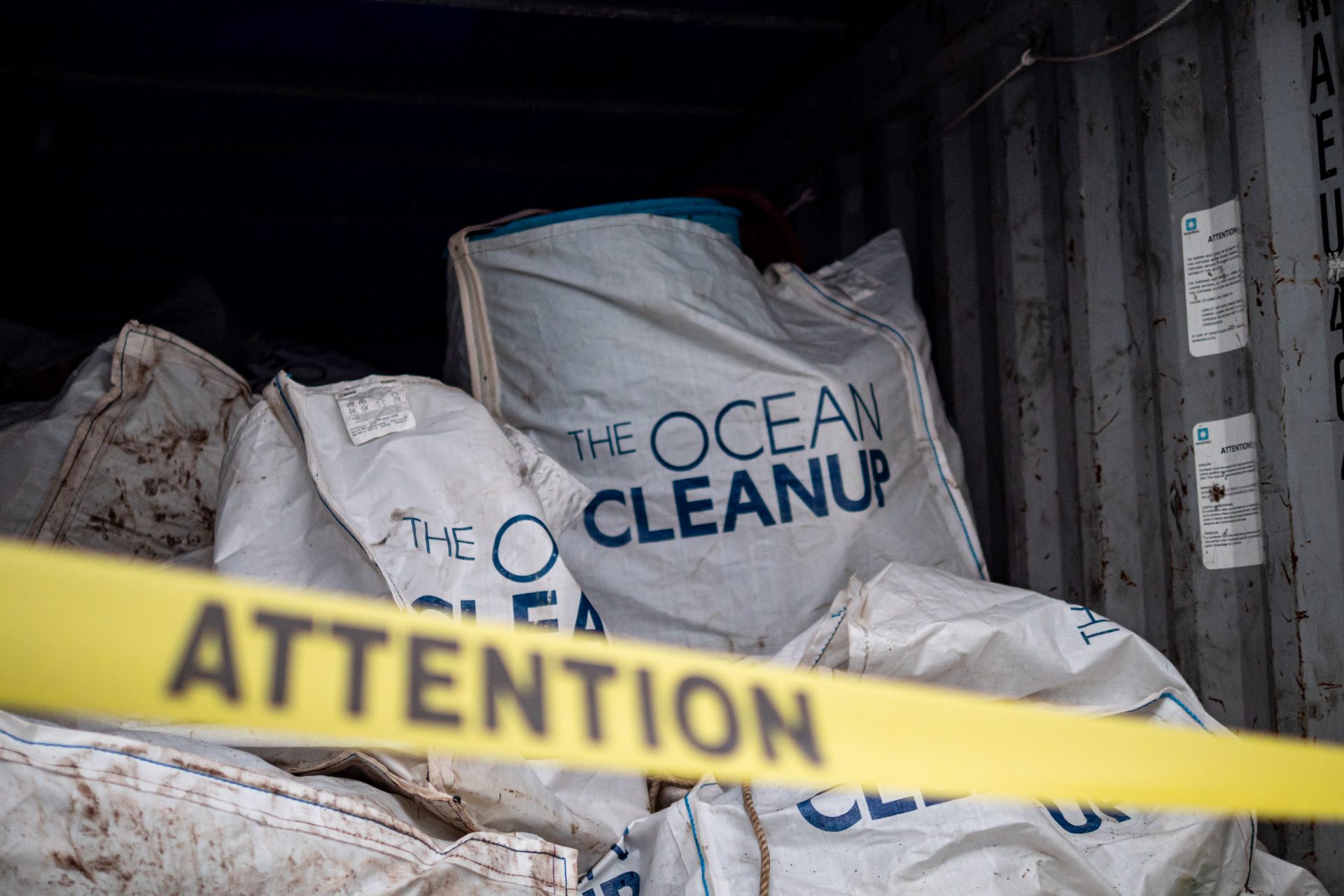
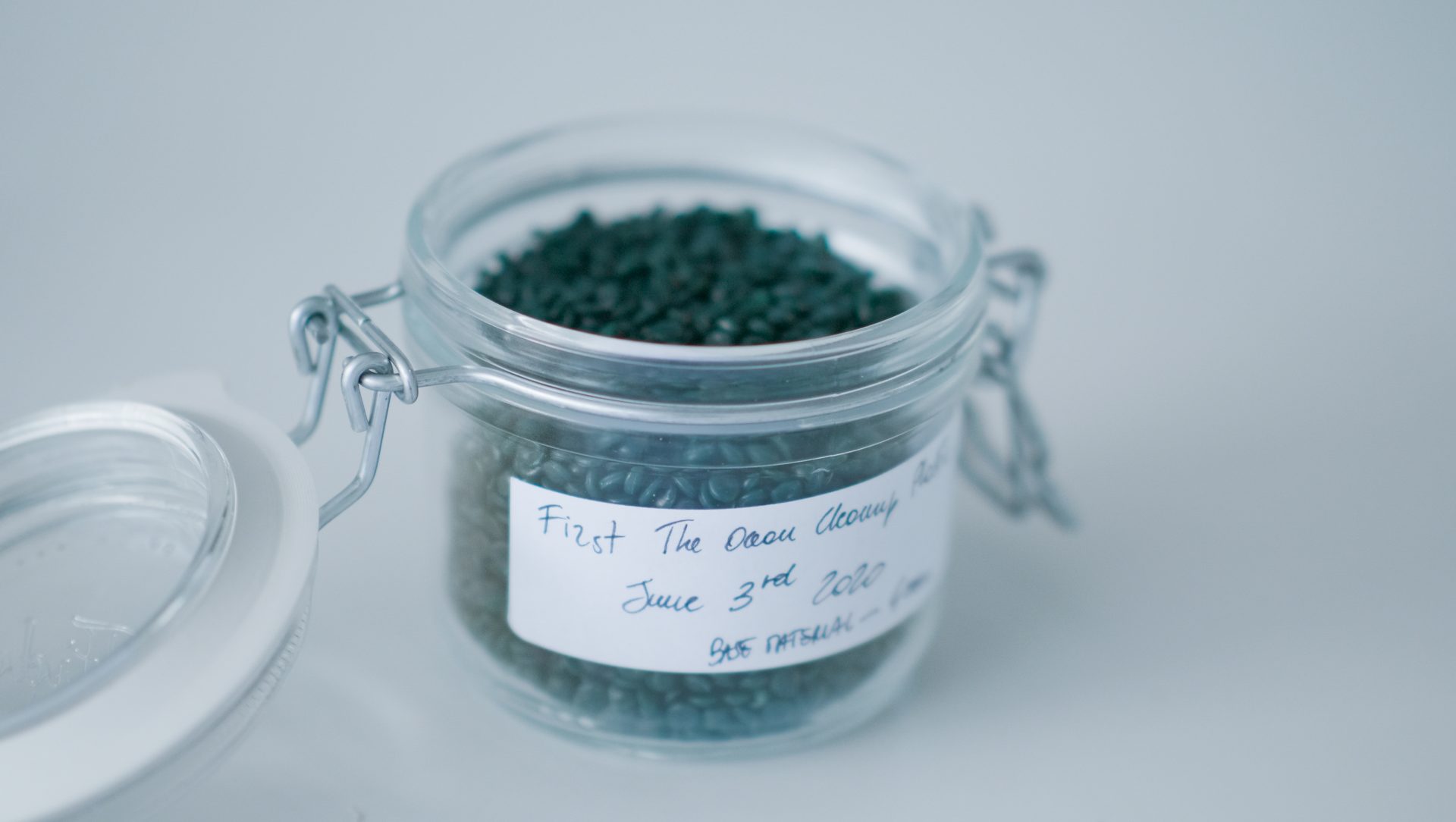
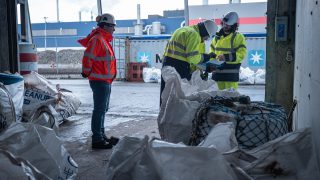
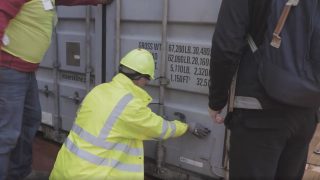
Plastic catch sealed off in containers. This is some of our first plastic catch, caught by System 001/B in 2019. The plastic in the end product - the sunglasses - is certified from the Great Pacific Garbage Patch, following a chain of custody protocol by DNV. -
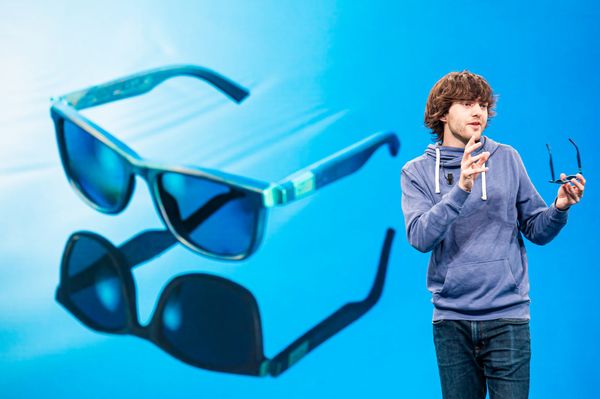
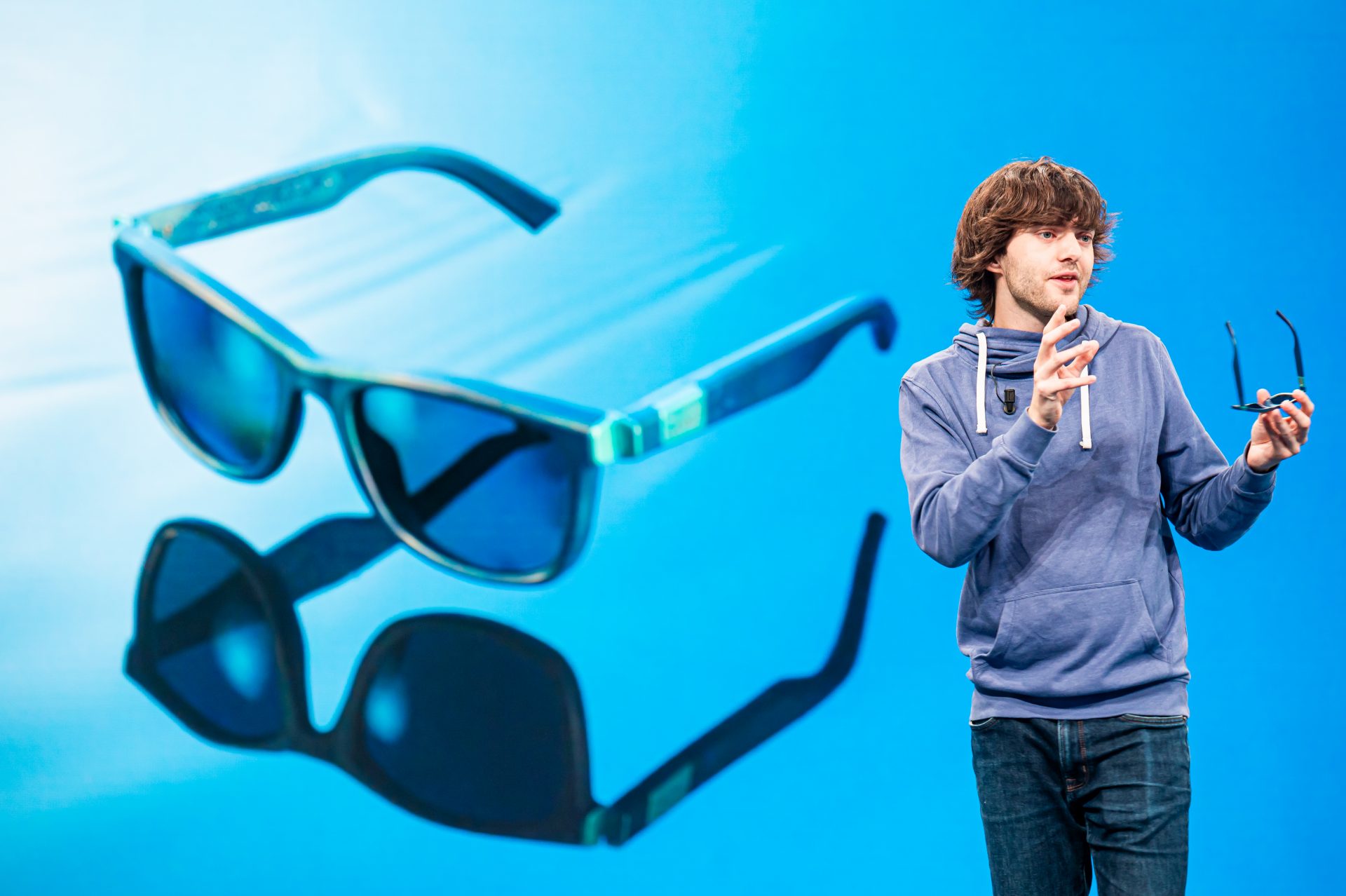
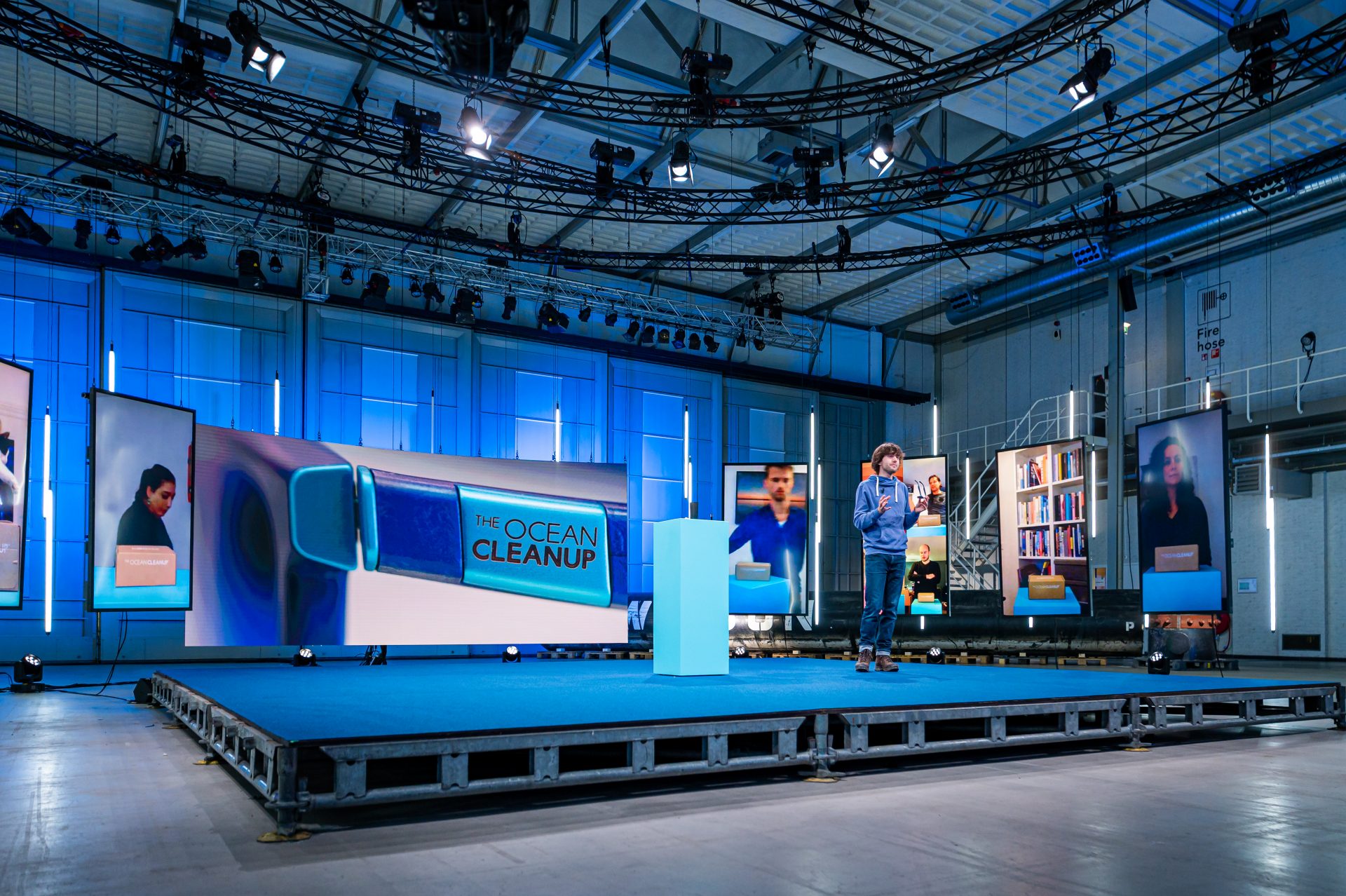
Boyan Slat presenting the sunglasses to an online audience in 2020 -
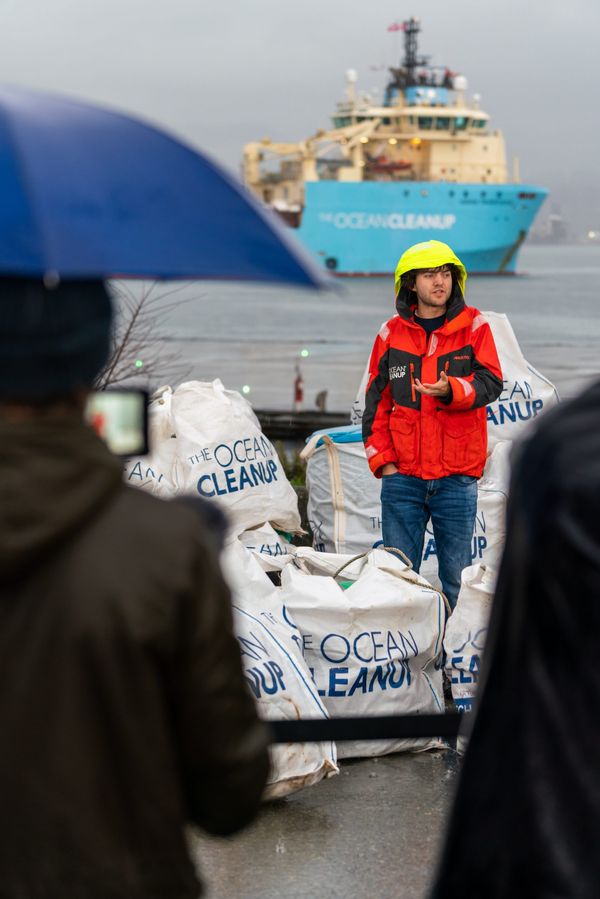
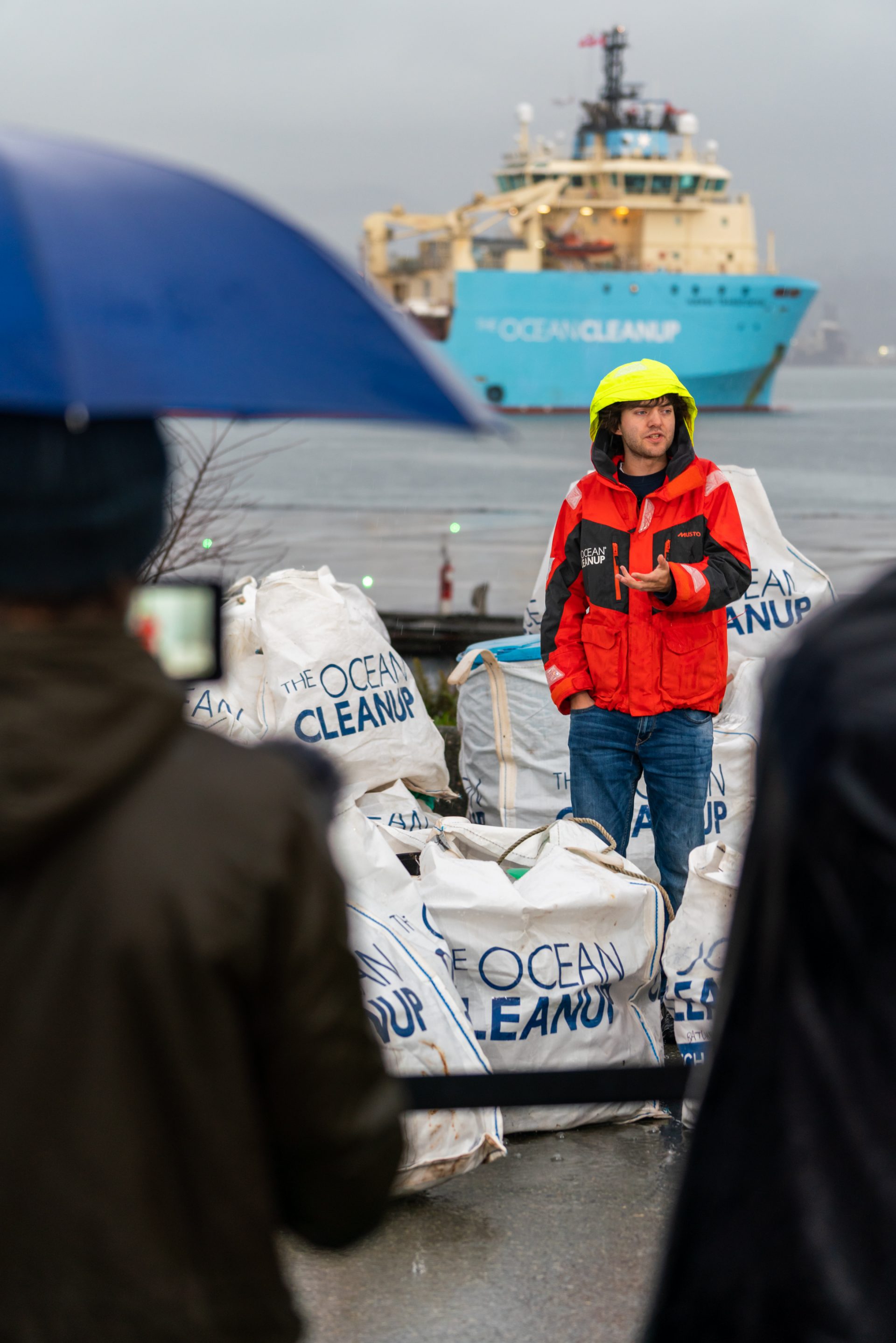
Boyan Slat standing with first plastic catch onshore at end of the System 001/B testing. The press conference was in Vancouver, Canada, in December 2019. -
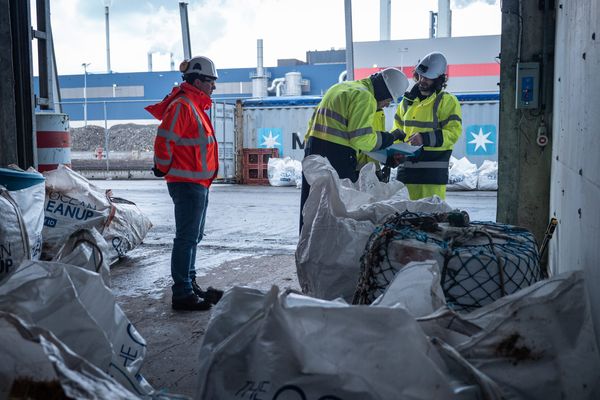
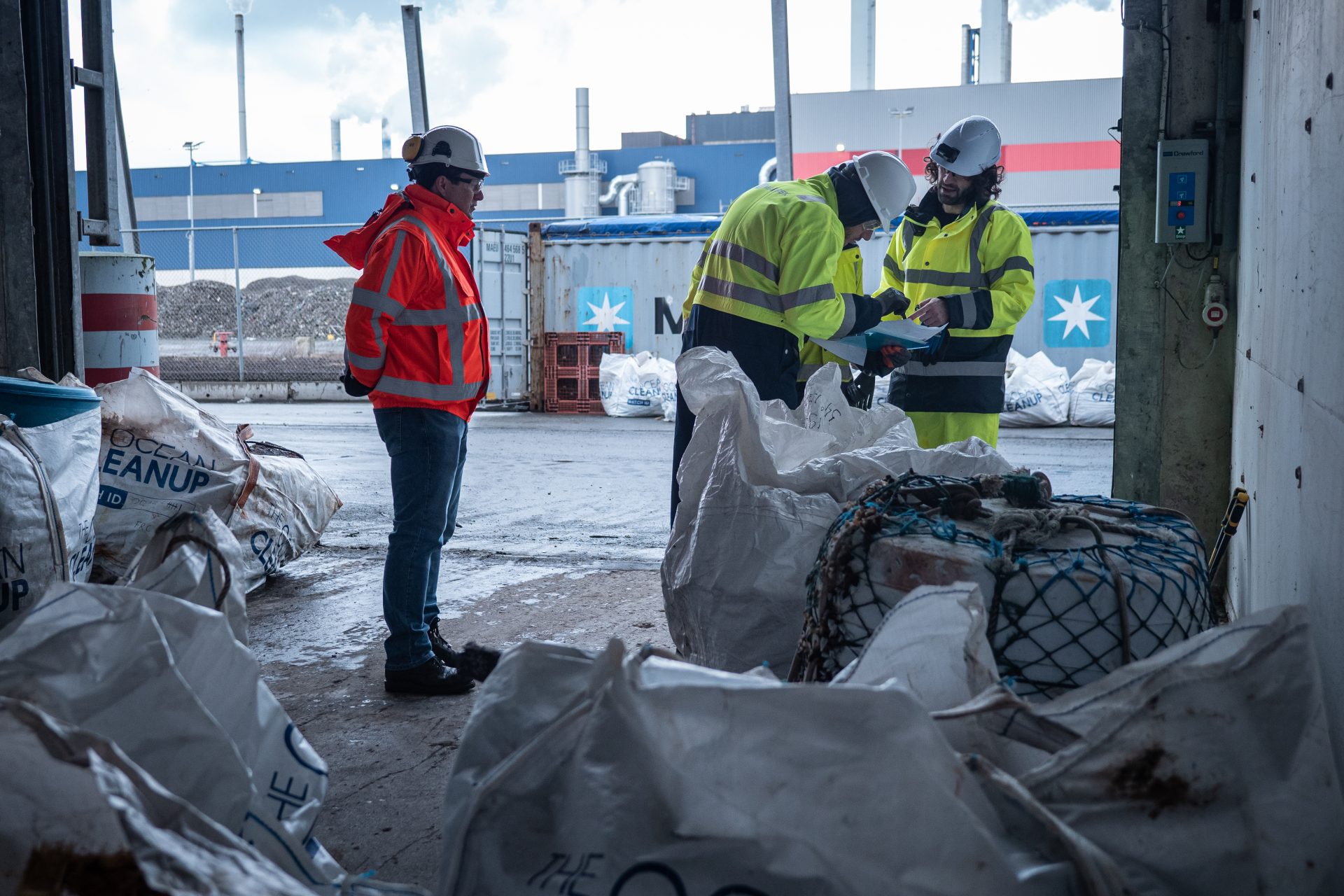
DNV Auditor inspecting the pre-sorting of our first plastic catch in February, 2020. The plastic in the end product - the sunglasses - was certified from the Great Pacific Garbage Patch, following a chain of custody protocol by DNV. -
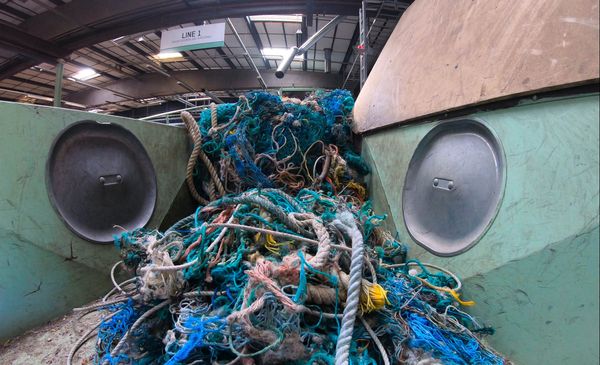
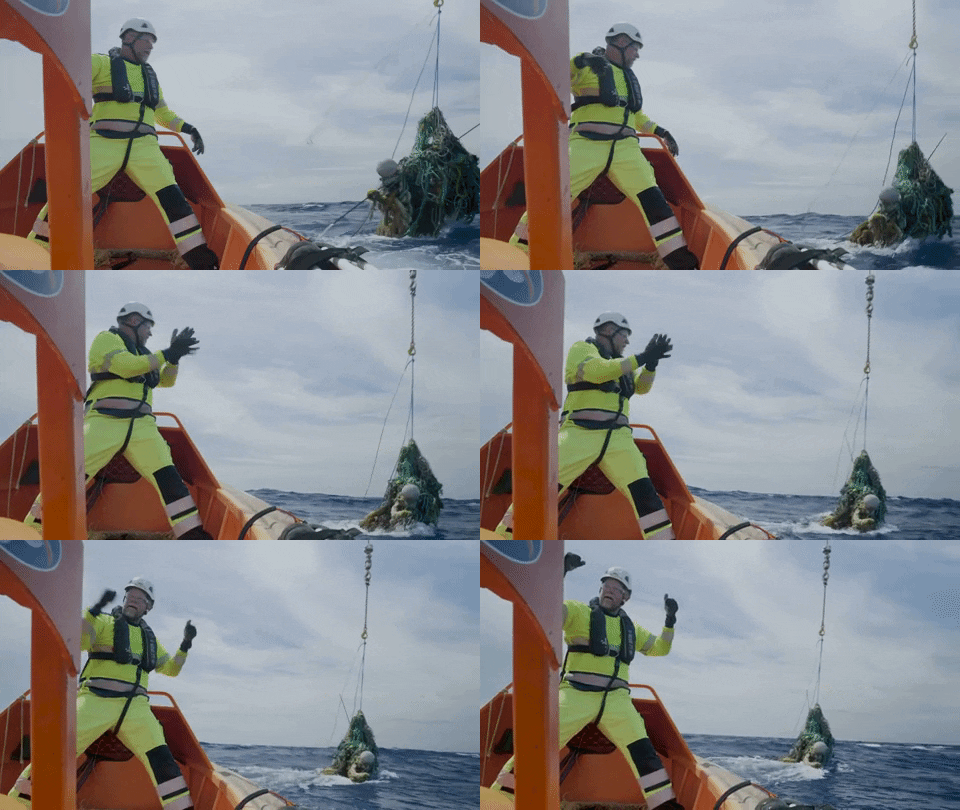
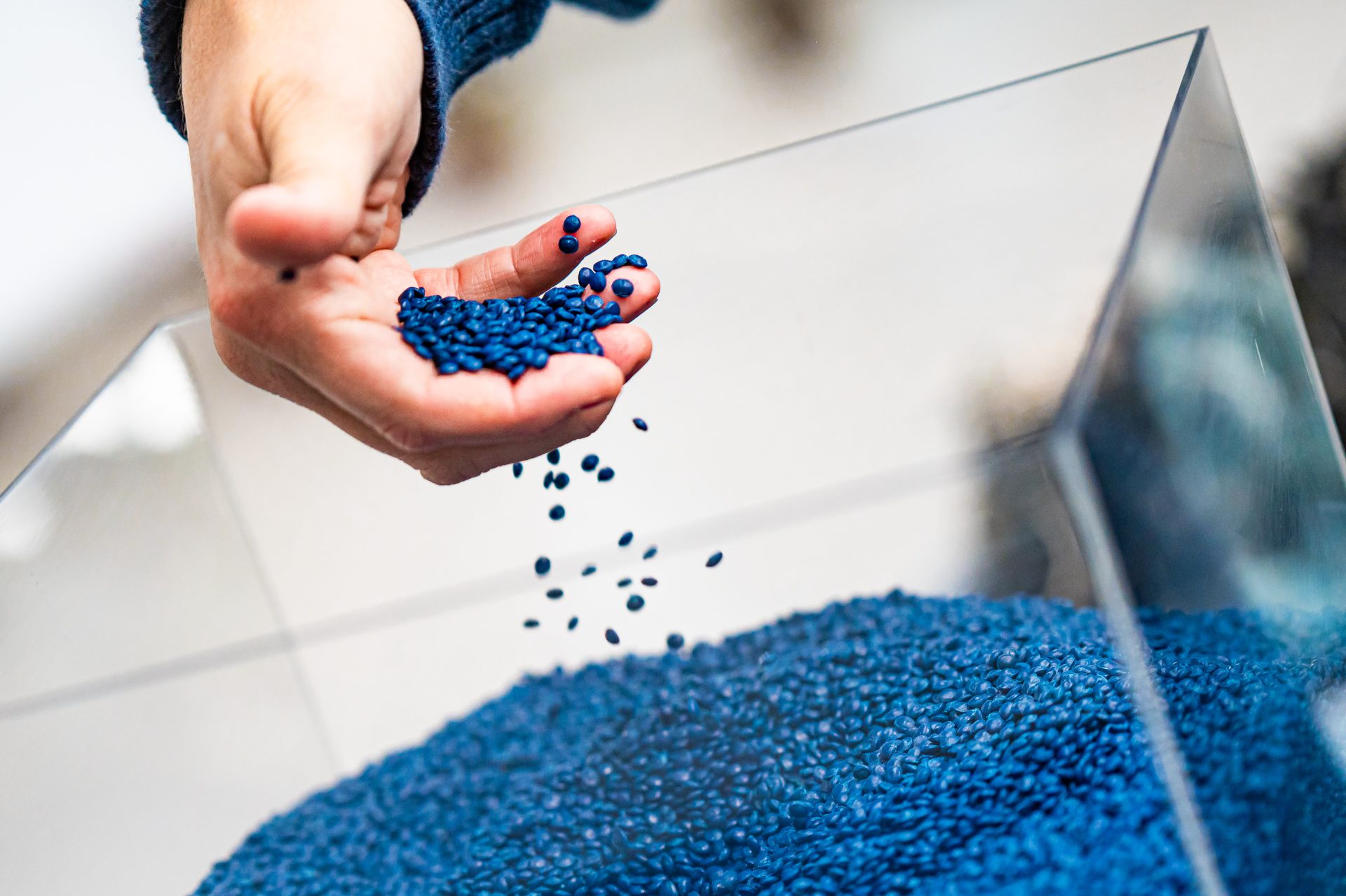
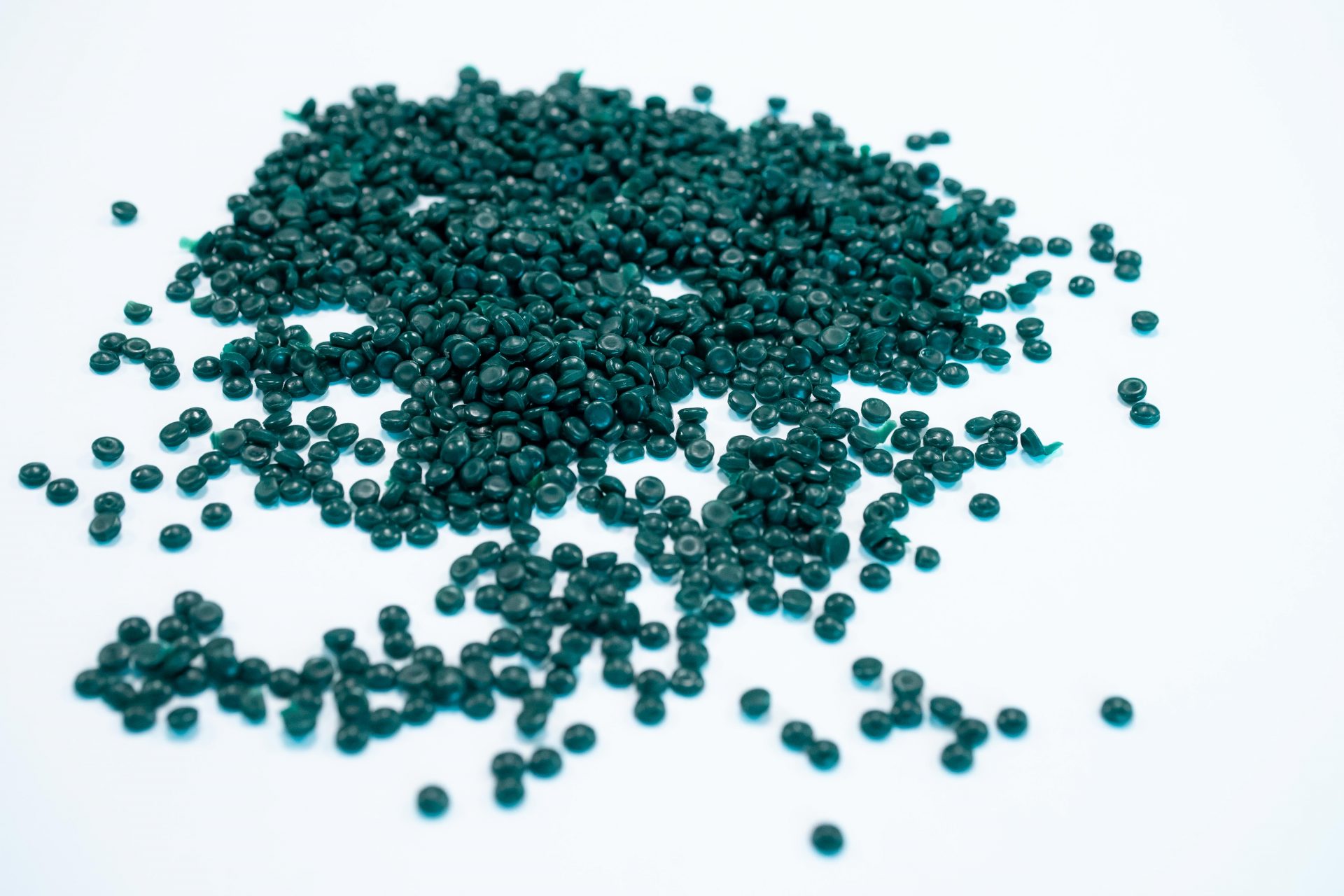
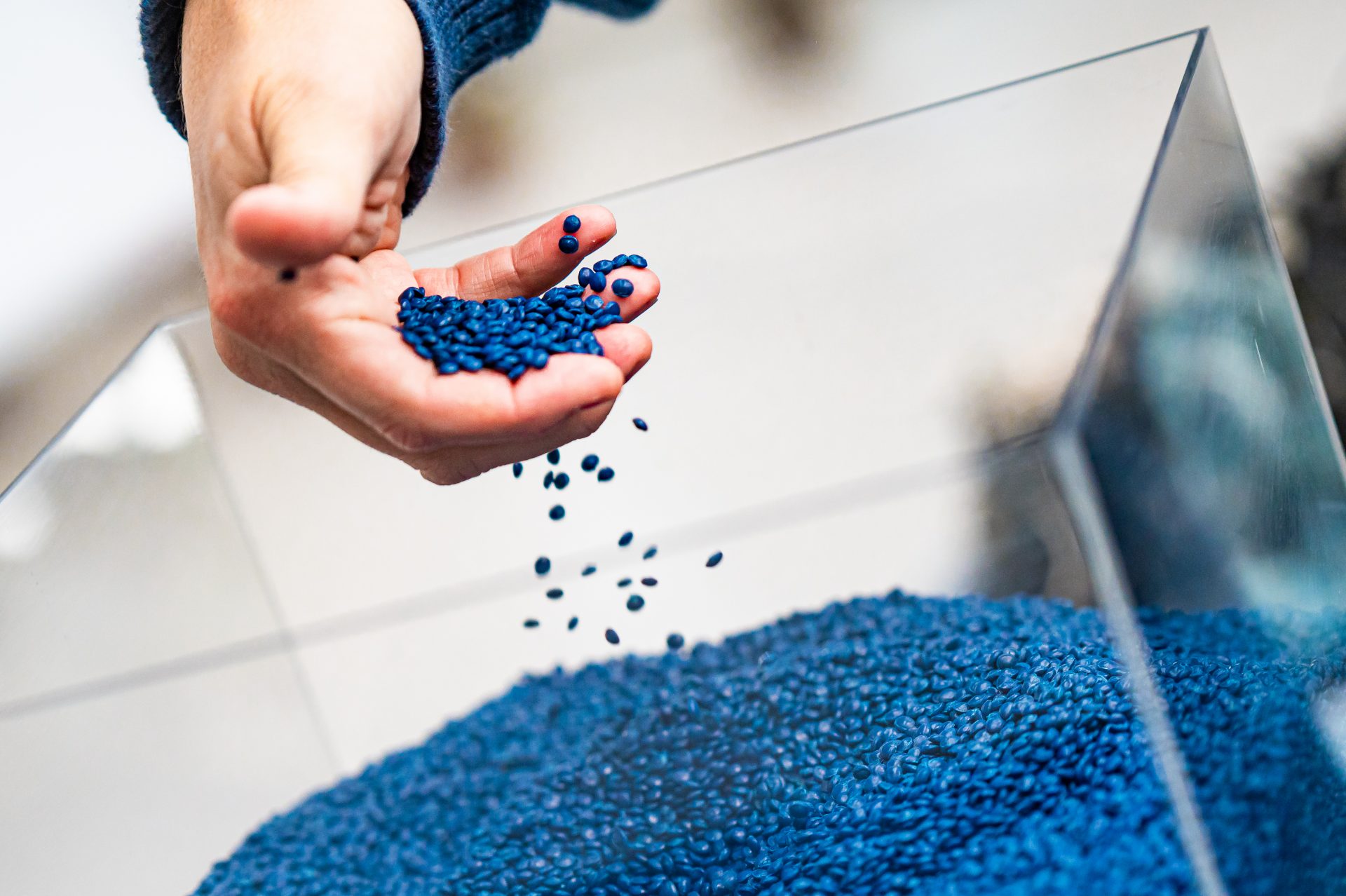
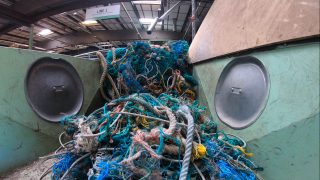
Ghost nets being processed for recycling into granulate.




Video footage (7)


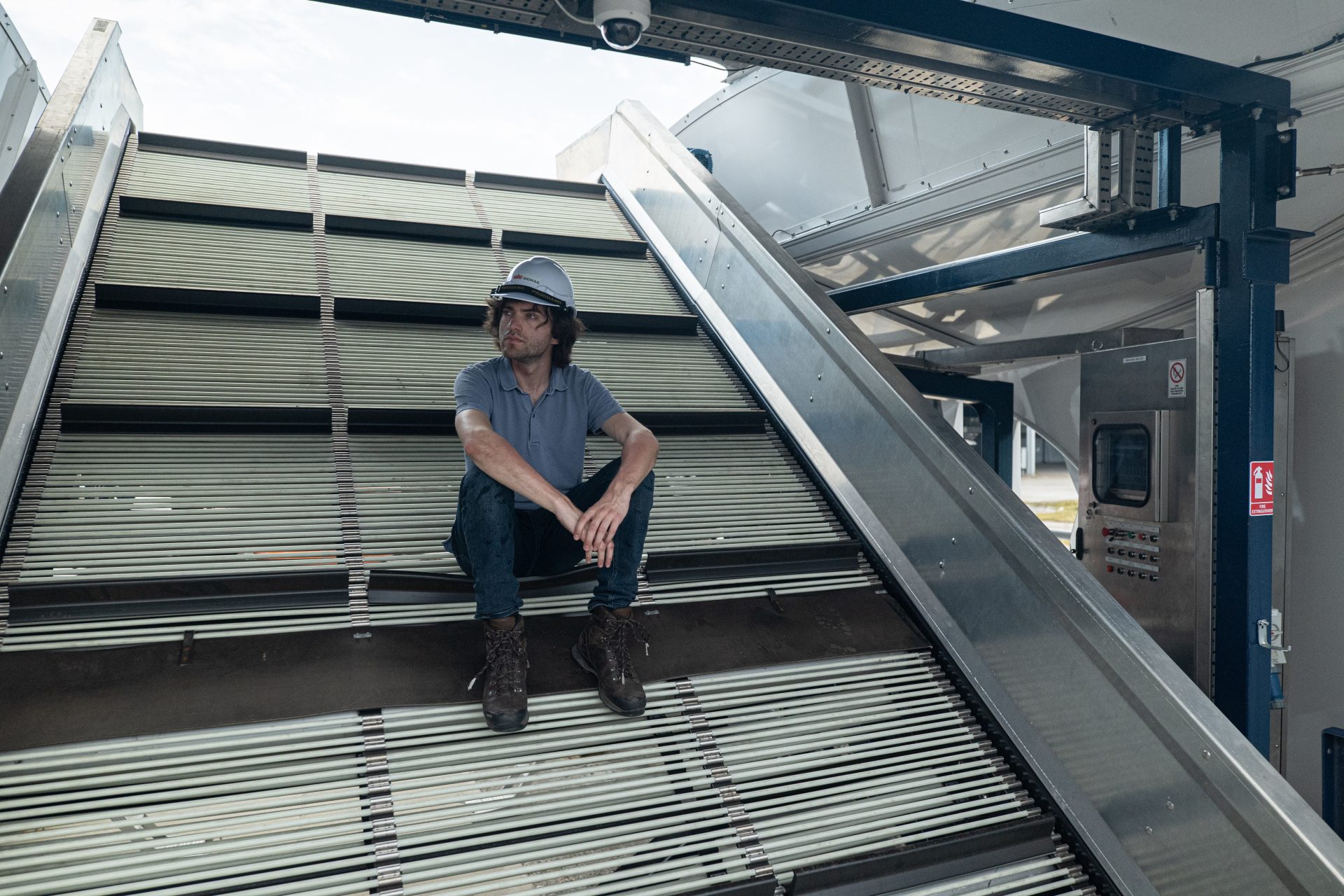
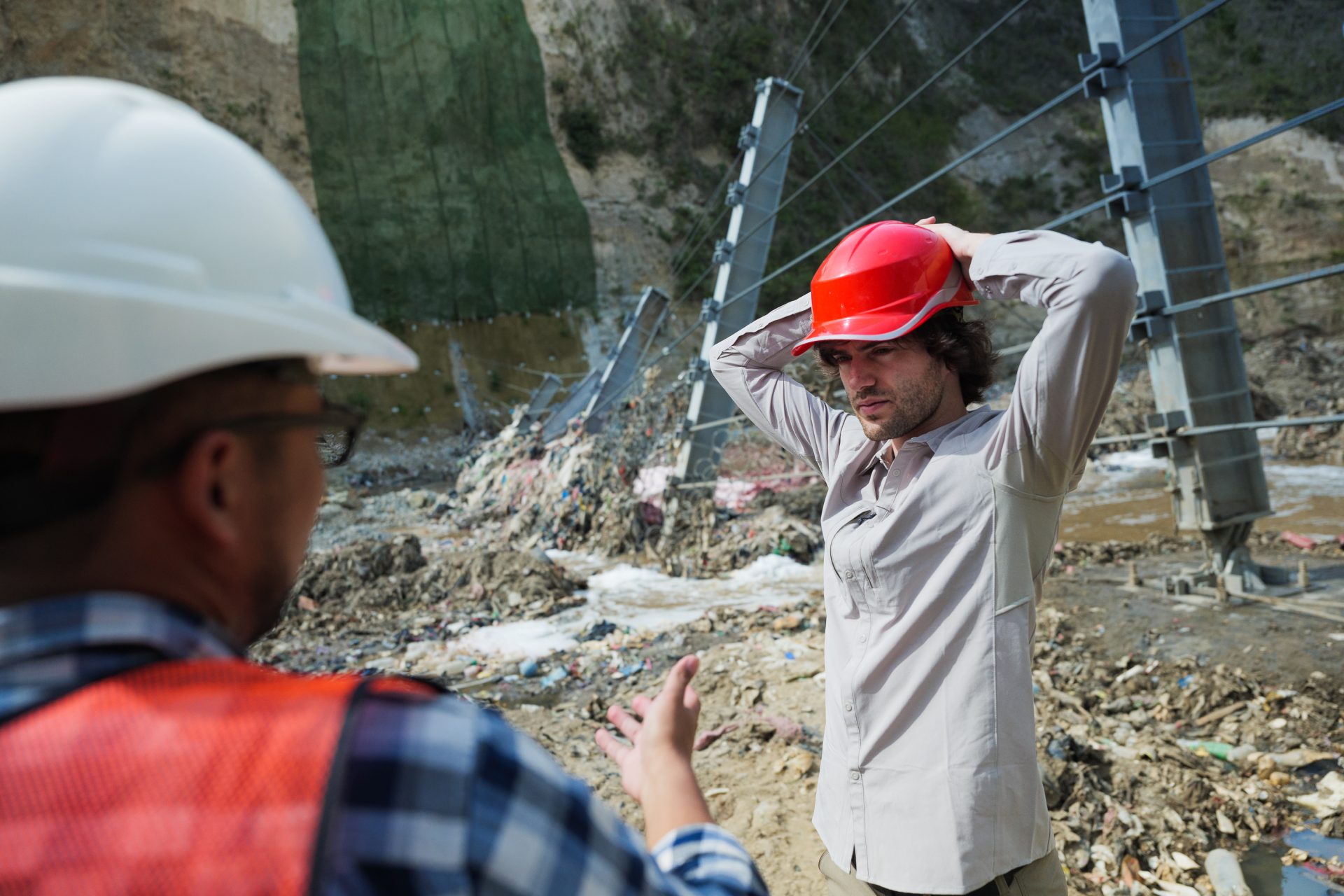
Boyan Slat
Founder and CEOImages (25)
-

-
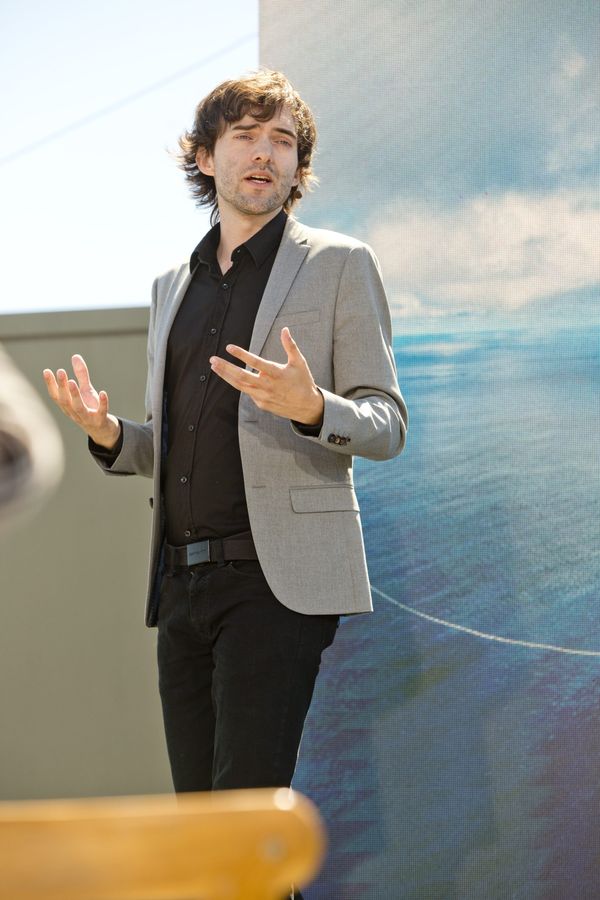
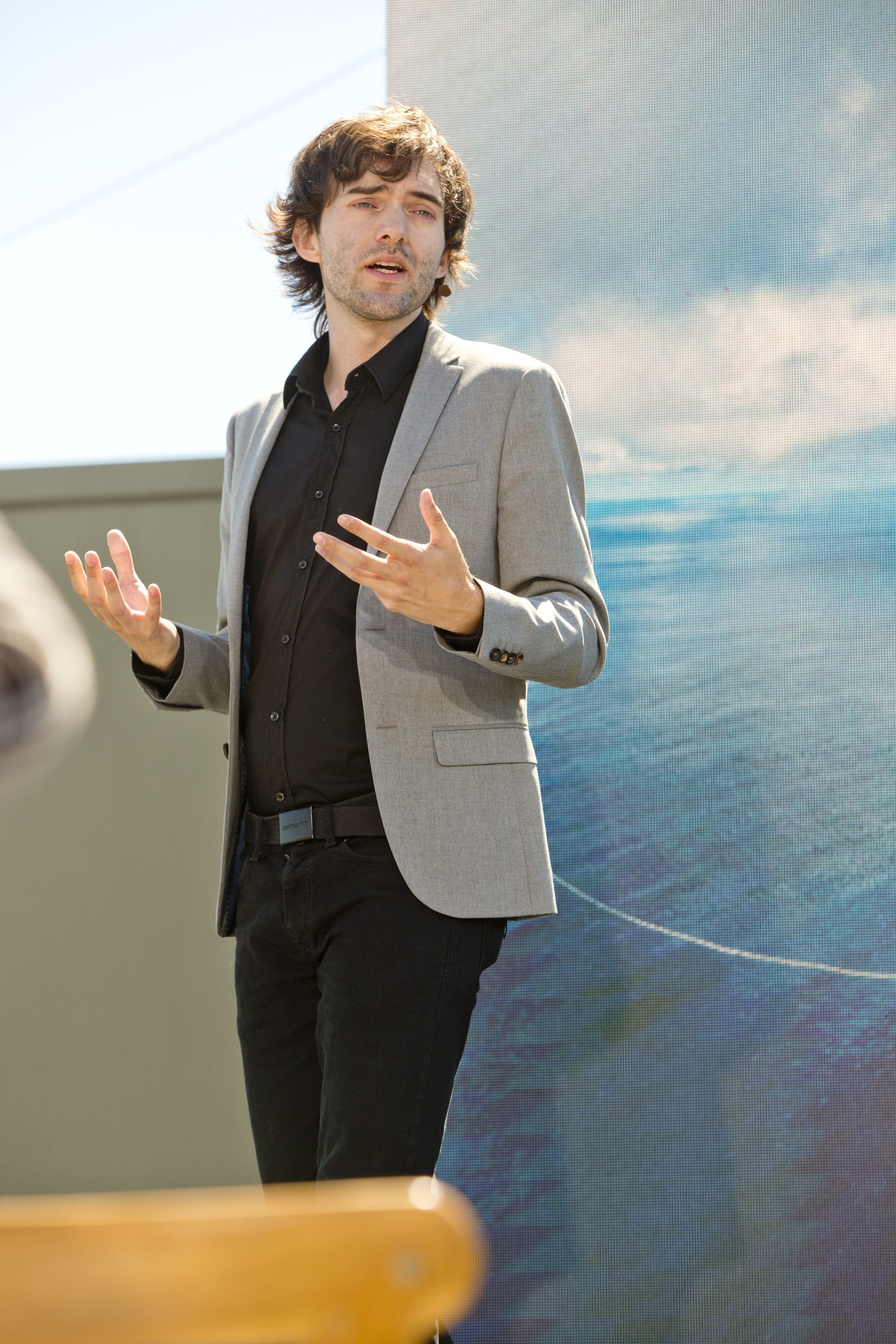
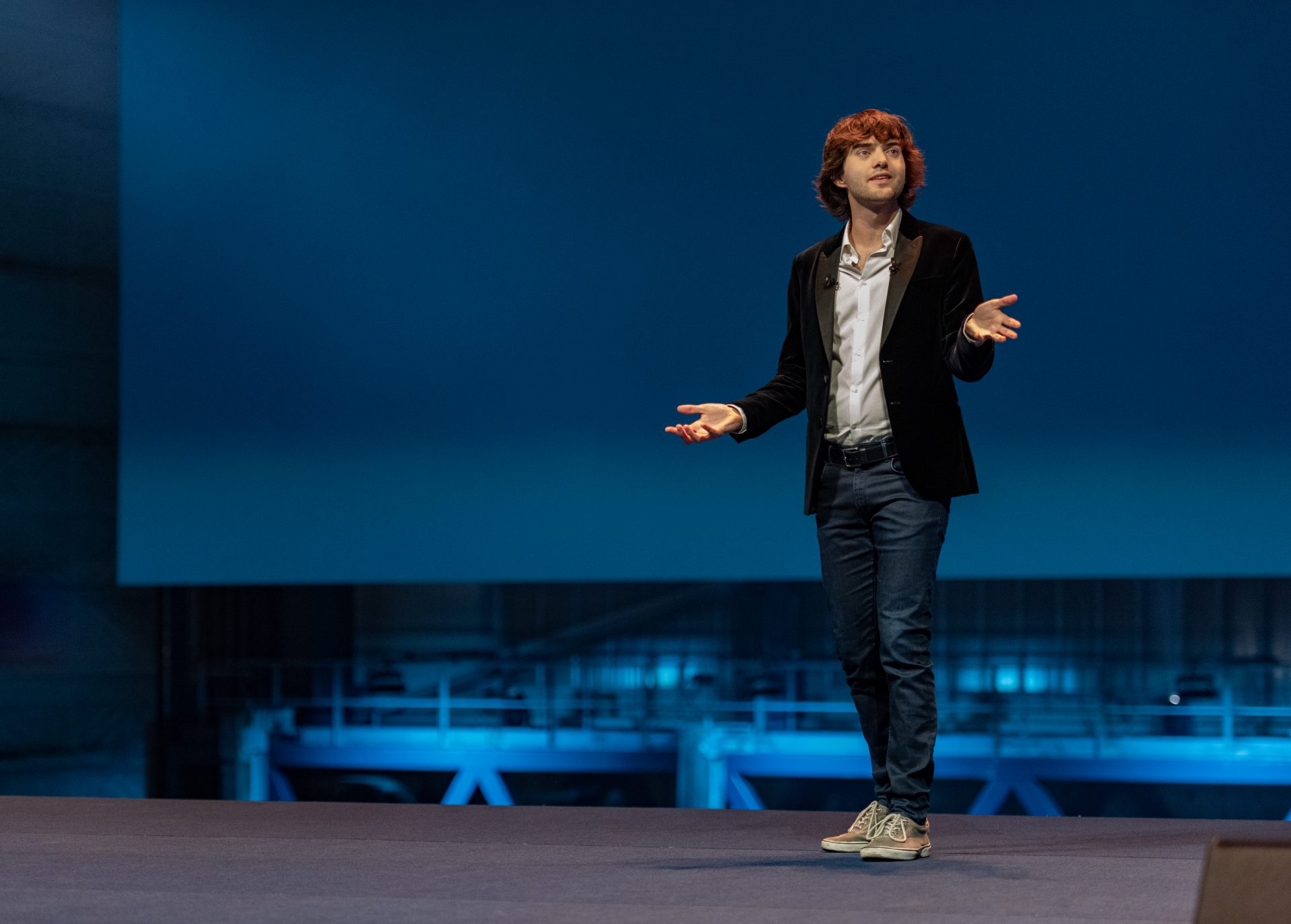
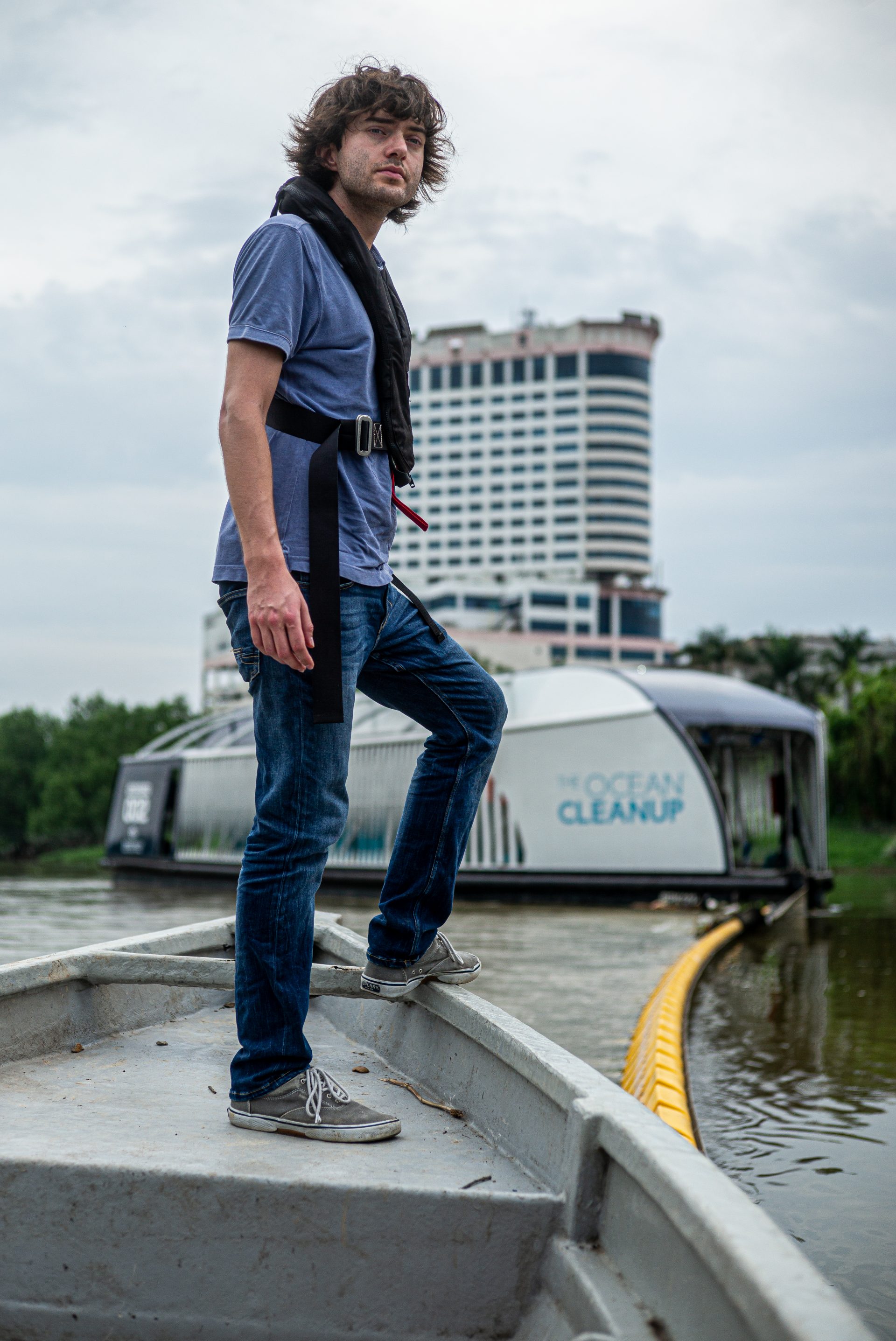
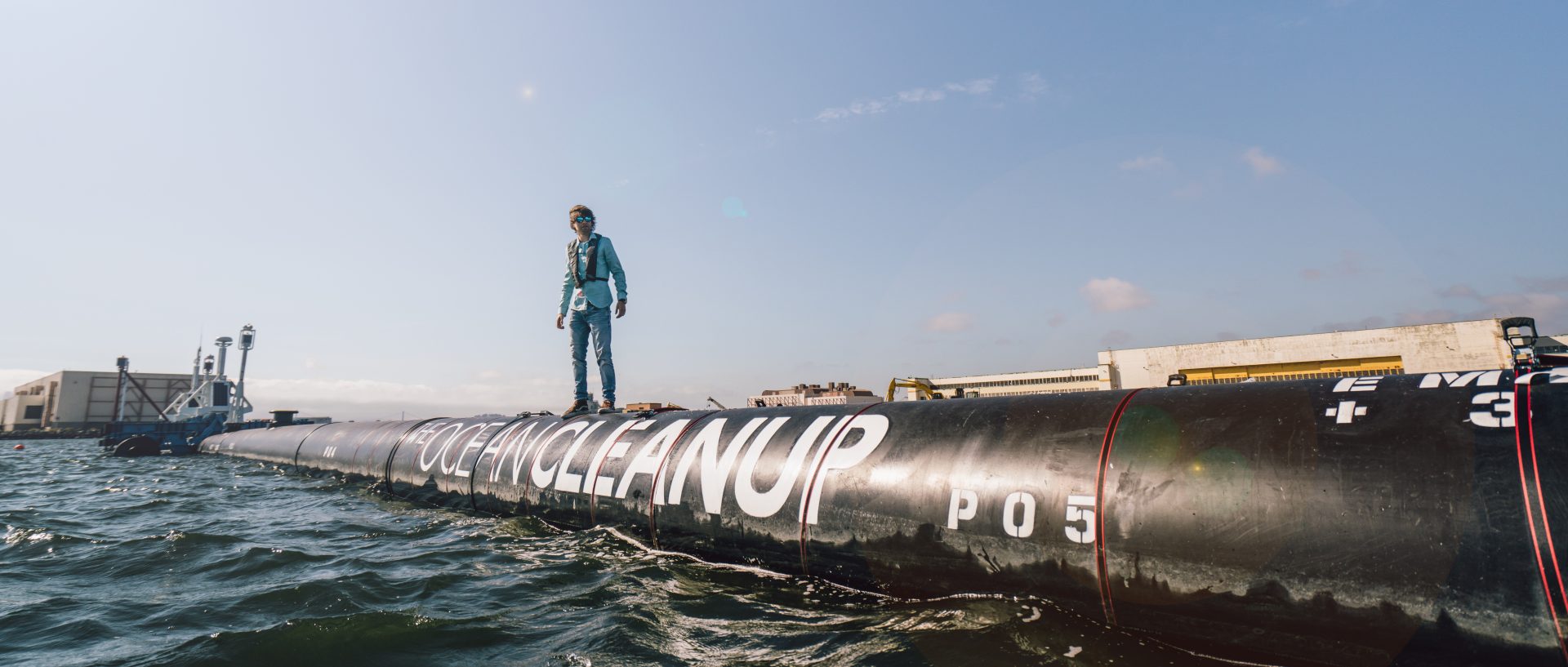
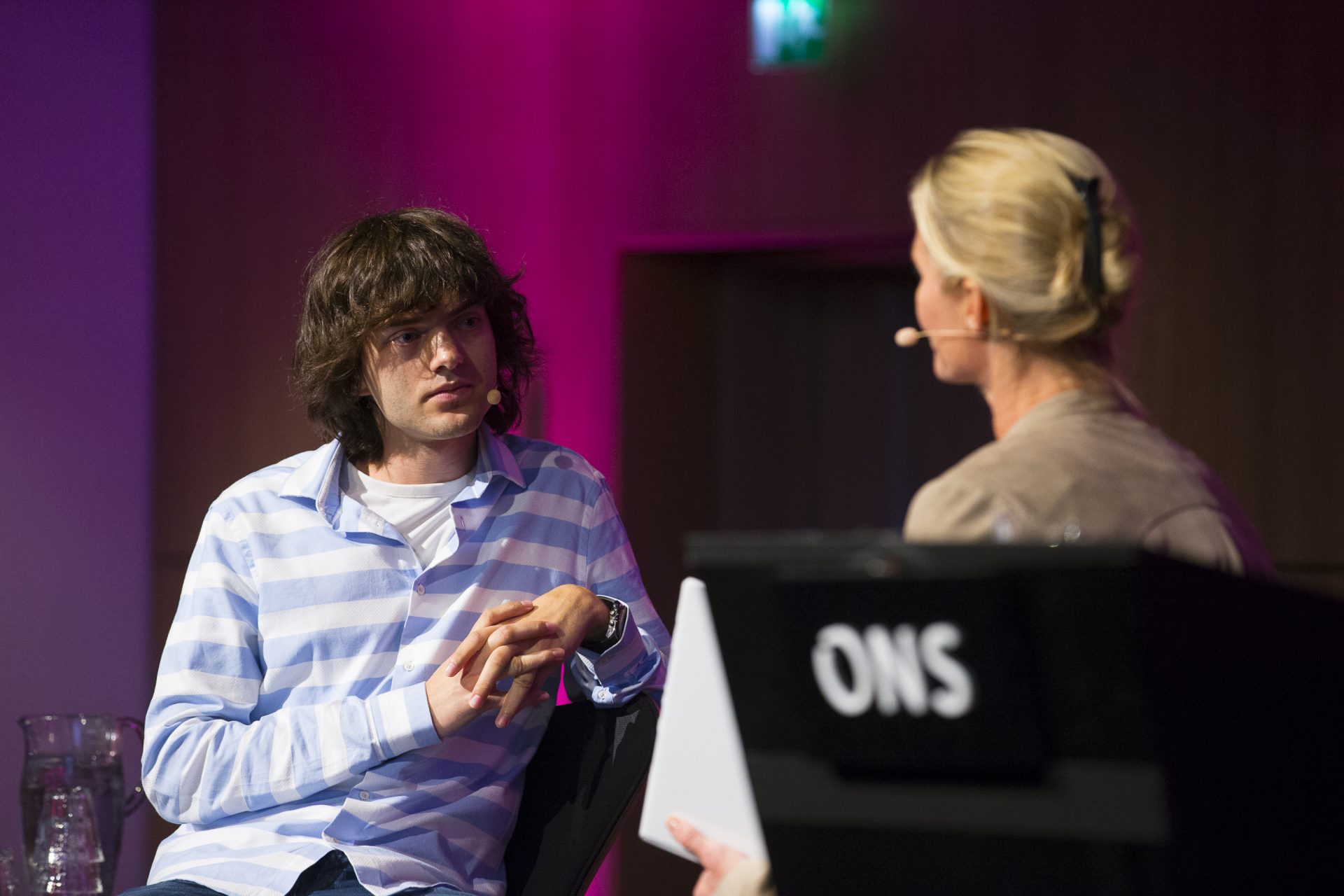
Boyan Slat speaking in San Francisco, Sept. 2024. -
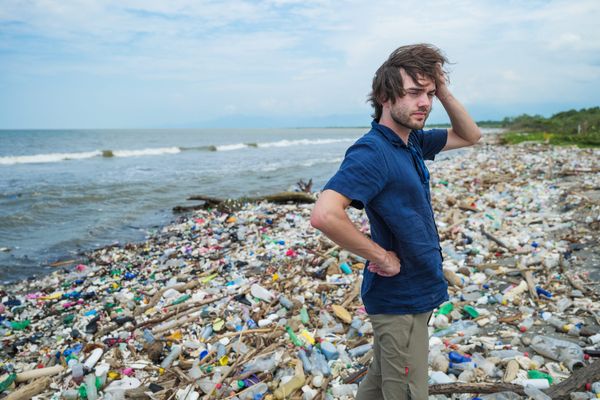
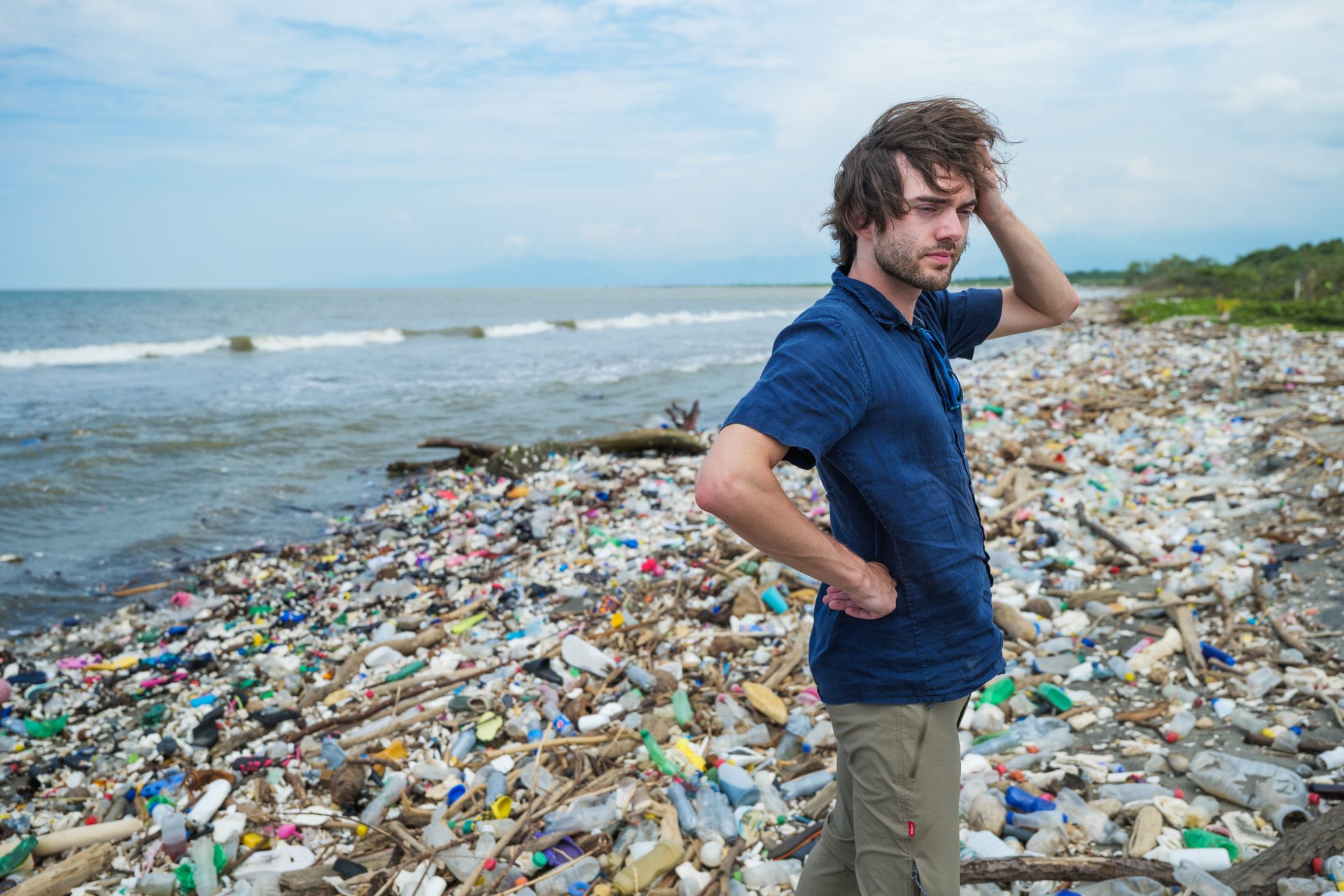
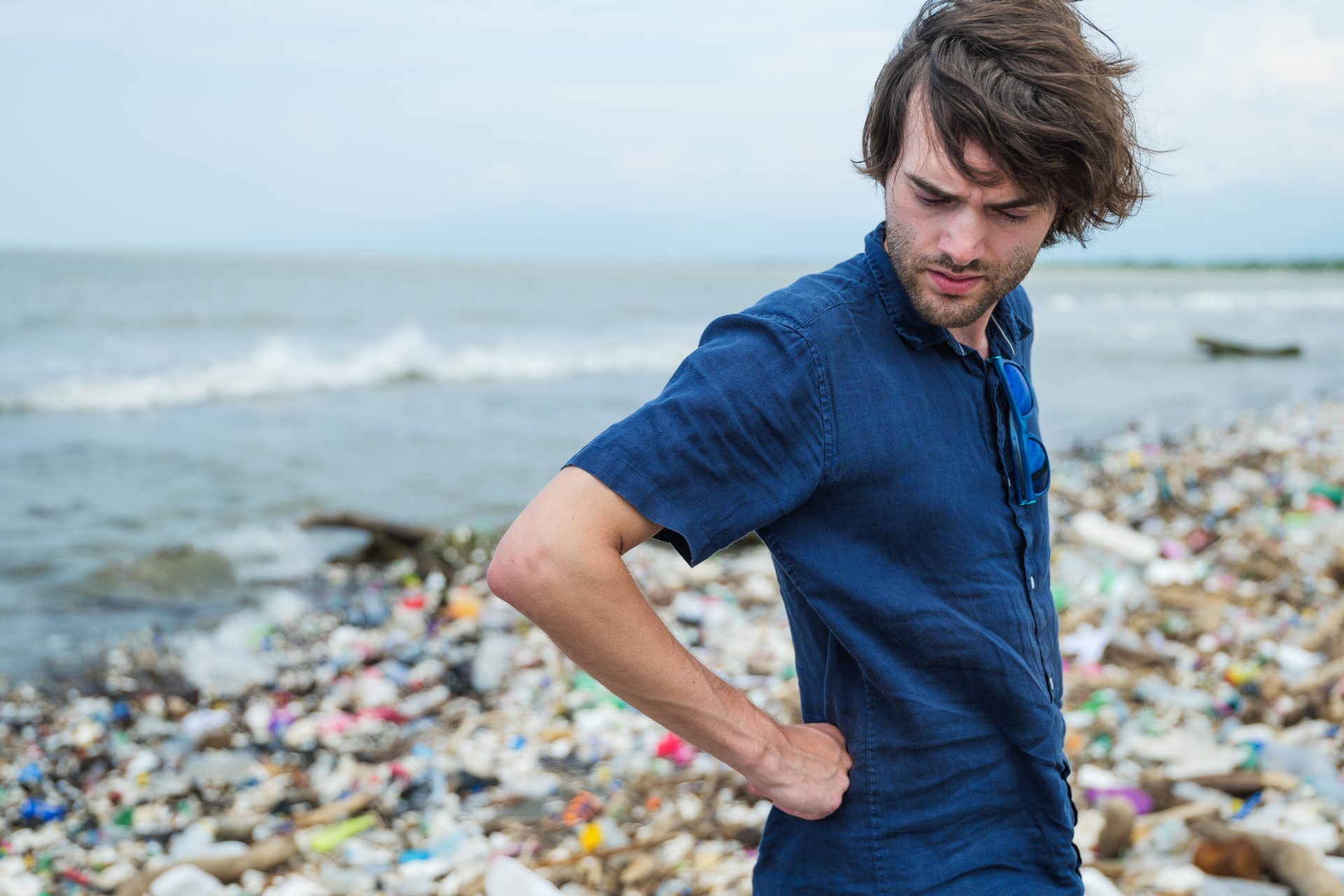
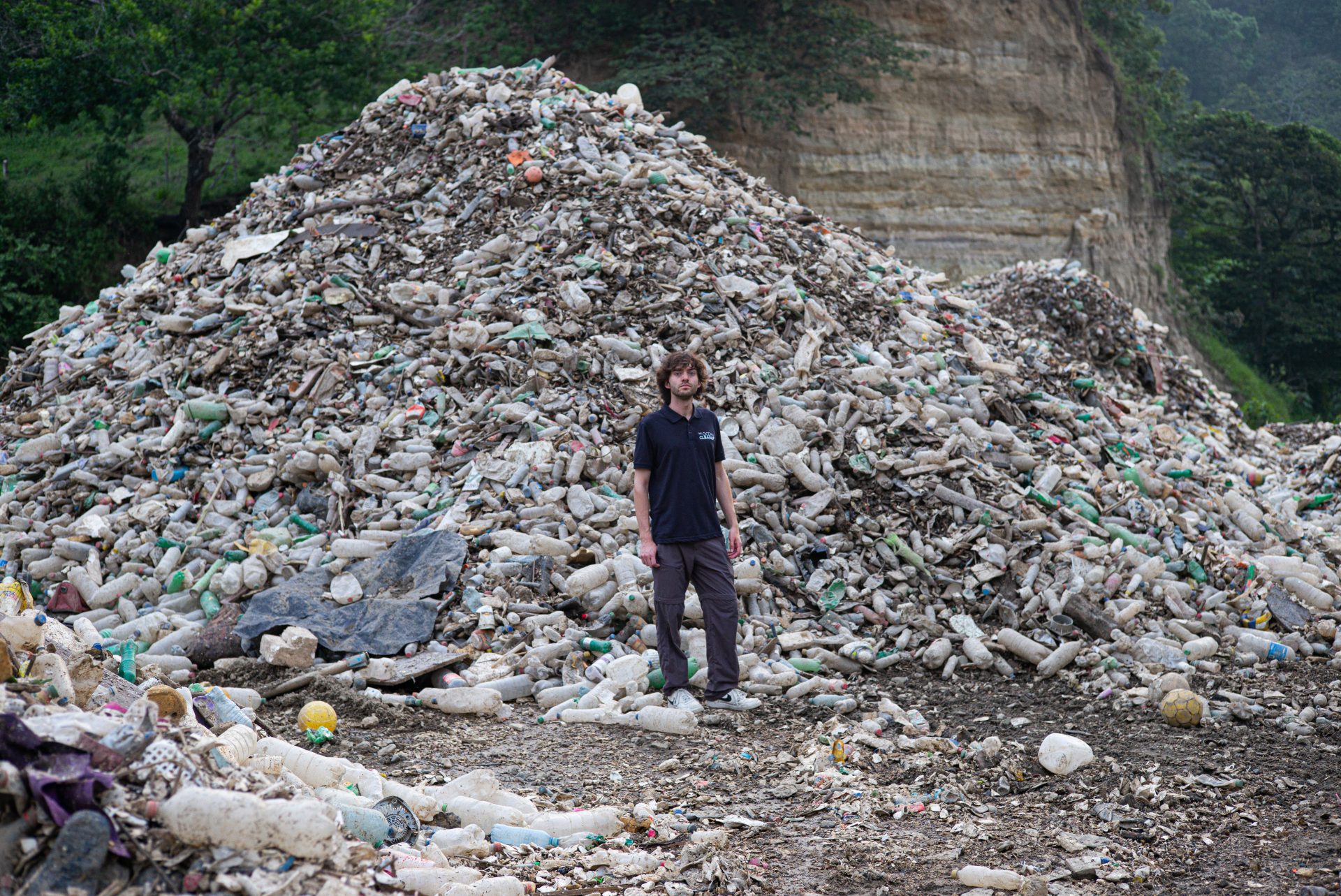
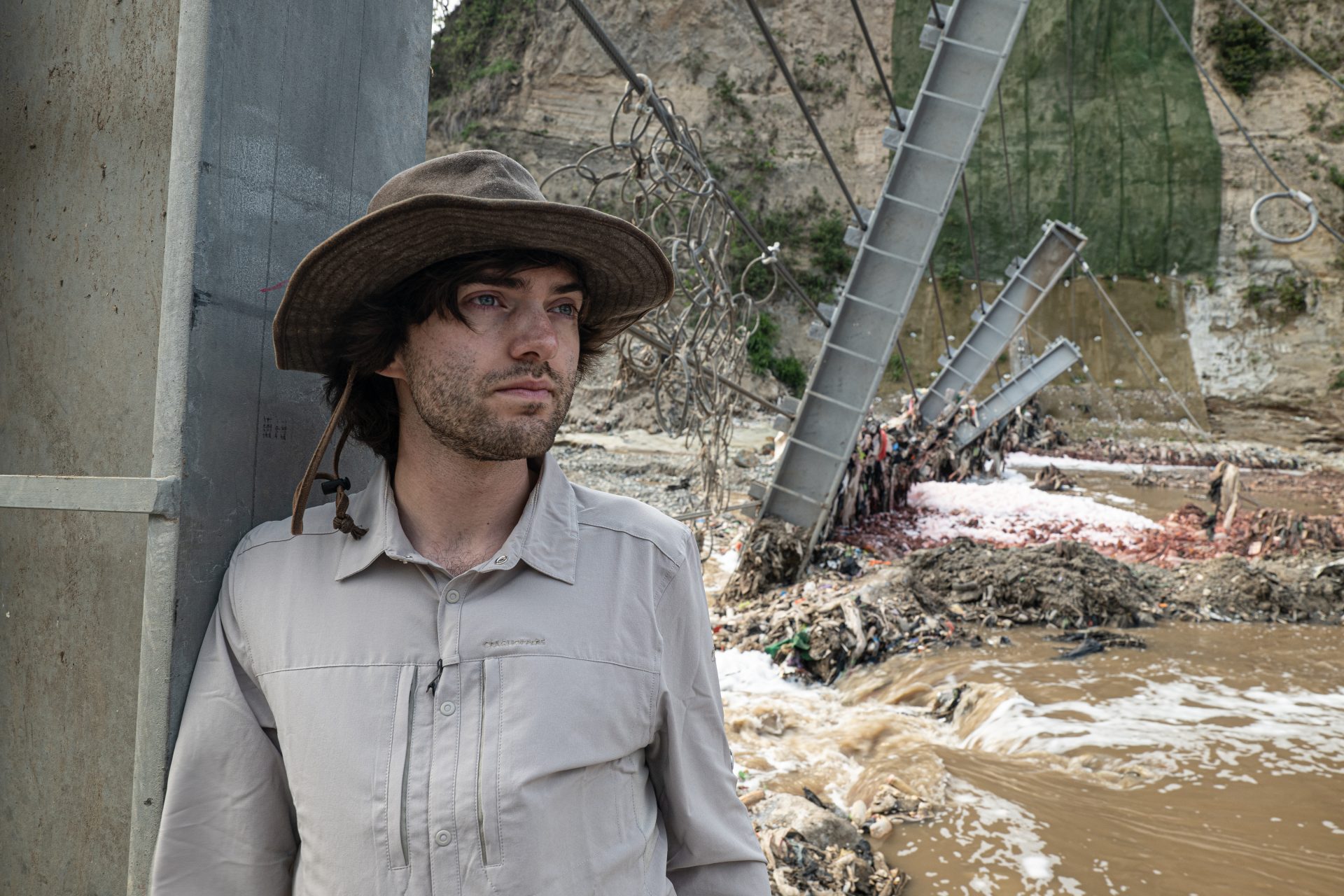
Boyan Slat, Founder and CEO, on a beach in Honduras. Rio Motagua basin has its estuary close to this beach. The Rio Las Vacas in Guatemala, in which The Ocean Cleanup is trialing an Interceptor Trashfence, is leading into Rio Motagua. The plastic pollution on the beach is estimated to come from this source. -
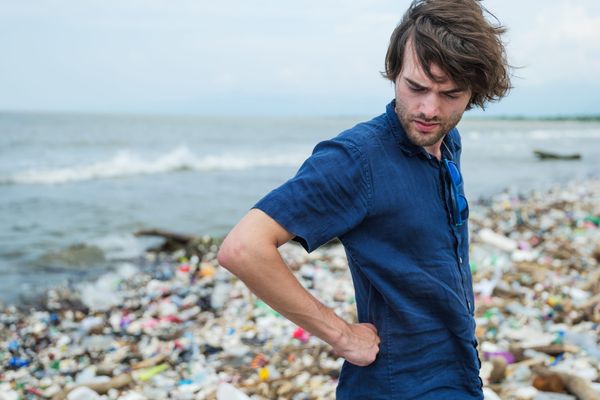
Boyan Slat, Founder and CEO, on a beach in Honduras. Rio Motagua basin has its estuary close to this beach. The Rio Las Vacas in Guatemala, in which The Ocean Cleanup is trialing an Interceptor Trashfence, is leading into Rio Motagua. The plastic pollution on the beach is estimated to come from this source. -
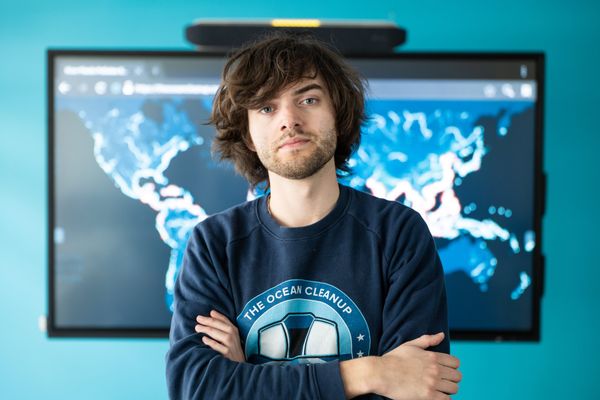
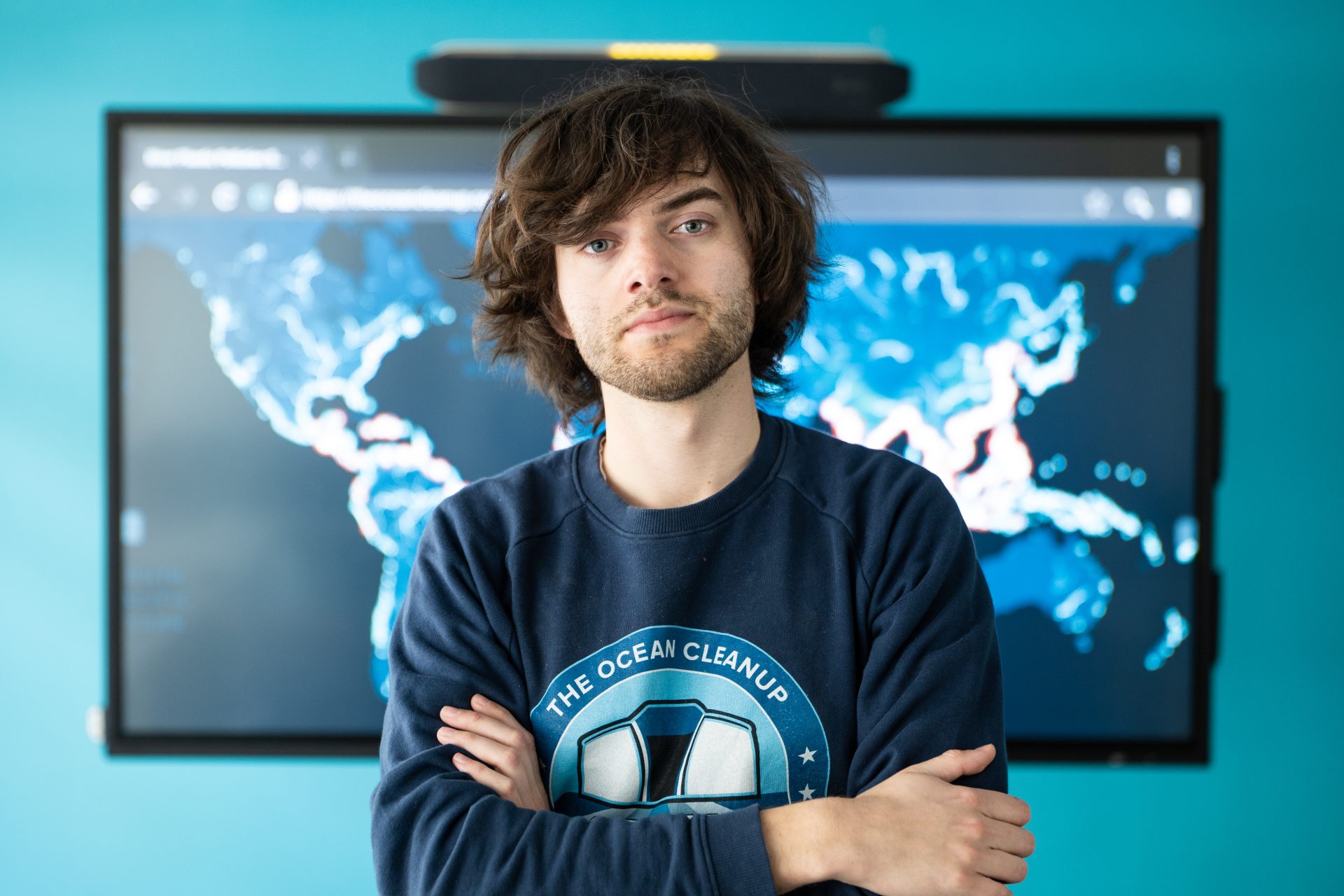
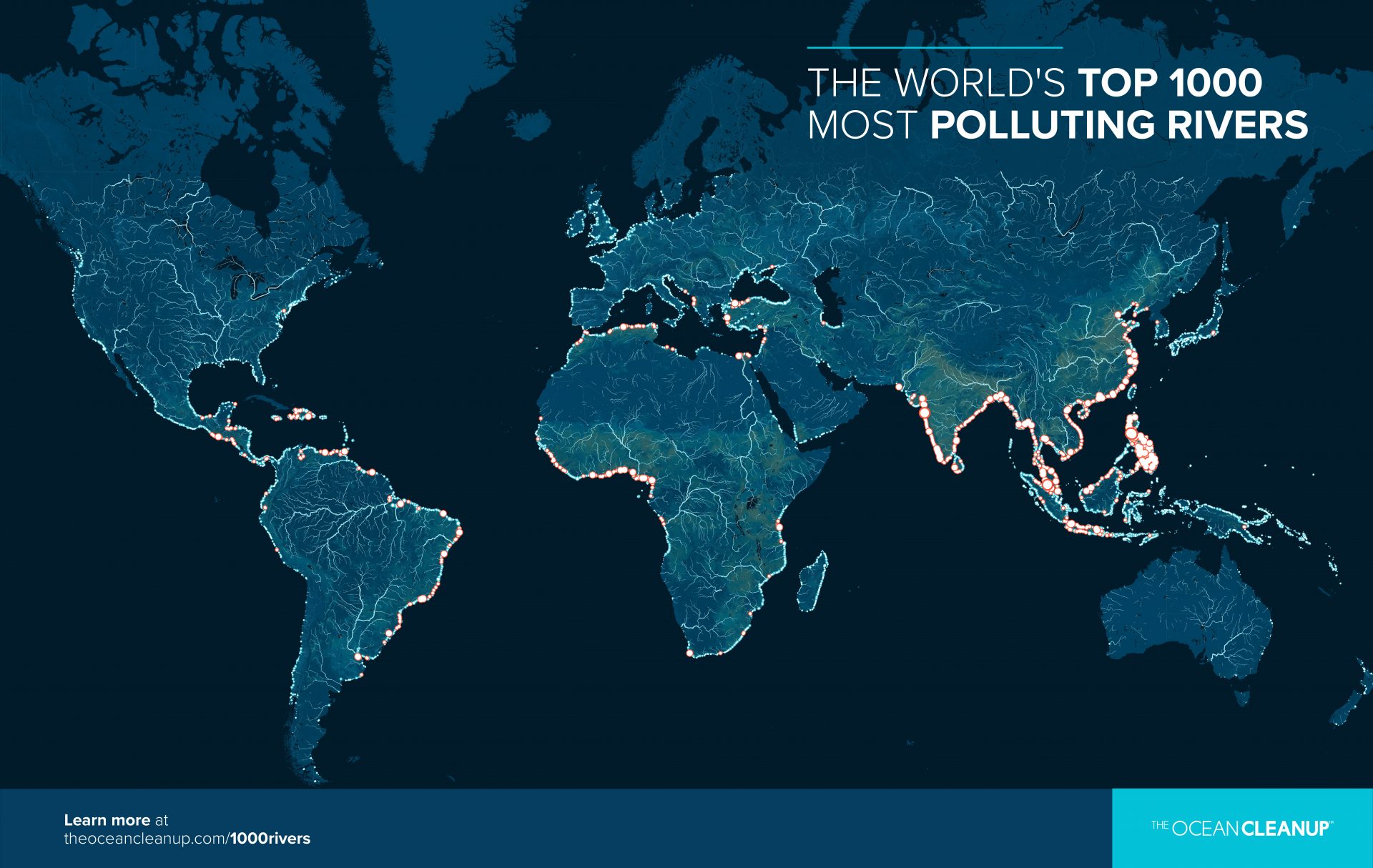
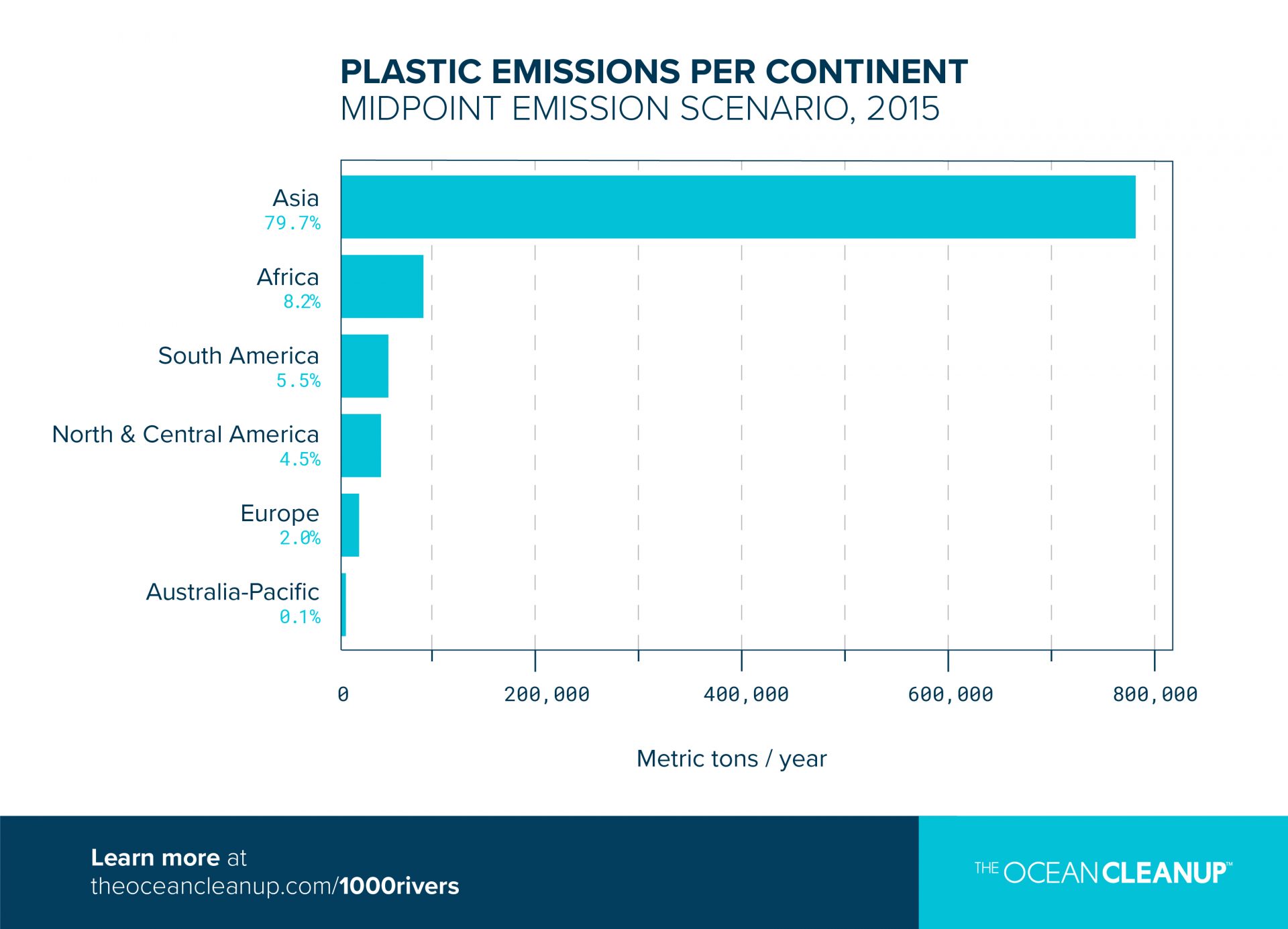
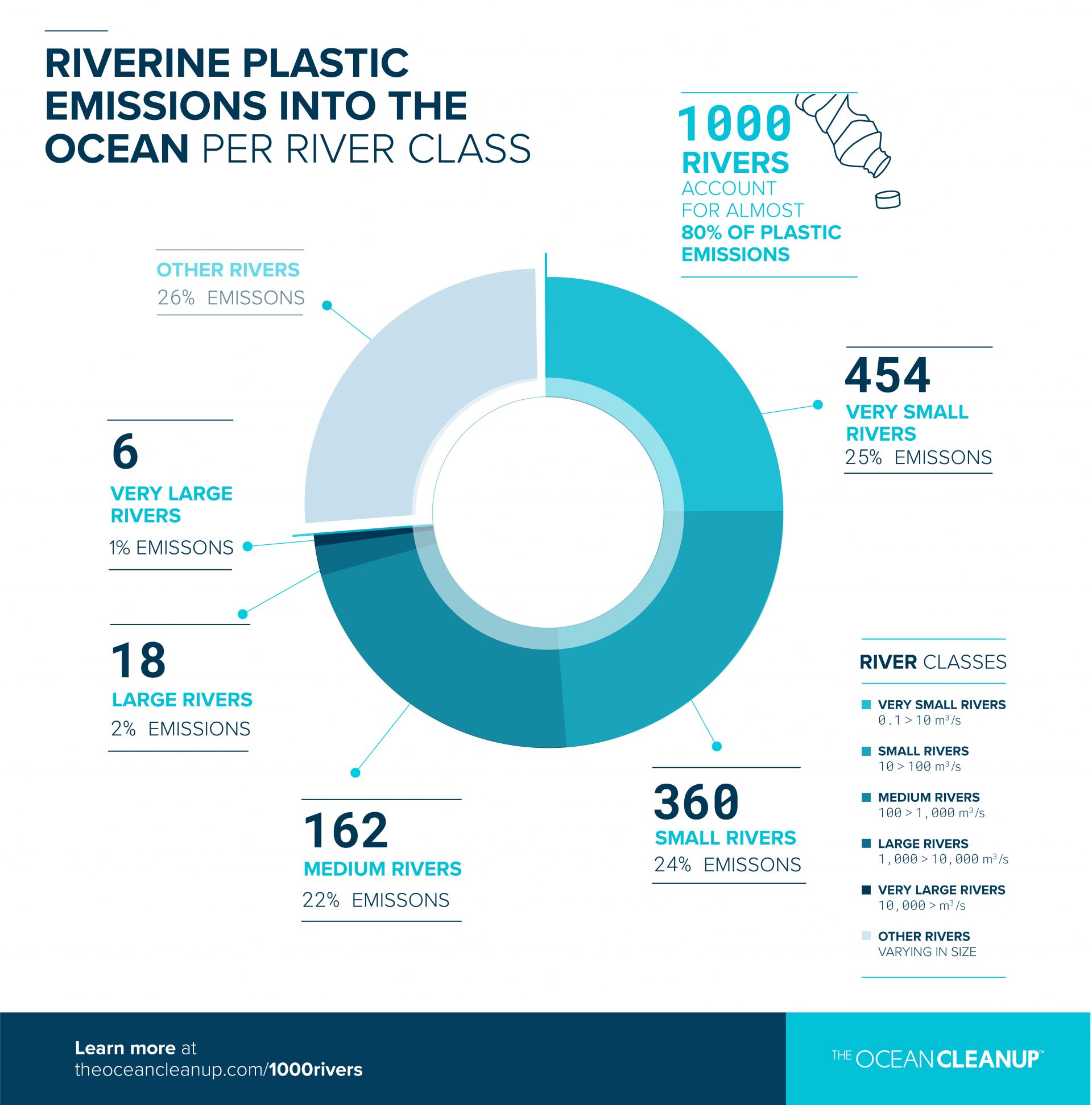
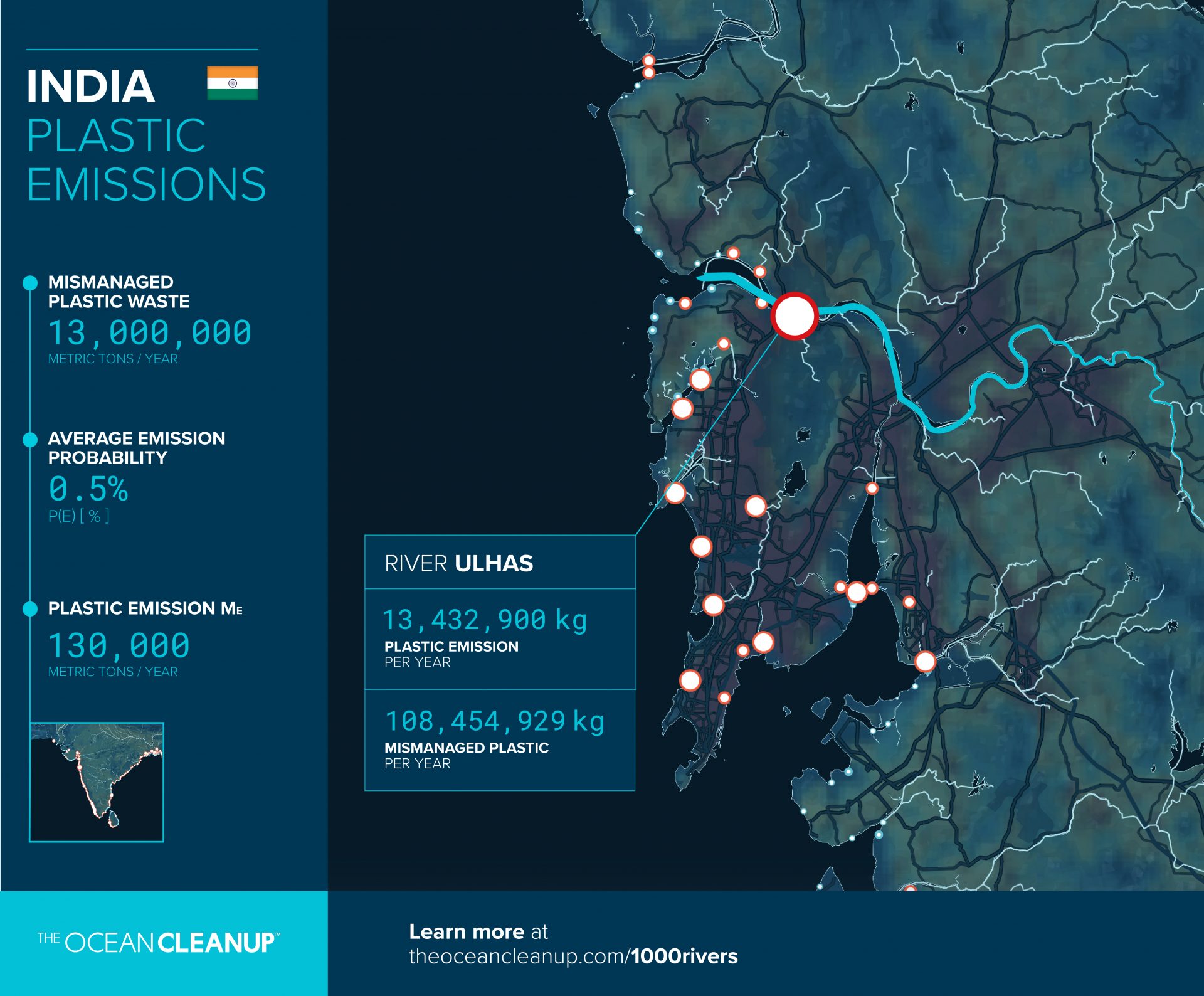
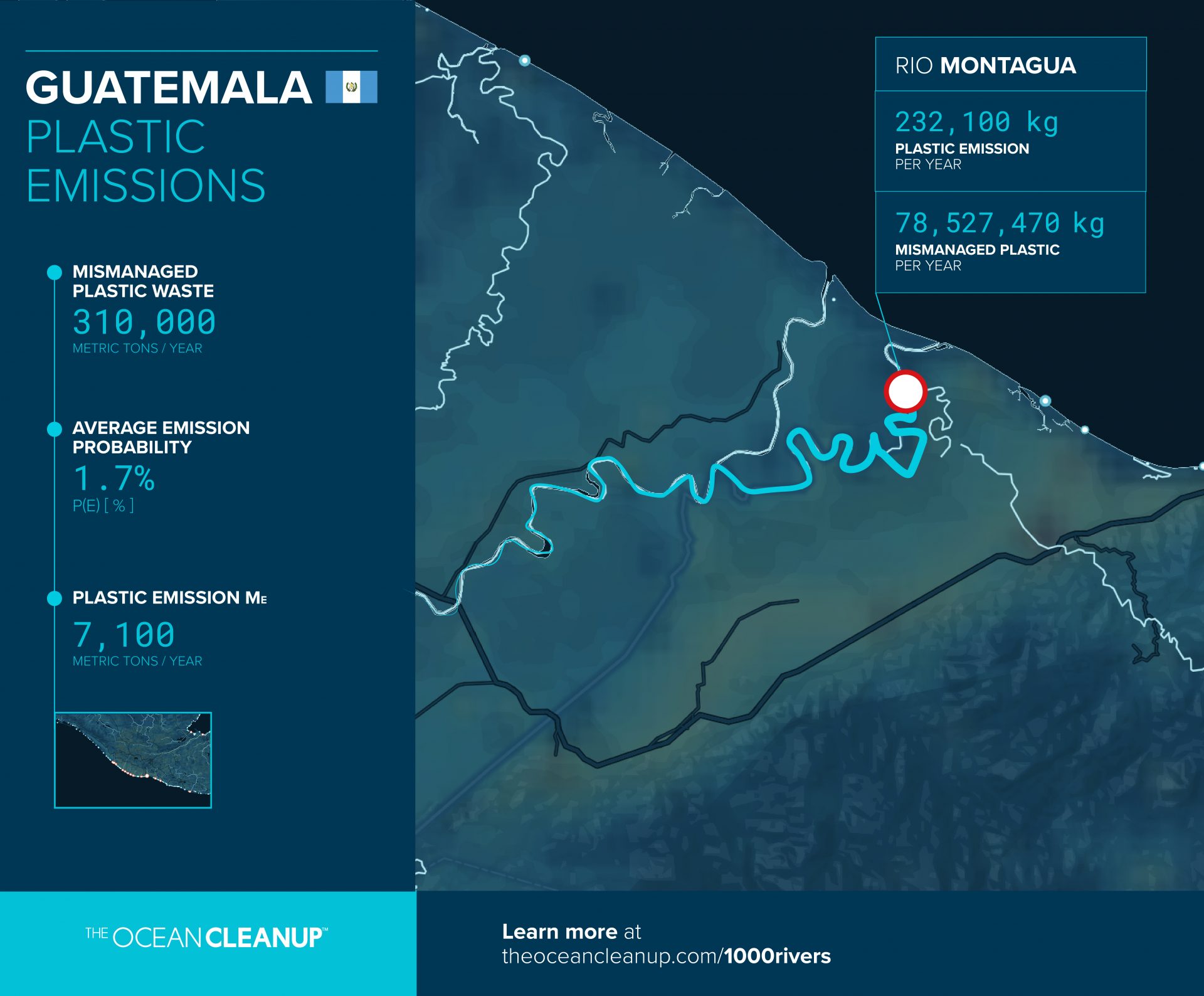
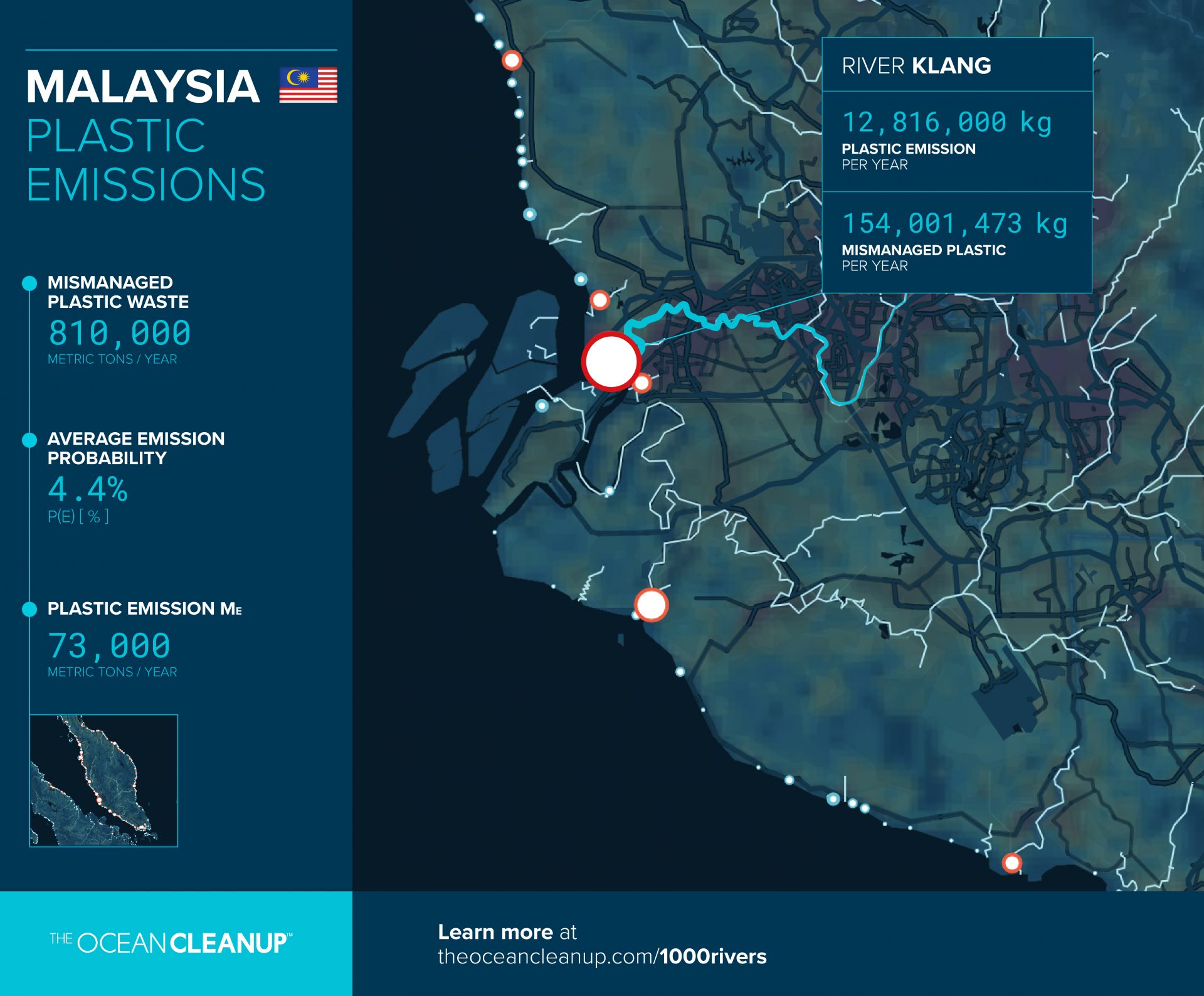
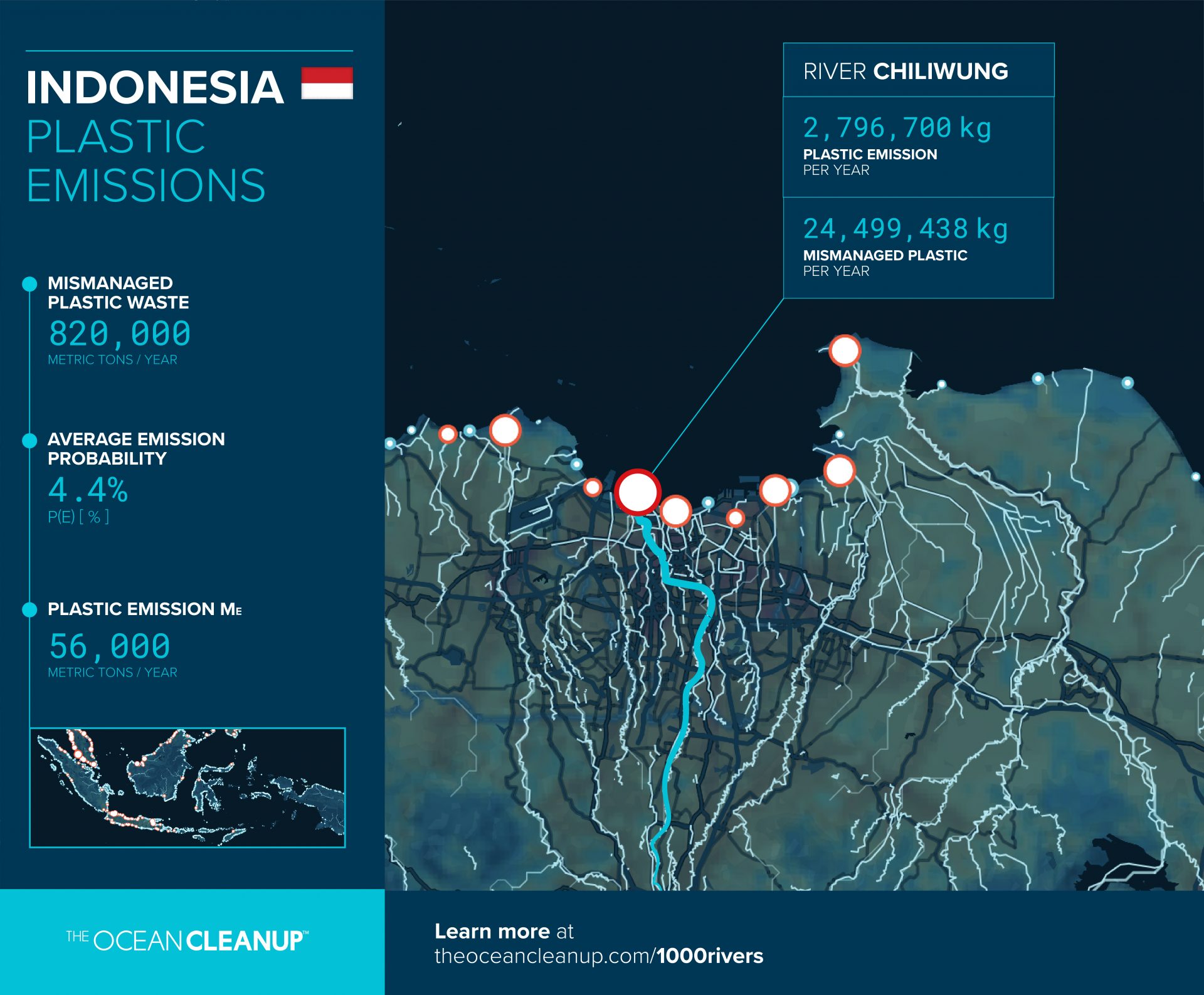
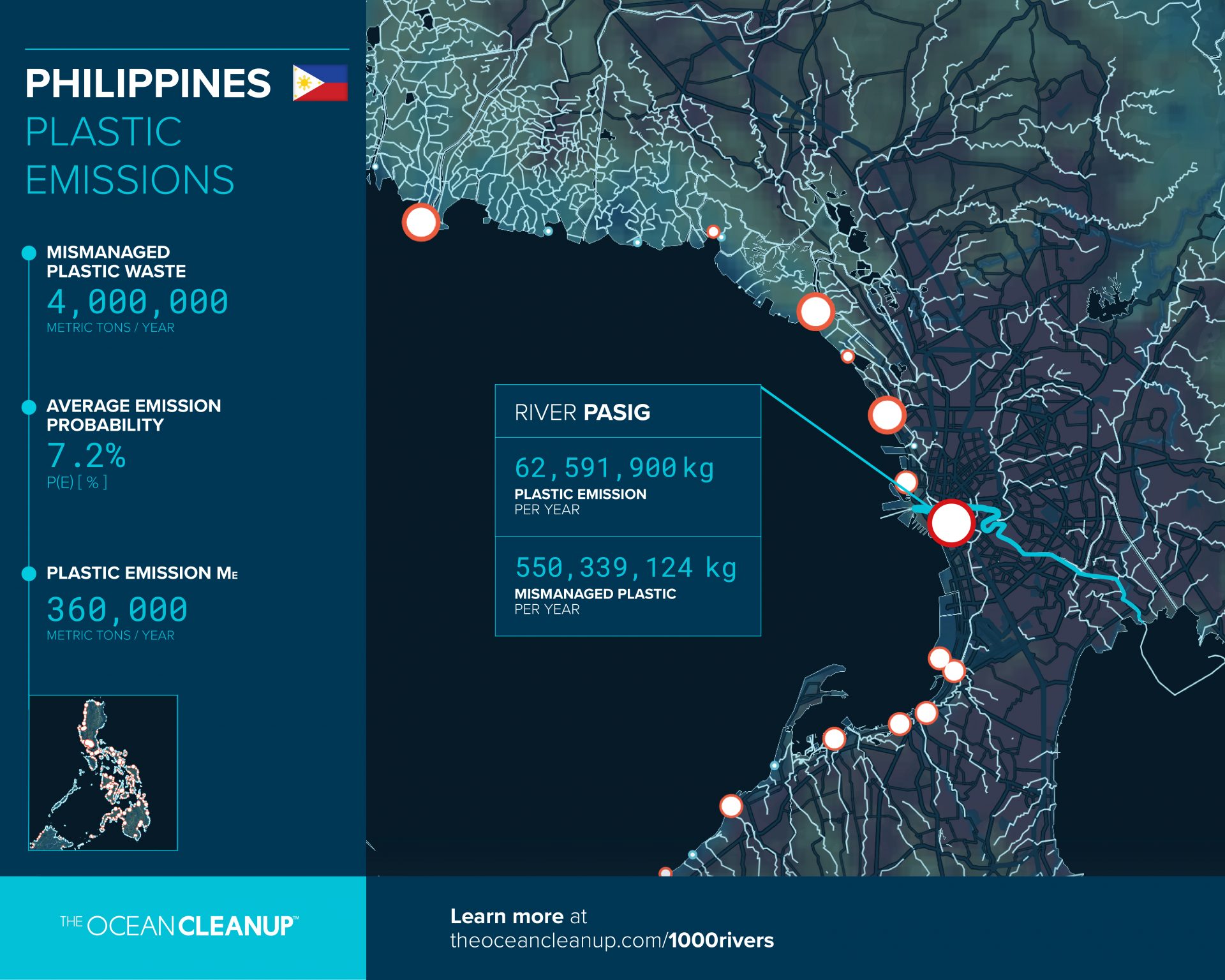
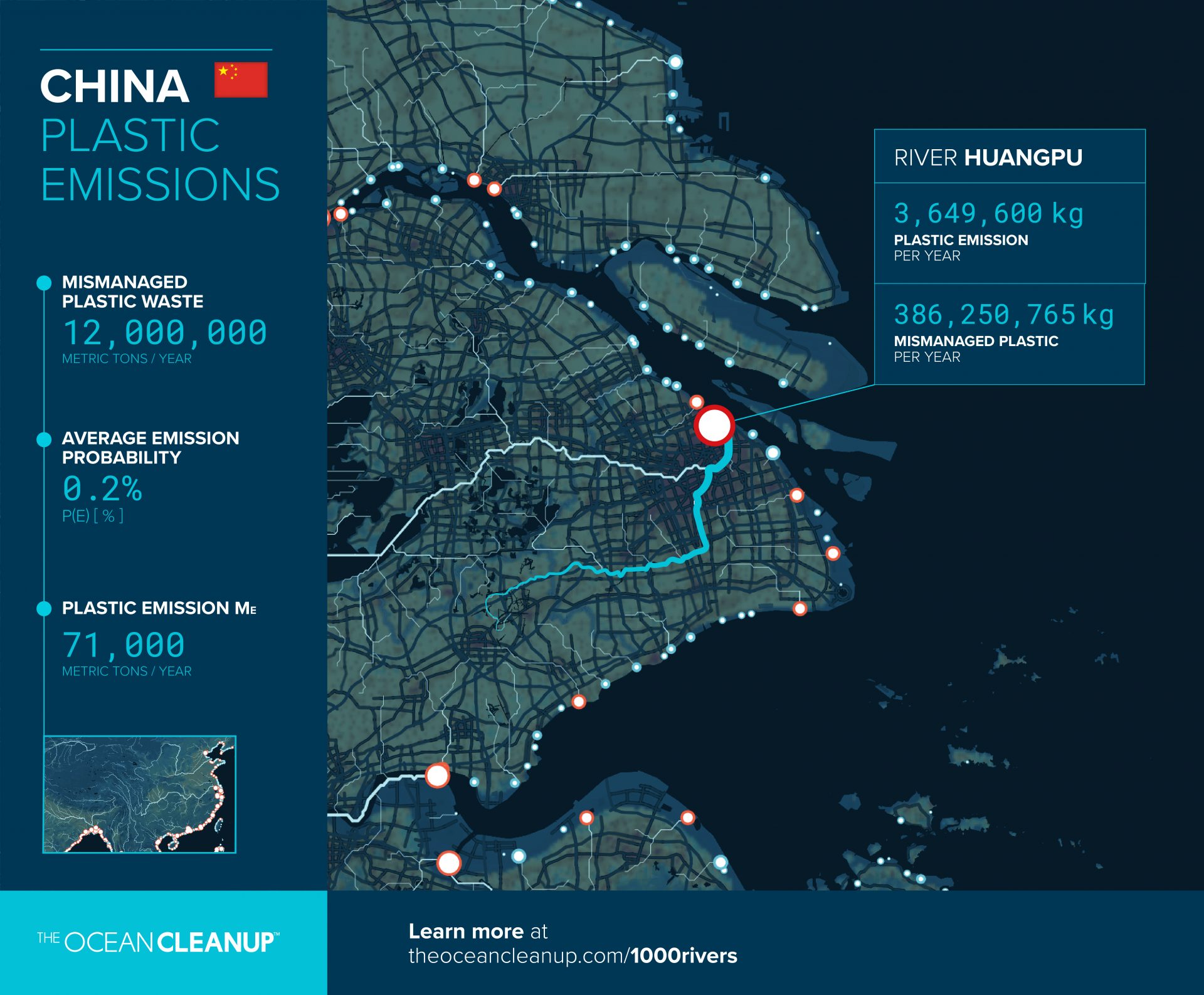
Boyan Slat standing in front of the 1000 most polluting rivers maps. A model the Research team of The Ocean Cleanup mapped.









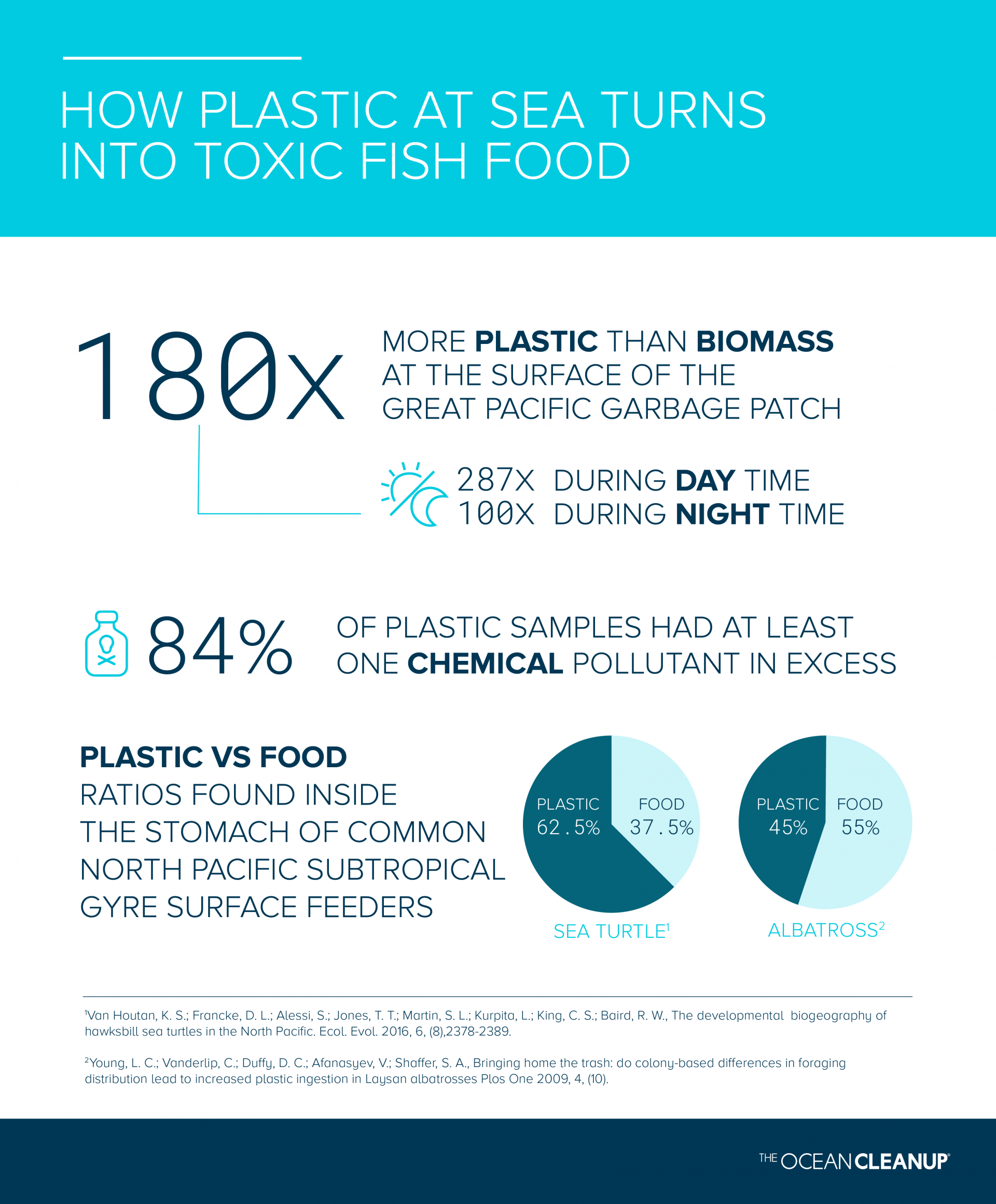
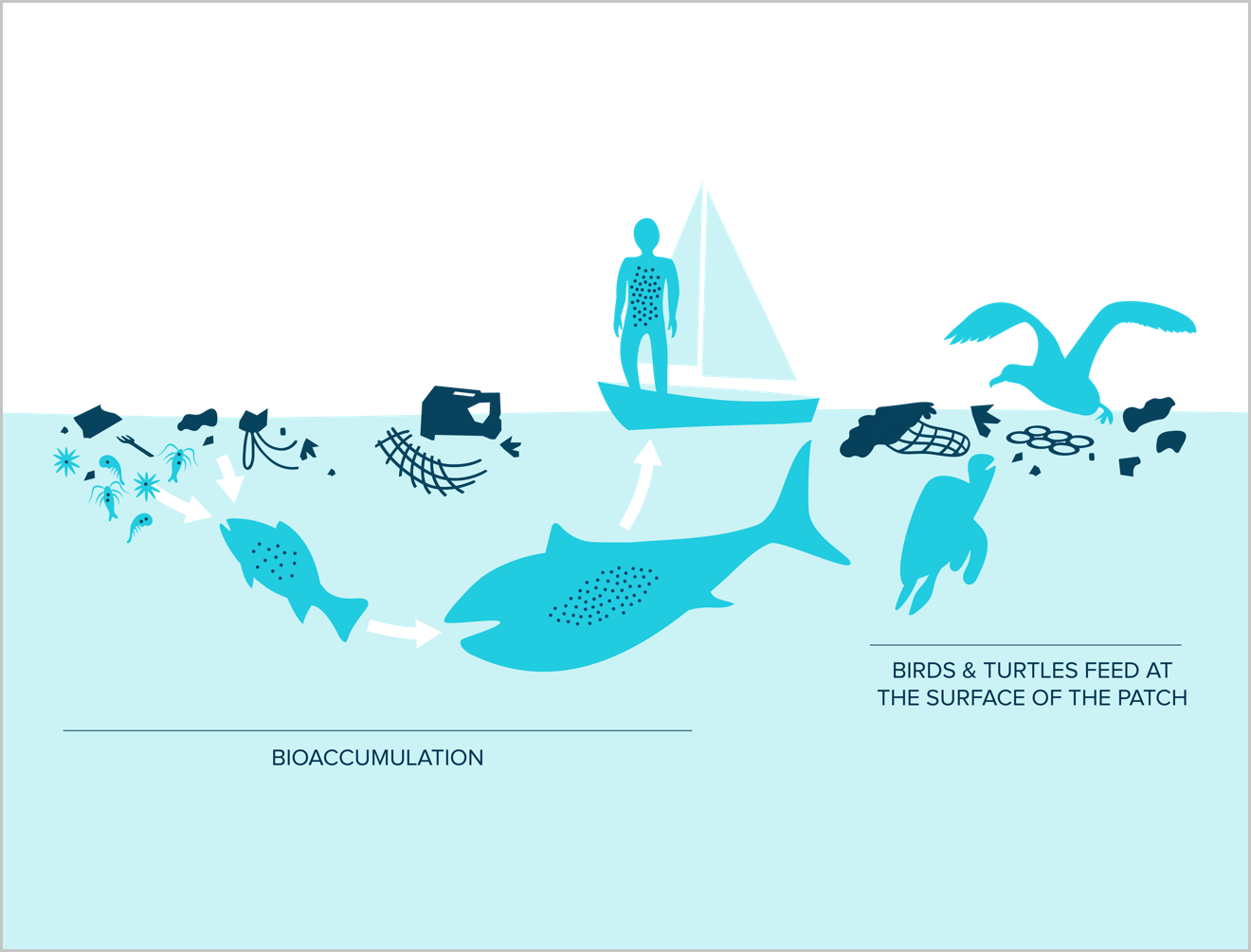
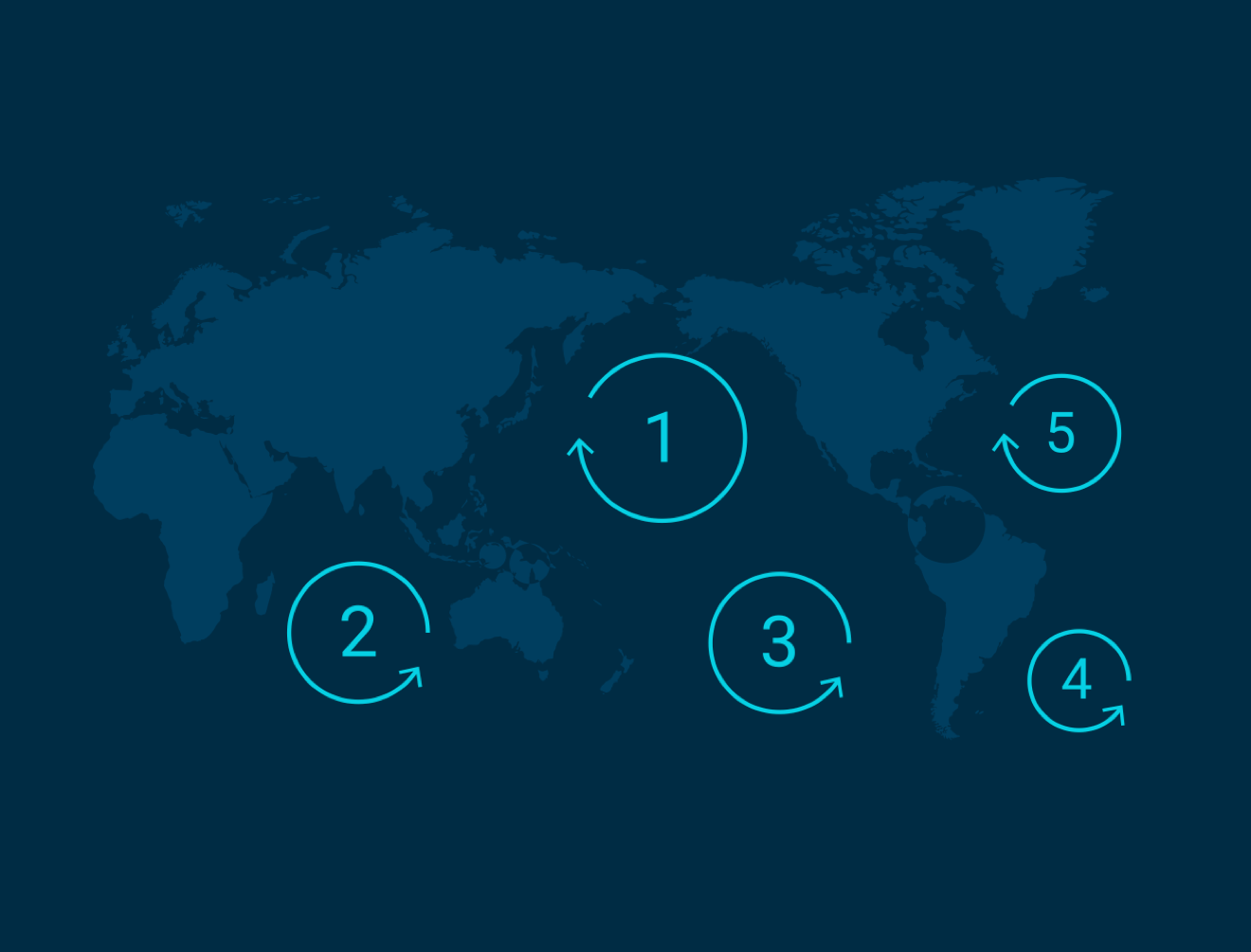




Plastic Research
Images (18)
-
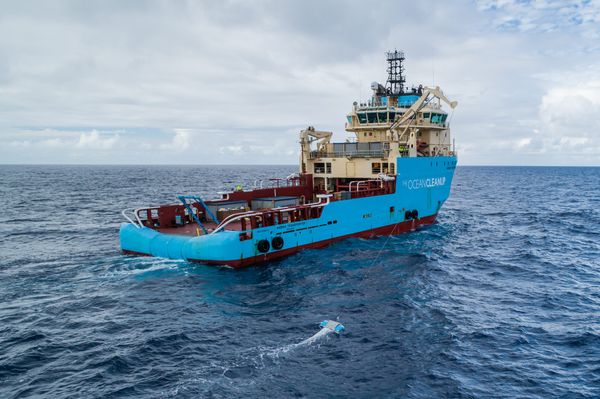
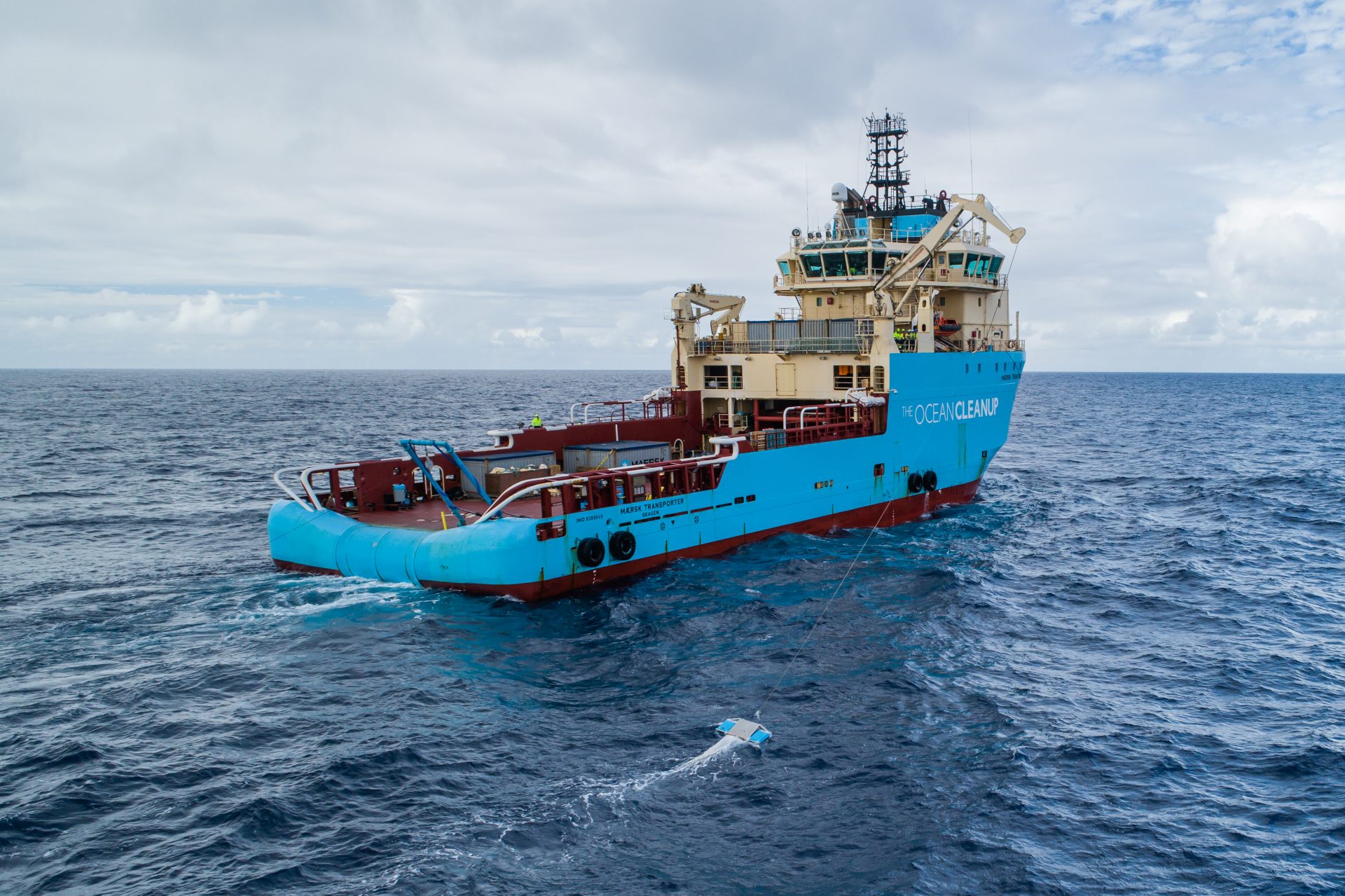
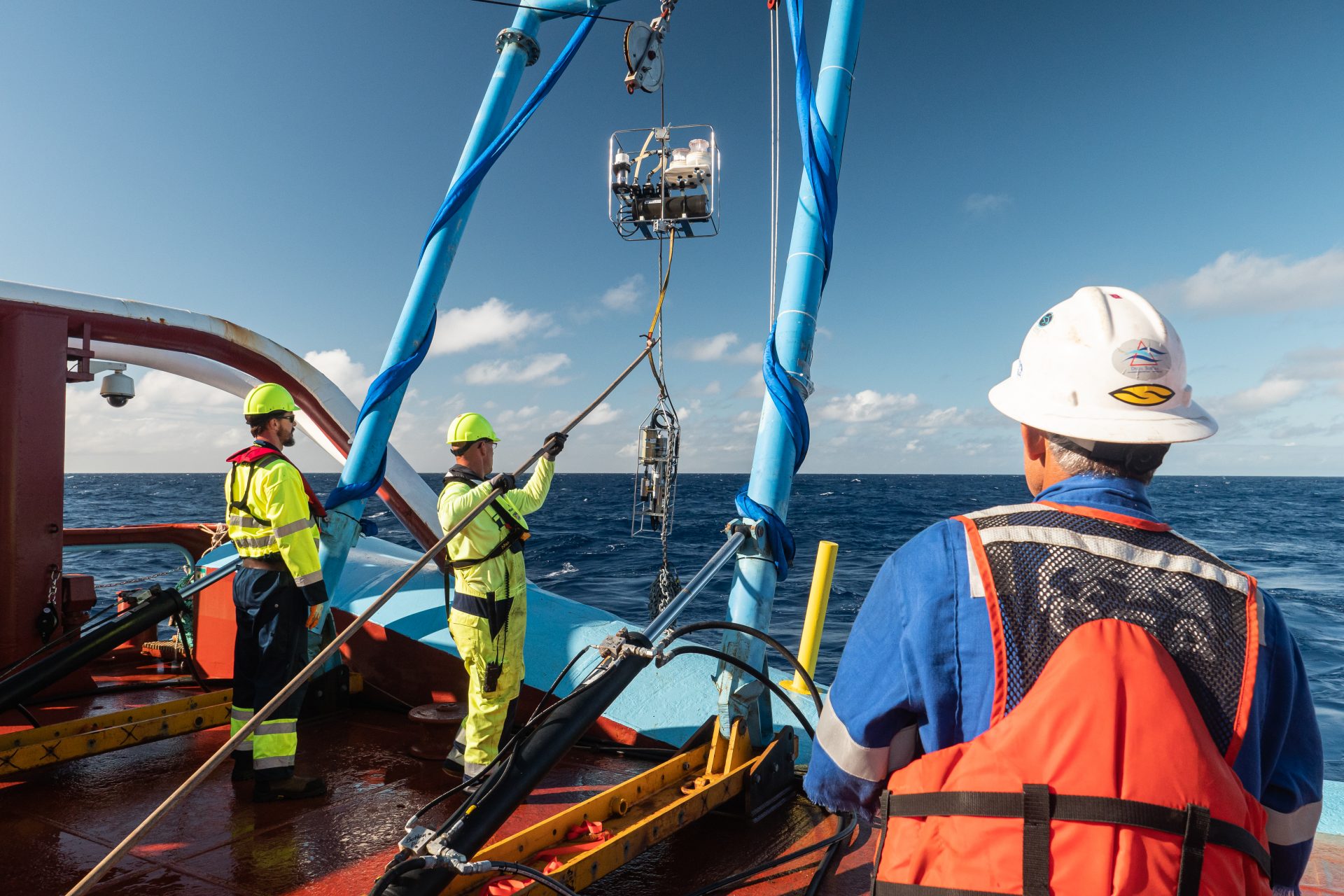
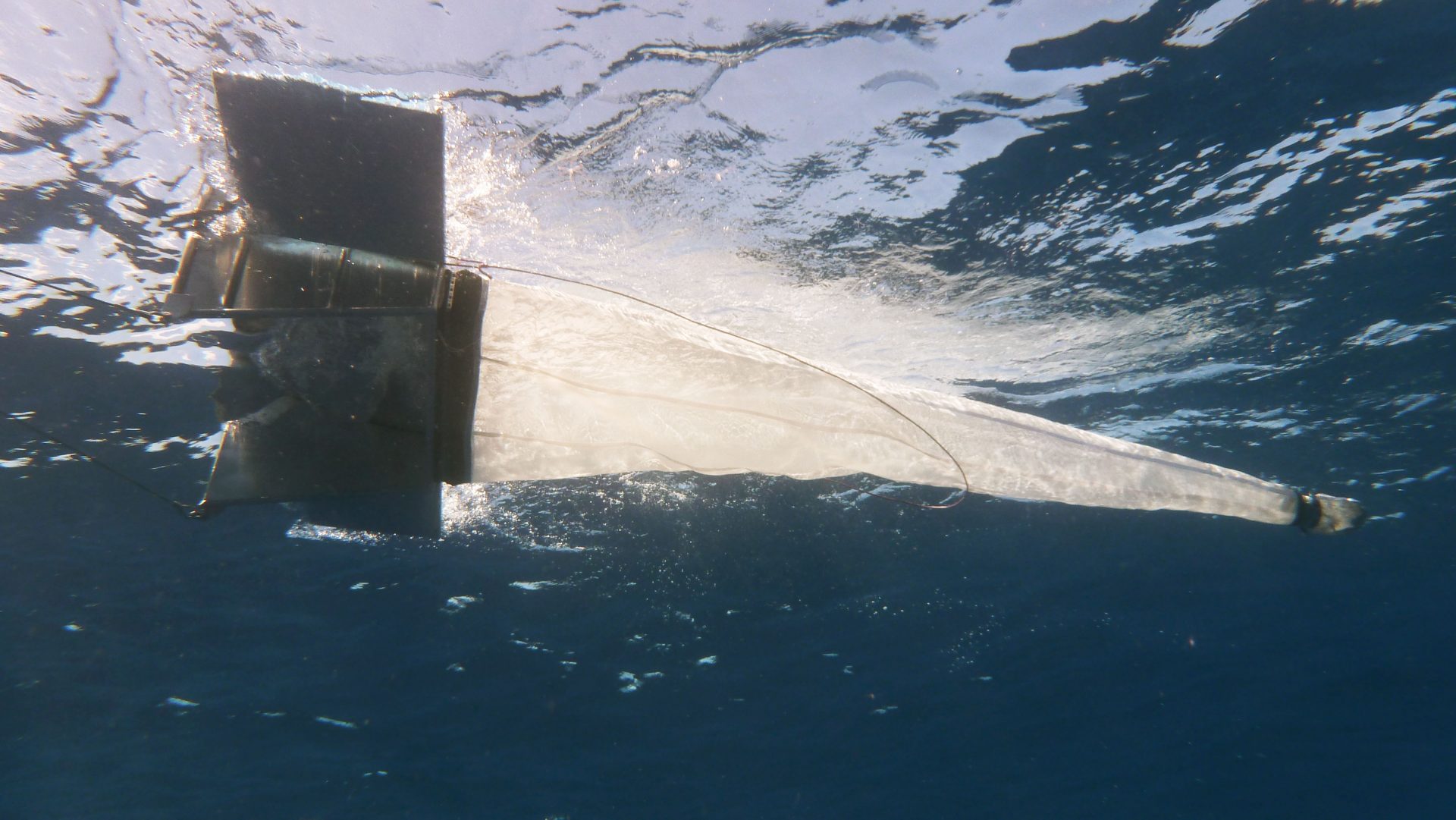
Manta trawl (starboard) and underwater trawl (stern - cable from blue A-frame) during deep sea research mission 2018. The aim of the mission was to see if the plastic afloat in ocean garbage patches can pollute the deep sea below. -
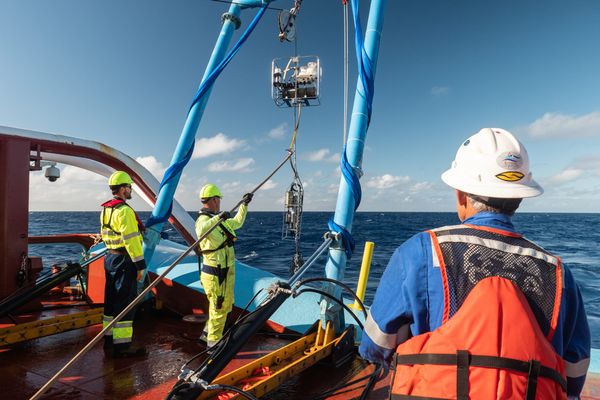
CTD (Conductivity, Temperature, Density) profiler during deep sea research, 2018. The aim of the mission was to see if plastic floating in ocean garbage patches can pollute the deep sea below -
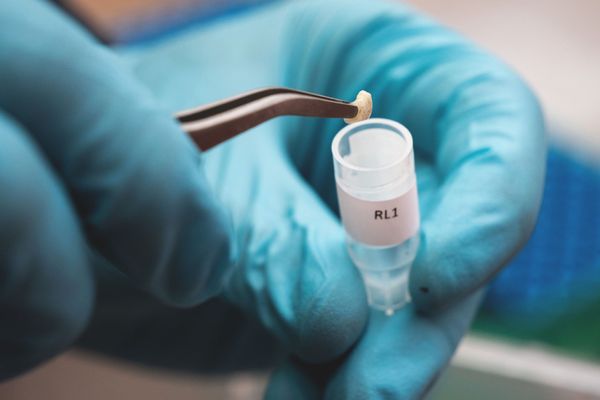
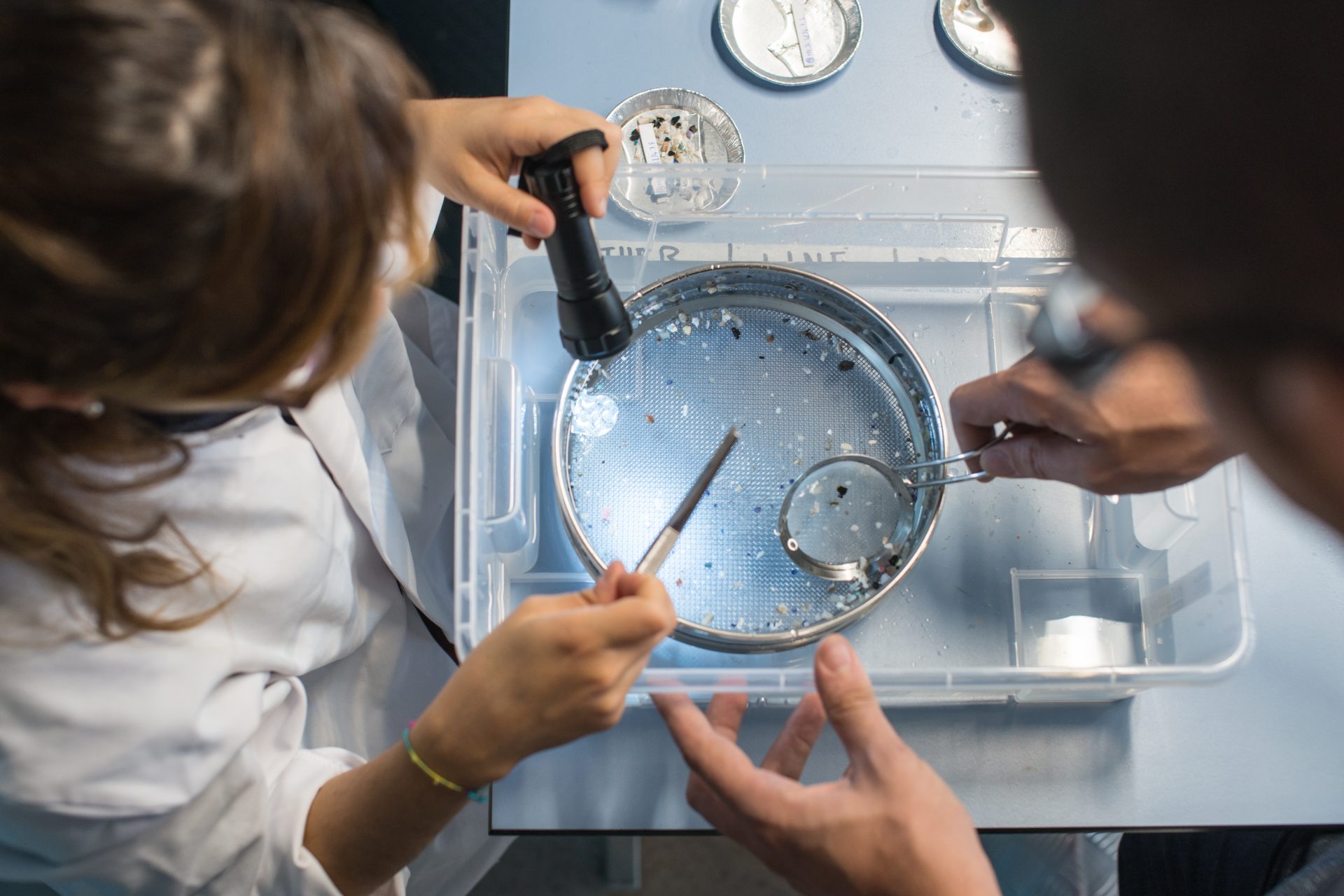
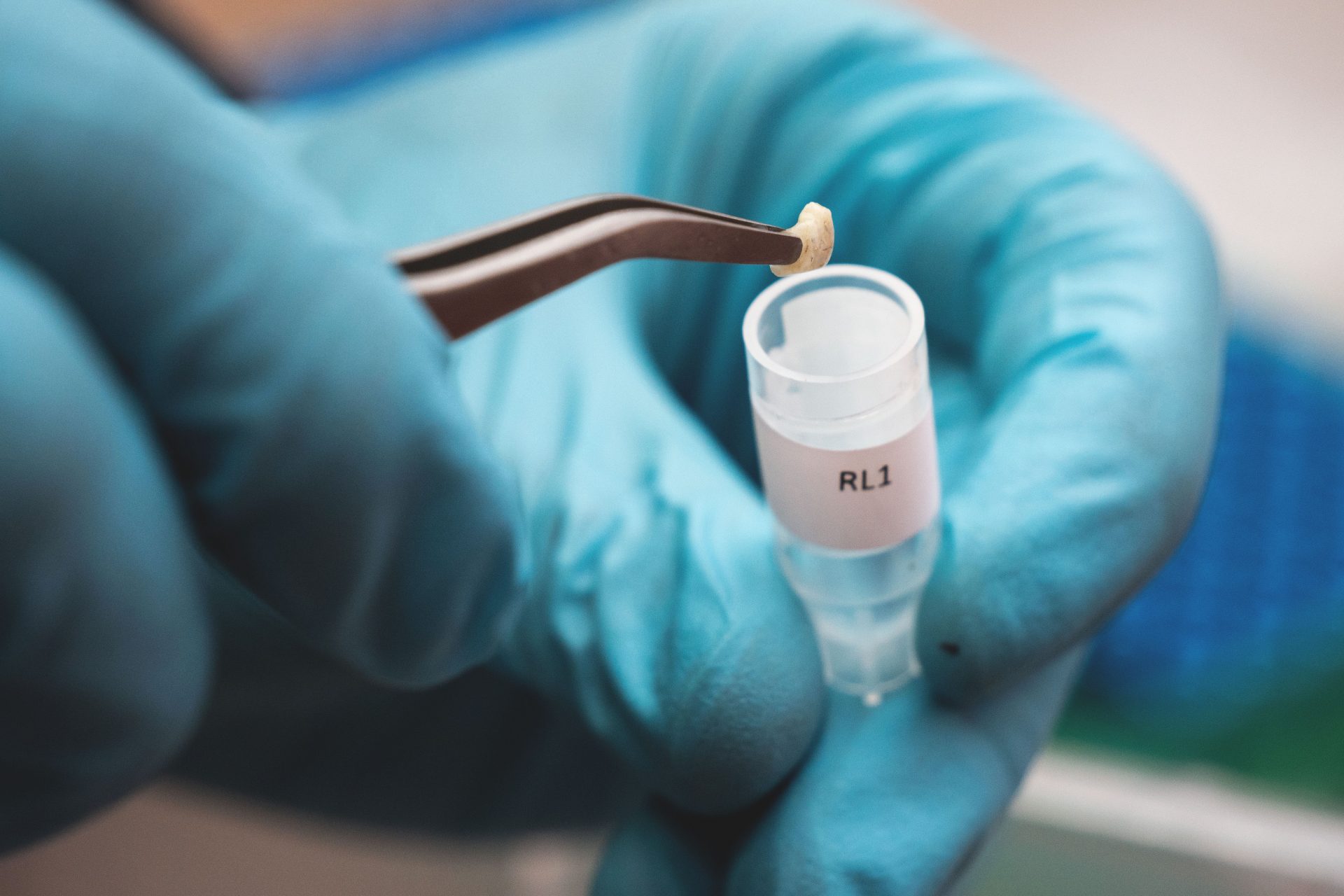
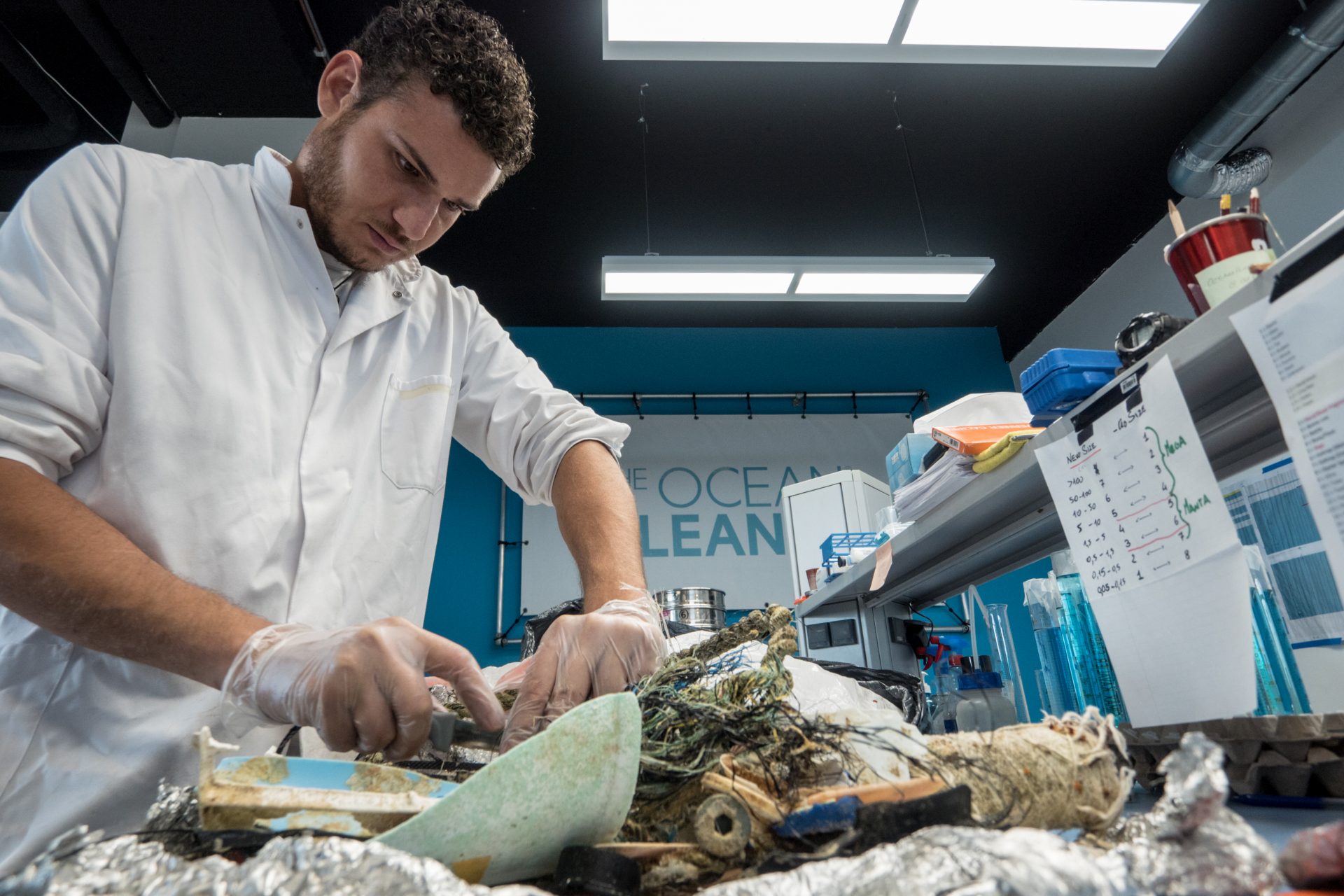
Counting and categorizing the sampled microplastic during the deep sea expedition 2018. The aim of the mission was to see if the plastic afloat in ocean garbage patches can pollute the deep sea below. -
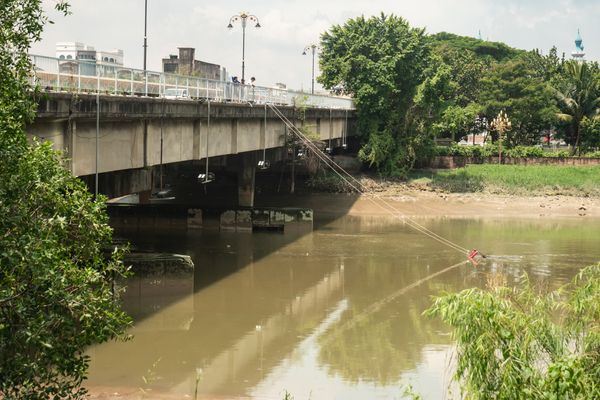
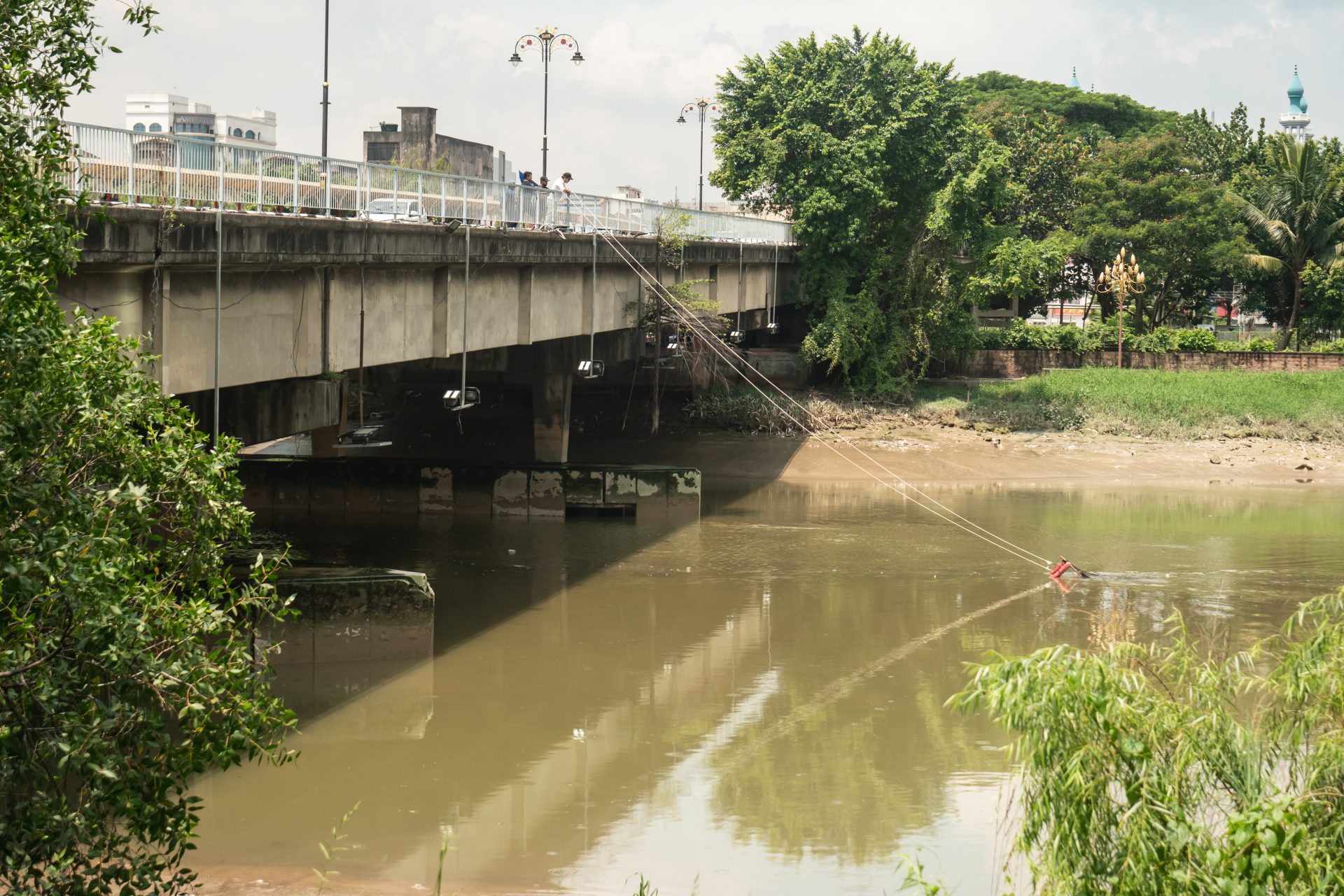
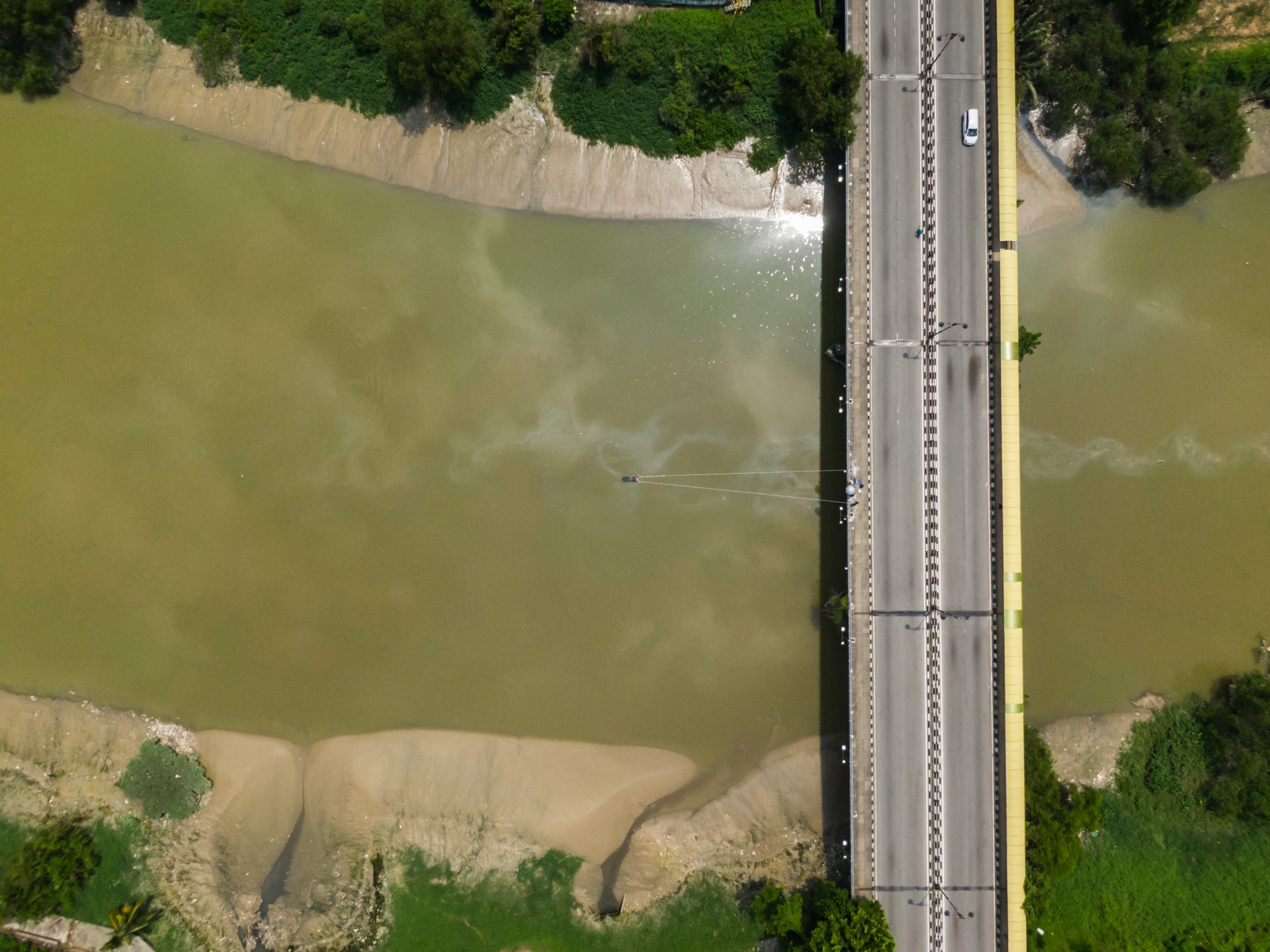
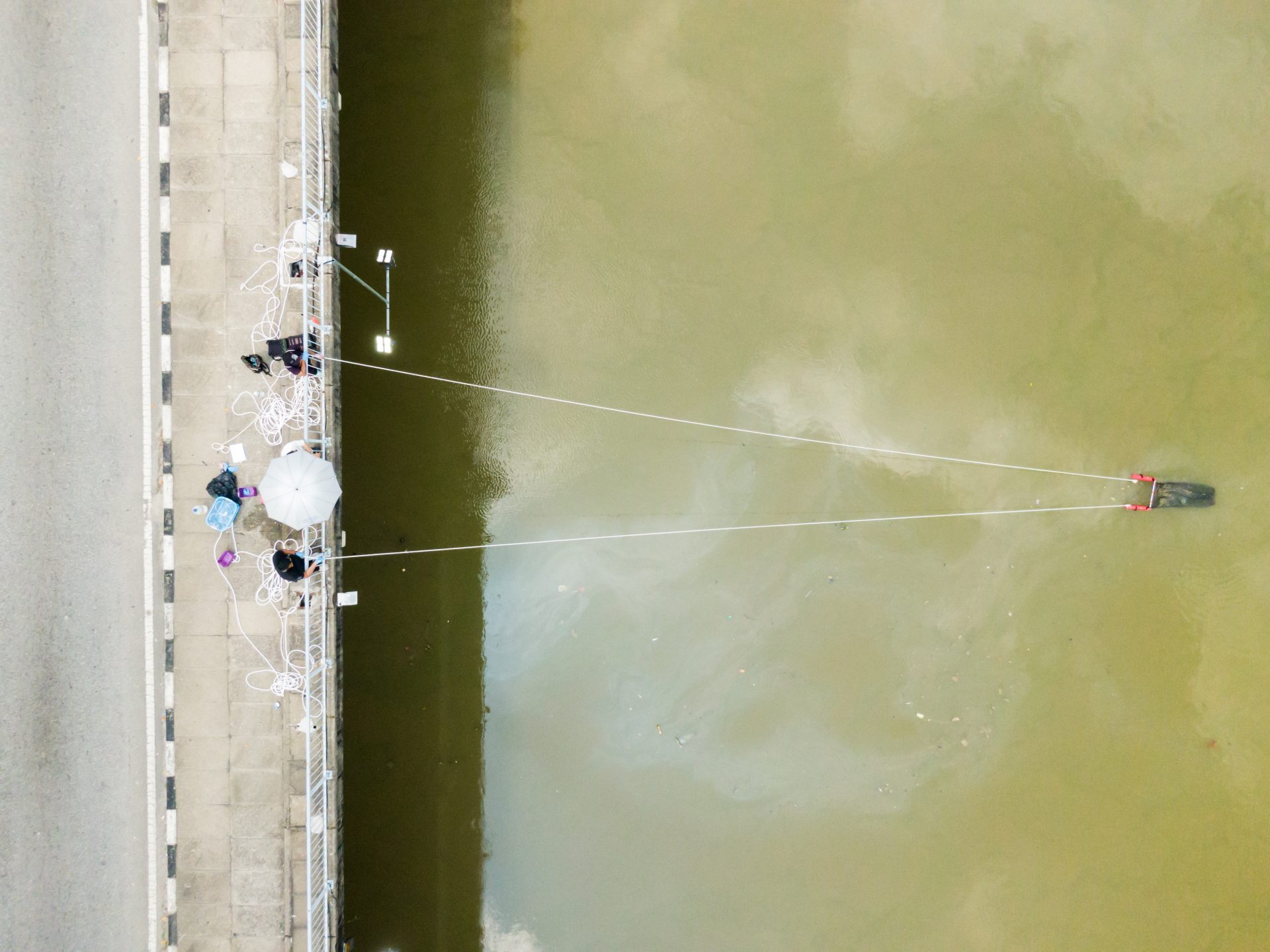
River plastic research in Malaysia, conducted by The Ocean Cleanup crew and local research partners. -
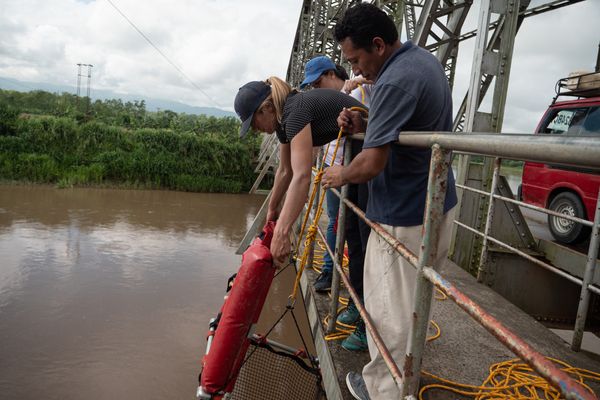
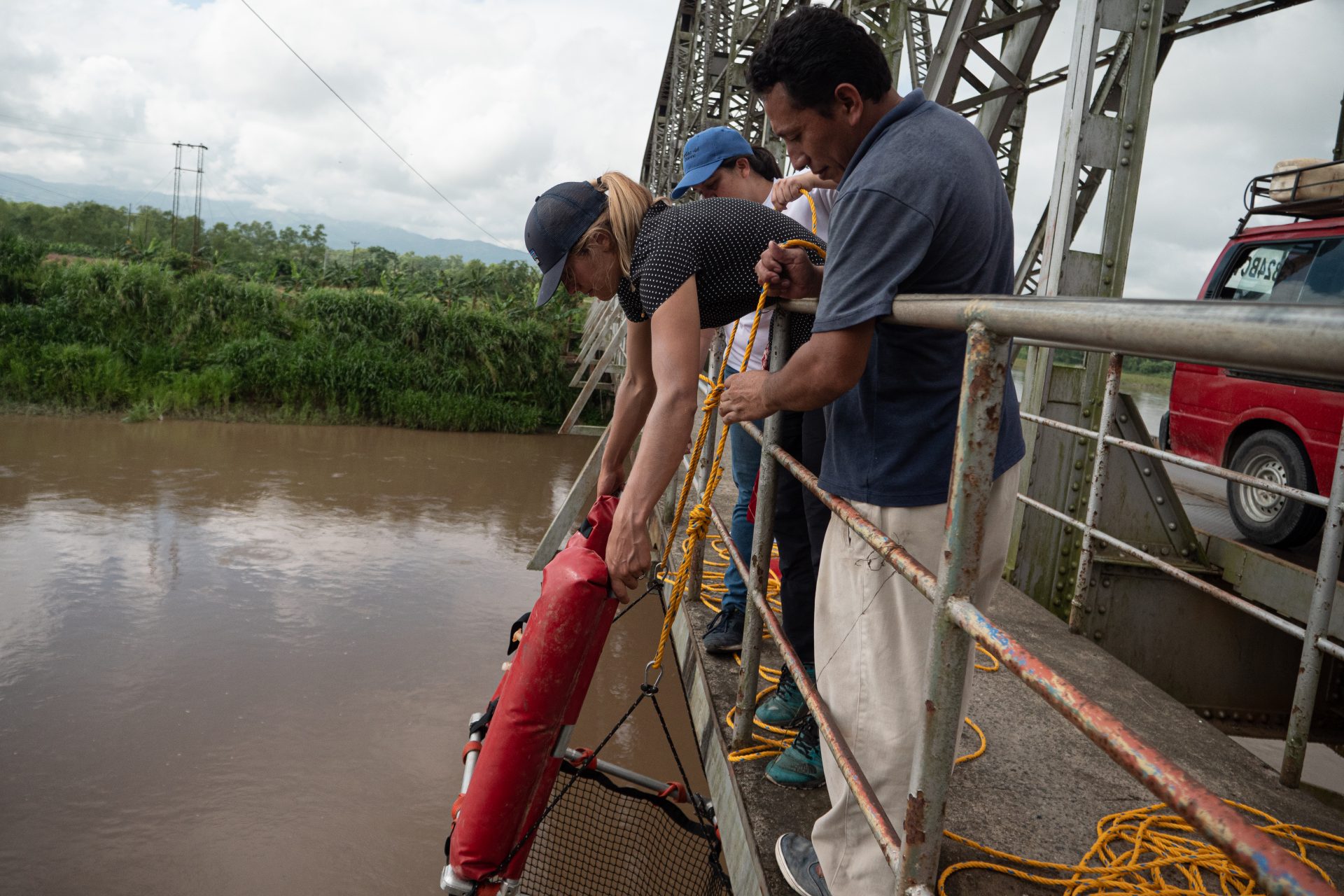
River plastic research in Guatemala
Illustrations (8)
-
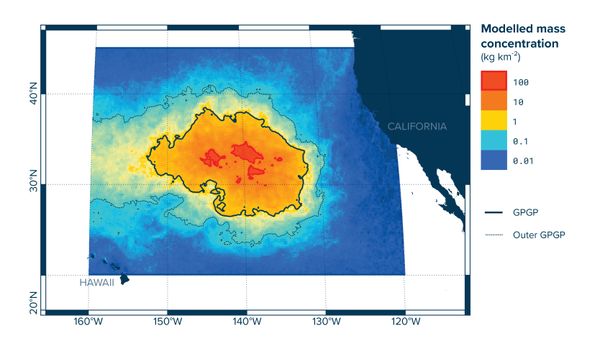
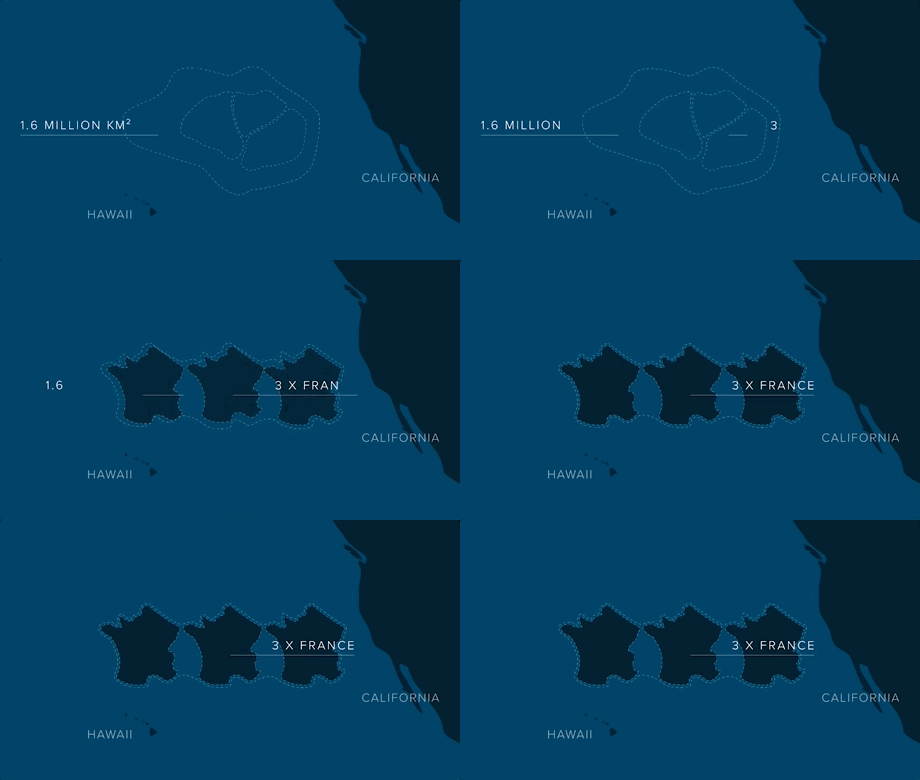
The Great Pacific Garbage Patch (GPGP), as mapped by The Ocean Cleanup in 2015-2016. -
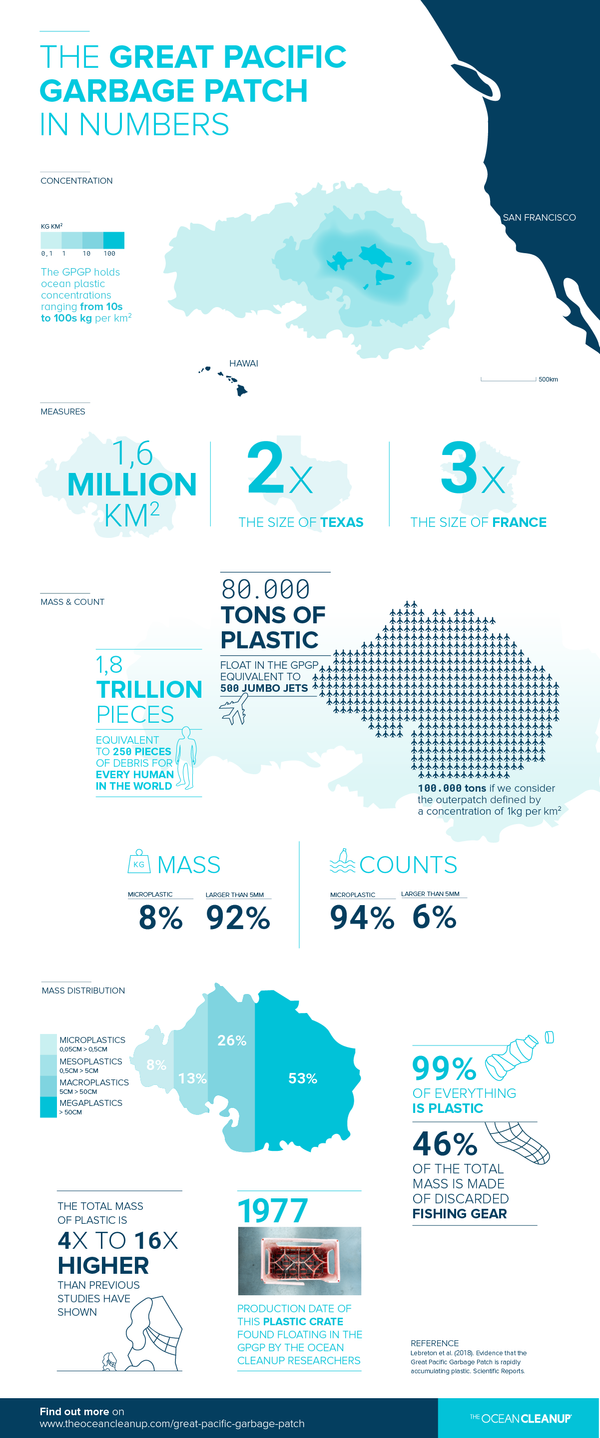
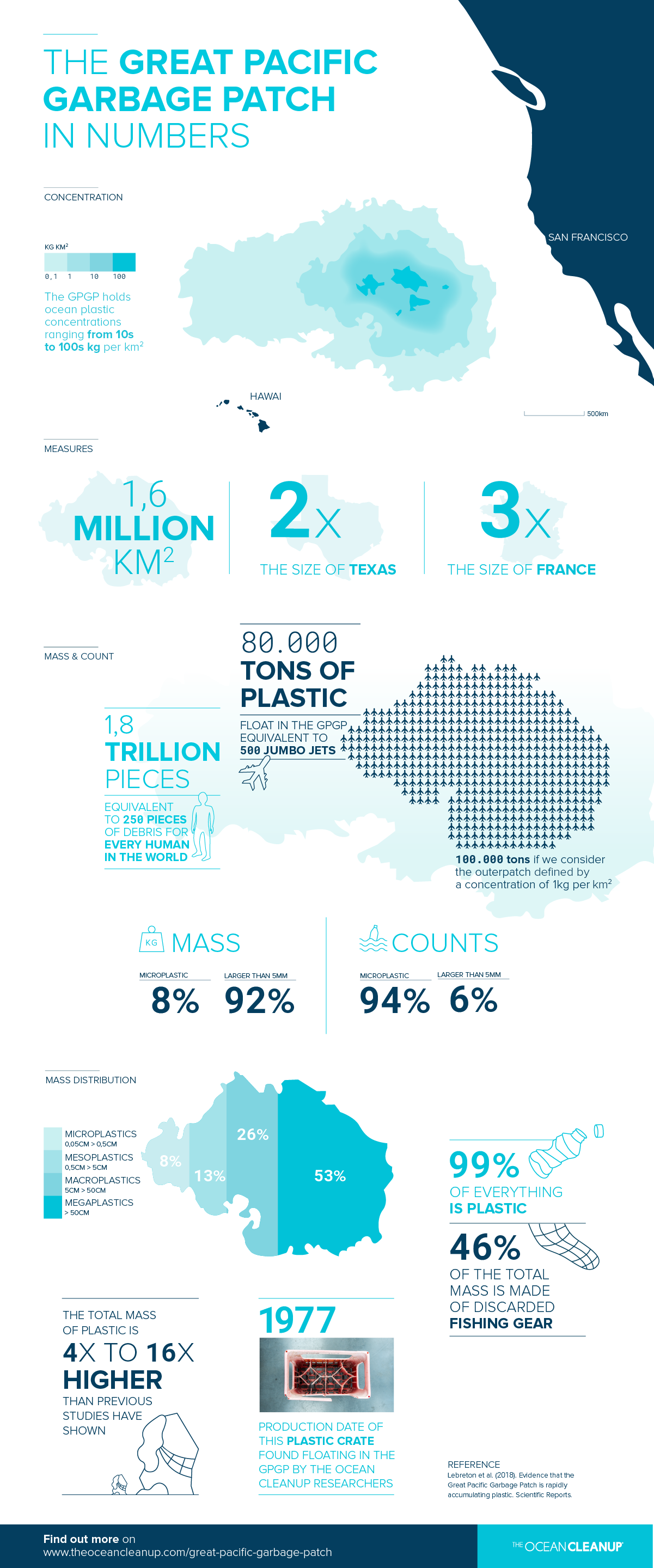
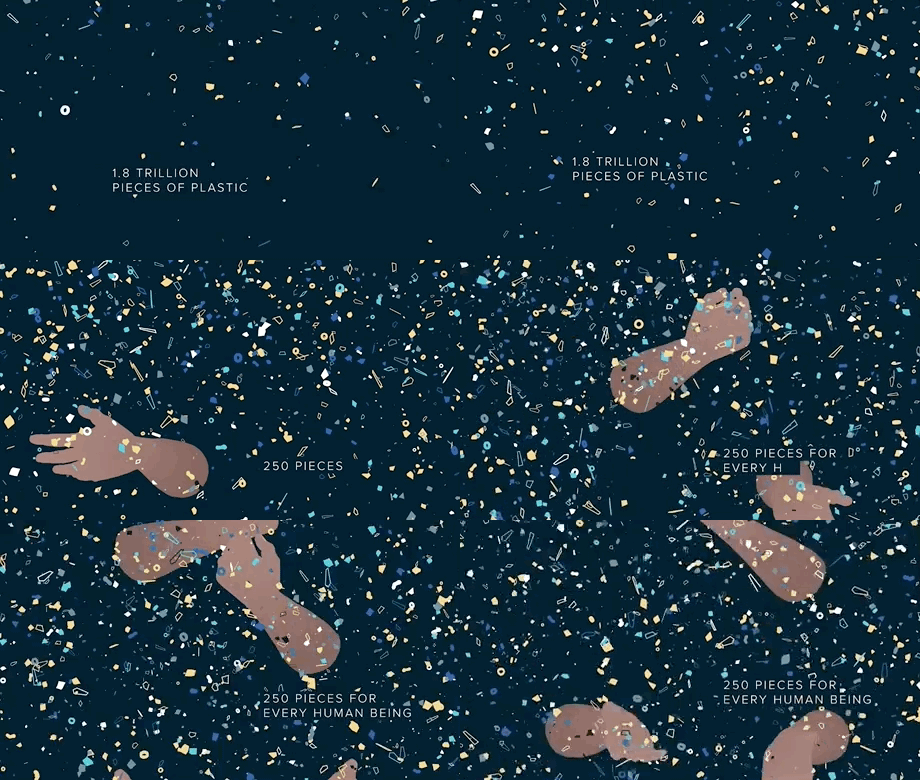
The Great Pacific Garbage Patch in Numbers - Infographic -
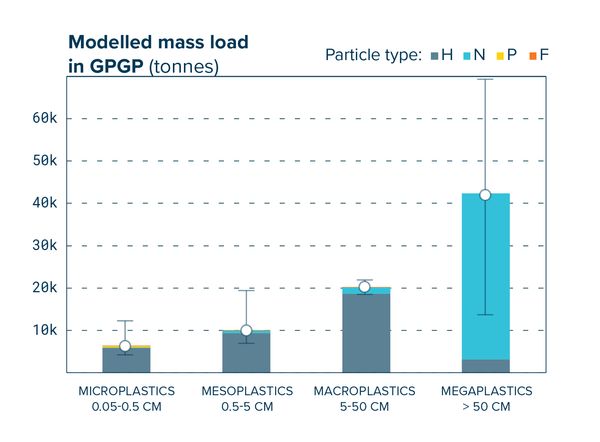
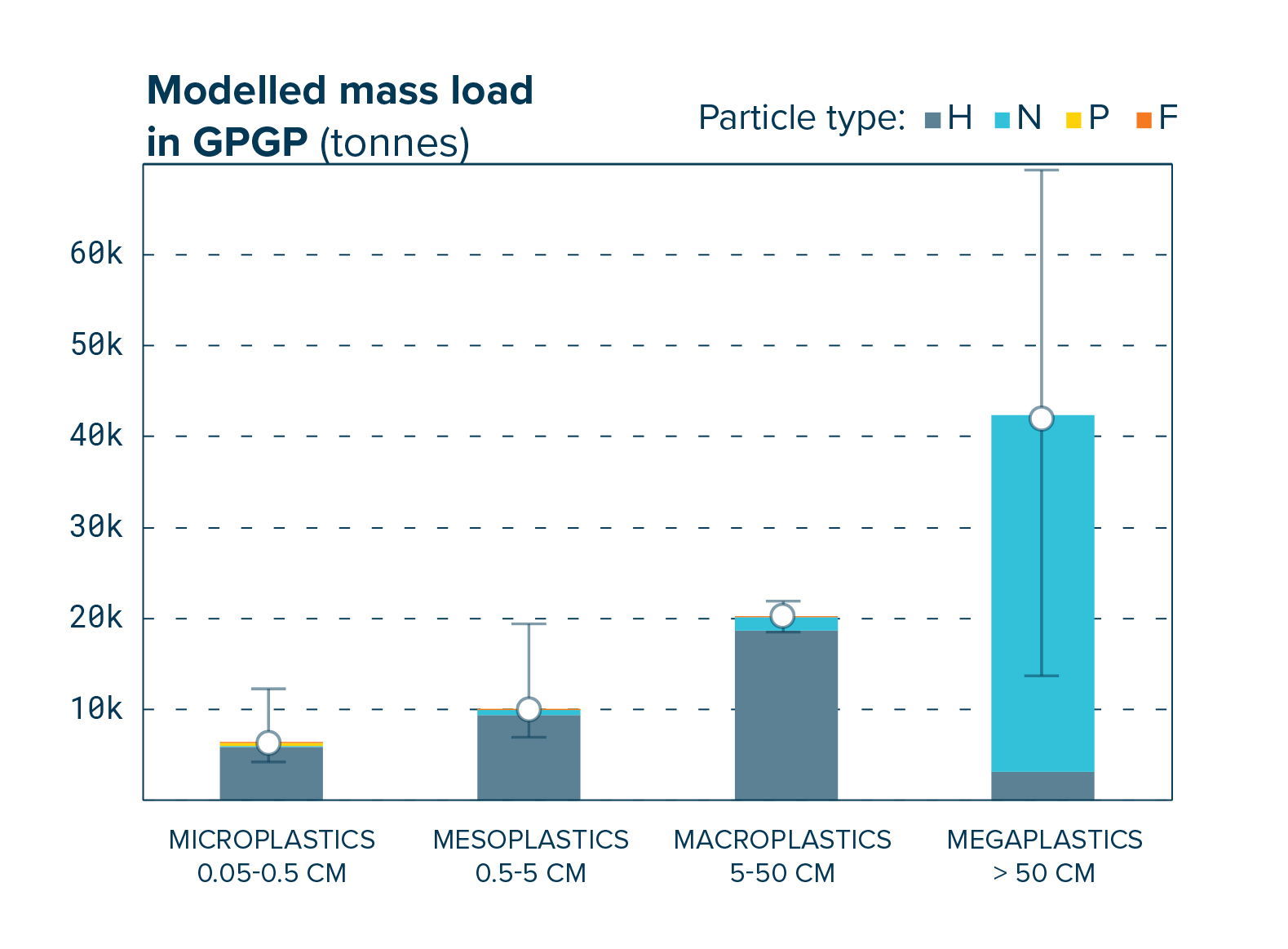
Composition of the inner GPGP. Currently, about 5-10% of its mass is microplastics. -
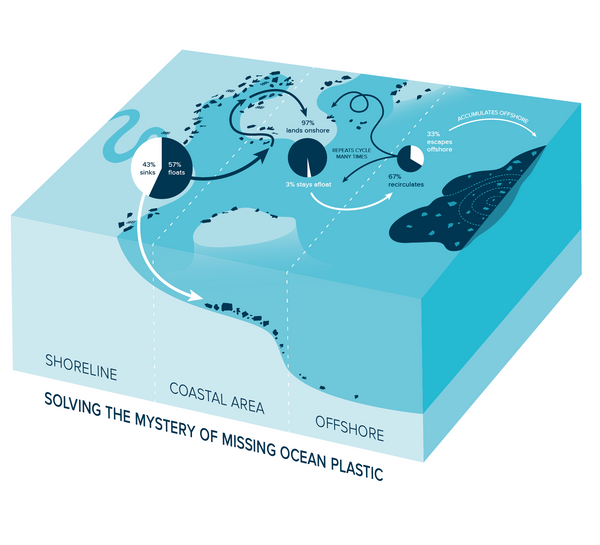
The journey of floating ocean plastic from rivers to garbage patches -
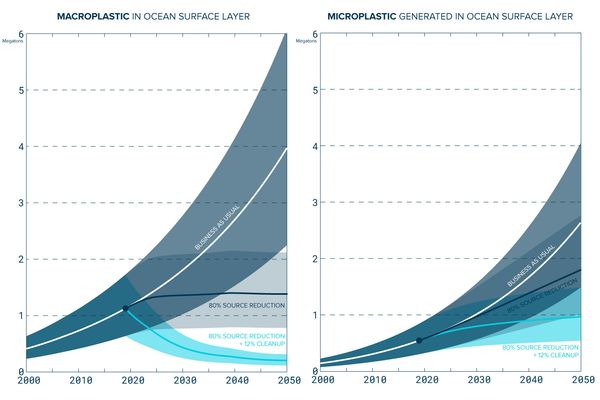
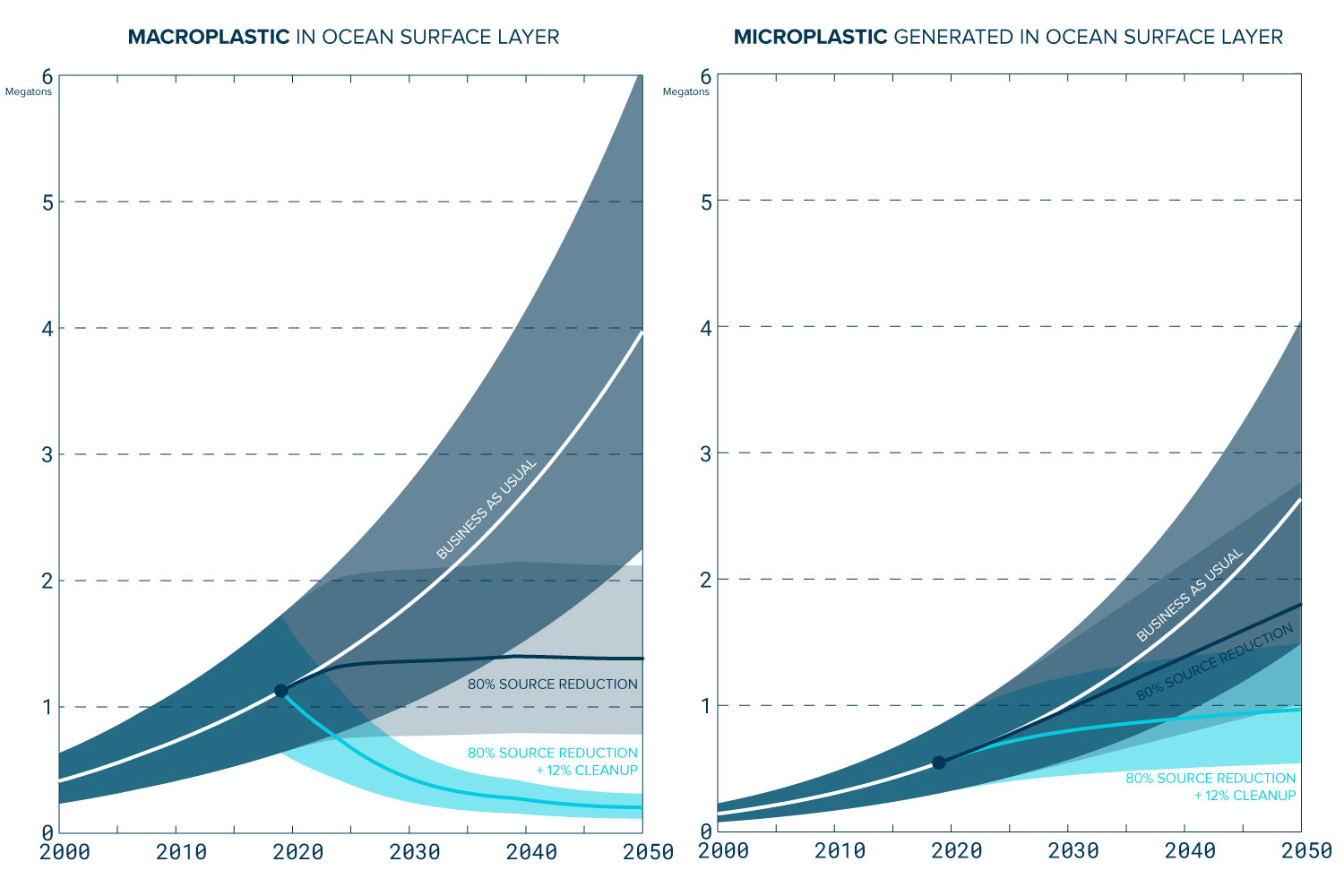
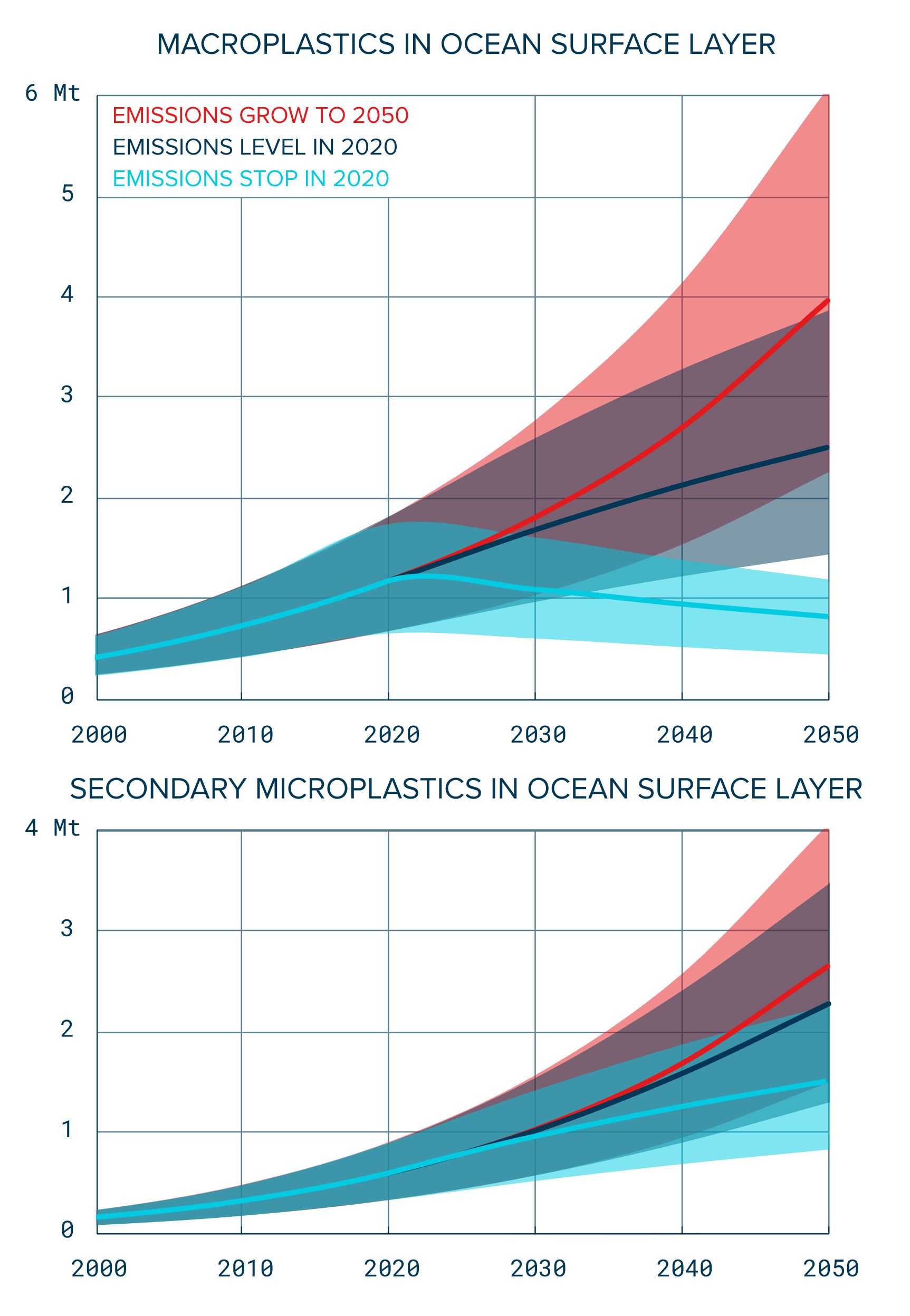
Future scenarios for macroplastics in the GPGP. The dark band shows what would happen without any change. Addressing the source (left) causes the amount of ocean pollution to stay constant. Combining source reduction with cleanup (right) causes the amount of ocean pollution to decline.