The Ocean Cleanup improving lives
Whether it’s in Southeast Asia or all the way across the globe in Central America, working in some of the world’s most polluted rivers can improve people’s lives and livelihoods.
Plastic pollution and other waste doesn’t just harm the environment – it disrupts local economies, affects small businesses, and in some cases forces communities to relocate. Below, you’ll find impactful cases of how our initiatives are already supporting communities and businesses.
south east asia
A large part of our operations take place in Southeast Asia, a region where megacities put immense pressure on waterways and, ultimately, pollute the oceans.
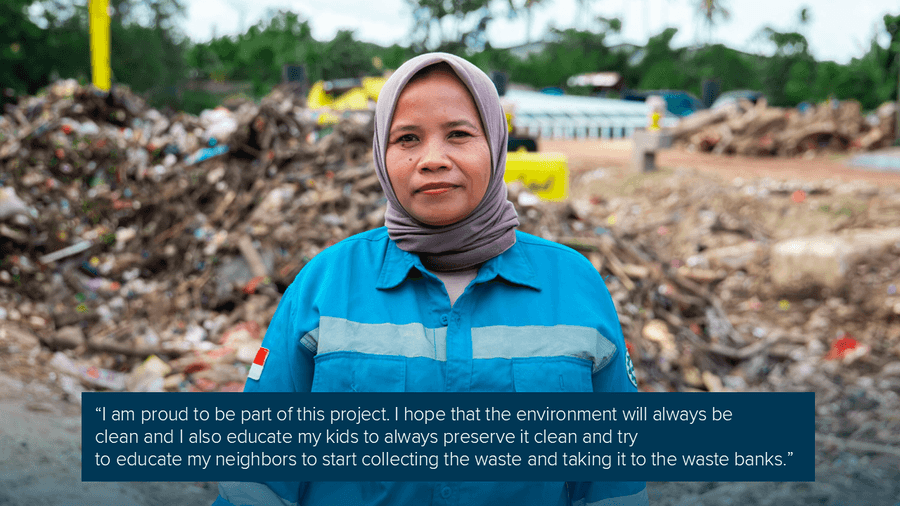
This pollution doesn’t just harm marine ecosystems – it affects the social and cultural ties local communities have with their environment, disrupts local economies. By intercepting trash in rivers, our operations are not just preventing ocean pollution, they are enabling ecosystems to recover and the communities who rely on them to reclaim their environment.
Farming silkworms
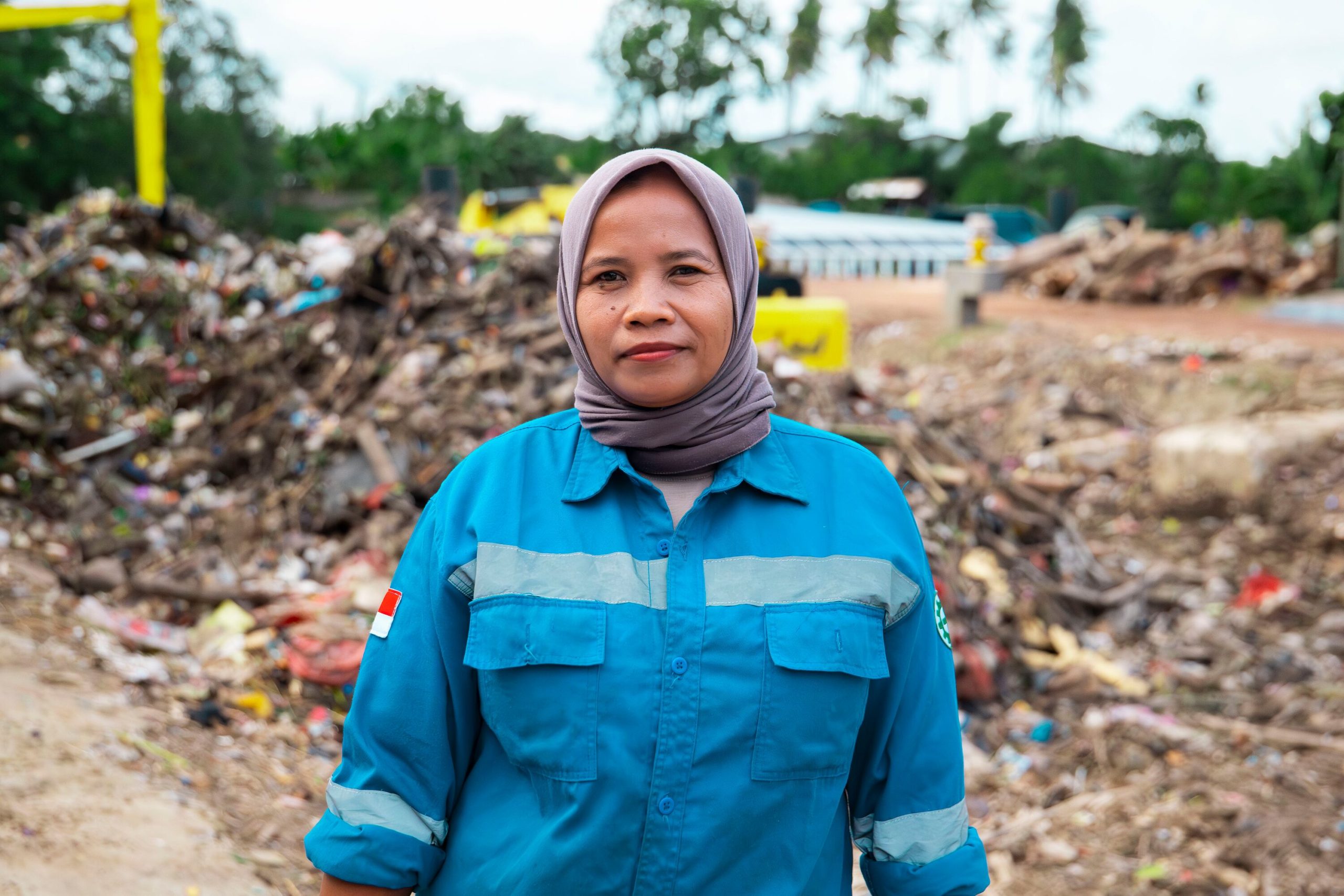
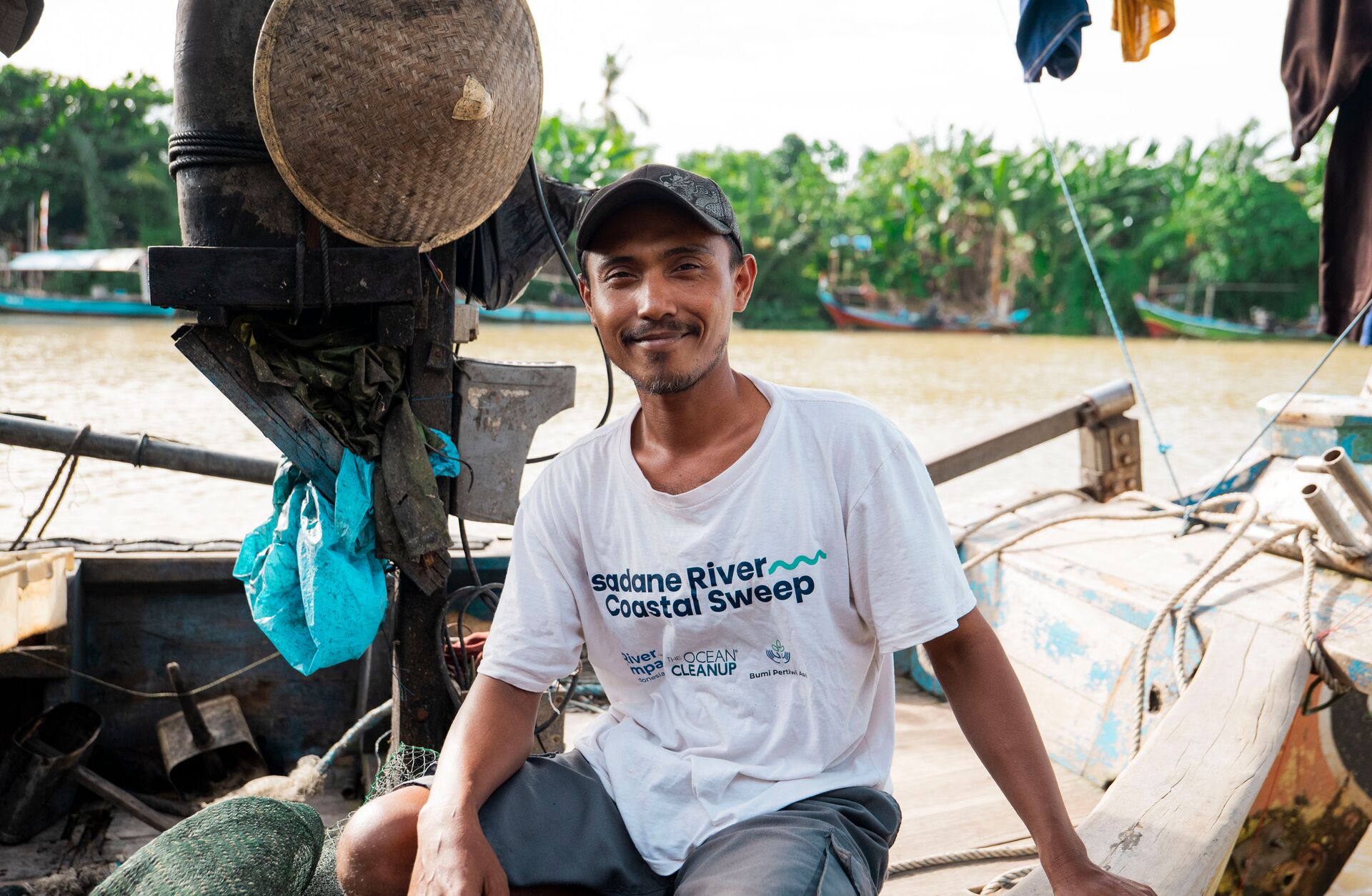
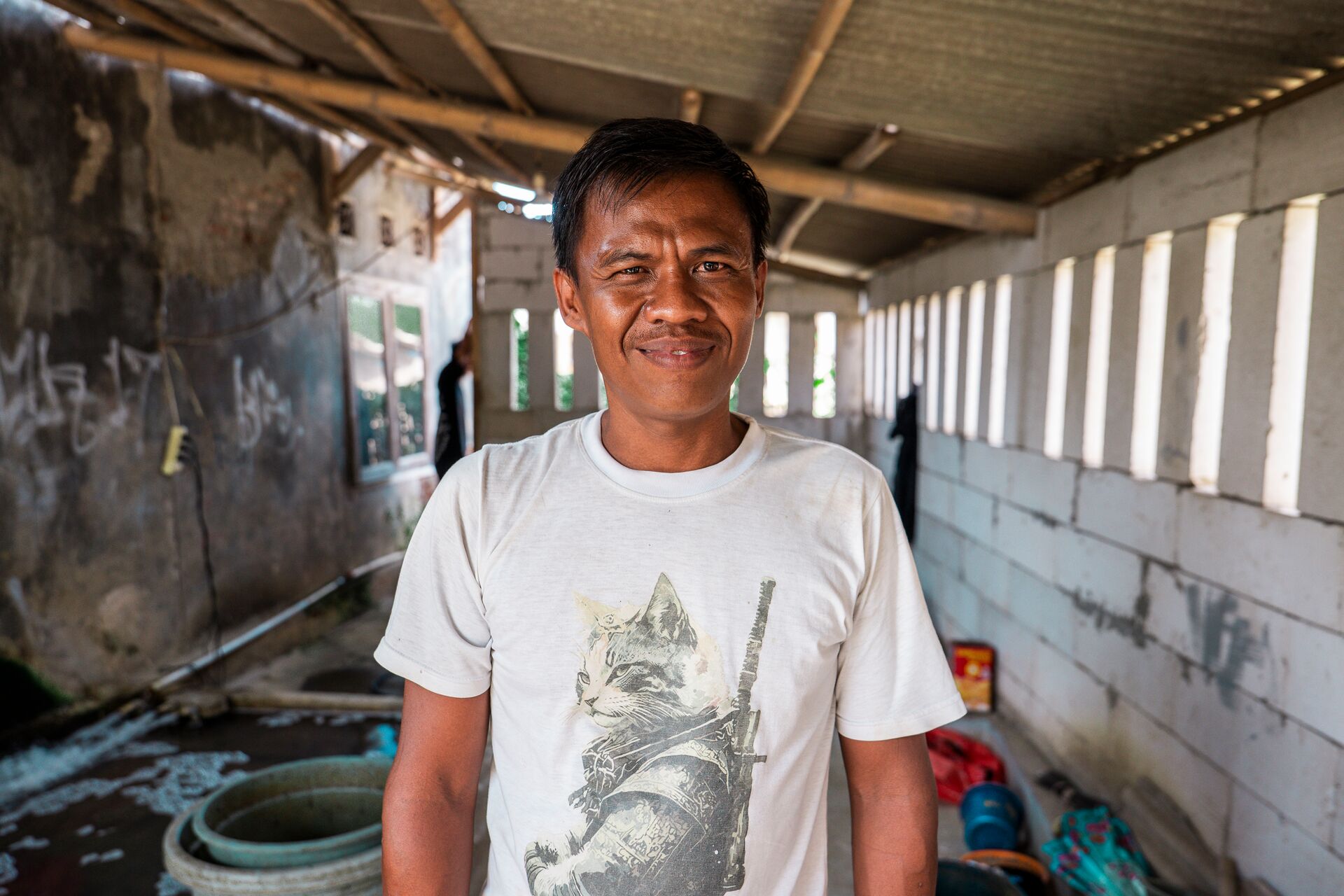
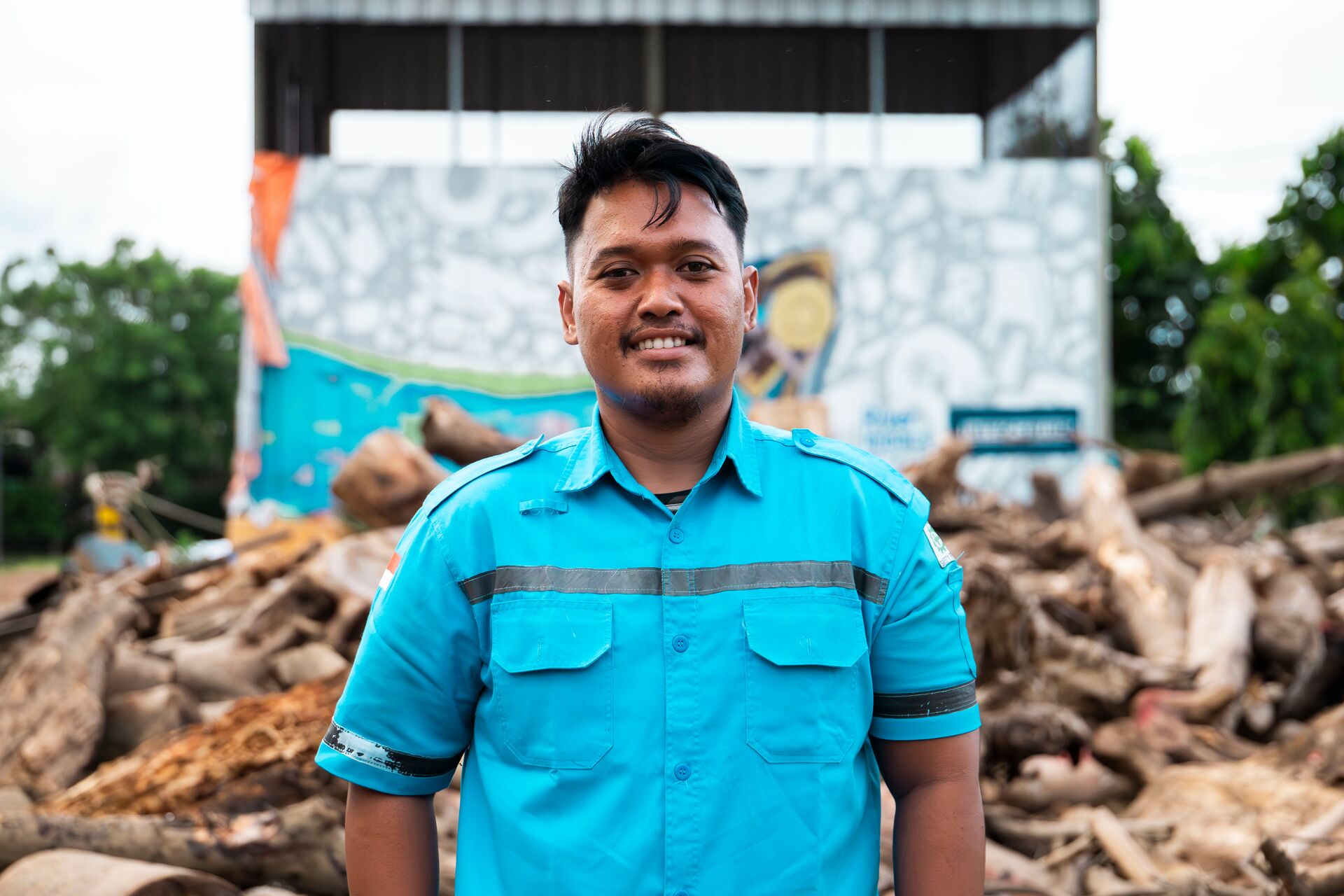
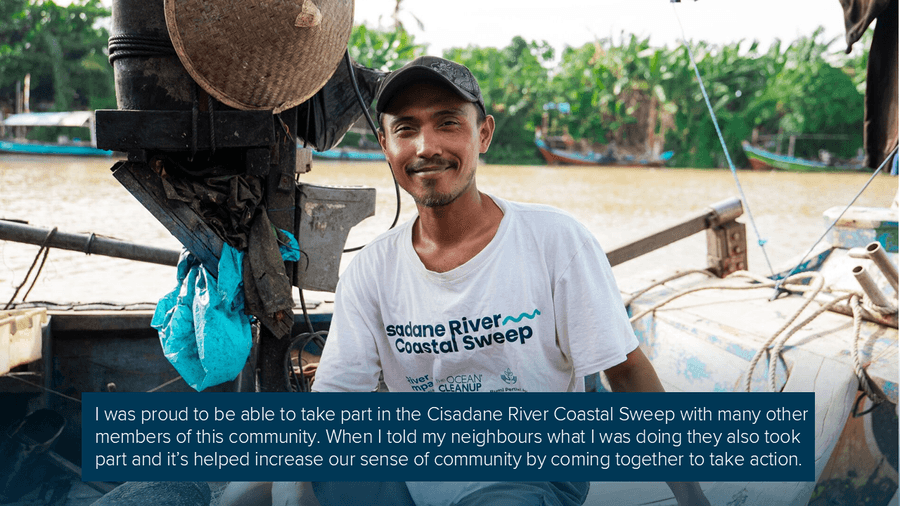
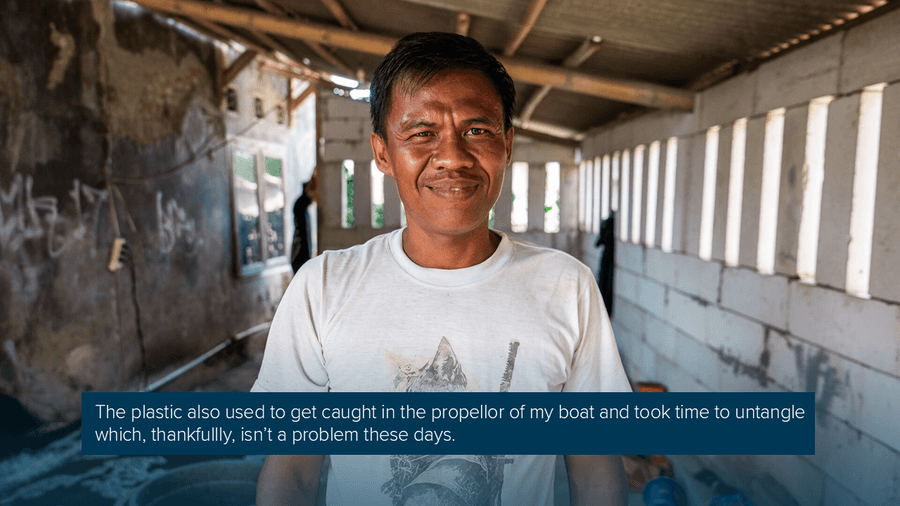
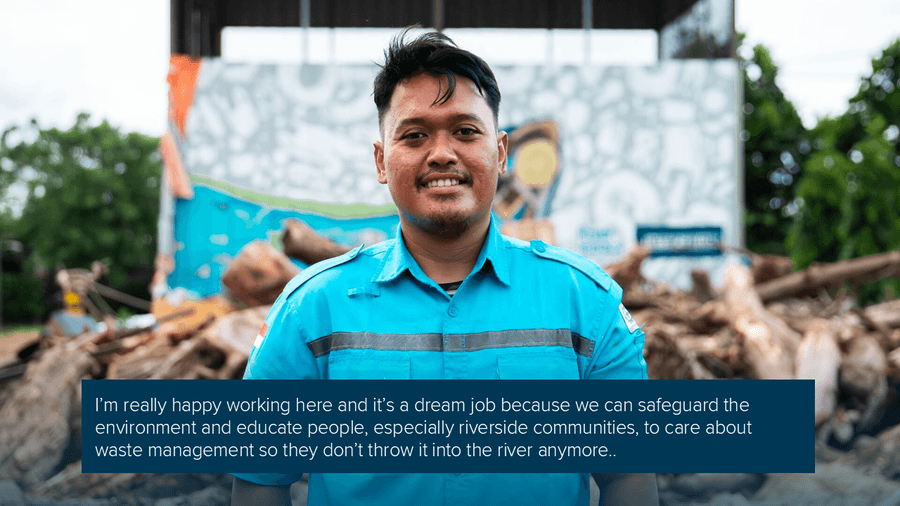
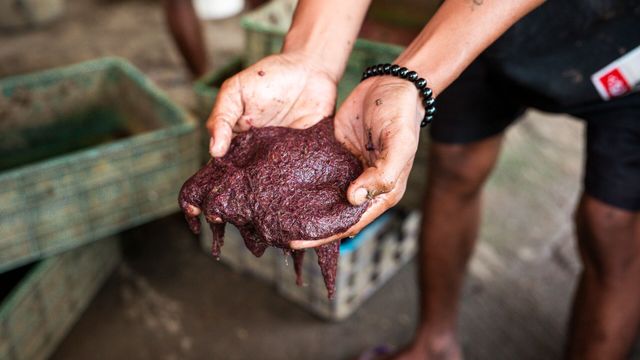
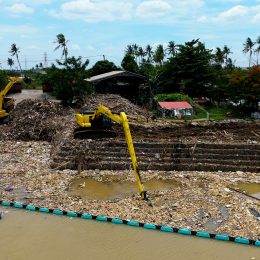
On the outskirts of Jakarta, communities depends on the Cisadane River: people wash clothes, bathe, and rely on it for their income. The silkworm industry alone supports hundreds of people. These worms, found in the riverbeds, are a critical food source for catfish farming. But plastic pollution reduced silkworm populations, forcing farmers to travel more than 90 minutes by boat to find them, increasing fuel costs and lowering income.
Since Interceptor 020 was deployed, things are changing: cleaner water allowed silkworms to return closer to the community in large quantities; requiring shorter trips to farm them.
Ibnu, a silkworm farmer who sells his catch to Sanum says it is so much easier to earn a living now. The father of two children under five has seen his income rise by one third and has more disposable income to spend on his children and wife, including diapers and food.
Latin America & the Caribbean
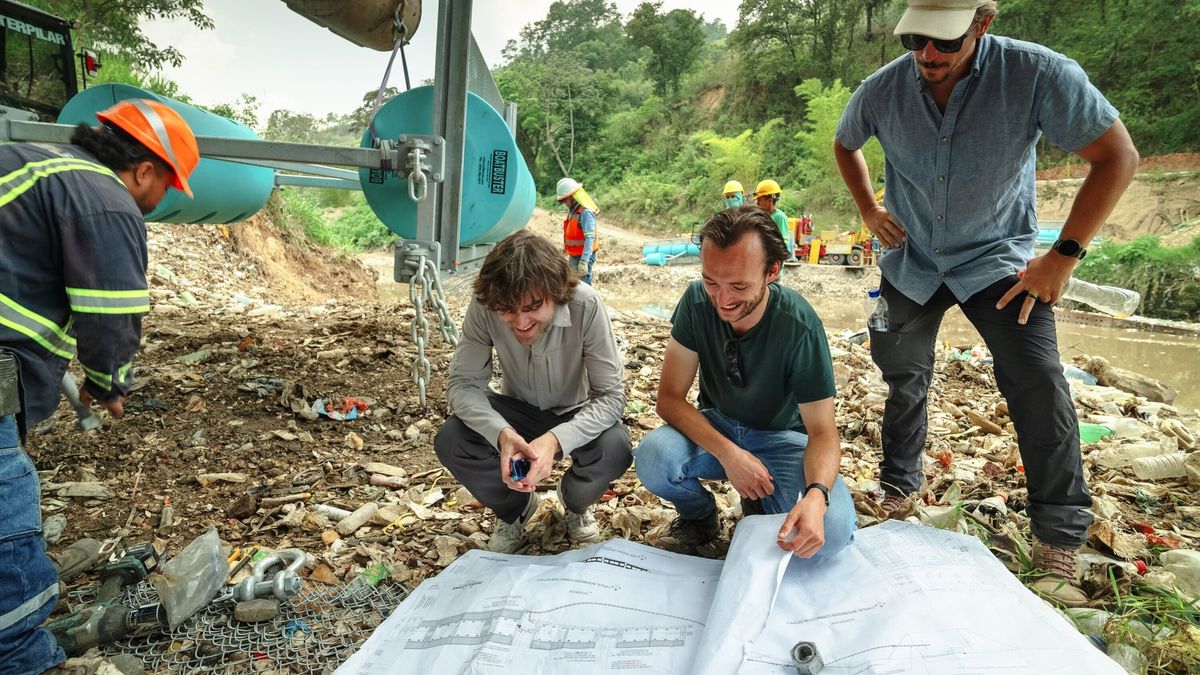
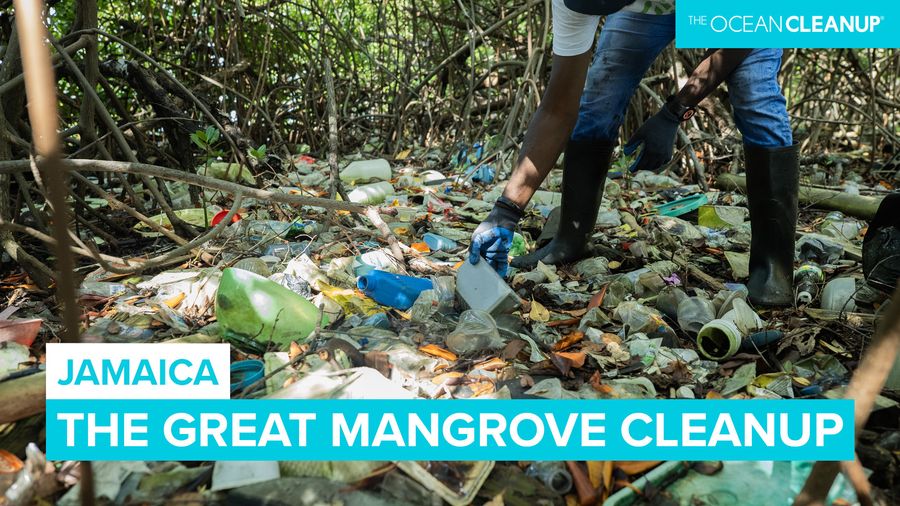
Another focus area for our operations is Latin America & the Caribbean. Comprising of Mexico, Central and South America, as well as the Caribbean, this large and diverse region is dealing with a common problem: polluted waterways which flow into the Caribbean Sea, Pacific Ocean, and Atlantic Ocean.
From rainforest to reef, the ecosystems that make up this region are amongst the most biodiverse on Earth, and support a wide-range of important economic activities like agriculture, tourism, and fisheries – all of which rely on clean, safe environments.
Repurposing plastic to benefit the local economy
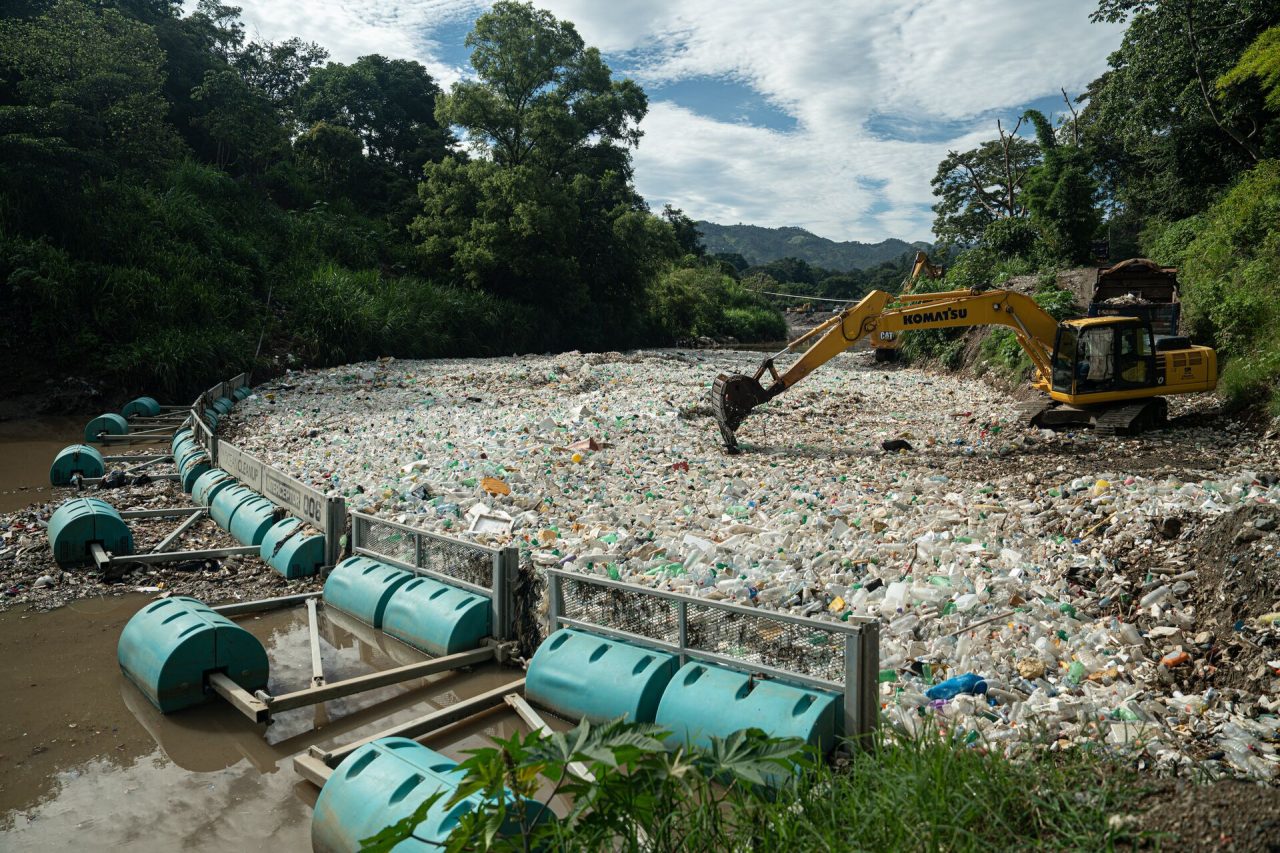
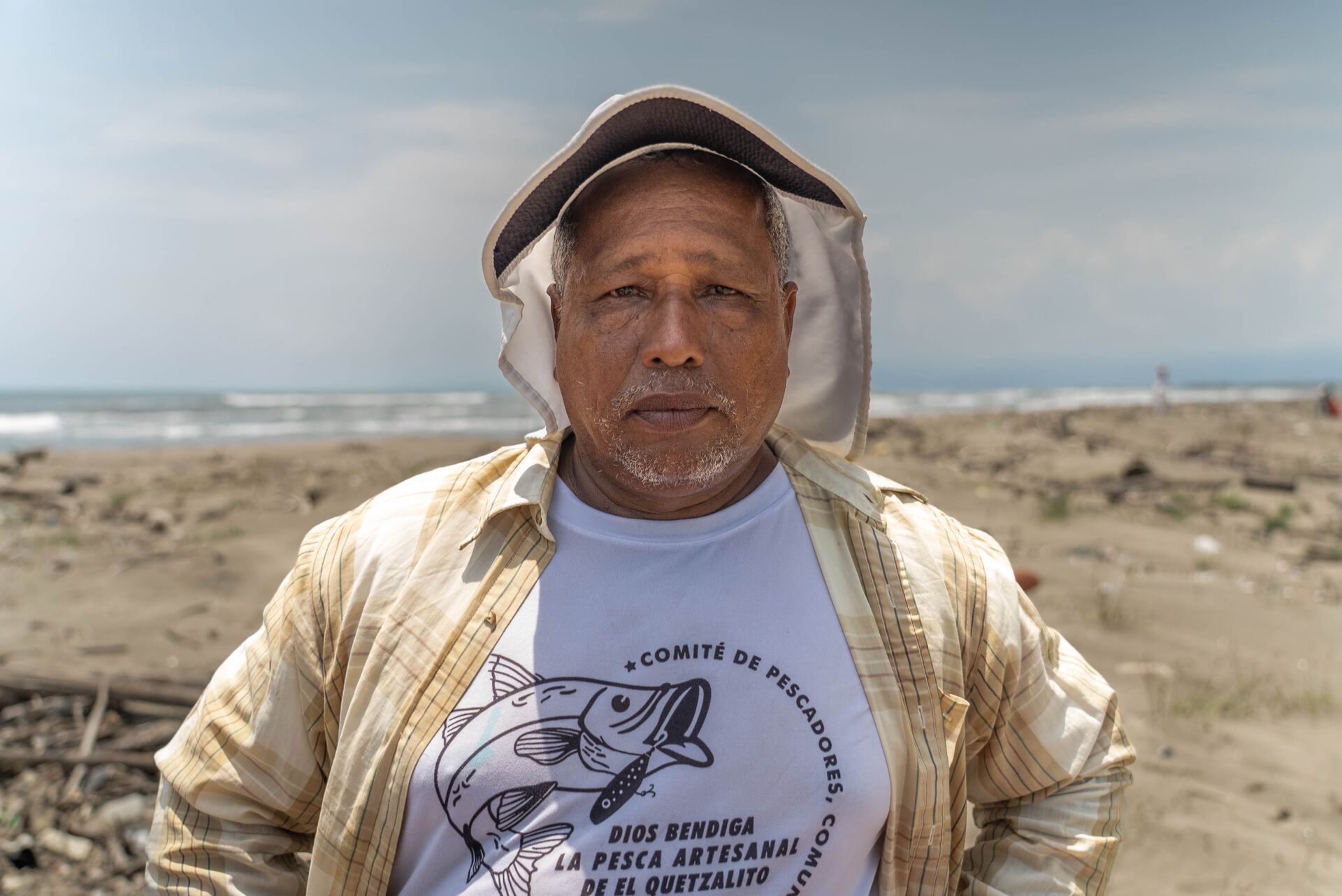
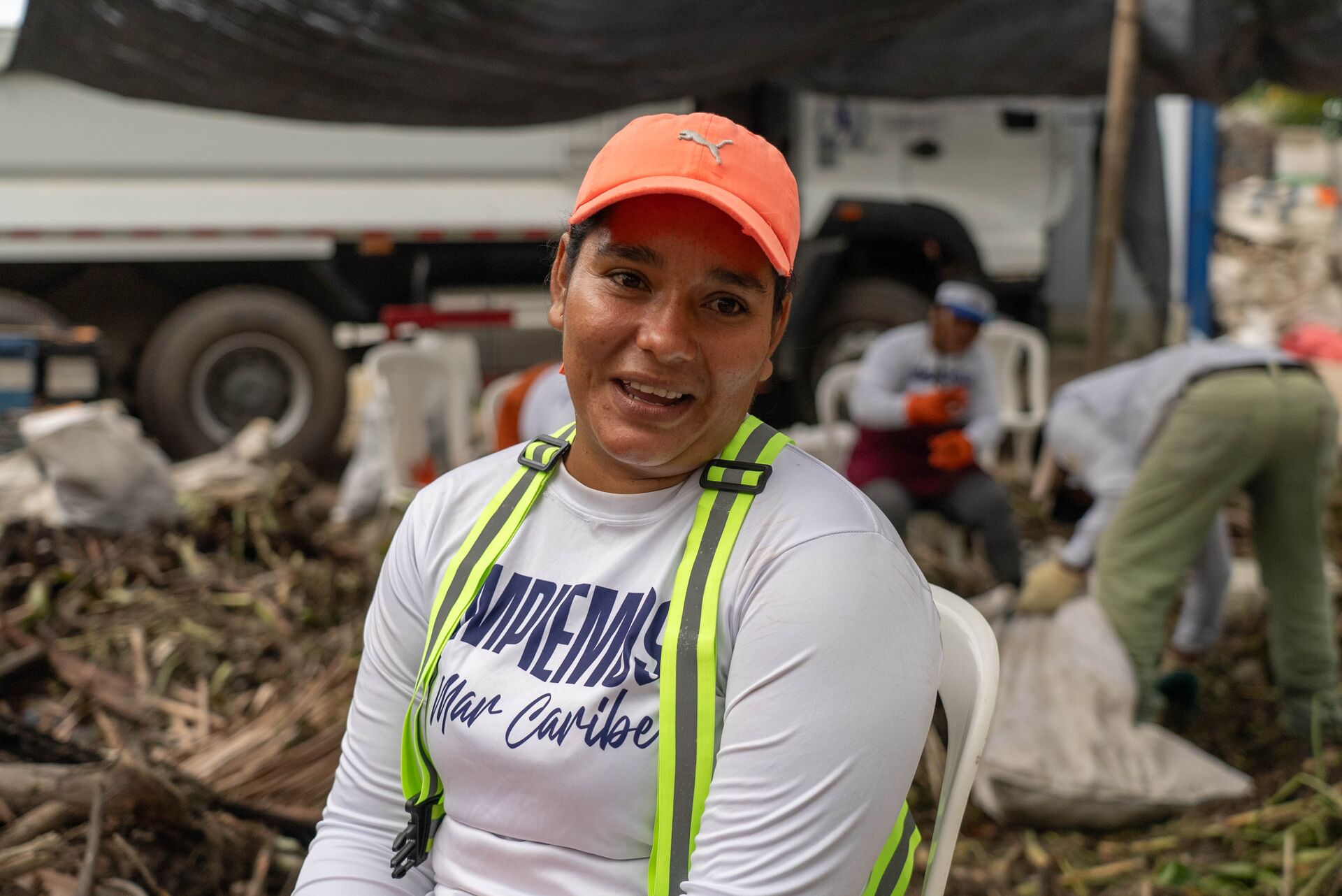
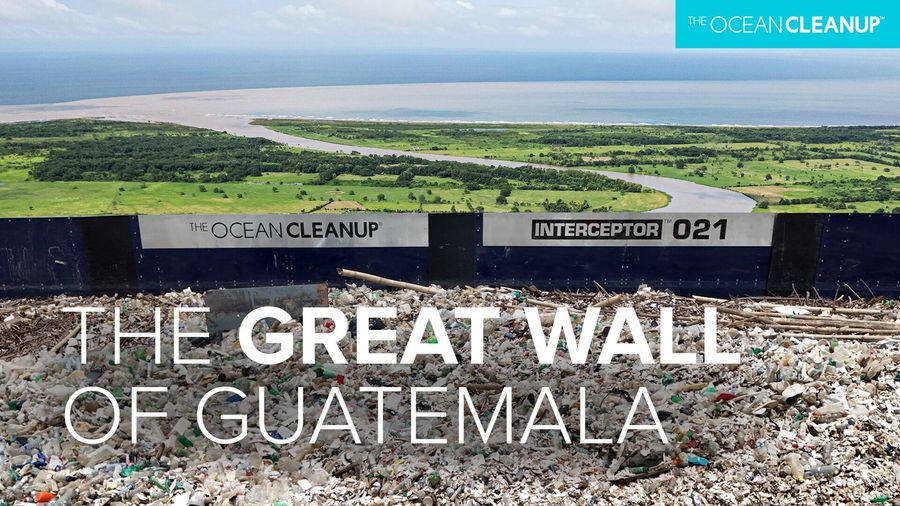
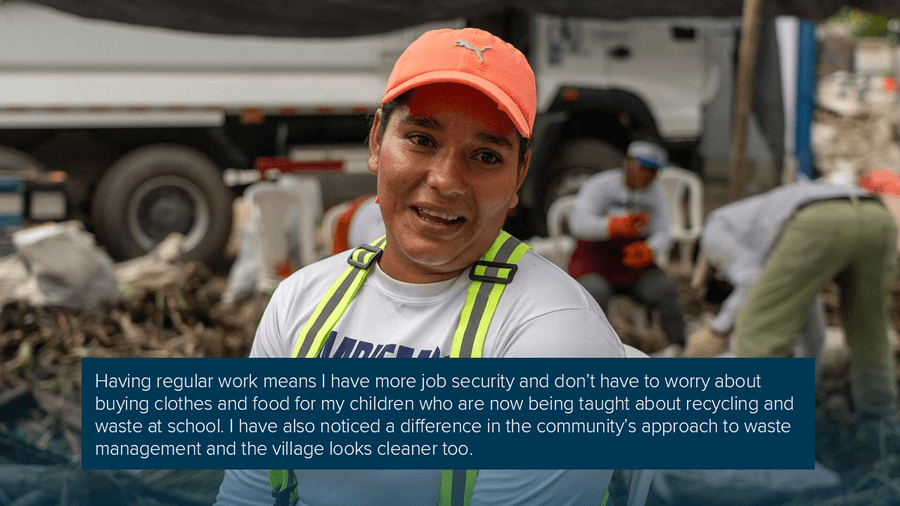
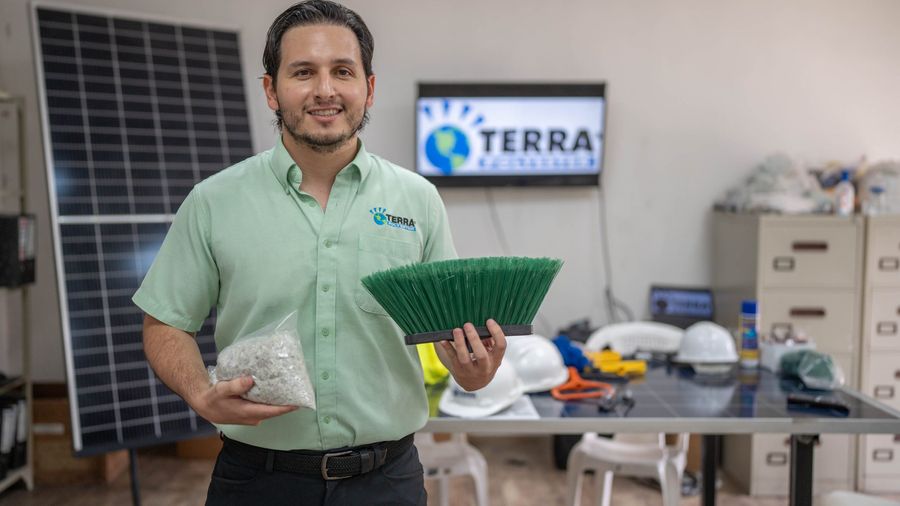
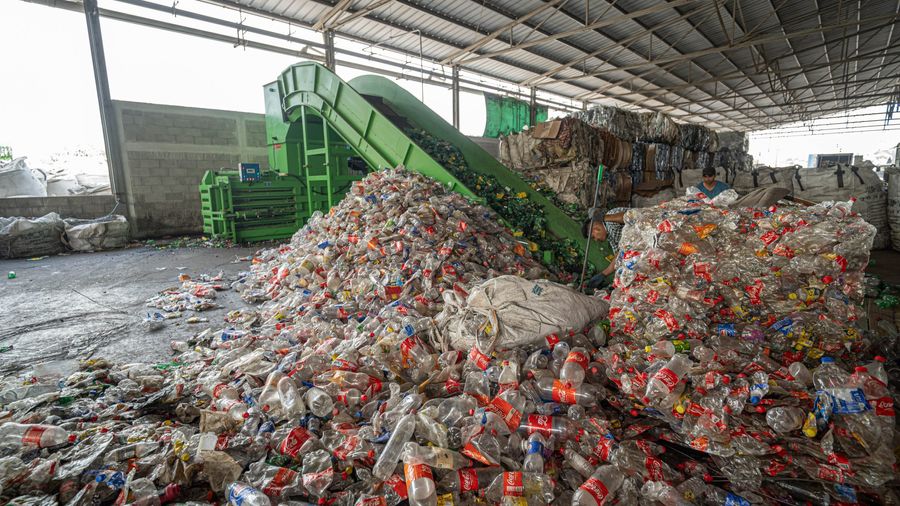
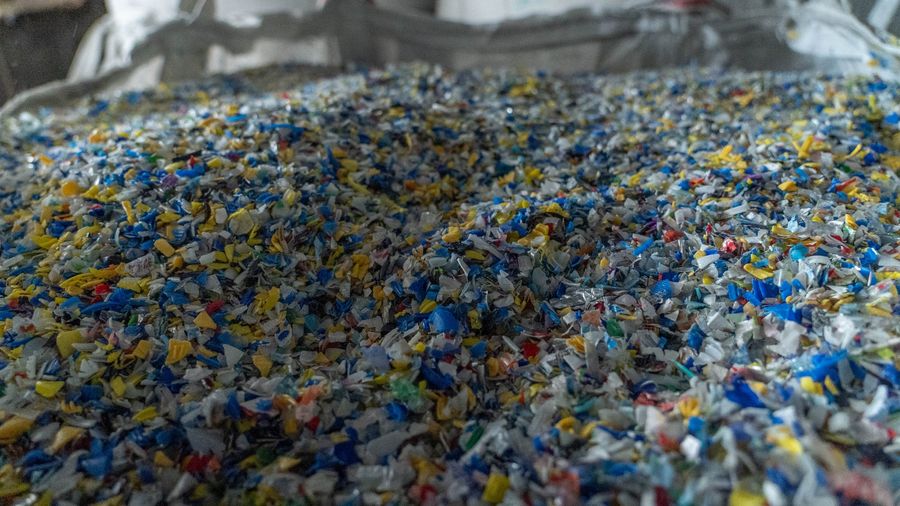
The trash that Interceptor 021 stops from flowing into the Gulf of Honduras is sorted by a team in the community of El Quetzalito, on the banks of the Rio Motagua. When the plastic bottles have been separated, they are crushed into bales by a compactor before being transported to recycling company Terra Polyester in nearby Honduras to create households products.
The profits made from selling PET plastic bottles helps meet the operating costs at the El Quetzalito sorting center.
Christian Handal, General Manager of Terra Polyester, has noticed a clear drop in plastic pollution across the region over the past years.
“I am very proud to be working with The Ocean Cleanup to recycle all the plastic they send to us which has a variety of uses. I have seen for myself how their work is having a positive impact on the environment.
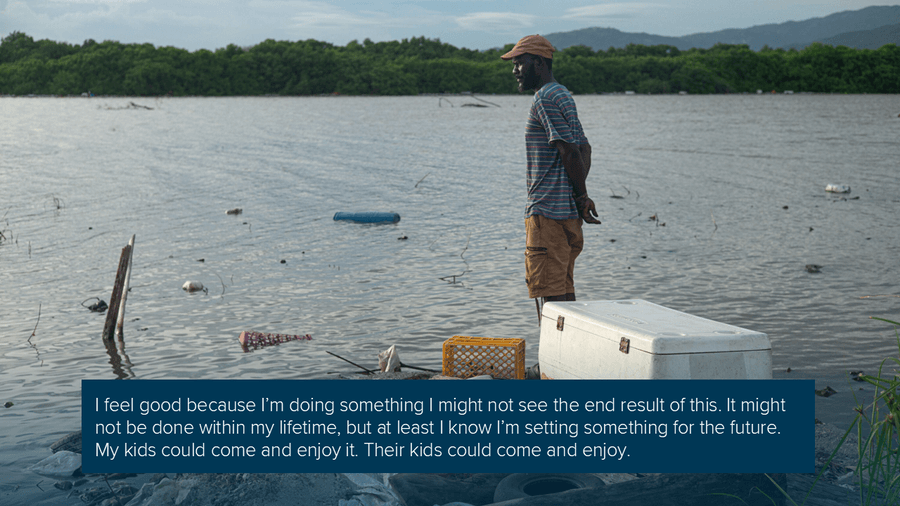
“I like to go fishing with my father and we used to see a lot of floating garbage in the Gulf of Honduras but that has changed since the Interceptor was installed.
“Moreover, coastal communities rely on tourism and fishing for their income, and this has been affected by the plastic pollution so there are many more benefits from stopping the trash entering the ocean.”
Support our mission
As an individual, you too can be part of our mission and help us rid the world’s oceans of plastic.
-
Become an on ground volunteer
Get involved with the local community and support your region.
-
Help clean
Cannot join physically? Learn here all the ways to help
-
Stay up to date
Not sure how to best get involved? Sign up for emails to get the latest news on the cleanup.