MISSION TO METRICS
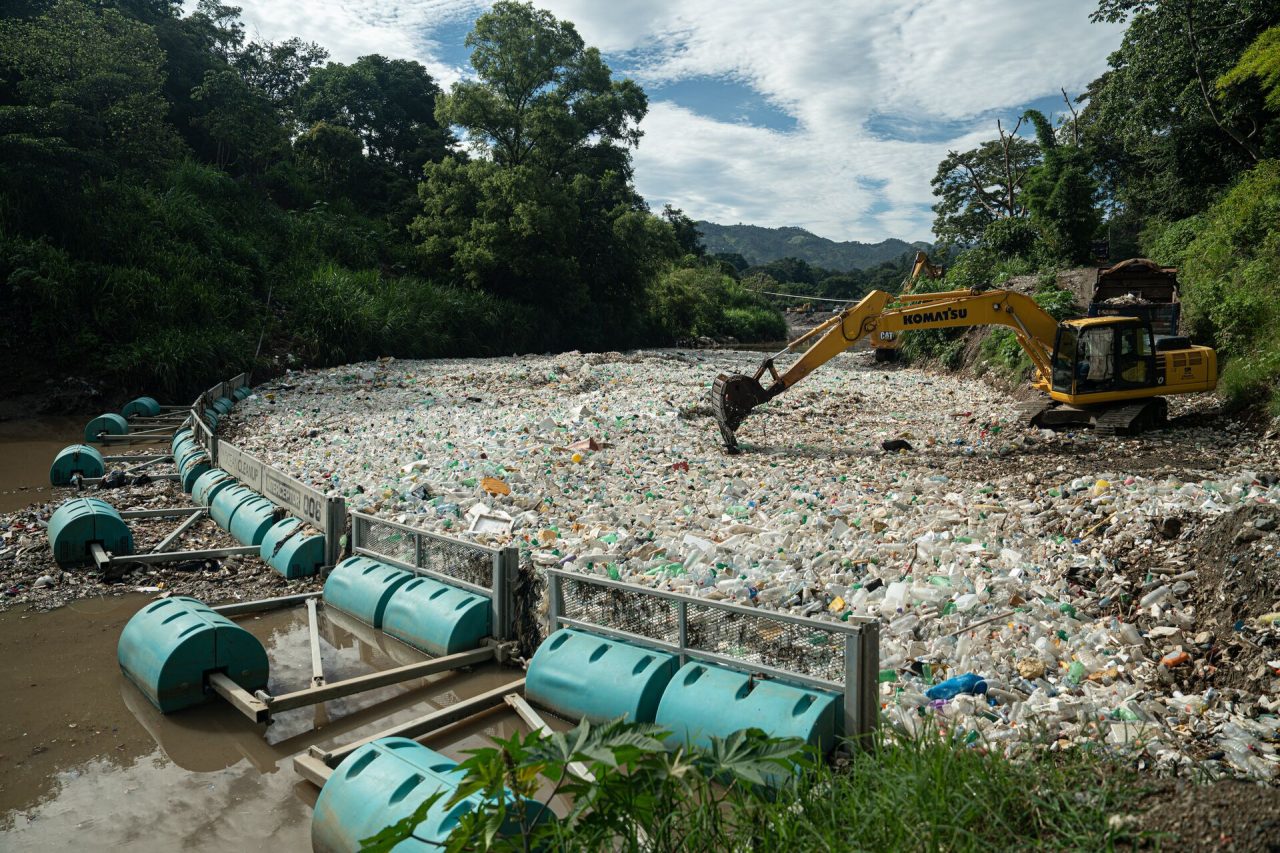
The mission of The Ocean Cleanup is to develop advanced technology to rid the world's oceans of plastic. In our pursuit of this objective, we rely on comprehensive environmental and social impact measurement to continuously monitor the effects of our interventions. Waste management is a key component of this impact measurement, as the final destination of waste is directly linked to specific outcomes such as greenhouse gas emissions, land use, pollution, health risks, and social acceptance. As waste intercepted from rivers may be directed to different treatment pathways depending on local infrastructure, evidence-based assessment of these pathways is critical for informed decision-making.
The Waste Management Research Intern will support the Waste Management team by conducting applied research on waste treatment pathways, with a particular focus on landfilling and incineration. The internship will contribute to the development of internal waste management frameworks, support transparent communication with donors and partners, and strengthen impact measurement by linking waste destinations to quantified environmental and social impacts. By grounding operational choices in robust, context-specific analysis, this internship helps ensure that waste management practices align with best environmental practices while supporting scalable and responsible impact.
RESPONSIBILITIES
PROFESSIONAL QUALIFICATIONS
PERSONAL QUALIFICATIONS
ADDITIONAL INFORMATION
The mission of The Ocean Cleanup is to develop advanced technology to rid the world's oceans of plastic. In our pursuit of this objective, we rely on comprehensive environmental and social impact measurement to continuously monitor the effects of our interventions. Waste management is a key component of this impact measurement, as the final destination of waste is directly linked to specific outcomes such as greenhouse gas emissions, land use, pollution, health risks, and social acceptance. As waste intercepted from rivers may be directed to different treatment pathways depending on local infrastructure, evidence-based assessment of these pathways is critical for informed decision-making.
The Waste Management Research Intern will support the Waste Management team by conducting applied research on waste treatment pathways, with a particular focus on landfilling and incineration. The internship will contribute to the development of internal waste management frameworks, support transparent communication with donors and partners, and strengthen impact measurement by linking waste destinations to quantified environmental and social impacts. By grounding operational choices in robust, context-specific analysis, this internship helps ensure that waste management practices align with best environmental practices while supporting scalable and responsible impact.
RESPONSIBILITIES
- Conduct a structured literature review on environmental and social impacts of waste management practices, with a focus on landfilling and incineration.
- Analyze waste composition, flow, and destination data from operational projects to define realistic waste management scenarios.
- Support scenario analysis comparing landfilling and incineration pathways under different contextual assumptions, including emissions, energy use, land availability, and governance constraints.
- Contribute to quantitative impact assessments using established datasets and emission factors from recognized sources such as peer-reviewed literature and international databases.
- Support contextual or spatial analysis, where relevant, to assess location-dependent impacts of waste management options.
- Document methodologies, assumptions, and results in a clear and structured manner suitable for internal frameworks, reporting, and external transparency.
- Collaborate with the environmental team to ensure research outputs are aligned with impact measurement and decision-making needs.
- Currently enrolled in or recently completed a Master’s program in Environmental Science, Waste Management, Sustainability, Engineering, or a related field.
- Demonstrated experience with academic or applied research methods, including literature review and data analysis.
- Familiarity with waste management systems, circular economy concepts, and environmental impact assessment.
- Experience with quantitative analysis tools; familiarity with GIS or life cycle assessment tools is an asset.
- Strong academic writing and documentation skills.
PERSONAL QUALIFICATIONS
- Analytical mindset with strong attention to detail and methodological rigor.
- Ability to work independently on research tasks while engaging with a multidisciplinary team.
- Strong organizational and time management skills.
- Clear written and verbal communication skills.
- Strong motivation to contribute to sustainability, impact measurement, and evidence-based environmental management.
ADDITIONAL INFORMATION
- Start date: 2nd of March
- Duration: 6 months
- This Internship Position is for 40 hours per week