The Ocean Cleanup’s End-to-End River System
Back to updatesFive steps to cleaning river pollution
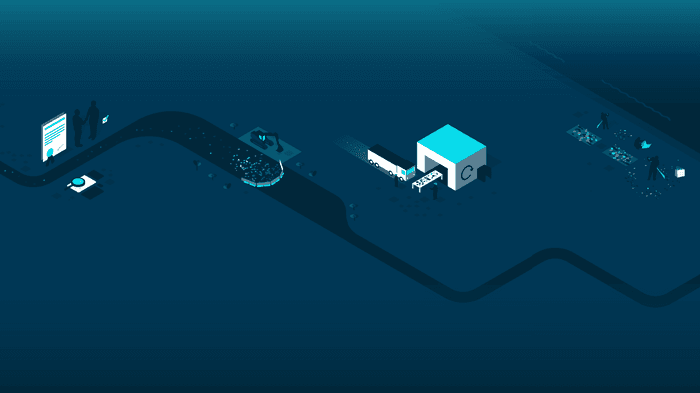
After over a decade of research and operations in some of the world’s most polluting rivers, our scientists, engineers, and operations teams have developed a comprehensive river cleanup model that can be adapted to fit every context and maximize impact. Regardless of trash composition, size of the river, or infrastructure availability – our end-to-end river system can adapt to every situation. Our process can be broken down into five key steps.
1. Understanding local contexts
Once a city or river has been identified, we work with local authorities, researchers, and organizations to better understand local infrastructure, social dynamics, economic development plans, and how our Interceptors can fit into them. The early phases of our process can take several months as we ensure we have a complete understanding of local contexts and develop the right strategies to effectively stop the flow of trash reaching the ocean.
During this time, we begin to implement our Smart River Survey to give us as much data as possible to better understand the river and how it interacts with pollution.

2. Setting up long-term success
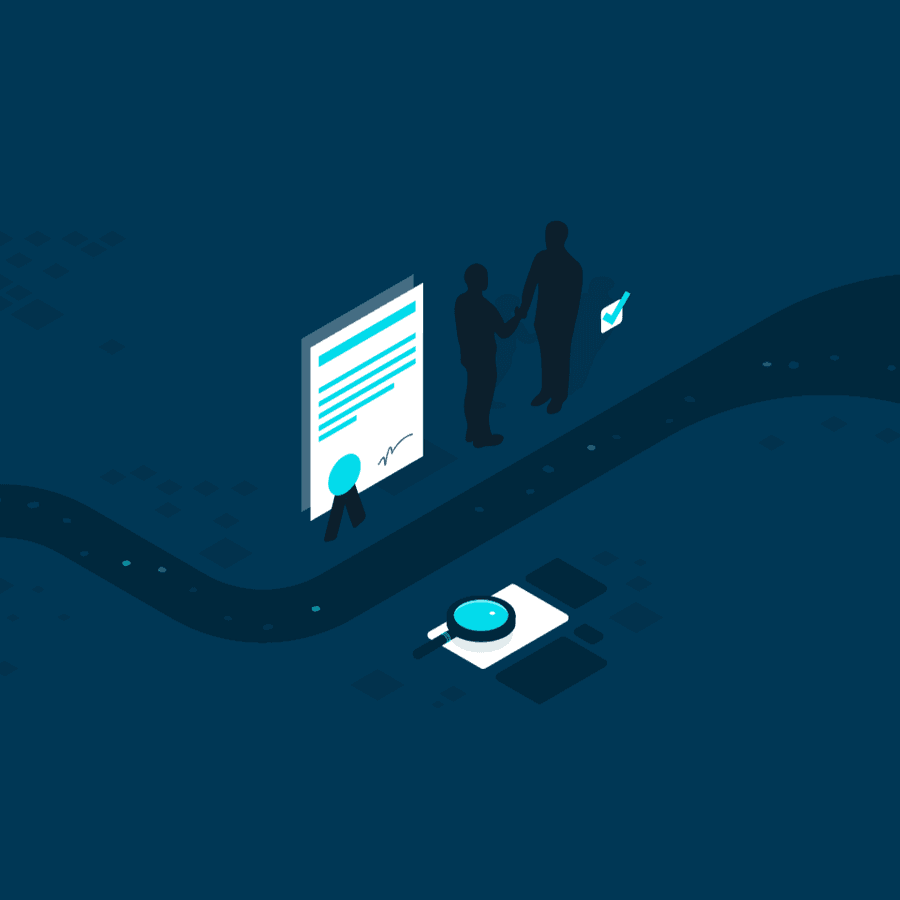
With the Smart River Survey underway, we look for potential funders and partners to support our operations in the target location. Funding can come from a variety of sources including the public, local businesses, international companies, or the local government. Likewise, our partners fall within similar categories, creating a consortium often comprising government departments, non-governmental organizations, and local companies.
During this time, we conduct interviews with community members to understand the social, cultural, and economic impacts that waste is having on them and their environment. This valuable information is considered alongside the survey data and helps us to identify several impactful deployment sites along the river. These locations are further investigated by us and our partners, and the best site is chosen for deployment of a tailor-made Interceptor.
3. Deploying and operating the solution
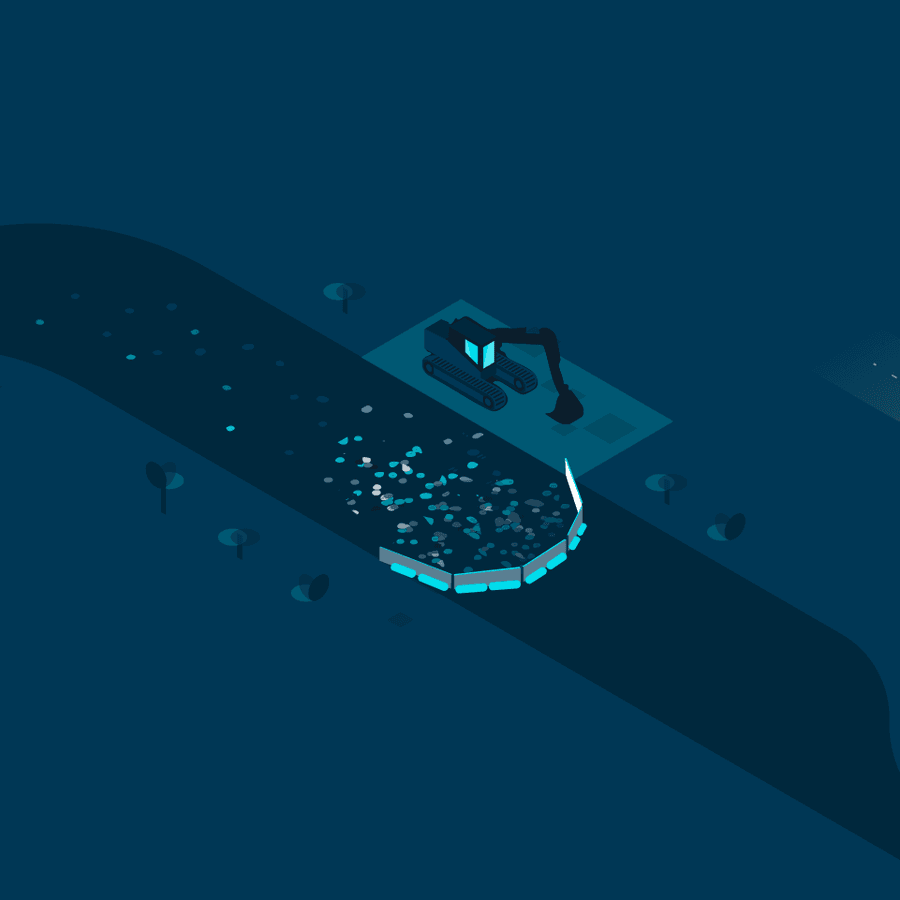
Using the data we have collected on the river and trash composition, we are able to create an Interceptor solution that will have maximum impact not just in terms of catch, but also for the environment and local communities. Ahead of the deployment, we work alongside our partners to prepare the site, including considerations for local waste management, and once the Interceptor is installed, we work together to maximize its cleanup operations.
Thanks to the baseline data recorded by the Smart River Survey, we are able to monitor the environment downstream of the Interceptor to determine its’ impact. We use this data for any potential performance improvements, background research in plastic pollution and environmental remediation, and reports to relevant authorities.
4. Managing the catch
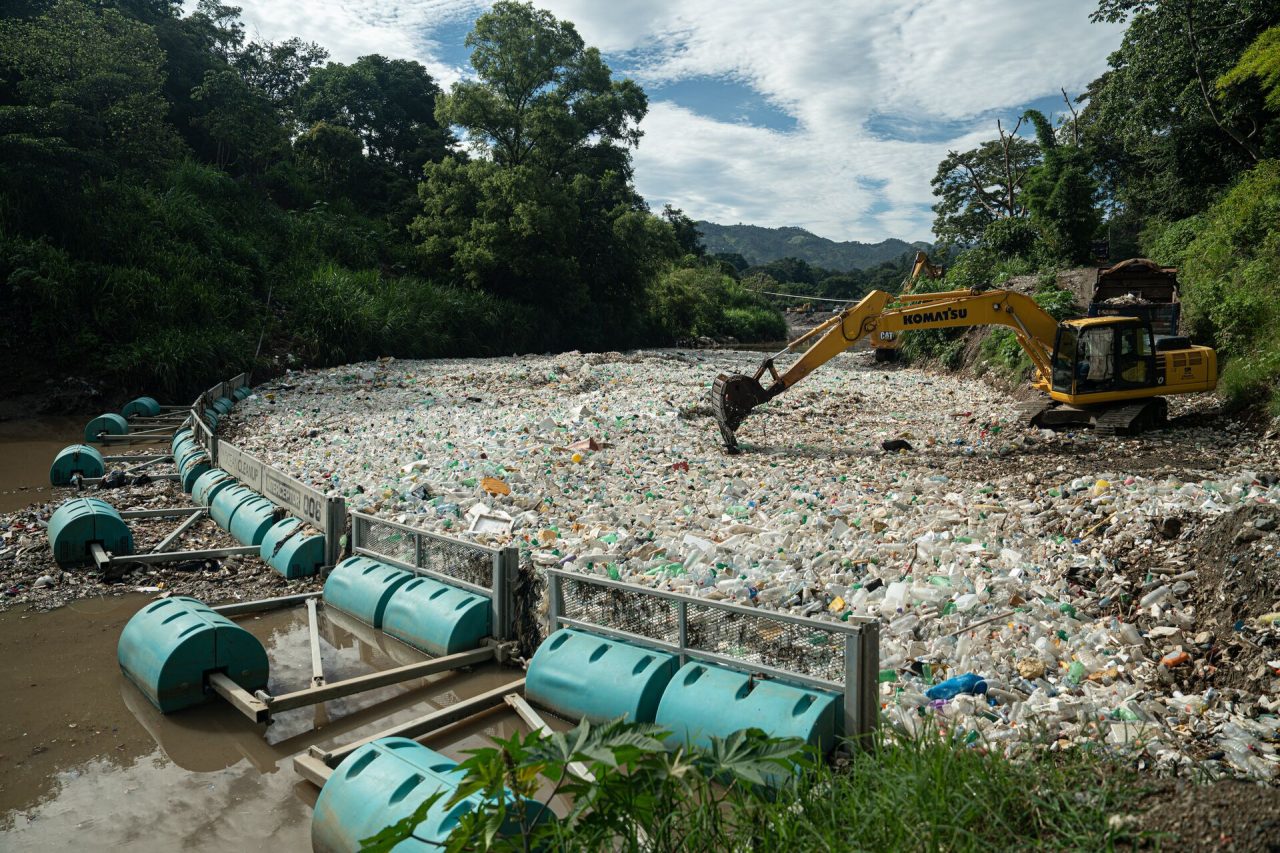
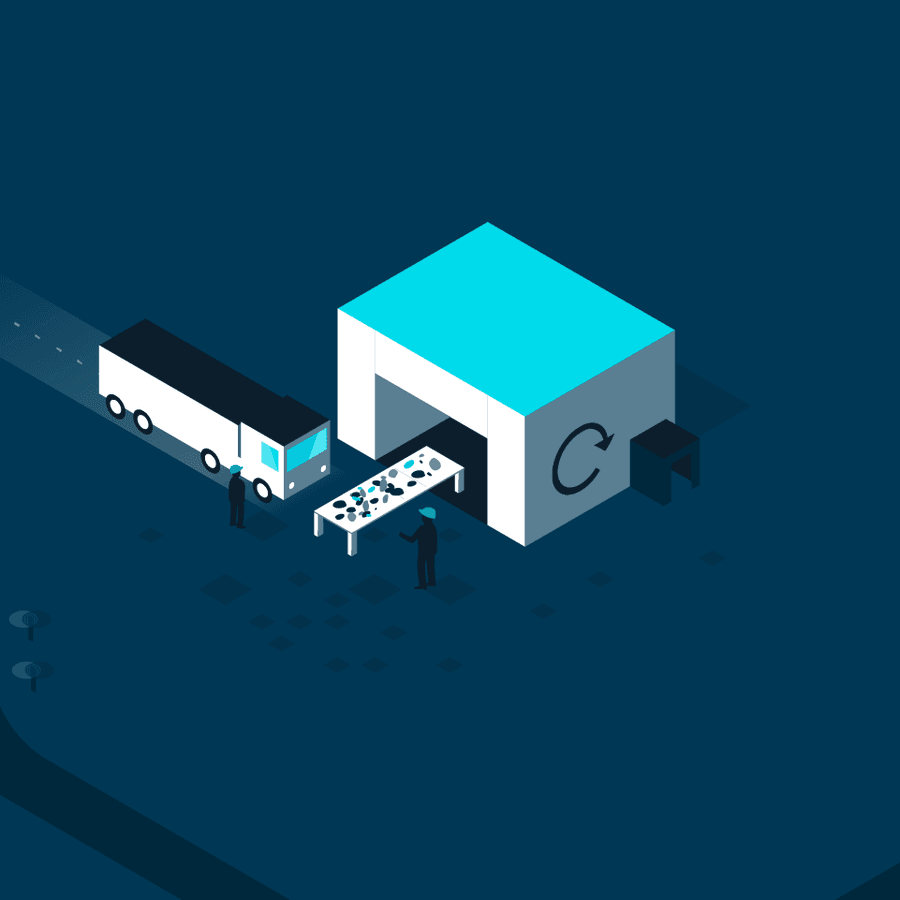
We work with local authorities and waste management operators to ensure that the catch is processed responsibly. Material recovery is our top priority. Where possible, recovered plastic, aluminum, and biological materials are recycled. Each location’s trash composition and waste management infrastructure is different, providing a range of different solutions and outcomes: for example, reusing the timber collected by Interceptors 020 (Jakarta, Indonesia) and 021(El Quetzalito, Guatemala) to create furniture or be used as fuel.
The work we carry out with our partners and local waste management operators leads to the upgrade of existing facilities, the creation of new jobs, the development of new recycling programs, as well as awareness-raising campaigns.
5. Removing legacy trash
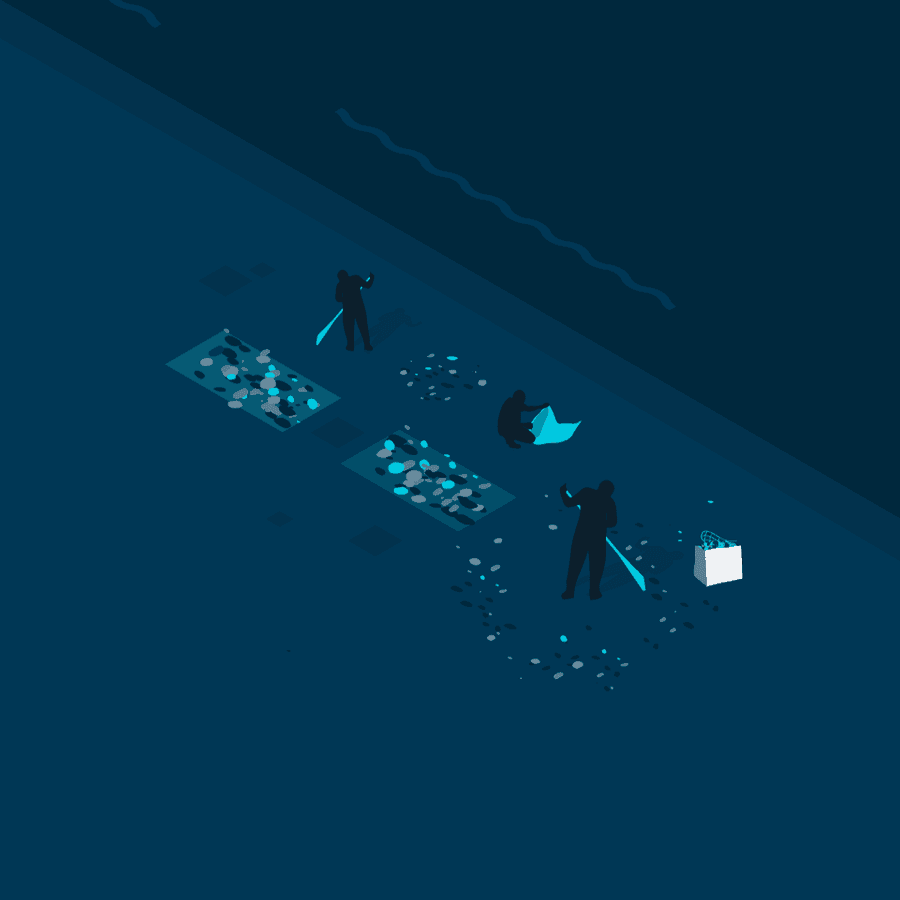
To remove legacy plastic trapped in coastal environments such as mangroves, coral reefs, or beaches, we carry out several cleanup campaigns. Our local partners organize clean ups to remove trash and plastic that has accumulated prior to the deployment of the Interceptor. Once the flow of plastic has been successfully stopped by the Interceptor, a thorough, methodical coastal sweep is carried out. This coastal sweep, carried out by The Ocean Cleanup and local communities uses drone surveys to efficiently identify and target plastic hotspots. This coastal sweep encourages ecosystem recovery and marks the final step of our cleanup operation.
The result? Clean oceans!
By stopping river plastic from entering the ocean, plastic accumulation in the gyres does not grow – a critical step as part of our cleanup operations in the ocean.