Asia’s Next Climate Deals Will Be Blue
Back to updatesFrom Decarbonisation to De-plasticisation: Why Asia’s Next Climate Deals Will Be Blue
How technology, data, and urban prevention infrastructure are turning ocean health into the next scalable climate investment theme in Asia
For more than a decade, climate capital across Asia has flowed toward decarbonisation. Solar, wind, batteries, and EV supply chains reshaped energy systems — and absorbed most of the investment spotlight.
Now capital is starting to rotate.
As renewable markets mature and margins tighten, investors are scanning for the next scalable climate frontier. Increasingly, that search is leading beyond carbon — toward rivers, oceans, and the technologies that make environmental systems visible, measurable, and investable.
The next wave of climate deals is beginning to form around a new theme: de-plasticisation.
This is not a departure from energy transition. It is climate finance expanding into the physical infrastructure that sustains Asia’s cities and trade corridors.
Decarbonisation Is Scaling — Capital Is Looking for What Comes Next
Asia’s renewable build-out is no longer speculative. Institutional capital is comfortable. Policy frameworks are clearer. Risk-return profiles are established.
But maturing markets compress margins.
As transition finance crowds, investors search for themes with structural exposure, technology leverage, measurable outcomes, and repeatable deployment models.
Rivers and coastal systems are emerging as candidates.
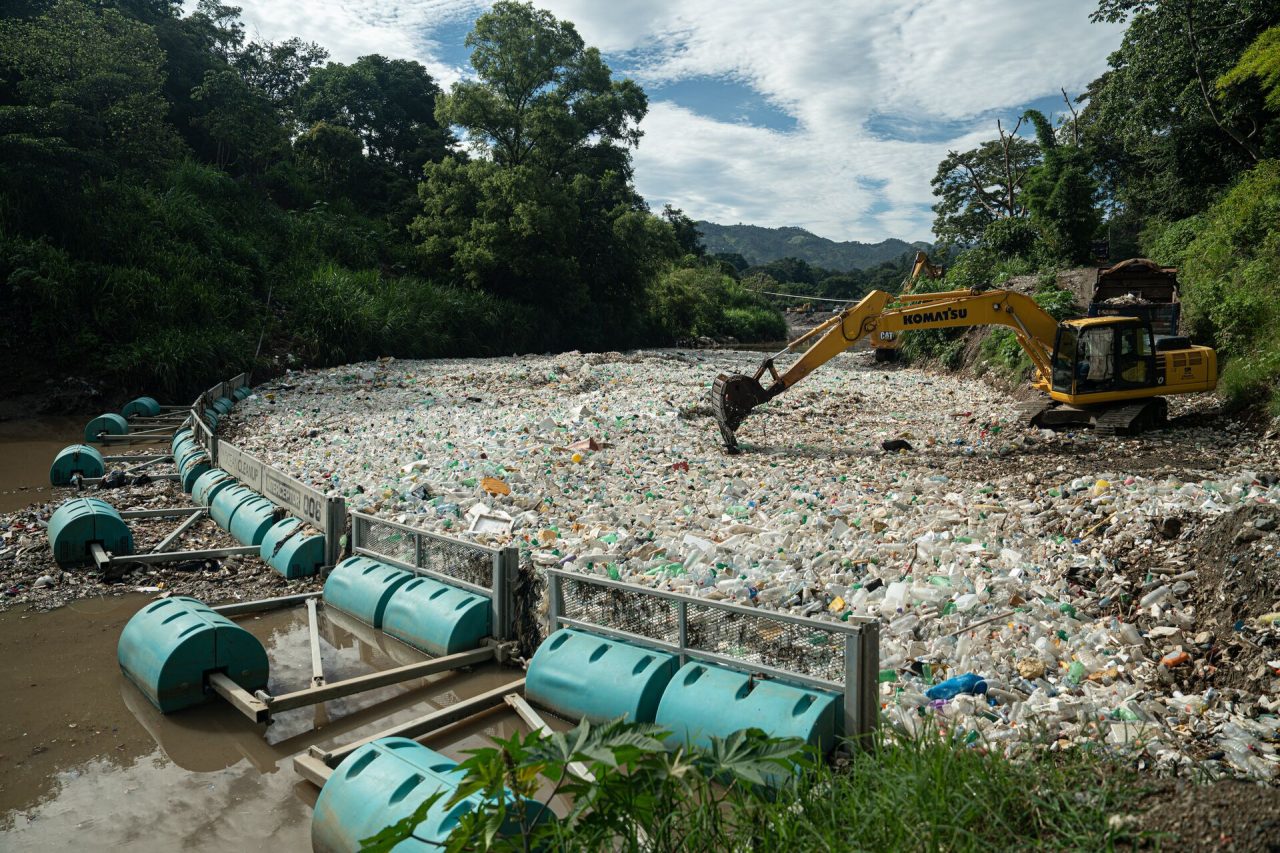
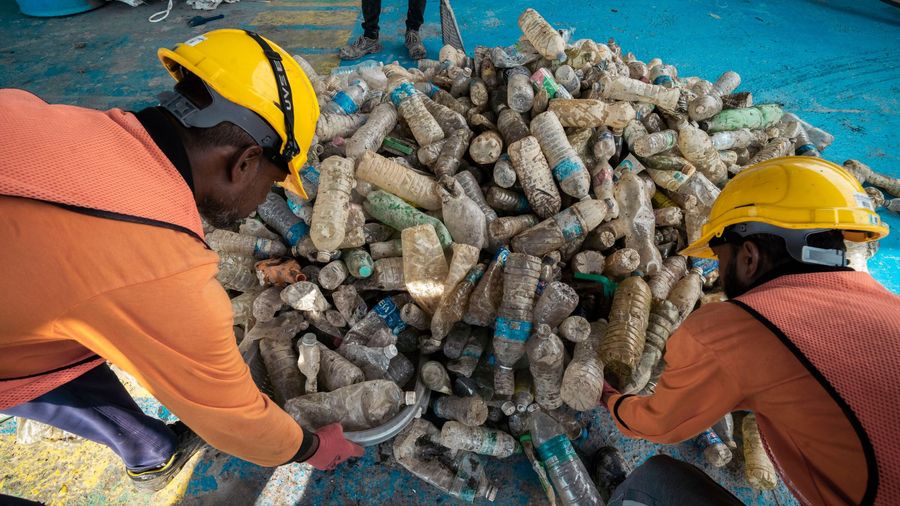
Plastic pollution is no longer just an environmental headline. It is a systems issue affecting drainage, ports, fisheries, tourism, and municipal budgets. In river-connected economies across Southeast Asia and India, those systems underpin growth.
When environmental leakage intersects with trade infrastructure, it becomes investable risk.
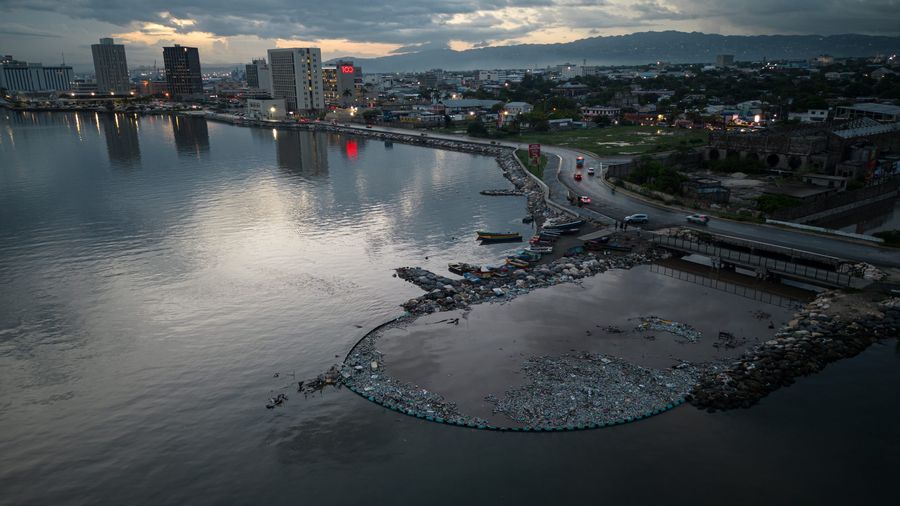
Why Asia’s Rivers Are the New Climate Control Points
Asia’s growth runs along rivers.
From Jakarta and Manila to Mumbai and Bangkok, river systems connect inland production to global markets. They are also the primary channels through which plastic enters the ocean.
The impacts are tangible. Flooding worsens when drainage systems clog. Fisheries decline. Coastal tourism suffers. Cities absorb rising cleanup and maintenance costs.
For investors, rivers offer concentration.
Unlike offshore remediation, river-level prevention occurs inside city jurisdictions — where waste systems, budgets, and public–private frameworks already exist. Deployment cycles are shorter. Measurement is clearer. Capital requirements are defined.
Rivers convert diffuse environmental risk into infrastructure opportunity.
That shift changes who gets to participate.
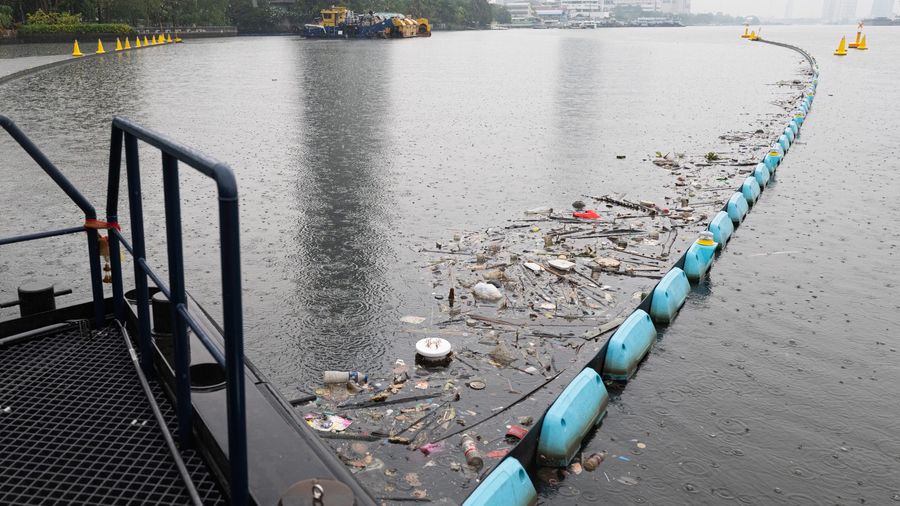
From Cleanup Campaigns to Infrastructure Platforms
Earlier marine cleanup efforts were largely philanthropic. They lacked standardized models and reliable performance metrics.
What has changed is visibility.
Today’s de-plasticisation efforts are systems-based:
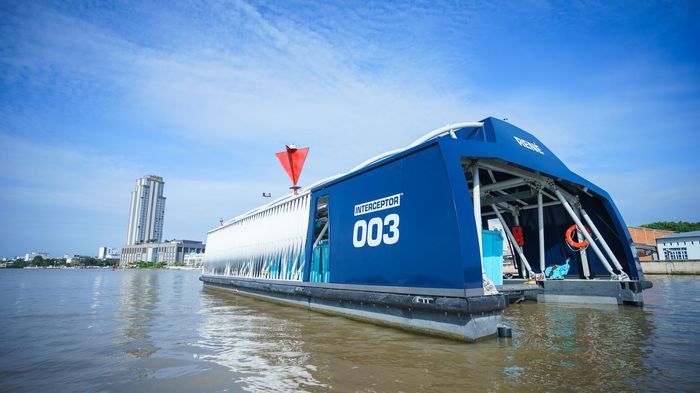
- River interception infrastructure
- Waste management and sorting upgrades
- Digital monitoring platforms
- Data layers that verify flow reduction
These are prevention networks embedded in urban systems — not symbolic cleanup drives.
And prevention, when measurable, can scale.
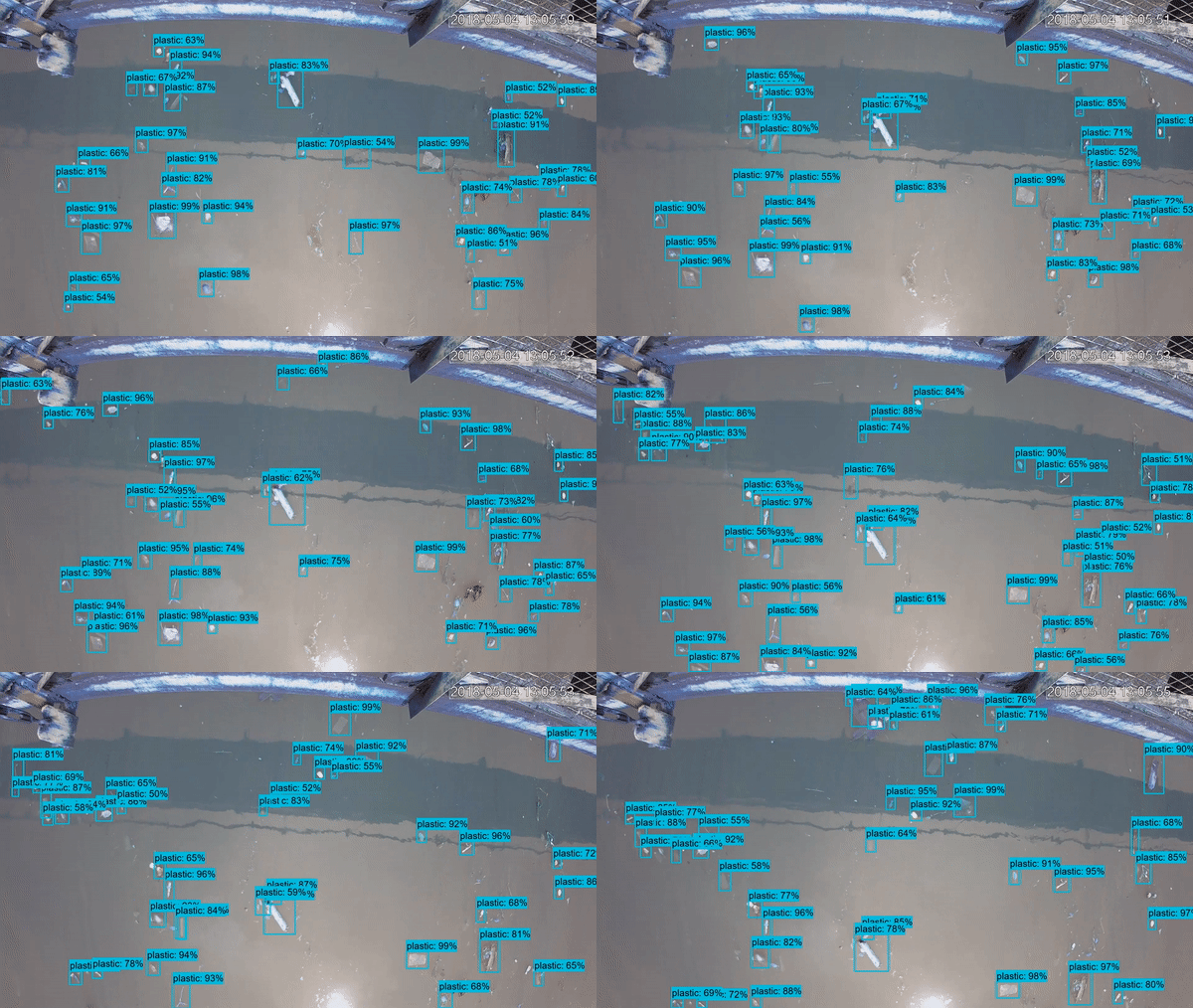
The Technology Layer Is the Unlock
The decisive shift is technological.
AI modelling now maps plastic flows across river basins. Satellites track accumulation patterns. Sensor networks provide near real-time data. Monitoring dashboards establish baselines and verify intervention performance.
Environmental opacity is declining.
For investors, that matters more than narrative. Capital requires legibility. Once flows can be quantified and outcomes verified, they can be integrated into underwriting models and capital stacks.
Across Asia, a new stack is forming at the intersection of:
- Environmental engineering
- AI and predictive analytics
- Urban infrastructure
- Blended and impact-linked finance
Technology firms are building the measurement layer. Cities are piloting standardized deployments. Capital providers are exploring portfolio structures instead of isolated projects.
This is how themes become asset classes.
Why the Timing Is Different Now
Three forces are converging.
- Physical risk is expanding beyond carbon: Investors are reassessing flood exposure, waste systems, and urban fragility.
- Urban growth is accelerating: Asia’s megacities continue to expand, intensifying pressure on infrastructure and waterways.
- Data has improved dramatically: AI, satellite tracking, and digital verification reduce the information gap that once constrained institutional participation.
Blue finance is where renewables were a decade ago — but the enabling stack is forming faster.
Blue as a Platform Opportunity
Blue finance is increasingly being reframed as urban infrastructure rather than conservation.
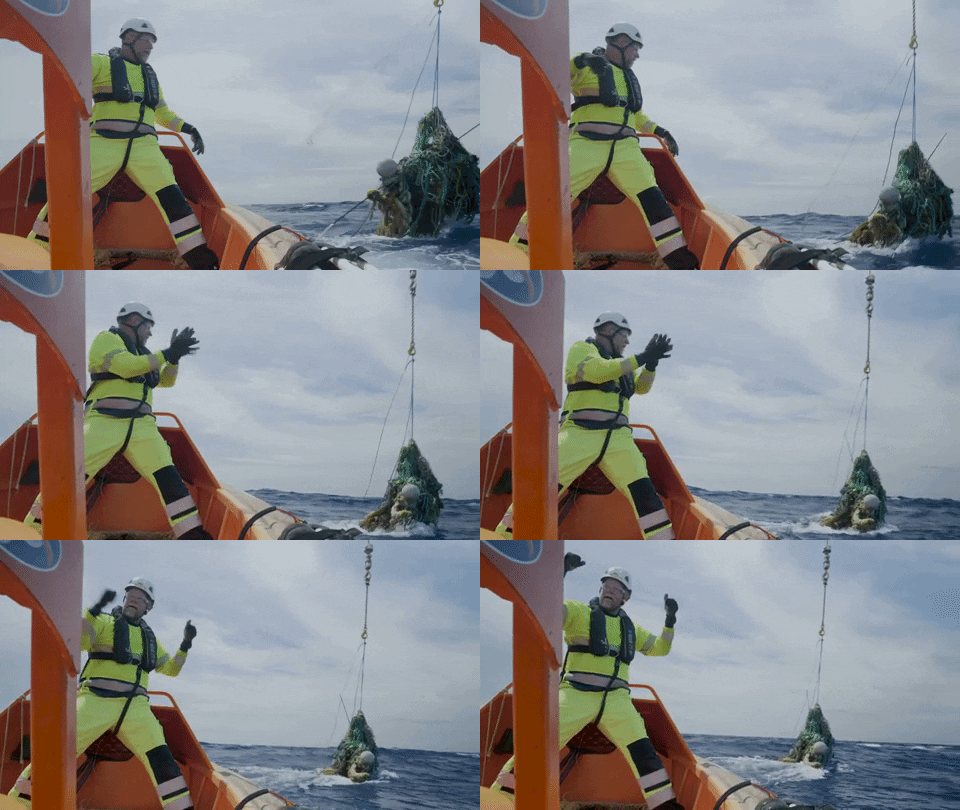
Multi-city deployment programmes — including The Ocean Cleanup’s 30 Cities Programme across Southeast Asia, India, and other emerging markets — demonstrate how prevention can be aggregated into scalable pipelines instead of isolated projects.
For venture-backed firms, this opens a new category:
- Environmental data platforms
- AI flow modelling tools
- Sensor integration systems
- Performance verification infrastructure
For infrastructure investors, it introduces preventive urban assets.
For policymakers, it highlights the need to design pipelines that attract private capital rather than depend solely on public budgets.
De-plasticisation is not branding. It signals that environmental intelligence is becoming investable.

The Venture Signal
The first decade of climate tech was defined by energy hardware and grid innovation. The next may be defined by environmental intelligence — the ability to map, monitor, and stabilise the physical systems that support urban growth.
The opportunity is not simply to clean rivers. It is to build the operating system that makes environmental risk visible to capital markets.
In venture terms, this is a platform moment. The companies that own the data layer, verification stack, and deployment architecture will shape how capital allocates into blue infrastructure over the next decade.
Asia led the renewable surge. It could now define the environmental intelligence layer powering the next phase of climate capital.
Blue is forming. The only question is who builds it.