Marine plastic debris as a reservoir and vector of antibiotic-resistant pathogens: evidence of transmission to sea turtles in the Southwest Indian Ocean
December 2025, article in a peer-reviewed journal
Marine Environmental Research
Abstract
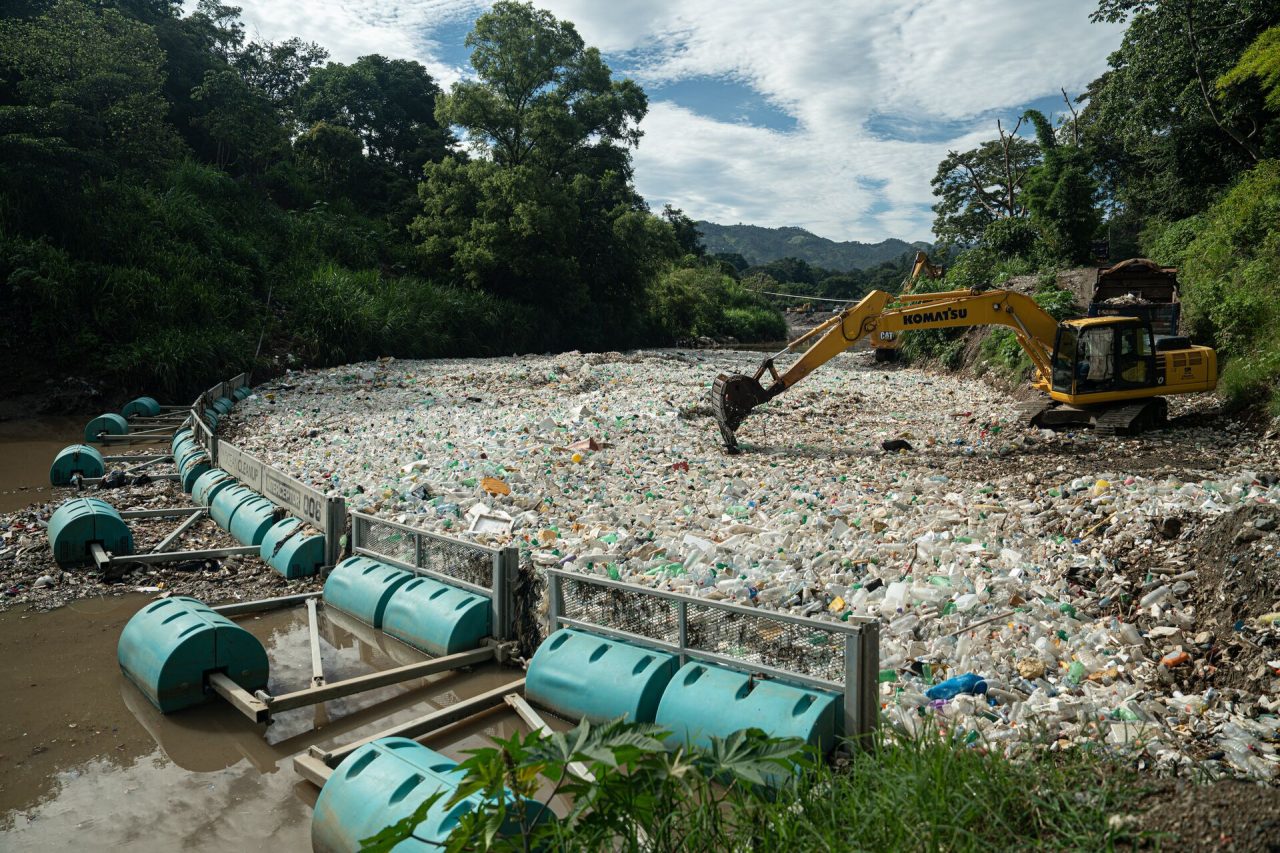
Marine plastic debris provides a novel substrate for microbial colonization, potentially facilitating the spread of pathogens in marine environments. At Reunion Island (Southwest Indian Ocean), injured sea turtles undergoing rehabilitation at the Kélonia center were found to harbor antibiotic-resistant pathogenic bacteria. We hypothesized that these bacteria were originated from plastic debris present in the seawater pumping system. To investigate this, we isolated and characterized culturable bacteria from plastic fragments, seawater, and turtles. Bacterial identification was performed using 16S rDNA sanger sequencing, and multilocus phylogenetic analyses were conducted to assess genetic relatedness among isolates. Antimicrobial susceptibility testing (AST) was also carried out. Plastic debris, primarily composed of polypropylene and polyethylene, supported dense bacterial communities (1e5–1e7 CFU/g), in contrast to seawater which contained significantly lower loads (up to 1e3 CFU/ml). Among the potentially pathogenic bacteria, Enterococcus (22 %), Vibrio (16 %), Bacillus (16 %), Staphylococcus (9 %), and Citrobacter (6 %) were the most prevalent. Phylogenetic analyses revealed close relationships between strains from plastics and turtles, particularly for Bacillus, Citrobacter, and Enterococcus. Notably, Vibrio strains were undetected from seawater but detected on plastics and in turtles, suggesting a possible transmission route. Phenotypic antibiotic resistances, mainly to β-lactams, were detected in 30 % of plastic-associated strains and 14 % of turtle strains. Our results suggest that plastic debris serve as a reservoir and vector for antimicrobial-resistant pathogens, potentially compromising turtle rehabilitation efforts. This potential transmission pathway may hinder the treatment of infected or injured turtles, posing a significant challenge to the conservation of these endangered species.