Pacific Cup to increase scientific understanding of plastic pollution
Back to press- The Ocean Cleanup is calling on sailors taking part in the Pacific Cup, to help map plastic in The Great Pacific Garbage Patch (GPGP).
- The global non-profit is looking to track the patch, the world’s largest accumulation of floating plastic, using innovative AI technology so they can clean it more efficiently.
- Sailors willing to fit the AI cameras on the return leg can help advance understanding of the patch’s composition to help future cleanup efforts.
The Ocean Cleanup is putting the call out to competitors taking part in the Pacific Cup to contribute to the advancement of ocean cleanup technology and protecting marine ecosystems by installing innovative AI cameras and taking smart buoys, provided by the global non-profit, on the return leg of the race, between Hawai’i and San Francisco.
Participating sailors will be helping to detect plastic pollution in the Pacific Ocean and map hotspots for future cleanup efforts.
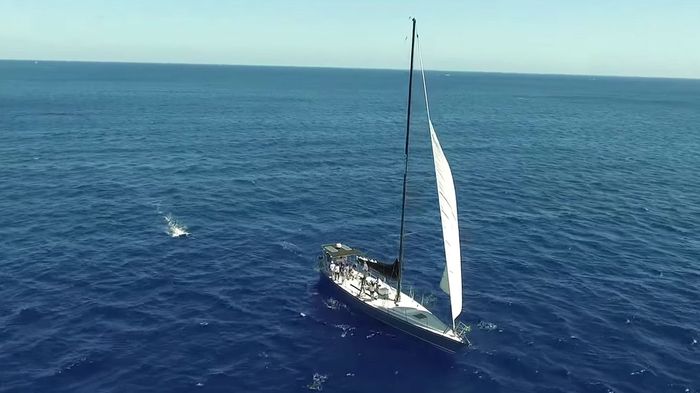
The Pac Cup, which starts from Monday 6th July, will take competitors through the Great Pacific Garbage Patch (GPGP), the most concentrated area of ocean plastic pollution globally, a plastic soup twice the size of Texas.
Sailors are being asked to install Automated Debris Imaging Systems (ADIS) on their vessels for the return leg. These are compact, GoPro-sized cameras (400g/0.9 pounds) that can be mounted on a mast or vessel railing. The cameras use a machine-learning model to automatically detect and classify marine debris. The unit then sends this data via an internal SIM card back to researchers at The Ocean Cleanup HQ in Rotterdam, The Netherlands.
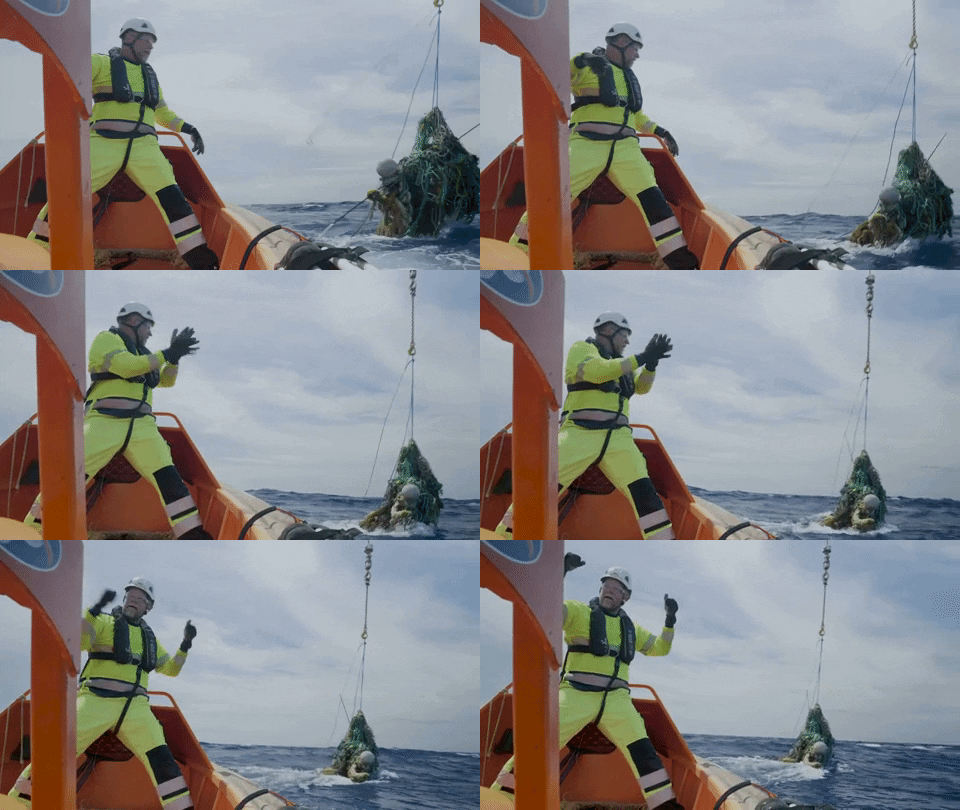
This will help improve predictive models for plastic hotspots as part of The Ocean Cleanup’s operations which have so far removed nearly 500,000 kg of plastic from the GPGP.
Bob Hinden, the Commodore of the Pacific Cup Yacht Club, said: “We are pleased to be able to participate in this important project. All of our participants have seen the increasing amount of plastic in the ocean during the race from San Francisco to Kaneohe on Oahu, and on return trips. We think this is a very important project to learn more about the problem and contribute to its solution.”
Dr. Peter Puskic, Senior Field Scientist at The Ocean Cleanup, said: “We started a pilot version of this initiative last year with sailors in the Transpac and now with the help of the Pac Cup we aim to scale it up to better target our extraction operations and clean up the patch more effectively and economically. The sailing community can become citizen scientists and boost our efforts to solve this environmental crisis by signing up and being part of the solution.”
The organisation has been developing and scaling technologies to rid the world’s oceans of plastics and over the past 10 years has conducted extensive monitoring and cleanup operations in this region.
Estimated to contain around 100,000 tons of plastic, the GPGP is mostly comprised of ghost nets and other fishing gear, alongside a wide variety of plastic pieces, with some dating back to the 1960s.
Sailors not racing in the Pacific Cup can help The Ocean Cleanup by logging plastic sighting in their citizen science app.
Dr Puskic added: “Pacific Cup sailors have been engaging in “Citizen Science” for many race cycles, from testing new technologies to listening for whales to tracking trash. We’re excited to engage this year’s class in The Ocean Cleanup’s AI-based ocean monitoring efforts.”
About The Ocean Cleanup
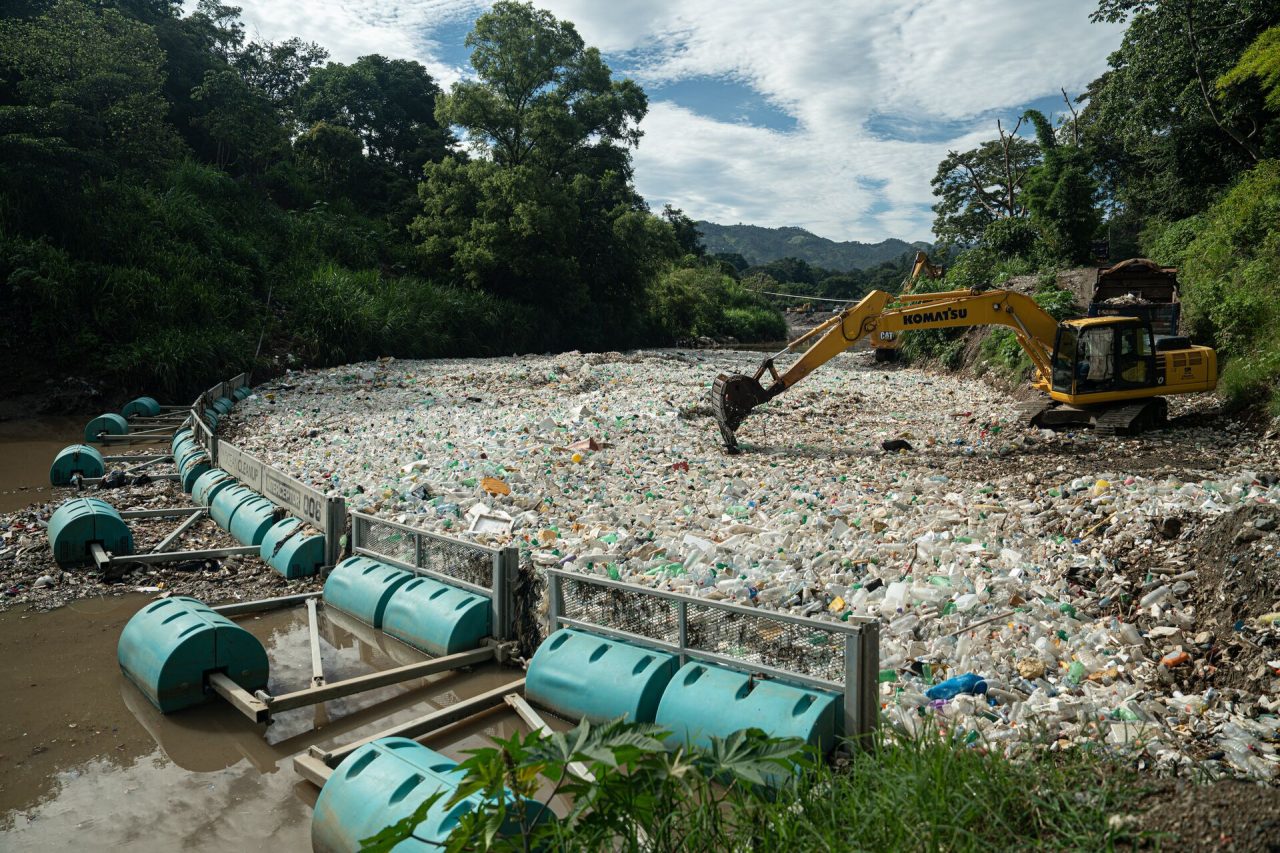
The Ocean Cleanup is a nonprofit organization that develops and scales technologies to rid the oceans of plastic. By conducting extensive research, engineering scalable solutions, and partnering with governments, industry, and like-minded organizations, The Ocean Cleanup is working to stop plastic inflow via rivers and remove legacy plastic already polluting the oceans. As of February 2026, the non-profit has collected over 47 million kilograms (103.5 million pounds) of trash from aquatic ecosystems around the world. Founded in 2013 by Boyan Slat, The Ocean Cleanup now employs a multi-disciplined team of approximately 200 people. The organization is headquartered in Rotterdam, the Netherlands, with international operations in 10 countries.