CTI-CFF and The Ocean Cleanup Sign MoU
Back to pressCTI-CFF Regional Secretariat and The Ocean Cleanup Sign MoU to Advance Regional Action on Marine Plastic Pollution
Singapore, 31 January 2026
- The Coral Triangle Initiative on Coral Reefs, Fisheries, and Food Security (CTI-CFF) Regional Secretariat and The Ocean Cleanup today signed a Memorandum of Understanding (MoU) in Singapore to formalise cooperation in addressing marine plastic pollution and strengthening ocean health in the Coral Triangle region.
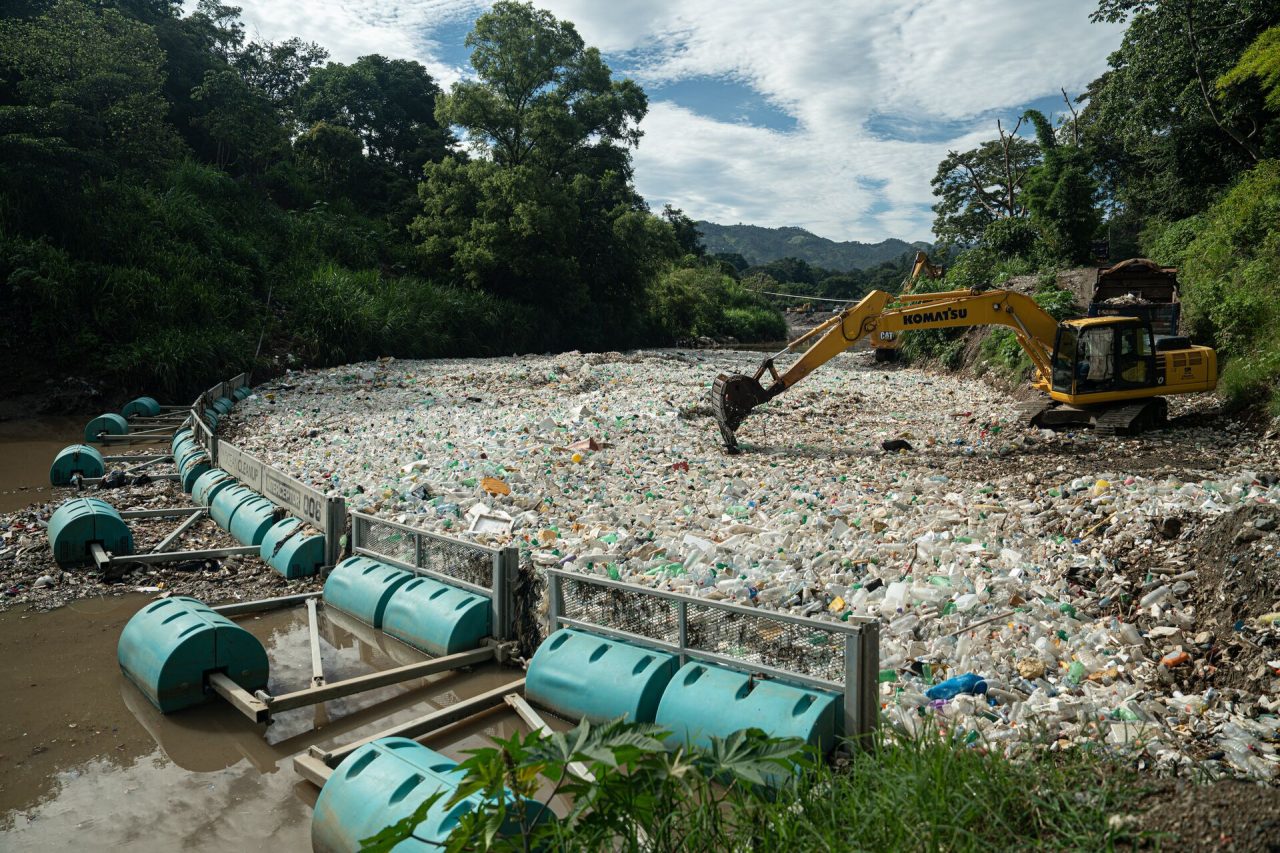
The MoU establishes a framework for collaboration to explore potential co-development of programmes and projects aligned with CTI-CFF’s engagement with its member countries and The Ocean Cleanup’s planned river clean-up deployments, data collection, research, and analytical activities.
The cooperation directly supports the implementation of CTI-CFF’s Regional Plan of Action (RPOA) 2.0, particularly its priorities on addressing marine debris and pollution, promoting ecosystem-based management, and strengthening regional collaboration to safeguard coastal and marine resources.
“This partnership reflects our shared commitment to advancing the priorities of RPOA 2.0 by addressing one of the most pressing threats to marine and coastal ecosystems—plastic pollution,” said Dr. Frank Griffin, Executive Director of the CTI-CFF Regional Secretariat.
“By combining CTI-CFF’s regional convening role and policy frameworks with The Ocean Cleanup’s innovative technologies and data-driven approaches, this collaboration strengthens our collective ability to support member countries in preventing plastic leakage at its source, protecting critical habitats, and safeguarding the livelihoods and food security of millions of people who depend on healthy oceans in the Coral Triangle.”
Under the MoU, the Parties will focus on integrated and sustainable solutions to plastic pollution across river basins, coastal zones, and marine ecosystems. This includes the application of innovative technologies to prevent plastics from entering oceans and waterways, as well as the development and support of policies aimed at improving waste management and reducing plastic pollution at national and regional levels.
Areas of potential collaboration include knowledge and data exchange, stakeholder engagement, and joint exploration of programme and project opportunities. Initial areas of interest may include the impacts of plastic pollution on coral reefs, mangroves, seagrass beds, fisheries, threatened species, and coastal communities, as well as the use of regional data and analytical tools such as the Coral Triangle Atlas. The Parties may also explore collaboration in support of National Plastic Action Plans and National Solid Waste Management Plans, as well as joint participation in regional and global platforms, consistent with the objectives of RPOA 2.0.
Mr. Boyan Slat, CEO & Founder of The Ocean Cleanup, said, “This collaboration creates a strong platform to align our river and ocean clean-up technologies with regional priorities and national actions across the Coral Triangle. By working closely with the CTI-CFF Regional Secretariat, we aim not only to remove existing plastic pollution, but also to generate data and insights that support better waste management policies, reduce plastic leakage upstream, and deliver long-term, systemic impact for ocean health.”
Through this partnership, the CTI-CFF Regional Secretariat and The Ocean Cleanup reaffirm their shared commitment to translating regional priorities into concrete, on-the-ground action. By strengthening collaboration among governments, practitioners, and partners, the cooperation will
contribute to reduced plastic pollution, enhanced ecosystem resilience, and sustainable livelihoods across the Coral Triangle. These joint efforts support the long-term vision of RPOA 2.0 to ensure that the region’s globally significant marine and coastal ecosystems continue to provide economic, social, and environmental benefits for present and future generations.
About the Coral Triangle Initiative on Coral Reefs, Fisheries and Food Security (CTI- CFF)
The Coral Triangle Initiative on Coral Reefs, Fisheries and Food Security (CTI-CFF) is a multilateral partnership of six countries—Indonesia, Malaysia, Papua New Guinea, the Philippines, Solomon Islands, and Timor-Leste—working together to protect the Coral Triangle, the global epicenter of marine biodiversity. Often called the “Amazon of the Seas,” the Coral Triangle is home to 76% of the world’s known coral species (over 600 species of reef-building corals) and 37% of the world’s reef fish species, supporting the livelihoods and food security of more than 130 million people. Through its Regional Plan of Action (RPOA 2.0), CTI-CFF drives regional collaboration to conserve coral reefs, expand marine protected areas, ensure sustainable fisheries, and build resilience to climate change. The CTI-CFF Regional Secretariat, based in Manado, Indonesia, coordinates this collective effort—bringing together governments, partners, and communities to advance a healthy, resilient, and inclusive blue economy across the Coral Triangle.
About The Ocean Cleanup
The Ocean Cleanup is a nonprofit organization that develops and scales technologies to rid the oceans of plastic. By conducting extensive research, engineering scalable solutions, and partnering with governments, industry, and like-minded organizations, The Ocean Cleanup is working to stop plastic inflow via rivers and remove legacy plastic already polluting the oceans. As of December 2025, the non-profit has collected over 46 million kilograms (101.4 million pounds) of trash from aquatic ecosystems around the world. Founded in 2013 by Boyan Slat, The Ocean Cleanup now employs a multi-disciplined team of approximately 200 people. The organization is headquartered in Rotterdam, the Netherlands, with international operations in 10 countries.